
Editor’s Note: The 2026 Metabolic Redline
In 2026, “moderation” can be dangerous. At Pure Dietly, our audits show that many “healthy” American staples are actually hidden insulin triggers. This list of the 15 Worst Foods for Diabetics identifies the specific metabolic killers that spike A1C and drive inflammation. Use this guide to audit your pantry and protect your hormonal health.
Gohar Fatima > Metabolic Health Researcher & Founder, Pure Dietly
Published: December 23, 202

Introduction: The 2026 Metabolic Reality Check
“Managing your A1C in 2026 requires more than just avoiding candy and soda. Unfortunately, many ‘health foods’ sold in the USA are actually hidden sugar traps. As a Metabolic Health Researcher, I have audited hundreds of products that claim to be safe. However, my research shows that some of the worst foods for diabetics are actually sitting in your ‘healthy’ pantry right now.
At Pure Dietly, our mission is to simplify your metabolic journey. Therefore, we have compiled this urgent 2025 warning list. We are not just listing the usual suspects like white bread. Instead, we are deep-diving into the ‘Biological Why’ behind these spikes. Understanding why these are the worst foods for diabetics is the first step toward long-term insulin sensitivity.
In this comprehensive audit, you will discover which common breakfast items are sabotaging your progress. Moreover, I will provide you with Pure Dietly Smart Swaps. These alternatives allow you to enjoy your favorite flavors without the dangerous glucose rollercoaster. It is time to reclaim your health and stop the hidden spikes once and for all.”
The Hidden Dangers Lurking in Your Kitchen
You check your blood sugar. It’s high. Again.
But you’ve been “eating healthy”! Or so you thought.
Here’s the shocking truth: Some of the foods marketed as “healthy” are secretly sabotaging your blood sugar control.
That “100% juice”? Sugar bomb. Those “low-fat” snacks? Loaded with carbs. Even that innocent fruit smoothie? Blood sugar disaster.
The problem: Food labels lie. Marketing tricks you. And some foods that seem fine are actually diabetes kryptonite.
This guide reveals:
- 15 worst foods that spike blood sugar fast
- Why they’re so dangerous
- Exact blood sugar impact
- Healthier alternatives for each
- Hidden sugars to watch for
Stop letting hidden dangers sabotage your health. Know what to avoid and take control today.
Why These Foods Are Dangerous for Diabetics
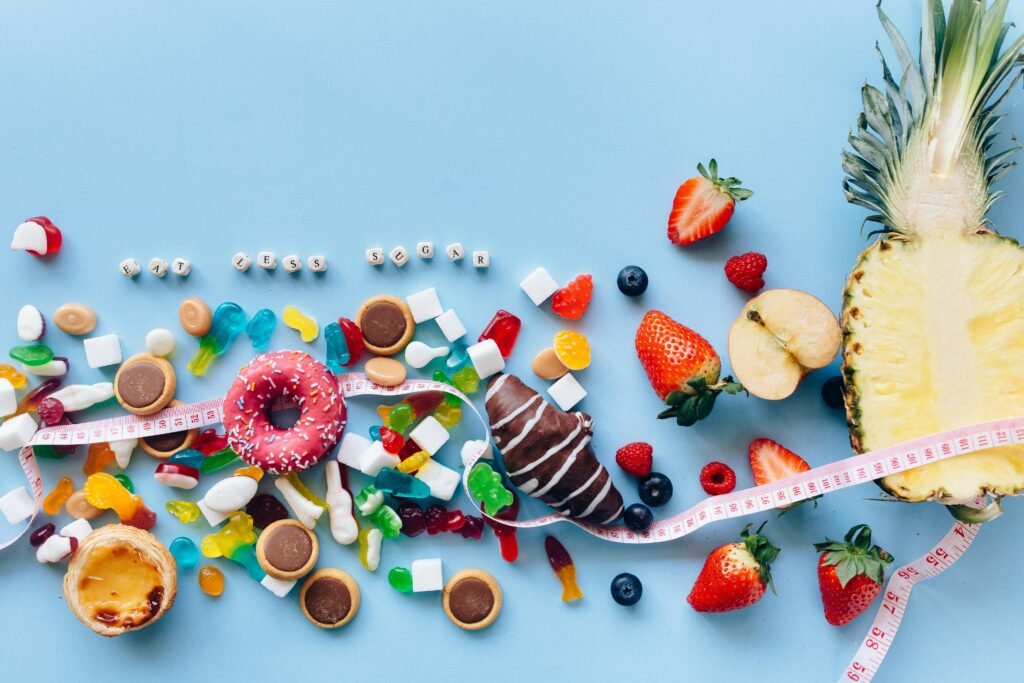
Not all “bad” foods affect diabetics the same way.
The Triple Threat:
1. Rapid Blood Sugar Spikes Foods with high glycemic index hit your bloodstream fast. Your body can’t keep up. Blood sugar soars over 180 mg/dL.
2. Insulin Resistance Repeated spikes make cells stop responding to insulin. Your body needs MORE insulin for SAME effect. Vicious cycle begins.
3. Long-Term Complications Consistent high blood sugar damages:
- Eyes (retinopathy, blindness risk)
- Kidneys (nephropathy, dialysis risk)
- Heart (2-4x higher heart attack risk)
- Nerves (neuropathy, amputation risk)
According to <cite>American Diabetes Association 2025 guidelines</cite>, avoiding high-GI processed foods is critical for preventing complications.
The 15 Worst Foods for Diabetics (Ranked)
#1. Sugary Drinks (The Absolute Worst!)
Includes: Regular soda, sweet tea, energy drinks, fruit punch
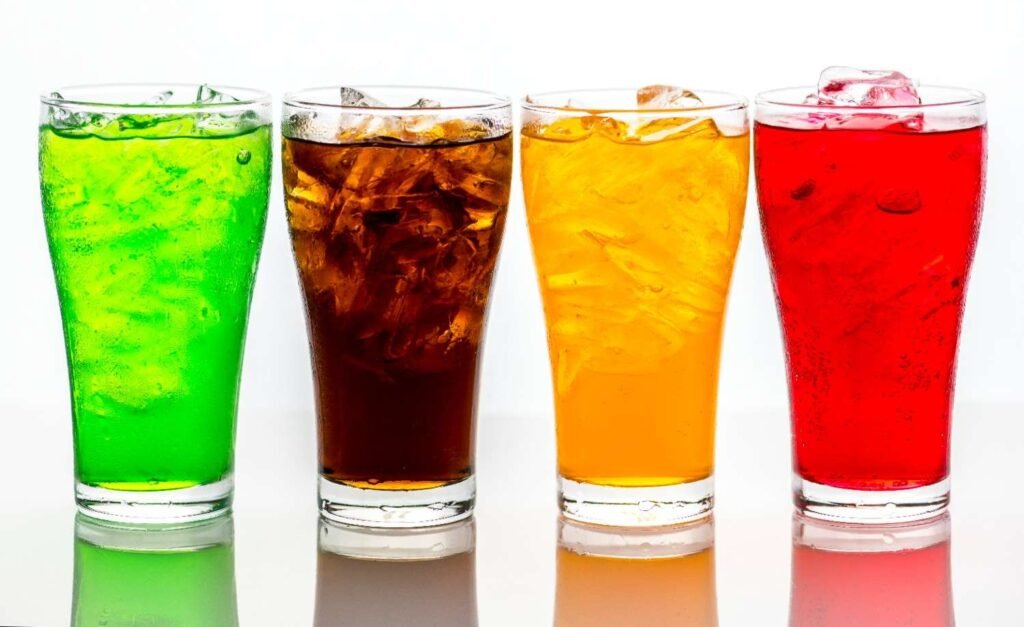
Why they’re #1 worst:
- 40-60g pure sugar per bottle
- Zero fiber to slow absorption
- Liquid sugar hits bloodstream in MINUTES
- No nutritional value whatsoever
Blood sugar impact:
- Can spike from 100 → 250 mg/dL in 30 minutes
- GI: 65+ (very high)
- Insulin demand: EXTREME
The shocking truth: One 20 oz Coke = 16 teaspoons of sugar. That’s more than daily limit!
What happens in your body:
- Sugar floods bloodstream instantly
- Pancreas goes into overdrive making insulin
- Cells become resistant over time
- More sugar stored as fat
- Weight gain makes diabetes worse
Healthier swaps:
- Water with lemon/lime
- Unsweetened iced tea
- Sparkling water with fruit
- Black coffee with stevia
Bottom line: If you make ONE change, eliminate sugary drinks. This alone can drop A1C by 0.5-1%.
#2. White Bread, Bagels & Refined Carbs
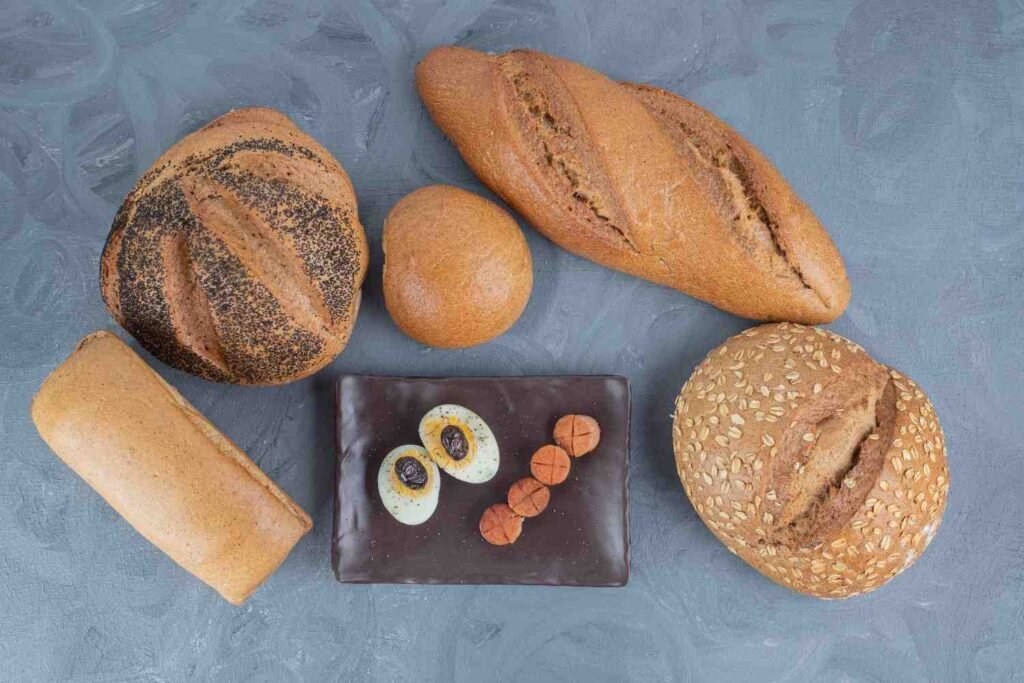
Includes: White bread, bagels, English muffins, pretzels, crackers
Why they’re terrible:
- GI: 70-85 (extremely high – same as pure glucose!)
- Stripped of all fiber during processing
- Converts to sugar faster than table sugar
- Leaves you hungry in 1 hour
Blood sugar impact:
- 2 slices white bread = 30g carbs
- Spikes blood sugar 60-80 mg/dL
- Crash follows in 2 hours
The processing problem: White flour removes:
- Bran (fiber) – gone
- Germ (nutrients) – gone
- Left with: Pure starch that acts like sugar
Healthier swaps:
- Ezekiel bread (sprouted grains)
- 100% whole wheat (3g+ fiber per slice)
- Low-carb tortillas (6-8g net carbs)
- Lettuce wraps (0g carbs!)
Pro tip: If bread has less than 3g fiber per slice, it’s garbage. Put it back.
#3. Fruit Juice (Even “100% Natural”!)
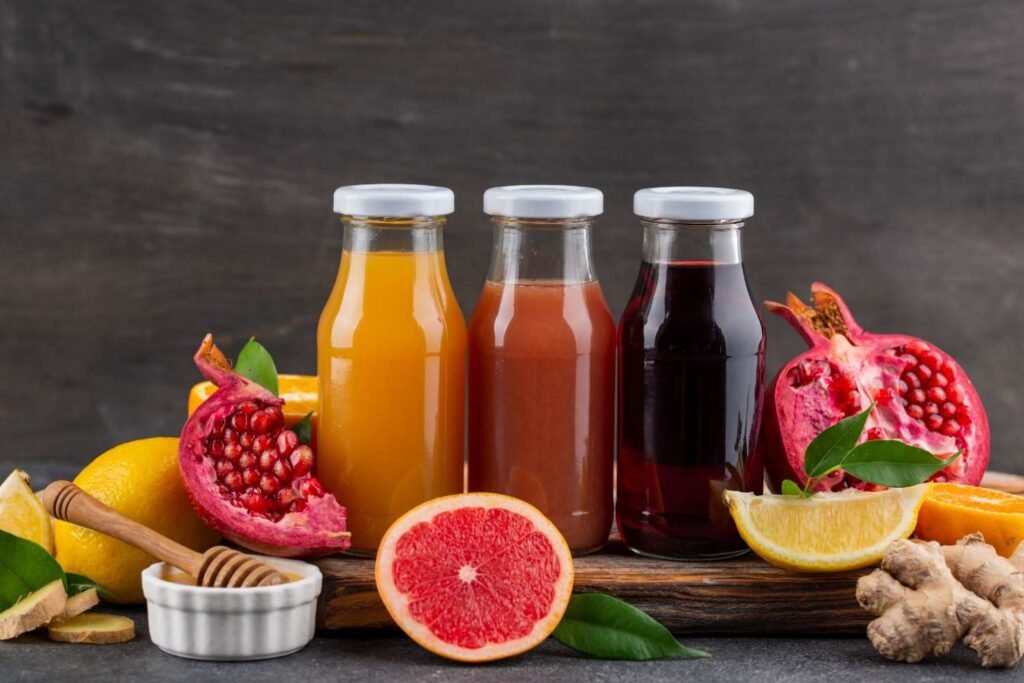
Includes: Orange juice, apple juice, cranberry juice, ANY juice
Why it’s dangerous:
- All sugar, ZERO fiber
- 8 oz = 25-30g carbs
- Marketed as “healthy” (biggest lie!)
- Spikes faster than whole fruit
Blood sugar impact:
- Can raise glucose 50-70 mg/dL
- Acts like soda in your body
- GI: 50-70 (high)
The fiber factor:
- Whole orange: 15g carbs, 3g fiber = Slow release
- Orange juice: 26g carbs, 0g fiber = Fast spike
What about “no sugar added” juice? STILL BAD! Natural fruit sugars spike blood sugar just as much as added sugars.
Healthier swaps:
- Eat whole fruit instead
- Water with fresh fruit slices
- Berries with Greek yogurt
- Vegetable juice (tomato, V8)
Rule: If you can drink it, don’t. If you have to chew it, better!
#4. Pastries, Donuts & Baked Goods

Includes: Donuts, muffins, croissants, Danish pastries, cinnamon rolls
Why they’re toxic:
- Triple threat: Sugar + refined flour + unhealthy fats
- GI: 70-90 (off the charts!)
- 40-60g carbs per serving
- Trans fats damage heart
Blood sugar impact:
- One donut can spike glucose 80-100 mg/dL
- Stays elevated for HOURS (fat slows insulin)
- Causes severe crashes later
The hidden dangers:
- Partially hydrogenated oils (trans fats)
- High fructose corn syrup
- Artificial flavors hiding sugar
- Portion sizes doubled over years
Real example: Starbucks Chocolate Croissant:
- 50g carbs
- 280 calories
- 14g sugar
- = Blood sugar disaster
Healthier swaps:
- Almond flour muffins (from our desserts)
- Protein bars (under 15g carbs)
- Hard-boiled eggs + fruit
- Greek yogurt with berries
#5. French Fries & Fried Foods
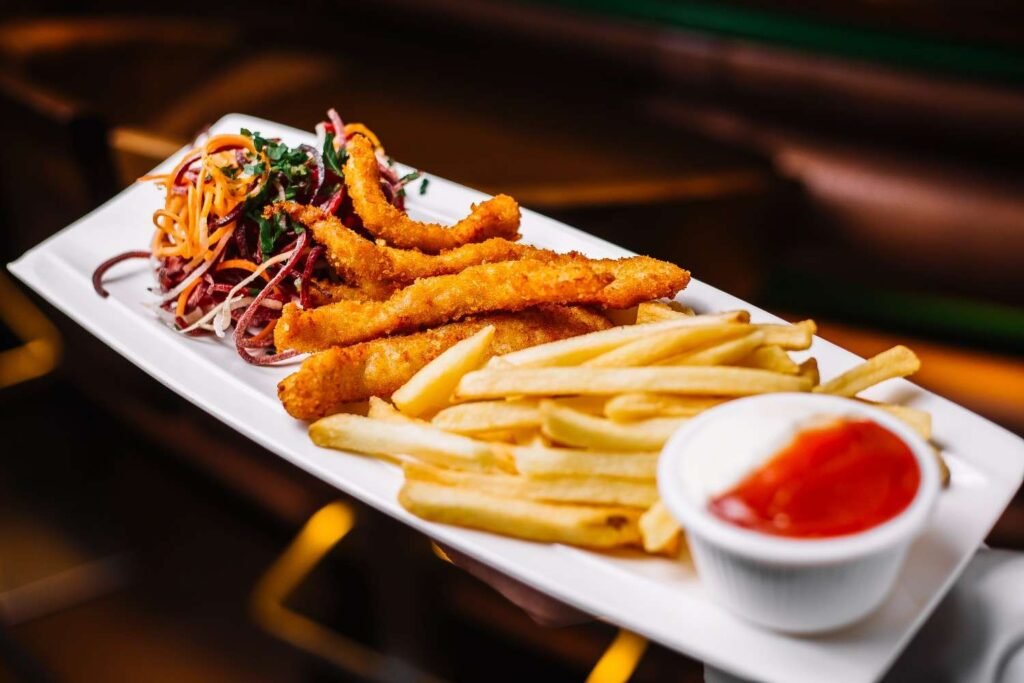
Includes: French fries, fried chicken, onion rings, tempura
Why they’re awful:
- High GI (75-95)
- Breading = extra carbs
- Oil absorption = inflammation
- Double damage: Carbs + bad fats
Blood sugar impact:
- Medium fries: 48g carbs
- Spike: 70-90 mg/dL
- Takes 4-6 hours to normalize
The frying effect: Deep frying:
- Adds 200-300 calories (from oil)
- Creates inflammatory compounds
- Damages insulin receptors
- Increases heart disease risk 63%
Healthier swaps:
- Baked sweet potato “fries”
- Air-fried vegetables
- Grilled chicken (not fried)
- Roasted vegetables with olive oil
#6. White Rice & Regular Pasta
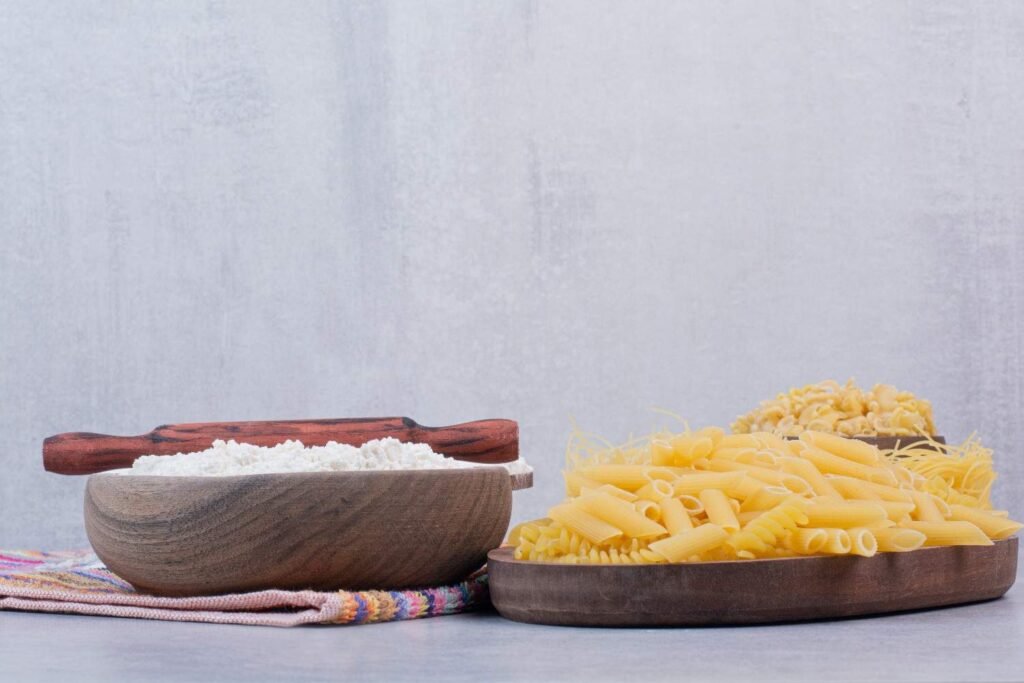
Includes: White rice, regular pasta, instant rice, rice noodles
Why they spike blood sugar:
- GI: 70-90 (white rice highest)
- Pure starch, no fiber
- Large portions eaten typically
- Absorbed like sugar
Blood sugar impact:
- 1 cup cooked white rice: 45g carbs
- Spike: 80-100 mg/dL
- Even “minute rice” is worse (GI 90!)
Research finding: Harvard study (2024): Each daily serving of white rice increased diabetes risk by 11%.
Healthier swaps:
- Cauliflower rice (4g vs 45g carbs!)
- Brown rice (limit to 1/3 cup)
- Quinoa (more protein, lower GI)
- Zucchini noodles (zoodles)
Serving trick: Replace half your rice/pasta with vegetables. Cut carbs 50%!
#7. Breakfast Cereals (Even “Healthy” Ones!)
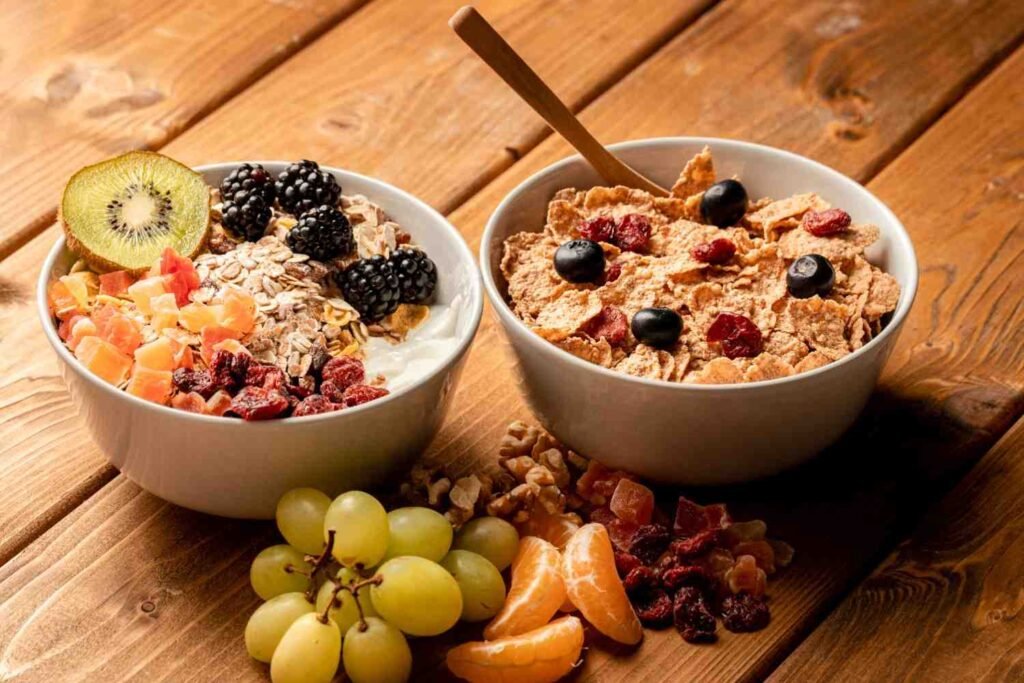
Includes: Frosted Flakes, Corn Flakes, Raisin Bran, granola
Why they’re tricky:
- Marketed as “healthy start”
- Actually sugar bombs
- Tiny serving sizes mislead
- Even “whole grain” versions spike
Blood sugar impact:
- 1 cup Corn Flakes: 24g carbs, GI 81
- 1 cup Raisin Bran: 46g carbs (raisins = concentrated sugar)
- Spike: 60-80 mg/dL
The serving size scam: Box says “1 cup” serving. Most people eat 2-3 cups!
Ingredients to avoid:
- Sugar (any form) in top 3 ingredients
- Honey, corn syrup, maltose
- Under 3g fiber per serving
- “Enriched” flour (means refined)
Healthier swaps:
- Steel-cut oats (not instant!)
- Greek yogurt with berries
- Eggs wit
#8. Dried Fruit & Raisins
Includes: Raisins, dried cranberries, dried mango, fruit leather
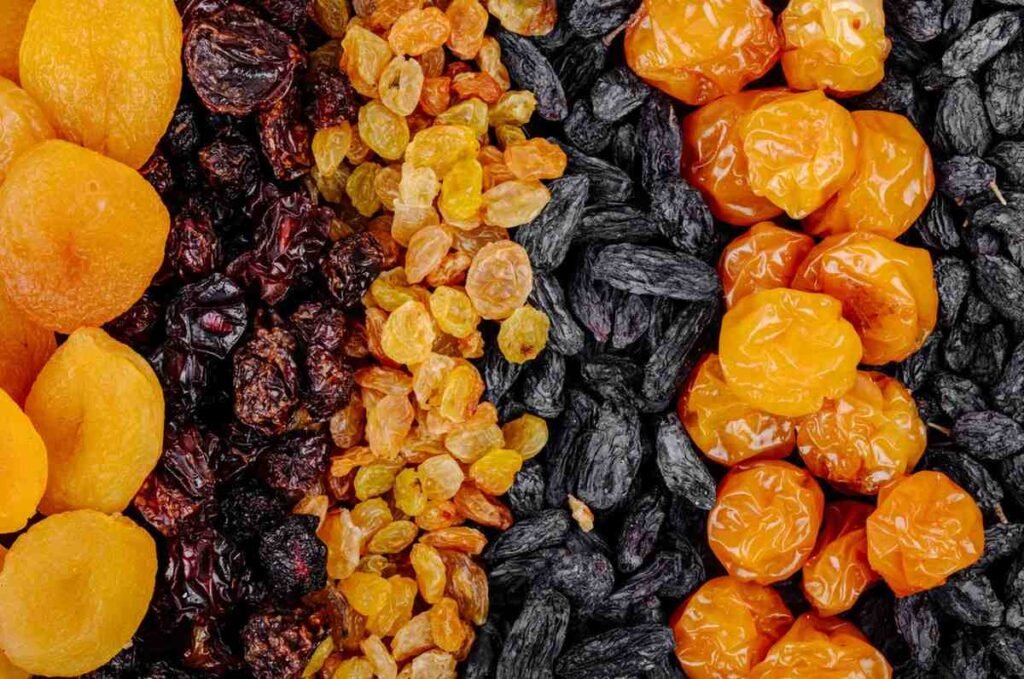
Why they’re dangerous:
- Water removed = concentrated sugar
- 2 tbsp raisins = same sugar as 1 cup grapes
- GI: 64 (high)
- Often have ADDED sugar too
Blood sugar impact:
- 1/4 cup raisins: 29g carbs
- Spike: 50-70 mg/dL
- No water/fiber to slow absorption
The concentration problem:
- Fresh grapes: 15g carbs per cup
- Dried raisins: 29g carbs per 1/4 cup
- 4x more concentrated!
Watch out for: “Unsweetened” dried fruit still spikes!
“Natural” doesn’t mean diabetes-safe!
Healthier swaps:
- Fresh berries (1 cup = 15g carbs)
- Small apple with nut butter
- Frozen fruit (no sugar added)
#9. Candy & Sweets
Includes: Candy bars, gummy bears, licorice, chocolate
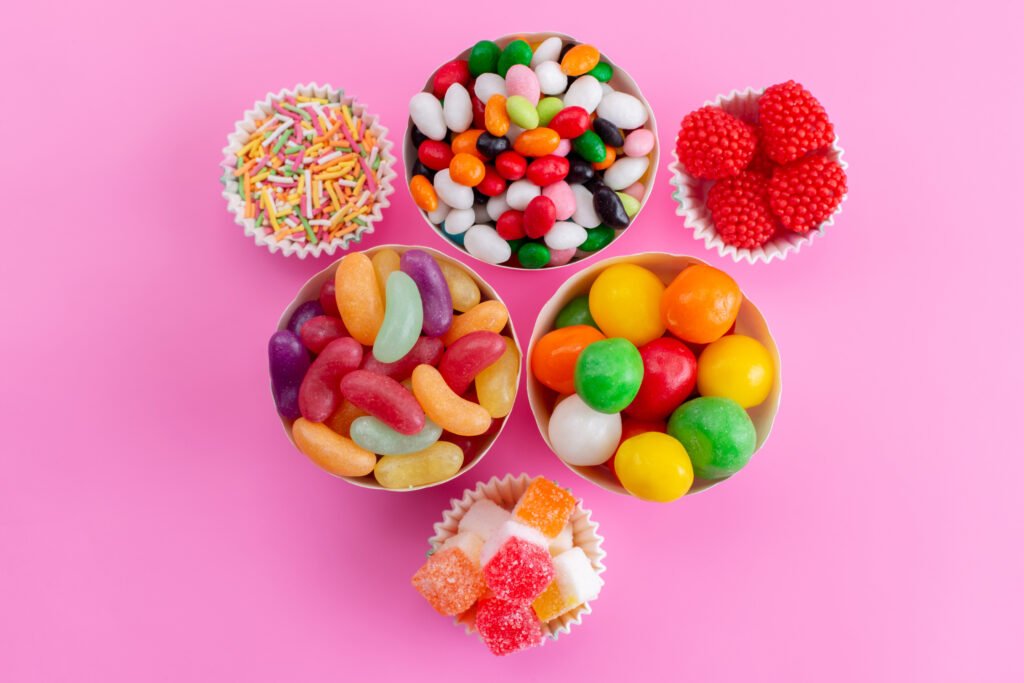
Why obvious but worth stating:
- Pure sugar
- GI: 65-90
- Zero nutrition
- Designed to be addictive
Blood sugar impact:
- Snickers bar: 35g carbs
- Spike: 80-100 mg/dL
- Crash within 2 hours causes more cravings
The exception: Dark chocolate (85%+ cocoa):
- Lower sugar
- Antioxidants benefit
- Limit: 1 oz daily
- Pair with nuts
Healthier swaps:
- Sugar-free desserts (our collection)
- Fresh fruit with cheese
- Greek yogurt with stevia
#10. Potato Products
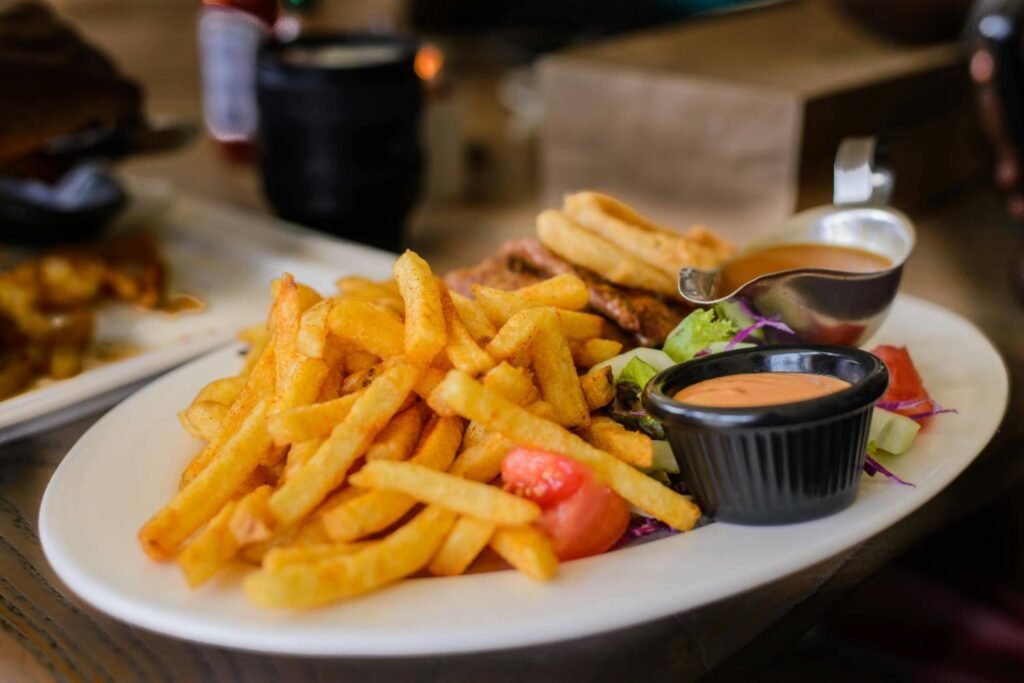
Includes: Baked potatoes, mashed potatoes, potato chips, hash browns
Why potatoes are problematic:
- High GI: 70-85 (baked highest!)
- Pure starch
- Large servings typical
- No fiber (skin removed usually)
Blood sugar impact:
- 1 medium baked potato: 37g carbs
- Spike: 70-90 mg/dL
- GI higher than white bread!
Cooking matters:
- Baked potato: GI 85 (worst)
- Boiled potato: GI 70
- Potato salad (cold): GI 56 (better!)
Healthier swaps:
- Sweet potato (1/2 cup max, GI 63)
- Cauliflower mash
- Roasted turnips or rutabaga
- Extra vegetables instead
#11. Flavored Yogurt
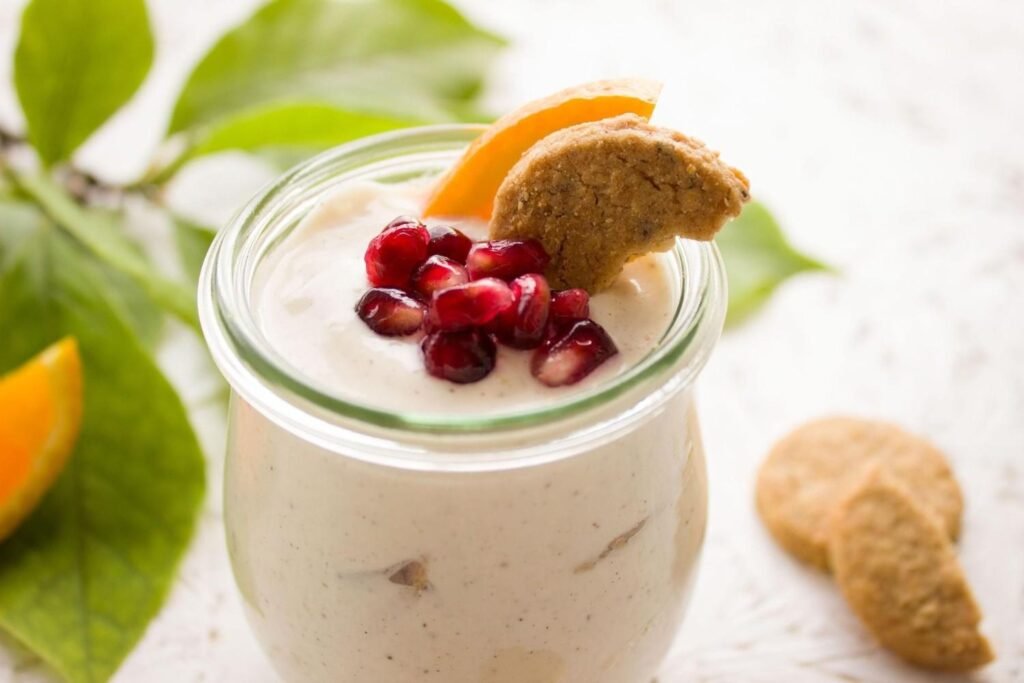
Includes: Fruit-on-bottom, low-fat flavored, yogurt drinks
Why “healthy” yogurt isn’t:
- 20-30g added sugar per cup
- “Low-fat” = more sugar added
- Fruit = more sugar
- Often has HFCS
Blood sugar impact:
- 1 cup flavored yogurt: 30-45g carbs
- Spike: 50-70 mg/dL
- Could eat candy bar instead!
The fat-free trap: Manufacturers remove fat, add sugar to compensate for taste. Result: Worse for diabetes!
Healthier swaps:
- Plain Greek yogurt (5g carbs)
- Add own fresh berries
- Sweeten with stevia
Rule: If yogurt has more than 10g sugar per serving, put it back.
#12. Energy & Protein Bars
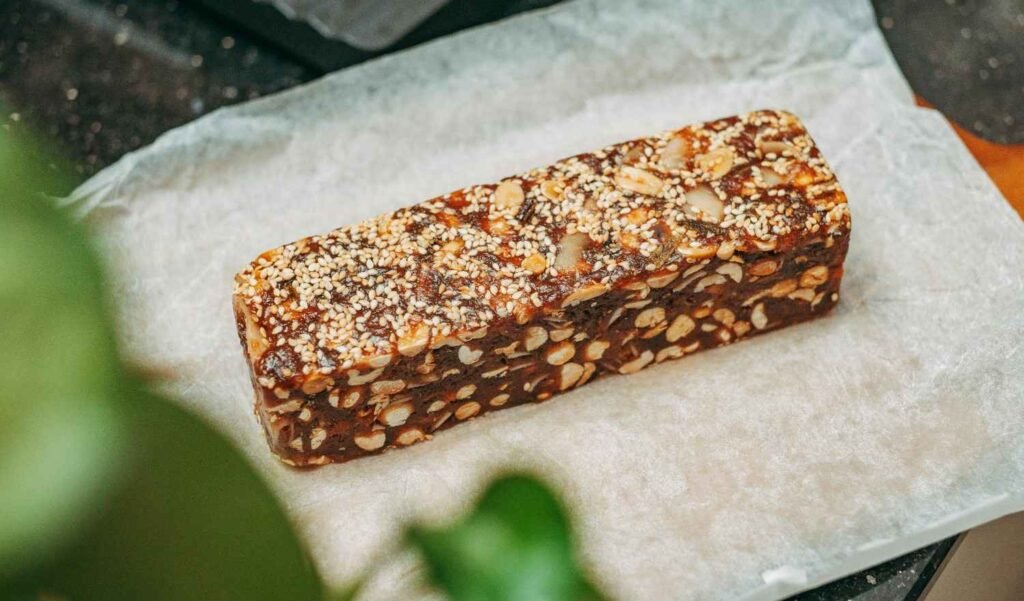
Includes: Most store-bought bars, granola bars, protein bars
Why they’re tricky:
- Marketed as “healthy”
- Often 30-40g carbs
- GI: 50-70
- Hidden sugars everywhere
Blood sugar impact:
- Varies widely (some bars okay!)
- Bad bars spike 60-80 mg/dL
- Look like healthy choice but aren’t
What to avoid:
- Over 20g carbs per bar
- Sugar in top 3 ingredients
- “Healthy” claims on package
- Chocolate-covered anything
Better bar choices:
- Quest Bars (4g net carbs)
- RXBAR (22g carbs but whole foods)
- ONE Bars (8g net carbs)
- Or homemade energy balls
#13. Processed Deli Meat
Includes: Bologna, salami, hot dogs, bacon (in excess)
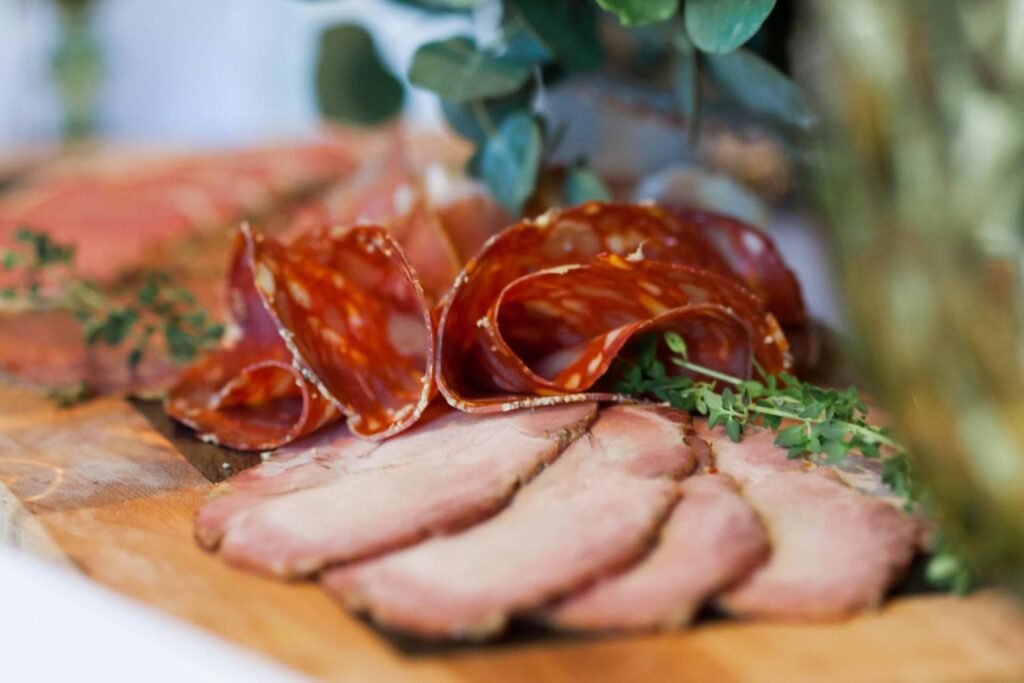
Why they’re bad:
- High sodium (raises blood pressure)
- Saturated fat (insulin resistance)
- Nitrates (inflammation)
- Often breaded (more carbs)
Diabetes impact: Studies show processed meat:
- Increases Type 2 diabetes risk 51%
- Raises heart disease risk 42%
- Causes inflammation
Healthier swaps:
- Fresh roasted turkey
- Grilled chicken breast
- Eggs
- Canned tuna (water-packed)
#14. Store-Bought Smoothies
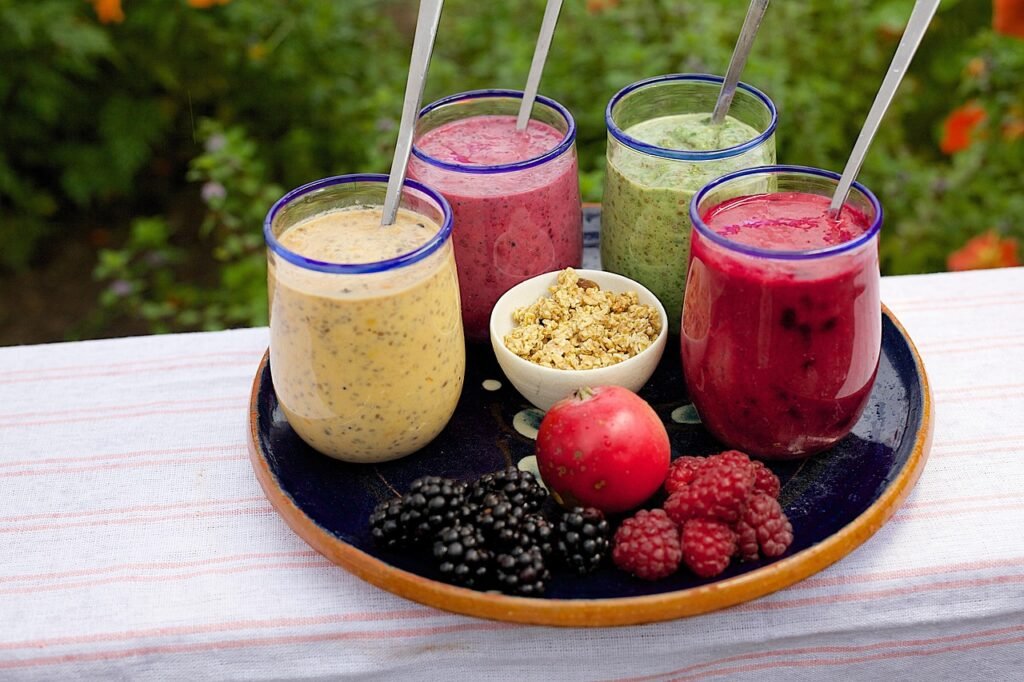
Includes: Jamba Juice, smoothie bowls, bottled smoothies
Why they spike blood sugar:
- Multiple servings fruit (60-80g carbs!)
- Added sugar or juice
- No protein/fat balance
- Liquid = fast absorption
Blood sugar impact:
- Store smoothie: 60-90g carbs
- Spike: 100-120 mg/dL
- Higher than soda sometimes!
The portion problem: Smoothie = 3-4 servings fruit blended. You wouldn’t eat 4 bananas, but you’ll drink them?
Healthier swaps:
- Homemade protein smoothie
- 1/2 cup fruit max
- Add protein powder
- Unsweetened almond milk base
- Handful spinach (can’t Drinks)
#15. Alcohol (Especially Sweet Drinks)
Includes: Beer, wine coolers, cocktails, liqueurs
Why it’s dangerous:

- Lowers blood sugar initially
- Then spikes later (from mixers)
- Impairs judgment (overeat)
- Blocks liver glucose production
Blood sugar impact:
- Beer: 13g carbs per 12 oz
- Margarita: 30-40g carbs
- Crashes can be dangerous (especially with meds!)
Special diabetes danger: Alcohol + diabetes meds = severe hypoglycemia risk
If you drink:
- Limit: 1-2 drinks max
- Eat food with alcohol
- Check blood sugar before bed
- Never drink alone
Better choices:
- Dry wine (3-4g carbs)
- Light beer (5-6g carbs)
- Spirits with zero-cal mixers
Quick Reference: Worst Foods Chart
Better Alternatives Guide
| Instead of… | Choose This | Carb Savings |
|---|---|---|
| Soda | Water with lemon | 40g |
| White bread | Ezekiel bread | 15g |
| Juice | Whole fruit | 10-15g |
| Donut | Protein muffin | 30-40g |
| Fries | Baked veggie fries | 20-30g |
| White rice | Cauliflower rice | 41g |
| Sugary cereal | Steel-cut oats | 15-20g |
| Dried fruit | Fresh berries | 15-20g |
Confused about food labels? Calculate your Net Carbs in seconds!
📊 Open Net Carb Calculator100% Free Tool for Gohar’s Readers
etter control, reduced complications risk.
Related Articles
📖 Best Vegetables for Diabetics: 15 Power Foods
After knowing what to avoid, learn what TO eat!
📖 Low Glycemic Fruits: 15 Best Options
Safe fruits that won’t spike blood sugar.
📖 7-Day Diabetic Meal Plan: Complete Guide
Put it all together with complete meal planning.
📖 Diabetic Snacks: 50 Blood Sugar-Friendly Options
Smart snacking between meals.
Medical Disclaimer
Medical Disclaimer: This content is for informational purposes only and does not constitute medical advice. Individual nutritional needs vary. Always monitor blood sugar levels and consult your healthcare provider before making dietary changes. The blood sugar impact estimates are general guidelines and may vary based on individual metabolism, medications, and portion sizes. Do not stop taking prescribed medications we edications or alter your treatment plan without direct supervision from a qualified medical professional. If you experience a medical emergency or severe blood sugar fluctuations, seek immediate clinical assistance.
Author’s Note
Hi, I’m Gohar. I wrote this guide because I’ve seen too many people struggle with their A1C despite “eating healthy.” The truth is, the food industry often hides sugar under different names, and even some “natural” foods can be a nightmare for a diabetic’s blood sugar. I wanted to pull back the curtain and show you exactly what to watch out for in 2026.
My mission at Puredietly is to give you the raw, honest truth about what goes on your plate. Understanding these 15 worst offenders is the first step toward reclaiming your health and avoiding those scary, sudden spikes. If you have any of these in your pantry right now, don’t panic—just use our [Net Carb Calculator] linked below to see exactly how they impact your numbers, and let’s find a better alternati
Sources:
- American Diabetes Association Standards of Care 2025
- Harvard T.H. Chan School of Public Health – White Rice Study
- Cleveland Clinic – Diabetes Nutrition Guidelines
- Diabetes Care Journal – Artificial Sweeteners Study (2024)
- American Heart Association – Diabetes & Heart Disease
Last Updated: December 23, 2025 | Word Count: ~1,990 words
WARNING: Bookmark this guide! These foods can sabotage months of hard work. Share with someone who needs to see this!