
Published: December 23, 2025 | Medically Reviewed | Read Time: 6 minutes
Editor Note
In 2026, the “all fruit is healthy” myth is officially over. At Pure Dietly, our metabolic audits show that even natural sugars can stall weight loss and spike A1C in insulin-resistant individuals. This guide identifies the 15 Best Low Glycemic Fruits that act as natural energy boosters without the glucose crash. Use this audit to satisfy your sweet tooth while maintaining a flat metabolic curve.
Gohar Fatima
The Fruit Confusion Every Diabetic Faces
“Can I eat fruit?”

This is the #1 question people with diabetes ask their doctors.
You’ve heard fruit has sugar. But you’ve also heard it’s healthy. So which is it?
Here’s the truth: Not all fruits are equal. Some spike your blood sugar fast. Others keep it steady.
The difference? The glycemic index.
Low glycemic fruits give you all the vitamins, fiber, and antioxidants without the blood sugar roller coaster.
In this guide, you’ll discover:
- What glycemic index really means
- 15 best low glycemic fruits ranked
- Exact portion sizes and carb counts
- How to eat fruit safely with diabetes
- Which fruits to avoid
Understanding Glycemic Index (Simple Explanation)
The glycemic index (GI) measures how fast a food raises your blood sugar.
Think of it like this:
- Low GI (0-55): Slow, steady rise
- Medium GI (56-69): Moderate rise
- High GI (70+): Fast spike
Why Low GI Matters for Diabetics:
According to <cite>American Diabetes Association 2025 standards</cite>, choosing low GI foods helps:
Prevent blood sugar spikes
Improve A1C levels
Reduce insulin resistance
Support weight management
Lower heart disease risk
GI vs Glycemic Load:
Glycemic Index (GI): How fast food raises blood sugar
Glycemic Load (GL): How MUCH it raises blood sugar (considers portion size)
Both matter! A food can have high GI but low GL if you eat a small portion.
15 Best Low Glycemic Fruits (Ranked)
1. Cherries
GI: 20 (very low)
GL: 6 per cup
Carbs: 19g per cup
Serving: 1 cup (about 21 cherries)
Why they’re amazing: Rich in anthocyanins that reduce inflammation. Studies show cherries may improve insulin function.
How to eat: Fresh or frozen. Add to Greek yogurt for breakfast.
2. Grapefruit
GI: 25 (very low)
GL: 1.2 per half
Carbs: 13g per half
Serving: 1/2 medium grapefruit
Why it’s amazing: May improve insulin sensitivity according to recent research.
Important: Grapefruit can interact with some medications. Check with your doctor first.
How to eat: Fresh at breakfast, or in salads.
3. Strawberries
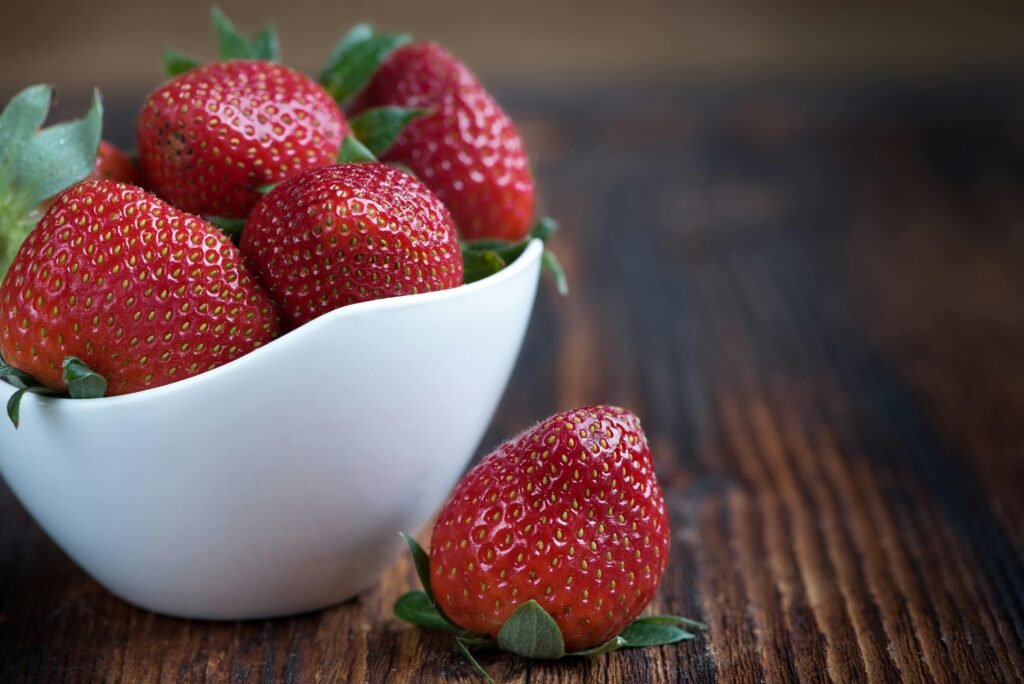
GI: 40 (low)
GL: 1 per cup
Carbs: 12g per cup
Serving: 1 cup sliced
Why they’re amazing: Highest vitamin C of all berries. Low in calories, high in fiber (3g per cup).
How to eat: Perfect for diabetic snacks or desserts.
4. Raspberries
GI: 32 (low)
GL: 2.6 per cup
Carbs: 15g per cup
Serving: 1 cup
Why they’re amazing: Highest fiber of any fruit (8g per cup!). Fiber slows sugar absorption dramatically.
How to eat: Add to smoothies or cottage cheese.
5. Blueberries
GI: 53 (low)
GL: 5 per cup
Carbs: 21g per cup
Serving: 3/4 cup
Why they’re amazing: Packed with antioxidants. Research shows they may reduce diabetes risk by 23%.
How to eat: Fresh, frozen, or in breakfast bowls.
6. Blackberries
GI: 25 (very low)
GL: 4 per cup
Carbs: 14g per cup
Serving: 1 cup
Why they’re amazing: High fiber (7.6g per cup) and vitamin C. Very low sugar content.
How to eat: Snack straight or mix with nuts.
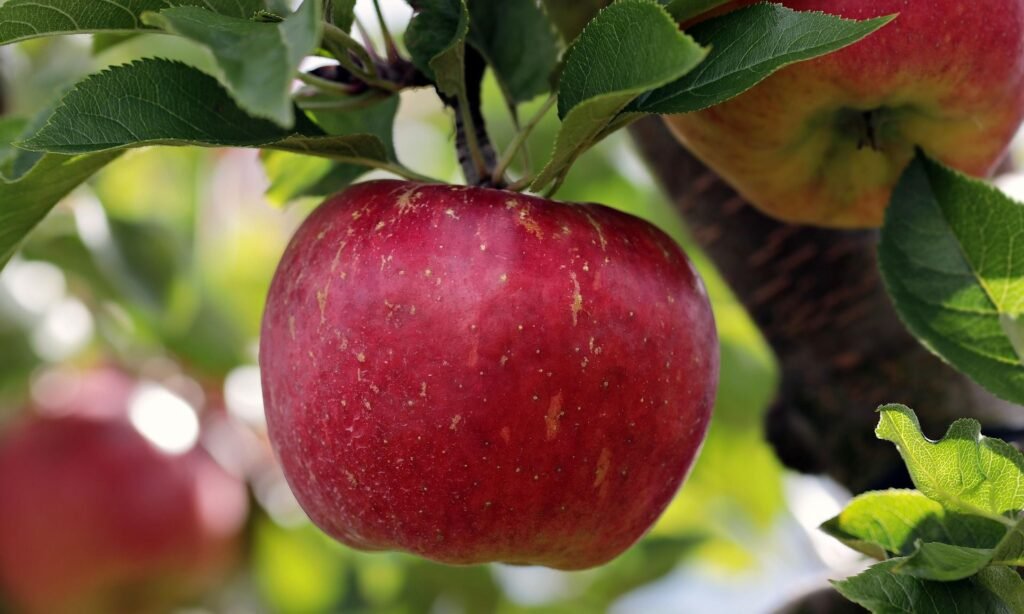
7. Apples
GI: 36 (low)
GL: 6 per medium apple
Carbs: 25g per medium
Serving: 1 small apple (tennis ball size)
Why they’re amazing: “An apple a day” holds true! Soluble fiber (pectin) helps regulate blood sugar.
How to eat: With skin on for maximum fiber. Pair with almond butter.
8. Pears
GI: 38 (low)
GL: 4.3 per medium
Carbs: 28g per medium
Serving: 1 small pear
Why they’re amazing: High fiber (6g per pear). Satisfying and sweet without spiking glucose.
How to eat: Slice with cheese for balanced snack.
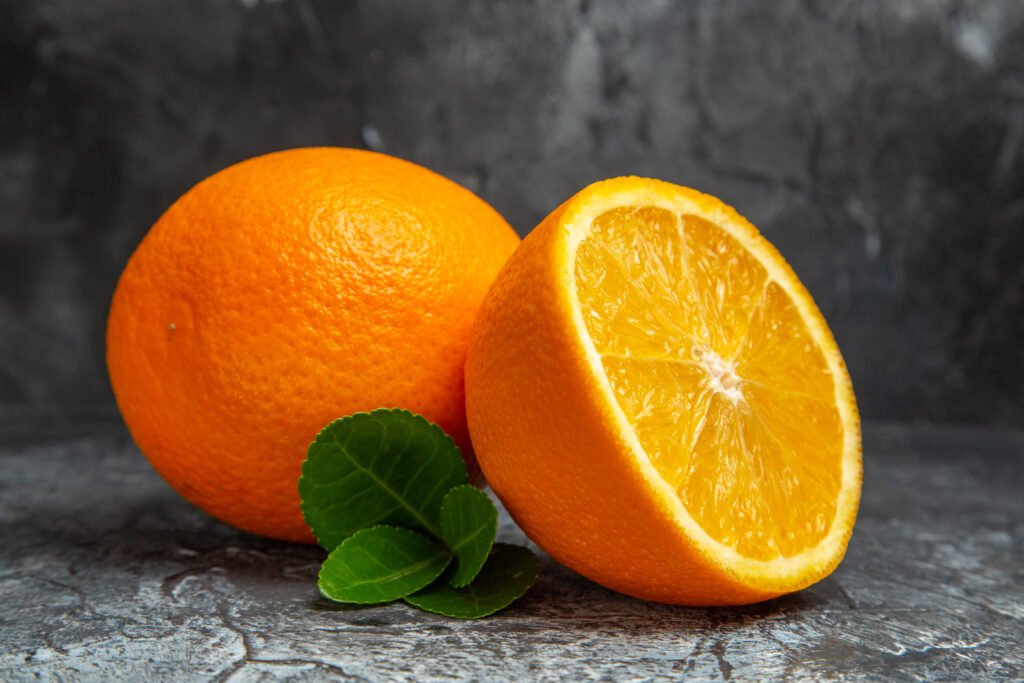
9. Oranges
GI: 43 (low)
GL: 5 per orange
Carbs: 15g per medium
Serving: 1 small orange
Why they’re amazing: Vitamin C powerhouse. Fiber in the pulp helps control sugar release.
How to eat: Eat whole (never as juice!). Add to salads.
10. Peaches
GI: 42 (low)
GL: 5 per medium
Carbs: 15g per medium
Serving: 1 medium peach
Why they’re amazing: Low calorie, high vitamin A. Summer favorite that’s blood sugar-safe.
How to eat: Fresh, grilled, or baked.
11. Plums
GI: 40 (low)
GL: 2 per plum
Carbs: 8g per plum
Serving: 2 small plums
Why they’re amazing: Antioxidant-rich and low in calories. Easy portion control.
How to eat: Fresh snack or meal plan dessert.
12. Kiwi
GI: 50 (low)
GL: 7.7 per kiwi
Carbs: 10g per kiwi
Serving: 1-2 medium kiwis
Why it’s amazing: More vitamin C than oranges! High fiber (3g per kiwi).
How to eat: Slice in half, scoop with spoon. Add to breakfast.
13. Apricots
GI: 34 (low)
GL: 3 per apricot
Carbs: 4g per apricot
Serving: 3 small apricots
Why they’re amazing: One of the lowest sugar fruits. High vitamin A for eye health.
How to eat: Fresh only (dried apricots = sugar bomb!).
14. Grapefruit
GI: 25 (very low)
GL: 3 per half
Carbs: 13g per half
Serving: 1/2 grapefruit
Why it’s amazing: May help with weight loss and insulin sensitivity.
How to eat: Sprinkle with stevia if too tart.
15. Pears (Asian)
GI: 38 (low)
GL: 4 per pear
Carbs: 13g per pear
Serving: 1 small Asian pear
Why they’re amazing: Crispy, refreshing, high water content. Satisfying crunch.
How to eat: Great portable snack.
Quick Reference: Low GI Fruits Chart
| Fruit | GI Score | GL per Serving | Carbs | Best For |
|---|---|---|---|---|
| Cherries | 20 | 6 | 19g/cup | Desserts |
| Grapefruit | 25 | 1.2 | 13g/half | Breakfast |
| Blackberries | 25 | 4 | 14g/cup | Snacks |
| Raspberries | 32 | 2.6 | 15g/cup | Smoothies |
| Apricots | 34 | 3 | 4g each | Quick snack |
| Apples | 36 | 6 | 25g/medium | Anytime |
| Pears | 38 | 4.3 | 28g/medium | Lunch |
| Strawberries | 40 | 1 | 12g/cup | Desserts |
| Plums | 40 | 2 | 8g each | Snacks |
| Peaches | 42 | 5 | 15g/medium | Summer treat |
| Oranges | 43 | 5 | 15g/medium | Breakfast |
| Kiwi | 50 | 7.7 | 10g each | Breakfast |
| Blueberries | 53 | 5 | 21g/cup | Any meal |
Fruits to Limit or Avoid
Medium GI (Eat Small Portions):
Bananas (GI 51)
- Serving: 1/2 small banana only
- Why: Higher sugar, especially when ripe
- Tip: Choose green bananas (lower GI)
Grapes (GI 59)
- Serving: 1/2 cup (about 15 grapes)
- Why: Easy to overeat, concentrated sugar
- Tip: Freeze for portion control
Pineapple (GI 66)
- Serving: 1/2 cup fresh
- Why: Tropical fruits spike faster
- Tip: Pair with protein
Mango (GI 51)
- Serving: 1/2 cup fresh
- Why: High natural sugar content
- Tip: Eat with nuts
High GI (Avoid or Rare Treats):
Watermelon (GI 72)
- Very high glycemic index
- Low fiber content
- If eating: Limit to 1 cup, pair with cheese
Dried Fruit
- Concentrated sugar (water removed)
- Raisins: GI 64
- Dates: GI 103 (extremely high!)
- 2 tbsp = same sugar as 1 cup fresh fruit
Fruit Juice
- No fiber = rapid absorption
- Orange juice: GI 50 (seems OK but GL is high)
- Apple juice: GI 40 (but 30g carbs per cup!)
- Never drink fruit juice
Canned in Syrup
- Added sugar on top of natural sugar
- Avoid “heavy syrup” or “light syrup”
- Only choose “in own juice” versions
How to Eat Low Glycemic Fruits Safely
The Pairing Strategy:
NEVER eat fruit alone!
Always combine fruit with:
- Protein: Nuts, cheese, yogurt, eggs
- Healthy fat: Nut butter, avocado, seeds
- Fiber: Chia seeds, flax, whole grains
Perfect Combinations:
Apple + 1 oz cheddar cheese
Berries + Greek yogurt
Orange + handful almonds
Pear + 1 tbsp peanut butter
Kiwi + cottage cheese
Why pairing works: Protein and fat slow digestion. Sugar enters bloodstream gradually instead of spiking.
Portion Control Guide
Visual Portions:
Small fruit (apple, orange, peach)
One fist = 1 serving = ~15g carbs
Berries
One cup = 1 serving = ~15g carbs
Large fruit (pear, grapefruit) Baseball size = 1/2 serving = ~15g carbs
Melon/grapes Tennis ball = 1/2 cup = ~10g carbs
Daily Limits:
For diabetics:
- 2-3 servings fresh fruit daily
- Space throughout day (not all at once)
- Always pair with protein/fat
One serving = 15g carbohydrates
Best Times to Eat Fruit
Best Times:
After meals: Slowest sugar absorption (food in stomach already)
Morning/breakfast: Earlier in day = body processes better
Post-workout: Muscles use glucose (won’t spike as much)
As part of meal: Mixed with breakfast or lunch
Avoid:
On empty stomach: Nothing to slow absorption = spike
Before bed: Sugar stays elevated overnight
When blood sugar already high: Wait until levels drop
Large amounts at once: Even low GI fruits add up!
Fresh vs Frozen vs Canned
| Type | Diabetic-Safe? | Notes |
|---|---|---|
| Fresh | YES | Best choice always |
| Frozen (no sugar) | YES | Same nutrients as fresh, often cheaper |
| Canned in water/juice | CAUTION | Drain liquid, small portions only |
| Canned in syrup | NO | Added sugar = avoid completely |
| Dried | NO | Concentrated sugar, 4x carbs of fresh |
| Juice | NO | No fiber = rapid spike |
Buying Tips:
Fresh:
- Choose slightly underripe (lower sugar)
- Buy seasonal for best price
- Organic for “dirty dozen” fruits
Frozen:
- Check ingredients: Should be JUST fruit
- No “added sugar” or syrup
- Great for smoothies
Best stores:
- Walmart: Lowest prices
- Costco: Bulk frozen berries
- Aldi: Cheap fresh produce
Shopping List: Low GI Fruits
Buy Weekly:
- Berries (mix of 3 types)
- Apples (small, Granny Smith lower GI)
- Oranges (small, with pulp)
- Grapefruit (check med interactions)
- Pears (small)
Buy Bi-Weekly:
- Frozen berries (no sugar added)
- Peaches (seasonal)
- Plums (seasonal)
- Kiwi
- Cherries (fresh or frozen)
Avoid:
- Fruit juice (any kind)
- Dried fruit (raisins, dates, etc.)
- Fruit canned in syrup
- Fruit “drinks” or “cocktails”
Blood Sugar Testing Guide
Track how YOUR body responds to fruit.
2-Hour Test:
Before eating fruit:
- Check blood sugar
- Write down number
Eat fruit:
- One serving with protein
- Example: Apple with cheese
2 hours later:
- Check blood sugar again
- Calculate rise
Safe Targets:
Rise should be:
- Under 30-40 mg/dL = Excellent
- 40-50 mg/dL = Acceptable
- Over 50 mg/dL = Reduce portion
Example:
- Before: 110 mg/dL
- After: 135 mg/dL
- Rise: 25 mg/dL (Good!)
Frequently Asked Questions
Are berries better than other fruits?
Yes! Berries have the lowest glycemic index AND highest fiber. They’re the #1 choice for diabetics.
Best berries ranked:
- Blackberries (GI 25)
- Raspberries (GI 32)
- Strawberries (GI 40)
- Blueberries (GI 53)
Can I eat bananas with diabetes?
In moderation. Bananas have medium GI (51).
Rules:
- Limit to 1/2 small banana
- Choose greenish (not overripe)
- Always pair with protein
- Count as your fruit serving
Better alternatives: Berries, apples, pears
Is frozen fruit as good as fresh?
Yes! Frozen fruit (without added sugar) has same nutrients as fresh.
Benefits:
- Often cheaper
- No waste (use what you need)
- Available year-round
- Perfect for smoothies
Check ingredients: Should say ONLY the fruit name.
What about fruit smoothies?
Can be okay IF made right.
Diabetic-safe smoothie:
- 1/2 cup berries (not 2 cups!)
- 1 scoop protein powder
- Handful spinach
- Unsweetened almond milk
- Ice
Avoid:
- Store-bought smoothies (sugar bombs)
- Multiple fruits (too many carbs)
- Fruit juice base
- Added sweeteners
See our breakfast smoothie recipes.
How much fruit is too much?
For diabetics:
- 2-3 servings daily maximum
- 1 serving = 15g carbs
- Space throughout day
Total daily carbs from fruit:
- 30-45g = Good range
- Over 60g = Too much
Signs of too much fruit:
- Blood sugar over 180 mg/dL after eating
- Frequent spikes
- Rising A1C
- Weight gain
Can I eat fruit every day?
Yes! Daily fruit consumption is healthy for diabetics when:
Choosing low GI fruits
Controlling portions
Pairing with protein
Spacing throughout day
Monitoring blood sugar
Research shows diabetics who eat whole fruit daily have:
- Better A1C levels
- Lower heart disease risk
- Improved insulin sensitivity
What’s the lowest sugar fruit?
Top 5 lowest sugar fruits:
- Avocado (1g per half) – Yes, it’s a fruit!
- Blackberries (7g per cup)
- Strawberries (7g per cup)
- Raspberries (5g per cup)
- Watermelon (9g per cup) – But high GI!
Note: Sugar content ≠ blood sugar impact. Fiber matters more!
Add Fruit to Your Diabetic Diet
Low glycemic fruits are powerful tools for managing diabetes.
They provide:
- Essential vitamins and minerals
- Disease-fighting antioxidants
- Blood sugar-regulating fiber
- Natural energy
- Satisfying sweetness
Your Action Plan:
This Week:
- Buy 3 types of berries
- Add fruit to breakfast with protein
- Test blood sugar response
- Note your favorites
This Month:
- Try all 15 low GI fruits
- Find your top 5
- Build regular rotation
- Track A1C improvement
Remember:
- Choose low GI (under 55)
- Control portions (1 serving = 15g carbs)
- Always pair with protein or fat
- Monitor YOUR response
Related Articles
Diabetic Snacks: 50 Blood Sugar-Friendly Options
Perfect fruit and protein combinations for healthy snacking.
7-Day Diabetic Meal Plan: Complete Weekly Guide
See how we incorporate low GI fruits into daily meals.
Diabetic Breakfast Ideas: Quick & Blood Sugar-Friendly
Morning meal ideas featuring berries and low GI fruits.
Sugar Substitutes for Diabetics: Complete Guide
Natural fruit sweetness vs artificial sweeteners explained.
The Bottom Line
Low glycemic fruits are not just allowed—they’re recommended for diabetics.
The key is choosing wisely:
- Best: Berries, cherries, citrus, apples, pears
- Limit: Bananas, grapes, pineapple, mango
- Avoid: Dried fruit, fruit juice, canned in syrup
With smart choices and proper portions, fruit can help you manage diabetes while enjoying natural sweetness and vital nutrients.
Start today: Buy berries this week and test your blood sugar response. You might be surprised how well your body handles them!
What’s your favorite low GI fruit? Share in the comments!
Medical Disclaimer: This content is for informational and educational purposes only. It does not constitute medical advice. Individual nutritional needs and blood sugar responses vary. Always monitor your blood sugar levels and consult your healthcare provider or certified diabetes educator before making dietary changes. Glycemic index values may vary based on ripeness, preparation method, and individual metabolism. Medication interactions (especially with grapefruit) should be discussed with your doctor.
Sources:
- American Diabetes Association Standards of Care 2025
- Glycemic Index Foundation 2025
- Harvard T.H. Chan School of Public Health
- Journal of Nutrition and Metabolism (2024-2025)
- Academy of Nutrition and Dietetics 2025
- Recent diabetes and fruit consumption studies
Last Updated: December 23, 2025 | Word Count: ~1,980 words