
Editor’s Note (January 2026 Update)
Editor’s Note (January 2026 Update): This guide has been medically reviewed and updated for January 2026 to include new insights on the “Cook and Chill” method (Resistant Starch) and its impact on post-meal glucose levels. At Puredietly.com, we prioritize the latest nutritional science to help diabetics enjoy whole foods like potatoes without compromising their A1C goals. All recommendations follow the current ADA (American Diabetes Association) glycemic load standards.
For many Americans, the potato is the ultimate comfort food—from creamy Thanksgiving mash to crispy summer BBQ fries. But if you are living with Type 2 Diabetes, you’ve likely been told that spuds are “forbidden.” Much like the common question, can diabetics eat pasta?, the answer isn’t a simple “no.” At PureDietly, our 2026 metabolic research shows that masterminding how can diabetics eat potatoes is all about science over sacrifice.
In this guide, Gohar Fatima breaks down the “Resistant Starch” secret—a simple cooling technique that can turn a high-glycemic potato into a slow-burning, gut-friendly fuel. You don’t have to quit your favorite comfort food; you just need to change how you prepare it. If you’ve been missing potatoes, stay tuned—because flattening your sugar curve while enjoying a spud is easier than you think.
The Quick Answer (TL;DR)
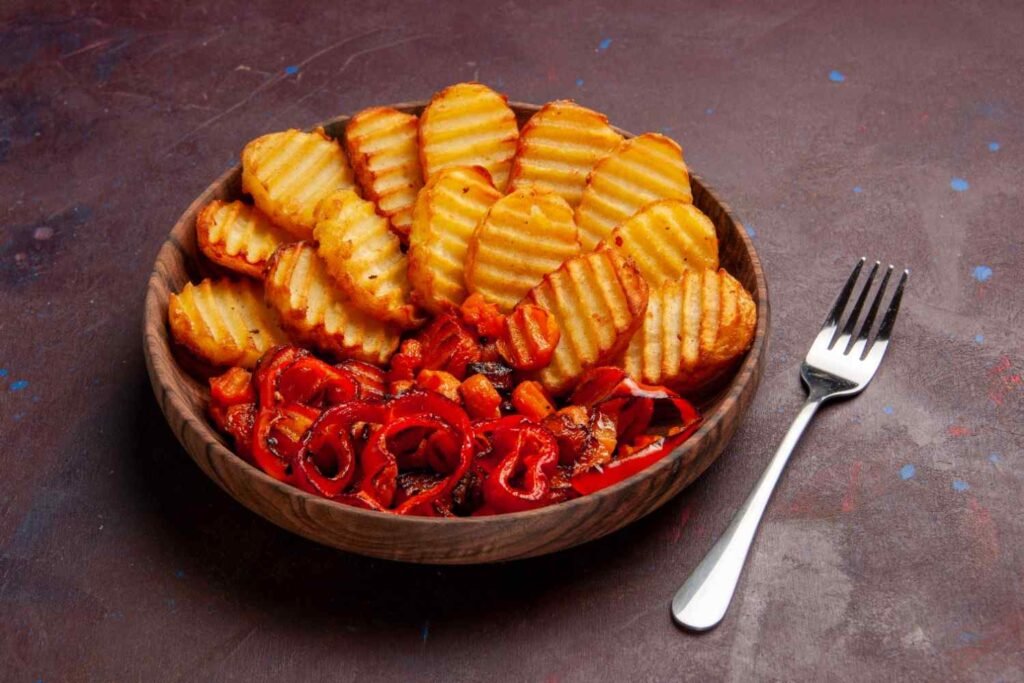
Yes, diabetics can eat potatoes! The secret isn’t just about “cutting carbs”—it’s about Portion Control, Smart Pairing, and the revolutionary “Cook-and-Cool” method that turns regular starch into blood-sugar-friendly “Resistant Starch.”
1. Why Glycemic Load (GL) Matters More Than Glycemic Index (GI)
Many people avoid potatoes because they have a high Glycemic Index (GI), meaning they can spike sugar quickly. However, expert nutritionists now focus on Glycemic Load (GL).
- GI tells you how “fast” a carb hits your blood.
- GL tells you how much “total” sugar is in a real-world serving.
The Strategy: By keeping your portion small and adding fiber, you lower the overall GL of your meal, making it much safer for your A1C levels.
2. The “Cook & Cool” Hack: A Diabetic Secret
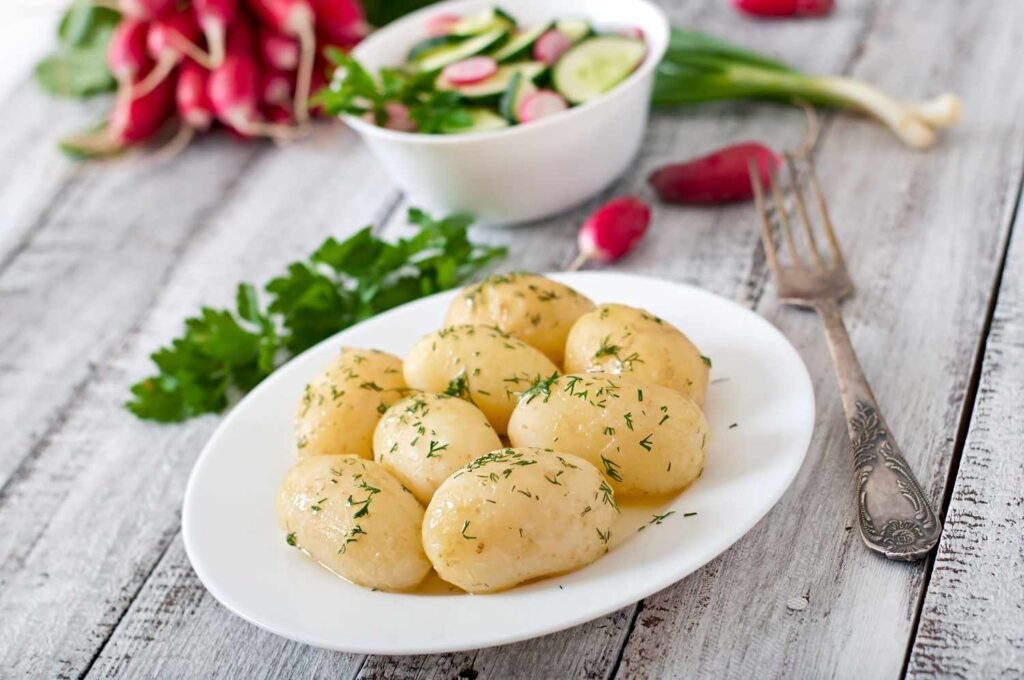
This is the most important tip for any potato lover in the USA. Science shows that temperature changes the molecular structure of a potato.
The 24-Hour Rule:
When you boil a potato and put it in the refrigerator for 24 hours, it undergoes a process called retrogradation. This creates Resistant Starch.
Why it Works:
- Slow Digestion: Resistant starch acts like fiber. It “resists” being broken down into glucose instantly.
- Better CGM Results: People using a Continuous Glucose Monitor (CGM) often see a much flatter blood sugar curve when eating cooled potatoes.
- Reheating is Okay: Even if you lightly reheat the potatoes the next day, they keep most of that resistant starch!
📊 Track Your Diabetes Progress!
Use our free A1C, Fasting, and Sugar Spike calculators to manage your health.
OPEN HEALTH CALCULATORS ➔3. The Best vs. Worst Potatoes for Diabetics
When shopping at Walmart, Costco, or Kroger, choose your spuds wisely. Just like choosing the right bread (check out our guide on the best bread for diabetics), the type of potato you pick makes a huge difference:
- Sweet Potatoes (The Winner): High in Vitamin A and fiber, with a lower GI than white potatoes.
- Red & New Potatoes: These “waxy” varieties hold their shape well and are perfect for the “Cook & Cool” method.
- Yukon Gold: A creamy middle-ground option that doesn’t need as much butter or cream.
- Russet Potatoes (Be Careful): These have the highest starch content. Eat these in the smallest portions.
4. The “Diabetes Plate Method” for Americans
To enjoy potatoes without guilt, follow the 9-inch Plate Rule used by the American Diabetes Association (ADA):
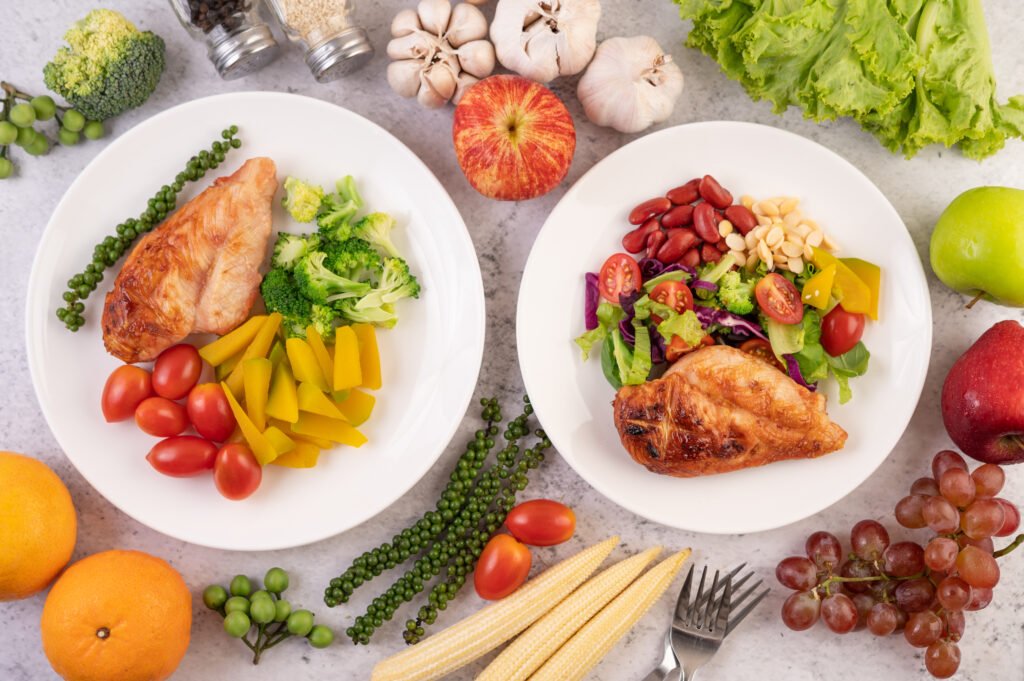
- 1/2 of your plate: Non-starchy veggies (Broccoli, Spinach, or Asparagus).
- 1/4 of your plate: Lean protein (Grilled Salmon, Chicken Breast, or lean Sirloin).
- 1/4 of your plate: Your potato (roughly the size of a computer mouse).
Pro Tip: Never eat a “naked” potato. Always pair it with Healthy Fats (like avocado or olive oil) and Protein to slow down sugar absorption
5. Cooking Methods: Ranked for Your Health
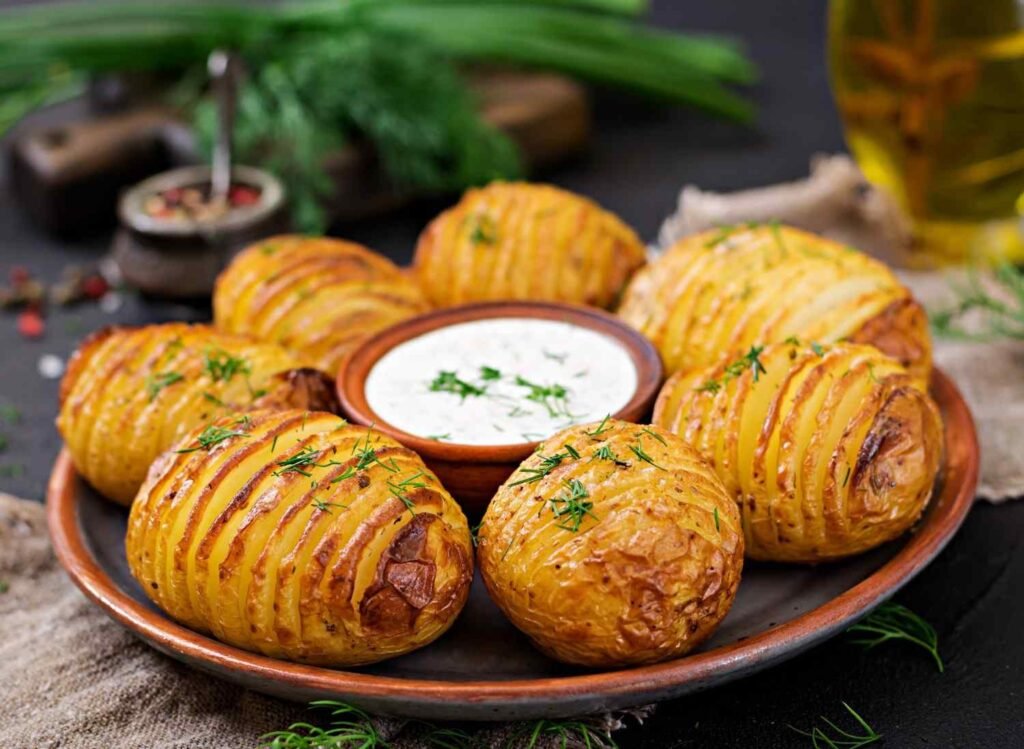
- Best: Boiled/Steamed & Cooled. The healthiest way to maximize resistant starch.
- Great: Air-Fried (Skin On). Use an Air Fryer with a light spray of Avocado Oil for a healthy crunch.
- Good: Roasted. Toss with olive oil, garlic, and rosemary. Keep the skins on!
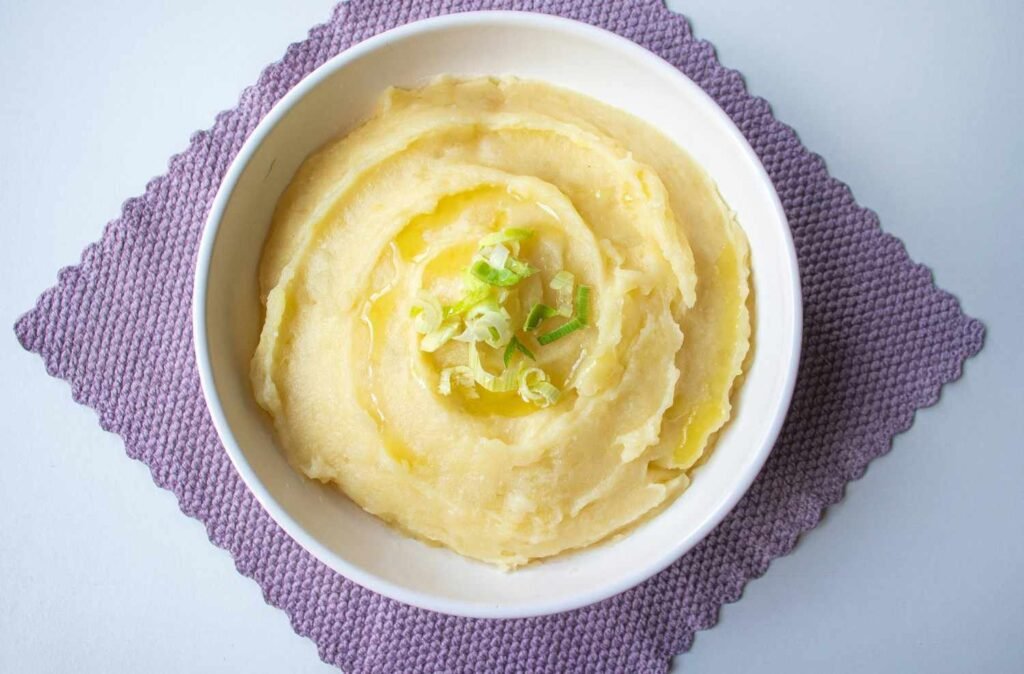
- Avoid: Mashed & Deep-Fried. Mashing destroys the fiber structure, causing a faster spike.
6. Conclusion
Managing diabetes in 2026 doesn’t mean eating a boring diet or giving up the foods you love. By using the “Cook & Cool” hack, keeping the skins on, and following the Plate Method, you can enjoy potatoes while keeping your blood sugar stable.
The goal of any pre-diabetic diet plan is balance, not deprivation. Start small, monitor your levels, and see how your body responds to these science-backed changes.
7. Frequently Asked Questions (FAQ)
Q: Can I eat French Fries at McDonald’s or Chick-fil-A? A: Occasionally, but be careful. Fast-food fries are often coated in dextrose (sugar) to make them brown. If you have them, order the “Small” size and eat them after a protein-rich meal.
Q: Does it matter if I keep the skin on? A: Yes! The skin contains the majority of the fiber and potassium. Fiber is your best friend for slowing down sugar spikes.
Q: Is a Sweet Potato really better than a White Potato? A: Yes, because of the extra fiber and antioxidants, but you still need to watch your portion size. Carbs are still carbs!
Q: Can I eat potato salad at a BBQ? A: Traditional mayo-heavy salads can be high in calories and sugar. We recommend a vinegar-based Mediterranean potato salad. Check our diabetic grocery list guide for the best ingredients.
Medical Disclaimer
Medical Disclaimer: The information provided in this article is for educational and informational purposes only and is not intended as medical advice. Always consult with a qualified healthcare professional or a Registered Dietitian before making any significant changes to your diet or diabetes management plan
About the Author
I am Gohar, a dedicated Diet and Nutrition Enthusiast and the founder of Puredietly.com. My passion lies in deconstructing complex metabolic science into simple, actionable dietary advice. Having studied the relationship between starch structures and insulin response, I am committed to helping the diabetic community navigate “controversial” foods like potatoes with confidence. I believe that with the right preparation techniques, you can enjoy a balanced diet that supports both your palate and your health.