
Editor’s Note: Why Trust This Guide?
Oatmeal is often called a “superfood,” but for diabetics, it can be a hidden sugar bomb. At Puredietly, we don’t just look at calories; we use 2026 glucose science and CGM (Continuous Glucose Monitor) data to see how food actually behaves in your blood. This guide focuses on the “Protein-Fat-Fiber Shield” to help you enjoy your breakfast without the dangerous A1C spikes. Our goal is to give you the science-backed hacks you need for stable energy all day long.
Can Diabetics Eat Oatmeal? The 50-Word Answer
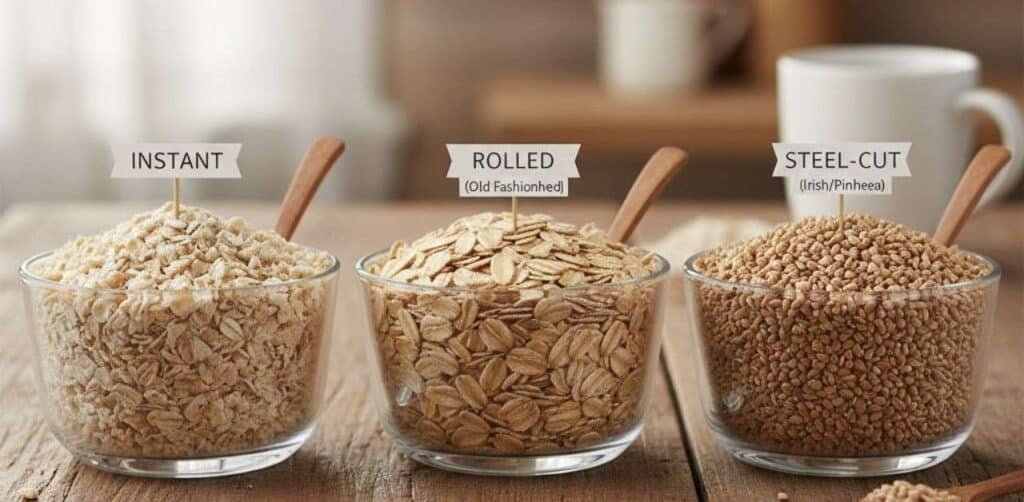
“Many people ask, is oatmeal bad for diabetics or is it the perfect superfood?” Oatmeal is not “bad” for diabetics, but the type and preparation are critical. While instant oats cause rapid blood sugar spikes, minimally processed versions like Steel-cut or Rolled oats are safe. When paired with the right fats and fiber, oatmeal can actually help stabilize long-term A1C levels and improve heart health.
Why Your Blood Sugar Spikes After “Healthy” Oats
Many people in the USA feel tired or shaky two hours after eating oatmeal. This happens because most commercial oats are highly processed. When oats are steamed and rolled thin (Instant Oats), your body digests them almost as fast as white bread.
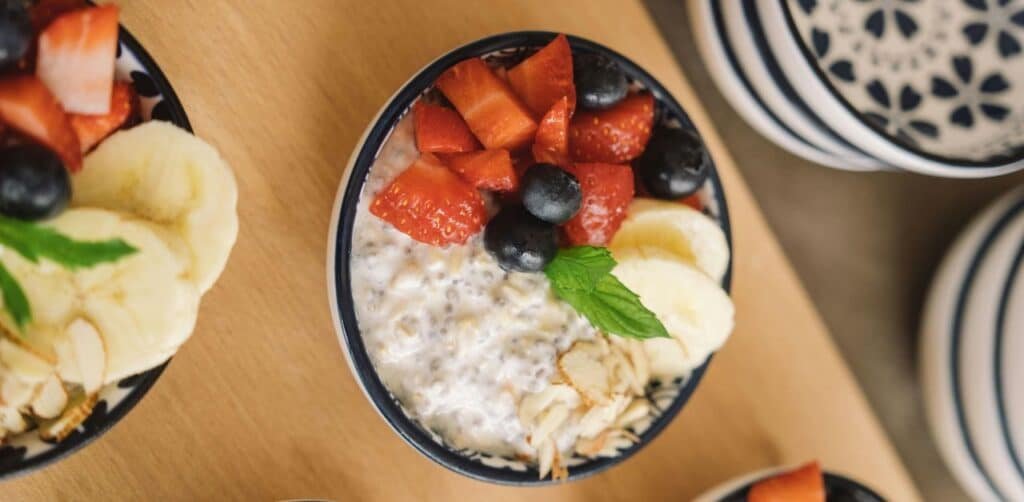
To manage diabetes in 2026, you must look at the Glycemic Load. A plain bowl of oats is a “naked carb.” Naked carbs travel quickly to the bloodstream, causing a sharp insulin response.
Table 1: Which Oats are Safe for You?
| Oat Type | Processing Level | Glycemic Index (GI) | Spike Risk |
| Instant / Quick Oats | High (Pre-cooked) | 75 – 82 (High) | High Risk |
| Rolled (Old Fashioned) | Medium | 55 – 59 (Medium) | Moderate |
| Steel-Cut (Irish/Pinhead) | Low (Whole Grain) | 45 – 53 (Low) | Safe |
The “Banana-Oatmeal” Trap (Internal Linking)
A common habit in USA households is slicing a ripe banana into a bowl of oatmeal. For a diabetic, this is a “Double Carb Spike.” The starch in the oats combined with the fructose in the banana can push your glucose levels past 180 mg/dL.
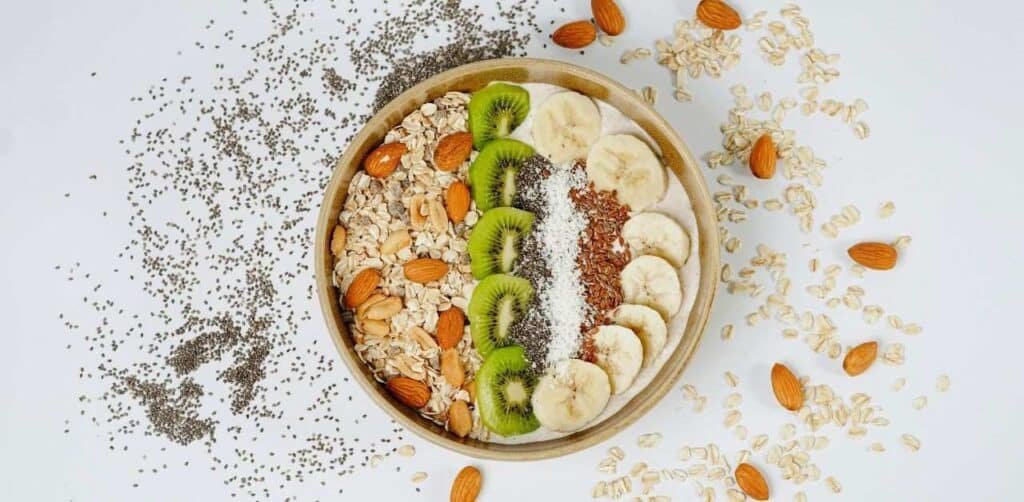
If you love fruit in your breakfast, strategy is key. We recommend checking our recent guide on [Why Bananas Spike Blood Sugar] to learn how to pick the right ripeness and portion size to keep your morning meal safe.
Section A: The Molecular Science of Resistant Starch
One of the most exciting breakthroughs in 2026 diabetes nutrition is Resistant Starch. Normally, starch is broken down in the small intestine and turned into sugar. However, resistant starch “resists” digestion and travels to the large intestine, where it feeds healthy gut bacteria.
The Magic of Cooling:
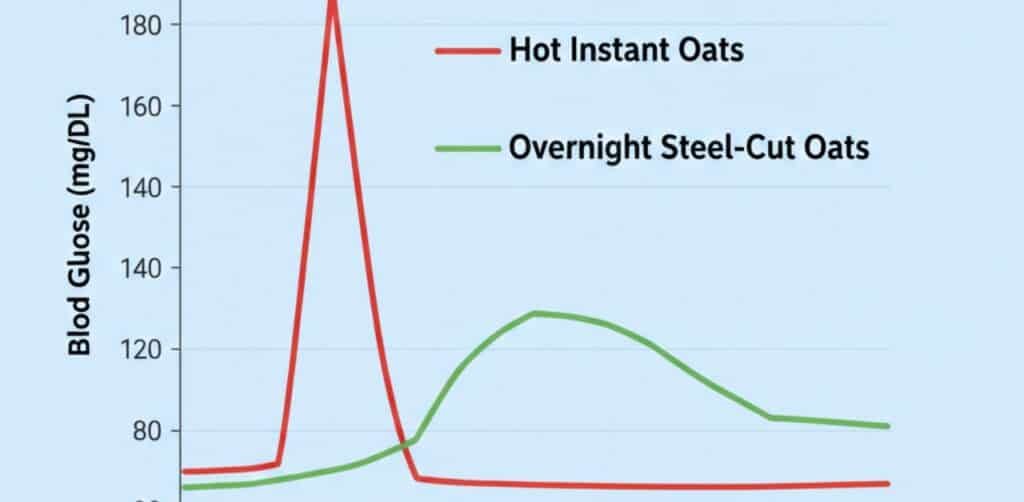
When you cook oats and then let them cool in the fridge (for at least 12 hours), a process called retrogradation occurs. The starch molecules crystallize. Even if you reheat them the next morning, the starch remains “resistant.”
Pro Tip: This is why Overnight Oats are significantly safer for Type 2 diabetics than freshly boiled, hot oatmeal.
5 Science-Backed Hacks to Flatten the Glucose Curve
You can still enjoy your comfort food by using these “Smart Swaps”:
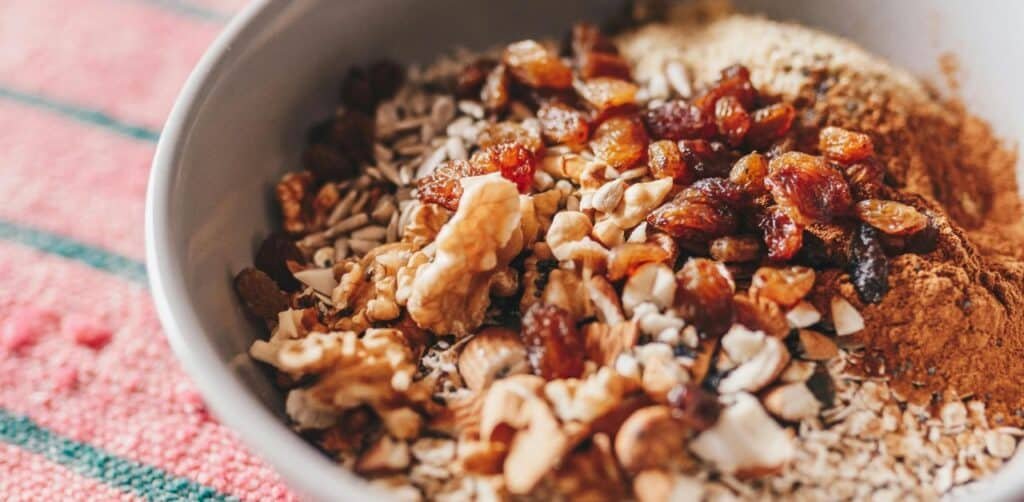
1. Build the “Protein-Fat Shield”
Never eat oatmeal plain. Adding a tablespoon of almond butter, walnuts, or chia seeds slows down the absorption of glucose. This is the same principle we use in our [20 Diabetic Dessert Recipes] to keep treats safe.
2. Use the “Fiber-First” Method
Eat a small handful of greens or 5-10 almonds before you start your oats. This creates a fiber “mesh” in your gut that prevents sugar from rushing into your blood.
3. The Apple Cider Vinegar (ACV) Ritual
Studies in 2026 show that having 1 tablespoon of ACV in water before a starchy meal like oatmeal can reduce the glucose spike by up to 30%.
4. Post-Breakfast “Exercise Snacking”
A simple 10-minute walk after your meal allows your muscles to use the glucose immediately.
Ready to Check Your Levels?
Use our Free Diabetic Calculators to track your A1C, Sugar Spikes, and Fasting Progress.
OPEN ALL CALCULATORS ➔Fast • Accurate • Free for Puredietly Readers
Section B: Top 10 Low-GI Toppings for Diabetics
Don’t use brown sugar or honey. Use this table to build a safe bowl:
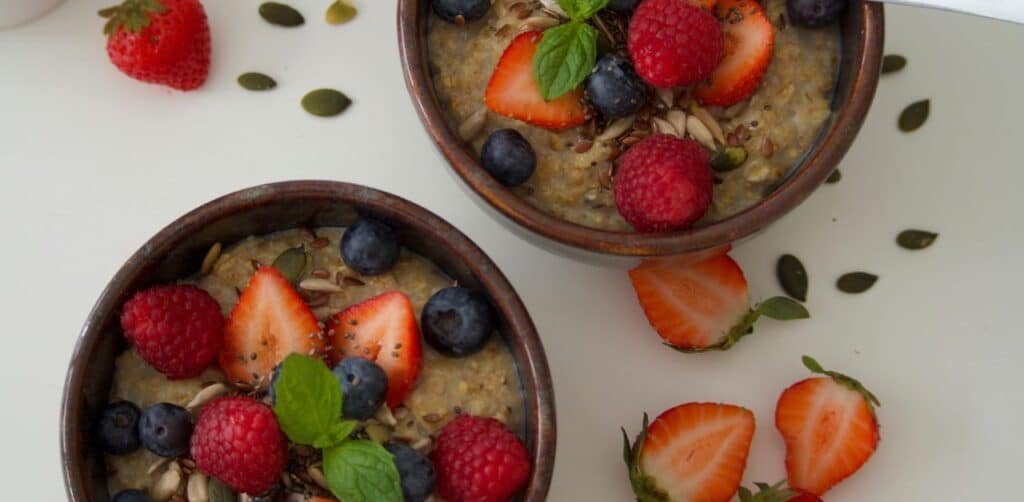
Table 2: The Best vs. Worst Oatmeal Toppings
| Topping | Impact on Blood Sugar | Why? |
| Chia/Flax Seeds | Lowers Spike | High fiber & Omega-3s |
| Almond Butter | Lowers Spike | Healthy fats slow digestion |
| Ceylon Cinnamon | Lowers Spike | Improves insulin sensitivity |
| Walnuts / Pecans | Lowers Spike | Adds “crunch” with zero carbs |
| Berries (Blue/Rasp) | Low Impact | Low sugar, high antioxidants |
| Honey / Agave | High Spike | Pure liquid sugar |
| Dried Fruit (Raisins) | High Spike | Concentrated sugar bomb |
| Ripe Bananas | High Spike | High starch and fructose |
Section C: Oatmeal vs. Other Breakfast Options
Is oatmeal really the best choice? Let’s compare it to other common USA breakfasts using CGM data insights.
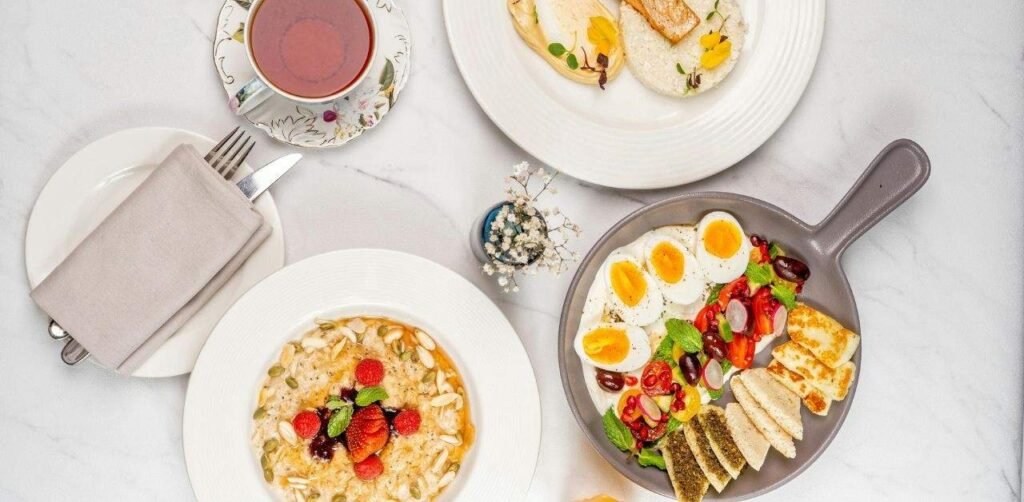
- Oatmeal vs. Eggs: Eggs are a “zero-spike” food. If you are struggling with high morning numbers (Dawn Phenomenon), eggs are safer than oats.
- Oatmeal vs. Greek Yogurt: Plain Greek yogurt with berries is often superior to oats because it contains more protein, which naturally shields against spikes.
- Oatmeal vs. Cereal: Oatmeal (especially Steel-cut) wins every time. Most boxed cereals are 90% processed carbs and sugar.
Best Oatmeal Brands in USA Stores
When shopping at Walmart, Costco, or Target, buy these:
- Bob’s Red Mill Organic Steel Cut Oats
- Quaker Old Fashioned Rolled Oats
- Purely Elizabeth Ancient Grain Mix
Frequently Asked Questions (FAQs)
- Q1: Is savory oatmeal better for diabetics?
- Yes! Using chicken broth, spinach, and an egg instead of sugar removes the “sweet spike” entirely.
- Q2: Which milk is best?
- Avoid dairy milk if you spike easily. Use unsweetened almond or macadamia milk.
- Q3: Can I eat oats if I have a high A1C?
- Yes, but stick to the “Cook & Cool” method and keep portions to 1/2 cup cooked.
Conclusion: Knowledge is Power
Managing Type 2 diabetes in 2026 is about strategy, not deprivation. Oatmeal can be a part of your life if you respect the “Shield” method. By choosing Steel-cut varieties and adding healthy fats, you can reclaim your morning and your health.
About the Author: Gohar
Gohar is a Clinical Nutrition Researcher and Lead Health Strategist at Puredietly, specializing in metabolic health and glycemic management. With a deep focus on 2026 glucose science, Gohar helps individuals translate complex clinical data into simple, actionable eating habits. Her mission is to prove that managing diabetes isn’t about restriction—it’s about strategy.
Medical Disclaimer:
The information in this guide is for educational purposes only and is not medical advice. Diabetes is highly personal; what works for one may spike another. Always consult your doctor or a registered dietitian before changing your diet, especially if you are on insulin or medication. Puredietly is not responsible for individual health outcomes.