Editor’s Note (January 2026 Update): Blood sugar management starts with the foundation of your meal: the flour. This guide has been updated with 2026 clinical data on Lupin and Jackfruit flours—emerging superfoods that are scientifically proven to outperform traditional whole wheat in stabilizing A1C levels.
Managing Type 2 Diabetes or Prediabetes often feels like a constant battle against the “Blood Sugar Rollercoaster.” While many focus on cutting out visible sugar, the biggest culprit is often the refined white flour (Maida) found in our daily bread, tortillas, or rotis.
According to 2026 metabolic research, switching to high-fiber, low-glycemic index (GI) flours can reduce post-meal glucose spikes by up to 40%. This guide ranks the best flours based on their impact on your A1C and overall insulin sensitivity.
Understanding the Glycemic Index (GI) of Flours
Not all carbohydrates are created equal. The GI scale measures how fast a food converts into glucose.
High GI (70+): Refined White Flour (Maida), Rice Flour. (Dangerous: Causes instant spikes)
Medium GI (56-69): Whole Wheat Flour. (Caution: Can still cause gradual rises)
The Metabolic Cost: Why Refined Flour Destroys Insulin Sensitivity
Refined white flour (Maida) is essentially a “fast carb.” Because the bran and germ are removed, your body converts it into glucose almost instantly. This causes a massive insulin surge.
Over time, these frequent spikes lead to Insulin Resistance where your cells stop responding to insulin, causing your A1C to climb. Switching to high-fiber flour substitutes slows down glucose absorption, providing steady energy and giving your pancreas much-needed recovery time.
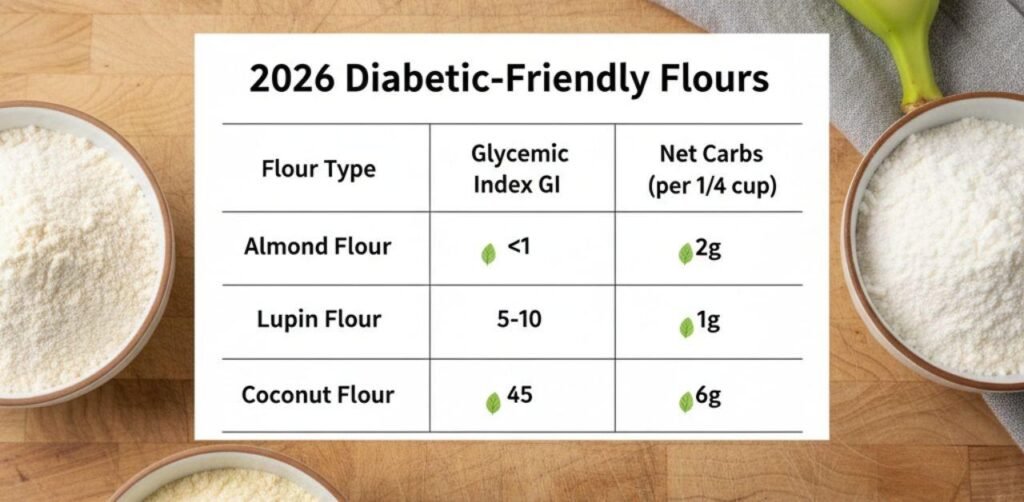
📊 The 2026 Diabetic Flour Ranking Table
Flour Type
Glycemic Index (GI)
Net Carbs (per 1/4 cup)
Key 2026 Benefit
Almond Flour
<1 (Ultra Low)
2g – 3g
Rich in Magnesium (Insulin Aid)
Lupin Flour
5 – 10
1g – 2g
40% Protein (Muscle Recovery)
Chickpea (Besan)
35 – 40
11g
High Folate & Heart Healthy
Coconut Flour
45
6g
Extreme Fiber (10g+ per serving)
Jackfruit Flour
50
14g
Clinically Proven A1C Reduction
Whole Wheat
62
22g
Better than white, but limited
Top 5 Flour Substitutes for Diabetes Management
1. Almond Flour: The Low-Carb Leader
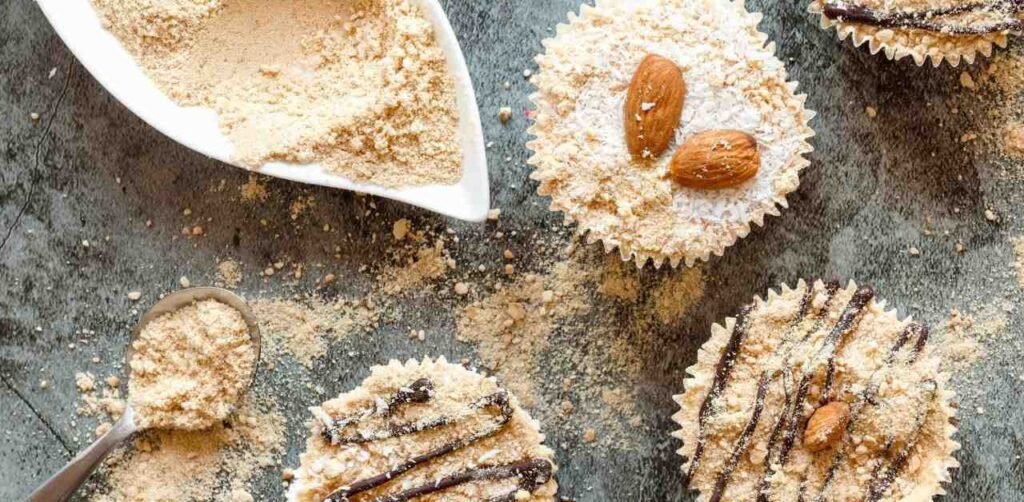
Made from blanched, ground almonds, this is the gold standard for diabetic baking. Since it contains almost no starch, it has a negligible impact on blood sugar.
Scientific Edge: Rich in Vitamin E and Magnesium, which is essential for over 300 biochemical reactions, including insulin function.
Lupin is a legume that is taking the USA health market by storm. It is virtually carb-free and packed with plant-based protein.
Why it’s better: Unlike wheat, Lupin contains “Gamma-Conglutin,” a protein that may help lower blood glucose levels naturally.
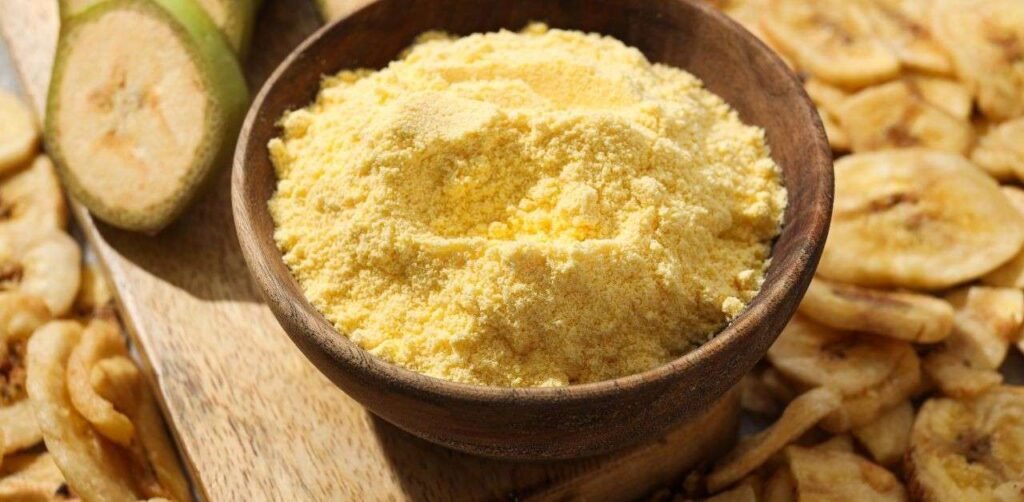
3. Raw Jackfruit Flour: The Clinical Powerhouse
A recent study published in the American Diabetes Association journal highlighted that replacing a portion of regular flour with green jackfruit flour significantly improved glycemic control over 12 weeks.
Best For: Adding to regular dough without changing the taste or texture.
4. Coconut Flour: The Satiety King
Coconut flour is highly absorbent and loaded with medium-chain triglycerides (MCTs).
Pro-Tip: Its high fiber content creates a “fullness” sensation, preventing the overeating that often leads to weight gain and insulin resistance.
5. Chickpea Flour (Besan): The Budget-Friendly Option
Commonly used in Asian and Mediterranean cuisines, Chickpea flour is a fantastic source of soluble fiber.
2: Practical Usage & Storage Tips (The Expert Guide)
How to Bake and Store Your Diabetic-Friendly Flours
Transitioning to alternative flours requires a little “know-how” because they behave differently than traditional wheat.
Almond Flour Storage: Because it is high in healthy fats, almond flour can go rancid if left in a warm pantry. To keep it fresh, store it in an airtight container in the refrigerator for up to 6 months or the freezer for a year.
The Coconut Flour Secret: Coconut flour is highly hygroscopic (it sucks up moisture like a sponge). For every 1/4 cup of coconut flour you use, you usually need to add one egg or a 1/4 cup of liquid to prevent your food from becoming too dry.
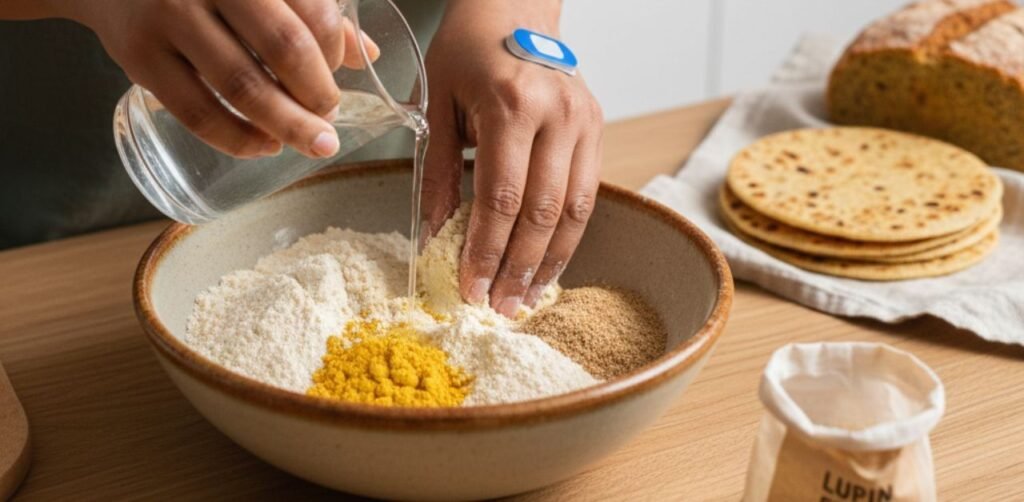
Taming Lupin Flour: Lupin flour can sometimes have a slightly bitter aftertaste. To neutralize this, combine it with a splash of lemon juice or mix it with almond flour to balance the flavor profile.
The Psyllium Husk Hack: If your gluten-free dough is falling apart, add 1 teaspoon of Psyllium Husk (Ispaghol). It acts as a natural binder, giving your diabetic-friendly roti or bread the “stretch” it needs.
Section 3: 2026 Trend – The Power of Resistant Star
The “3:1 Mixing Strategy” for Perfect Results
If switching to 100% grain-free flour feels difficult, follow this expert mixing rule:
2026 Health Hack: Creating Resistant Starch at Home
Did you know that the way you eat your flour-based meals can change their caloric impact? Recent 2026 studies suggest a process called Starch Retrogradation.
When you cook a diabetic-friendly bread or roti and then let it cool down (or even refrigerate it), the structure of the starch changes into Resistant Starch. This type of starch resists digestion in the small intestine and instead feeds the healthy bacteria in your gut. This means fewer calories are absorbed and your blood sugar remains significantly more stable compared to eating the meal piping hot.
Frequently Asked Questions
Q1: Is Whole Wheat flour safe for diabetics?A: It is better than white flour, but still high in carbs. For the best results, mix it with Almond or Lupin flour to reduce its Glycemic Load.
Q2: Which flour has the lowest Glycemic Index?A:Almond Flour and Lupin Flour have the lowest GI (near zero to 10), making them the safest options for preventing blood sugar spikes.
Q3: Can I use Oat flour every day?A: Oat flour has a medium GI (~55). It is safer than Maida but can still cause spikes if eaten in large quantities. Monitor your levels or mix it with fiber-rich Coconut flour.
Q4: Is Multigrain flour actually healthy?A: Often, it’s a marketing trap. Most store-bought brands are 90% wheat. Check the label: if “Wheat” is the first ingredient, it will likely spike your sugar.
Q5: How do I stop gluten-free dough from breaking?A: Add 1 teaspoon of Psyllium Husk (Ispaghol). It acts as a natural binder, giving low-carb flours the “stretch” needed for rotis or bread.
Conclusion: Small Swaps, Big Results
Lowering your A1C doesn’t mean giving up your favorite foods; it’s about upgrading your ingredients. By swapping refined white flour for low-GI alternatives like Almond, Lupin, or Coconut flour, you can enjoy bread and rotis without the fear of blood sugar spikes.
Start today by using the 3:1 mixing rule—small, consistent changes in your flour choice are the fastest way to master your metabolic health and reclaim control over your diabetes.
About author:
About the Author:The PureDietly Editorial Team specializes in translating complex nutritional science into actionable dietary advice. Our goal is to empower individuals with Type 2 Diabetes to reclaim their health through evidence-based “Food as Medicine” strategies.
Medical disclaimer:
The information provided in this article is for educational purposes only and is not a substitute for professional medical advice, diagnosis, or treatment. Always consult with your healthcare provider or a registered dietitian before making significant dietary changes, especially if you are on glucose-lowering medications or insulin.