
Editor note:
Editor’s Note (February 2026 Update): Blood sugar management is often about the things we don’t see. While salads are the “gold standard” of diabetic meals, 2026 metabolic data shows that hidden additives in dressings and the order of eating (Food Sequencing) can make or break your A1C goals. This guide has been updated with clinical insights on the “Fiber-First” method and resistant starch hacks.
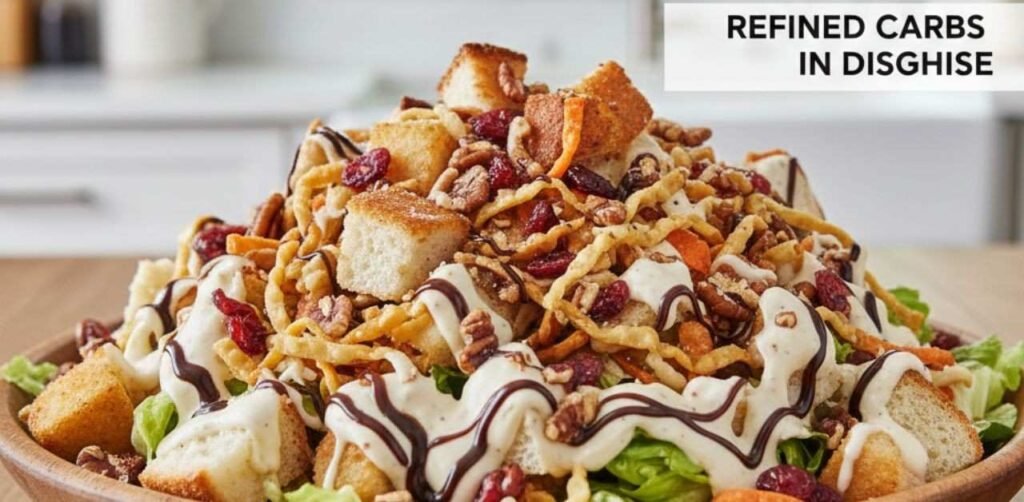
Managing Type 2 diabetes or insulin resistance in 2026 feels like a high-stakes game. You do everything “right”—you skip the burger, ignore the fries, and order a massive salad. But 45 minutes later, your Continuous Glucose Monitor (CGM) alerts you to a massive spike.
If you’re frustrated and asking, “Why does my sugar spike after a healthy salad?”—you are facing what experts call the “Salad Trap.” While it seems counterintuitive, this guide deep-dives into why this happens and how you can use Food Sequencing and Metabolic Hacks to keep your A1C in the green zone.
1. The Hidden Sugar Bombs in American Salads
In the USA, “healthy” often comes with a side of hidden glucose. Most commercial salads are designed for hyper-palatability, not for metabolic health.
“Many people think a salad is safe, but hidden sugars in dressings can trigger an insulin overshoot. This is a primary cause of [why you feel tired even after a healthy meal], leading to a sudden energy crash within 90 minutes.”
The Dressing Disaster: More Than Just Calories
Many “Low-Fat” or “Fat-Free” dressings are a diabetic’s worst enemy. When fat is removed, manufacturers add High-Fructose Corn Syrup (HFCS), modified corn starch, and thickeners to maintain texture.
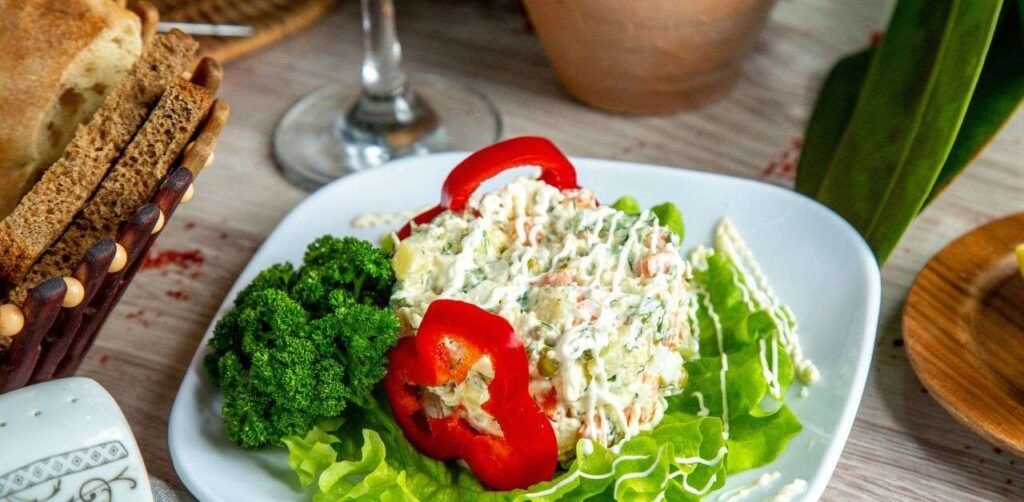
- Balsamic Glaze: This is not just vinegar; it is often a reduction of vinegar and sugar. It is essentially “sugar syrup” disguised as health food.
- Honey Mustard & Raspberry Vinaigrette: These are frequently the highest in net carbs, often containing up to 12g of sugar per serving.
The “Crunch” Factor: Refined Carbs in Disguise
Croutons are the obvious culprit, but modern salad toppings are often worse:
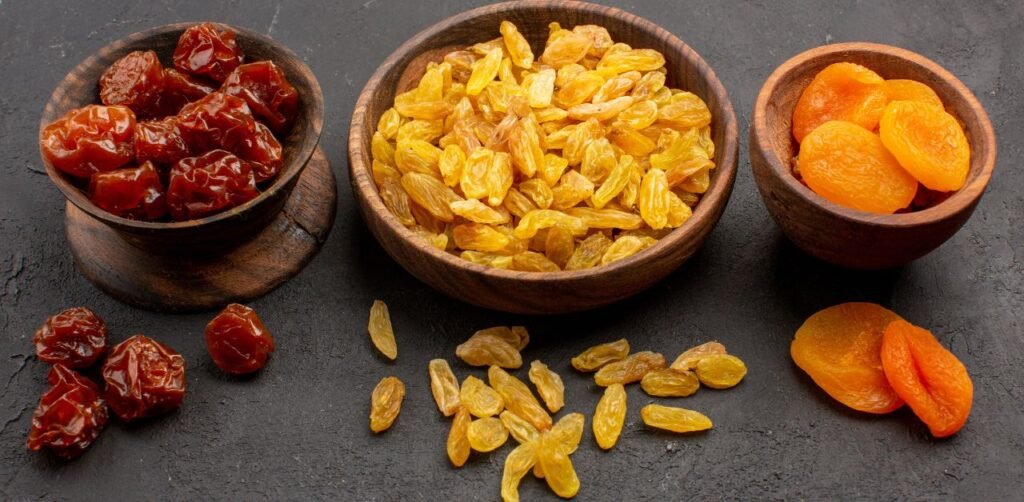
- Dried Cranberries & Raisins: Almost all dried fruits in the US market are infused with added sugar. A small handful can have more sugar than a chocolate chip cookie.
- Candied Toppings: Honey-glazed pecans or walnuts are coated in sugar.
- Wontons & Tortilla Strips: These are deep-fried refined flour that hits your bloodstream instantly, causing an immediate insulin surge.
2. The Science of Food Sequencing: The “Fiber First” Strategy
A groundbreaking 2026 analysis published in Bioscience, Biotechnology, and Biochemistry highlights the “Vege-First” effect. It proves that the order in which you eat your salad ingredients is just as important as the ingredients themselves.
How the “Fiber Net” Works
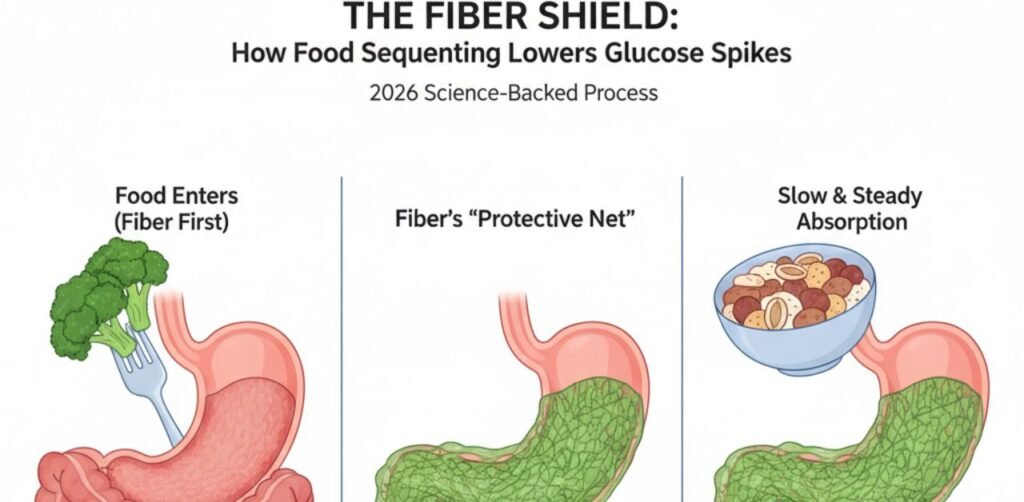
When you eat leafy greens first, the fiber creates a physical barrier (a “net”) in your small intestine. This net slows down the absorption of any glucose that follows.
The Golden Sequence for Diabetics:
- Fiber First: Leafy greens, cucumbers, broccoli, peppers.
- Proteins & Fats Second: Chicken, salmon, eggs, nuts, avocado.
- Carbohydrates Last: If your salad contains quinoa, chickpeas, or fruit, eat them at the very end of the meal.
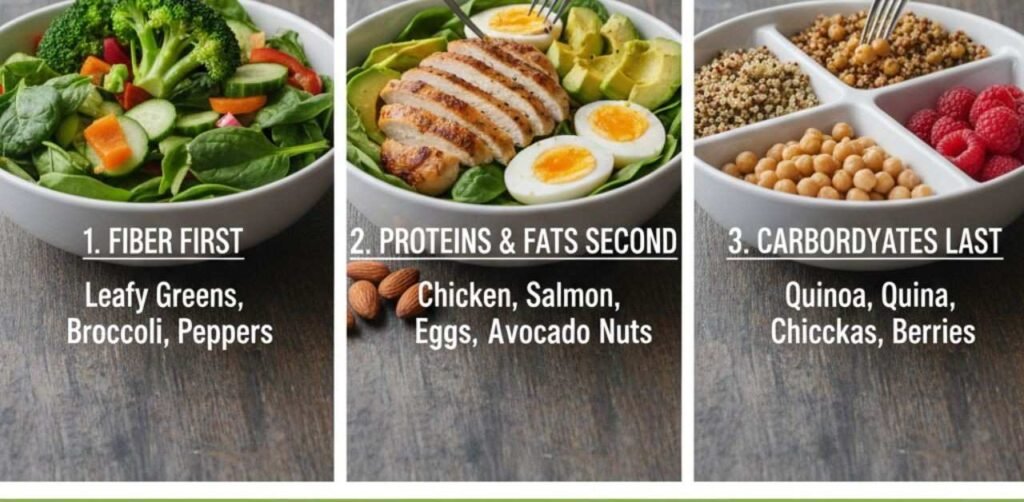
Research Fact: Following this sequence can reduce post-meal glucose spikes by up to 35% compared to eating all ingredients mixed together.
3. 2026 Metabolic Ranking: Best vs. Worst Salad Ingredients
To outrank your competitors, you need data-driven choices. Here is how common USA salad components rank for A1C management:
| Ingredient Type | Glycemic Index (GI) | Metabolic Impact | 2026 Better Alternative |
| White Croutons | 70+ (High) | Severe Spike | Toasted Chickpeas or Hemp Hearts |
| Quinoa / Brown Rice | 53-55 (Medium) | Moderate Spike | Lupin Flakes or Riced Cauliflower |
| Balsamic Glaze | 60+ (High) | High Spike | Apple Cider Vinegar & Olive Oil |
| Dried Fruit | 65+ (High) | Immediate Spike | Fresh Raspberries or Blackberries |
| Corn / Peas | 50-54 (Medium) | Gradual Rise | Sprouted Mung Beans |
4. Biological Factors: Why Your Body Spikes Regardless of the Bowl
Sometimes the spike isn’t about what is in the bowl, but what is happening inside you.
The Dawn Phenomenon & Lunch Lag
If you skip breakfast and eat a large salad for lunch, your body might already be in a state of Gluconeogenesis. Your liver releases stored glucose because it thinks you are starving. When you finally eat, your body over-responds with a massive glucose spike.
Fight the Morning Spike: High fasting glucose can often be managed the night before. Try these 7 Best Bedtime Drinks to Lower Morning Blood Sugar to wake up with better numbers.
The Cortisol Connection
Eating in a rush or under stress (like at your office desk) triggers Cortisol. This hormone tells your liver to dump sugar into your blood for “quick energy.” Even a zero-carb salad won’t stop a cortisol-driven spike.
5. Two Secret 2026 Hacks for Stable Sugar
The Vinegar “Glucose Buffer”
Taking 1–2 tablespoons of Apple Cider Vinegar (ACV) in water or as a dressing before your salad can improve insulin sensitivity. The acetic acid in ACV temporarily disables the enzymes that digest starch, giving your body more time to process the sugar.
The Resistant Starch Method (Retrogradation)
If your salad includes potatoes or pasta, cook them and then cool them in the fridge for 24 hours. This process changes the molecular structure into Resistant Starch, which isn’t fully digested and acts more like fiber, significantly lowering the spike.
6. US Dining Out Guide: Making Smart Choices
If you are at popular US food chains, use these “Pro-Swaps” to protect your A1C:
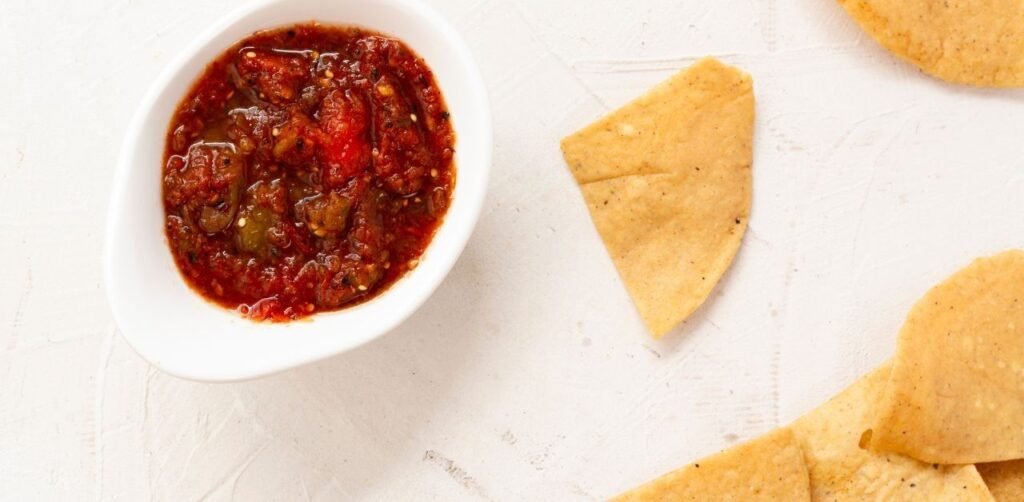
- Chipotle: Avoid the rice and beans. Choose the Supergreens base, double fajita veggies, and use the Green Chili Salsa instead of the vinaigrette.
- Sweetgreen: Avoid the “Harvest Bowl” (too many grains). Opt for the “Garden Cobb” but replace the balsamic with extra lemon and avocado.
- Panera Bread: The “Fuji Apple Salad” is a trap (over 30g sugar). Go for the “Green Goddess Cobb” and ask for “No Croutons.”
Ready to Check Your Levels?
Use our Free Diabetic Calculators to track your A1C, Sugar Spikes, and Fasting Progress.
OPEN ALL CALCULATORS ➔Fast • Accurate • Free for Puredietly Readers
7. Frequently Asked Questions (FAQs)
Q: Why does my sugar spike after a Caesar Salad?
A: Caesar dressings are often thickened with cornstarch, and the combination of croutons and high-calorie processed dressing creates a “fat + fast carb” combo that lingers in the blood.
Q: Is it okay to eat fruit in a salad?
A: Stick to berries (blueberries, strawberries). Avoid tropical fruits like mango or pineapple, which have a high glycemic load.
Q: Can I use Stevia-based dressings?
A: Yes, but check for “erythritol” or “maltodextrin” on the label, as some sweeteners can still cause gut inflammation which indirectly affects sugar levels.
Conclusion: Small Swaps, Big Results
Lowering your A1C isn’t about giving up your favorite meals; it’s about upgrading the chemistry of your plate. By avoiding the “Hidden Sugar Trap,” practicing Food Sequencing, and utilizing the Vinegar Hack, you can enjoy your salads while keeping your glucose curves flat.
3. About the Author :
About the Author: > The PureDietly Editorial Team consists of nutrition enthusiasts and researchers dedicated to simplifying metabolic science. We focus on evidence-based “Food as Medicine” strategies to help individuals with Type 2 Diabetes and Prediabetes lower their A1C naturally. Our mission is to provide actionable, 2026-ready health hacks that empower you to take control of your blood sugar, one meal at a time.
Medical disclaimer:
Medical Disclaimer: The information provided on PureDietly is for educational and informational purposes only and is not intended as medical advice. Always consult with your physician or a qualified healthcare provider before making significant changes to your diet, especially if you are taking insulin or glucose-lowering medications. Never disregard professional medical advice because of something you have read on this website