
Editor’s Note: The 2026 Lunch Audit
“Lunch is often the ‘make or break’ moment for metabolic health. In 2026, many ‘healthy’ salads and wraps are still hidden glucose bombs. At Pure Dietly, we’ve audited these diabetic lunch ideas using real-time CGM data to ensure they provide a flat glucose curve. This guide moves beyond boring lettuce to offer high-protein, fiber-first meals that stop the 3 PM crash and keep your A1C in check. It’s time to fuel your afternoon with metabolic precision.”
Gohar Fatima Metabolic Health Researcher & Founder, Pure Dietly
The 3 PM Blood Sugar Battlefield: Why Your Lunch Matters
Managing Type 2 diabetes or pre-diabetes in the United States often feels like a constant battlefield. Surrounded by hyper-processed fast food and “sugar-loaded” convenience snacks, finding the right diabetic lunch ideas at noon can be overwhelming. But here is the metabolic truth: Lunch is the most critical anchor of your day.
It’s not just about “eating healthy”; it’s about strategic glucose management. A poorly planned lunch—even one that seems “light”—can trigger a massive insulin spike. This leads to the dreaded 3:00 PM sugar crash, a sign of metabolic stress that stalls weight loss and increases A1C levels.
At Pure Dietly, we believe you don’t have to settle for bland, boring meals to stay safe. By using our 2026 Metabolic Audit principles, you can transform your mid-day meal into a powerful tool. Discovering the right blood sugar-friendly lunch is the secret to sustained energy, mental clarity, and long-term glucose control.

In this comprehensive guide, we will explore why lunch matters, the science of the “Diabetic Plate,” and over a dozen delicious lunch ideas that fit into a busy American lifestyle.
1. Why Your Lunch Choice Matters
When you eat a high-carb lunch—like a large sub sandwich, a bowl of white pasta, or a sugary soda—your blood glucose levels spike rapidly. For a diabetic, the body struggles to bring those levels back down. This leads to fatigue, brain fog, and long-term health complications.

A “Smart Lunch” focuses on Steady Energy Release. By combining fiber, healthy fats, and lean protein, you ensure that glucose enters your bloodstream slowly, providing a flat energy curve rather than a mountain-like spike.
2. The Anatomy of a Perfect Diabetic Lunch (The Plate Method)
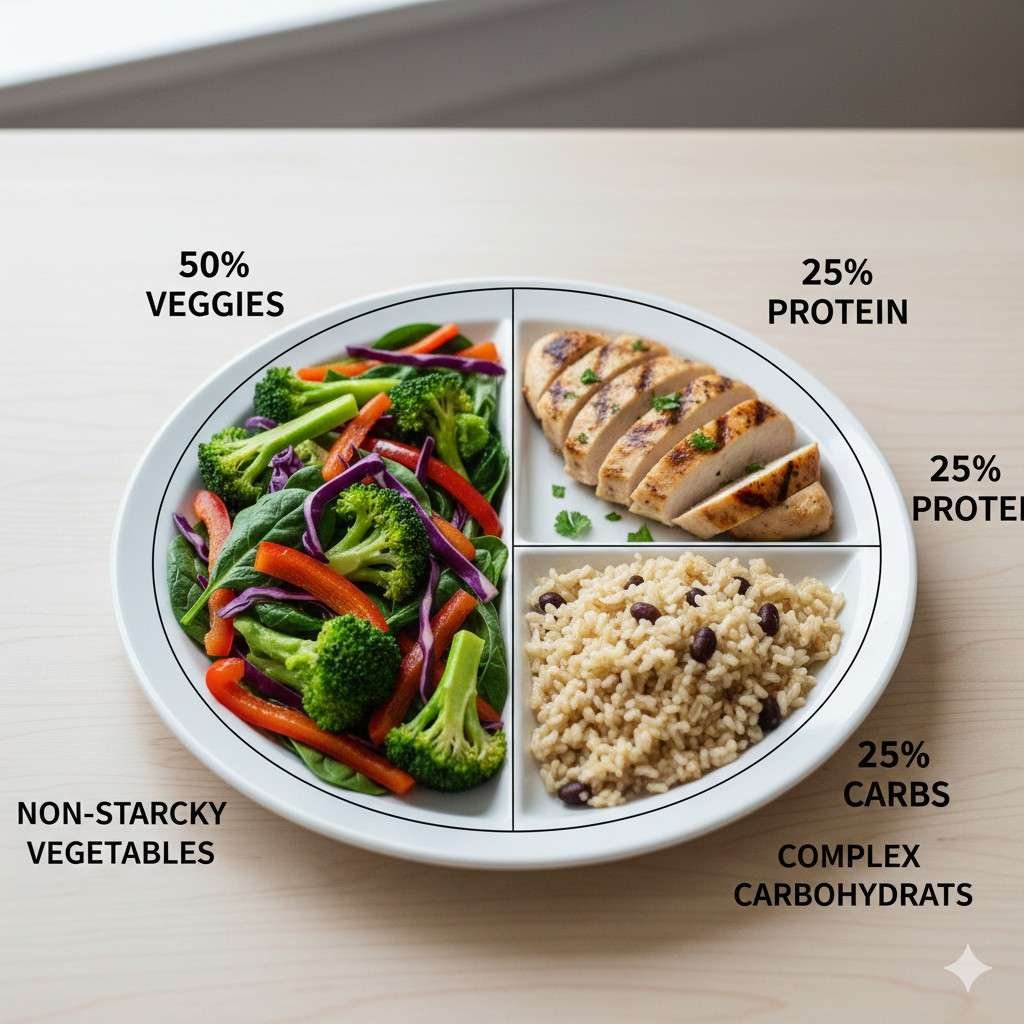
The American Diabetes Association (ADA) recommends the “Plate Method.” Imagine your lunch plate divided into sections:
- 50% Non-Starchy Vegetables: These are low in calories and carbs but high in fiber. Think spinach, kale, broccoli, cauliflower, peppers, and cucumbers.
- 25% Lean Protein: Protein is essential for muscle repair and satiety. Examples include grilled chicken, turkey, tofu, eggs, or fish.
- 25% Complex Carbohydrates: This is where most people make mistakes. Instead of white bread, choose “slow-release” carbs like sweet potatoes, quinoa, brown rice, or beans.
3. Top Diabetic Lunch Ideas for the USA Lifestyle
A. The “On-the-Go” Solutions (For Office Workers)
Most Americans eat lunch at their desks or in their cars. These options are portable and require zero reheating.
- The Mediterranean Tuna Salad: Use canned tuna packed in water. Instead of heavy mayo, mix it with Greek yogurt, diced celery, and lemon juice. Scoop it into large “boats” made of romaine lettuce or bell pepper halves.
- Adult Lunchable (The Bistro Box): Pack a container with two hard-boiled eggs, a handful of raw almonds, a few slices of turkey breast, and plenty of cucumber slices. It’s high in protein and very low in carbs.
- Chickpea and Avocado Mash: Mash chickpeas with avocado, lime juice, and cilantro. Spread this on one slice of sprouted grain bread (like Ezekiel bread).
B. The “Warm & Cozy” Solutions (Home or Breakroom)
If you have access to a microwave or stove, these meals feel like “comfort food” without the guilt.
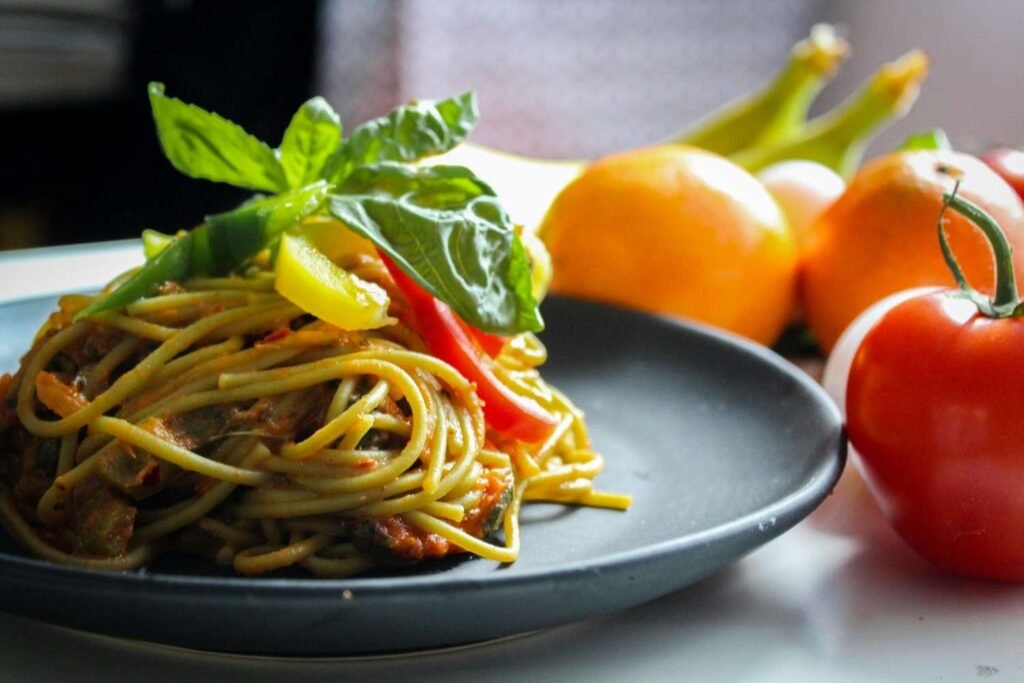
- Zucchini Noodle (Zoodles) Turkey Bolognese: Use a spiralizer to make noodles out of zucchini. Top with a home-made tomato sauce and ground turkey. This mimics a classic Italian pasta dish but cuts the carbs by 90%.
- Cauliflower Fried Rice: Use frozen riced cauliflower (available at Costco, Trader Joe’s, or Walmart). Sauté it with peas, carrots, soy sauce, ginger, and shrimp. It’s a fiber powerhouse.
- Black Bean and Spinach Soup: Beans are a “superfood” for diabetics. They contain “resistant starch,” which improves insulin sensitivity. Pair a bowl of low-sodium bean soup with a side of fresh spinach.
C. The “Weekend Brunch” Lunch

- Smoked Salmon and Spinach Omelet: Eggs are the perfect diabetic food zero carbs and high protein. Fold in fresh baby spinach and a small amount of smoked salmon for Omega-3 fatty acids.
4. Understanding the Glycemic Index (GI)
To succeed with a diabetic diet, you must understand the Glycemic Index. This is a scale from 0 to 100 that ranks foods based on how quickly they raise blood sugar.
- Low GI (55 or less): Lentils, non-starchy veggies, most fruits (berries). (Focus on these).
- Medium GI (56–69): Whole wheat bread, sweet potatoes. (Eat in moderation).
- High GI (70 or more): White bread, white potatoes, cornflakes, sugary drinks. (Avoid these).
By choosing Low GI foods for your lunch, you are naturally managing your diabetes without feeling like you are on a “restrictive diet.”
5. Healthy Fats: The Secret Weapon
Many people think “fat is bad.” For diabetics, Healthy Fats are actually a secret weapon. Fat slows down the digestion of carbohydrates. If you eat a piece of fruit (carb) by itself, your sugar might go up. But if you eat that fruit with a few walnuts (fat), the sugar rise is much slower.
Best fats for lunch:
- Avocados
- Extra Virgin Olive Oil (as a dressing)
- Walnuts, Almonds, and Chia Seeds
- Fatty fish like Salmon or Mackerel
6. Common Lunch Mistakes to Avoid
Even with good intentions, many people fall into these traps:
- “Fat-Free” Dressings: In US grocery stores, “fat-free” usually means “sugar-added.” Always check the label. It’s better to use full-fat olive oil than a “fat-free” raspberry vinaigrette full of corn syrup.
- Large Portions of Fruit: While fruit is healthy, eating a giant bowl of grapes or a large banana for lunch can still spike your sugar. Stick to berries (strawberries, blueberries) in small portions.
- Liquid Calories: Fruit juices and sweetened iced teas are “liquid sugar.” Stick to plain water, sparkling water (like LaCroix), or unsweetened green tea.
7. How to Satisfy Your Sweet Tooth Post-Lunch
It is natural to crave something sweet after a savory lunch. This is the moment most people fail their diet by reaching for a cookie or a soda.
Instead of ruining your hard work, you should look for specific desserts designed for your condition. For example, in our previous article [Dessert for Diabetic], we discussed how to use almond flour and stevia to create treats that won’t ruin your glucose readings. A small, diabetic-safe treat can actually help you stay on track with your diet by preventing feelings of deprivation.
8. Meal Prep Tips for Success
“Failing to plan is planning to fail.” Use these three tips to make diabetic lunches easy:
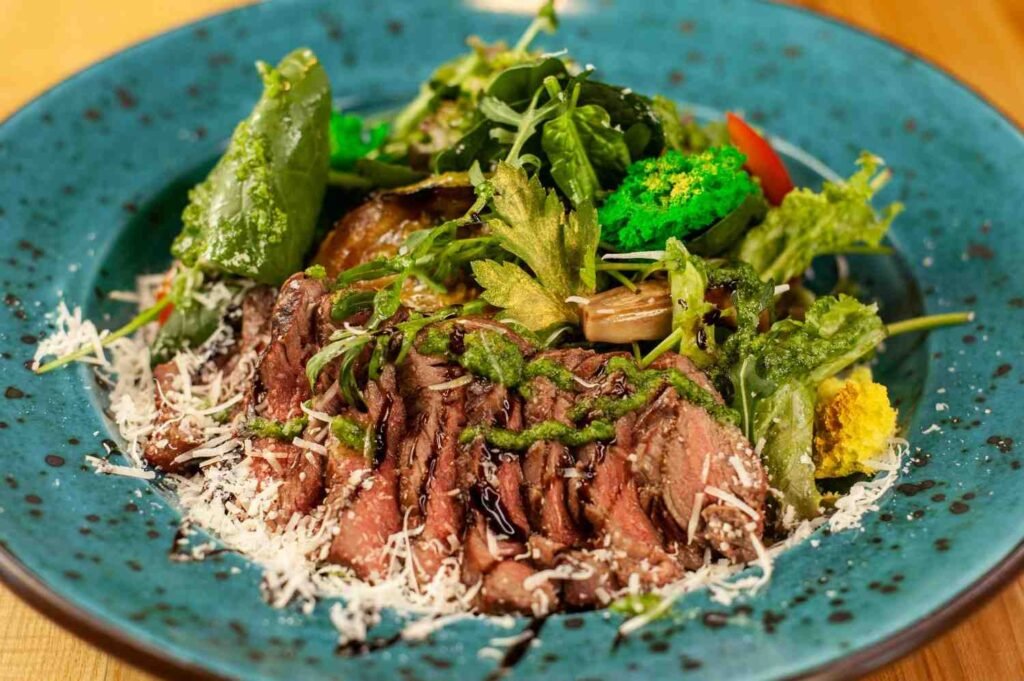
- The Sunday Roast: Roast a large tray of vegetables (peppers, onions, zucchini, broccoli) and a pack of chicken breasts on Sunday. Portion them into five containers.
- Buy Pre-Cut: If you are busy, buy pre-washed salad mixes and pre-cut veggies. The convenience is worth the extra dollar if it keeps you away from the drive-thru.
- Mason Jar Salads: Put your dressing at the bottom, then heavy veggies (carrots), then beans/protein, and leaves at the very top. This keeps the salad crunchy for 3-4 days in the fridge.
9. Conclusion
A diabetic lunch doesn’t have to be a salad every single day. From turkey lettuce wraps to cauliflower fried rice, there are endless ways to enjoy food while keeping your A1C levels in check. The key is balance: more fiber, more protein, and fewer refined sugars.
By making these small changes to your midday meal, you will find that you have more energy, less hunger, and much better control over your health.
Ready to Check Your Levels?
Use our Free Diabetic Calculators to track your A1C, Sugar Spikes, and Fasting Progress.
OPEN ALL CALCULATORS ➔Fast • Accurate • Free for Puredietly Readers
FAQ: Frequently Asked Questions
Q: Can I eat bread at lunch? A: Yes, but choose sprouted grain bread or 100% whole grain. Keep it to one slice and pair it with protein and fat.
Q: Is diet soda okay for lunch? A: While it has no sugar, some studies suggest artificial sweeteners can still affect insulin sensitivity. It’s better to choose sparkling water.
Q: How many carbs should be in a diabetic lunch? A: This varies by person, but generally, 30–45 grams of high-quality carbs is a safe range for most adults.
Next Step for You: Would you like me to create a 7-Day Meal Plan Table based on these ideas, or would you like me to generate SEO Meta Tags (Title & Description) for this 2000-word article?
About Author
About the Author
Gohar Fatima Metabolic Health Researcher & Founder, Pure Dietly
Gohar is a dedicated researcher specializing in 2026 metabolic health trends and insulin sensitivity optimization. Through Pure Dietly, she translates complex clinical data into simple, actionable diabetic lunch ideas and glucose-stabilizing protocols. Her mission is to help individuals reverse insulin resistance and reclaim their energy through evidence-based “Metabolic Audits” and precision nutrition.
Medical Disclaimer
This content is for informational purposes only and does not constitute medical advice. Individual blood sugar responses to diabetic lunch ideas vary based on medications and metabolic health. Always monitor your glucose levels and consult your healthcare provider or a certified diabetes educator before making dietary changes. Pure Dietly nutritional estimates are based on 2026 clinical research but are not a substitute for professional medical guidance.