
By puredietly | February 16, 2026
Editor note
This 2026 guide is based on the latest metabolic research and biohacking protocols. At Puredietly, we focus on nutrient density and hormonal balance to help you break through weight loss plateaus. Always consult a professional before starting a new dietary reset.
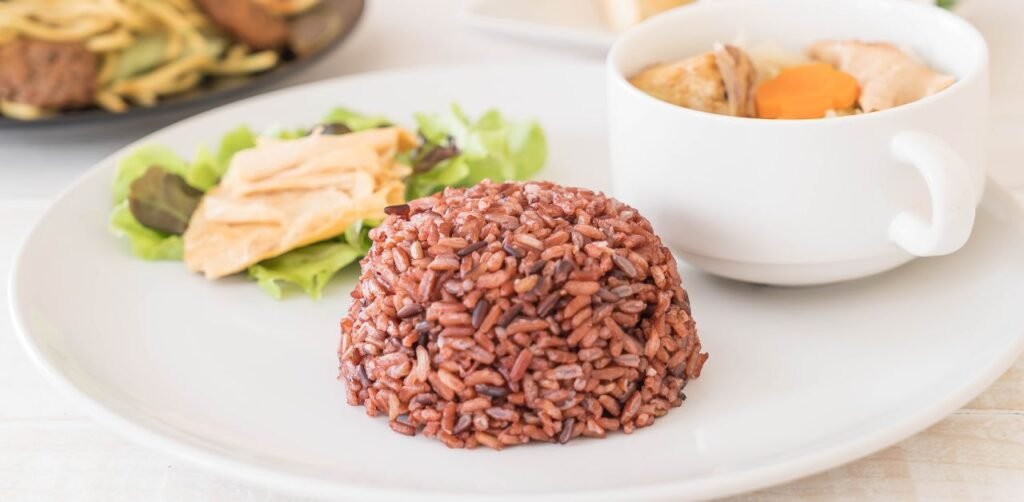
In the competitive landscape of American health trends, we often overlook ancient solutions for modern problems. While the US struggles with a metabolic health crisis, a vibrant, nutty-flavored grain is quietly making its way into the kitchens of elite biohackers and nutritionists: Red Rice.
If you’ve been stuck in the “Brown Rice vs. White Rice” debate and still aren’t seeing the fat loss results you desire, you’re missing the most important variable: Antioxidant-driven metabolism.
1. What Exactly is Red Rice? (The Science of Pigment)
Red rice is a variety of unpolished whole grain (Oryza sativa) that derives its deep ruby color from anthocyanins. Unlike white rice, which is stripped of its nutritional value, red rice retains its bran and germ layers. This ensures it is packed with essential minerals, protein, and antioxidants that protect cells from oxidative stress.
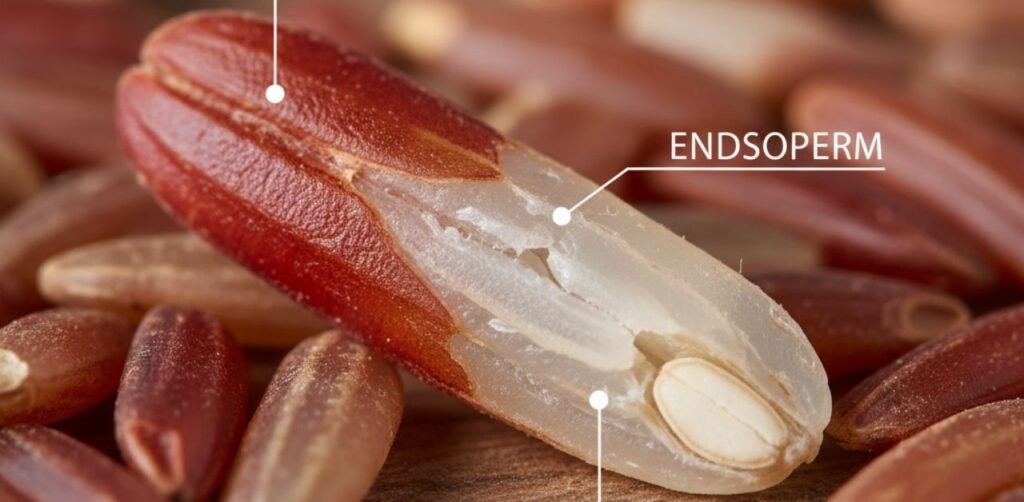
The red color is caused by anthocyanins, a type of flavonoid with powerful antioxidant effects. In the USA, where inflammation-related diseases like obesity and Type 2 diabetes are rampant, anthocyanins act as a cellular shield. They help reduce oxidative stress, which is often the hidden reason why your body clings to stubborn fat.
2. The Nutritional Powerhouse (At a Glance)
Why is every health expert in 2026 talking about Red Rice? This table explains the metabolic advantage over traditional grains:
| Feature | Red Rice | Brown Rice | White Rice |
| Metabolic Impact | 🔥 High Boost | ⚖️ Moderate | 🧊 Slows down |
| Antioxidants | ✅ 10x More | ⚠️ Low | ❌ Zero |
| Fiber Content | 🛡️ Highest | ✅ High | ❌ Low |
| Blood Sugar (GI) | 📉 Low (45) | 🟡 Med (50) | 📈 High (72) |
| Protein Content | ~7.5g per cup | ~5g per cup | ~4g per cup |
3. The Superfood Showdown: Red Rice vs. Others
American consumers often compare grains like Quinoa and Black Rice. Here is how Red Rice stands up against these popular “superfoods”:
| Criterion | Red Rice | Quinoa | Black Rice |
| Weight Loss Focus | ⭐⭐⭐⭐⭐ | ⭐⭐⭐⭐ | ⭐⭐⭐⭐ |
| Iron Content | Highest | Moderate | High |
| Digestion Ease | High (if soaked) | Moderate | Moderate |
| Antioxidant Type | Anthocyanins | Flavonoids | Anthocyanins |
- Protein Quality: While Quinoa is a complete protein, Red Rice provides higher amounts of complex carbohydrates that fuel longer workouts without the “Quinoa Bloat.”
- Satiety Index: Due to its denser structure, Red Rice ranks higher on the satiety scale, meaning you feel full for longer periods.
4. How Red Rice Targets Fat: 4 Biological Mechanisms
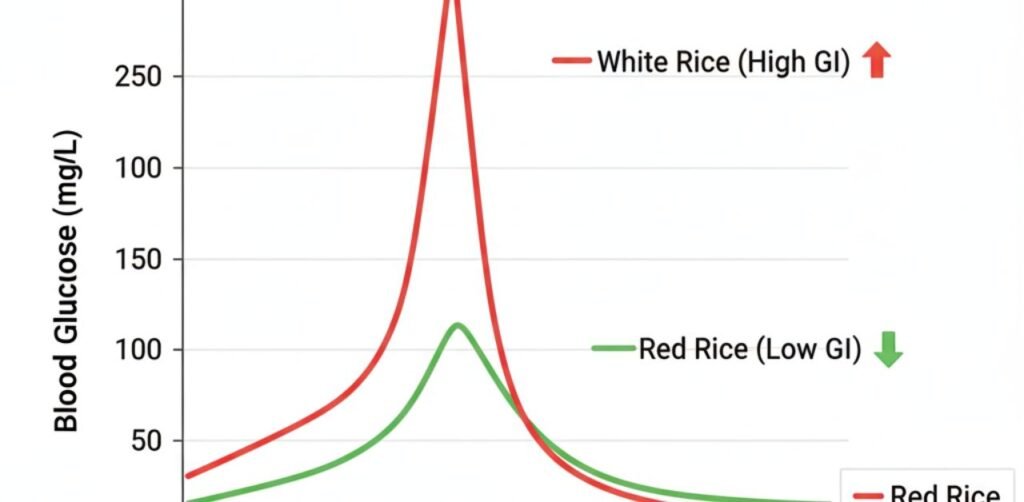
A. Insulin Sensitivity & The GI Factor
Red rice has a Glycemic Index (GI) of 45-50, which is significantly lower than white rice (72+). This means it trickles glucose into your bloodstream slowly. By preventing insulin spikes, your body stays in a “fat-burning” state rather than a “fat-storage” state.
B. Leptin Sensitivity (The Hunger Switch)
Red rice is rich in manganese and zinc, which are crucial for hormonal health. It helps improve Leptin sensitivity the hormone that tells your brain you are full.
C. Natural Cholesterol Management (Monacolin K)
Certain varieties of red rice naturally contain Monacolin K, a compound that mirrors the molecular structure of statins. It helps clean the arteries while assisting in visceral fat reduction.
D. Estrogen Dominance & Fiber
The insoluble fiber in Red Rice binds to excess estrogen in the digestive tract and flushes it out. This is vital for women and men struggling with “hormonal belly fat” and estrogen dominance.
5. Red Rice & The Gut Microbiome (The 2026 Connection)
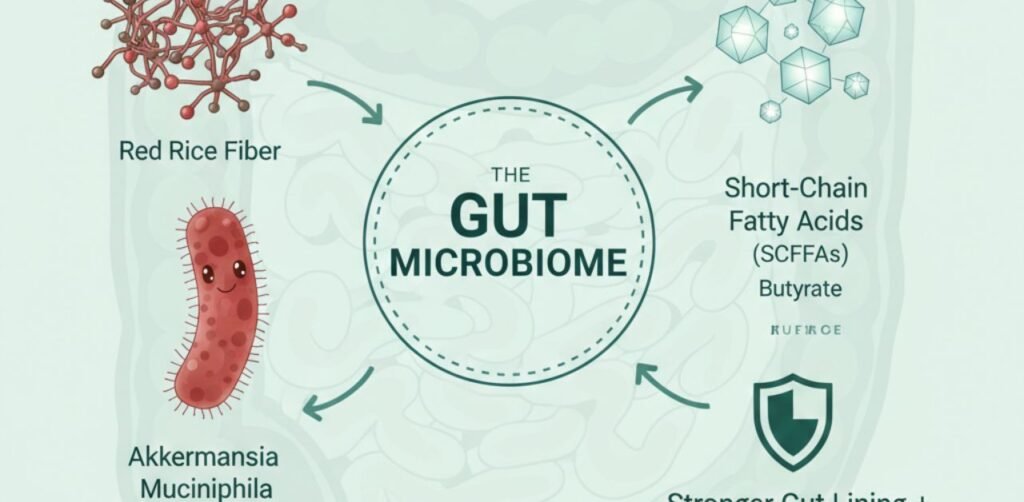
Weight loss is deeply connected to your Gut Microbiome. Recent research shows that the outer bran of Red Rice acts as a high-quality prebiotic.
- The “Akkermansia” Boost: Red Rice feeds beneficial bacteria like Akkermansia muciniphila. This strain is often called the “fat-burning bacteria” because it strengthens the gut lining and reduces systemic inflammation.
- Short-Chain Fatty Acids (SCFAs): When your gut ferments red rice fiber, it produces Butyrate, which has been shown to increase fat oxidation and energy expenditure.
6. Red Rice for Niche Health Goals
- For Athletes: Its high magnesium content prevents muscle cramps and aids in faster recovery after high-intensity training (HIIT).
- For PCOS: It stabilizes blood glucose, which is the top priority for managing insulin-resistant PCOS weight gain.
- For Anti-Aging: The proanthocyanidins in Red Rice protect the skin from UV damage and combat “Glycation,” which causes skin aging.
7. Addressing the “Anti-Nutrient” Debate (EEAT)
As a trusted source at Puredietly, we must address phytic acid. Like all whole grains, red rice contains phytic acid, which can bind to minerals and block their absorption.
The Expert Solution: Always soak Red Rice for 30–60 minutes before cooking. This activates the enzyme phytase, which breaks down phytic acid and “unlocks” the minerals like Zinc and Iron for 100% bioavailability.
8. The “Biohacker’s Secret”: The Cooling Hack
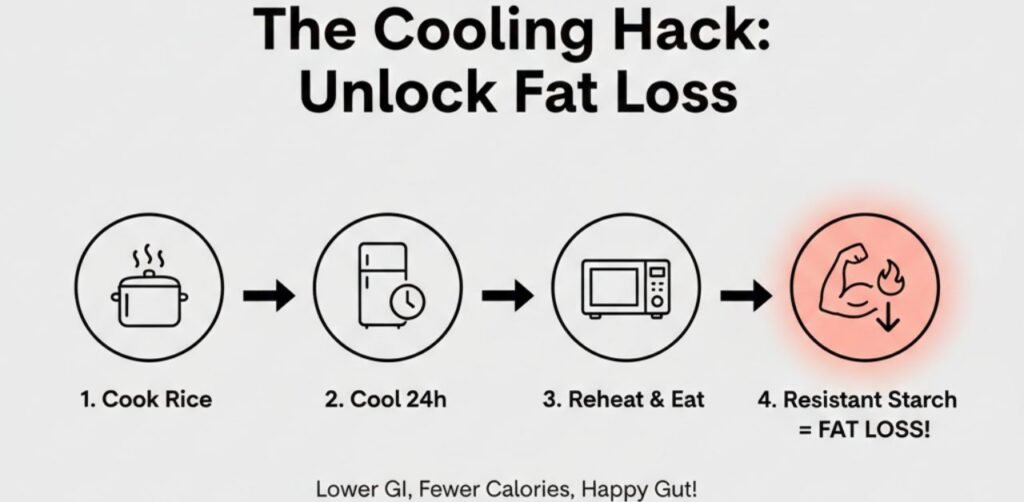
For the American biohacking community, this tip is a game-changer. If you cook Red Rice and then refrigerate it for 12–24 hours before reheating, its Resistant Starch content increases. This further lowers the Glycemic Index and turns the rice into a “super-fuel” for your gut bacteria, leading to even faster weight loss.
9. The “Red Rice Metabolic Reset”: A 7-Day Protocol
| Day | Meal Strategy | Expected Goal |
| Day 1-2 | Replace Dinner with 1/2 cup Red Rice | Begin Metabolic Shift |
| Day 3-5 | Replace Lunch & Dinner with Red Rice | Stabilize Blood Sugar |
| Day 6-7 | Full Grain Swap + High Protein | Peak Fat Oxidation |
10. 2026 Smart Cooking Guide (Mobile-Friendly)
| Step | Action | Why it matters? |
| 1. Soak | 30-60 Mins | Neutralizes phytic acid for better digestion. |
| 2. Ratio | 1 Cup Rice : 2.5 Cups Water | Red rice is denser and requires more hydration. |
| 3. Flavor | Add 1 tsp Avocado Oil | Helps absorb fat-soluble antioxidants. |
| 4. Rest | 10 Mins (Steam) | Makes the grain fluffy and easy to chew. |
11. 3-Minute Meal Ideas for the Busy American
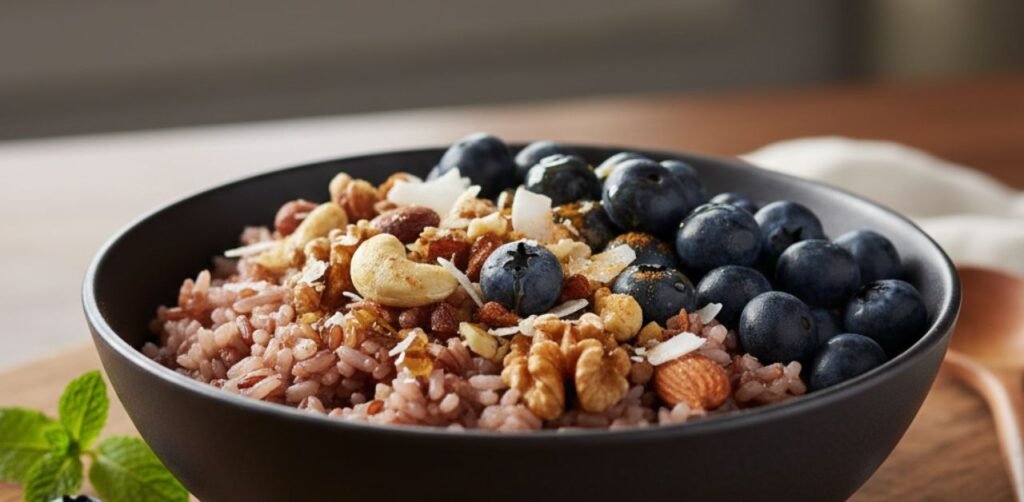
- The Power Breakfast: Cooked red rice with unsweetened almond milk, cinnamon, and organic blueberries.
- The “Clean” Chipotle Bowl: Red rice base topped with grass-fed steak, black beans, fresh salsa, and guacamole.
- The Longevity Salad: Cold red rice mixed with parsley, cucumber, cherry tomatoes, and virgin olive oil.
12. Sustainability and Clean Eating
In 2026, the American consumer cares about the planet. Red Rice is often grown using traditional, pesticide-free methods. Most varieties are Non-GMO and require significantly less water than industrial white rice, making it the perfect choice for the conscious, “clean eating” enthusiast.
Gohar,13. Frequently Asked Questions (FAQ)
Q: Is Red Rice better than Brown Rice for weight loss?
Yes. Red rice has 10x more antioxidants, more protein, and a lower impact on blood sugar levels.
Q: Does Red Rice contain gluten?
No. Red Rice is naturally 100% gluten-free and safe for Celiac patients.
Q: Can I eat Red Rice on a Keto diet?
It is too high in carbs for strict Keto but is the “gold standard” grain for Carb Cycling or Targeted Keto days.
Conclusion: The Bottom Line
Red Rice is more than just a trend; it’s a nutritional upgrade for your metabolism. By switching your base grain, you are taking a massive step toward fixing your hormonal balance and unlocking a leaner, healthier version of yourself.
About the Author
The Puredietly Editorial Team is a collective of nutrition enthusiasts and biohackers dedicated to uncovering the science of metabolic health. In 2026, we focus on bridging the gap between ancient superfoods and modern clinical research to help our community achieve sustainable, hormone-aligned weight loss.
Medical disclaimer
The information provided in this article is for educational and informational purposes only and is not intended as medical advice. Always seek the advice of your physician or other qualified health provider with any questions you may have regarding a medical condition or dietary changes. Never disregard professional medical advice because of something you have read on this website.