
Editor’s Note: Why We Audited the Ice Apple
“At Pure Dietly, our 2026 mission is to bridge the gap between gourmet food trends and metabolic reality. We noticed a surge in searches for ‘Ice Apples’ in the USA, with many of our diabetic readers confusing the high-sugar Frosted Fuji Apple with the low-calorie Tropical Tadgola.
As a Metabolic Health Researcher, I conducted this audit to ensure you have the facts before your next trip to the orchard. This isn’t just a fruit review; it’s a strategic guide to enjoying nature’s rarest treats without compromising your A1C goals.
— Gohar Fatima, Founder, Pure Dietly“
Introduction: The Sweet Mystery of the Ice Apple
If you are living in the United States and browsing your local garden centers or high-end farmers’ markets, you might have encountered the famous Ice Apple. At Pure Dietly, we noticed a massive wave of confusion among our health-conscious readers. Many people ask: “Is this the hydrating tropical Tadgola fruit from South Asia, or is it a new hybrid?”
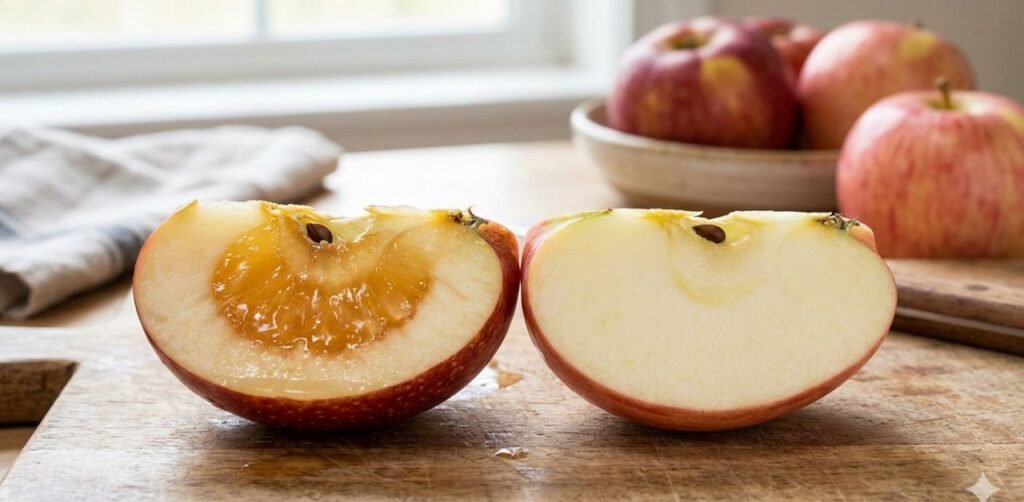
Our 2026 research into Al’s exclusive Ice Apple reveals a fascinating botanical story. These are not tropical palm fruits; they are premium Fuji Apples that undergo a natural transformation on the tree during the first frost. While they are a gourmet delight, as a metabolic health researcher, I must ask: What does this concentrated sweetness do to your A1C and insulin sensitivity?
In this comprehensive audit, we will break down the sugar content, the “Water Core” phenomenon, and how you can enjoy this seasonal luxury without sabotaging your metabolic progress.
1. The Botanical Science: What Exactly is an “Ice Apple”?
To understand the Ice Apple, we must look at the science of “Late Harvesting.” Most Fuji apples are picked in early October to maintain a crisp, balanced profile. However, Al’s Ice Apple is left on the branch until late November or early December, exposing it to freezing temperatures.
The “Water Core” Phenomenon
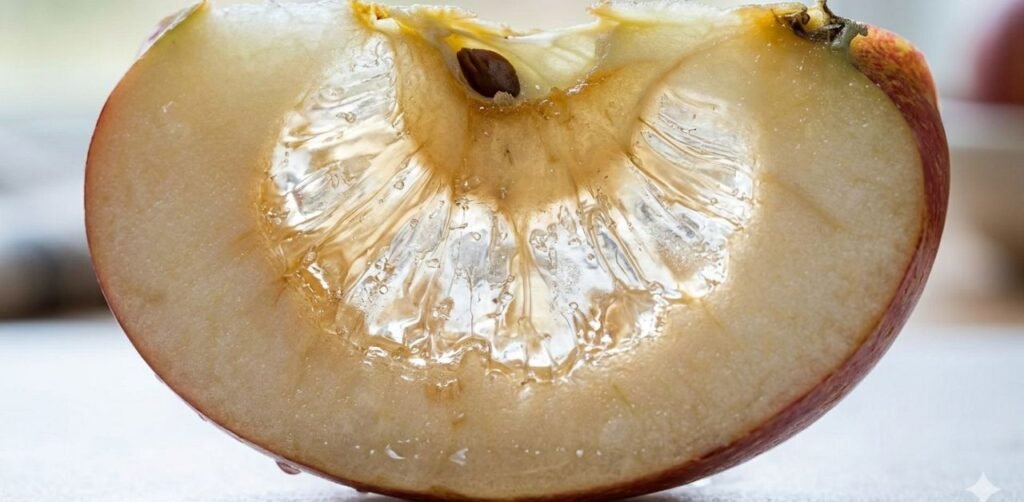
When the temperature drops, the apple’s internal physiology changes. The tree pumps extra sorbitol (a natural sugar alcohol) into the fruit to act as an “anti-freeze.” This causes the cells to saturate, creating a translucent, honey-like appearance around the seeds known as a Water Core.
- The Transformation: Starches convert into simple sugars at an accelerated rate.
- The Aesthetic: When sliced, the center looks like glowing amber or “ice.”
- The Flavor: It tastes like a regular apple infused with natural honey and vanilla.
2. Metabolic Comparison: Ice Apple vs. Regular Fuji
At Pure Dietly, we believe in numbers. To help our USA audience understand the “Metabolic Bill” of this treat, we conducted a 2026 comparison based on Brix levels (the measurement of sugar in liquid).
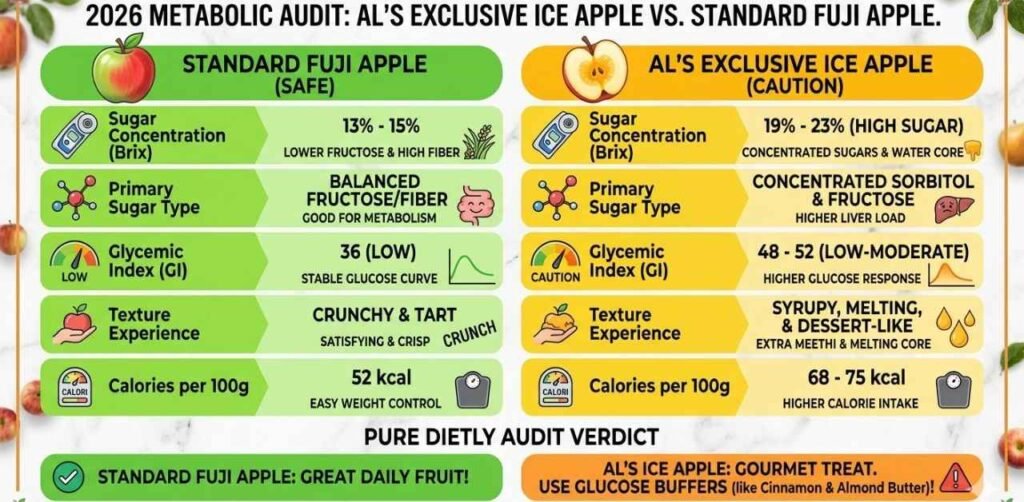
| Feature | Standard Fuji Apple | Al’s Exclusive Ice Apple |
| Sugar Concentration (Brix) | 13% – 15% | 19% – 23% (High Sugar) |
| Primary Sugar Type | Balanced Fructose/Fiber | Concentrated Sorbitol & Fructose |
| Glycemic Index (GI) | 36 (Low) | 48 – 52 (Low-Moderate) |
| Texture Experience | Crunchy & Tart | Syrupy, Melting, & Dessert-like |
| Calories per 100g | 52 kcal | 68 – 75 kcal |
3. The “Sugar Shield” Strategy for Diabetics
For someone managing Type 2 Diabetes or Insulin Resistance, an Ice Apple is technically a “Sugar Bomb” compared to a green Granny Smith apple. However, you don’t have to miss out if you use our Pure Dietly Glucose Buffers.
A. Never Peel the Skin
The skin of an Ice Apple is its only saving grace. It contains 80% of the fruit’s total fiber (pectin). This fiber acts as a “speed bump” in your small intestine, slowing down the absorption of that honey-core sugar.
Internal Link: For a deeper dive, read our guide on [The Apple Peel Advantage for Glucose Control].
B. The Protein-Fat Anchor
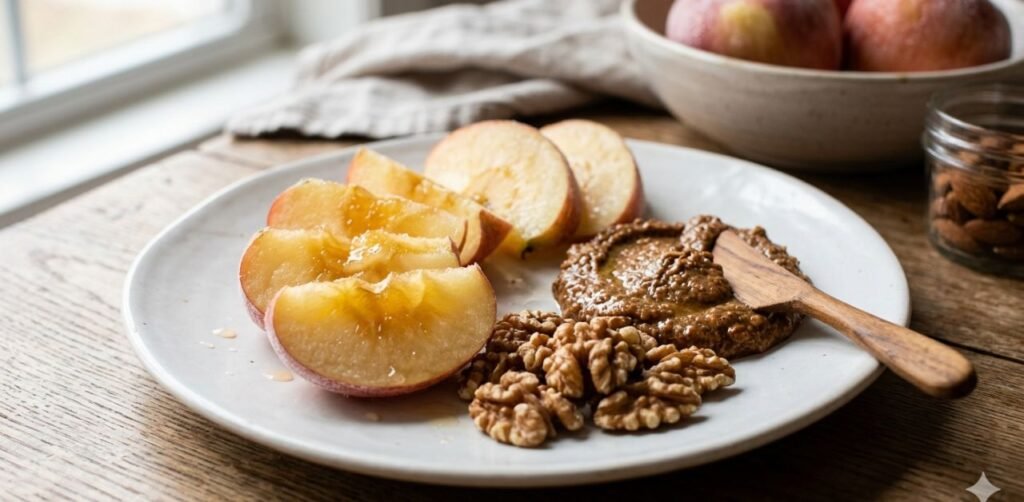
Never eat an Ice Apple solo. Pair it with:
- Healthy Fats: Two tablespoons of raw almond butter or walnut halves.
- Protein: A side of full-fat Greek yogurt (plain).The fat and protein slow down gastric emptying, preventing the “Ice Apple Spike.”
C. The Cinnamon Hack
Sprinkling Ceylon cinnamon on your apple slices isn’t just for flavor. Research shows that cinnamon can improve insulin sensitivity by mimicking its effects, making it easier for your cells to process the high Brix levels of this fruit.
4. 2026 Audit: Inflammation and Gut Health
Many competitors promote the Ice Apple as a “superfood,” but our 2026 audit looks at the hidden markers of inflammation.
Fructose and the Liver
The high fructose concentration in the water core goes directly to the liver. For individuals with Fatty Liver (NAFLD) or high triglycerides, the Ice Apple should be consumed with extreme caution. Excessive fructose can trigger minor metabolic inflammation if not buffered by physical activity.
Prebiotic Benefits
On the positive side, the late-harvested skin is rich in polyphenols and quercetin. These compounds are excellent for gut health, acting as prebiotics that feed your “good” bacteria, which in turn helps manage long-term insulin response.
5. Common Myths vs. 2026 Reality
- Myth: “Ice Apples” are a new genetically modified (GMO) species.
- Reality: They are 100% natural Fuji apples that simply stayed on the tree longer.
- Myth: The “Water Core” means the apple is rotting.
- Reality: It is the peak of sweetness and a sign of premium quality.
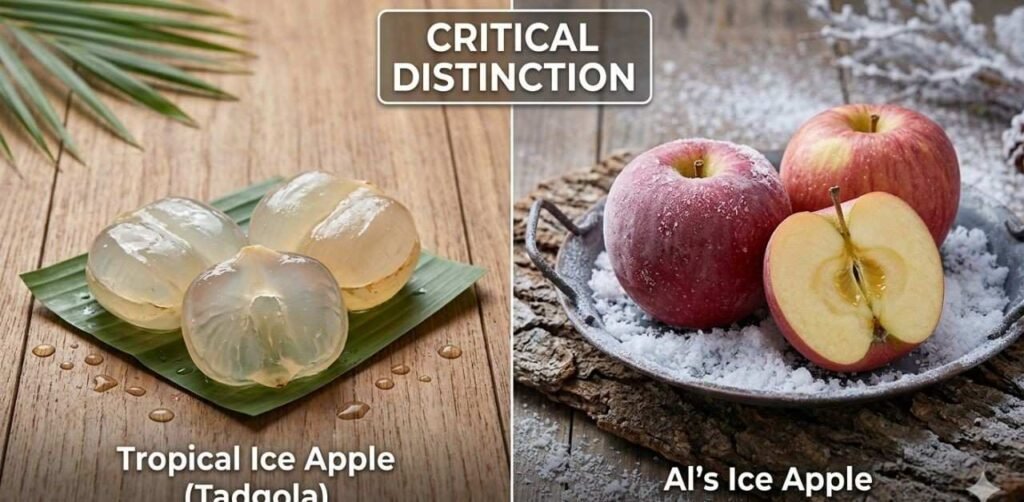
- Myth: It is the same as the “Tropical Ice Apple.”
- Reality: CRITICAL DISTINCTION. The tropical Ice Apple (Tadgola) is a low-calorie, jelly-like palm fruit. Al’s Ice Apple is a high-sugar, frosted pome fruit. Do not confuse the two if you are on a strict low-carb diet!
6. Pure Dietly’s “Safe Scoop” Matrix
If you want to turn this fruit into a safer dessert, follow this matrix:
- Portion Control: Limit yourself to 4-5 thin slices (approx. half an apple).
- The “Walk” Rule: After eating an Ice Apple, take a 10-minute brisk walk. This helps your muscles pull the excess glucose from your blood without needing extra insulin.
- Hydration: Drink a large glass of water with a squeeze of lemon to help flush excess sorbitol.
Internal Link: If you find the Ice Apple too sweet, try our [Metabolic-Safe Apple Ice Cream] which uses Allulose to keep the GI under 10.
Ready to Check Your Levels?
Use our Free Diabetic Calculators to track your A1C, Sugar Spikes, and Fasting Progress.
OPEN ALL CALCULATORS ➔Fast • Accurate • Free for Puredietly Readers
7. Frequently Asked Questions (FAQ)
Q: Why is Al’s Ice Apple so expensive compared to grocery store apples?
A: Because of the risk! Farmers lose a significant portion of their crop to birds or extreme rot while waiting for the frost. You are paying for the labor and the rarity.
Q: Can I use Ice Apples in baking?
A: We don’t recommend it for diabetics. Baking breaks down the fiber further and concentrates the sugar even more. It’s best eaten raw and chilled.
Q: Does the “Ice” melt?
A: No. The honey-like core is solid at room temperature. It only looks like ice because of the way the light hits the sorbitol-saturated cells.
Conclusion: Reclaim Your Seasonal Treats
The Al’s Ice Apple is a masterpiece of nature, but it requires a “Metabolic Strategy.” At Pure Dietly, our mission is to ensure that you can enjoy the unique flavors of the Pacific Northwest without losing your grip on your A1C goals. Respect the sugar, use the buffers, and always prioritize your metabolic health.
About the Author
Gohar Fatima is a Metabolic Health Researcher and the founder of Pure Dietly. She specializes in auditing global food trends for the 2026 health-conscious market, helping families bridge the gap between gourmet eating and scientific nutrition.
Medical Disclaimer
Note: The information provided on Pure Dietly, including our 2026 Metabolic Audits, is for educational and informational purposes only.
- Not Medical Advice: Gohar Fatima is a Metabolic Health Researcher, not a licensed medical doctor. This content is not intended to diagnose, treat, or cure any disease.
- Consult Your Doctor: Always seek the advice of your physician before making dietary changes, especially if you are managing Diabetes or taking medication.
- Individual Results: Metabolic responses vary; always monitor your blood glucose levels when trying new foods or “hacks.”