
Editor’s Note
At PureDietly, our mission is to simplify complex nutritional science. The 2026 healthcare landscape is shifting rapidly with the integration of AI and personalized medicine. Consequently, while this article provides a comprehensive guide, we always recommend consulting with a primary care physician before making drastic changes to your diet.
In the fast-evolving world of 2026, where AI meal planners and “wellness influencers” are everywhere, choosing the right health professional can feel overwhelming. You might be wondering, “Is there actually a difference between a Dietitian vs Nutritionist, or are they just different names for the same job?”

Consequently, making the wrong choice isn’t just a waste of money it could be a risk to your medical safety. Whether you are managing a chronic condition like Type 2 Diabetes or just want to optimize your energy, understanding these roles is the first step toward a healthier you. Therefore, let’s break down the legalities, education, and specific roles of these two professions in the modern American healthcare system.
What is a Registered Dietitian (RD) in 2026?
A Registered Dietitian (RD) or Registered Dietitian Nutritionist (RDN) is a board-certified food and nutrition expert. In the United States, this title is legally protected. This means that anyone calling themselves an RD must have met specific, rigorous national standards.
The New 2026 Education Standard
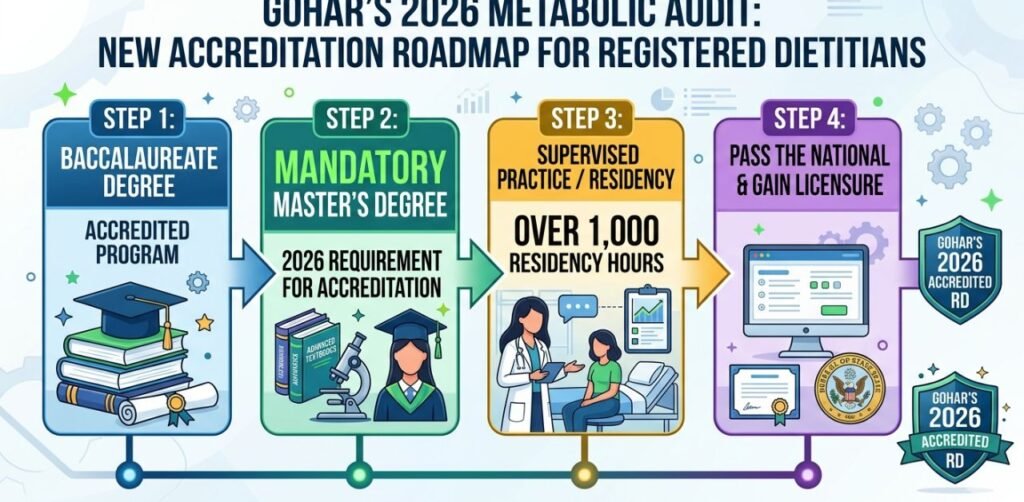
As of 2024 and moving into 2026, the entry-level requirement for RDs has shifted from a Bachelor’s to a Master’s Degree. This ensures that your practitioner has a deep, graduate-level understanding of clinical nutrition.
Why They Are “Clinical” Experts
RDs are qualified to provide Medical Nutrition Therapy (MNT). For instance, if you are struggling with blood sugar spikes, an RD won’t just tell you to “eat less sugar.” Instead, they will analyze your lab work and create a plan based on [2026 Diabetes Management Trends] to stabilize your insulin levels.
- Supervised Residency: They must complete over 1,000 hours of accredited practice in hospitals and clinics.
- National Exam: They must pass a difficult national board exam to earn their credentials.
- State Licensure: In most US states, RDs must also hold a state license to practice legally.
What is a Nutritionist? (The “Wild West” of Wellness)
The term “Nutritionist” is a bit more complicated. In many parts of the U.S., the title “Nutritionist” is not legally regulated. Essentially, this means that a person with a weekend online certificate can call themselves a nutritionist just as easily as someone with a PhD in Nutrition.
Certified Nutrition Specialists (CNS)

However, not all nutritionists lack credentials. The Certified Nutrition Specialist (CNS) is the gold standard for non-RD nutritionists. These professionals often focus on functional or holistic health. For example, they might help you understand [Gut Health Basics] to improve your overall well-veing.
Scope of Practice
Nutritionists generally focus on general wellness, sports performance, and lifestyle coaching. While they can be incredibly helpful for healthy individuals, they are legally prohibited from treating medical diseases in most states.
Key Comparison: Dietitian vs Nutritionist at a Glance

To make your decision easier, here is a quick breakdown of how these professionals compare in 2026.
| Feature | Registered Dietitian (RD/RDN) | Nutritionist (Non-RD/CNS) |
| Legal Protection | Heavily regulated and protected. | Often unregulated (varies by state). |
| Education | Master’s Degree (2026 Standard). | Varies (Certificate to PhD). |
| Medical Advice | Can provide Medical Nutrition Therapy. | Focuses on general wellness/prevention. |
| Insurance | Usually covered by health insurance. | Rarely covered by insurance. |
| Best For | Clinical conditions (Diabetes, Kidney). | Weight loss, fitness, and lifestyle. |
When Should You Choose a Registered Dietitian?
If you have a specific medical diagnosis, an RD is almost always the right choice. Because they work closely with doctors, they can integrate your diet into your total medical care plan.
Managing Chronic Illness
Furthermore, for those navigating metabolic issues, an RD can help you identify [Best Foods for Diabetics] that won’t trigger dangerous spikes. They understand the science of the [Understanding Glycemic Index] better than anyone else in the field.
Hospital and Clinical Support
If you are recovering from surgery, undergoing chemotherapy, or have a complex digestive disorder, you need the clinical expertise of a dietitian. They are trained to handle “high-stakes” nutrition where a mistake could lead to hospitalization.
When is a Nutritionist the Better Fit?
On the other hand, if you are generally healthy and just want to “level up” your life, a nutritionist might be more accessible and flexible.
Personalized Wellness Coaching
Many nutritionists specialize in specific areas like veganism, keto, or athletic performance. If you need help with [Customized Meal Planning] to hit a new personal best in the gym, a nutritionist can provide the motivation and structure you need.
Holistic Health and Prevention
Nutritionists often spend more time on the “behavioral” side of eating. They might help you develop a better relationship with food or find natural ways to boost your immunity before a problem starts.
The Role of AI and Technology in 2026
Both RDs and Nutritionists are now using advanced technology to help clients. In 2026, we see a rise in:
- Digital Twins: Models that predict how your body will react to certain foods.
- Bio-Individual Data: Using data from wearable tech to adjust diets in real-time.
- Virtual Consults: Making expert advice accessible from your smartphone anywhere in the US.
How to Check Credentials (Protect Yourself)
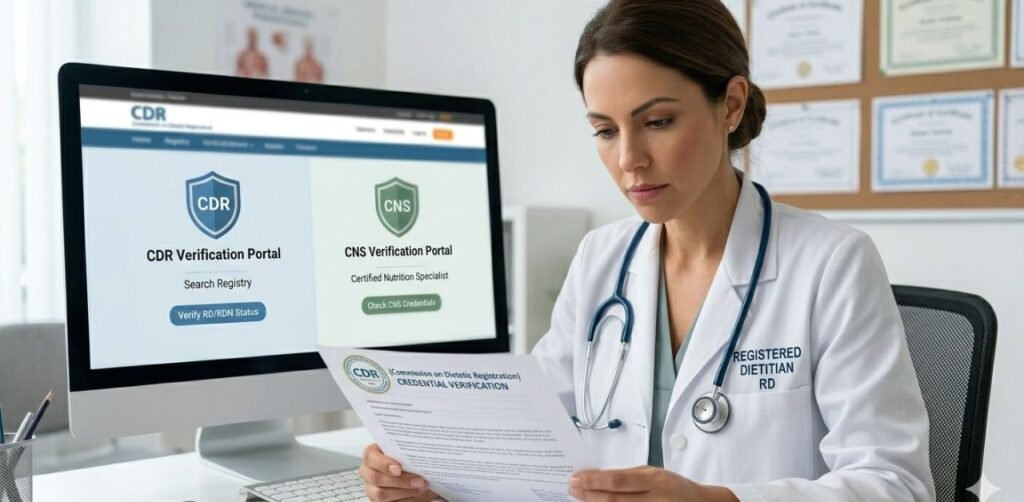
Before you hire anyone, you must do your due diligence. For an RD, you can check the Commission on Dietetic Registration (CDR) website. For a nutritionist, look for “CNS” or “LDN” (Licensed Dietitian Nutritionist) titles, and ask about their specific degree.
Ultimately, your health is your most valuable asset. While a nutritionist can offer great support for general goals, a Registered Dietitian is the only one qualified to handle your medical nutrition needs.
Final Thoughts from PureDietly
In the debate of Dietitian vs Nutritionist, the answer depends entirely on your specific needs. At PureDietly, we believe in a science-first approach. If you are ready to take control of your health, start by identifying your goal. Do you need a medical prescription for food, or do you need a lifestyle coach to help you stay on track?
By choosing the right professional, you ensure that your journey toward health is safe, effective, and backed by the latest 2026 research.
Frequently Asked Questions (FAQs)
1. Can a nutritionist prescribe a diet for Type 2 Diabetes?
In most U.S. states, no. Only a Registered Dietitian is legally authorized to provide Medical Nutrition Therapy (MNT) for chronic diseases. Using a non-certified nutritionist for medical advice can be risky.
2. Does insurance cover visits to a nutritionist?
Generally, insurance companies in the USA cover Registered Dietitians, especially for preventative care or diabetes management. Most “nutritionists” are out-of-pocket expenses unless they hold specific medical licenses.
3. Is a “Nutritionist” the same as a “Health Coach”?
Not necessarily. A nutritionist usually has some form of science background, whereas “Health Coach” is a broader term that may focus more on motivation and habit-stacking than nutritional science.
4. How can I verify if someone is a real Registered Dietitian?
You can visit the Commission on Dietetic Registration (CDR) website and use their “Find an RD” tool to verify any practitioner’s credentials in real-time.
5. What is the most important credential for a non-RD nutritionist?
Look for the CNS (Certified Nutrition Specialist) credential. It requires a Master’s or Doctorate degree and 1,000 hours of supervised experience, making it the most respected non-RD title.
About the Author: Gohar Fatima
Gohar Fatima is a dedicated Health Content Writer, Blogger, and Metabolic Health Researcher. As the founder of PureDietly, she specializes in bridging the gap between clinical research and everyday nutrition. With a deep focus on the 2026 American healthcare standards, Gohar’s work emphasizes EEAT (Expertise, Experience, Authoritativeness, and Trustworthiness) to help readers navigate the complexities of diabetic diets and metabolic wellness. When she isn’t analyzing the latest nutritional data, Gohar is helping professionals optimize their digital presence on platforms like LinkedIn.
Medical Disclaimer
Not Medical Advice: The information on PureDietly.com is for educational purposes only. It is not a substitute for professional medical advice, diagnosis, or treatment. Always seek the advice of your physician or another qualified healthcare provider with any questions regarding a medical condition.