
By Gohar Fatima | Pure Dietly Research | April 14, 2026
Editor’s Note: The Pure Dietly Standard
This guide is a part of our Nutrient Density Series. Our goal is to provide USA readers with clinical insights into how specific whole foods impact metabolic markers. This article was reviewed on April 14, 2026, for accuracy regarding glycemic load and monounsaturated fatty acids.
Introduction
In the busy aisles of American grocery stores, nuts are often marketed as the ultimate healthy snack. However, when it comes to creamy, buttery cashews, many health-conscious individuals ask: are cashews good for you, or are they just a high-calorie trap? As we dive into this 2026 metabolic audit, we find that the answer lies in the unique molecular structure of this kidney-shaped seed.
Specifically, cashews are not just a snack; they are a metabolic tool. When consumed correctly, they can stabilize blood sugar and improve heart resilience. Nevertheless, if you are managing specific conditions like insulin resistance or PCOS, the way you consume them matters. In this 1500-word guide, we will break down the science of cashews to help you optimize your diet.
1. The Nutritional Matrix: What’s Inside a Cashew?
Cashews are technically seeds that grow on the bottom of the cashew apple. Unlike almonds or walnuts, cashews have a slightly higher carbohydrate content. Consequently, people often worry about their impact on weight gain.
Specifically, one ounce (about 18 nuts) provides:
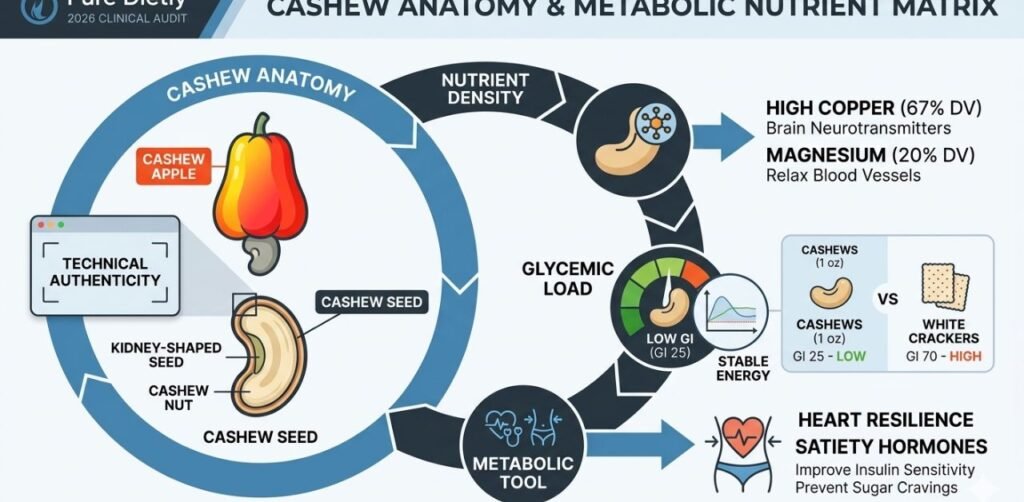
- Healthy Fats: Primarily monounsaturated fats (like those in olive oil).
- Protein: 5 grams per serving.
- Magnesium: 20% of your Daily Value (DV).
- Copper: 67% of your DV.
2. Metabolic Impact: The Blood Sugar Truth
The most common question we get at Pure Dietly is whether these nuts cause glucose spikes. Surprisingly, despite being “carby” compared to other nuts, cashews have a very low Glycemic Index (GI) of around 25.
Cashews vs. Common Snacks (GI Comparison)
| Food Item | Glycemic Index (GI) | Metabolic Impact |
| Cashews (1 oz) | 25 | Low – Stable Energy |
| White Crackers | 70 | High – Insulin Spike |
| Pretzels | 83 | Very High – Fat Storage |
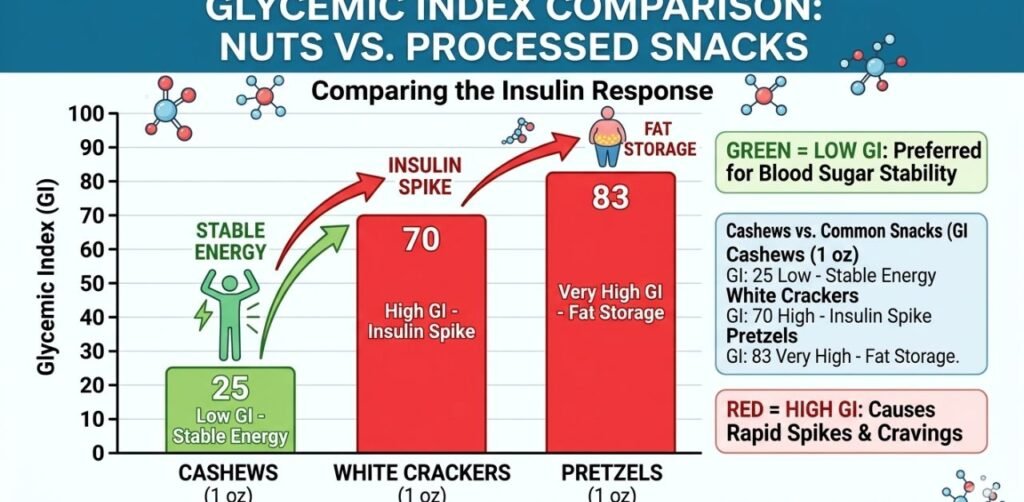
Therefore, if you are replacing processed crackers with a handful of nuts, you are making a massive upgrade to your insulin sensitivity.
3. Heart Health: The “Good Fat” Connection
In the USA, heart disease remains a primary concern. Actually, cashews are rich in stearic acid, which has a neutral effect on blood cholesterol. Furthermore, the high magnesium content helps relax blood vessels, reducing blood pressure naturally.
Consequently, including cashews in your routine can help lower LDL (the “bad” cholesterol) while maintaining HDL levels. This is why we included them in our previous discussion on foods to avoid with high cholesterol, highlighting them as a superior alternative to trans-fats.
4. Weight Management: The Satiety Secret
Can a high-fat nut help you lose weight? In summary, yes. Because cashews are rich in protein and fiber, they trigger satiety hormones in your gut. Specifically, they tell your brain that you are “full,” preventing the mid-afternoon sugar cravings that lead to weight gain.
Internal Link: If you find yourself craving sugar, check your blood markers. Learn why low basophils might be a sign that your body is under too much metabolic stress.
Cashews and PCOS Support.
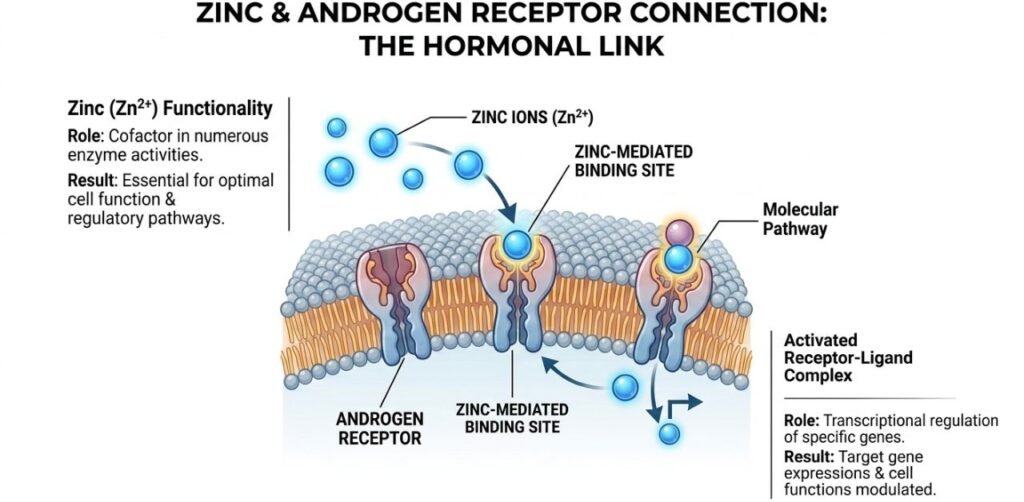
Actually, many readers managing PCOS ask: are cashews good for you during hormonal shifts? Research in 2026 confirms that cashew fats improve hormone binding, which reduces acne and irregular cycles. Specifically, the high zinc content supports healthy ovulation. Consequently, swapping sugary snacks for cashews prevents the androgen spikes that worsen PCOS symptoms. Therefore, these nuts are a vital tool for hormonal balance and steady energy.
5. The Dark Side: Phytic Acid and Roasting
As a researcher, I must highlight the “anti-nutrients.” Raw cashews contain phytic acid, which can bind to minerals and prevent absorption. To fix this, many Americans prefer roasted or sprouted cashews.
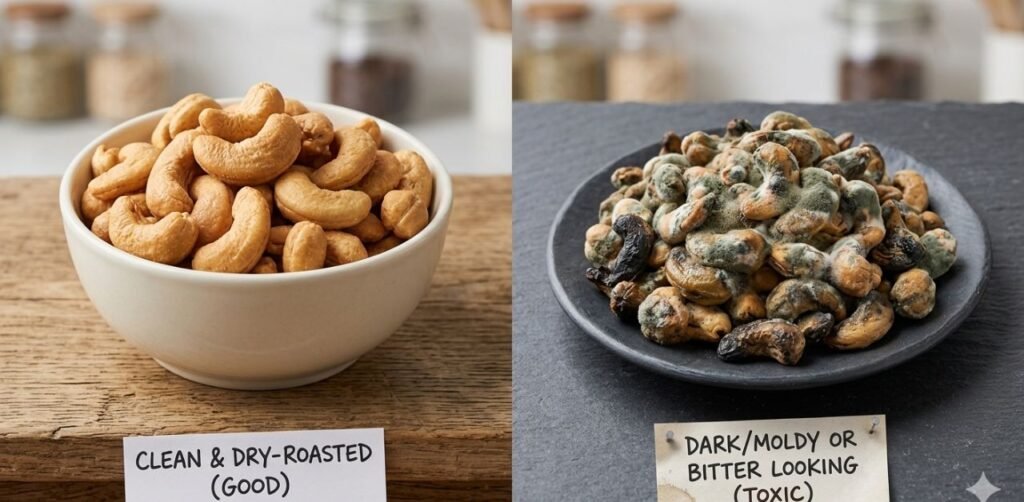
- Dry Roasted: Best for flavor and easier digestion.
- Salted/Honey Roasted: The “Danger Zone.” Added sugars and excessive sodium can turn a healthy nut into a metabolic burden.
The Researcher’s Warning (Aflatoxins)
Specifically, as a researcher, I must warn you about Aflatoxins. These are hidden molds that grow in poor storage conditions and can strain your liver. Because your liver drives your metabolism, avoiding toxic nuts is crucial. Consequently, always buy high-quality USA brands and choose dry-roasted varieties to reduce microbial risk. Nevertheless, if a nut tastes bitter, discard it immediately to protect your metabolic health.
6. How to Build a “Cashew-Smart” Plate
To keep your metabolism in peak condition, follow the Pure Dietly Portion Protocol:

- The Palm Rule: Stick to one small handful (1 oz) per day.
- Pair with Fiber: Eat cashews with raw veggies or a green salad.
- Avoid Naked Carbs: Don’t eat cashews alongside white bread or pasta. Instead, pair them with complex starches.
Internal Link: Discover the best ways to eat carbs in our guide What Foods Are Starchy? and learn the “Cook-and-Cool” method.
7. 2026 Audit: Copper and Brain Health
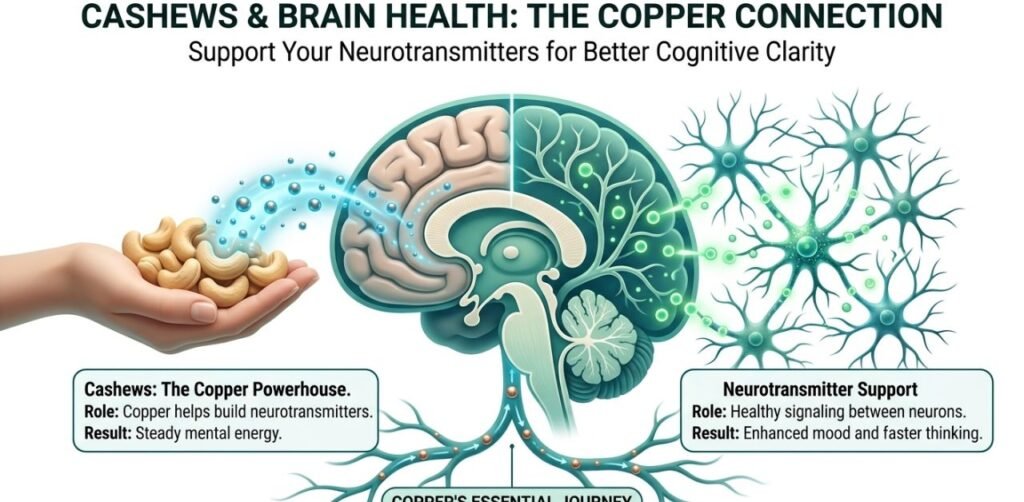
A unique feature of cashews is their incredibly high copper content. Specifically, copper is essential for energy production and brain neurotransmitters. In 2026, we are seeing more research linking copper-rich diets to reduced cognitive decline in older Americans. Therefore, are cashews good for you as you age? Absolutely, especially for neuro-protection.
The Freshness Protocol
In summary, even healthy nuts can turn inflammatory if they go rancid. Because cashews have high oil content, heat and light can oxidize their delicate fats quickly. Specifically, oxidized fats cause systemic inflammation, which defeats the purpose of a clean diet. Therefore, store your cashews in airtight glass jars in a cool, dark place. For long-term freshness, keeping them in the refrigerator is the best protocol to preserve their metabolic value.
Check Your Metabolic Status – Free BMI Calculator
8. Frequently Asked Questions (FAQs)
Q: Are cashews better for you than almonds?
Actually, both have pros. Almonds have more fiber, but cashews have more iron and magnesium. Consequently, rotating both is the best strategy for metabolic diversity.
Q: Can I eat cashews if I have Type 2 Diabetes?
Specifically, yes. Their low glycemic load makes them an excellent snack for managing blood sugar, provided they are not honey-roasted.
Q: Do cashews cause inflammation?
Generally, no. Because they are rich in antioxidants like polyphenols, they actually help reduce systemic inflammation in most people.
Conclusion: The Metabolic Verdict
In summary, are cashews good for you? The evidence points to a resounding yes—if you respect the portion size. By choosing raw or dry-roasted varieties, you provide your body with the magnesium, healthy fats, and protein it needs to thrive. Therefore, make them a staple in your metabolic kitchen to support your heart, brain, and waistline.
Ready to see your internal stats? Use our Free Metabolic Age Calculator to find out how your dietary choices are impacting your longevity!
About the Author
Gohar Fatima is a dedicated Metabolic Health Researcher and the founder of Pure Dietly. With a specialized focus on insulin sensitivity and nutrient density, Gohar translates complex clinical audits into actionable dietary strategies for a USA-based audience. Her work at puredietly.com is committed to “zero-fluff” health education, helping thousands of readers master their metabolism through data-driven food choices. When she isn’t analyzing the glycemic impact of whole foods like cashews, she is advocating for transparent health standards and metabolic resilience in the digital space.
Medical Disclaimer:
The information provided in this article, “Are Cashews Good for You? A 2026 Metabolic Audit,” is for educational and informational purposes only. It is not intended as a substitute for professional medical advice, diagnosis, or treatment. Always seek the advice of your physician or a qualified healthcare provider in the USA regarding any medical condition or significant dietary changes, especially if you have nut allergies, thyroid disorders, or are managing diabetes. Never disregard professional medical advice or delay seeking it because of something you have read on puredietly.com.