Editor’s Note: Hunger is not a character flaw; it is a bio-feedback loop. This guide is designed to move you away from the “eat less, move more” trap and toward a strategy of “eat better, nourish more.” By addressing the hormonal root of hunger pangs, we aim to help you achieve metabolic stability, allowing your body to naturally find its set point without the constant, draining battle against cravings.
If you have ever felt like your stomach is a bottomless pit, you are certainly not alone. Many people struggle with persistent hunger pangs, even shortly after eating a full meal. While society often tells you that this is simply a lack of willpower, the scientific truth is found deep within your biology.
At PureDietly, we believe your body is sending you important data, not an insult. When you experience constant hunger pangs, it is often a sign that your metabolic signals—specifically insulin, ghrelin, and leptin—are significantly out of balance.
The Metabolic Root: Why Hunger Happens
Many diets fail because they focus on calorie restriction rather than hormonal calibration. When your blood sugar fluctuates wildly, your body enters a state of “metabolic panic”.
The Insulin-Hunger Connection
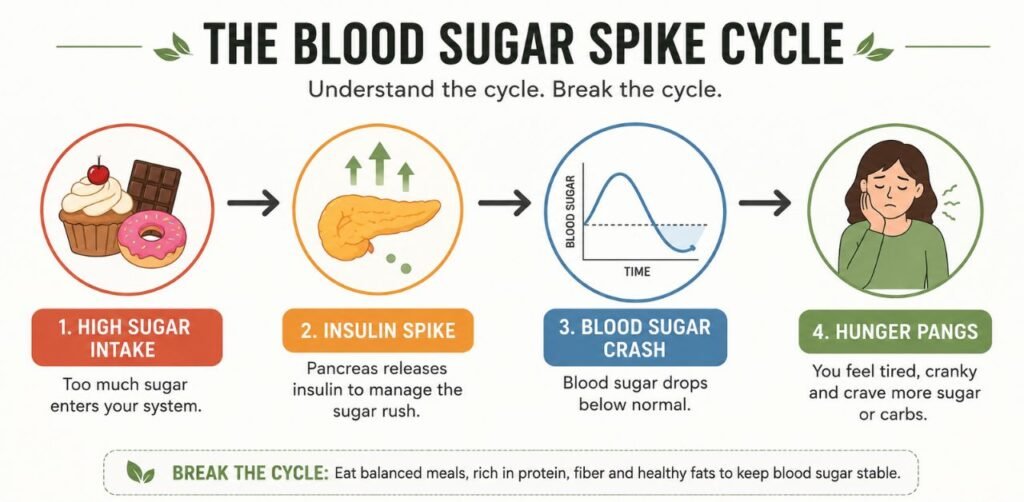
When you consume high-glycemic foods, your insulin spikes. This process quickly stores glucose as fat, leading to a sudden blood sugar crash. Because your cells are temporarily starved of energy, your brain signals intense hunger pangs to force you to find more fuel immediately.
Unique Paragraph on Metabolic Noise:
Think of your metabolism as a complex radio frequency. When you consume ultra-processed foods, you are essentially creating “metabolic noise.” This noise drowns out the subtle signals of satiety (fullness) that your body naturally sends. By clearing this noise through mindful eating and whole-food choices, you allow your body to recalibrate. When your internal environment supports your biology, maintaining stable glucose levels becomes the default state rather than a constant, exhausting struggle.
3 Metabolic Triggers of Hunger Pangs
To stop the cycle of endless snacking, we must identify the hidden triggers in your daily routine that sabotage your progress.
The Carbohydrate Trap: Consuming refined carbs like white bread or sugary cereals leads to a rapid glucose dump and a subsequent spike in hunger hormones.
Dehydration Deception: Your brain often confuses thirst with true hunger. Before grabbing a snack, drink 16oz of water and wait 10 minutes to see if the signal fades.
Poor Food Sequencing: Eating carbohydrates before protein or fiber is a recipe for a metabolic crash. Always follow our Food Sequencing Protocol to blunt these effects.
The PureDietly Hunger Reset Protocol
Ready to regain control? Follow these actionable steps to silence the noise and stabilize your energy levels throughout the day.
1. Prioritize Protein Density
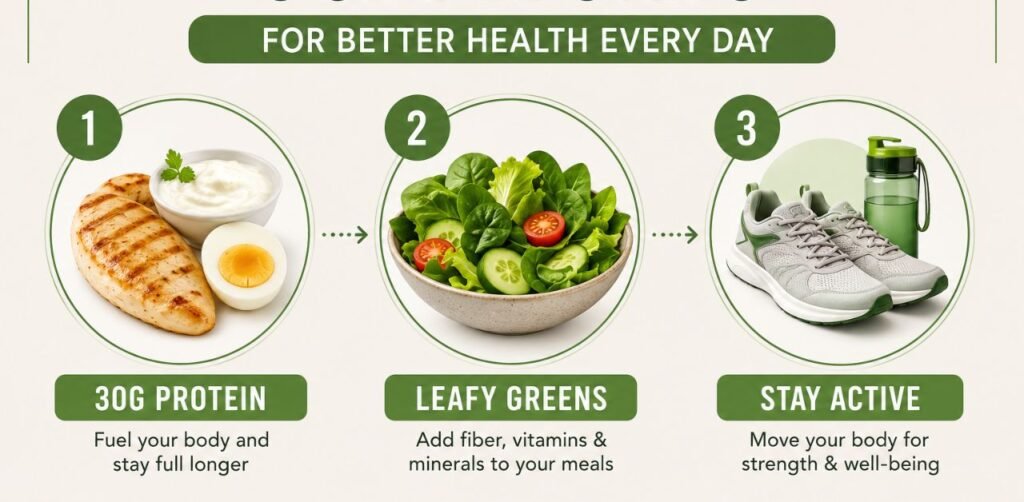
Aim for at least 30g of protein at breakfast. Protein triggers the release of peptide YY, a hormone that signals fullness to the brain more effectively than any other macronutrient.
2. Implement the “Fiber Mesh”
Start your lunch and dinner with a large bowl of leafy greens. As we explain in our 7-Day Diabetic Meal Plan, this fiber creates a physical mesh in your gut, slowing down the absorption of everything that follows.
3. The 10-Minute Metabolic Walk
If you feel hunger pangs right after a meal, perform a 10-minute light walk. This movement helps your muscles utilize glucose immediately, significantly reducing the hormonal demand on your pancreas.
Daily Hunger Audit Table
Use this table to track your signals. If you are hungry, audit the timing and the quality of your last meal.
Time
Hunger Level (1-10)
Last Meal Composition
Action Taken
10:00 AM
8
Sugary Coffee
Drink water/walk
2:00 PM
3
Protein + Fiber
None needed
7:00 PM
6
High Carb Pasta
Add protein next time
The Hidden Difference: Hunger Pangs vs. Hunger Pains
It is important to understand that there is a linguistic and physical distinction here. While “hunger pangs” often refer to the hollow, gnawing sensation in the stomach caused by emptiness or hormonal signals, “hunger pains” can sometimes indicate more serious gastric distress. If your stomach sensations are accompanied by sharp pain or burning, always consult a healthcare provider, as this might not be simple metabolic hunger.
Unique Paragraph on Mindset:
Many people view hunger as an enemy to be silenced at all costs. However, in our metabolic framework, we view it as a critical data point. If you experience hunger pangs in the middle of the afternoon, don’t view it as a failure of willpower. Instead, view it as a message from your mitochondria. Perhaps the meal you ate at noon lacked enough healthy fats, or maybe your fiber intake was too low to sustain you. By documenting these pangs, you transform from a passive “dieter” into an active researcher of your own biology. This shift in perspective is often the missing link for long-term health success.
When to Eat vs. When to Pause
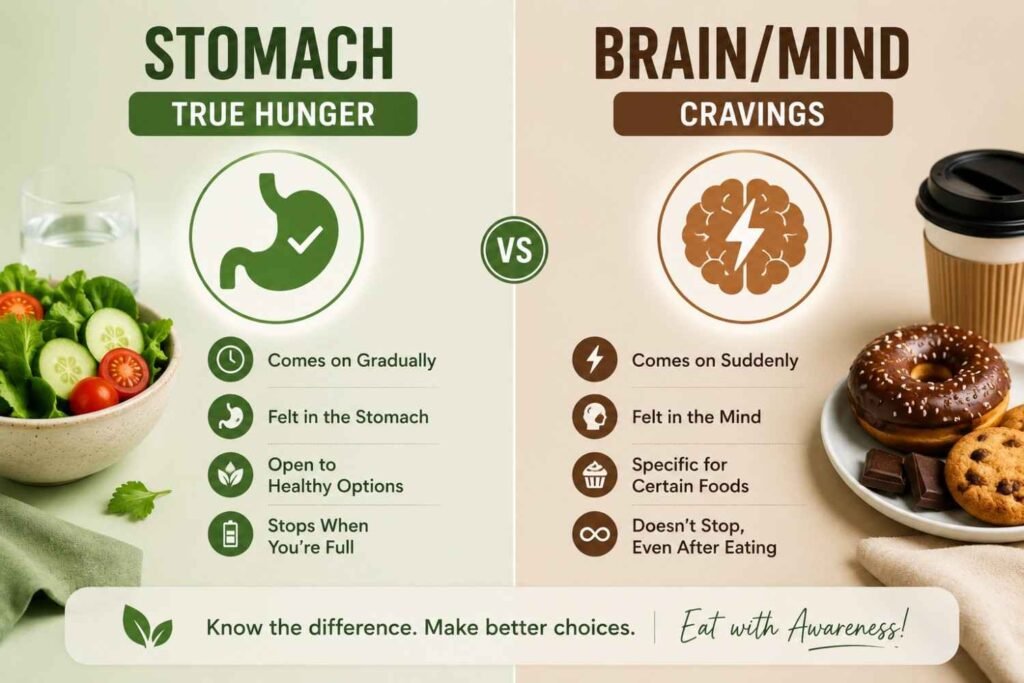
It is vital to distinguish between true metabolic hunger and emotional cravings.
True Hunger: It is felt in the stomach (a gentle, growing, physical sensation).
Emotional Hunger: It is felt in the mouth or brain, often presenting as a sudden, intense urge for a specific taste or texture.
If you are struggling to differentiate, download our Free Metabolic Audit Checklist. It helps you log your reactions to specific fuels, allowing you to build a roadmap that works for your unique biology.
Conclusion: Take Back Your Vitality
Managing hunger pangs isn’t about rigid, punishing restriction; it’s about providing your mitochondria with the right fuel to keep you vibrant. By monitoring your glucose response and staying consistent with your habits, you will find that you have more control over your health than you ever thought possible.
Are you ready to stop guessing and start measuring?Check your metabolic age now and begin your journey toward true metabolic freedom.
Confused about food labels? Calculate your Net Carbs in seconds!
Q: Are hunger pangs always a sign of low blood sugar?
A: Not necessarily. While low blood sugar can trigger hunger, persistent hunger pangs are frequently caused by hormonal imbalances like insulin resistance, where your cells are unable to access stored energy effectively.
Q: Can I stop hunger pangs by just drinking more water?
A: Often, yes. The brain frequently confuses thirst signals with hunger signals. Drinking 16oz of water can help clear this “metabolic noise” and allow you to assess if you are truly hungry.
Q: Why do I feel hungry even after a high-calorie meal?
A: This is often due to the quality of the meal, not just the calories. High-glycemic meals cause insulin spikes and subsequent crashes, leaving you hungry shortly after eating.
Q: Is it “hunger pangs” or “hunger pains”?
A: While often used interchangeably, “hunger pangs” refers to the hollow, gnawing sensation of hunger. “Hunger pains” may sometimes describe physical distress or burning sensations in the stomach that could warrant a medical checkup.
About the Author
Gohar Fatima is a Metabolic Health Researcher and the founder of PureDietly.com. She specializes in simplifying complex clinical nutrition data into actionable, science-backed protocols. Through her signature “Metabolic Audit” approach, Gohar empowers individuals to overcome insulin resistance and regain their metabolic vitality. Her mission is to help people understand their unique glucose responses so they can live a life free from the cycle of constant dieting.
Medical Disclaimer
Medical Disclaimer: This content is for informational purposes only and does not constitute professional medical advice, diagnosis, or treatment. Individual nutritional needs vary based on medications, activity level, and underlying health conditions. Always consult your doctor, endocrinologist, or a certified diabetes educator before making significant dietary changes, especially if you are currently taking insulin or other diabetes medications. Monitor your blood glucose levels regularly as you adjust your eating patterns and portions to ensure your safety and well-being.