
Editor’s Note:
Editor’s Note: The Metabolic Researcher’s Perspective “As a metabolic health researcher, I personally integrate spaghetti squash into my weekly rotation to manage glucose variability without sacrificing the joy of a pasta-style meal. In 2026, the shift towards whole-food nutrition is more than a trend—it is a data-backed necessity. I have curated this guide to help you understand how this fiber-rich vegetable functions as a metabolic buffer, allowing you to enjoy your meals while maintaining the stable blood sugar levels essential for longevity and cellular health.”
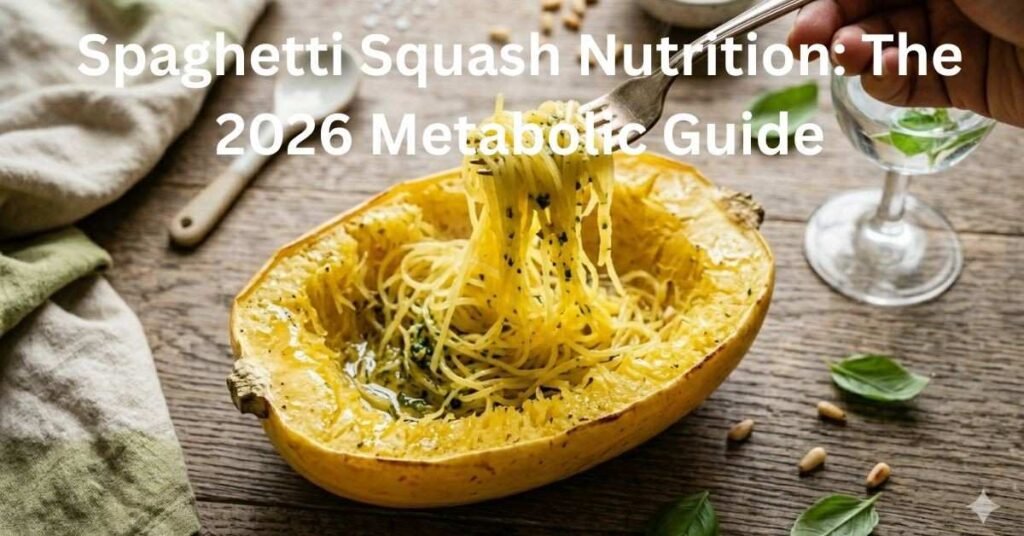
If you are navigating the complexities of blood sugar management in 2026, finding a satisfying pasta alternative often feels like an impossible task. However, spaghetti squash nutrition offers a unique solution that effectively bridges the gap between comfort food and metabolic wellness. Unlike refined grains that trigger rapid glucose spikes, this fiber-rich vegetable provides a satisfying texture without the metabolic burden. In this guide, we will analyze how this natural wonder supports your cellular health and why it deserves a permanent spot in your weekly meal planning.
The Nutritional Profile: Why It Matters
When we examine the data behind spaghetti squash nutrition, we see a clear winner for those monitoring their blood glucose levels. It is significantly lower in calories and carbohydrates than traditional options, which is crucial for long-term health.
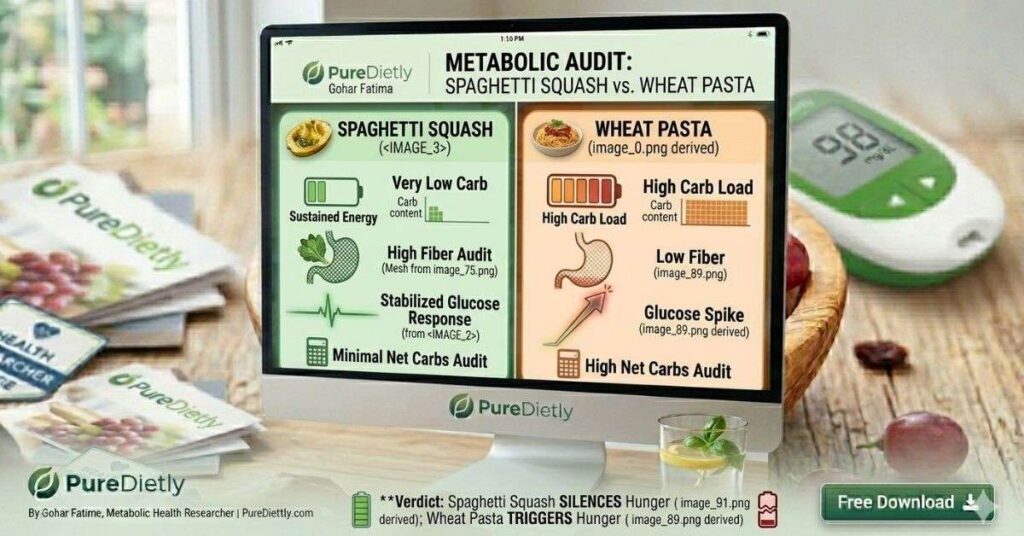
| Metric (Per 1 Cup Cooked) | Spaghetti Squash | Traditional Wheat Pasta |
| Total Calories | ~42 kcal | ~200+ kcal |
| Net Carbs | ~5-7g | ~40g |
| Fiber Content | ~2.2g | ~2g |
| Glycemic Impact | Low | High |
| Primary Vitamins | Vit C, B6, Beta-Carotene | Low/Refined |
- Spaghetti squash acts as a nutrient-dense food source that provides essential vitamins such as Vitamin C and B6.
- It serves as a low-calorie alternative to conventional noodles, which is particularly beneficial for weight management.
- The vegetable naturally provides antioxidants, specifically beta-carotene, which supports overall cellular health and reduces inflammation.
Metabolic Benefits: How It Impacts Your Body
Understanding the metabolic impact of your food is the foundation of long-term health. Spaghetti squash nutrition provides several key advantages for metabolic optimization that go beyond just counting calories.
- Low Glycemic Load: Because it is primarily composed of water and structural fiber, it prevents the massive insulin response typically associated with traditional flour-based noodles.
- Micronutrient Density: It is packed with potassium and manganese, which are essential minerals for maintaining stable blood pressure and supporting efficient cellular function.
- Gut-Friendly Fiber: The high fiber content slows down the gastric emptying rate, ensuring a steady, reliable drip of glucose into your bloodstream rather than a sudden, harmful surge.
The “Metabolic Audit”: How to Sequence It
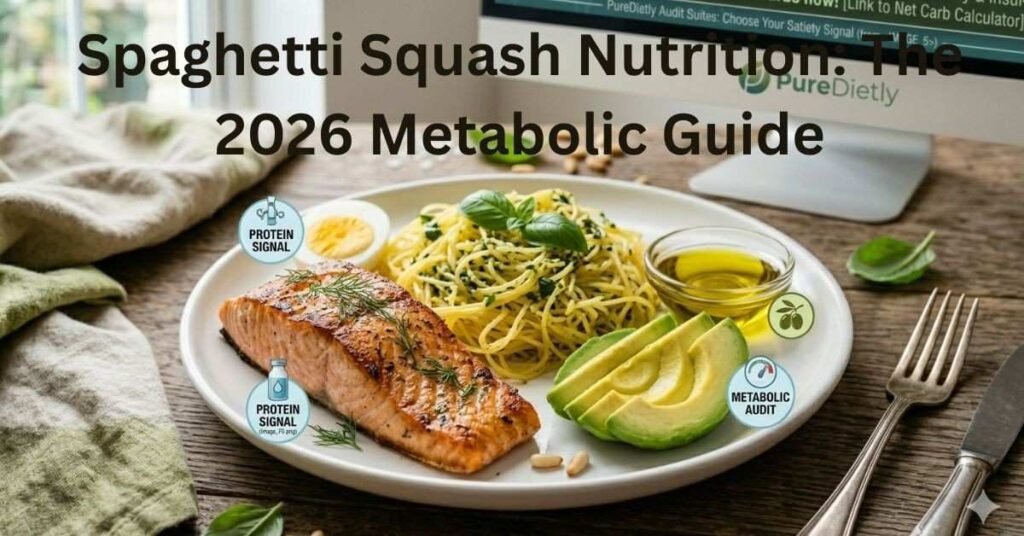
To maximize the benefits of spaghetti squash nutrition, you must consider the order in which you eat your meal. I always recommend consuming it after your protein and healthy fats. This sequencing ensures that the fiber from the squash acts as a metabolic buffer, further stabilizing your blood sugar levels. For a full, science-backed breakdown of this method, check out our [Food Sequencing Protocol].
Comparison: Spaghetti Squash vs. Alternatives
Many readers often ask how this compares to other low-carb choices in our database. While black bean pasta is exceptionally high in protein, spaghetti squash nutrition excels in total calorie control and natural hydration. If you are aiming for a deeper metabolic reset, alternating between these two options is your best strategy. Refer to our [Black Bean Pasta Review] to see which fits your specific weekly plan.
Furthermore, if you are still curious about why traditional options are problematic, you should read our guide on [Can Diabetics Eat Pasta?]. It will help you understand why refined flours create such a different metabolic response compared to whole-food alternatives like spaghetti squash.
Why Quality Matters: Choosing the Best Squash

When shopping for your next meal, selecting the right squash is as important as the recipe itself. Look for firm, heavy squashes with a matte skin. A shiny skin often indicates that the squash was picked too early. By selecting high-quality produce, you ensure that you are getting the maximum nutritional value.
Ready to Check Your Levels?
Use our Free Diabetic Calculators to track your A1C, Sugar Spikes, and Fasting Progress.
OPEN ALL CALCULATORS ➔Fast • Accurate • Free for Puredietly Readers
Frequently Asked Questions (FAQs)
Q: Is spaghetti squash truly low-carb?
A: Yes. Compared to traditional wheat-based pasta, spaghetti squash nutrition is exceptionally low in net carbs, making it ideal for low-glycemic and ketogenic diets.
Q: How can I prepare it to keep it healthy?
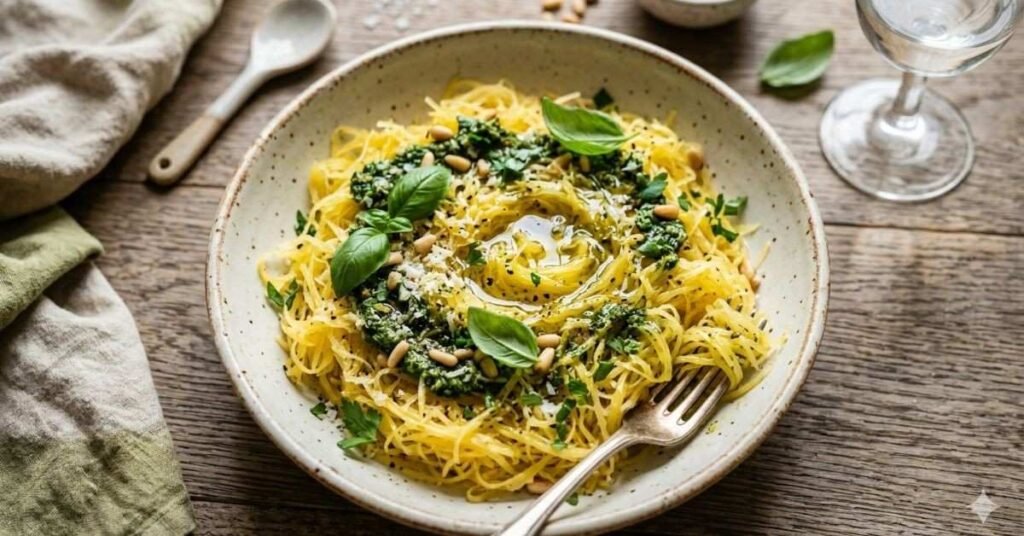
A: Roasting or steaming is best. Avoid adding heavy, sugar-laden commercial sauces. Instead, use extra virgin olive oil, fresh garlic, and herbs to maintain the metabolic benefits.
Q: Does it have a strong flavor?
A: No, it has a very mild, neutral flavor, which makes it the perfect vessel for various healthy sauces and toppings.
Conclusion: Precision Starts with Preparation
In the 2026 health landscape, accurate data is your best tool for longevity. Adding this vegetable to your diet is more than just a convenience—it is a medical strategy for clear, actionable results. Consequently, by choosing whole-food alternatives, you are actively reducing your reliance on processed grains. Therefore, stay consistent, monitor your personal blood sugar response, and enjoy your journey toward better metabolic health.
1. About the Author
About Gohar Fatima Gohar Fatima is a dedicated metabolic health researcher and the founder of PureDietly. She specializes in translating complex 2026 clinical guidelines into simple, science-backed advice for blood sugar management and healthy living. Her mission is to empower readers with accurate, data-driven insights from top-tier USA medical sources, enabling them to optimize their metabolic health and achieve long-term wellness.
2. Medical Disclaimer
Medical Disclaimer: This content is for informational purposes only and is based on general health guidelines. It is not a substitute for professional medical advice, diagnosis, or treatment. Always seek the advice of your physician or other qualified health provider with any questions you may have regarding a medical condition. Never disregard professional medical advice or delay in seeking it because of something you have read on this website.
s