
Published by Gohar Fatima | Metabolic Health Researcher
Last Updated: July 2026
Editor’s Note
As part of our 2026 Metabolic Audit series at PureDietly, this article was thoroughly evaluated by our editorial board to ensure complete alignment with current nutritional science and glycemic safety guidelines. While tapioca provides a quick, gluten-free source of energy, our team emphasizes that portion awareness and preparation methods such as avoiding heavy commercial sugars are critical for preventing rapid blood sugar fluctuations. Always evaluate your entire meal’s macronutrient load rather than focusing on a single isolated ingredient.
Introduction
Navigating complex carbohydrates can feel overwhelming. This is especially true when you are managing your metabolic health, tracking blood glucose levels, or trying to understand how food impacts long-term wellness.
Many people in our U.S. health community frequently ask: is tapioca good for you?
Its smooth texture makes it a popular staple in bubble tea pearls, comforting puddings, gluten-free baking mixes, and thickening agents. Naturally, it is normal to wonder if this starch fits safely into a health-conscious lifestyle.
However, looking at cassava-derived starch through a metabolic lens requires careful evaluation. We need clear awareness of portions and how refined carbohydrates behave inside the bloodstream.
In this 2026 metabolic guide, we will analyze tapioca’s true nutritional profile. We will weigh its health benefits against potential glycemic risks and explore practical culinary strategies.
What Is Tapioca and How Is It Processed?
To truly understand how tapioca impacts your body, we must first examine its botanical origin and production process. Tapioca is a starchy extract derived directly from the storage roots of the cassava plant (Manihot esculenta), a resilient woody shrub that is native to South America and is now cultivated widely across tropical and subtropical regions worldwide.

- The Extraction Process: The thick, fibrous cassava roots are thoroughly washed, peeled, and crushed into a smooth, watery pulp to effectively separate the starchy liquid from the fibrous plant matter.
- Drying and Refining: Once this starchy liquid evaporates completely under controlled conditions, a fine, powdery white starch remains. This raw starch is subsequently processed into various commercial forms, including pearls, flakes, sticks, and fine flour.
- Culinary Versatility: Because it is naturally free of gluten, grains, nuts, and soy, it serves as a popular hypoallergenic thickening agent in soups, sauces, gravies, and specialized baking recipes.
The Nutritional Profile of Tapioca: What the Numbers Tell Us
Evaluating what goes into your daily meal plan requires looking closely at the macronutrient breakdown. Tapioca is predominantly composed of carbohydrates, with very minimal amounts of other vital macronutrients.
| Nutrient / Metric | Value per 100g (Cooked Pearls) | Metabolic Impact & Analysis |
| Calories | ~130 kcal | Provides rapid, fast-burning energy for physical activity |
| Carbohydrates | ~32g | High carbohydrate density; requires strict portion awareness |
| Dietary Fiber | < 1g | Minimal fiber content, leading to much faster digestion |
| Protein | < 0.5g | Negligible protein presence, requiring external pairing |
| Fat | Trace amounts | Virtually fat-free profile, lacking essential fatty acids |
Because tapioca is heavily refined during its extraction process, it lacks the protein, vitamins, and protective plant fibers found naturally in whole-food root vegetables like purple yams or sweet potatoes. To explore how other starchy foods compare in a comprehensive metabolic strategy, read our detailed analysis on Is Ube Good for Diabetics? The 2026 Glycemic Index & Metabolic Audit.
Potential Health Benefits of Tapioca
Although it is mostly comprised of simple starches, tapioca offers several distinct advantages for individuals dealing with specific dietary needs, allergies, or physical sensitivities:
- 100% Gluten-Free and Grain-Free: For individuals diagnosed with celiac disease, non-celiac gluten sensitivity, or severe wheat allergies, tapioca serves as a safe, non-irritating substitute for traditional wheat-based flours.
- Gentle on Digestion: Because it lacks complex dietary fibers and tough plant cell walls, cooked tapioca digests rapidly, making it exceptionally gentle on sensitive stomachs during recovery from gastrointestinal illnesses or acute digestive flare-ups.
- Resistant Starch Properties: Certain forms and culinary preparations of tapioca contain resistant starch, which functions similarly to dietary fiber by escaping digestion in the small intestine, reaching the colon intact, and feeding beneficial gut bacteria to support microbiome diversity.
Risks and Drawbacks to Consider Before Consumption
Despite its hypoallergenic properties and culinary appeal, is tapioca good for you over the long term? Several important health considerations deserve close attention before you make it a regular pantry staple:
- High Glycemic Index: Tapioca digests very quickly into glucose, which can cause rapid, sharp blood sugar spikes. Consequently, it is generally unsuitable as a primary carbohydrate source for individuals managing insulin resistance, prediabetes, or type 2 diabetes without strict portion control.
- Lack of Essential Nutrients: Relying heavily on tapioca as a staple food can contribute to hidden nutritional deficiencies since it offers virtually no vitamins, minerals, or essential amino acids.
- Hidden Sugars in Commercial Products: Popular items like boba milk tea combine tapioca pearls with heavy syrups, condensed milk, and refined sugars, turning a simple starch into a massive calorie and sugar trap that disrupts metabolic stability.
The Biochemical Reality: How Starch Structure Drives Glucose Responses
To truly understand how tapioca behaves inside the human body, we must examine its molecular architecture. Tapioca starch consists almost entirely of two glucose polymers: amylose and amylopectin. Because cassava starch is exceptionally high in easily digestible amylopectin molecules, digestive enzymes break down these bonds at a rapid pace. Consequently, unrefined or modified starches in commercial preparations enter the bloodstream as free glucose much faster than complex, high-fiber carbohydrates. While certain resistant starches can form during retrogradation (cooling cooked tapioca), typical warm dishes lack sufficient dietary fiber to slow down gastric emptying, making strategic food pairing essential for maintaining metabolic equilibrium.
The PureDietly Strategy: How to Consume Tapioca Mindfully
If you enjoy tapioca occasionally as part of your flexible culinary routine, you can significantly minimize its metabolic impact by following these simple, data-driven strategies:
- Practice Strict Portion Control: Treat tapioca as an occasional treat rather than a primary energy source, keeping serving sizes small to prevent sudden blood glucose fluctuations and energy crashes.
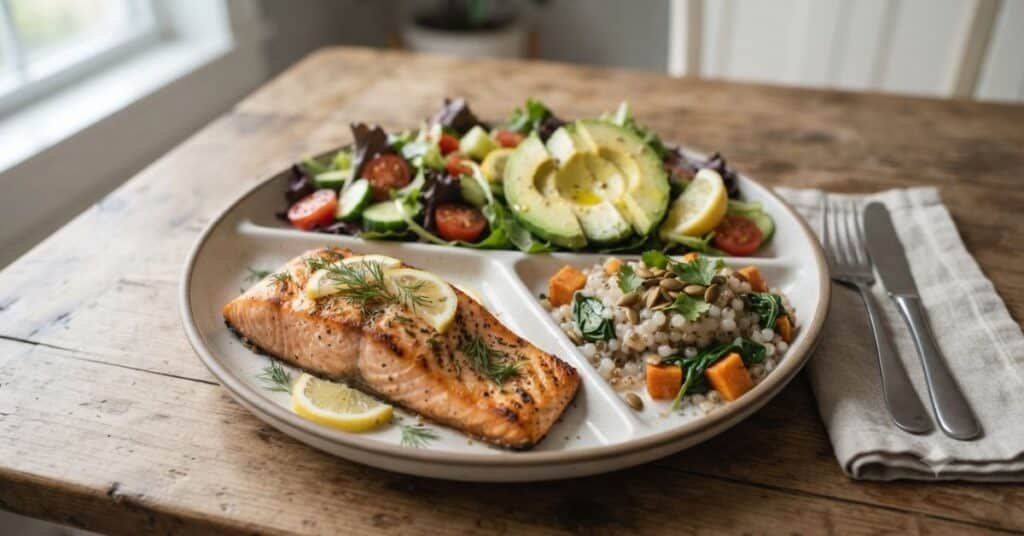
- Pair with Healthy Fats and Proteins: Combine your starch source with healthy fats (such as extra virgin olive oil, avocado slices, or nuts) and clean proteins (like grilled chicken breast, baked fish, or tofu) to slow down overall gastric emptying and blunt blood sugar spikes.
- Choose Whole-Food Alternatives: Whenever possible, swap refined starches for fiber-dense tubers that support sustained satiety. For guidance on tracking your overall carbohydrate intake and monitoring long-term metabolic health, check out our interactive tools on our Health Calculators page.
Add Seaweed Salad to your daily carb limit in 30 seconds!
Frequently Asked Questions (FAQs)
Q1: Is tapioca better than wheat flour?
A: Tapioca is entirely free of gluten, making it a much safer option for people with wheat allergies or celiac disease. However, standard wheat flour often contains more protein and fiber unless it is highly refined.
Q2: Can people with diabetes eat tapioca safely?
A: Because tapioca has a high glycemic index and minimal fiber, it can trigger sharp blood glucose spikes. Diabetics should consume it strictly in moderation and consult a healthcare provider.
Q3: Does tapioca help with weight loss?
A: Generally, no. Tapioca is calorie-dense and low in fiber, meaning it does not promote long-lasting satiety compared to whole vegetables, lean proteins, or high-fiber grains.
Conclusion
So, is tapioca good for you? Ultimately, tapioca is a useful, gluten-free thickener and energy source for individuals with specific food sensitivities or digestive needs. However, because of its high carbohydrate concentration and low fiber content, it should be consumed mindfully within a balanced, structured diet. To continue improving your dietary strategy, explore our previous analysis on The Mango Audit: Glycemic Index, Sugar Spikes, and Metabolic Truths.
About the Author
Gohar Fatima is a dedicated Metabolic Health Researcher and the visionary founder of PureDietly. Her primary mission is to translate complex nutritional science, glycemic research, and dietary data into actionable, easy-to-understand food strategies that empower individuals within the U.S. and global communities to achieve long-term metabolic wellness.
Medical Disclaimer
This content is provided strictly for informational and educational purposes only and does not constitute formal medical advice, diagnosis, or treatment. Always consult with a qualified healthcare provider, registered dietitian, or certified physician before making significant changes to your daily diet, insulin regimen, or overall diabetes management plan.