

By Gohar Fatima
Editor’s Note
This article breaks down the science of fried potatoes to help you look beyond restrictive diets and fear-based food rules. By understanding how preparation methods, cooling techniques, and macronutrient pairings—such as healthy fats and lean proteins impact your blood sugar, you can optimize your daily meal structure for sustainable metabolic health, steady energy, and long-term vitality.
When managing your weight, tracking daily calories, and optimizing metabolic health, traditional comfort foods often get entirely restricted from your plate. Many people assume that enjoying a classic side of home-fried potatoes will instantly derail their metabolic progress, spike blood sugar levels, and ruin a hard-earned calorie deficit. However, understanding the true nutritional impact of fried potatoes changes how you view this versatile food.
Rather than relying on restrictive fads, learning how to prepare and incorporate potatoes mindfully offers a scientifically backed pathway to balancing energy intake and everyday vitality. In this comprehensive guide, we will break down the precise calories and macronutrients in fried potatoes, analyze their metabolic impact, and share practical ways to enjoy them sustainably.
What Are the Nutritional Facts of Fried Potatoes?
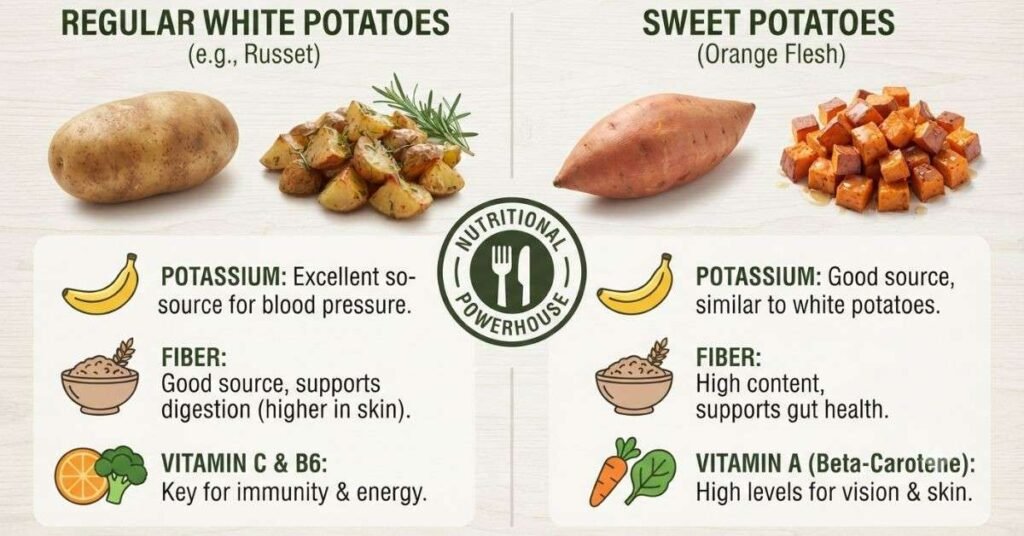
To truly master your meal choices, it helps to understand the exact energy breakdown of standard home-fried or pan-fried potatoes. Because preparation methods vary wildly, the nutritional density shifts based on the cooking oil used, the cooking time, and the overall portion size.
The Caloric Baseline
A standard serving of fried potatoes typically ranges from 200 to 300 calories depending on the cooking fat absorbed during the pan-frying or home-style preparation process. While this may seem high to those strictly counting calories, it is important to contextualize these calories as a source of sustained energy rather than “empty” fuel.
The Micronutrient Profile
Beyond calories, fried potatoes primarily provide complex carbohydrates, dietary fiber, and essential micronutrients.
- Potassium: Essential for blood pressure regulation and nerve function.
- Vitamin C: A powerful antioxidant that supports immune function and skin health.
- Vitamin B6: Vital for brain development and neurotransmitter synthesis.
The Power of Resistant Starch
When cooked and subsequently allowed to cool, potatoes develop resistant starch. This specific type of starch acts similarly to soluble fiber. It passes through your digestive tract largely undigested, feeding the beneficial bacteria in your gut microbiome. This process helps improve your overall glycemic response and blood sugar stability.
Macronutrient Breakdown Matrix
| Nutrient Component | Average Content per Serving | Primary Metabolic Impact |
| Carbohydrates | 30g – 40g | Provides rapid cellular energy, dietary fiber, and glycogen replenishment. |
| Dietary Fats | 8g – 15g | Influences total caloric density based on the specific type of cooking oil used. |
| Protein | 3g – 5g | Supports minimal tissue maintenance, cellular repair, and basic satiety. |
Factors That Influence the Metabolic Impact
While potatoes are fundamentally a natural, wholesome food source, several physiological and culinary preparation factors alter how your body processes them:

1. Choice of Cooking Oil
The “healthiness” of fried potatoes is largely determined by the medium in which they are cooked. Using heart-healthy, high-smoke-point oils like avocado oil or extra-virgin olive oil provides stable, beneficial fats. In contrast, heavily processed, highly refined vegetable oils (often rich in omega-6 fatty acids) can increase internal inflammatory pathways if consumed in excess.
2. Portion Control and Nutritional Synergy
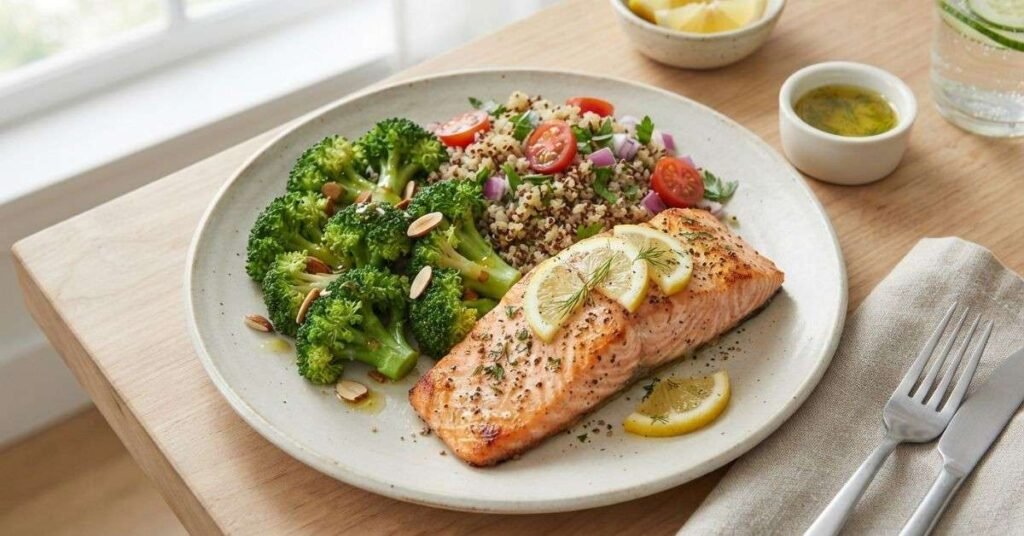
The metabolic effect of a food is rarely viewed in isolation. Pairing fried potatoes with a clean source of lean protein—such as pastured eggs, wild-caught fish, or grilled chicken—creates a balanced plate. This synergy promotes satiety and significantly slows down systemic glucose absorption, preventing the dreaded “post-meal energy crash.”
3. Insulin Sensitivity and Metabolic Flexibility
Healthy metabolic function ensures that the complex carbohydrates found in potatoes are efficiently utilized for daily physical movement rather than stored as excess adipose tissue. If you are insulin resistant, your body may struggle to process these carbohydrates effectively, highlighting the importance of balancing your plate.
4. The Cooking Method
Pan-frying home-style potatoes with minimal, measured oil creates a drastically different metabolic response compared to deep-frying in commercial fast-food establishments. Fast-food preparation often involves re-used oils, excessive breading, and high levels of trans fats, which negatively impact metabolic efficiency.
The Biology of Starch and Satiety
Understanding the biological behavior of starch is critical for metabolic health. Potatoes contain a unique type of carbohydrate that behaves differently depending on its temperature and structure. When you consume “hot” starch, it is rapidly broken down by amylase enzymes in your saliva and small intestine, causing a more immediate rise in blood glucose and impacting your overall glycemic index management.

However, when potatoes are cooled—even after they have been fried—the starch molecules undergo a process called retrogradation. This creates “resistant starch,” which effectively lowers the glycemic impact of the meal. By incorporating cooled or reheated potatoes into your meal prep, you are essentially training your body to be more metabolically flexible, reducing the spike in your insulin response. This biological hack is a game-changer for those who want to enjoy potatoes without experiencing the typical energy dips associated with high-carbohydrate meals.
Decoding “Hidden” Calories in Restaurant-Style Potatoes
When eating out, potatoes often become a source of “hidden” metabolic stress. Commercial kitchens prioritize flavor and texture over metabolic stability, often relying on industrial seed oils that are highly susceptible to oxidation. These oils—such as soybean, corn, and cottonseed oil—are often heated to extremely high temperatures, leading to the formation of harmful aldehydes and lipid peroxides.
Furthermore, restaurant-style potatoes are frequently coated in refined starches or sugars to achieve that signature crunch, which adds empty, high-glycemic calories that provide no nutritional satiety. By learning to identify these traps, you move from being a passive consumer to an informed metabolic strategist. You begin to realize that the “unhealthy” label often belongs to the processing method, not the vegetable itself.
Developing a Metabolic-Friendly Kitchen Mindset
Adopting a metabolic-friendly kitchen mindset goes beyond just choosing the right oil; it involves how you view your entire meal architecture. Instead of treating potatoes as a side dish that is “added on” to a meal, consider them a foundation of your complex carbohydrate intake for the day.

If you plan to have a serving of home-fried potatoes with your breakfast, consider reducing other carbohydrate sources later in the day to maintain a balanced glucose curve. This proactive approach to meal planning—often called “carbohydrate cycling” or “nutrient timing”—allows you to enjoy your favorite foods while maintaining steady energy levels. Focus on the quality of ingredients, the method of heat application, and the timing of your consumption. When you treat your kitchen as your primary health clinic, you stop fearing specific foods and start mastering the science of how they fuel your unique metabolism.
Smart Strategies to Boost Your Metabolic Success
You do not need to banish potatoes from your kitchen to protect your metabolic health. Instead, you can leverage smart culinary habits to make them work seamlessly for your wellness goals:
- Opt for Skin-On Preparation: Leaving the skin on your home-fried potatoes maximizes your dietary fiber intake. Fiber is your best friend when it comes to digestive health and blood sugar management.
- Master the Art of Oil Control: Use a high-quality non-stick skillet and a precisely measured amount of oil rather than submerging the potato cubes. This simple switch keeps the overall caloric load manageable without sacrificing flavor.
- Pair with High-Protein Anchors: Always balance your plate by adding a high-quality protein source. This maximizes your meal’s Thermic Effect of Food (TEF) and keeps your hunger hormones, like ghrelin and leptin, in balance.
- Integrate Other Carbohydrate Strategies: For variety, explore Is Dave’s Killer Bread Healthy? A Comprehensive Nutritional & Metabolic Health Review to find other whole-food carbohydrate sources that protect your long-term metabolic wellness.
Want to check the impact of this food on your sugar?
📊 Open Net Carb CalculatorFrequently Asked Questions (FAQs)
Q1: Do fried potatoes cause immediate blood sugar spikes?
While refined or deep-fried potatoes can cause rapid glycemic responses, preparing them at home with healthy fats, fiber-rich skins, and pairing them with protein helps blunt blood sugar volatility significantly.
Q2: Can I include fried potatoes in a weight-loss diet?
Yes. Weight management ultimately depends on your total daily calorie balance. Enjoying moderate portions of home-fried potatoes within your target calorie deficit will not stall your progress. It is about total intake, not avoiding single foods.
Q3: Are sweet potatoes a better metabolic choice than regular potatoes?
Both offer unique profiles. Sweet potatoes boast a slightly higher fiber and vitamin A content. However, regular potatoes are exceptionally rich in potassium and provide significant resistant starch when allowed to cool after cooking.
Q4: How often should I include fried potatoes in my diet?
Consistency is key. Including moderate portions of home-prepared fried potatoes 2–3 times a week as part of a balanced, whole-food diet is perfectly compatible with most health goals.
Conclusion: Balancing Comfort and Metabolism
Fried potatoes do not have to be the enemy of your wellness journey. By shifting your focus toward mindful preparation, healthy cooking oils, and balanced macronutrient pairing, you can enjoy your favorite comfort foods while protecting your long-term metabolic health. Your metabolism is not a static calculator; it is a dynamic system that responds best to high-quality, nutrient-dense whole foods.
About the Author
Gohar Fatima is a dedicated metabolic health researcher and wellness content writer. With a strong passion for nutritional science, Gohar specializes in breaking down complex metabolic concepts, evaluating dietary impacts, and guiding readers toward sustainable, health-conscious choices for everyday living.
Medical Disclaimer
Disclaimer: The information provided in this article is for educational and informational purposes only and is not intended as medical advice. Always consult with a qualified physician or healthcare provider before making major changes to your diet, nutrition plan, or lifestyle, especially if you are managing pre-existing metabolic conditions.