
By Gohar | January 29, 2026
Editor’s Note | puredietly Audit: At puredietly, we don’t just list sweeteners; we audit their impact on insulin sensitivity. While mainstream sites still recommend aspartame, our 2026 audit prioritizes “Rare Sugars” and Natural Extracts that protect gut health and stabilize A1C.
Managing diabetes in 2025 is no longer about “giving up” sweetness; it’s about choosing science-backed alternatives that align with your metabolic health. With the American Diabetes Association (ADA) emphasizing personalized nutrition in its latest standards, the focus in the USA has shifted toward natural, low-glycemic sweeteners.
Whether you are managing Type 1, Type 2, or Prediabetes, this guide explores the safest and most effective sugar substitutes that won’t spike your blood glucose.
30-Second Metabolic Summary (Featured Snippet)
The best sugar substitutes for diabetics in 2026 are Allulose, Monk Fruit, and Stevia. Unlike artificial sweeteners, these options have a Glycemic Index (GI) of zero and do not trigger insulin spikes. For baking, Allulose is the gold standard, while Monk Fruit is best for raw sweetness without a bitter aftertaste.
1. The “Big Three” of 2026: Zero-Spike Sweeteners
In the USA, the shift is moving away from “Sugar-Free” chemicals toward “Metabolically Active” sweeteners.
A. Allulose: The Rare Sugar King
Allulose is chemically a sugar but is not metabolized by the body.
- The Benefit: It may actually lower post-meal glucose by inhibiting α-glucosidase enzymes in the gut.
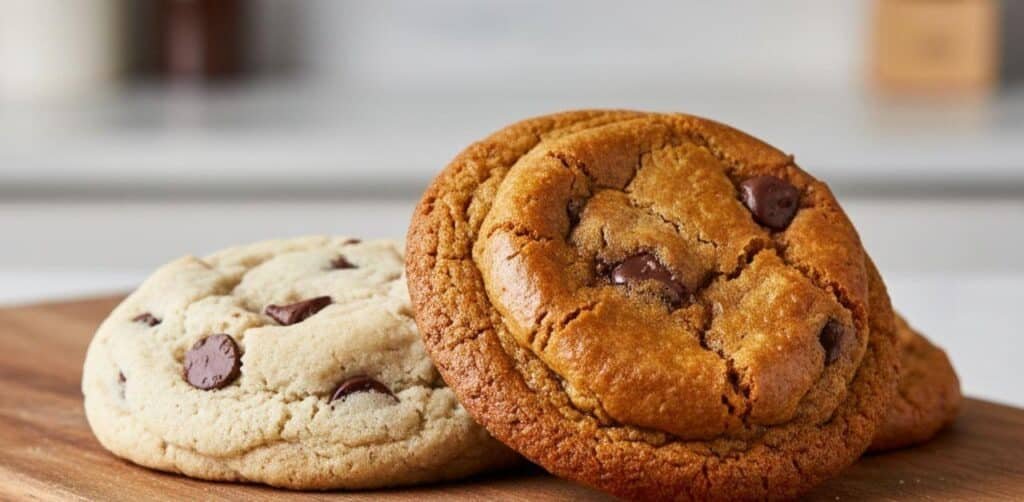
- Best For: Baking (it browns and caramelizes perfectly).
- Deep Dive: While it is FDA-approved in the USA, you might wonder why it faces restrictions elsewhere. Read our full report: Internal Link: Why Allulose is Banned in Europe?
B. Monk Fruit (Mogrosides)
Extracted from the Siraitia grosvenorii fruit, its sweetness comes from antioxidants called mogrosides.
- The Benefit: Zero calories, zero carbs, and zero bitter aftertaste.
- Best For: Coffee, tea, and cold beverages.
C:Stevia (Rebaudioside M):
The Plant-Powered Pioneer In 2026, we prioritize Reb-M Stevia extracts. Unlike older, bitter Stevia, Reb-M is molecularly closer to sugar, providing high-intensity sweetness without triggering an insulin response. It remains the most accessible, plant-based, zero-GI option for daily tea and coffee.
2. Comparison Matrix: 2026 Performance Audit
| Sweetener | Glycemic Index (GI) | Insulin Impact | Baking Performance | Gut Safety Score |
| Allulose | 0 | Negligible | Gold Standard (Browns/Caramelizes) | High (Prebiotic Effect) |
| Monk Fruit | 0 | Zero | Good (Best for raw sweetness) | High (Anti-inflammatory) |
| Stevia (Reb-M) | 0 | Zero | Moderate (Best for liquids) | High (Plant-based) |
| Sweet Proteins | 0 | Zero | Low (Heat sensitive) | Exceptional (Digested as Protein) |
| Erythritol | 0 | Zero | Moderate (Cooling effect) | Moderate (May cause bloating) |
| Sucralose | 0 | Variable | Low (Chemical stability) | Low (Risk of Dysbiosis) |
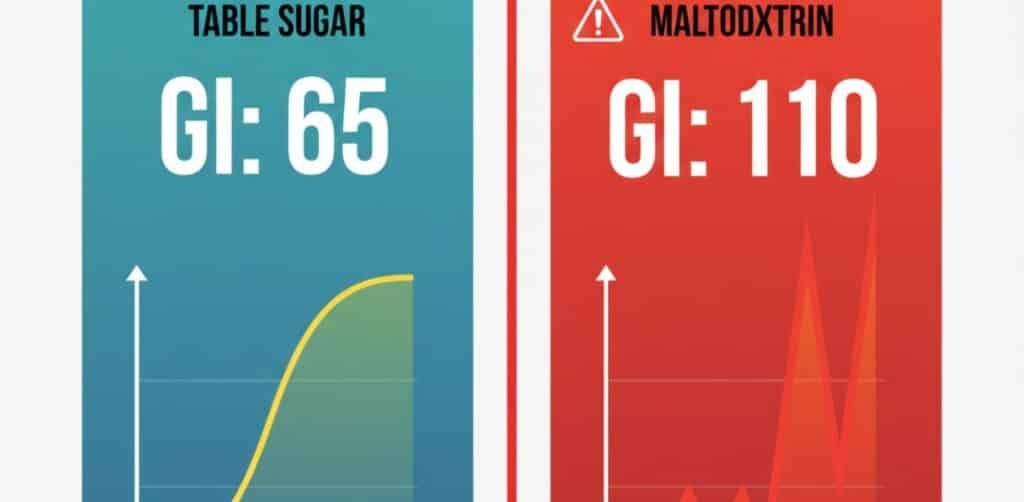
Many US brands like Splenda or Stevia in the Raw add Maltodextrin to their powders.
- The Danger: Maltodextrin has a Glycemic Index of 110—higher than table sugar!
- The PureDietly Rule: Always look for “Pure” labels. This is as important as choosing the right fruit, like we discussed in our Internal Link: Watermelon Metabolic Audit.
4. Artificial Sweeteners: Are They Still Safe?
Classic sweeteners like Sucralose (Splenda) and Aspartame (Equal) remain FDA-approved, but the 2025 health landscape suggests a more cautious approach:
The Sweet Protein Frontier
The 2026 metabolic landscape is shifting toward Sweet Proteins like Brazzein and Mabinlin. Unlike traditional sweeteners that interact with gut glucose receptors, these protein molecules signal sweetness to the tongue but are digested by the body as simple amino acids. Because they bypass the insulin pathway entirely, they provide a flatter glucose response than Stevia or Erythritol, making them the new gold standard for A1C management.
The “Filler Fraud” Audit
Many “Diabetic-Friendly” powders in the USA contain hidden Maltodextrin or Dextrose to add volume. With a Glycemic Index of 110—higher than table sugar—these fillers cause sharp glucose spikes that negate the “Sugar-Free” label. To avoid this “Hidden Spike,” always audit the ingredient list for bulking agents or switch to Liquid Drops, which typically lack these starch-based additives.
The Gut-Insulin Axis: The Hidden Risk of Artificials
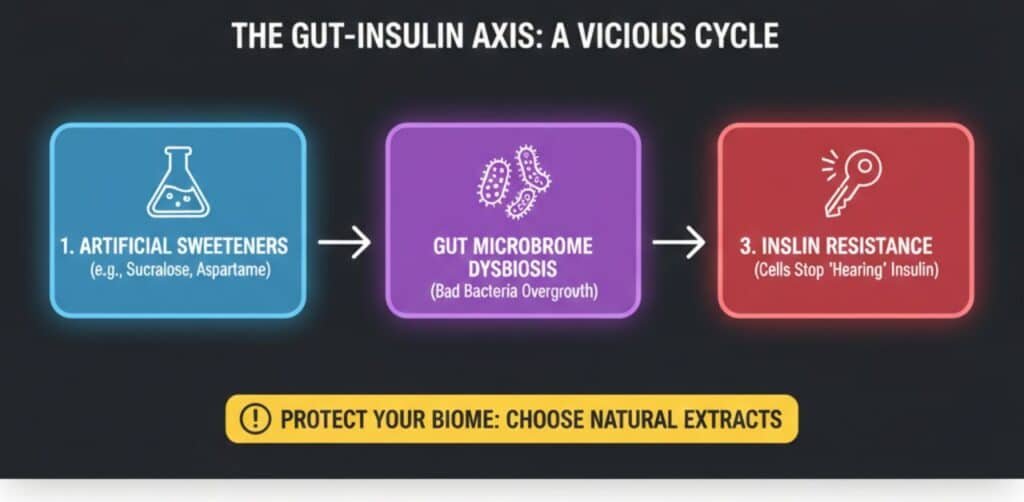
Mainstream advice often recommends Aspartame and Sucralose simply because they are calorie-free. However, modern research identifies the Gut-Insulin Axis as a critical factor; these synthetic chemicals can trigger Gut Dysbiosis, an imbalance in healthy bacteria that directly drives insulin resistance. For superior metabolic flexibility and long-term A1C control, prioritize microbiome-friendly options like Allulose and Monk Fruit.
Would you like me to update your Schema one last time to include these “Sweet Protein” and “Gut-Insulin Axis” keywords for Google 2026?
5. Tips for Smart Shopping in the USA
When shopping at retailers like Whole Foods, Trader Joe’s, or Walmart, keep these tips in mind:
- Baking Science: High-intensity sweeteners don’t “bulk” or “caramelize.” If you are a home baker, Allulose is your best choice because it mimics the chemistry of real sugar.
- Monitor Your Response: Every body is different. Use your Continuous Glucose Monitor (CGM) to see how a specific substitute affects you personally.
6. Frequently Asked Questions (FAQs)
Q1: Which sweetener is best for baking if I have diabetes? Answer: Allulose is the best for baking in 2025. It browns and caramelizes like sugar, providing the right texture for cakes without the glucose spike.
Q2: Does Stevia raise insulin levels? Answer: No. Pure stevia does not affect blood glucose or insulin levels. It is a non-nutritive sweetener with zero carbs.
Q3: Can I use honey or agave instead? Answer: While “natural,” honey and agave are still sugars. They contain calories and carbs that will raise your blood sugar. Stevia or Monk Fruit are much safer alternatives for diabetics.
Q4: Is Erythritol safe for my heart? Answer: Recent studies have prompted a closer look at Erythritol. If you have existing cardiovascular issues, it is best to stick to Monk Fruit or Allulose until you consult your doctor.
Q5: Why does “sugar-free” candy sometimes spike my sugar? Answer: Many “sugar-free” products are high in carbs or contain Maltodextrin. Always check the “Total Carbohydrates” on the nutrition label, not just the sugar content.
Conclusion: Take Back Your Mornings
Managing diabetes in 2026 isn’t about restriction—it’s about making smarter, science-backed choices. Our metabolic audit shows that switching to Allulose, Monk Fruit, or Sweet Proteins can satisfy your cravings without compromising your A1C levels.
Your Next Step: Before your next grocery trip, check your labels for “Maltodextrin”. True metabolic health starts with knowing exactly what is in your food. Choose pure extracts to keep your glucose flat and your energy high.
📊 [Calculate My Expected Morning Spike]
Ready to Check Your Levels?
Use our Free Diabetic Calculators to track your A1C, Sugar Spikes, and Fasting Progress.
OPEN ALL CALCULATORS ➔Fast • Accurate • Free for Puredietly Readers
About the Author: Gohar
Gohar is the lead researcher at puredietly.com, specializing in metabolic biohacking and insulin sensitivity. She translates complex clinical data into simple, actionable dietary protocols—like the “Modified DASH” system—to help the diabetic community master their A1C levels through science-backed nutrition.
Medical Disclaimer
Notice: The information on puredietly.com is for educational purposes only and not a substitute for professional medical advice. Always consult your physician or endocrinologist before changing your nighttime routine, especially if you are on insulin or Metformin, to prevent hypoglycemia. Use of this content is at your own risk.