
Published: December 23, 2025 | Medically Reviewed by Certified Diabetes Educator | Read Time: 6 mi
Editor’s Note
In 2026, not all greens are created equal. At Pure Dietly, our metabolic audits show that some “healthy” vegetables can actually trigger glucose spikes in insulin-resistant individuals. This guide identifies the 15 Best Power Vegetables that act as natural insulin sensitizers. Use this list to audit your plate and achieve a flatter glucose curve starting today.
Gohar Fatima
Best Vegetables for Diabetics: 15 Power Foods for Stable Blood Sugar
Most people believe that “all vegetables are healthy,” but for those managing insulin resistance, this is a dangerous misconception. In 2026, metabolic research shows that while some greens act as natural insulin sensitizers, others like corn and potatoes can spike your glucose faster than a slice of cake.
So, which ones should you actually pile on your plate? In this PureDietly Audit, we rank the 15 best vegetables for diabetics based on their glycemic impact and fiber density. We’ll reveal the “unlimited” superfoods you can eat freely and uncover the “secret weapon” (Vegetable #7) that most people ignore when fighting inflammation.
Expert Insight: Managing diabetes isn’t about eating less food; it’s about choosing the right density. Let’s audit your vegetable drawer.
The Vegetable Mistake Most Diabetics Make
“Vegetables are healthy, so I can eat all of them, right?”
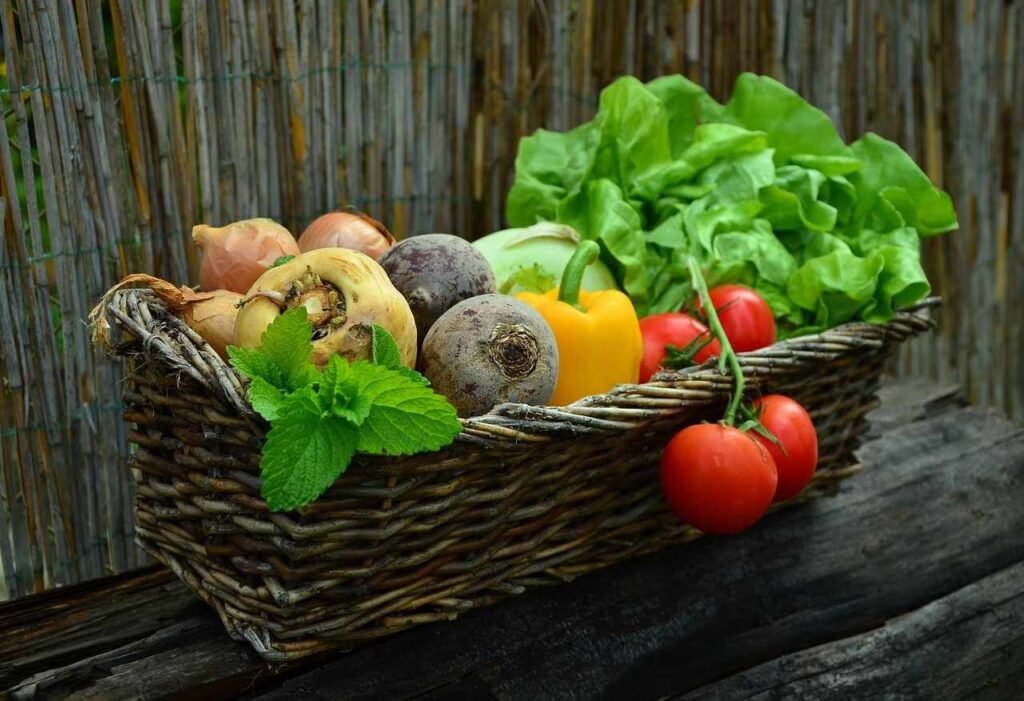
Wrong.
Your well-meaning friend tells you to “eat more vegetables.” Your doctor says “fill half your plate.” But nobody explains that not all vegetables are equal for diabetics.
Some vegetables are diabetes superfoods. Others spike blood sugar faster than a candy bar.
The confusion is real. Carrots? Corn? Sweet potatoes? Which ones help? Which ones hurt?
Here’s what changes everything: Vegetables split into two categories – non-starchy (eat unlimited!) and starchy (careful with portions).
This guide reveals:
- 15 best vegetables ranked by blood sugar impact
- Which ones you can eat freely (no limits!)
- Exact portion sizes for starchy vegetables
- Simple preparation tips
- Budget-friendly shopping guide
Stop guessing. Start eating vegetables that actually help control your blood sugar.
Why Vegetables Are Diabetes Game-Changers
The right vegetables transform diabetes management.

What Vegetables Do for Diabetics:
Stabilize blood sugar – High fiber slows absorption
Support weight loss – Low calories, high volume
Prevent complications – Antioxidants protect organs
Improve insulin sensitivity – Special compounds help cells
Reduce inflammation – Fight cellular damage
According to <cite>American Diabetes Association 2025 guidelines</cite>, non-starchy vegetables should fill HALF your plate at every meal.
The Research:
A 2024 study in The BMJ found people eating more non-starchy vegetables had 14% lower risk of developing Type 2 diabetes.
<cite>City of Hope clinical dietitian</cite> Shaelyn Gurzick says: “Non-starchy vegetables contain higher amounts of fiber, vitamins and minerals. Fiber intake benefits blood sugar stabilization.”
Non-Starchy vs Starchy: The Critical Difference
Understanding this saves you from blood sugar spikes.
Non-Starchy Vegetables (Eat Unlimited!)
What they are:
- Under 5g carbs per serving
- High fiber (3-5g per cup)
- Low glycemic index (under 55)
- High water content (80-95%)
Result: Almost zero blood sugar impact
Examples: Spinach, broccoli, cucumbers, peppers
Starchy Vegetables (Portion Control!)
What they are:
- 15-30g carbs per serving
- Medium to high glycemic index
- Higher calories
- Less fiber per carb
Result: Can spike blood sugar if overeaten
Examples: Potatoes, corn, peas, squash
Quick Reference Guide
| Type | Carbs/Cup | GI | How Much? |
|---|---|---|---|
| Non-Starchy | 3-8g | Low (under 55) | Unlimited! Fill half your plate! |
| Starchy | 15-30g | Medium-High (56+) | 1/2 cup portions only |
15 Best Vegetables for Diabetics (Ranked)
Top 5 Diabetes Superstars (Eat Without Limits!)
1. Spinach & Dark Leafy Greens
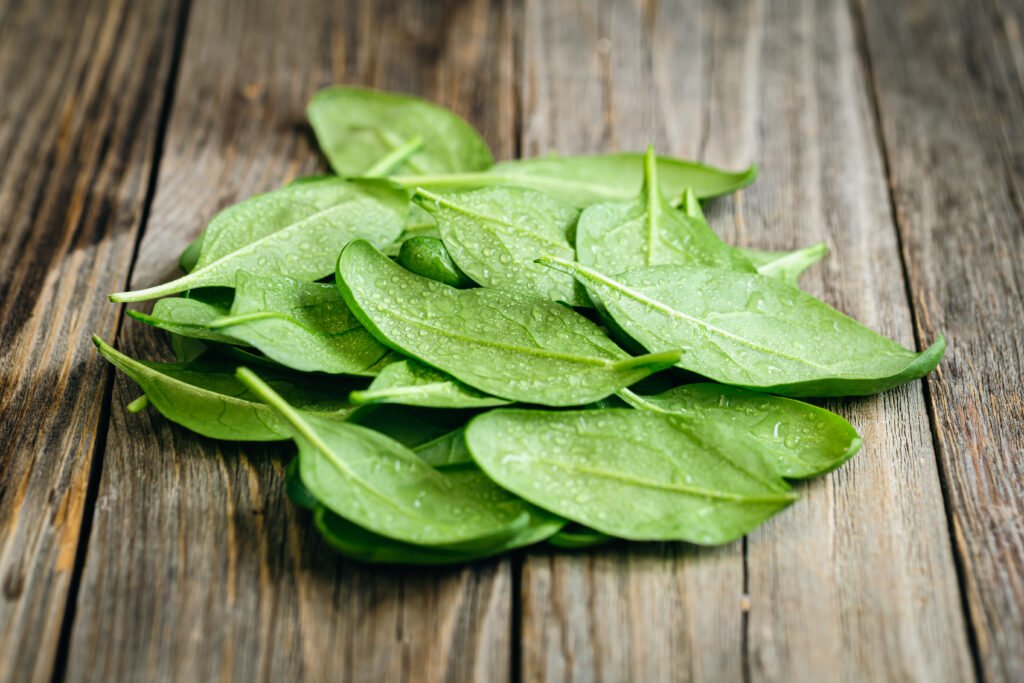
Carbs: 1g per cup raw | Fiber: 1g | GI: 15
Why they’re #1: Spinach, kale, collards, and Swiss chard are the ultimate diabetes vegetables.
Magic ingredient: Magnesium improves insulin sensitivity
Bonus: Lutein protects eyes (diabetics at high risk for vision problems!)
How to eat:
Pro tip: 1 cup raw = 2 tbsp cooked. Easy to eat more!
Cost: $2-3 per bag
2. Broccoli & Cauliflower
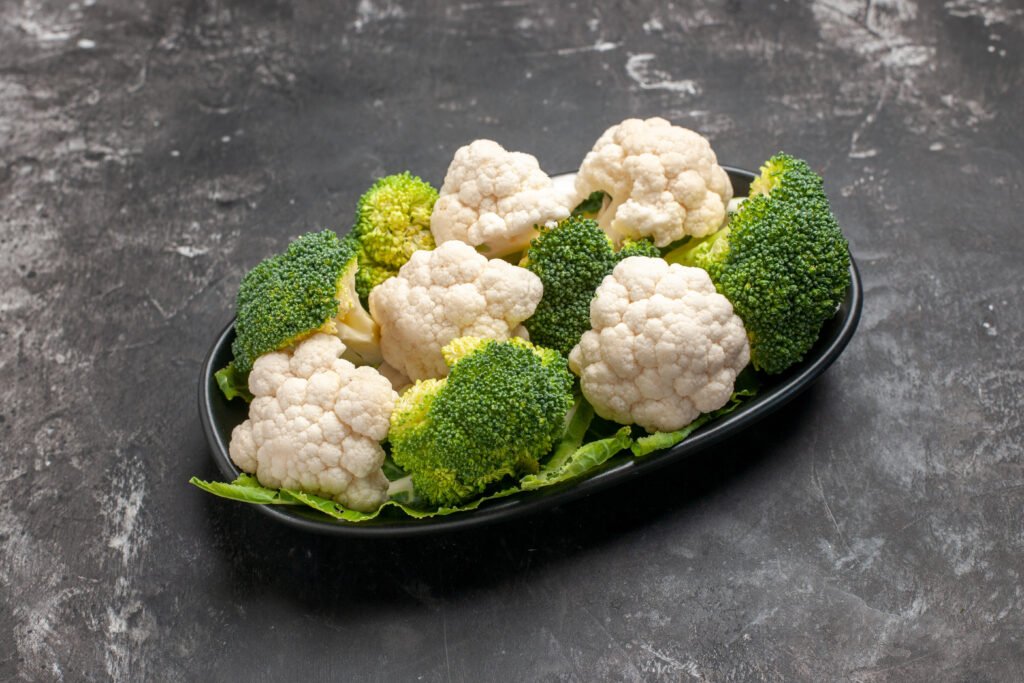
Carbs: 6g per cup | Fiber: 2-3g | GI: 10-15
Why they’re amazing: Contain sulforaphane – may reduce blood sugar levels.
2024 Research: Study showed broccoli consumption significantly reduced blood glucose.
Cauliflower swaps:
- Cauliflower rice (3g carbs vs 45g for white rice!)
- Cauliflower mash (replaces potatoes)
- Cauliflower pizza crust
How to eat:
- Roasted with olive oil
- Steamed
- Raw with hummus
Cost: $1.50-2.50 per crown
3. Bell Peppers (All Colors)
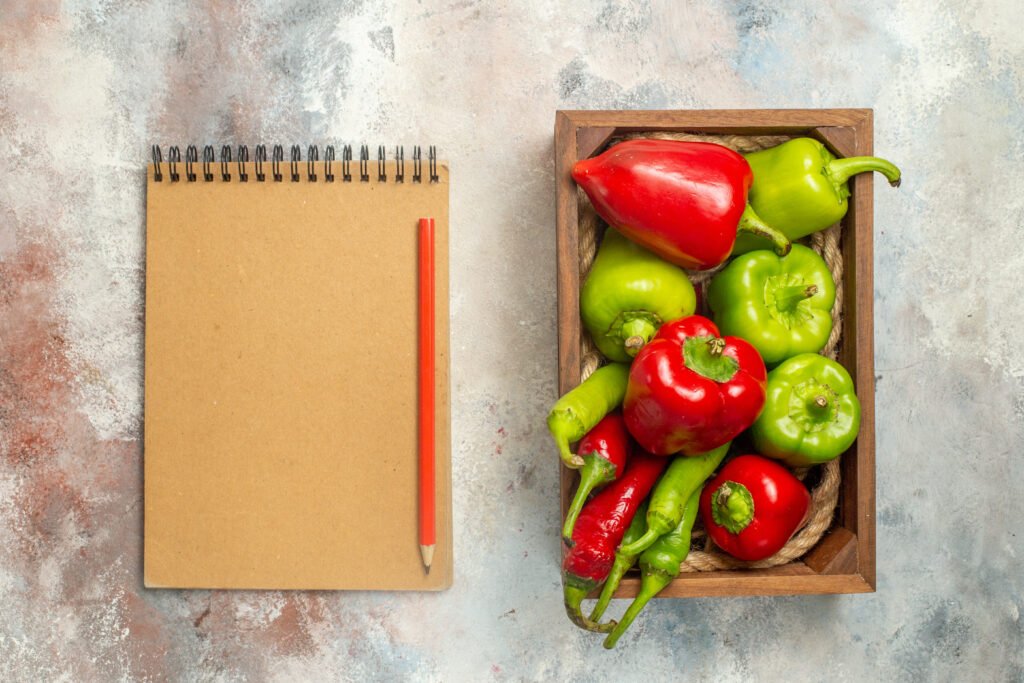
Carbs: 6g per cup | Fiber: 2g | GI: 40
Why they’re great: High vitamin C. Sweet taste without sugar!
Color guide:
- Red: Highest vitamin C
- Yellow/Orange: Sweet, mild
- Green: Slightly bitter, lowest carbs
How to eat:
- Sliced raw with dip
- Roasted and stuffed
- Stir-fries
- Grilled
Pro tip: Roasting brings out sweetness naturally!
Cost: $1-1.50 each
4. Zucchini & Summer Squash
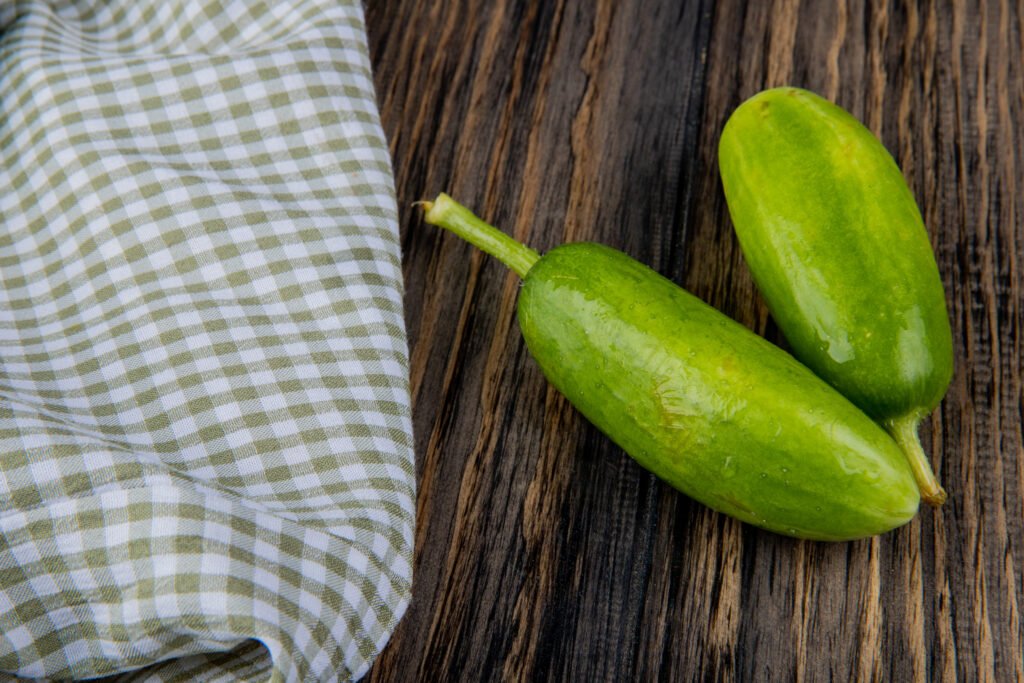
Carbs: 4g per cup | Fiber: 1g | GI: 15
Why they work: Ultra-low carb. High water content = filling.
Zoodle magic:
- 1 cup zoodles = 4g carbs
- 1 cup pasta = 45g carbs
- Savings: 41g carbs!
How to eat:
- Spiralized into “zoodles”
- Grilled as side
- Baked into chips
- Added to omelets
Cost: $1-2 per pound
5. Cucumber
Carbs: 4g per cup | Fiber: 1g | GI: 15
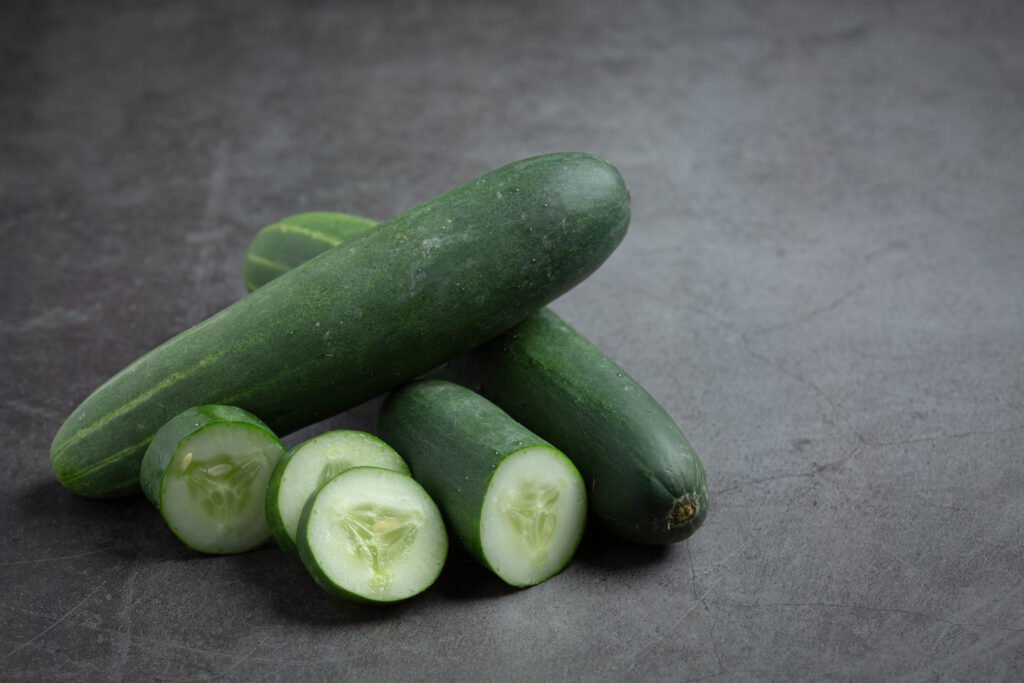
Why it’s perfect: 95% water. Refreshing. Almost zero blood sugar impact.
How to eat:
- Sliced in salads
- Cucumber “boats” for tuna
- Infused water
- Snacks with yogurt dip
Cost: $0.50-1.00 each
Next 5 Excellent Choices
6. Tomatoes
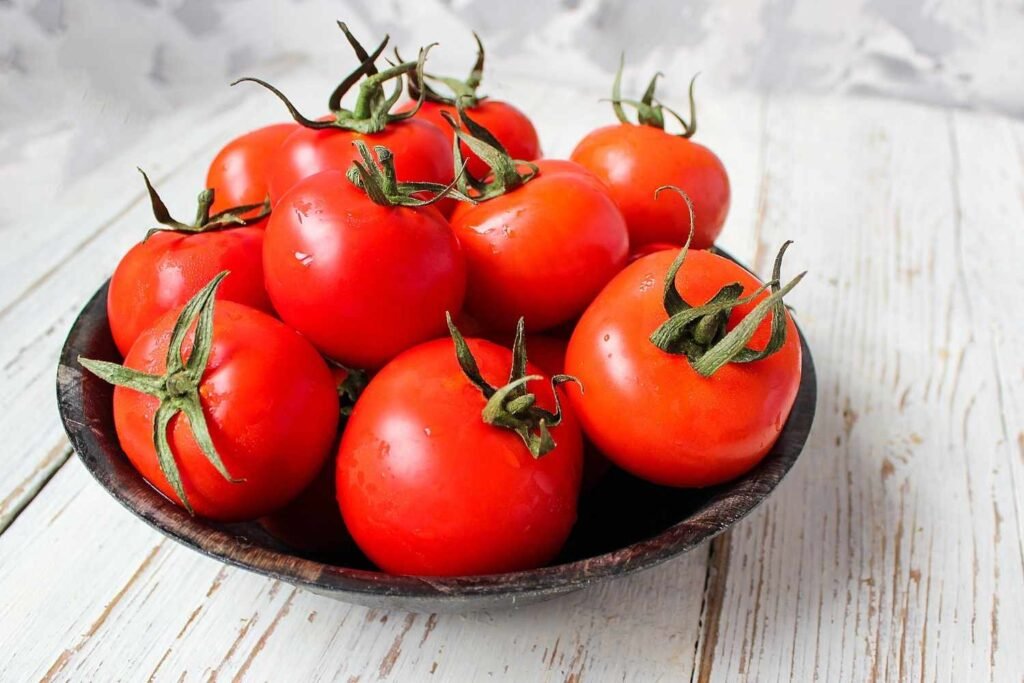
Carbs: 7g per cup | Fiber: 2g | GI: 38
Special: High in lycopene – reduces diabetes and heart disease risk
How to eat: Raw, roasted, in sauces (no-sugar-added)
7. Asparagus (The Secret Weapon!)
Carbs: 5g per cup | Fiber: 3g | GI: 15
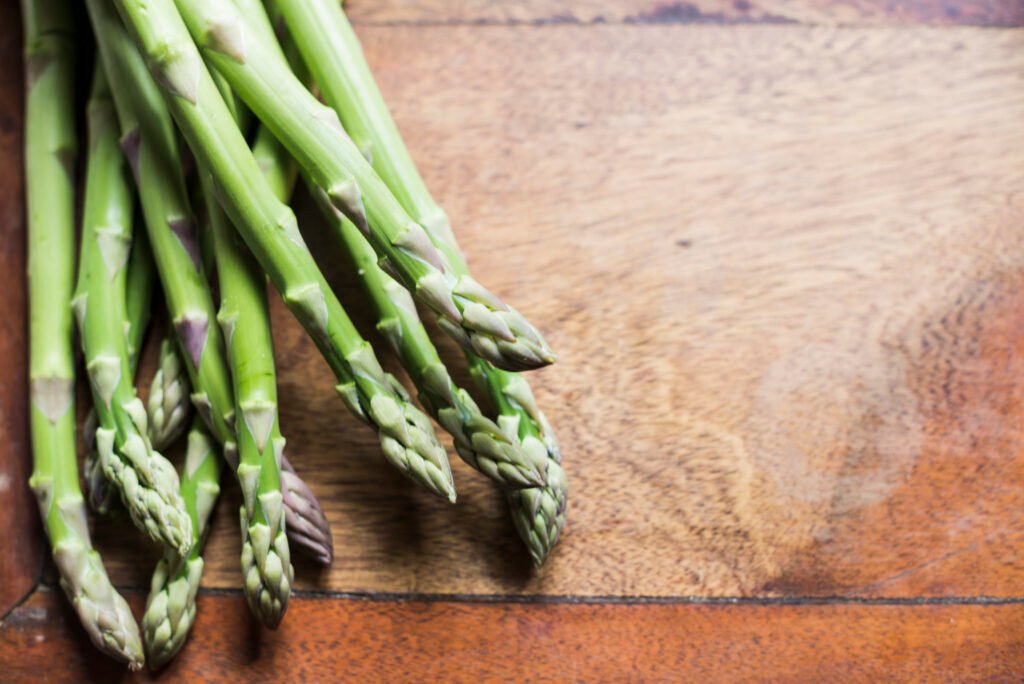
Special: Anti-inflammatory. May improve insulin sensitivity.
How to eat: Roasted, grilled, steamed
8. Green Beans
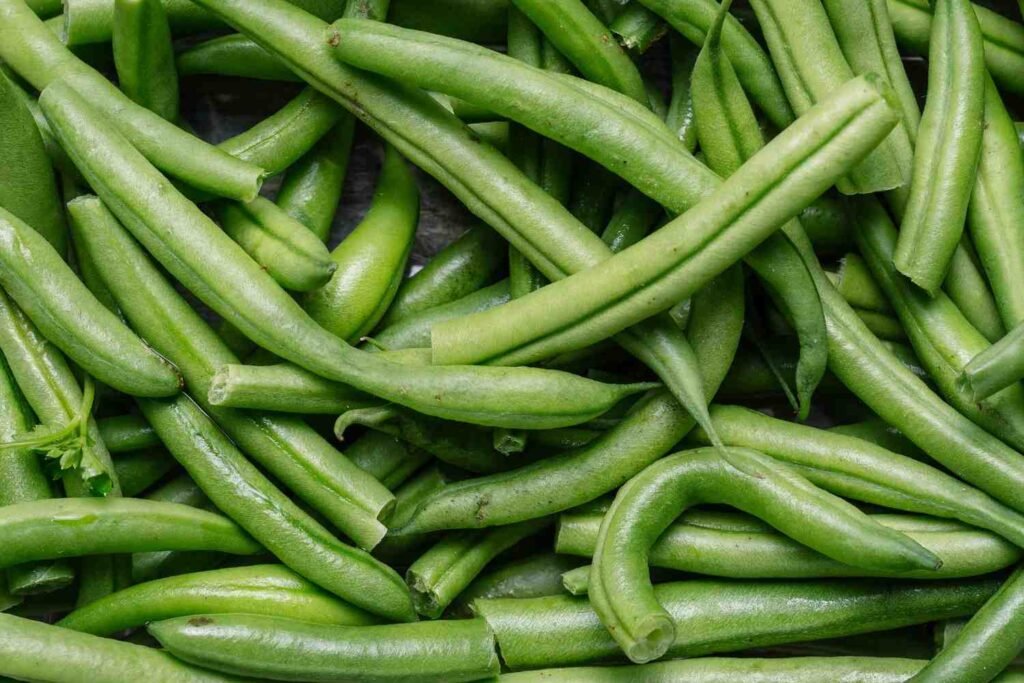
Carbs: 10g per cup | Fiber: 4g | GI: 15
Why good: High fiber offsets carbs. Satisfying crunch.
How to eat: Steamed, sautéed with almonds, in stir-fries
9. Brussels Sprouts
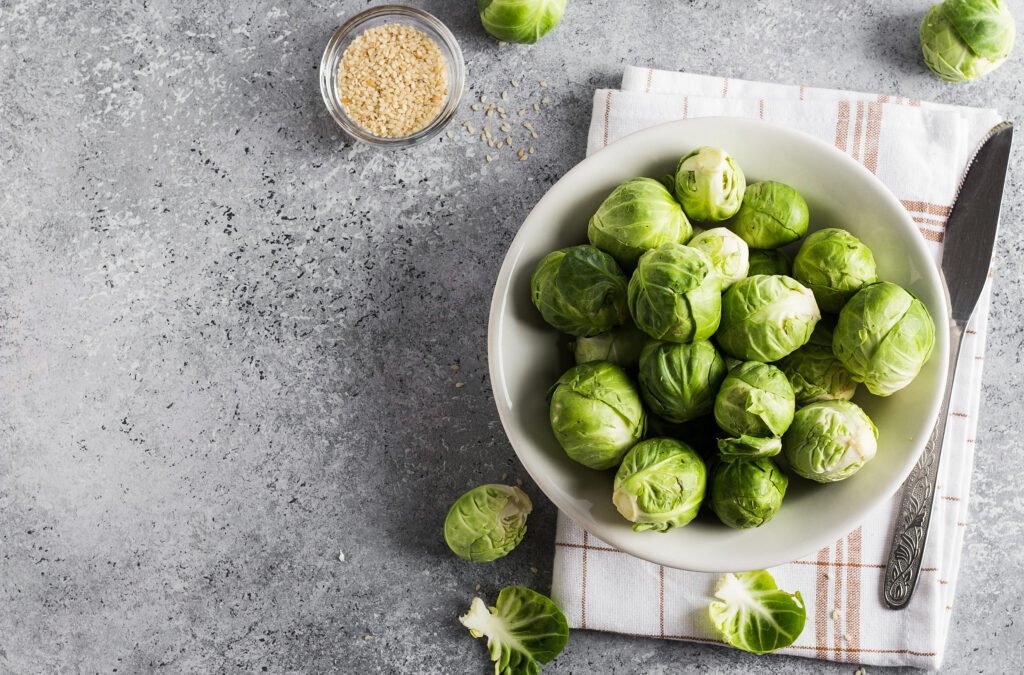
Carbs: 8g per cup | Fiber: 3g | GI: 15
Why they work: Cruciferous benefits. High vitamin K.
How to eat: Roasted until crispy (game-changer!), sautéed with bacon
10. Mushrooms
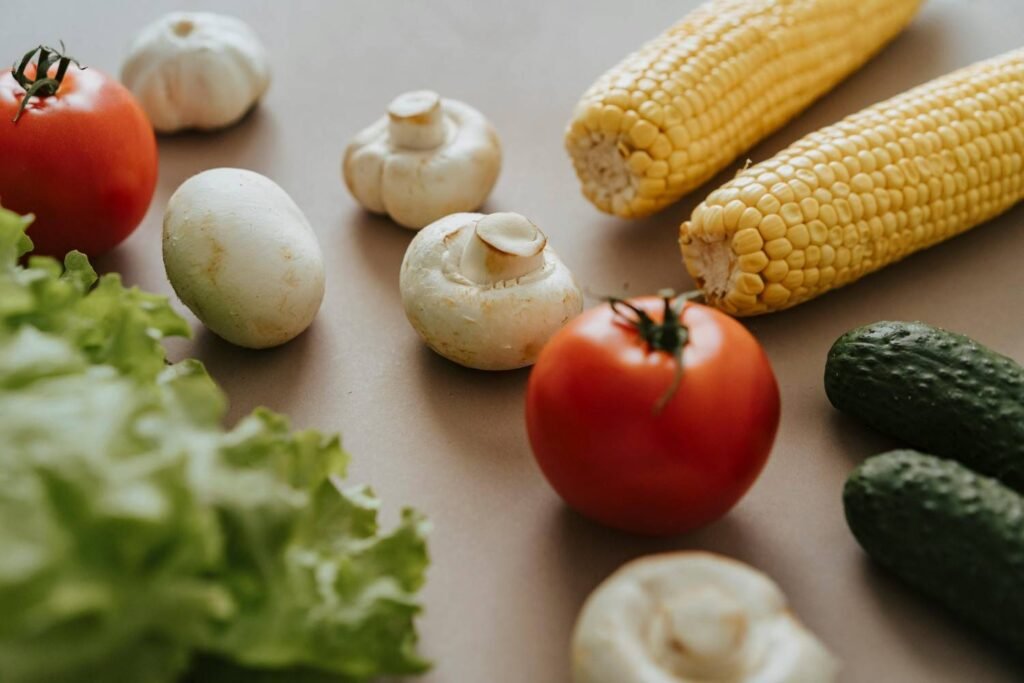
Carbs: 3g per cup | Fiber: 1g | GI: 15
Special: Vitamin D (rare in vegetables!). Immune support.
How to eat: Sautéed, grilled, in soups. Portobello as “buns”
Honorable Mentions (5 More!)
11. Cabbage
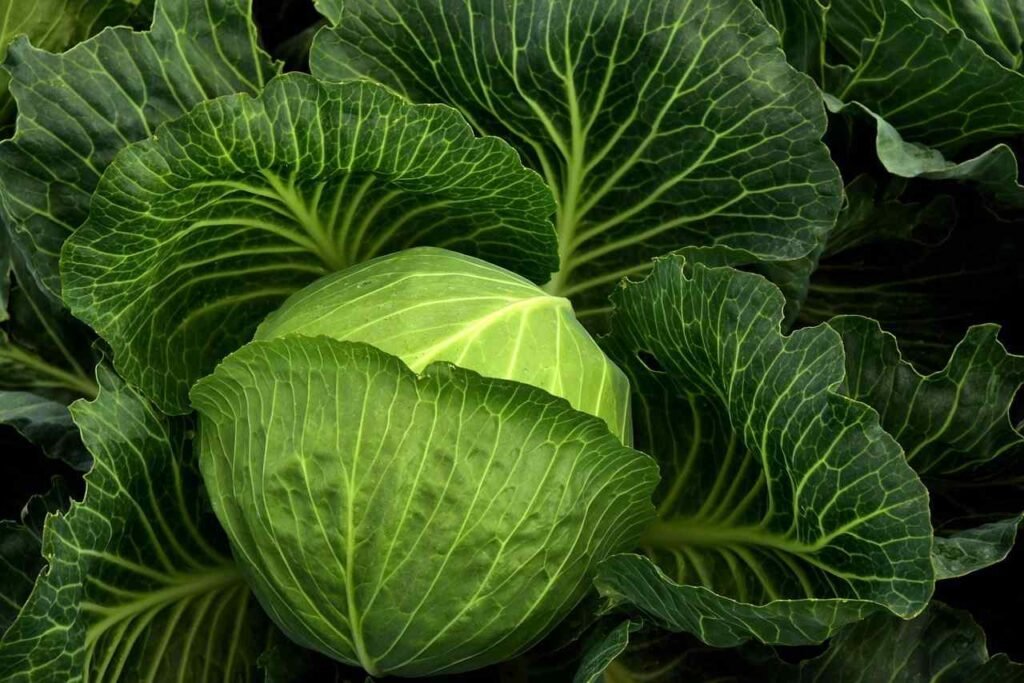
Carbs: 5g | Great for coleslaw, stir-fries, sauerkraut (probiotics!)
12. Eggplant
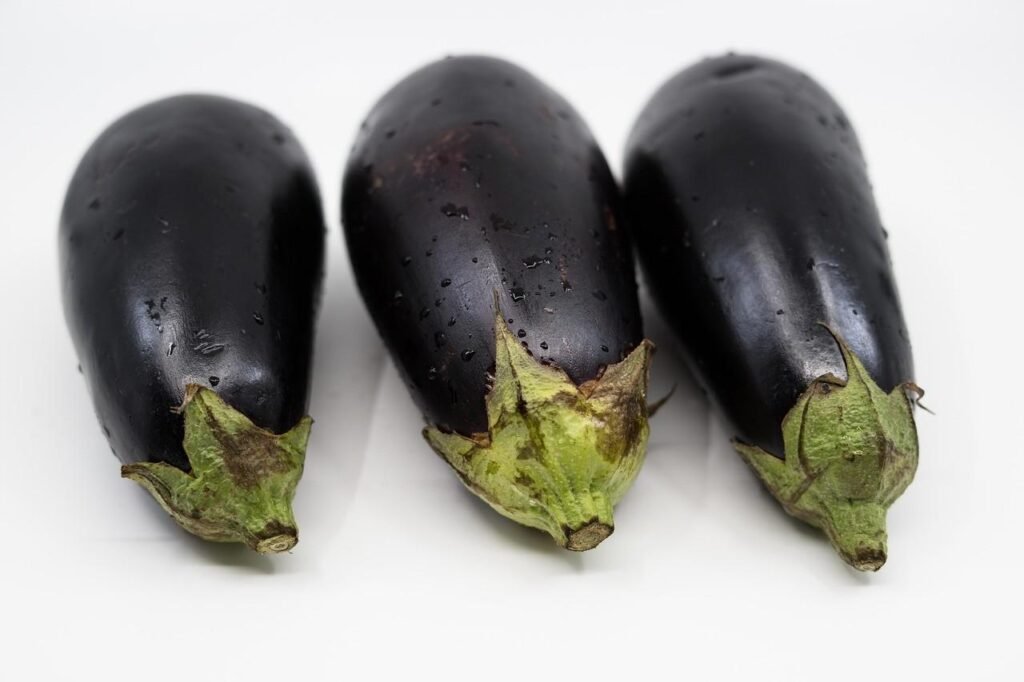
Carbs: 5g | Low carb, versatile. Grill or roast.
13. Radishes

Carbs: 4g | Crunchy, peppery. Great raw or roasted.
14. Celery
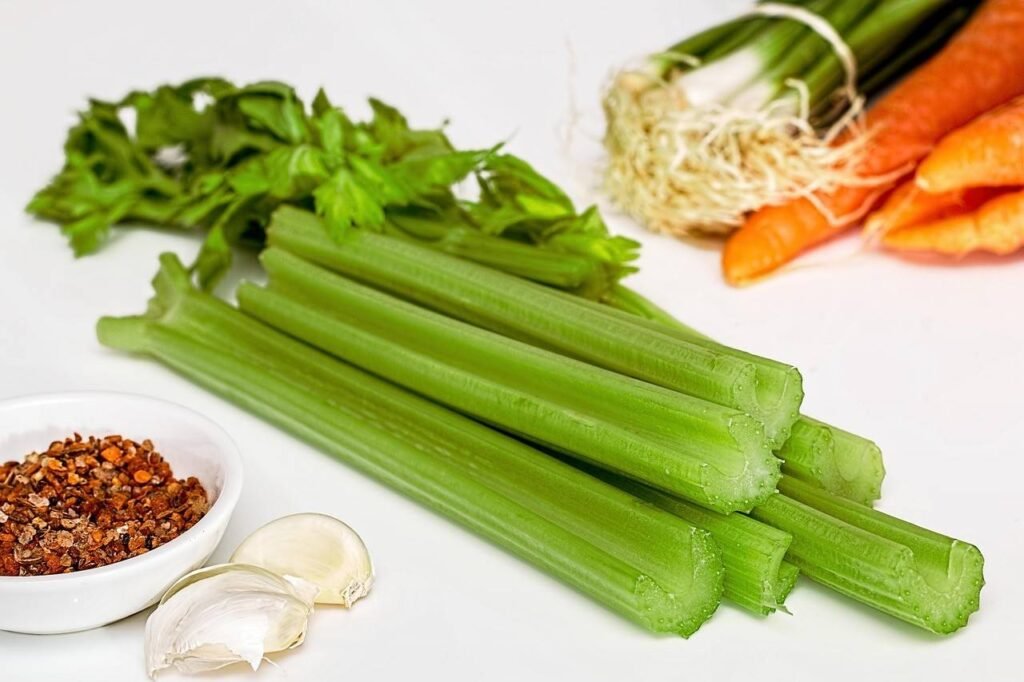
Carbs: 3g | Nearly calorie-free. Perfect with peanut butter
15. Lettuce (All Types)
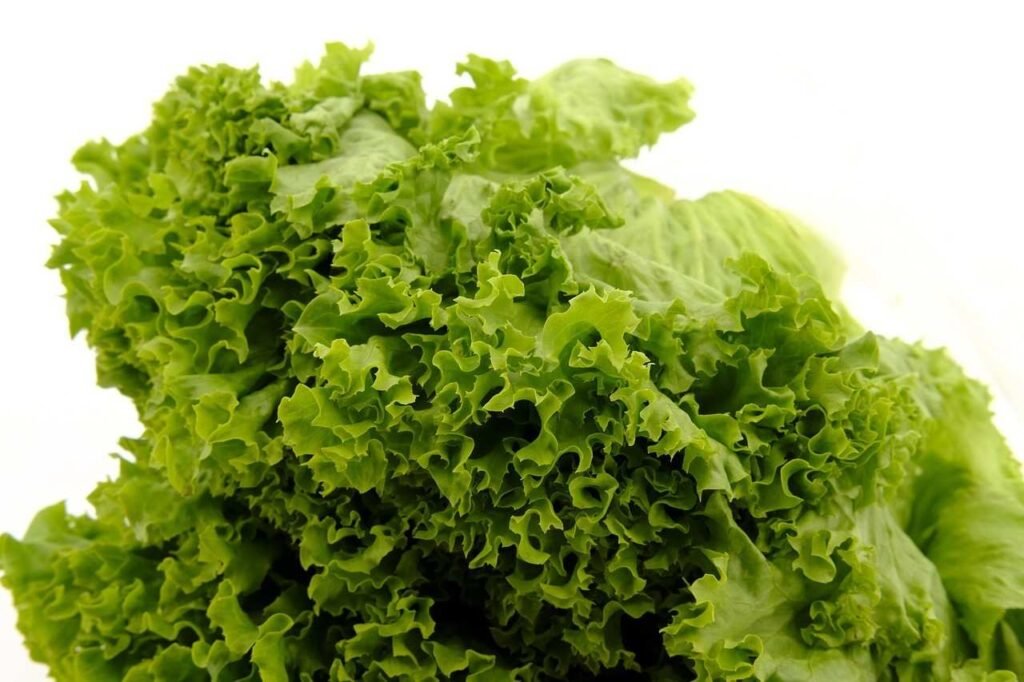
Carbs: 2-3g per 2 cups | Base for salads, wraps, “buns”
Vegetables to Limit (Starchy Types)
Not “bad” – just need portion control
Eat in Small Portions Only:
Potatoes (White & Sweet):
- Carbs: 27g per medium
- GI: 70-85 (white), 63 (sweet)
- Serving: 1/2 cup max
- Tip: Sweet over white. Leave skin on.
Corn:
- Carbs: 27g per cup
- GI: 52
- Serving: 1/2 cup
- Tip: Fresh better than canned
Peas (Green):
- Carbs: 21g per cup
- GI: 48
- Serving: 1/2 cup
- Note: Higher carbs than most “green” vegetables
Butternut Squash:
- Carbs: 16g per cup
- GI: 51
- Serving: 1/2 cup
- Tip: Naturally sweet!
Beets:
- Carbs: 13g per cup
- GI: 64
- Serving: 1/2 cup
- Note: Contain natural sugars
The Diabetes Plate Method
🥗 HALF plate: Non-starchy vegetables
🍗 QUARTER plate: Lean protein
🍠 QUARTER plate: Quality carbs (grains OR starchy veg)
Confused about Starchy vs. Non-Starchy Carbs?
📊 Calculate Your Veggie Net CarbsGohar’s Special Tool for Puredietly Readers
Cooking Methods That Preserve Nutrition
Best Methods:
- Raw (maximum nutrients)
- Steamed (light)
- Roasted (400-425°F)
- Grilled
- Sautéed (olive oil)
Avoid:
- Deep-fried (adds carbs)
- Over-boiled (loses nutrients)
- Cheese sauce covered
- Canned with added sugar
Portion Guide Made Simple
Non-Starchy:
UNLIMITED! Aim for 4-5 cups daily!
Starchy:
One fist = 1/2 cup = One serving
Weekly Shopping List
Dark Leafy Greens:
- Spinach (2 bags)
- Kale (1 bunch)
- Mixed greens (3 bags)
Cruciferous:
- Broccoli (2 crowns)
- Cauliflower (1 head)
- Brussels sprouts (1 lb)
Colorful:
- Bell peppers (6 mixed)
- Tomatoes (6)
- Cucumbers (4)
Versatile:
- Zucchini (3)
- Mushrooms (8 oz)
- Asparagus (1 bunch)
Limited (Starchy):
- Sweet potatoes (2 small)
- Frozen corn (1 bag)
Fresh vs Frozen vs Canned
| Type | Pros | Cons | Best For |
|---|---|---|---|
| Fresh | Best taste | Spoils fast | Immediate use |
| Frozen | Same nutrients! | Texture changes | Cooking, smoothies |
| Canned | Long shelf life | High sodium | Emergency |
Pro tip: Buy frozen in bulk! Same nutrition, 40% cheaper, zero waste.
30-Minute Meal Prep Sunday
Wash & Chop (15 min):
- Cut peppers into strips
- Chop broccoli, cauliflower
- Wash leafy greens
Roast Sheet Pan (15 min):
- Mixed veggies + olive oil + garlic + salt
- Roast 425°F for 20 minutes
Storage:
- Raw cut veggies: 5-7 days
- Cooked: 3-4 days
- Leafy greens: With damp paper towel
Budget-Friendly Tips
Buy in season (50% cheaper!)
Choose frozen (no waste)
Buy whole (not pre-cut = save 40%)
Shop sales
Grow your own (spinach, tomatoes, peppers easy!)
Cost Per Serving:
| Vegetable | Cost |
|---|---|
| Spinach bag | $0.50/serving |
| Broccoli | $0.75/serving |
| Frozen mixed | $0.40/serving |
| Bell peppers | $1.00/serving |
Weekly budget: $15-25
Frequently Asked Questions
Are carrots bad for diabetics?
No, but portion matters.
Carrots: 12g carbs per cup raw, GI 39 (low). When cooked, GI rises to 47.
Best: Eat raw in small amounts (1/2 cup) with hummus.
Can I eat unlimited vegetables?
Unlimited non-starchy, yes!
Starchy: Limit to 1/2 cup.
Rule: Above ground (leafy greens, peppers) = eat freely. Below ground (potatoes) = portion control.
Sweet potatoes vs white potatoes?
Sweet slightly better.
- Sweet: GI 63, more fiber, vitamin A
- White: GI 70-85, less fiber
Both starchy. Limit to 1/2 cup. Keep skin on.
Canned vegetables okay?
Yes, but watch sodium.
Tips:
- Choose “no salt added”
- Rinse before using (removes 40% sodium)
- Avoid sugary sauces
Should I avoid ALL starchy vegetables?
No! Just control portions.
Key:
- Serve: 1/2 cup max
- Pair with: Protein + fat
- Count as: Your carb portion
Example: If dinner has 1/2 cup sweet potato, skip bread/rice.
How to get kids to eat vegetables?
Tips that work:
- Roast them (brings out sweetness)
- Make “fries” (zucchini, sweet potato)
- Blend into sauces
- Dip everything
- Involve kids in shopping
Kid-friendly: Bell peppers, cherry tomatoes, snap peas, cucumber
Can vegetables lower A1C?
Yes! Studies prove it.
Eating 4-5 servings non-starchy vegetables daily can:
- Lower A1C by 0.2-0.5%
- Improve insulin sensitivity
- Support weight loss
Best results: Combine with complete meal planning.
Your Action Plan
This Week:
Day 1:
- Print this guide
- Highlight 5 vegetables to try
- Make shopping list
Day 2:
- Go shopping
- Prep vegetables
Day 3-7:
- Fill half your plate with vegetables
- Track blood sugar
- Note favorites
Next Week:
- Try 3 new vegetables
- Experiment with cooking methods
- Build personal favorites list
Related Articles
📖 Low Glycemic Fruits: 15 Best Options
Complete produce knowledge with safe fruit choices.
📖 7-Day Diabetic Meal Plan: Complete Guide
See how vegetables fit into full planning.
📖 Lunch Ideas for Diabetics: 25 Easy Meals
Practical recipes featuring these vegetables.
📖 Diabetic Snacks: 50 Blood Sugar-Friendly Options
Vegetable-based snacks and dips.
The Bottom Line
Vegetables are your diabetes secret weapon.
Non-starchy vegetables? Eat unlimited. They:
- Stabilize blood sugar
- Fill you up without calories
- Provide essential nutrients
- Prevent complications
Starchy vegetables? Enjoy in moderation with proper portions.
Start simple: Add one extra cup of non-starchy vegetables to each meal this week.
Before you know it, half your plate will be vegetables and your blood sugar will thank you.
Your turn: What’s your favorite diabetic-friendly vegetable? Comment below!
Medical Disclaimer
Medical Disclaimer: This content is for informational purposes only. Individual nutritional needs vary. Monitor blood sugar and consult your healthcare provider before dietary changes. Portions may need adjustment based on medications, activity, and health. Carb counts and GI v
Author’s Note:
:Author’s Note: Hi, I’m Gohar. I’ve seen so many people struggle with “healthy” eating just to find out their favorite starchy veg was the culprit behind their sugar spikes. That’s why I’m so excited about Asparagus (#7) it’s a total game-changer for inflammation! My goal at Puredietly is to make your grocery shopping stress-free. If you’re unsure about a new vegetable, use our [Net Carb Calculator] to check its impact. Let’s master your blood sugar, one green leaf at a time!
sources
- American Diabetes Association Standards 2025
- The BMJ – Leafy Greens Study (2024)
- City of Hope Diabetes Education Team
- Harvard T.H. Chan School of Public Health
- Journal of Ethnopharmacology (2024-2025)
Last Updated: December 23, 2025 | Word Count: ~1,920 words