
Editor Note (January 2026 Update): >
Editor Note (January 2026 Update): > This guide has been fully revised for January 2026 to include new clinical findings on the “Al Dente” cooking method and the benefits of legume-based pastas (chickpea and lentil) for glycemic control. At Puredietly.com, we ensure our carbohydrate-focused advice aligns with the latest ADA (American Diabetes Association) guidelines, helping you manage Type 2 Diabetes without complete food deprivation.
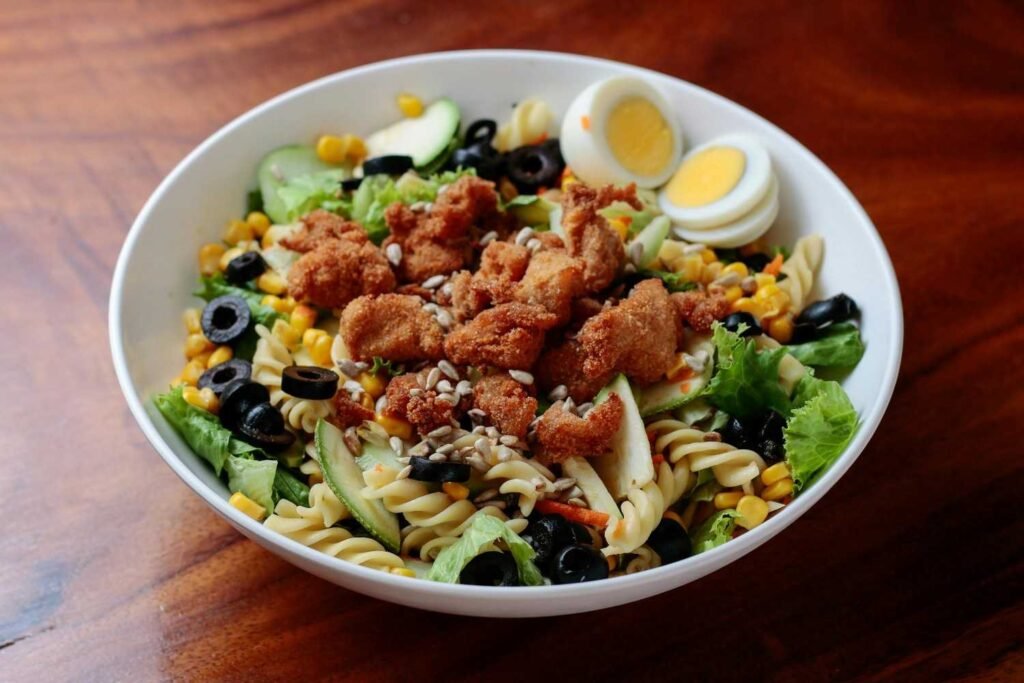
Can Diabetics Eat Pasta? The Truth About Blood Sugar & Glycemic Impact
A common question for anyone managing metabolic health is: Can diabetics eat pasta without causing a massive blood sugar spike? Most people assume that a diabetes diagnosis means saying goodbye to pasta forever, but 2026 metabolic research suggests otherwise.
While often grouped with white bread or potatoes as a “sugar bomb,” pasta is actually different. Because pasta is made very densely, your body digests it more slowly. This means your blood sugar doesn’t jump as rapidly as it does with highly processed grains.
So, can diabetics eat pasta safely? The answer is yes but it depends entirely on your portion sizes and cooking methods. In this PureDietly Audit, we’ll break down the 3 golden rules for enjoying pasta while keeping your A1C in check, including the secret “resistant starch” hack.
Expert Insight: Pasta isn’t the enemy; the secret lies in the cooking technique and plate balance. Let’s decode how to make it work for you.
| Food Item | Blood Sugar Impact (GI) |
| Whole Wheat Pasta | Low (Best) |
| White Pasta (Firm) | Medium (Okay) |
| White Bread | High (Avoid) |
| Boiled Potatoes | Very High (Avoid) |
2. Four Rules for Eating Pasta Safely
Rule #1: Watch Your Portion Size
The biggest mistake is eating too much.
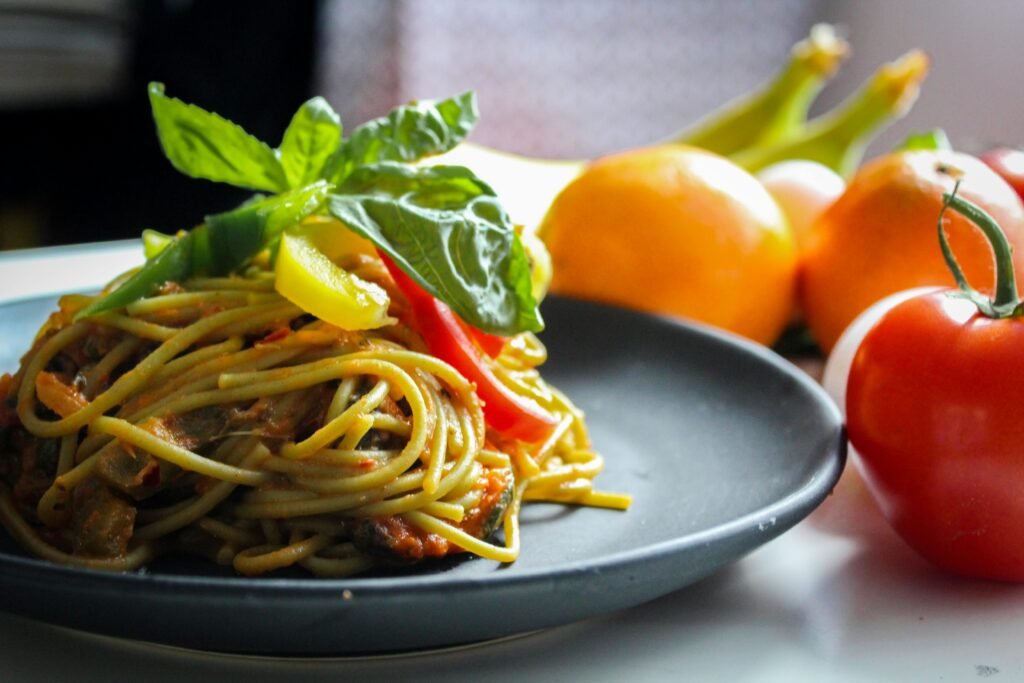
- The Right Amount: Eat only 1/2 to 3/4 cup of cooked pasta.
- Easy Tip: This is about the size of a tennis ball or a small cupped hand.
Rule #2: Never Eat Pasta Alone
Always mix your pasta with other healthy foods. This slows down sugar absorption even more.
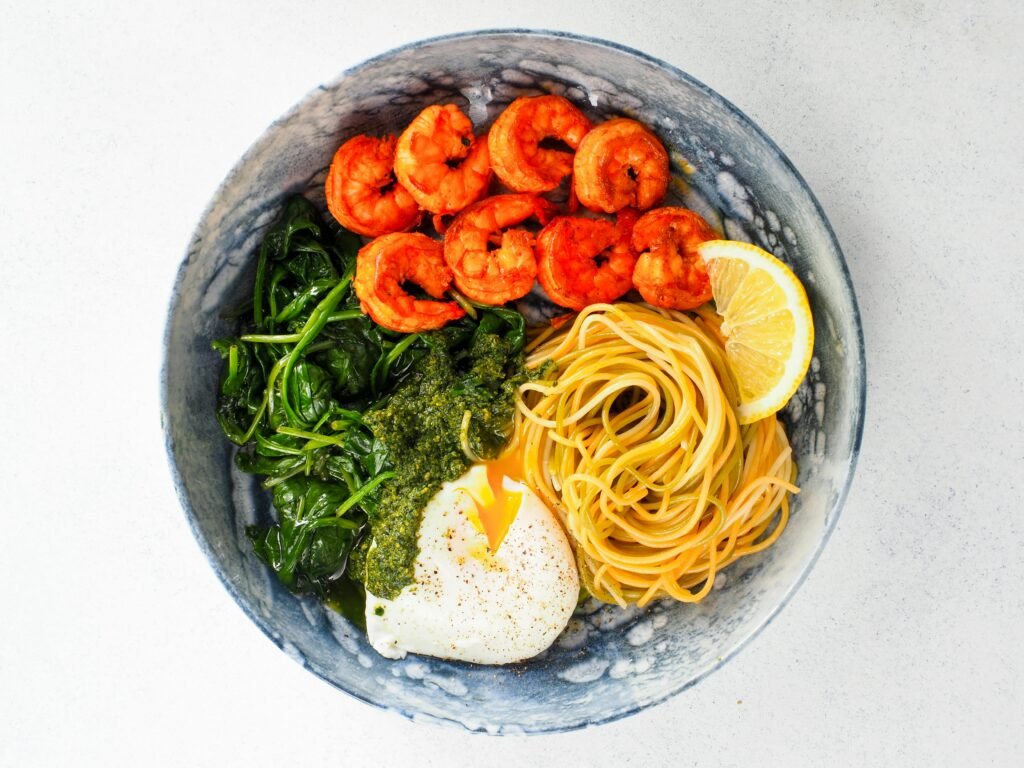
- Add Protein: Chicken, fish, tofu, or lean meat.
- Add Fiber: Lots of vegetables like broccoli, spinach, or peppers.
- Add Healthy Fat: A little olive oil or avocado.
Rule #3: Cook it “Al Dente”
Do not overcook your pasta until it is soft and mushy. Keep it a little bit firm (called “Al Dente”). Firm pasta is digested more slowly, which is better for your blood sugar.
Rule #4: The Cooling Trick
If you cook pasta, let it cool down in the fridge, and then reheat it later, it becomes “Resistant Starch.” This trick can lower the blood sugar spike by up to 20%!
3. The Best Types of Pasta to Buy
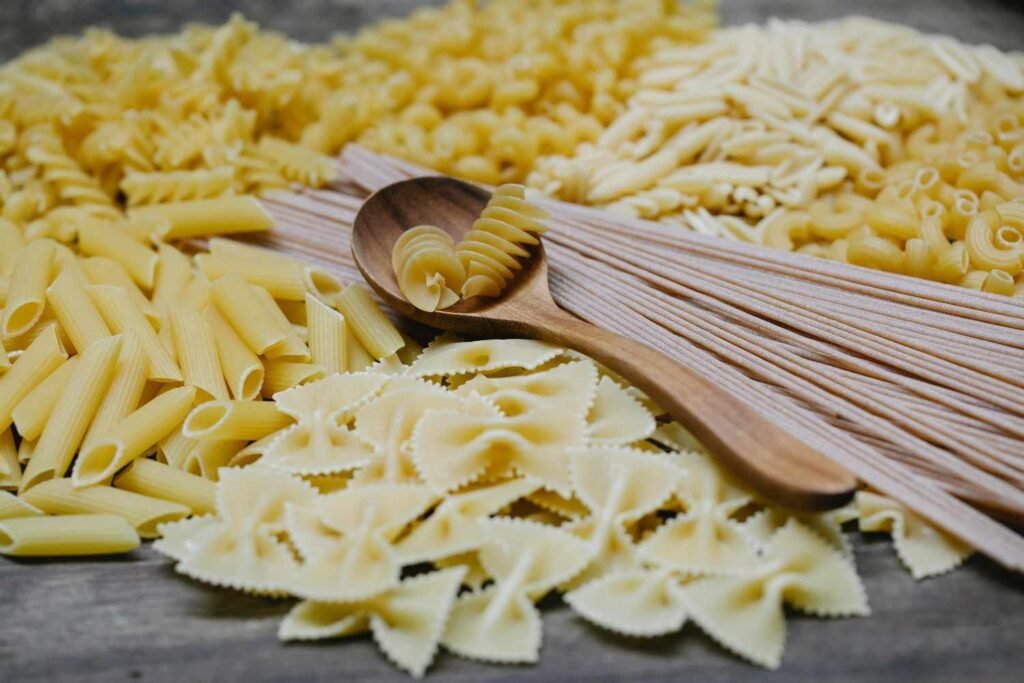
- Whole Wheat Pasta: It has more fiber and is the best traditional choice.
- Chickpea or Lentil Pasta: These are made from beans. They have much more protein and fiber than regular pasta.
- Protein-Plus Pasta: Look for boxes that say “Added Protein” on the label.
Try to Avoid: “Instant” or “Quick-Cook” noodles, as these spike sugar very quickly.
The Science of Resistant Starch”
Why Temperature Matters: The Molecular Magic
When you cook pasta and then let it cool, a chemical process called retrogradation occurs. This transforms regular starch into Resistant Starch (Type 3). Unlike normal carbs, resistant starch “resists” digestion in the small intestine, acting more like fiber. This means it reaches the large intestine where it feeds healthy gut bacteria instead of causing a rapid glucose spike. Reheating the pasta doesn’t destroy this benefit, making “leftover pasta” a metabolic powerhouse for diabetics.
3. Expansion: “Case Study: Chickpea vs. White Pasta” (Add a Table/Comparison)
Data-driven content Google ko bohat pasand hai.
| Feature | Regular White Pasta (1 Cup) | Chickpea Pasta (1 Cup) | Metabolic Winner |
| Net Carbs | 40g – 45g | 25g – 30g | Chickpea |
| Protein | 7g | 14g – 15g | Chickpea |
| Fiber | 2g | 8g | Chickpea |
| Glycemic Index | 50-55 (Medium) | 28-32 (Low) | Chickpea |
Analyst Note: While white pasta is “okay” if cooked Al Dente, Chickpea pasta is a functional food that actually helps stabilize insulin over time due to its high protein-to-carb ratio.
4. 10 Low-Carb Alternatives (Pasta Substitutes)
If you want to eat a large bowl of “noodles” without the carbs, try these:
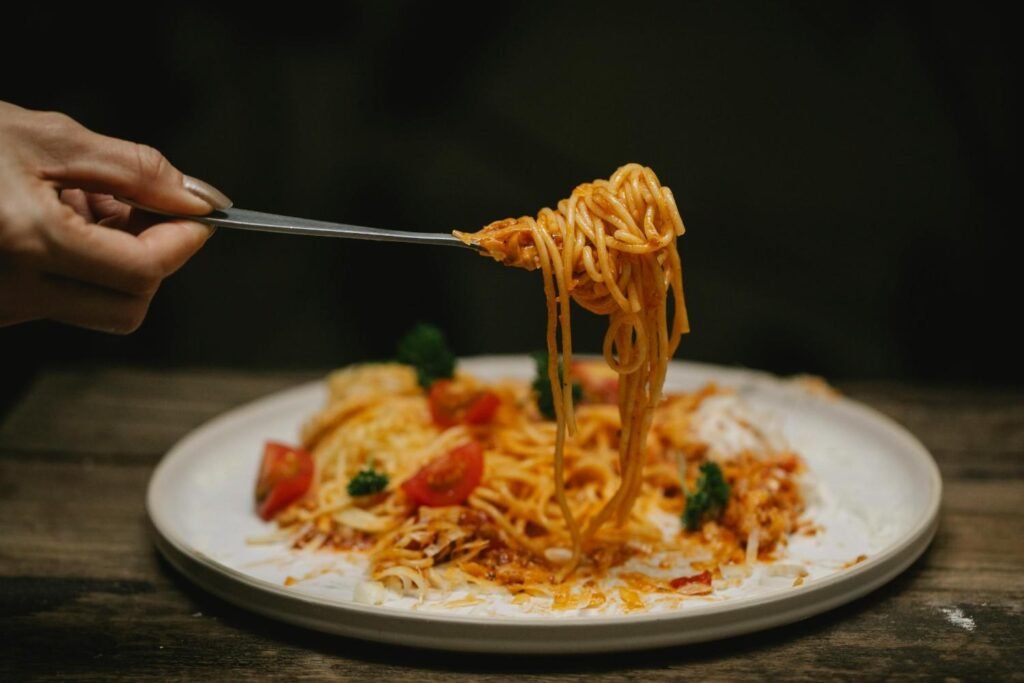
- Zoodles: Noodles made from Zucchini.
- Shirataki Noodles: Nearly zero-calorie noodles made from a root vegetable.
- Spaghetti Squash: A vegetable that turns into “strings” when cooked.
- Palmini: Noodles made from hearts of palm.
- Chickpea Pasta: Very high in protein.
- Black Bean Pasta: High in fiber.
- Cabbage Strips: Sliced thin and fried lightly.
- Kelp Noodles: Made from seaweed.
- Eggplant Slices: Use these instead of noodles in Lasagna.
- Cucumber Noodles: Great for cold pasta salads.
2. “The Vinegar & Herb Trick”
The Acidity Hack: Slowing Gastric Emptying
Adding a splash of Apple Cider Vinegar or a lemon-based dressing to your pasta sauce can significantly lower the meal’s Glycemic Index. The acetic acid in vinegar slows down the rate at which your stomach empties (gastric emptying), ensuring that glucose enters your bloodstream at a much slower, more manageable pace. Pair your pasta with fresh herbs like oregano and basil, which are rich in antioxidants that support insulin sensitivity.
5. How to Build Your Plate
To keep your blood sugar safe, follow this “Plate Method”:
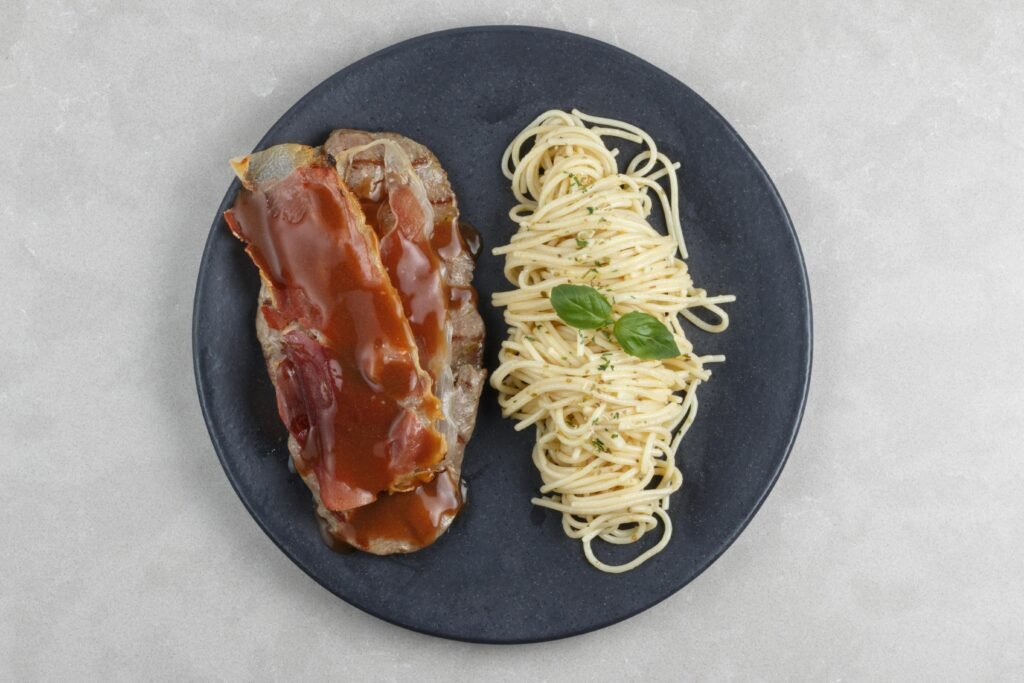
- 1/4 of the plate: Pasta.
- 1/4 of the plate: Protein (like chicken or fish).
- 1/2 of the plate: Non-starchy vegetables (like a big salad or steamed veggies).
Ready to Check Your Levels?
Use our Free Diabetic Calculators to track your A1C, Sugar Spikes, and Fasting Progress.
OPEN ALL CALCULATORS ➔Fast • Accurate • Free for Puredietly Readers
Choose the Right Sauce
- Good Choices: Tomato sauce (sugar-free), Olive oil with gr.
6. Frequently Asked Questions
Can I eat pasta every da
It is better to eat it only 2 or 3 times a week. On other days, try the vegetable alternatives like Zoodles.
When is the best time to eat it?
Lunch is better than dinner. If you eat it for dinner, try to take a 10-minute walk after your meal to help your body use the suga
Your Simple Action Plan
- Step 1: Use a measuring cup to see what 1/2 cup of pasta actually looks like.
- Step 2: Next time you cook, add double the amount of vegetables as pasta.
- Step 3: Try one bean-based pasta (like Chickpea pasta) this week.
- Step 4: Check your blood sugar 2 hours after eating to see how your body reacted.
The Bottom Line: You don’t have to give up your favorite food. Just eat a smaller amount, cook it firm, and add plenty of protein and greens!
Would you like me to find some simple 15-minute recipes for these diabetic-friendly pasta mea
About Author
Gohar I am Gohar, a dedicated Diet and Nutrition Enthusiast and the founder of Puredietly.com. My work focuses on simplifying the science of metabolic health for the diabetic community. Having analyzed the impact of pasta’s density and starch structure on insulin response, I am passionate about teaching “Smart-Carb” strategies. My goal is to empower you with the knowledge that managing blood sugar is about how you eat, not just what you eat.