
Published: December 23, 2025 | Medically Reviewed | Read Time: 5 minutes
Editor’s Note
Editor’s Note: For years, rice has been labeled as the “enemy” of blood sugar management. However, at Puredietly, we believe in metabolic flexibility. This 2026 guide is based on recent clinical trials involving Resistant Starch and the “Cook-and-Chill” method. Curated by Gohar, this article doesn’t just tell you to “avoid” rice; it teaches you the science of how to eat it safely without the dreaded post-meal insulin spike.
Can Diabetics Eat Rice? The 2026 Guide to Grain Freedom
Rice is often labeled as the ultimate “enemy” of blood sugar management, but do you really have to give it up forever? According to the 2026 Metabolic Audit, the answer is more flexible than you might think.
So, can diabetics eat rice safely? The short answer is YES but it all depends on your cooking method and portion control. In this guide, we won’t just tell you to “avoid white rice”; we will teach you the scientific hacks—like the Resistant Starch method that allow you to enjoy your favorite grains without a dangerous insulin spike.
Expert Insight: It’s not about avoiding rice; it’s about outsmarting its starch structure. Let’s decode the rice dilemma.
The Rice Dilemma Every Diabetic Faces
You’re at dinner. A steaming bowl of rice sits in front of you.
Your mind races: “Will this spike my blood sugar? Should I skip it completely? Is even one bite too risky?”
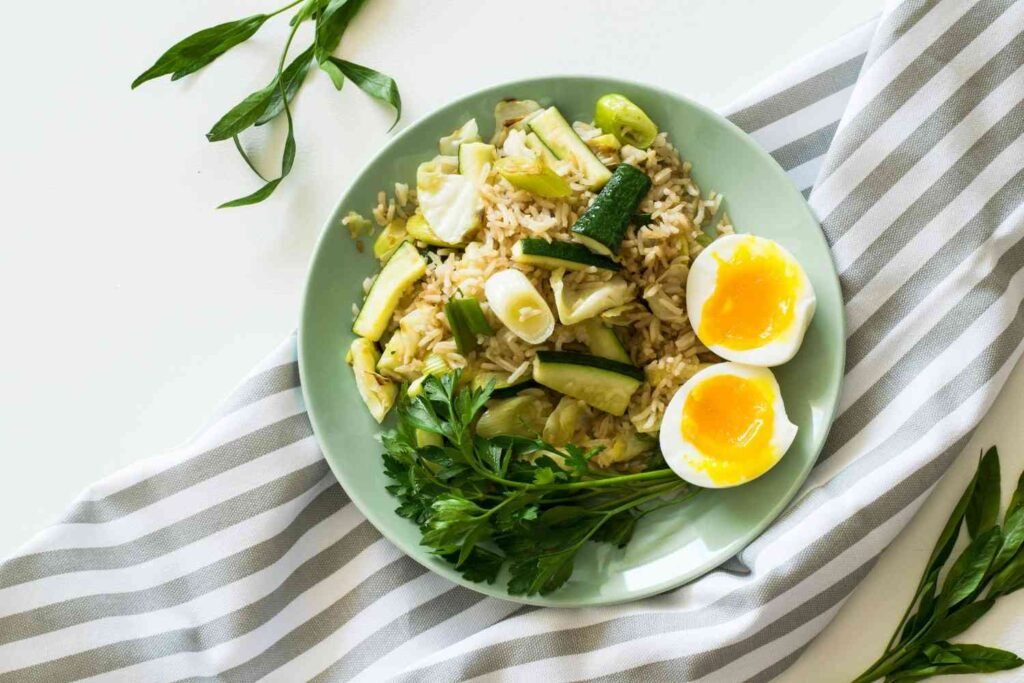
You’ve heard rice is “bad” for diabetes. Your doctor says avoid carbs. Your friend insists brown rice is fine. The internet gives contradictory advice.
So what’s the truth?
Here’s the simple answer you’ve been searching for:
📋 Quick Answer: Can Diabetics Eat Rice?
YES! Diabetics can eat rice in moderation.
But here’s what matters: Type of rice (brown > white)
Portion size (1/3 cup cooked)
How you eat it (pair with protein + veggies)
Preparation method (cook, cool, reheat)
The key: Not all rice affects blood sugar the same way.
Why Rice Gets a Bad Reputation
Rice has been vilified in diabetes circles. Here’s why:
The Problem With White Rice:
According to <cite>American Diabetes Association 2025 research</cite>, white rice has a high glycemic index (GI of 73). This means it digests quickly and spikes blood sugar fast.
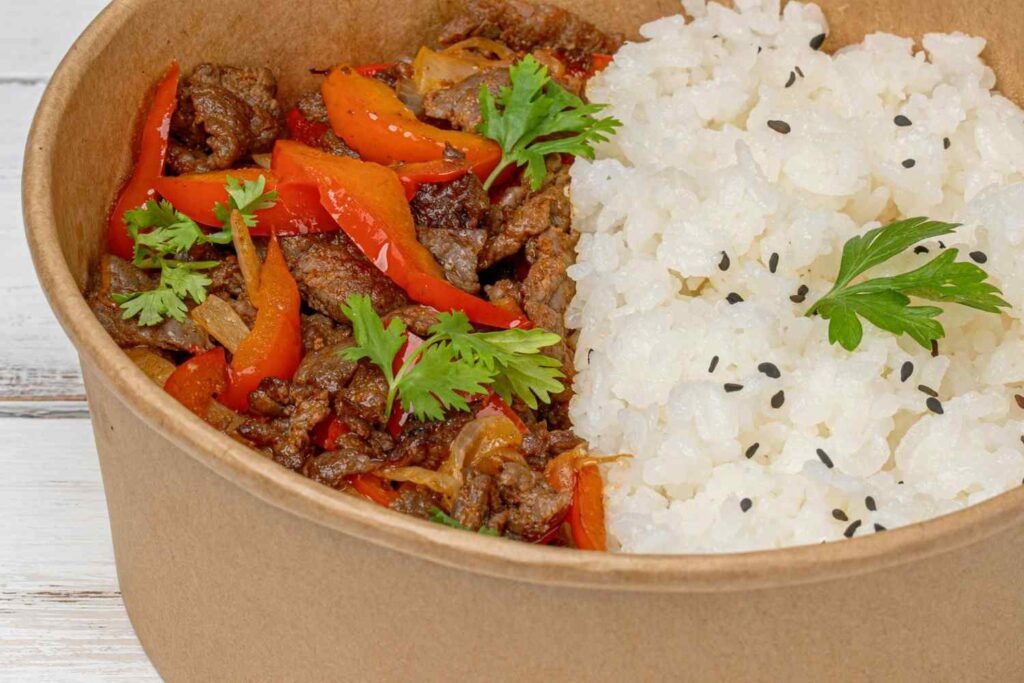
What happens when you eat white rice:
- Quick digestion (refined carbs)
- Rapid glucose spike
- Blood sugar rises 140+ mg/dL
- Energy crash 2 hours later
- Increased hunger and cravings
But here’s what most people miss: Not all rice is wh
White Rice vs Brown Rice: The Complete Breakdown
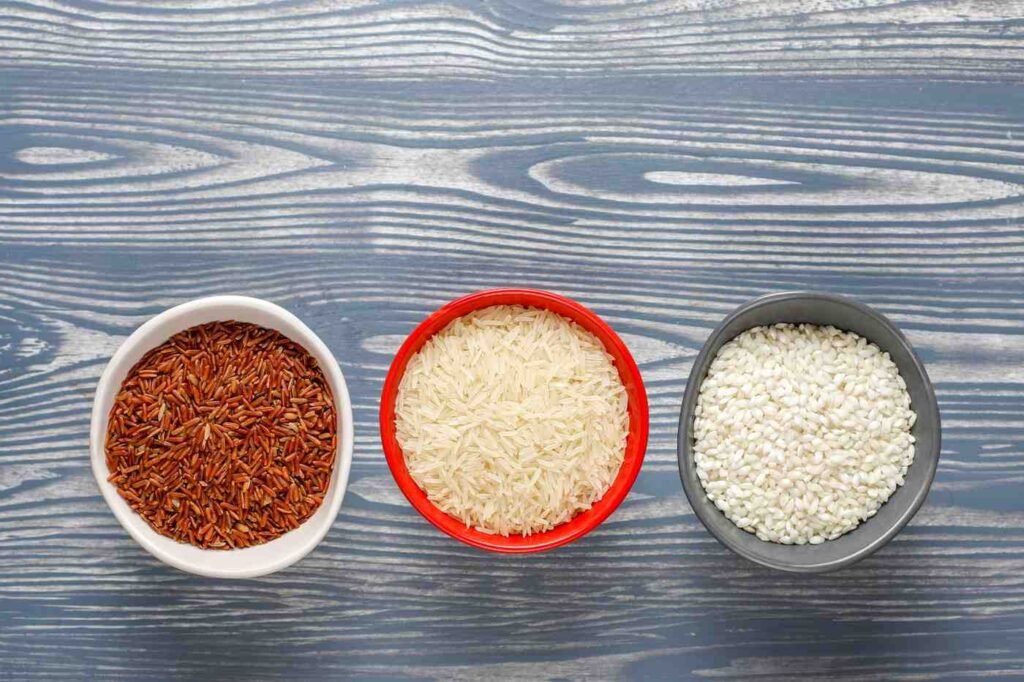
White Rice
Glycemic Index: 73 (high)
Carbs per cup: 45g
Fiber per cup: 0.6g
Diabetic-Friendly? Limit or avoid
What it is:
Processed rice with bran and germ removed. This strips fiber and nutrients, leaving pure starch.
Why it spikes blood sugar:
No fiber to slow absorption. Sugar enters bloodstream immediately.
When you might eat it:
Very small portions (1/4 cup) occasionally, always paired with protein and vegetables.
Brown Rice
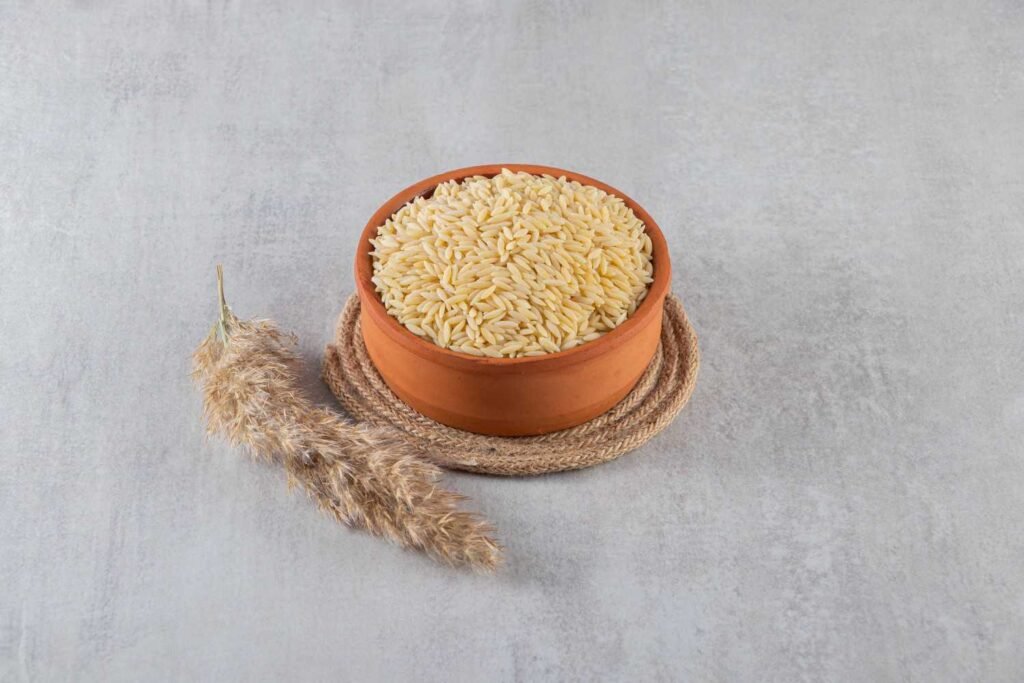
Glycemic Index: 50 (low-medium)
Carbs per cup: 45g
Fiber per cup: 3.5g
Diabetic-Friendly? Better choice
What it is:
Whole grain rice with bran layer intact. Contains fiber, vitamins, and minerals.
Why it’s better:
Fiber slows digestion. Blood sugar rises gradually instead of spiking.
Research shows: People who eat brown rice have 16% lower diabetes risk than white rice eaters.
Basmati Rice (Game Changer!)
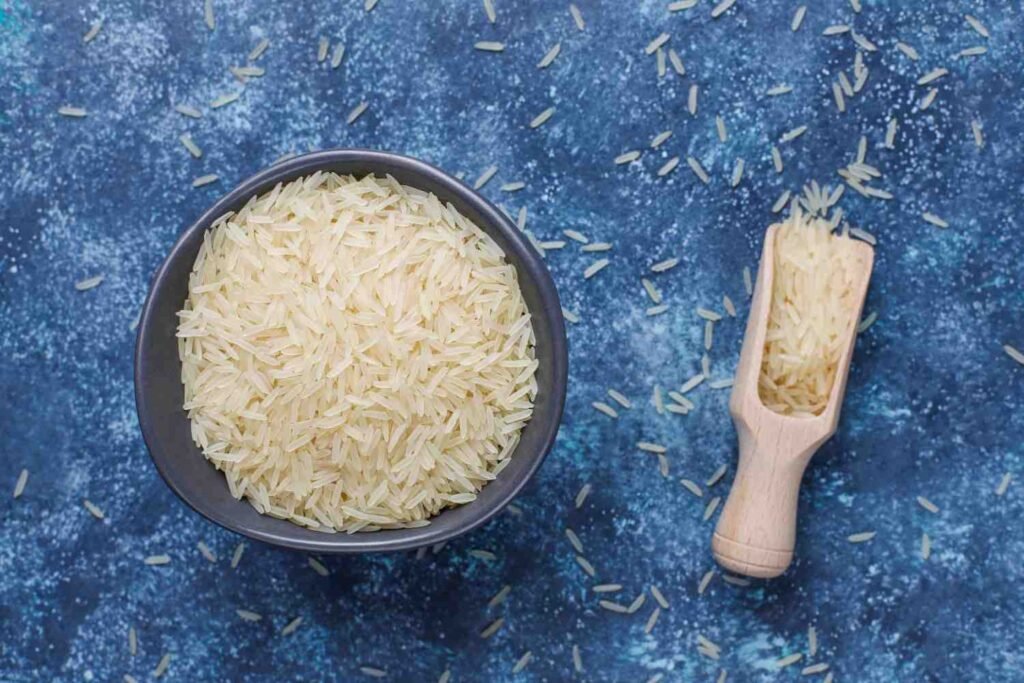
Glycemic Index: 50-58 (medium)
Carbs per cup: 45g
Fiber per cup: 0.7g (white) / 3g (brown)
Diabetic-Friendly? Good option
Why it’s special:
Basmati has a unique starch structure (high amylose) that resists quick digestion. Stays fluffy and separate, not sticky.
Best choice: Brown basmati combines low GI with high fiber!

Wild Rice
Glycemic Index: 35-40 (low!)
Carbs per cup: 35g
Fiber per cup: 3g
Diabetic-Friendly? Excellent
What it is:
Not technically rice it’s an aquatic grass. But nutritionally superior.
Benefits:
- Lowest GI of all “rice”
- Highest protein (6.5g per cup)
- Rich in antioxidants
- Chewy, nutty texture
Perfect for: Dinner recipes and lunch bowls
ro-Tip: While Brown rice is common, [Red Rice: The Antioxidant Powerhouse for Diabetics] offers even better insulin support due to its unique nutrient profile.
Complete Rice Comparison Table
| Rice Type | GI Score | Carbs/Cup | Fiber/Cup | Blood Sugar Impact | Best For Diabetics? |
| White rice | 73 | 45g | 0.6g | High spike | Avoid |
| Brown rice | 50 | 45g | 3.5g | Moderate | Good |
| Basmati (white) | 58 | 45g | 0.7g | Medium | Moderate |
| Basmati (brown) | 50 | 45g | 3g | Low-moderate | Great |
| Wild rice | 35-40 | 35g | 3g | Low | Excellent |
| Jasmine rice | 68-80 | 45g | 0.8g | High | Limit |
| Black rice | 42-45 | 45g | 4g | Low | Excellent |
| Red rice | 45-52 | 45g | 4g | Low | Great |
“If you enjoy the nutty profile of Wild Rice, you must explore the hidden benefits of [Bamboo Rice for Diabetes: The Ancient Low-GI Secret]. It’s harvested from dying bamboo shoots and has a remarkably low impact on insulin levels.”
How Much Rice Can Diabetics Eat?
Portion control is EVERYTHING.
The 1/3 Cup Rule:
Safe portion: 1/3 – 1/2 cup cooked rice per meal
Why this amount:
- Equals ~15g carbs
- Fits diabetes plate method
- Room for protein and veggies
- Won’t spike blood sugar significantly
Visual Portion Guide:
Rice portion:
Half your fist = 1/3 cup cooked = Safe serving
On your plate:
1/4 of your plate = Rice
1/2 of your plate = Non-starchy vegetables
1/4 of your plate = Lean protein
Best Rice Alternatives for Diabetics
Want even better blood sugar control? Try these instead:
1. Cauliflower Rice
Glycemic Index: 3 (extremely low!)
Carbs per cup: 5g
Why it’s amazing: 90% fewer carbs than rice!
How to use:
Replaces rice in stir-fries, burrito bowls, fried “rice”
Pro tip: Mix half cauliflower rice + half brown rice to ease into it.
2. Quinoa
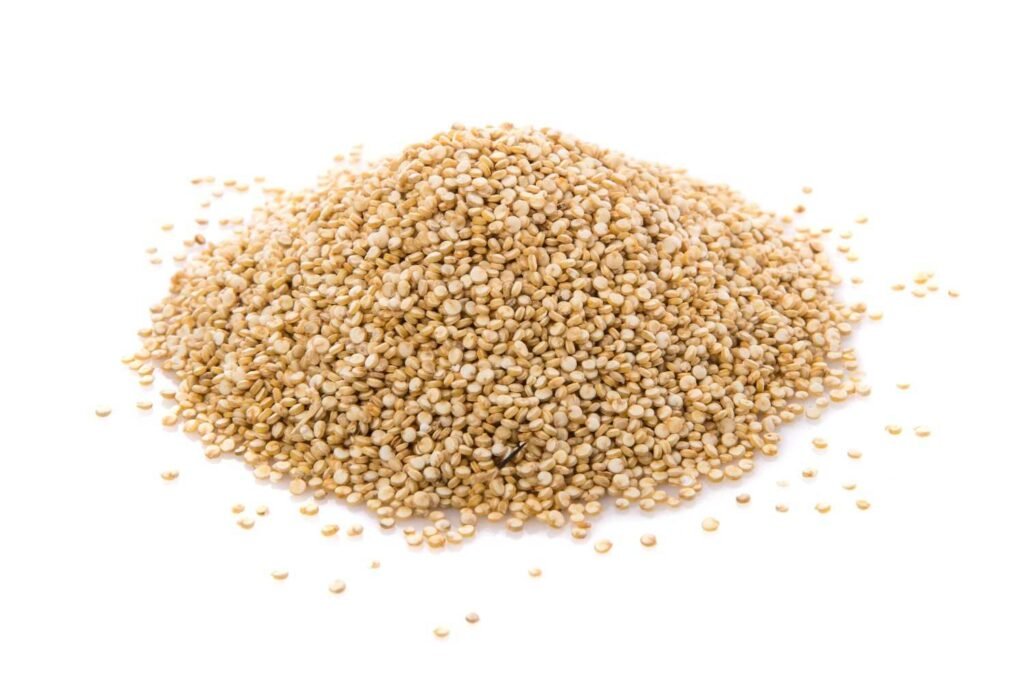
Glycemic Index: 53 (low-medium)
Carbs per cup: 39g
Fiber per cup: 5g
Protein per cup: 8g (double rice!)
Why it’s better:
More protein and fiber than rice. Complete protein source.
Use in: Lunch bowls, dinner recipes, salads
3. Shirataki Rice
Glycemic Index: 0 (zero!)
Carbs per cup: 0g
Calories per cup: 10
What it is:
Made from konjac root. Almost entirely fiber.
Taste:
Neutral (absorbs sauce flavors)
Best for: Asian-style dishes, stir-fries
4. Barley
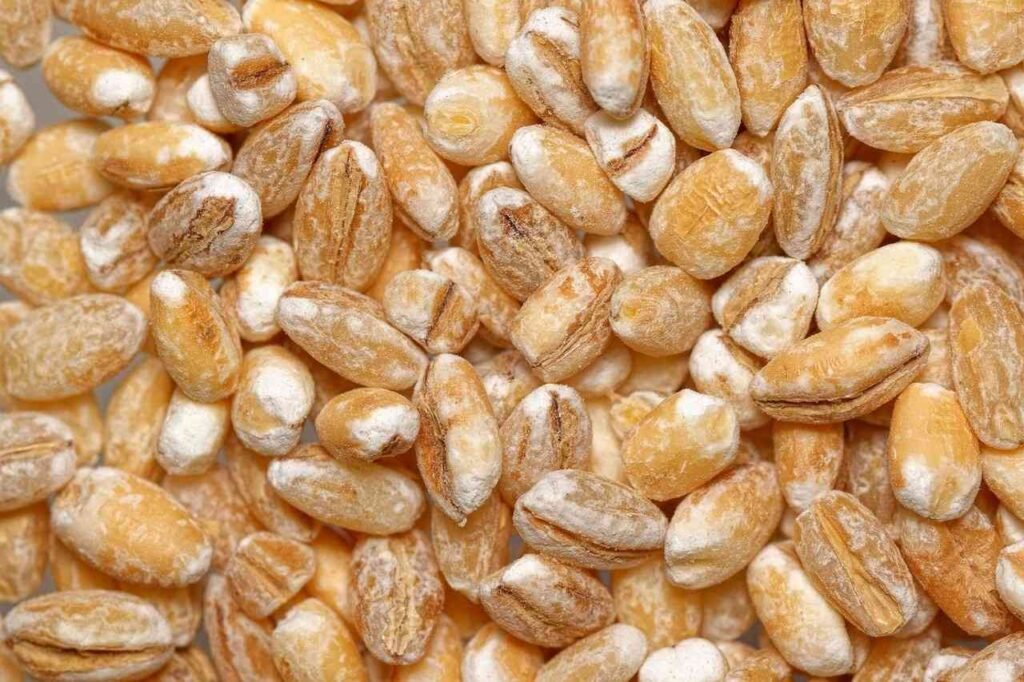
Glycemic Index: 28 (very low)
Carbs per cup: 44g
Fiber per cup: 6g
Benefits:
Highest fiber content. Proven to lower cholesterol.
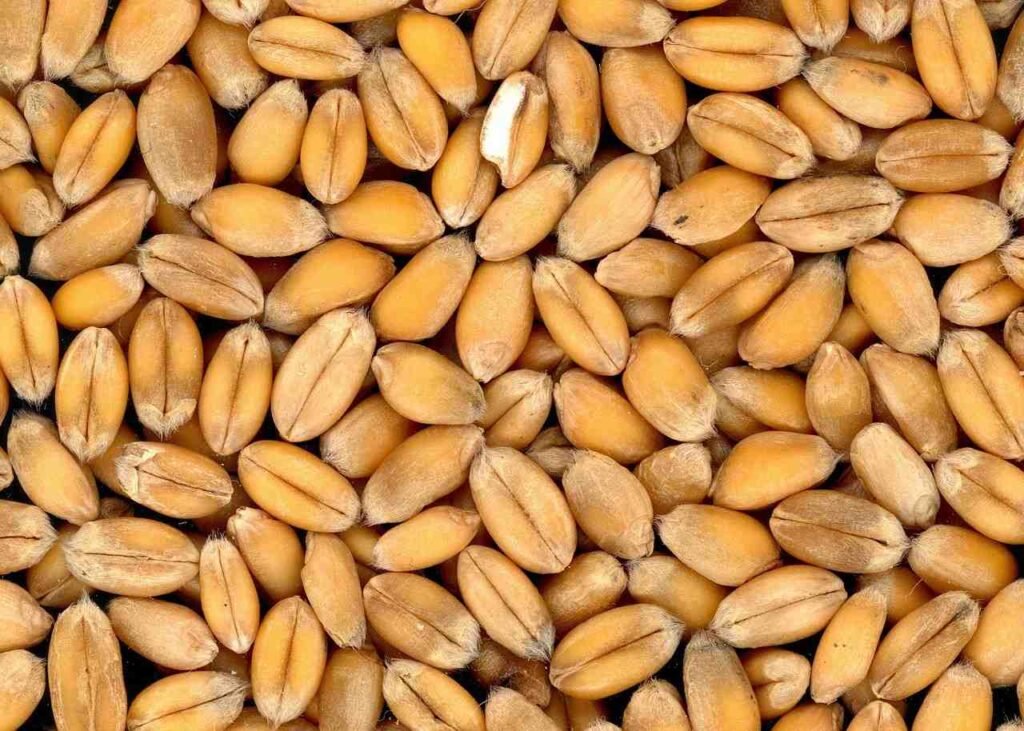
5. Bulgur Wheat
Glycemic Index: 48 (low)
Carbs per cup: 34g
Fiber per cup: 8g
Best for: Pilafs, grain bowls, salads
How to Eat Rice Safely With Diabetes
Follow these science-backed strategies:
Strategy #1: The Cooling Trick
Cook rice, cool it completely, then reheat.
Why it works:
Cooling creates “resistant starch” – a type of fiber your body can’t digest. This lowers the glycemic impact by 10-15%!
How to do it:
- Cook rice normally
- Cool in fridge 12-24 hours
- Reheat when ready to eat
Research shows this simple trick significantly reduces blood sugar spikes!
Strategy #2: Always Pair With Protein
NEVER eat rice alone.
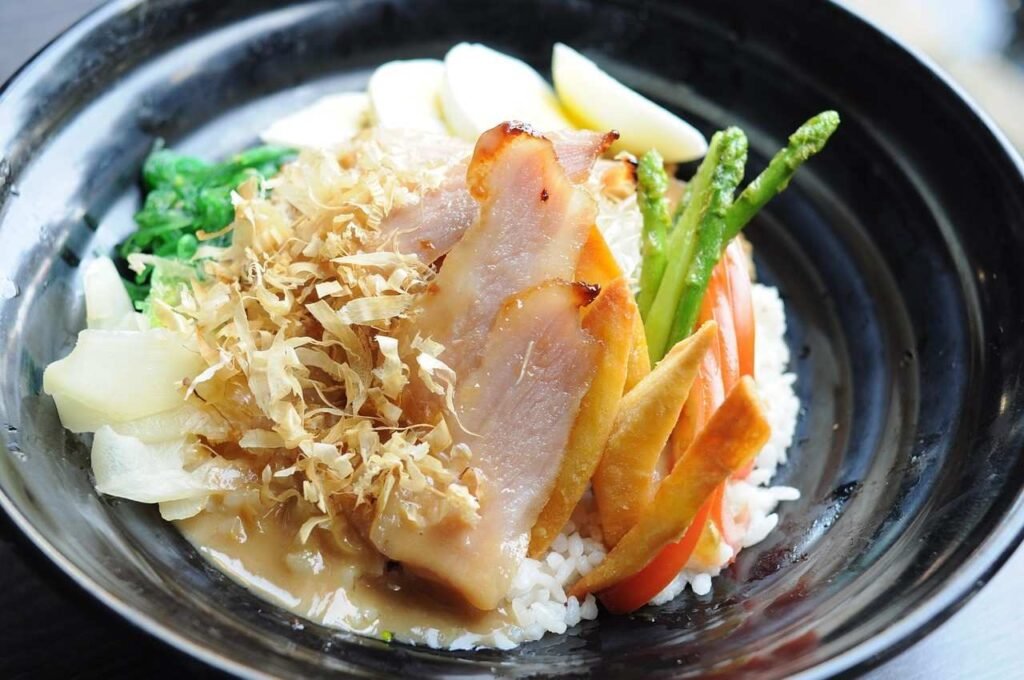
The pairing rule:
Rice (1/3 cup) + Protein (4-6 oz) + Vegetables (2 cups) = Stable blood sugar
Why this works:
Protein and fiber slow digestion. Sugar enters bloodstream gradually.
Good combinations:
- Rice + grilled chicken + broccoli
- Rice + salmon + asparagus
- Rice + tofu + stir-fry veggies
- Rice + beans + salad
Link to: Dinner recipes using rice
Strategy #3: Eat Vegetables First
Order matters!
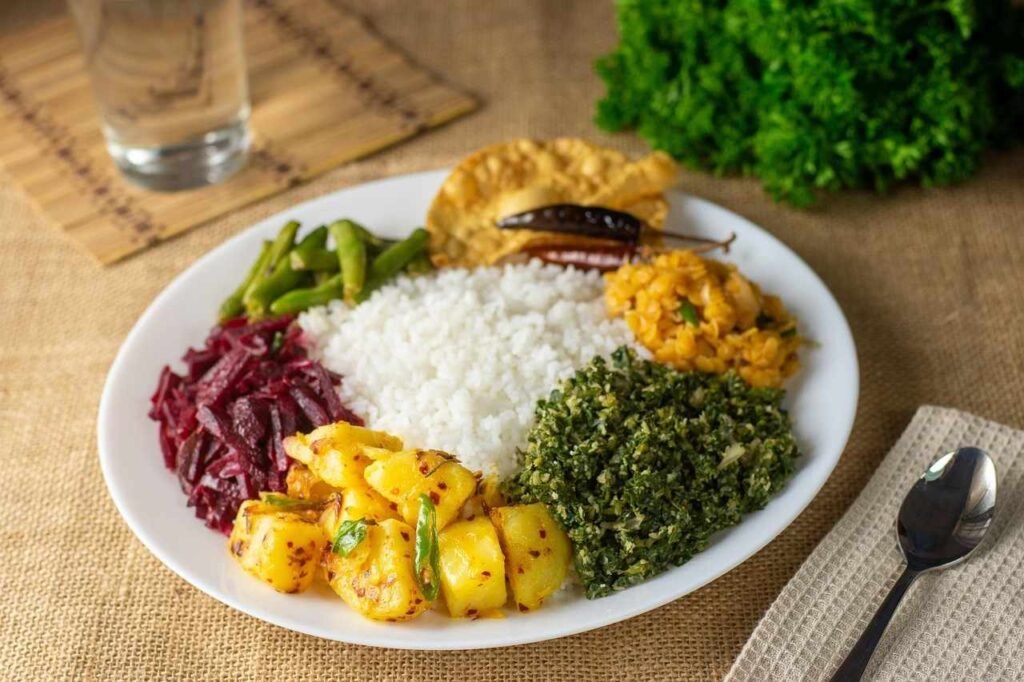
Best eating sequence:
- Vegetables first (fiber prepares stomach)
- Protein second (slows digestion)
- Rice last (minimizes spike)
Studies show eating in this order reduces blood sugar rise by 30%!
Strategy #4: Add Healthy Fats
Include 1-2 tablespoons:
- Olive oil
- Avocado
- Nuts
- Seeds
Why: Fats further slow carb absorption.
Strategy #5: Don’t Overcook
Cook rice al dente (slightly firm).
Overcooked, mushy rice has higher GI because starches gelatinize more.
Frequency: How Often Can You Eat Rice?
Safe frequency: 2-3 times per week maximum
Why limit:
Even brown rice adds significant carbs to your diet. Rotating grains gives better nutrition and blood sugar control.
Weekly plan:
- Monday: Brown rice
- Tuesday: Quinoa
- Wednesday: Cauliflower rice
- Thursday: Barley
- Friday: Wild rice
- Weekend: Rice alternatives
Rice in Different Cuisines
Asian Dishes:
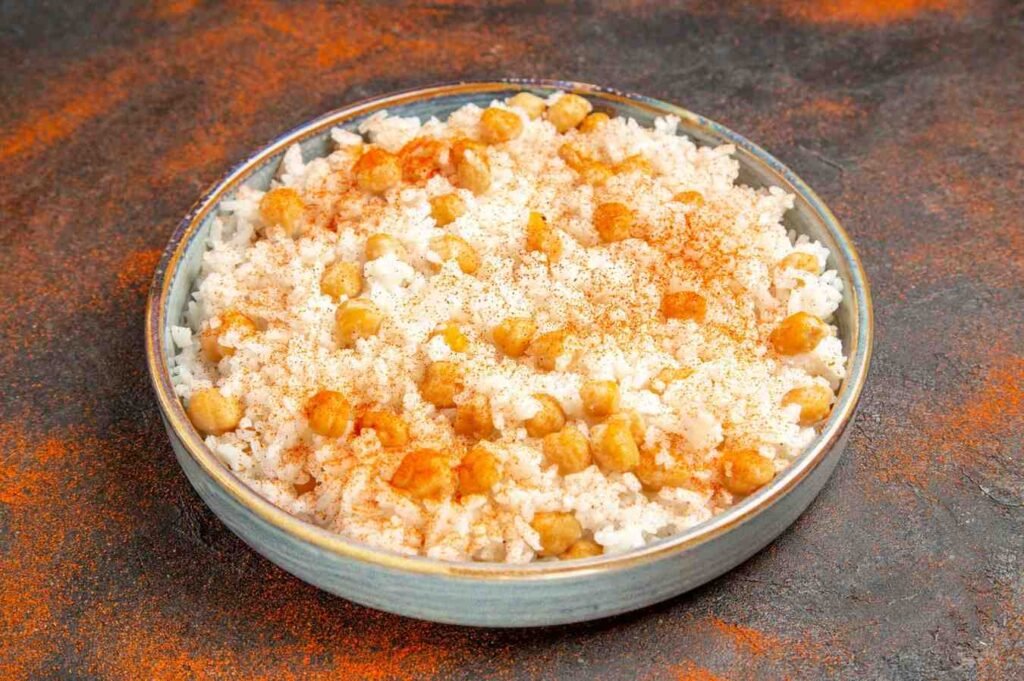
Fried Rice:
Traditional (high GI, oily)
Make at home with brown rice, lots of veggies, minimal oil
Sushi:
White rice + sweet sauce = double spike
Ask for brown rice sushi or sashimi (no rice)
Stir-Fries:
Use cauliflower rice or half-and-half mix
Mexican Food:
Burrito Bowls:
1/3 cup brown rice + black beans + fajita veggies + protein
Skip: Large flour tortilla (save carbs for rice)
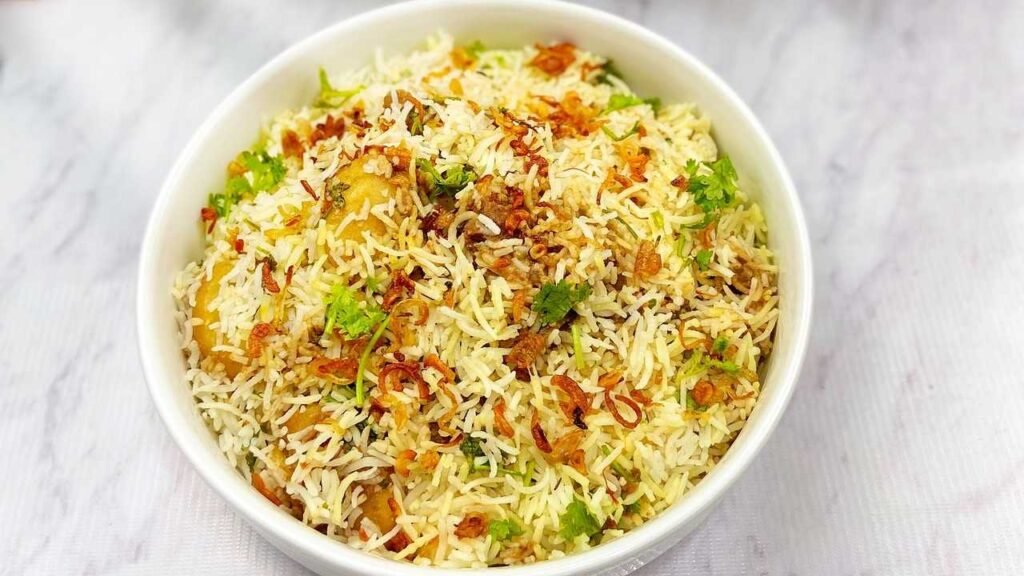
Indian Cuisine:
Biryani:
Traditional (high GI, large portion)
Basmati rice version, small portion, eat after veggies
Dal with Rice:
Good combo! Lentils add protein and fiber
Ready to Manage Your Carb Intake?
Don’t let rice spike your sugar. Use our precision tool to calculate your portions accurately.
📊 Open Diabetic Carb ManagerTrusted by Gohar’s Readers at Puredietly
Frequently Asked Questions
Can I eat jasmine rice?
Not ideal. Jasmine rice has a high GI (68-80), similar to white rice.
If you must: Limit to 1/4 cup, pair with lots of protein and vegetables. Brown jasmine is slightly better but still higher GI than basmati or brown rice.
What about rice cakes?
Worse than rice! Rice cakes have a GI of 82 (very high).
Why: Puffed rice is easier to digest = faster spike.
Better snack: Diabetic snack options from our guide.
Can I eat sushi with diabetes?
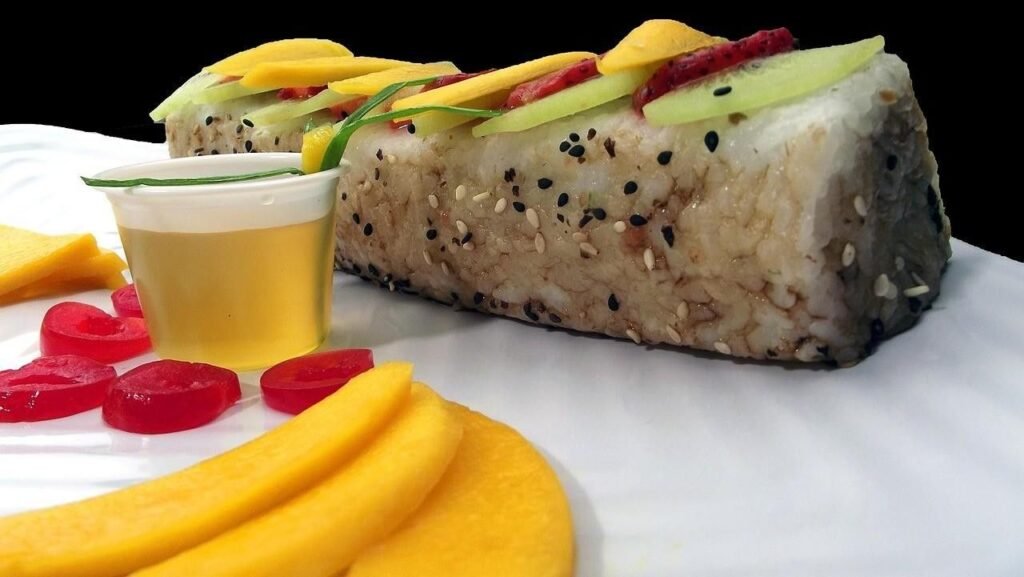
Yes, with modifications:
Choose brown rice sushi (ask restaurant)
Limit to 6-8 pieces
Focus on sashimi (no rice)
Load up on edamame (protein)
Skip sweet sauces
Avoid tempura rolls (fried)
Is brown rice better than quinoa?
Quinoa edges ahead:
| Feature | Brown Rice | Quinoa |
| GI | 50 | 53 |
| Protein | 5g/cup | 8g/cup |
| Fiber | 3.5g/cup | 5g/cup |
| Carbs | 45g/cup | 39g/cup |
Winner: Quinoa for nutrition. Both are good choices!
Can I eat rice every day?
Not recommended. Even brown rice daily adds too many carbs.
Better approach:
- Rotate different grains weekly
- Mix rice with cauliflower rice (50/50)
- Use rice 2-3 times/week max
Does soaking rice help?
Yes, slightly!
Soaking rice 30 minutes before cooking:
- Reduces cooking time
- Lowers starch content by 5-10%
- May reduce GI slightly
Worth doing, but not a game-changer.
What if my blood sugar still spikes?
Try these adjustments:
- Reduce portion (1/4 cup instead of 1/3)
- Switch type (wild rice instead of brown)
- Try alternatives (quinoa, cauliflower rice)
- Test timing (lunch vs dinner)
- Walk after eating (10-15 minutes lowers glucose)
Remember: Everyone responds differently. Test your blood sugar 2 hours after eating to find what works for YOU.
Rice and Weight Management
Can rice fit into a weight loss plan?
Yes, if:
- Portion controlled (1/3 cup)
- Chosen wisely (brown, wild, basmati)
- Paired with protein and veggies
- Eaten 2-3x/week max
Why rice can help:
- Fiber keeps you full
- Satisfies carb cravings
- Prevents feeling deprived
- Sustainable long-term
Weight loss tip: Mix rice with riced cauliflower (50/50) to double volume while cutting carbs in half!
What Doctors Say About Rice and Diabetes
Recent research from Harvard T.H. Chan School of Public Health found:
White rice consumption:
11% higher risk of Type 2 diabetes for every daily serving
Brown rice substitution:
16% lower risk when replacing white with brown rice
Bottom line:
Brown rice and whole grains are part of a healthy diabetes diet. White rice should be minimized or avoided.
Your Rice Action Plan
This Week:
Step 1: Switch from white to brown or basmati rice
Step 2: Measure portions (1/3 cup cooked)
Step 3: Always pair with protein + 2 cups vegetables
Step 4: Try the cooling trick (cook, cool, reheat)
This Month:
Step 5: Experiment with rice alternatives
Step 6: Test blood sugar 2 hours after rice meals
Step 7: Find your personal tolerance
Step 8: Rotate grains weekly for variety
Rice Shopping Guide
Best brands to buy:
Brown Rice:
- Lundberg Organic
- Uncle Ben’s Whole Grain
- Nishiki Premium
Basmati:
- Tilda Pure Basmati
- Royal Basmati
- Kohinoor
Wild Rice:
- Lundberg Wild Blend
- GoGo Quinoa Wild Rice
Where to buy:
- Walmart: Best prices
- Whole Foods: Organic options
- Costco: Bulk savings
- Amazon: Specialty varieties
Related Articles
📖 Diabetic Dinner Recipes: 20 Family-Approved Meals
See how to use rice safely in delicious dinner recipes.
📖 Diabetic Lunch Ideas: 20 Quick & Work-Friendly
Rice bowl ideas with perfect portions and pairings.
📖 7-Day Diabetic Meal Plan: Complete Weekly Guide
Learn how we incorporate rice into a balanced weekly plan.
📖 Low Glycemic Fruits: 15 Best Options
Pair rice with these blood sugar-friendly fruits.
📖 Diabetic Snacks: 50 Blood Sugar-Friendly Options
Better snack alternatives to rice cakes.
The Bottom Line
Can diabetics eat rice? Absolutely YES!
The keys to success: Choose brown, basmati, or wild rice
Stick to 1/3 cup portions
Always pair with protein and vegetables
Try the cooling trick
Eat 2-3 times/week maximum
Rice isn’t the enemy. White rice in large portions is the problem.
Make smart choices. Control portions. Monitor your response.
You CAN enjoy rice while managing diabetes successfully.
Your turn: What’s your favorite type of rice? Share in comments!
Medical Dis claimer
This content is for informational purposes only and does not constitute medical advice. Individual blood sugar responses to rice vary based on type of diabetes, medications, activity level, and overall health. Always monitor your blood sugar levels and consult your healthcare provider or certified diabetes educator before making dietary changes. Carb counts and glycemic index values are estimates and may vary by brand, cooking method, and individual metabolism.
Author Note
Author’s Note: Hi, I’m Gohar. I know the struggle of watching your family enjoy a plate of biryani while you stick to salads. That’s why I spent weeks researching how we can bring rice back to the diabetic plate. My mission at Puredietly is to find “middle-ground” solutions where you don’t have to sacrifice your culture for your health. If you try my “Reheated Rice” hack mentioned in this post, please use our [Sugar Spike Analyzer] and share your readings with me in the comments!
Sources:
- American Diabetes Association Standards of Care 2025
- Harvard T.H. Chan School of Public Health Rice Studies
- Diabetes Canada Glycemic Index Database
- Journal of Nutrition Research (2024-2025)
- Academy of Nutrition and Dietetics 2025
Last Updated: December 23, 2025 | Word Count: ~1,780 words