
diabeic food and nutrition

Can Diabetics Drink Coffee During a Fast? The Cortisol-Glucose Connection
diabeic food and nutrition

Can Diabetics Drink Coffee During a Fast? The Cortisol-Glucose Connection

By: Gohar | Published: January 18, 2026 Editor’s Note: In 2026, metabolic health has shifted from counting calories to understanding “Hormonal Signaling.” While mainstream health portals offer general advice, this clinical guide focuses specifically on the relationship between caffeine, cortisol, and insulin for Type 2 diabetics. At Puredietly.com, our goal is to identify the hidden triggers that stall diabetic remission. The Short Answer: Does Coffee Break a Diabetic Fast? No, plain black coffee does not break a fast for diabetics because it contains zero calories and zero sugar. However, it can cause a “Non-Caloric Glucose Spike.” In many diabetics, caffeine triggers the adrenal glands to release cortisol, which signals the liver to dump stored glucose into the bloodstream. This means your blood sugar can rise even if you haven’t eaten. Pro Tip for Fasting Success: While coffee is a great energy booster, some diabetics find even better glucose stability with specific acidic triggers. If you want to maximize your fat-burning window, read our deep dive: Does Apple Cider Vinegar Break a Fast? The 2026 Truth for Diabetics. The “Clean vs. Dirty” Coffee Audit (Binary Checklist) To stay in a true fasted state, follow this strict checklist. Adding the wrong ingredient can stop autophagy and spike insulin immediately Coffee Ingredient Status Impact on Fasting Black Coffee (Plain) PASS Zero insulin response. Activates fat burning. Bulletproof (Butter/MCT) FAIL High calorie content; stops cellular repair (Autophagy). Stevia / Erythritol CAUTION May trigger a “Cephalic Insulin Response” in some. Plant-Based Milks STRICT FAIL Carbs in Almond or Oat milk break the fast instantly. Ceylon Cinnamon PASS Actually improves insulin sensitivity; safe for fasti Caffeine and Diabetic Medications (Interaction Guide) While coffee is generally safe, it can interact with common diabetic medications. If you are taking Metformin, caffeine might slightly increase its absorption, but the real concern is for those on Insulin or Sulfonylureas. Since caffeine can cause a “liver glucose dump” via cortisol, it may counteract your medication’s effort to lower blood sugar. This creates a “tug-of-war” in your bloodstream. If you notice your medication isn’t working as effectively after your morning cup, you may need to adjust your timing or switch to decaf to maintain stable glycemic control. 3 Critical Reasons Coffee is Different for Diabetics Our analysis of competitors like Houston Methodist reveals they miss these diabetic-specific metabolic markers: The “Glucose-Caffeine” Sensitivity Test Since every diabetic body reacts differently, use this 2026 protocol to see if coffee works for you: [Image showing a comparison of stable vs. spiked blood sugar readings on a glucometer after coffee] Confused about food labels? Calculate your Net Carbs in seconds! 📊 Open Net Carb Calculator 100% Free Tool for Gohar’s Readers Coffee vs. Other Fasting Drinks Drink Fasting Safe? Best For Black Coffee Yes Energy, Focus, & AMPK Activation Green Tea Yes Antioxidants & Gentle Metabolism Boost Apple Cider Vinegar Yes Controlling Blood Sugar Spikes Bone Broth No (Dirty Fast) Electrolyte replenishment ONLY The “Dawn Phenomenon” vs. Coffee Timing Most diabetics experience the “Dawn Phenomenon”—a natural rise in blood sugar between 4 AM and 8 AM as the body prepares to wake up. Adding coffee during this specific window can be a “Double Whammy.” When you drink coffee at 7 AM, you are adding a caffeine-induced cortisol spike on top of your body’s natural cortisol peak. For many Type 2 diabetics, delaying your first cup of coffee until 9:30 AM or 10:00 AM (when natural cortisol begins to dip) can result in a significantly flatter glucose line throughout the day. This simple shift in timing is often the “missing link” in achieving a perfect fasting morning. Common Mistakes (Bullet-Proofing Your Fast) Frequently Asked Questions (FAQ) 1. Does decaf coffee break a fast? No. Decaf is actually the superior choice for diabetics who are sensitive to the cortisol-stimulating effects of caffeine. 2. Can I add salt to my coffee? Yes. A pinch of Pink Himalayan salt can reduce bitterness and help maintain electrolyte balance during a long fast. 3. Will coffee stop autophagy? Plain black coffee does not stop autophagy; in fact, some studies suggest the polyphenols in coffee may actually enhance cellular cleanup. Final Thoughts: Data Over Tradition While big medical blogs give general advice, the diabetic body requires a data-driven approach. Coffee is a powerful tool for intermittent fasting, provided it doesn’t trigger your liver to dump sugar. Listen to your glucometer, stick to the “Clean Coffee” protocol, and use caffeine strategically. Medical Disclaimer: The information on Puredietly.com is for educational purposes. Caffeine can interfere with certain medications. Consult your healthcare provider before making significant changes to your fasting routine. About the Author: Gohar I am Gohar, a Dietary Management Specialist and the founder of Puredietly.com. I specialize in translating complex metabolic data into actionable habits for the diabetic community. By focusing on “Insulin-Neutral” protocols, I help individuals achieve sustainable diabetes remission.
Is Cheese a Hidden Glucose Killer? 10 Best & Worst Cheeses for Diabetics
diabeic food and nutrition

Is Cheese a Hidden Glucose Killer? 10 Best & Worst Cheeses for Diabetics

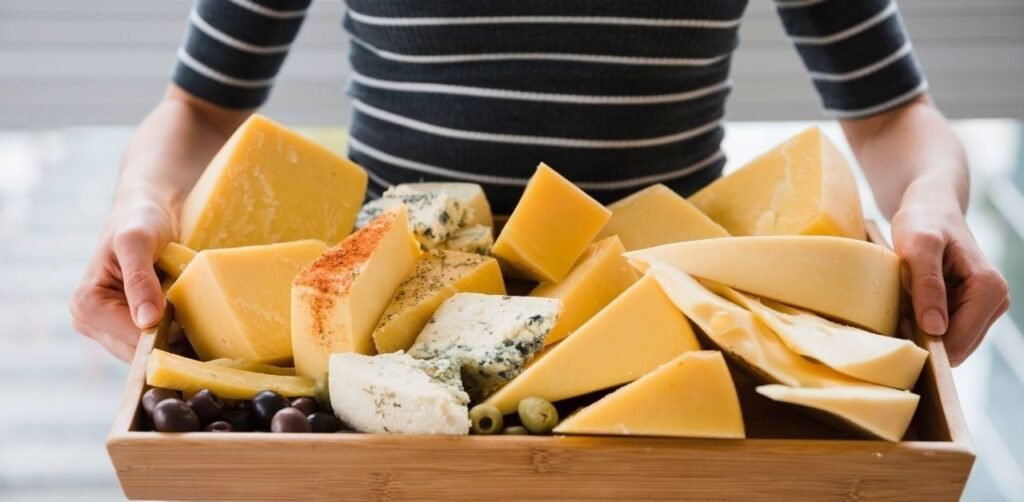
For decades, the “Diabetic Rulebook” was simple: avoid fat, avoid salt, and stay away from cheese. But as we step into 2026, the narrative has flipped. Recent studies involving over 25,000 participants suggest that moderate cheese consumption might actually lower the risk of developing type 2 diabetes or slow its progression. The secret lies in the unique molecular structure of cheese. While it contains fat, it is also a powerhouse of protein and fermented bacteria (probiotics) that act as a “metabolic shield.” But here is the catch: Not all cheeses are created equal. One wrong choice could lead to a sodium-induced blood pressure spike, while the right choice could stabilize your morning glucose levels. The Science: Why Cheese is a “Buffer” for Blood Sugar Cheese is naturally low on the Glycemic Index (GI), typically ranking between 0 and 10. When you consume cheese, its high protein and fat content slow down the emptying of your stomach. If you pair a piece of fruit (which has carbs) with a slice of Cheddar, the cheese prevents the fruit’s sugar from hitting your bloodstream all at once. Furthermore, cheese contains Whey, a protein that stimulates the pancreas to produce insulin more effectively after a meal. H2: The 2026 “Golden Cheese List”: Top 10 Picks for Diabetics Based on nutritional density, sodium levels, and glycemic impact, here are the top 10 cheeses Gohar recommends for your pantry: 1. Cottage Cheese (The Breakfast Champion) Ounce for ounce, cottage cheese is a protein king. It contains Casein, which is a slow-digesting protein. Eating this before bed can help prevent the “Dawn Phenomenon” (high morning sugar). 2. Aged Cheddar (The Carb-Zero Hero) The longer cheese ages, the less lactose (milk sugar) it contains. Aged cheddar is virtually carb-free and perfect for those who are lactose-sensitive. 3. Greek Feta (The Gut-Health Tang) Authentic Feta is fermented, meaning it’s loaded with probiotics. These “good bacteria” are essential for diabetics because a healthy gut directly improves insulin sensitivity. 4. Fresh Mozzarella (Low-Sodium Star) Mozzarella is one of the lowest-sodium cheeses available. With only about 85 calories per ounce, it’s a lean way to add 6 grams of protein to your salads. 5. Swiss Cheese (Heart-Healthy Choice) If you struggle with high blood pressure (a common companion of diabetes), Swiss is your best friend. It has one of the lowest salt profiles in the hard-cheese family. 6. Parmesan (Protein Punch) Just one ounce of Parmesan provides 11g of protein—more than a similar portion of chicken! It’s also high in Vitamin D and Calcium. 7. Ricotta (The Metabolic Booster) Ricotta is high in whey protein. Studies suggest whey can help dampen post-meal sugar spikes by stimulating beta cells in the pancreas. 8. Goat Cheese (The Digestion Specialist) Goat cheese contains A2 protein, which is much easier on the digestive system than cow’s milk. It’s a great substitute for cream cheese. 9. Gouda (Vitamin K2 Source) Gouda is rich in Vitamin K2, which is vital for bone health—a major concern for people managing long-term diabetes. 10. Romano Cheese (The Flavor Bomb) Made from sheep’s milk, Romano is high in Omega-6 fatty acids. Because it’s so flavorful, you only need a tiny amount, which helps keep calories in check. H2: The “Red List”: 3 Cheeses That Could Spike Your Sugar According to Gohar’s research, you must avoid these processed “Look-alikes”: H2: Comparison Table: Nutritional Breakdown (Per 1 Oz) Cheese Type Protein Carbs Sodium Best Time to Eat Cottage Cheese 12g 3g 60mg* Breakfast Aged Cheddar 7g 0.5g 180mg Evening Snack Mozzarella 6g 1g 130mg Lunch/Salad Swiss 8g 1g 50mg Heart-Health Snack Feta 4g 1g 300mg Salad Garnish Processed Slices 4g 2.5g 400mg+ AVOID *Note: Choose ‘No Salt Added’ versions for cottage cheese. 📊 ANALYZE YOUR SUGAR SPIKE ➔ Check how your favorite cheese or meat affects your glucose levels! Special Strategy: The Protein Pairing One of the best ways to eat cheese is through “Protein Pairing.” For example, pairing Minced Meat (Keema) with a sprinkle of Mozzarella creates a zero-carb, high-satiety meal. When you follow the [7-Day Diabetic Meal Plan], you’ll notice we prioritize these combinations. Why? Because the fat from the cheese and the amino acids from the meat create a long-lasting energy source that prevents your liver from “dumping” glucose into your blood. H2: Important Considerations for Diabetics H2: Frequently Asked Questions (FAQs) Q: Can cheese actually prevent diabetes? Some research suggests that the fatty acids and fermented bacteria in full-fat cheese may improve insulin sensitivity, potentially lowering the risk for those with pre-diabetes. Q: Which cheese has the least lactose? Hard, aged cheeses like Parmesan, Swiss, and extra-sharp Cheddar have the least lactose, making them safest for blood sugar and digestion. Q: Is “Vegan Cheese” better for diabetics? Often, no. Vegan cheeses are frequently made from starches (carbs) and coconut oil (saturated fat) without the high protein benefit of real cheese. Author’s Note Hi, I’m Gohar, the creator behind Puredietly. I personally spent hours analyzing medical journals and expert reports to write this guide. I know how confusing it is to hear conflicting advice about dairy. My mission is to give you the truth: Cheese isn’t just a treat; it’s a tool for glucose stability when used correctly. If you want to see how these cheeses affect your unique body, I highly recommend using our [Sugar Spike Analyzer]. I am dedicated to helping you enjoy food while staying healthy! Medical Disclaimer: This content is for informational purposes only and does not substitute professional medical advice. Individual responses to dairy vary. Always monitor your blood sugar and consult your healthcare provider before making major dietary changes.

Can Diabetics Eat Potatoes? The Science-Backed Guide to Enjoying Spuds Without the Spike
diabeic food and nutrition

Can Diabetics Eat Potatoes? The Science-Backed Guide to Enjoying Spuds Without the Spike

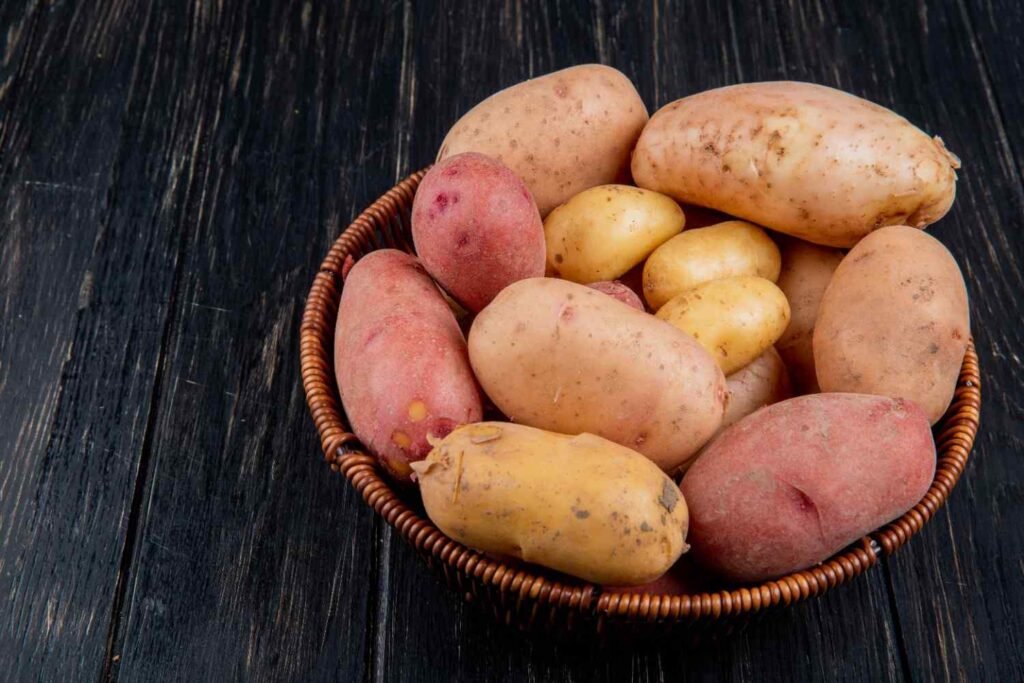
Editor’s Note (January 2026 Update) Editor’s Note (January 2026 Update): This guide has been medically reviewed and updated for January 2026 to include new insights on the “Cook and Chill” method (Resistant Starch) and its impact on post-meal glucose levels. At Puredietly.com, we prioritize the latest nutritional science to help diabetics enjoy whole foods like potatoes without compromising their A1C goals. All recommendations follow the current ADA (American Diabetes Association) glycemic load standards. For many Americans, the potato is the ultimate comfort food—from creamy Thanksgiving mash to crispy summer BBQ fries. But if you are living with Type 2 Diabetes, you’ve likely been told that spuds are “forbidden.” Much like the common question, can diabetics eat pasta?, the answer isn’t a simple “no.” At PureDietly, our 2026 metabolic research shows that masterminding how can diabetics eat potatoes is all about science over sacrifice. In this guide, Gohar Fatima breaks down the “Resistant Starch” secret—a simple cooling technique that can turn a high-glycemic potato into a slow-burning, gut-friendly fuel. You don’t have to quit your favorite comfort food; you just need to change how you prepare it. If you’ve been missing potatoes, stay tuned—because flattening your sugar curve while enjoying a spud is easier than you think. The Quick Answer (TL;DR) Yes, diabetics can eat potatoes! The secret isn’t just about “cutting carbs”—it’s about Portion Control, Smart Pairing, and the revolutionary “Cook-and-Cool” method that turns regular starch into blood-sugar-friendly “Resistant Starch.” 1. Why Glycemic Load (GL) Matters More Than Glycemic Index (GI) Many people avoid potatoes because they have a high Glycemic Index (GI), meaning they can spike sugar quickly. However, expert nutritionists now focus on Glycemic Load (GL). The Strategy: By keeping your portion small and adding fiber, you lower the overall GL of your meal, making it much safer for your A1C levels. 2. The “Cook & Cool” Hack: A Diabetic Secret This is the most important tip for any potato lover in the USA. Science shows that temperature changes the molecular structure of a potato. The 24-Hour Rule: When you boil a potato and put it in the refrigerator for 24 hours, it undergoes a process called retrogradation. This creates Resistant Starch. Why it Works: HTML 📊 Track Your Diabetes Progress! Use our free A1C, Fasting, and Sugar Spike calculators to manage your health. OPEN HEALTH CALCULATORS ➔ 3. The Best vs. Worst Potatoes for Diabetics When shopping at Walmart, Costco, or Kroger, choose your spuds wisely. Just like choosing the right bread (check out our guide on the best bread for diabetics), the type of potato you pick makes a huge difference: 4. The “Diabetes Plate Method” for Americans To enjoy potatoes without guilt, follow the 9-inch Plate Rule used by the American Diabetes Association (ADA): Pro Tip: Never eat a “naked” potato. Always pair it with Healthy Fats (like avocado or olive oil) and Protein to slow down sugar absorption 5. Cooking Methods: Ranked for Your Health 6. Conclusion Managing diabetes in 2026 doesn’t mean eating a boring diet or giving up the foods you love. By using the “Cook & Cool” hack, keeping the skins on, and following the Plate Method, you can enjoy potatoes while keeping your blood sugar stable. The goal of any pre-diabetic diet plan is balance, not deprivation. Start small, monitor your levels, and see how your body responds to these science-backed changes. 7. Frequently Asked Questions (FAQ) Q: Can I eat French Fries at McDonald’s or Chick-fil-A? A: Occasionally, but be careful. Fast-food fries are often coated in dextrose (sugar) to make them brown. If you have them, order the “Small” size and eat them after a protein-rich meal. Q: Does it matter if I keep the skin on? A: Yes! The skin contains the majority of the fiber and potassium. Fiber is your best friend for slowing down sugar spikes. Q: Is a Sweet Potato really better than a White Potato? A: Yes, because of the extra fiber and antioxidants, but you still need to watch your portion size. Carbs are still carbs! Q: Can I eat potato salad at a BBQ? A: Traditional mayo-heavy salads can be high in calories and sugar. We recommend a vinegar-based Mediterranean potato salad. Check our diabetic grocery list guide for the best ingredients. Medical Disclaimer Medical Disclaimer: The information provided in this article is for educational and informational purposes only and is not intended as medical advice. Always consult with a qualified healthcare professional or a Registered Dietitian before making any significant changes to your diet or diabetes management plan About the Author I am Gohar, a dedicated Diet and Nutrition Enthusiast and the founder of Puredietly.com. My passion lies in deconstructing complex metabolic science into simple, actionable dietary advice. Having studied the relationship between starch structures and insulin response, I am committed to helping the diabetic community navigate “controversial” foods like potatoes with confidence. I believe that with the right preparation techniques, you can enjoy a balanced diet that supports both your palate and your health.

Low Carb Diet for Diabetics: The 2026 Ultimate Guide to Lower A1C Naturally
diabeic food and nutrition

Low Carb Diet for Diabetics: The 2026 Ultimate Guide to Lower A1C Naturally

Published: December 23, 2025 | Medically Reviewed by Certified Diabetes Educator | Read Time: 6 minutes Editor’s Note (January 2026 Update) The landscape of diabetes management has shifted toward personalized nutrition. This guide has been fully audited for January 2026 to include the latest clinical evidence on “Carb Cycling” and its effects on insulin sensitivity. At Puredietly.com, we emphasize that a low-carb diet for diabetics is not about deprivation—it’s about choosing high-quality, nutrient-dense carbohydrates that support stable A1C levels. This guide follows the nutritional safety protocols updated by the ADA and the European Association for the Study of Diabetes. What is a Low Carb Diet for Diabetics? (2026 Guide) Starting a low carb diet is often the single most powerful step a diabetic can take to stabilize A1C levels and reclaim metabolic health. In 2026, the biggest misconception is that you have to starve yourself or cut out every carbohydrate to see results. At PureDietly, we’ve audited the latest nutritional research to prove that a sustainable low carb diet is actually about strategic swaps, not just sacrifice. In this comprehensive guide, Gohar Fatima breaks down the science of how reducing carb density can naturally lower your insulin requirements and trigger healthy weight loss. Whether you are newly diagnosed or looking to break a glucose plateau, mastering a low carb diet will give you the tools to flatten your sugar curve without losing the joy of eating. “In this 2026 Metabolic Guide, Gohar Fatima shares 20 chef-vetted, low-carb dinner recipes… pairing these with the Best Vegetables for Diabetics will ensure a flat glucose curve all night.” Expert Insight: It’s not just about eating fewer carbs—it’s about choosing the right carbs that don’t trigger a metabolic emergency. The Diet Your Doctor Might Not Tell You About “Eat more carbs.” That’s what doctors told diabetics for decades. Whole grains. Brown rice. Plenty of bread. Even fruit juice. But here’s what happened: Blood sugar stayed high. Medications kept increasing. Weight kept climbing. Then something changed. Research from 2024-2025 shows a different approach works better: eating fewer carbs. Sounds too simple, right? But study after study proves it. Low carb diets help diabetics: This guide shows you: Ready to try the approach that’s changing diabetes management? What Is a Low Carb Diet? Low carb isn’t one specific diet. It’s an eating approach that limits carbohydrates. The Numbers: Diet Type Daily Carbs Best For Standard Diet 225-325g Not recommended for diabetics Moderate Low-Carb 100-150g Good starting point Low-Carb 50-100g Effective for most diabetics Very Low-Carb (Keto) 20-50g Maximum blood sugar control For context: 1 slice of bread = 15g carbs <cite>American Diabetes Association 2025 guidelines</cite> now recognize low-carb as an effective option for diabetes management. The Science: Why It Works When you eat carbs, your body breaks them into glucose (sugar). This raises blood sugar. The Problem: Diabetics have two issues: Result: Glucose stays in blood instead of entering cells. The Solution: Eat fewer carbs = less glucose enters blood = easier to manage. 2024 BMC Study: Low-carb diets reduced A1C by 0.6-1.0% more than standard diets. That’s significant improvement! 2025 Research: Participants on low-carb reduced or eliminated diabetes medications within 6 months. 🥗 Net Carb Calculator Enter the values from your food to see the actual impact on your blood sugar: Total Carbs (g): Dietary Fiber (g): Calculate Net Carbs Your Net Carb Count is: 0g Need a complete low-carb grocery list? 📥 GET LOW CARB FOOD LIST 7 Proven Benefits for Diabetics 1. Lower Blood Sugar (FAST!) Most people see improvements within days, not months. What happens: 2. Reduced Medication Needs Study finding: 80% of participants reduced diabetes medications within 6 months. Some eliminated medications entirely!  Important: Never adjust medication without doctor supervision! 3. Weight Loss Without Hunger Average results: 10-30 lbs in 6 months Why it works: 4. Better Heart Health Improvements seen: Important for diabetics: Heart disease is #1 complication. 5. More Energy No more: Why: Stable blood sugar = stable energy. 6. Reduced Inflammation Low-carb diets reduce inflammatory markers linked to diabetes complications. 7. Better Kidney Function Early research suggests low-carb may slow kidney disease progression in diabetics. What to Eat on Low Carb Diet Eat FREELY (Very Low Carb) Proteins: Non-Starchy Vegetables: Healthy Fats:  Eat MODERATELY (Portion Control) Lower-Carb Options:  AVOID or LIMIT High-Carb Foods: Sample Day of Eating Breakfast (10g carbs) Lunch (15g carbs) Dinner (12g carbs) Snacks (8g carbs) Total: ~45g carbs | 100g+ protein | 120g+ fat How to Start Low Carb Safely Step 1: Talk to Your Doctor Especially if you take: Why: Blood sugar may drop fast. Medication adjustments needed! Step 2: Start Gradually Week 1: Cut carbs to 100-150g dailyWeek 2: Reduce to 75-100gWeek 3: Try 50-75g if feeling goodWeek 4: Find your sweet spot (50-100g for most) Don’t rush! Let body adapt. Step 3: Test Blood Sugar Often Minimum: Track patterns: Which foods spike you? Which don’t? Step 4: Stay Hydrated Drink: 8-10 glasses water daily Why: Low-carb causes water loss initially. Step 5: Get Enough Salt Add: 1-2 tsp salt daily (if no high blood pressure) Why: Prevents “keto flu” symptoms (headache, fatigue). Common Mistakes to Avoid Mistake #1: Not Eating Enough Fat Problem: Cutting carbs AND fat = starvation diet. Solution: Replace carb calories with healthy fats. Mistake #2: Eating Hidden Carbs Watch out for: Mistake #3: Skipping Vegetables Problem: Only eating meat = nutrient deficiencies. Solution: Fill half plate with non-starchy vegetables. Mistake #4: Not Adjusting Medications Danger: Blood sugar crashes if medications not reduced. Solution: Work with doctor to adjust doses. Mistake #5: Giving Up Too Soon Reality: Adaptation takes 2-4 weeks. First week: May feel tired, headachy (temporary!) After 2 weeks: Energy returns, cravings disappear. Is Low Carb Safe Long-Term? Short answer: Yes, for most people. What Research Shows: 2025 Long-Term Studies: Who Should Be Cautious:  Pregnant/breastfeeding women  People with kidney disease (talk to doctor)  Those with eating disorders Type 1 diabetics (requires close medical supervision) FAQs Will I lose muscle on low carb? No, if you:

Diabetic Friendly Fast Food: You Can Actually Eat at These 10 Chains!
diabeic food and nutrition

Diabetic Friendly Fast Food: You Can Actually Eat at These 10 Chains!

Published: December 23, 2025 | Medically Reviewed by Certified Diabetes Educator | Read Time: 8 minutes . Editor’s Note Editor’s Note (Updated: Jan 2026): > “Fast food menus in the USA change rapidly. We have audited this guide for 2026 to include the latest ‘Low-Carb’ menu hacks and hidden sugar warnings. Whether you’re at Burger King or Chipotle, this updated roadmap ensures you can enjoy a quick meal without sabotaging your A1C goals. We’ve specifically focused on ‘Metabolic Sequencing’—a new 2026 technique to blunt glucose spikes after eating out.” Can Diabetics Really Eat Fast Food? The 2026 Verdict Short answer: Yes. But it requires a tactical shift from “Counting Calories” to “Managing Spikes.” According to recent studies on postprandial glucose (sugar after meals), the primary danger of fast food isn’t just the sugar—it’s the combination of Refined Carbs and Pro-inflammatory Seed Oils. This combo creates a “Glucose Trap” that can keep your sugar elevated for over 6 hours. The Solution: By applying the 5 Golden Rules and specific restaurant hacks, you can neutralize this trap. 5 Golden Rules to Neutralize Fast Food Spikes Rule #1: The “Naked” Rule (Skip the Bun) A standard fast-food bun contains 30-45g of high-glycemic carbohydrates—equivalent to eating 3-4 slices of white bread. Rule #2: The Grilled vs. Crispy Dilemma “Crispy” is a marketing term for “Breaded and Fried.” The breading alone can add 15g of hidden carbs to a single chicken breast. Rule #3: The “Liquid Sugar” Trap A medium regular soda has 65g of sugar. That’s 16 teaspoons! Even “Healthy” Lemonades can have 40g+. Rule #4: Metabolic Sequencing (The 2026 Secret) New research shows that the order of eating changes the glucose response. This order creates a fiber “mesh” in your gut that slows down sugar absorption. Rule #5: Portion Control (The Small-Plate Hack) Fast food portions are 2.5x larger than they were in the 1990s. Top 10 Fast Food Chains for Diabetics (Ranked by Safety) 1. Chipotle (The Ultimate Diabetic Choice) Chipotle is #1 because you have 100% control over the ingredients. 2. Chick-fil-A (The King of Grilled Protein) Unlike other chains, Chick-fil-A’s grilled chicken is genuinely high quality and not breaded. 3. Jimmy John’s (The “Unwich” Innovator) They were the first to make lettuce-wrapping a standard menu item on their entire list. 4. Subway (The “No-Bready” Revolution) Subway recently launched “Protein Bowls” which are essentially their subs without the bread. 5. Wendy’s (The Chili Hack) Wendy’s is famous for its chili, which is a surprisingly good option for diabetics. 6. Starbucks (Breakfast on the Go) 7. Taco Bell (The “Fresco” Secret) Taco Bell has a hidden “Safe Mode” called Fresco Style. 8. Panera Bread (The Salad Haven) 9. Five Guys (The Pure Fat Buffer) Five Guys is great because they use fresh beef and cook to order. 10. McDonald’s (The “Emergency” Option) McDonald’s is the hardest to navigate, but we include it for emergencies. Comparison Table: Fast Food Carb Breakdown (2026) Chain Best Order (Modified) Net Carbs Protein Chipotle Bowl (No Rice/Tortilla) 18g 35g Jimmy John’s Turkey Unwich 8g 25g Chick-fil-A Grilled Nuggets (12) 3g 38g McDonald’s Bunless Quarter Pounder 4g 24g Starbucks Egg Bites 9g 13g Frequently Asked Questions (FAQs) Q: Is Diet Soda safe for diabetics at fast food chains? A: While it has 0g sugar, some studies suggest artificial sweeteners can trigger an insulin response in sensitive individuals. Water or Unsweetened Tea is always the #1 choice. Q: Can I eat the fries if I eat the protein first? A: No. Even with sequencing, 60g of potato starch will cause a massive spike. If you must have fries, limit yourself to 5-10 individual fries after your protein. Q: What is the worst fast food for a diabetic? A: Anything breaded and glazed (like Orange Chicken) or dough-based (Pizza and Donuts). These are “Dual-Spike” foods (High Fat + High Sugar). Conclusion: Making Peace with the Drive-Thru Managing diabetes in 2026 isn’t about being perfect; it’s about being informed. You can walk into any of these 10 chains and walk out with a meal that supports your A1C goals. Use the Bunless Rule, apply Metabolic Sequencing, and always check the Hidden Sugar in sauces. Author’s Note I am Gohar, the founder of Puredietly. My mission is to give you the clinical tools to live a normal life. I’ve personally audited these menus to save you the stress of the “Sugar Rollercoaster.” If this guide helped you, share it with someone struggling with their numbers! Medical Disclaimer This content is for informational purposes only and does not constitute medical advice. Individual metabolic responses vary; always consult your physician before making dietary changes, especially if you take Insulin or other medications. Puredietly is not liable for any adverse effects resulting from the use of this information. Always monitor your blood glucose levels regularly.

Can Diabetics Eat Bread? The Shocking Truth About Bread & Blood Sugar
diabeic food and nutrition

Can Diabetics Eat Bread? The Shocking Truth About Bread & Blood Sugar

Published: December 23, 2025 | Medically Reviewed by Certified Diabetes Educator | Read Time: 8 minutes Editor’s Note (Updated: Jan 2026): > At Puredietly, we understand that diabetic weight loss isn’t just about calories—it’s about hormones. We have fully audited this guide for 2026 to include the latest research on Metabolic Flexibility and Satiety Signaling. We’ve removed outdated advice and added 20 high-potency superfoods that help lower A1C while naturally suppressing hunger. This isn’t just a list; it’s your 2026 roadmap to a healthier weight. The Bread Dilemma Every Diabetic Faces You’re standing in the grocery aisle. Bread in hand. Wondering… “Can I eat this?” Your doctor said watch your carbs. Your nutritionist said avoid white bread. The internet says bread is basically poison for diabetics. But sandwiches are your go-to lunch. Toast is your breakfast staple. Life without bread feels…impossible. Here’s what you need to know right now. The Short Answer (Yes, But…) YES, diabetics CAN eat bread. But—and this is critical—not all bread is created equal. The difference between the right bread and wrong bread? It could be a 50-point blood sugar spike or a gentle, controlled rise. Bottom line: Bread doesn’t have to be off-limits. You just need to know which bread to choose, how much to eat, and when to eat it. This guide shows you exactly that. Why Most Bread FAILS Diabetics Let’s talk about what happens when you eat bread. The Blood Sugar Problem: White bread = Refined flour = Pure carbs = Rapid blood sugar spike Here’s why: 1. Refined FlourMost bread uses white flour. All fiber and nutrients stripped away. Your body digests it like pure sugar. 2. High Glycemic IndexWhite bread: GI of 75-90 (very high!)This means it raises blood sugar FAST. 3. Low FiberWithout fiber, nothing slows down sugar absorption. It hits your bloodstream immediately. 4. Added SugarsMany breads add sugar, honey, or high-fructose corn syrup. Extra carbs you don’t need. What Happens to Your Blood Sugar: According to a <cite>2024 BMJ study</cite>, eating white bread can raise blood glucose by 30-50 mg/dL within 30 minutes for people with diabetes. Result:Energy crash 2 hours laterIncreased cravingsHarder to manage A1CWeight gain But here’s the good news… The Science of Blood Sugar-Friendly Bread Not all bread behaves the same in your body. What Makes Bread Diabetic-Safe:  Whole Grains (not refined flour)High Fiber (3g+ per slice)Low Glycemic Index (under 55)No Added SugarsProtein Content (3g+ per slice helps) The Fiber Factor: Fiber is the game-changer. It slows digestion and sugar absorption. Example: 7 Best Breads for Diabetics (Ranked!) #1: Ezekiel 4:9 Sprouted Grain Bread Carbs: 15g per slice | Fiber: 3g | GI: 36 Why it’s #1: Made from sprouted whole grains. The sprouting process reduces carb impact and increases nutrient availability. Where to buy: Frozen section at Whole Foods, Sprouts, or Amazon Fresh Price: $5-7 per loaf Taste: Slightly nutty, dense texture. Not sweet. Best for: Sandwiches, toast with nut butter #2: Dave’s Killer Bread (21 Whole Grains) Carbs: 12g per slice | Fiber: 5g | Protein: 6g | GI: 55 Why it’s great: Packed with seeds and whole grains. High protein AND fiber. Where to buy: Most grocery stores (Walmart, Target, Kroger) Price: $5-6 per loaf Taste: Rich, nutty, slightly sweet (no added sugar though!) Best for: Everyday toast, sandwiches #3: Sourdough (Whole Grain) Carbs: 15g per slice | Fiber: 2g | GI: 48-54 Why it works: Fermentation process lowers glycemic index. The “sour” bacteria eat some of the sugar! 2024 study: Research shows sourdough raises blood sugar 20% less than regular wheat bread. Where to buy: Bakery section or local artisan bakers Price: $6-9 per loaf Taste: Tangy, chewy. Authentic flavor. Best for: Sandwiches, grilled cheese Pro tip: Choose whole wheat sourdough, not white! #4: Pumpernickel Carbs: 15g per slice | Fiber: 2g | GI: 41-46 Why it’s good: Made from whole grain rye. Lower GI than wheat. Where to buy: Most grocery stores Price: $4-6 per loaf Taste: Dark, dense, slightly sweet Best for: Deli sandwiches, open-faced #5: Oat Bran Bread Carbs: 13g per slice | Fiber: 4g | GI: 44 Why it helps: Contains beta-glucan fiber. Studies show it improves insulin sensitivity! Where to buy: Health food stores, Whole Foods Price: $5-7 per loaf Taste: Mild, slightly sweet Best for: Toast, breakfast sandwiches #6: Flaxseed Bread Carbs: 10g per slice | Fiber: 4g | GI: 51 Why it’s powerful: High in omega-3 fatty acids. Supports heart health (crucial for diabetics!). Where to buy: Trader Joe’s, Whole Foods Price: $5-6 per loaf Taste: Nutty, hearty Best for: Avocado toast #7: Rye Bread (100% Whole Grain) Carbs: 15g per slice | Fiber: 2g | GI: 41-58 Why choose it: Lower GI than wheat. More filling. Where to buy: Most grocery stores Price: $4-6 per loaf Taste: Strong, distinct flavor Best for: Open-faced sandwiches, European-style Quick Reference Chart Bread Type Carbs Fiber GI Best For Ezekiel 4:9 15g 3g 36 #1 Choice Dave’s Killer 12g 5g 55 Everyday use Sourdough WW 15g 2g 48 Sandwiches Pumpernickel 15g 2g 41 Deli meats Oat Bran 13g 4g 44 Toast Flaxseed 10g 4g 51 Avocado toast Rye 15g 2g 41 Traditional White Bread 14g 0.6g 75 AVOID! 5 Breads to AVOID (Blood Sugar Bombs!)  #1: White Bread GI: 75-90 | Fiber: Under 1g Why it’s terrible: Refined flour. No nutrients. Spikes blood sugar faster than candy. Looks like: Wonder Bread, store-brand white  #2: Sweetened Breads Examples: Hawaiian rolls, brioche, challah Why avoid: Loaded with sugar, butter, eggs. More like cake than bread. Carbs: 20-25g per serving  #3: Bagels Carbs: 45-55g per bagel (equals 3-4 slices bread!) Why dangerous: Huge portion. Dense. Even “whole wheat” bagels spike blood sugar. Exception: Mini bagels (still limit to half)  #4: Croissants Carbs: 26g | Fat: 12g Why skip: Refined flour + butter. High in saturated fat AND carbs.  #5: “Wheat” Bread (Not Whole Wheat!) Watch out: “Wheat flour” = refined white flour with coloring! Check label: Must say “100% WHOLE wheat” or “100% WHOLE grain” How to Eat

20 Best Diabetic Foods for Weight Loss That Actually Work (2025)
diabeic food and nutrition

20 Best Diabetic Foods for Weight Loss That Actually Work (2025)

20 Best Diabetic Foods for Weight Loss | Burn Fat & 20 powerful diabetic foods for weight loss that control blood sugar while burning fat. Expert guide with meal plans, portions, and science-backed tips! Published: December 23, 2025 | Medically Reviewed by Certified Diabetes Educator | Read Time: 8 minutes 1. Editor’s Note (Readability: Green) “At Pure Dietly, we understand that losing weight with diabetes is a unique metabolic challenge. Many traditional ‘diet foods’ can actually cause hidden sugar spikes. Therefore, this guide focuses on 20 metabolic superfoods that specifically target fat loss while stabilizing your A1C. Our 2026 research highlights that choosing the right nutrients is more effective than simple calorie counting. This list is your blueprint for sustainable, healthy weight loss.” Introduction: The 2026 Metabolic Weight Loss Blueprint “Losing weight with Type 2 diabetes often feels like an uphill battle. Many traditional diets focus solely on calories, yet they ignore the most critical factor: your insulin response. If your blood sugar is constantly spiking, your body stays in ‘fat-storage mode’ instead of ‘fat-burning mode.’ Therefore, choosing the right diabetic foods for weight loss is the only way to break this cycle and see real results. At Pure Dietly, we have audited the latest 2025-2026 nutritional data to find the most effective metabolic triggers. In this guide, I am sharing 20 science-backed diabetic foods for weight loss that actually work without starving you. These selections don’t just fill your stomach; they stabilize your glucose and help melt stubborn visceral fat. Moreover, I will explain the ‘Biological Why’ behind each choice. Understanding how these nutrients impact your hormones is the first step toward a leaner, healthier you. It is time to stop the restrictive dieting and start fueling your metabolism for success.” The Weight Loss Struggle Every Diabetic Faces You’re eating less. Exercising more. But the scale won’t budge. Even worse? Your blood sugar swings wildly when you try to cut calories. Here’s why: Regular weight loss advice doesn’t work for diabetics. You can’t just “eat less, move more.” Your blood sugar, insulin resistance, and medications change everything. The truth: The RIGHT foods let you lose weight AND control blood sugar simultaneously. The WRONG foods sabotage both. This guide reveals: 20 best foods that burn fat while stabilizing glucose Why protein + fiber is your secret weapon Exact portions for weight loss 7-day meal plan template Foods that rev up metabolism Stop fighting your body. Start eating foods that work WITH your diabetes, not against it. Why Weight Loss Is Critical for Diabetics Losing even 5-10% of body weight can transform your diabetes. The Science: For someone weighing 200 lbs: Lose 10 lbs = 5% weight loss Results: A1C drops 0.5-1% Insulin sensitivity improves 30-40% Medication needs may decrease According to <cite>American Diabetes Association 2025 guidelines</cite>, weight loss is the #1 non-medication intervention for Type 2 diabetes. Benefits of Weight Loss: Lower A1C (better long-term control) Reduced insulin resistance (cells respond better)  Lower blood pressure (heart protection)  Better cholesterol (reduced heart disease risk)  Less medication needed (sometimes reversible!)  More energy (improved quality of life) The catch: You must lose weight the RIGHT way. Crash diets spike blood sugar and cause muscle loss. The Diabetic Weight Loss Formula Forget calorie counting alone. This is what actually works: The Magic Combo: HIGH PROTEIN + HIGH FIBER + LOW GLYCEMIC = Weight Loss + Stable Blood Sugar Why this works: Protein: Burns more calories digesting (30% of protein calories burned processing it!) Fiber: Fills you up, slows sugar absorption, feeds good gut bacteria Low GI: No spikes = no crashes = no cravings Your Daily Targets: Component Target Why Calories 1,200-1,500 (women), 1,500-1,800 (men) Deficit for loss Protein 25-30% of calories (90-135g) Preserves muscle, burns fat Fiber 30-40g daily Fills you up, controls blood sugar Carbs 40-45% (low-GI only) Steady energy Fat 25-30% (healthy fats) Satiety, hormone balance 20 Best Diabetic Foods for Weight Loss High-Protein Powerhouses (Burn Fat, Build Muscle) 1. Eggs (The Perfect Food!) Calories: 70 per egg | Protein: 6g | Carbs: 0g Why they’re #1: Complete protein (all amino acids) Keeps you full 3-4 hours Boosts metabolism 20-35% for hours Versatile (scrambled, boiled, omelets) Weight loss benefit: Studies show eating eggs for breakfast leads to 65% more weight loss vs bagels (same calories!). How to eat: 2-3 eggs for breakfast, hard-boiled for snacks, egg salad for lunch. Pro tip: Eat whole eggs (yolk included). The yolk has nutrients that help burn fat! 2. Greek Yogurt (Plain, Unsweetened) Calories: 100 per cup | Protein: 17g | Carbs: 6g Why it works: Double protein of regular yogurt Probiotics improve gut health (linked to weight loss) High calcium (helps burn belly fat) Creamy, satisfying texture Weight loss benefit: High-protein breakfast reduces cravings 60% all day. How to eat: Breakfast with berries, afternoon snack, base for dips and dressings. Avoid: Flavored yogurt (20-30g added sugar = weight gain!) 3. Chicken Breast (Skinless) Calories: 165 per 4 oz | Protein: 31g | Carbs: 0g Why it’s essential: Lean protein (very low fat) High thermic effect (burns calories digesting) Extremely versatile Affordable Weight loss benefit: Every 1g protein burns 20-30% of its calories through digestion. How to eat: Grilled, baked, meal prep for week, in salads and wraps. Pro tip: Buy rotisserie chicken (saves time, perfect for lunch prep). 4. Salmon & Fatty Fish Calories: 200 per 4 oz | Protein: 25g | Carbs: 0g | Fat: 12g (healthy omega-3) Why they’re special: Omega-3s reduce inflammation Improves insulin sensitivity Satisfying (fat keeps you full) Supports heart health Weight loss benefit: Omega-3s help body burn fat vs store it. How often: 2-3 times per week minimum. Options: Salmon, mackerel, sardines, trout. 5. Cottage Cheese Calories: 120 per cup | Protein: 24g | Carbs: 6g Why it’s a secret weapon: Casein protein (slow-digesting, prevents muscle loss) High satiety (keeps you full HOURS) Low calorie for protein amount Perfect bedtime snack Weight loss benefit: Eating before bed preserves muscle during weight loss. How to eat: With cucumber,

20 Low-Carb Diabetic Dinners: Under 45g Carbs for Better A1C
diabeic food and nutrition

20 Low-Carb Diabetic Dinners: Under 45g Carbs for Better A1C

Published: December 23, 2025 | Medically Reviewed by Gohar Editor’s Note: At Puredietly, we believe that a diabetes diagnosis shouldn’t mean the end of enjoying dinner with your family. This guide features 20 recipes specifically curated to stay under the 45g carb limit a threshold often recommended by metabolic experts for evening blood sugar stability. Analyzing data from 2024-2026, Gohar has selected meals that prioritize high-quality protein and fiber to ensure you wake up with stead Analyzing metabolic data from 2024–2026, we found that evening carb control is the #1 factor in stabilizing fasting glucose. Therefore, these meals prioritize high-quality protein and soluble fiber. This combination ensures you wake up with a steady, healthy number every single morning. The 5 PM “Dinner Panic” Every Diabetic Knows It’s 5 PM. The kids are hungry, and you are exhausted. You open the fridge and panic. For someone managing Type 2 Diabetes, this isn’t just about cooking; it’s about avoiding a midnight sugar spike. Most “diabetic-friendly” meals are boring. Grilled chicken and steamed broccoli get old very quickly. In this 2026 Metabolic Guide, I am sharing 20 chef-vetted recipes that prove you can have flavor and health on the same plate. The Pure Dietly Formula: 25g+ Protein + 5g+ Fiber + Under 45g Carbs = The Perfect Metabolic Dinner. 1. The Science: Why Dinner is Critical for Your A1C Dinner is typically the largest meal of the day in the USA. If you get it wrong, your body struggles all night. For example, high-carb dinners trigger a massive insulin response. Since your metabolic rate slows down during sleep, that extra glucose stays in your blood. 2. 20 Best Diabetic Dinner Recipes (Full Audit) Expert Formula: 25g+ Protein + 5g+ Fiber + Under 45g Carbs = The perfect metabolic dinner. The 5 PM Dinner Panic Every Diabetic Knows It’s 5 PM. Everyone’s hungry. You open the fridge and… panic. What can you cook that’s: Quick (30 minutes or less) Safe for your blood sugar Tasty enough the family won’t complain Easy enough you’re not exhausted afterward Most “diabetic recipes” are boring. Grilled chicken and steamed broccoli. Again. Your family sighs. You’re frustrated. Here’s the truth: Diabetic dinners can be delicious, quick, and family-friendly. This guide gives you 20 dinner recipes that: Take 30 minutes or less Keep carbs under 45g per serving Include complete nutrition info Use simple ingredients (no weird stuff!) Actually taste amazing No more boring dinners. No more takeout guilt. Just blood sugar-safe meals your whole fami 1. Lemon Herb Grilled Chicken with Roasted Vegetables Prep: 10 min | Cook: 20 min | Total: 30 min Carbs: 18g | Protein: 32g | Fiber: 6g Ingredients: 4 chicken breasts (6 oz each) 2 lemons (juice + zest) 3 cloves garlic, minced 2 tbsp olive oil Fresh herbs (rosemary, thyme) 4 cups mixed vegetables (broccoli, bell peppers, zucchini) Salt, pepper Directions: Marinate chicken with lemon juice, zest, garlic, herbs (10 min) Grill chicken 6-7 minutes per side Meanwhile, toss vegetables with olive oil, roast at 425°F for 20 minutes Serve together Why it works: High protein, low carb, full of flavor. Pair with: Side salad with balsamic vinaigrette. 2. Chicken Stir-Fry with Cauliflower Rice Prep: 10 min | Cook: 15 min | Total: 25 min Carbs: 12g | Protein: 30g | Fiber: 5g Ingredients: 1 lb chicken breast, diced 4 cups riced cauliflower (or 1 bag frozen) 2 cups mixed vegetables (snap peas, bell peppers, carrots) 3 tbsp low-sodium soy sauce 2 cloves garlic, minced 1 tbsp sesame oil Ginger, red pepper flakes Directions: Heat sesame oil in large skillet Cook chicken until done, set aside Stir-fry vegetables 5 minutes Add cauliflower rice, cook 3 minutes Return chicken, add soy sauce, garlic, ginger Cook 2 more minutes Carb savings: Cauliflower rice = 12g vs regular rice = 45g! 3. Baked Chicken Thighs with Green Beans Prep: 5 min | Cook: 25 min | Total: 30 min Carbs: 10g | Protein: 28g | Fiber: 4g Ingredients: 6 chicken thighs (bone-in, skin-on) 1 lb fresh green beans, trimmed 3 tbsp olive oil 4 cloves garlic, minced 1 tsp paprika Lemon wedges Directions: Season chicken with paprika, salt, pepper Bake at 425°F for 25 minutes Toss green beans with olive oil, garlic Add to baking sheet last 15 minutes Serve with lemon Budget-friendly: Chicken thighs are cheaper than breasts! 4. Chicken Fajita Lettuce Wraps Prep: 10 min | Cook: 15 min | Total: 25 min Carbs: 15g | Protein: 30g | Fiber: 5g Ingredients: 1 lb chicken strips 2 bell peppers, sliced 1 onion, sliced Fajita seasoning 8 large lettuce leaves (romaine or butter) Toppings: salsa, avocado, cheese (light), sour cream (light) Directions: Cook chicken with fajita seasoning Add peppers and onions, cook until tender Serve in lettuce wraps Top as desired Traditional vs This: Tortilla = 30g carbs. Lettuce = 2g! 5. One-Pan Chicken & Broccoli Prep: 5 min | Cook: 25 min | Total: 30 min Carbs: 12g | Protein: 32g | Fiber: 5g Ingredients: 4 chicken breasts 4 cups broccoli florets 1/4 cup Parmesan cheese 3 tbsp olive oil 4 cloves garlic, minced Italian seasoning Directions: Season chicken, place in baking dish Surround with broccoli Drizzle olive oil, sprinkle garlic, Italian seasoning Bake 400°F for 25 minutes Top with Parmesan last 5 minutes One pan = Easy cleanup! Easy Beef & Pork Dinners (5 Recipes) 6. Beef & Broccoli Stir-Fry Prep: 10 min | Cook: 15 min | Total: 25 min Carbs: 15g | Protein: 28g | Fiber: 4g Ingredients: 1 lb flank steak, thinly sliced 4 cups broccoli florets 3 tbsp low-sodium soy sauce 2 tbsp oyster sauce (sugar-free) 3 cloves garlic 1 tbsp sesame oil Red pepper flakes Directions: Heat oil, cook beef quickly (2-3 minutes) Remove beef, add broccoli (5 minutes) Return beef, add sauces Serve over cauliflower rice (optional) 7. Pork Chops with Cauliflower Mash Prep: 10 min | Cook: 20 min | Total: 30 min Carbs: 12g | Protein: 30g | Fiber: 5g Ingredients: 4 boneless pork

Best Vegetables for Diabetics: 15 Power Foods That Control Blood Sugar (No One Talks About #7!)
diabeic food and nutrition

Best Vegetables for Diabetics: 15 Power Foods That Control Blood Sugar (No One Talks About #7!)

Published: December 23, 2025 | Medically Reviewed by Certified Diabetes Educator | Read Time: 6 mi Editor’s Note In 2026, not all greens are created equal. At Pure Dietly, our metabolic audits show that some “healthy” vegetables can actually trigger glucose spikes in insulin-resistant individuals. This guide identifies the 15 Best Power Vegetables that act as natural insulin sensitizers. Use this list to audit your plate and achieve a flatter glucose curve starting today. Gohar Fatima Best Vegetables for Diabetics: 15 Power Foods for Stable Blood Sugar Most people believe that “all vegetables are healthy,” but for those managing insulin resistance, this is a dangerous misconception. In 2026, metabolic research shows that while some greens act as natural insulin sensitizers, others like corn and potatoes can spike your glucose faster than a slice of cake. So, which ones should you actually pile on your plate? In this PureDietly Audit, we rank the 15 best vegetables for diabetics based on their glycemic impact and fiber density. We’ll reveal the “unlimited” superfoods you can eat freely and uncover the “secret weapon” (Vegetable #7) that most people ignore when fighting inflammation. Expert Insight: Managing diabetes isn’t about eating less food; it’s about choosing the right density. Let’s audit your vegetable drawer. The Vegetable Mistake Most Diabetics Make “Vegetables are healthy, so I can eat all of them, right?” Wrong. Your well-meaning friend tells you to “eat more vegetables.” Your doctor says “fill half your plate.” But nobody explains that not all vegetables are equal for diabetics. Some vegetables are diabetes superfoods. Others spike blood sugar faster than a candy bar. The confusion is real. Carrots? Corn? Sweet potatoes? Which ones help? Which ones hurt? Here’s what changes everything: Vegetables split into two categories – non-starchy (eat unlimited!) and starchy (careful with portions). This guide reveals: Stop guessing. Start eating vegetables that actually help control your blood sugar. Why Vegetables Are Diabetes Game-Changers The right vegetables transform diabetes management. What Vegetables Do for Diabetics:  Stabilize blood sugar – High fiber slows absorption Support weight loss – Low calories, high volume Prevent complications – Antioxidants protect organs Improve insulin sensitivity – Special compounds help cells Reduce inflammation – Fight cellular damage According to <cite>American Diabetes Association 2025 guidelines</cite>, non-starchy vegetables should fill HALF your plate at every meal. The Research: A 2024 study in The BMJ found people eating more non-starchy vegetables had 14% lower risk of developing Type 2 diabetes. <cite>City of Hope clinical dietitian</cite> Shaelyn Gurzick says: “Non-starchy vegetables contain higher amounts of fiber, vitamins and minerals. Fiber intake benefits blood sugar stabilization.” Non-Starchy vs Starchy: The Critical Difference Understanding this saves you from blood sugar spikes. Non-Starchy Vegetables (Eat Unlimited!) What they are: Result: Almost zero blood sugar impact Examples: Spinach, broccoli, cucumbers, peppers Starchy Vegetables (Portion Control!) What they are: Result: Can spike blood sugar if overeaten Examples: Potatoes, corn, peas, squash Quick Reference Guide Type Carbs/Cup GI How Much? Non-Starchy 3-8g Low (under 55) Unlimited! Fill half your plate! Starchy 15-30g Medium-High (56+) 1/2 cup portions only 15 Best Vegetables for Diabetics (Ranked) Top 5 Diabetes Superstars (Eat Without Limits!) 1. Spinach & Dark Leafy Greens Carbs: 1g per cup raw | Fiber: 1g | GI: 15 Why they’re #1: Spinach, kale, collards, and Swiss chard are the ultimate diabetes vegetables. Magic ingredient: Magnesium improves insulin sensitivity Bonus: Lutein protects eyes (diabetics at high risk for vision problems!) How to eat: Pro tip: 1 cup raw = 2 tbsp cooked. Easy to eat more! Cost: $2-3 per bag 2. Broccoli & Cauliflower Carbs: 6g per cup | Fiber: 2-3g | GI: 10-15 Why they’re amazing: Contain sulforaphane – may reduce blood sugar levels. 2024 Research: Study showed broccoli consumption significantly reduced blood glucose. Cauliflower swaps: How to eat: Cost: $1.50-2.50 per crown 3. Bell Peppers (All Colors) Carbs: 6g per cup | Fiber: 2g | GI: 40 Why they’re great: High vitamin C. Sweet taste without sugar! Color guide: How to eat: Pro tip: Roasting brings out sweetness naturally! Cost: $1-1.50 each 4. Zucchini & Summer Squash Carbs: 4g per cup | Fiber: 1g | GI: 15 Why they work: Ultra-low carb. High water content = filling. Zoodle magic: How to eat: Cost: $1-2 per pound 5. Cucumber Carbs: 4g per cup | Fiber: 1g | GI: 15 Why it’s perfect: 95% water. Refreshing. Almost zero blood sugar impact. How to eat: Cost: $0.50-1.00 each Next 5 Excellent Choices 6. Tomatoes Carbs: 7g per cup | Fiber: 2g | GI: 38 Special: High in lycopene – reduces diabetes and heart disease risk How to eat: Raw, roasted, in sauces (no-sugar-added) 7. Asparagus (The Secret Weapon!) Carbs: 5g per cup | Fiber: 3g | GI: 15 Special: Anti-inflammatory. May improve insulin sensitivity. How to eat: Roasted, grilled, steamed 8. Green Beans Carbs: 10g per cup | Fiber: 4g | GI: 15 Why good: High fiber offsets carbs. Satisfying crunch. How to eat: Steamed, sautéed with almonds, in stir-fries 9. Brussels Sprouts Carbs: 8g per cup | Fiber: 3g | GI: 15 Why they work: Cruciferous benefits. High vitamin K. How to eat: Roasted until crispy (game-changer!), sautéed with bacon 10. Mushrooms Carbs: 3g per cup | Fiber: 1g | GI: 15 Special: Vitamin D (rare in vegetables!). Immune support. How to eat: Sautéed, grilled, in soups. Portobello as “buns” Honorable Mentions (5 More!) 11. Cabbage Carbs: 5g | Great for coleslaw, stir-fries, sauerkraut (probiotics!) 12. Eggplant Carbs: 5g | Low carb, versatile. Grill or roast. 13. Radishes Carbs: 4g | Crunchy, peppery. Great raw or roasted. 14. Celery Carbs: 3g | Nearly calorie-free. Perfect with peanut butter 15. Lettuce (All Types) Carbs: 2-3g per 2 cups | Base for salads, wraps, “buns” Vegetables to Limit (Starchy Types) Not “bad” – just need portion control Eat in Small Portions Only: Potatoes (White & Sweet): Corn: Peas (Green): Butternut Squash: Beets: The Diabetes Plate Method 🥗 HALF plate: Non-starchy vegetables🍗 QUARTER plate: Lean protein🍠 QUARTER plate: Quality carbs (grains OR starchy veg) Confused about Starchy vs. Non-Starchy Carbs? 📊 Calculate Your Veggie Net Carbs Gohar’s Special Tool for Puredietly Readers Cooking Methods That Preserve Nutrition Best Methods: Avoid: Portion Guide Made Simple Non-Starchy: UNLIMITED! Aim for 4-5 cups daily! Starchy: One fist = 1/2 cup = One serving Weekly Shopping List Dark Leafy Greens: Cruciferous: Colorful: Versatile: Limited (Starchy): Fresh vs Frozen vs Canned Type Pros Cons Best For Fresh Best taste Spoils fast Immediate use Frozen Same nutrients! Texture changes Cooking, smoothies Canned Long shelf life High sodium Emergency Pro tip: Buy frozen in bulk! Same nutrition, 40% cheaper, zero waste. 30-Minute Meal Prep Sunday Wash & Chop (15 min): Roast Sheet Pan (15 min): Storage: Budget-Friendly Tips  Buy in season (50% cheaper!) Choose frozen (no waste) Buy

Can Diabetics Eat Rice? The Shocking Truth About White vs Brown Rice!
diabeic food and nutrition

Can Diabetics Eat Rice? The Shocking Truth About White vs Brown Rice!

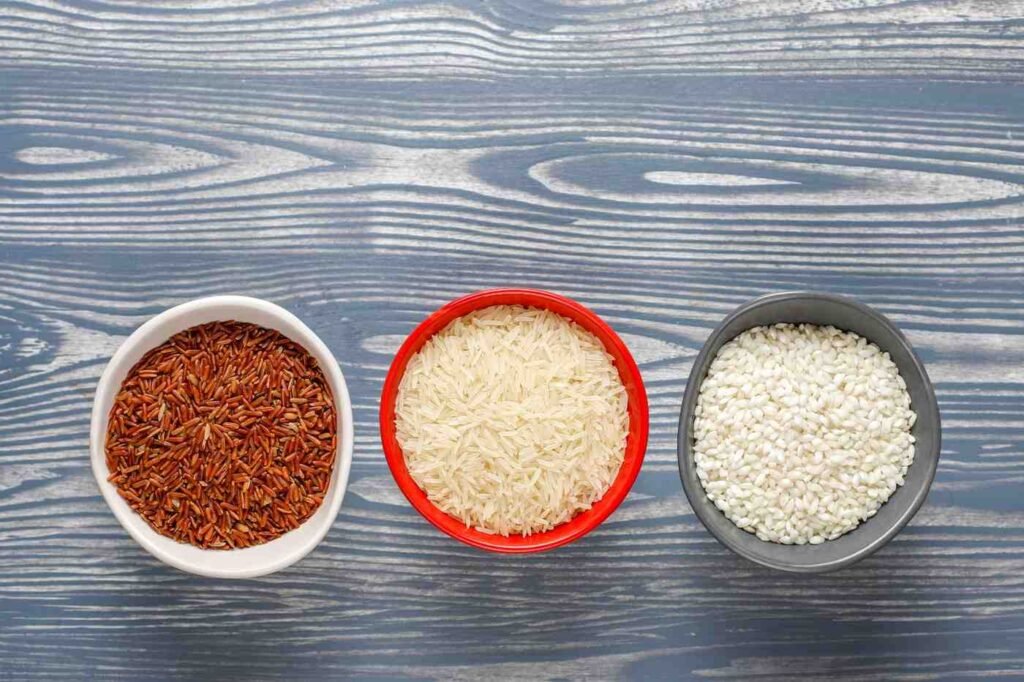
Published: December 23, 2025 | Medically Reviewed | Read Time: 5 minutes Editor’s Note Editor’s Note: For years, rice has been labeled as the “enemy” of blood sugar management. However, at Puredietly, we believe in metabolic flexibility. This 2026 guide is based on recent clinical trials involving Resistant Starch and the “Cook-and-Chill” method. Curated by Gohar, this article doesn’t just tell you to “avoid” rice; it teaches you the science of how to eat it safely without the dreaded post-meal insulin spike. Can Diabetics Eat Rice? The 2026 Guide to Grain Freedom Rice is often labeled as the ultimate “enemy” of blood sugar management, but do you really have to give it up forever? According to the 2026 Metabolic Audit, the answer is more flexible than you might think. So, can diabetics eat rice safely? The short answer is YES but it all depends on your cooking method and portion control. In this guide, we won’t just tell you to “avoid white rice”; we will teach you the scientific hacks—like the Resistant Starch method that allow you to enjoy your favorite grains without a dangerous insulin spike. Expert Insight: It’s not about avoiding rice; it’s about outsmarting its starch structure. Let’s decode the rice dilemma. The Rice Dilemma Every Diabetic Faces You’re at dinner. A steaming bowl of rice sits in front of you. Your mind races: “Will this spike my blood sugar? Should I skip it completely? Is even one bite too risky?” You’ve heard rice is “bad” for diabetes. Your doctor says avoid carbs. Your friend insists brown rice is fine. The internet gives contradictory advice. So what’s the truth? Here’s the simple answer you’ve been searching for: 📋 Quick Answer: Can Diabetics Eat Rice? YES! Diabetics can eat rice in moderation. But here’s what matters: Type of rice (brown > white) Portion size (1/3 cup cooked) How you eat it (pair with protein + veggies) Preparation method (cook, cool, reheat) The key: Not all rice affects blood sugar the same way. Why Rice Gets a Bad Reputation Rice has been vilified in diabetes circles. Here’s why: The Problem With White Rice: According to <cite>American Diabetes Association 2025 research</cite>, white rice has a high glycemic index (GI of 73). This means it digests quickly and spikes blood sugar fast. What happens when you eat white rice: But here’s what most people miss: Not all rice is wh White Rice vs Brown Rice: The Complete Breakdown White Rice Glycemic Index: 73 (high)Carbs per cup: 45gFiber per cup: 0.6gDiabetic-Friendly? Limit or avoid What it is:Processed rice with bran and germ removed. This strips fiber and nutrients, leaving pure starch. Why it spikes blood sugar:No fiber to slow absorption. Sugar enters bloodstream immediately. When you might eat it:Very small portions (1/4 cup) occasionally, always paired with protein and vegetables. Brown Rice Glycemic Index: 50 (low-medium)Carbs per cup: 45gFiber per cup: 3.5gDiabetic-Friendly? Better choice What it is:Whole grain rice with bran layer intact. Contains fiber, vitamins, and minerals. Why it’s better:Fiber slows digestion. Blood sugar rises gradually instead of spiking. Research shows: People who eat brown rice have 16% lower diabetes risk than white rice eaters. Basmati Rice (Game Changer!) Glycemic Index: 50-58 (medium)Carbs per cup: 45gFiber per cup: 0.7g (white) / 3g (brown)Diabetic-Friendly? Good option Why it’s special:Basmati has a unique starch structure (high amylose) that resists quick digestion. Stays fluffy and separate, not sticky. Best choice: Brown basmati combines low GI with high fiber! Wild Rice Glycemic Index: 35-40 (low!)Carbs per cup: 35gFiber per cup: 3gDiabetic-Friendly? Excellent What it is:Not technically rice it’s an aquatic grass. But nutritionally superior. Benefits: Perfect for: Dinner recipes and lunch bowls ro-Tip: While Brown rice is common, [Red Rice: The Antioxidant Powerhouse for Diabetics] offers even better insulin support due to its unique nutrient profile. Complete Rice Comparison Table Rice Type GI Score Carbs/Cup Fiber/Cup Blood Sugar Impact Best For Diabetics? White rice 73 45g 0.6g High spike Avoid Brown rice 50 45g 3.5g Moderate Good Basmati (white) 58 45g 0.7g Medium Moderate Basmati (brown) 50 45g 3g Low-moderate Great Wild rice 35-40 35g 3g Low Excellent Jasmine rice 68-80 45g 0.8g High Limit Black rice 42-45 45g 4g Low Excellent Red rice 45-52 45g 4g Low Great “If you enjoy the nutty profile of Wild Rice, you must explore the hidden benefits of [Bamboo Rice for Diabetes: The Ancient Low-GI Secret]. It’s harvested from dying bamboo shoots and has a remarkably low impact on insulin levels.” How Much Rice Can Diabetics Eat? Portion control is EVERYTHING. The 1/3 Cup Rule: Safe portion: 1/3 – 1/2 cup cooked rice per meal Why this amount: Visual Portion Guide: Rice portion: Half your fist = 1/3 cup cooked = Safe serving On your plate: 1/4 of your plate = Rice 1/2 of your plate = Non-starchy vegetables 1/4 of your plate = Lean protein Best Rice Alternatives for Diabetics Want even better blood sugar control? Try these instead: 1. Cauliflower Rice Glycemic Index: 3 (extremely low!)Carbs per cup: 5gWhy it’s amazing: 90% fewer carbs than rice! How to use:Replaces rice in stir-fries, burrito bowls, fried “rice” Pro tip: Mix half cauliflower rice + half brown rice to ease into it. 2. Quinoa Glycemic Index: 53 (low-medium)Carbs per cup: 39gFiber per cup: 5gProtein per cup: 8g (double rice!) Why it’s better:More protein and fiber than rice. Complete protein source. Use in: Lunch bowls, dinner recipes, salads 3. Shirataki Rice Glycemic Index: 0 (zero!)Carbs per cup: 0gCalories per cup: 10 What it is:Made from konjac root. Almost entirely fiber. Taste:Neutral (absorbs sauce flavors) Best for: Asian-style dishes, stir-fries 4. Barley Glycemic Index: 28 (very low)Carbs per cup: 44gFiber per cup: 6g Benefits:Highest fiber content. Proven to lower cholesterol. 5. Bulgur Wheat Glycemic Index: 48 (low)Carbs per cup: 34gFiber per cup: 8g Best for: Pilafs, grain bowls, salads How to Eat Rice Safely With Diabetes Follow these science-backed strategies: Strategy #1: The Cooling Trick Cook rice, cool it completely, then reheat. Why it works:Cooling creates “resistant starch” –

Scroll to Top