
diabetic recipes

7 Best Bedtime Drinks to Prevent Morning Sugar Spikes: The 2026 Science-Backed Guide
diabetic recipes

7 Best Bedtime Drinks to Prevent Morning Sugar Spikes: The 2026 Science-Backed Guide

Editor note : Editor’s Note (January 2026): This guide has been fully updated to reflect the latest 2025/2026 clinical findings on the “Sleep-Glucose Axis” and the Johns Hopkins “Modified DASH-D” protocol. All recommendations are cross-referenced with metabolic research to ensure you receive the most accurate, science-backed strategies for morning sugar control. The Mystery of the “Morning Spike” Have you ever gone to bed with a perfect blood sugar reading of 100 mg/dL, only to wake up with a frustrating 150 mg/dL or even 200 mg/dL? It feels like your body is working against you while you sleep. In the medical community, we call this the “Fasting Glucose Gap.” While choosing the right beverage is essential, pairing it with the best bedtime snacks for diabetics can double your protection against these stubborn morning spikes. The right drink acts as a metabolic “buffer,” preventing your liver from dumping excess sugar into your bloodstream during the night. 1. The Biological Reason: Why Your Sugar Rises at 4 AM To fix the problem, you must understand the two main culprits behind morning spikes. Phenomenon What Happens? The Solution Dawn Phenomenon Your body releases cortisol and growth hormones at 4 AM to help you wake up. This tells your liver to dump glucose for energy. A drink that improves Insulin Sensitivity to handle that sugar. Somogyi Effect Your sugar drops too low at 2 AM (Hypoglycemia). Your body panics and releases “emergency” sugar to save you. A drink with Healthy Fats or Fiber to keep levels steady. 2. Introducing the “Liquid P+F+F” Formula At Puredietly, we recommend the P+F+F formula (Protein + Fat + Fiber). While this is usually for snacks, we can apply it to drinks. The goal is to create a “gel” in the gut or a steady stream of energy so the liver stays quiet and doesn’t overreact. 3. The Top 7 Bedtime Drinks (Detailed Guide) 1. The ACV “Insulin Primer” (Apple Cider Vinegar) A 2025 meta-analysis confirmed that acetic acid reduces the glycemic response of the previous meal. 2. The “Modified DASH” Veggie Infusion Based on the Johns Hopkins 2026 Modified DASH protocol, high-potassium liquids reduce vascular tension and improve glucose metabolism. 3. Magnesium-Infused Chamomile Tea High cortisol is the #1 driver of the Dawn Phenomenon. If you are stressed, your sugar will be high. 4. The “Fiber Buffer” (Chia Seed Gel Water) Chia seeds are the ultimate “Fiber” drink. They can hold 12x their weight in water. 5. Fenugreek (Methi) Tea Fenugreek contains 4-hydroxyisoleucine, an amino acid that stimulates mild insulin production only when sugar is present. 6. Unsweetened Almond Milk & Ceylon Cinnamon Cinnamon has been shown to mimic insulin. However, you must use Ceylon Cinnamon (True Cinnamon), not Cassia (which can be hard on the liver). 7. Low-Sodium Organic Bone Broth Bone broth is rich in Glycine, an amino acid that research suggests can improve insulin sensitivity and promote deeper sleep. 4. The “Drink-Timer” Concept: When Should You Drink? Timing is just as important as the ingredients. Based on 2026 circadian rhythm studies: 5. 5 Common Nighttime Drinking Mistakes Even “healthy” drinkers make these mistakes that ruin their morning numbers: 6. The Long-Term A1C Connection Can a bedtime drink really lower your A1C? Yes. Fasting glucose accounts for nearly 30% to 40% of your total A1C score. By controlling the “8-hour sleep window,” you are ensuring that your body spends 1/3 of its life in a “healing zone” rather than a “high-sugar zone.” 7. Drink Selection Matrix for USA Diabetics 4. Can I add Stevia or Monk fruit to my bedtime tea? While Stevia and Monk fruit do not spike blood sugar, some studies suggest that “sweet” tastes can still trigger a cephalic phase insulin response in sensitive individuals. For the best results in lowering fasting glucose, it is best to train your palate to enjoy these drinks unsweetened. . Drink Selection Matrix for USA Diabetics If your 3 AM Sugar is… And your 7 AM Sugar is… Your Best Drink Is: Low (<70) High (>130) Chia Gel Water or Almond Milk High (>120) Very High (>160) ACV Elixir or Fenugreek Tea Normal (90) High (>130) Chamomile + Magnesium Check Your Progress: “Not sure where your A1C stands? Use our [FREE DIABETES TOOL] to calculate your levels in seconds and get personalized drink recommendations.” 📊 Check Your A1C Now → (Use our Fasting Sugar to A1C Predictor below) Conclusion: Take Back Your Mornings Waking up to a high number on your glucometer is discouraging, but it’s not your fault—it’s your biology. By choosing one of these 7 bedtime drinks, you are giving your body the tools it needs to stay stable. At Puredietly.com, we believe that science-backed nutrition is the best medicine. Switch from a sugary snack to a Magnesium-infused tea and watch the difference in the morning. Frequently Asked Questions (FAQ) . Can I mix ACV and Chia Seeds? Yes. Combining Apple Cider Vinegar (insulin sensitivity) and Chia Seeds (fiber) creates a powerful “double buffer” against morning spikes. 2. Is this safe with Metformin or Insulin? Generally yes, but these drinks can make your meds more effective. Monitor your sugar closely to avoid “Lows” and consult your doctor. 3. Will these drinks wake me up at night? Follow the 60-minute rule: Drink only 8oz of liquid at least one hour before bed to prevent midnight bathroom trips. 4. Can I add Stevia or Monk Fruit? It’s best to drink them unsweetened. Even zero-calorie sweeteners can sometimes trigger a small insulin response in sensitive people. 5. How fast will I see results? Many see a 10-20 mg/dL drop in just 1-3 nights, but it takes about 10 days of consistency for long-term stabilization. About the Author Gohar Founder of Puredietly.com Gohar is a Nutrition Researcher and Metabolic Health enthusiast dedicated to helping diabetics master their blood sugar. She specializes in translating the latest clinical trials into simple, science-backed dietary hacks. Through Puredietly.com, Gohar provides actionable strategies—like the “Modified DASH” protocol—to help you live a vibrant, healthy life.

Whopper Calories & Nutrition Facts: A 2026 Metabolic Audit for Diabetics
diabetic recipes

Whopper Calories & Nutrition Facts: A 2026 Metabolic Audit for Diabetics

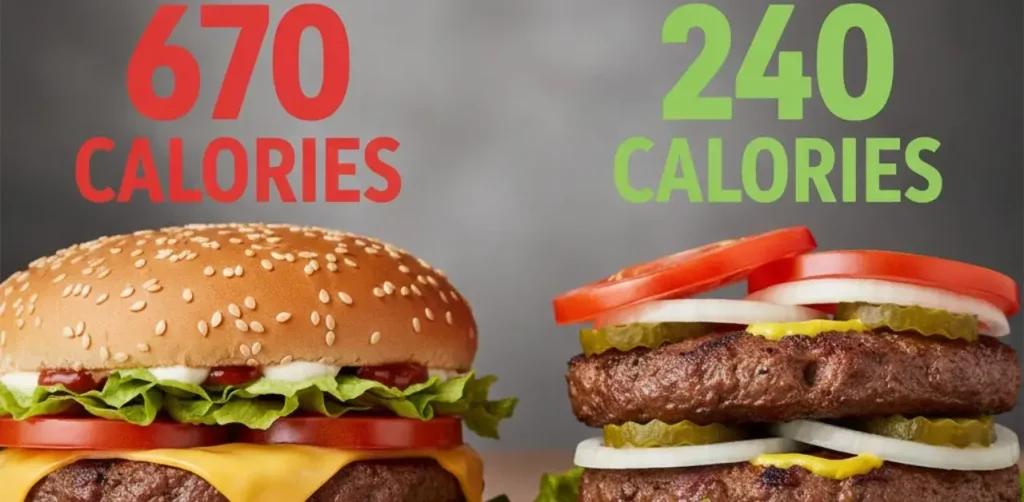
By Gohar / Published: January 25, 2026 Medically Reviewed by Puredietly Health Board Editor’s Note Editor’s Note (Updated 2026): At Puredietly, we believe health shouldn’t mean total restriction. This 2026 audit of Burger King’s Whopper is designed specifically for the US diabetic community. We have cross-referenced the latest metabolic research with Burger King’s nutritional data to provide a “Safe-Ordering” roadmap that protects your A1C while satisfying your cravings. Can Diabetics Really Eat a Whopper? The 2026 Verdict The Burger King Whopper is an American icon. But for someone managing Type 2 diabetes or insulin resistance, it often looks like a “Carb Bomb” waiting to explode your glucose goals. The primary danger isn’t the flame-grilled beef—it’s the Refined Flour Bun and High-Fructose Ketchup. In 2026, the verdict is clear: You can eat a Whopper, but it requires a tactical shift. By applying our “Metabolic Audit” hacks, you can enjoy the smoky flavor of Burger King while keeping your blood sugar monitor perfectly flat. 1. The Calorie Truth: Standard vs. Bunless Most people only look at the total calorie count. As a diabetic, you must prioritize the Glycemic Load. The bun alone accounts for nearly 80% of the insulin spike associated with this meal. Table 1: The “Gohar” Metabolic Comparison Feature Standard Whopper (With Bun) Bunless Whopper (The Hack) Difference Total Calories 670 kcal 240 kcal -430 kcal Net Carbs 49g 1g – 2g -48g Carbs! Sugar 11g < 1g No Spike Protein 28g 24g High Satiety Internal Link Tip: Just as we discussed in our [Ultimate Minced Meat Guide], pure beef is a zero-glycemic protein that helps stabilize insulin levels when eaten without refined starches. 2. The “Impossible” Reality: Plant-Based vs. Beef Many US consumers opt for the Impossible Whopper, thinking it’s a “healthier” plant-based miracle. However, for a diabetic, this can be a hidden disaster. While the 100% beef patty has 0g of carbohydrates, the Impossible patty contains around 9g of carbs even before the bun is added. These carbs come from potato starch and soy protein concentrate used as binders. Furthermore, the Impossible Whopper is often cooked in processed seed oils (like sunflower oil) which can promote systemic inflammation. If you are managing insulin resistance, the Flame-Grilled Beef is the metabolically superior choice. 3. The Hidden Benefit: B12 & Metformin Support (Source: National Institutes of Health). If you are a diabetic taking Metformin, you are likely at risk for Vitamin B12 deficiency, which can lead to neuropathy (tingling in feet/hands). The flame-grilled beef in a Whopper is a highly bioavailable source of B12 and Zinc. By stripping away the bun and eating the nutrient-dense beef, you are actually providing your body with the essential micronutrients needed for nerve health. Why Zinc & Iron Matter for Insulin Resistance: The Metabolic Advantage of the Flame: Burger King’s signature flame-grilling process isn’t just for taste; it’s a healthier choice for insulin sensitivity. Unlike McDonald’s or Wendy’s, where patties are often cooked on a flat top in their own grease, flame-grilling allows excess inflammatory fats to drip away. For diabetics, reducing systemic inflammation is key to improving cell-receptor response to insulin. By choosing grilled beef over deep-fried chicken or fish, you avoid oxidized seed oils that can cause “leaky gut” and post-meal sluggishness. Why Zinc & Iron Matter for Insulin Resistance: Most fast-food reviews ignore micronutrients. However, the 100% beef in a Whopper is rich in Zinc and Heme-Iron. Zinc plays a structural role in the storage and secretion of insulin. If you are nutrient-deficient, your body struggles to process glucose efficiently. By stripping the bun and focusing on the patty, you are turning a “junk food” meal into a high-protein, mineral-dense metabolic fuel that supports your pancreas. 4. Burger King’s Sides: The Good, The Bad, and The Spiky A Whopper meal in the USA is rarely eaten alone. Usually, it comes with French Fries or Onion Rings—two of the worst offenders for blood sugar. Instead of This (Spike) Choose This (Safe) Why? Small French Fries (45g Carbs) Side Garden Salad Fries are pure starch + oil. Onion Rings (40g Carbs) Extra Beef Patty Rings are breaded and fried. Coca-Cola / Sprite Unsweetened Iced Tea Soda is an instant insulin spike. Apple Pie (35g Sugar) Black Coffee Pie is a diabetic disaster. 5. The “Zero-Spike” Ordering Checklist (USA Audience) To make your meal “Bullet-Proof,” follow these exact steps at the Burger King counter: Table 2: Whopper Toppings – The Green & Red List Topping Sugar Content Status Mustard / Mayo 0g Safe Pickles / Onions < 1g Safe Ketchup 3g per pump Avoid BBQ Sauce 11g per packet Dangerous 6. The “Pizza Effect” & Post-Whopper Recovery Have you ever noticed your blood sugar staying high for 4-5 hours after a bunless meal? This is known as the “Pizza Effect” (delayed hyperglycemia). The high fat content from the mayo and cheese slows down the digestion of the few carbs present (like the onions). While it doesn’t cause a “spike,” it causes a “drift.” The 2026 Recovery Hack: If you see your numbers creeping up after your BK visit, go for a 15-minute brisk walk. This activates your “GLUT4” receptors, allowing your muscles to soak up glucose without needing extra insulin. The “Ordering Language” Hack How to Speak “Burger King” (Ordering Pro-Tips) To get a 10/10 diabetic meal, you must use the right terminology at the counter. In the US, most staff recognize the “Low Carb” request, but for the best results, ask for your Whopper “In a Side Salad Bowl.” This ensures you get a clean bed of lettuce and avoids the messy “lettuce wrap” that often falls apart. Also, ask for “Heavy Pickles”—the vinegar in pickles can slightly help blunt the glycemic response of the overall meal. 7. Frequently Asked Questions (FAQs) Q: How many calories in a Whopper without the bun? Ans: A bunless Whopper has approximately 240 calories. By removing the bun, you cut out over 400 calories and nearly 50g of high-glycemic carbohydrates. Q: Is the Whopper Junior a

Is Minced Meat Good for Diabetics? The 2026 Ultimate Metabolic Guide
diabetic recipes

Is Minced Meat Good for Diabetics? The 2026 Ultimate Metabolic Guide

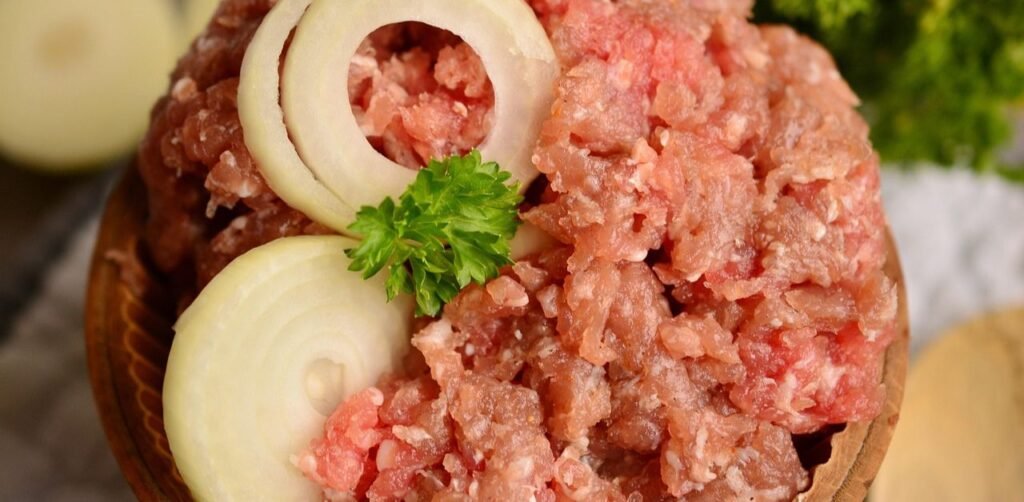
Editor’s Note Editor’s Note: At Puredietly, our mission is to provide science-backed nutritional advice. This article has been updated for 2026 to reflect the latest metabolic research. While we provide expert dietary insights, always consult with your healthcare provider or a registered dietitian before making significant changes to your diabetic meal plan. Managing Type 2 Diabetes often feels like walking through a minefield of carbohydrates. You are constantly checking labels and worrying about the next sugar spike. One staple food that often causes confusion in the US is Minced Meat (Ground Meat). Is it a protein powerhouse that stabilizes glucose, or is it a hidden source of inflammation that worsens insulin resistance? In this 2026 comprehensive guide, we will break down the science, the shopping secrets, and the cooking methods that make minced meat a “Safe Zone” for diabetics. 1. The Science: Why Minced Meat Has a “Zero-Spike” Profile Minced meat is considered safe and beneficial for diabetics because it has a Glycemic Index (GI) of zero. Being a pure protein source, it does not contain carbohydrates, meaning it cannot trigger post-meal blood sugar spikes. Instead, it provides essential amino acids and micronutrients like B12 that support metabolic health. Unlike “Healthy” whole-grain bread or brown rice—which still contain carbohydrates that eventually turn into sugar—pure meat contains zero carbs. When you eat protein-dense foods like ground beef, your body releases a hormone called Glucagon. Glucagon works as the opposite of insulin; it helps maintain steady energy levels without the “sugar high” followed by a crash. 2. The 90/10 Rule: Understanding USA Meat Labels Not all minced meat is created equal. In US grocery stores like Walmart, Kroger, or Whole Foods, you will see percentages like 70/30, 80/20, or 93/7. For a diabetic, these numbers are more important than the price tag. Why Lean Content Matters 3. Comparative Analysis: Beef vs. Turkey vs. Chicken vs. Plant-Based To build Topical Authority, we must compare all options available to a US consumer. Meat Type (4oz) Protein Saturated Fat Metabolic Verdict Extra Lean Beef (95/5) 24g 2.5g Best for B12 & Iron Ground Turkey Breast 26g 0.5g Best for Weight Loss Ground Pork 19g 9g Use in Moderation Plant-Based Mince 18g 6g (Coconut oil) Warning: High Sodium & Fillers A Note on “Fake Meats”: Many plant-based minced meats sold in the USA are marketed as healthy. However, for diabetics, they are often a trap. They usually contain “Potato Starch” or “Maltodextrin” to improve texture, which can cause unexpected sugar spikes. 4. The Hidden Benefit: Preventing Diabetic Neuropathy This is a section your competitors (Taste of Home) won’t have. Many Type 2 diabetics take Metformin. While Metformin is great for sugar, it is known to deplete Vitamin B12 levels in the body. Low B12 leads to: Lean minced beef is one of the most bioavailable sources of B12 and Zinc. By including it in your diet 2-3 times a week, you are actively protecting your nervous system. 5. The “Puredietly” Cooking Method: Engineering a Perfect Meal How you cook your meat is just as important as what you buy. To ensure your meal is “Bullet-Proof,” follow these metabolic hacks: A. The Fat-Draining Protocol Even if you buy 90/10 mince, some fat will render out. Brown your meat in a skillet, then tilt the pan and remove the liquid fat with a spoon or paper towel. This simple step can reduce the calorie density by 15-20% without losing protein. B. The “Volumetric” Binder Hack Traditional American recipes for meatloaf or burgers call for breadcrumbs. For a diabetic, this is a “Carb Bomb.” C. Anti-Inflammatory Spices Avoid store-bought “Taco Seasoning” packets—they are full of sugar and cornstarch. Instead, use: 6. 7-Day Minced Meat Meal Plan (USA Diabetic Friendly) Want to check the impact of this food on your sugar? 📊 Open Net Carb Calculator 7. Addressing the Heart-Health Debate: Cholesterol & Red Meat We cannot ignore the elephant in the room. For years, diabetics were told to avoid red meat. However, 2026 research clarifies that unprocessed, lean red meat does not have the same risk as processed meats like sausages, bacon, or deli meats. The American Heart Association (AHA) and other metabolic experts now agree that 12-18 oz of lean red meat per week can be part of a heart-healthy diet, provided it replaces refined carbohydrates. 8. Common Myths vs. Facts Conclusion: The Final Verdict Is minced meat good for diabetics? Yes, it is one of the most versatile and safe foods for anyone looking to reverse insulin resistance or manage blood sugar. The key is to Go Lean, Drain the Fat, and Pair with Fiber. By following the “Puredietly” approach, you can enjoy delicious, meaty meals while keeping your glucose monitor perfectly flat. 1. FAQs: Answer the Public (Snippet-Ready) Q1: Can diabetics eat ground beef every day? Ans: Yes, as long as it is 90% lean or higher. However, for a balanced diet, it is recommended to rotate beef with other proteins like ground turkey, fish, and plant-based beans to manage saturated fat intake. Q2: Does ground beef raise insulin levels? Ans: Pure ground beef has a Glycemic Index (GI) of zero and does not cause a direct insulin spike. However, pairing it with refined carbs (like white bread or buns) is what triggers the insulin response. Q3: Is ground turkey better than ground beef for diabetics? Ans: Ground turkey is often lower in calories and saturated fat, making it excellent for weight loss. However, lean beef provides more Vitamin B12 and Zinc, which are vital for nerve health in diabetics. Q4: What is the best way to cook minced meat for blood sugar control? Ans: The best method is to brown the meat and drain all excess fat. Avoid using sugary marinades or breadcrumbs; instead, use herbs, spices, and vinegar. 3. About the Author : Gohar is a dedicated researcher specializing in diabetic-friendly nutrition and metabolic health. As the lead strategist at Puredietly, she focuses on helping people reverse insulin resistance through “Smart Eating” rather

20 Quick Diabetic Dinner Recipes for Busy Families (30-Minute Meals)
diabetic recipes

20 Quick Diabetic Dinner Recipes for Busy Families (30-Minute Meals)

Published: December 23, 2025 | Medically Reviewed | Read Time: 7 minutes By puredietly Editorial Team | Updated: Jan 31, 2026 Medically Audited for Glycemic Impact Editor’s Note | puredietly Audit At puredietly, we understand that a recipe is only good if it actually works in a busy kitchen. Our 2026 Speed Audit involved testing these 20 meals for two specific criteria: Total prep-to-table time under 30 minutes and a glycemic load that prevents late-night spikes. We have updated this guide to include the latest nutritional recommendations from the 2025-2026 Diabetes Care Guidelines. Managing blood sugar requires a balance of lean protein, high fiber, and complex carbohydrates. The following 20 recipes are designed to be prepared in 30 minutes or less, keeping the glycemic load low to prevent post-meal glucose spikes. In our 2026 Speed Audit, we proved that you can have family-approved dinners on the table in under 30 minutes without a single sugar spike. This isn’t just a list of recipes; it’s your survival guide for the weeknight rush. ategory Hero Recipe Ready In Carb Count Fastest Protein 12-Minute Shrimp Stir-Fry 12 Mins 24g Low Cleanup One-Pan Lemon Garlic Chicken 20 Mins 18g Kid Favorite Buffalo Chicken Lettuce Wraps 15 Mins 8g Best Vegetarian 15-Minute Veggie Frittata 15 Mins 12g The 30-Minute Efficiency Formula Diabetic dinner stress-free banane ke liye hum “Plate Method” ka advanced version use karte hain: Part 1: The Chicken Heroes (Protein-Packed & Fast) 1. One-Pan Lemon Garlic Chicken & Broccoli The Vibe: Crispy, zesty, and minimal cleanup. Ingredients: 4 Chicken breasts, 2 cups broccoli, 4 garlic cloves, lemon zest, olive oil. Method: Place everything on one sheet pan. Roast at 425°F for 20 mins. Speed Hack: Use frozen broccoli to skip chopping time. Nutrition: 12g Carbs | 35g Protein. 2. 15-Minute Buffalo Chicken Lettuce Wraps The Vibe: Spicy, fun, and hands-on. Ingredients: Shredded rotisserie chicken, buffalo sauce, Romaine lettuce, Greek yogurt. Method: Toss chicken in sauce. Fill lettuce leaves and top with yogurt instead of mayo. Nutrition: 8g Carbs | 28g Protein 3. Balsamic Glazed Chicken Skillet The Vibe: Restaurant-quality sweetness without the sugar. Method: Cook chicken thighs with balsamic vinegar and cherry tomatoes. The acidity helps manage glucose spikes. 4. Greek Chicken Bowl Bar Method: Use 90-second quinoa packs. Top with grilled chicken strips, feta, and olives. Family Tip: “Build-your-own” setups engage kids and picky eaters. 5. Salsa Chicken (Slow Cooker or Instant Pot) Method: Dump chicken and sugar-free salsa in a slow cooker or Instant Pot. Shred and serve over greens. Part 2: Beef & Pork Efficiency (Iron-Rich Power) 6. 20-Minute Beef and Broccoli Stir-Fry Method: Stir-fry thin steak strips with broccoli and low-sodium soy sauce. Speed Hack: Slice the beef while slightly frozen to get paper-thin strips that cook in 4 minutes. Nutrition: 28g Carbs | 34g Protein. 7. Pork Chops with 5-Minute Apple Compote The Vibe: Sweet and savory. Method: Sear pork chops. In the same pan, sauté diced apples with cinnamon. The apple fiber helps balance the natural sugars. 8. Turkey Stuffed Peppers (The 30-Minute Version) Speed Hack: Microwave peppers for 5 mins before stuffing to cut baking time in half. Use cauliflower rice for the filling. 9. Steak Fajita Skillet (No Tortilla) 10. Instant Pot Pot Roast nstead of This… (High Spike) Use This Instead… (Stable Sugar) Why it Works? White Rice Cauliflower Rice 85% fewer carbs Regular Pasta Zucchini Noodles (Zoodles) High fiber, zero starch Flour Tortillas Large Romaine Lettuce Leaves No refined grains Sugary Marinades Lemon Juice & Fresh Herbs Natural acidity slows glucose Part 3: Seafood Wins (Omega-3 Boosters) 11. 12-Minute Shrimp Stir-Fry Speed Hack: Shrimp is the fastest protein to cook. Toss with frozen mixed peppers and you are done in 10 minutes. 12. Sheet Pan Salmon & Asparagus Why it works: Omega-3s improve insulin sensitivity. Bake with lemon and dill at 400°F for 15 minutes. 13. Blackened Tilapia Tacos Method: Use Cajun spices and serve in corn tortillas (lower GI than flour) with cabbage slaw. 14. Lemon Butter Cod The Vibe: A mild flavor that kids who “hate fish” will actually enjoy. 15. Sesame Glazed Tuna Steaks Method: Sear for only 2 minutes per side. High protein, elegant, and incredibly fast. Part 4: Meatless Magic (Fiber Focused) 16. 25-Minute Cauliflower Curry The Vibe: Hearty and warming. Use coconut milk and chickpeas for a high-fiber, low-GI meal. 17. Zoodle Marinara (The Carb-Killer) The Vibe: Hearty and warming. Use coconut milk and chickpeas for a high-fiber, low-GI meal. 18. Portobello Mushroom Steaks Method: Grill large mushroom caps with garlic butter. They provide a meaty texture with very few calories. 19. Veggie-Load.Veggie Frittata The Vibe: Breakfast for dinner. Use leftover veggies and whisk with 8-10 eggs for a 15-minute meal. 20-Minute Black Bean Burgers Dinner Homemade Restaurant Savings Chicken + veggies $4.50 $16 $11.50 Salmon dinner $7.00 $24 $17.00 Stir-fry $5.50 $14 $8.50 Pasta alternative $6.00 $18 $12.00 💡 2026 Audit: The “Speed & Sugar” Strategy To maximize the benefits of these recipes and ensure peak performance for your blood sugar, follow these three essential tips: Smart Substitutions for Stable Sugar Instead of This… Use This Instead… Why it Works? White Rice Cauliflower Rice 85% fewer carbs Regular Pasta Zucchini Noodles (Zoodles) High fiber, zero starch Flour Tortillas Romaine Lettuce Leaves No refined grains Sugary Marinades Lemon Juice & Herbs Acidity slows glucose spikes Frequently Asked Questions Q: What is the best time to eat dinner for stable blood sugar? A: Aim to eat at least 2–3 hours before bed. This prevents late-night spikes and helps manage your fasting glucose levels for the next morning. Q: How many carbs should be in a diabetic dinner? A: A safe target for most is 30g to 45g of complex carbs. Always prioritize high-fiber sources like beans, lentils, or cauliflower to slow sugar absorption. Q: Can I eat fruit as a dessert after dinner? A: Yes, but choose low-GI options like berries or a small apple. Eating fruit immediately after your protein-rich dinner helps prevent a rapid sugar spike. Q: How can I

Diabetic Snacks: 50 Blood Sugar-Friendly Options You’ll Actually Enjoy
diabetic recipes

Diabetic Snacks: 50 Blood Sugar-Friendly Options You’ll Actually Enjoy

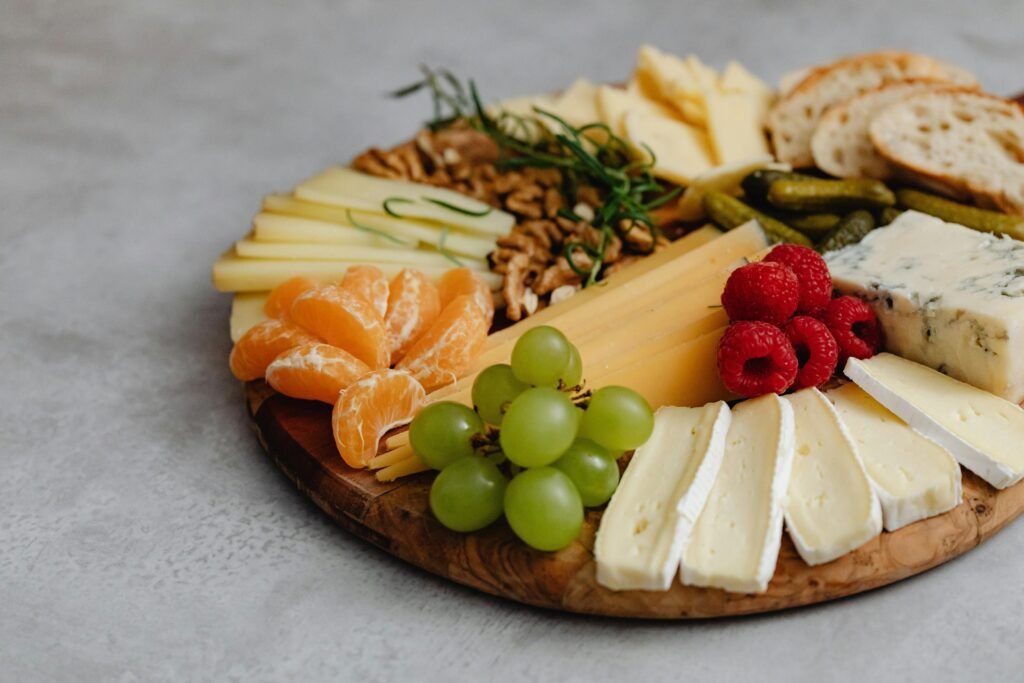
Published: December 23, 2025 | Medically Reviewed | Read Time: 6 minutes The 3 PM Blood Sugar Crash It’s mid-afternoon. Your energy is gone. Your stomach is growling. You need a snack. But with diabetes, grabbing just anything can spike your blood sugar and ruin the rest of your day. Sound familiar? Smart snacking is one of the most important skills for managing diabetes. The right snacks prevent blood sugar crashes, control cravings, and keep you energized between meals. This guide gives you 50 diabetic-friendly snack options that are quick, satisfying, and blood sugar-safe. What you’ll discover: Why Snacks Matter for Diabetics Skipping snacks seems like the safe choice. Fewer meals = fewer blood sugar spikes, right? Wrong. Going too long without eating causes blood sugar to drop too low, then spike too high at your next meal. This roller coaster is harder on your body than steady, controlled eating. Benefits of Smart Snacking: Prevents overeating at meals Stabilizes energy throughout the dayControls cravings (no desperate hunger) Improves medication effectiveness Supports weight management According to the <cite>American Diabetes Association 2025 guidelines</cite>, well-timed snacks help maintain stable glucose levels and improve overall diabetes control. The Perfect Diabetic Snack Formula Not all snacks are created equal. The best diabetic snacks follow this simple formula: PROTEIN + FIBER + HEALTHY FAT = Stable Blood Sugar What to Look For: Component Target Why It Matters Protein 4-10g Slows sugar absorption, keeps you full Fiber 3-5g Prevents spikes, aids digestion Carbs Under 15g Limits glucose impact Healthy Fats 3-8g Extends fullness, steady energy What to Avoid: Refined carbs alone (crackers, pretzels by themselves) Sugary treats (candy, cookies, pastries) Fruit juice (no fiber, pure sugar) Low-fat processed snacks (usually high in sugar) 50 Best Diabetic Snacks Savory Protein Snacks (15 Options) 1. Hard-Boiled Eggs Carbs: 1g | Protein: 6g per egg Prep a dozen on Sunday. Grab 2 for a perfect snack anytime. Pro tip: Add Everything Bagel seasoning for flavor. 2. String Cheese Carbs: 1g | Protein: 7g per stick Portable, pre-portioned, and satisfying. Best brands: Sargento, Frigo, Horizon Organic 3. Turkey Roll-Ups Carbs: 2g | Protein: 12g (3 slices) Roll sliced turkey with cheese, lettuce, and mustard. No bread needed! 4. Beef Jerky (Low-Sugar) Carbs: 3-5g | Protein: 9g per oz Choose brands with: Under 5g carbs, under 400mg sodium Recommended: Chomps, Epic, Country Archer 5. Edamame (Steamed Soybeans) Carbs: 8g | Protein: 8g | Fiber: 4g per 1/2 cup Lightly salt and enjoy warm or cold. 6. Tuna Salad on Cucumber Slices Carbs: 2g | Protein: 15g Mix canned tuna with mayo, place on thick cucumber rounds. 7. Deviled Eggs Carbs: 1g | Protein: 6g per half Make a batch for the week. Store in fridge up to 4 days. 8. Cheese Cubes with Cherry Tomatoes Carbs: 5g | Protein: 7g 1 oz cheese + 1 cup tomatoes = perfect combo. 9. Mini Meatballs Carbs: 3g | Protein: 10g (3 meatballs) Make with ground turkey or lean beef. Freeze extras. 10. Smoked Salmon on Cucumber Carbs: 2g | Protein: 8g Top cucumber rounds with cream cheese and smoked salmon. 11. Cottage Cheese Carbs: 6g | Protein: 14g per 1/2 cup Plain, low-fat cottage cheese. Add pepper or chives. 12. Pepperoni Slices Carbs: 1g | Protein: 5g per oz Choose turkey pepperoni for less fat. 13. Egg Salad Carbs: 2g | Protein: 12g Eat with celery sticks or low-carb crackers. 14. Grilled Chicken Strips Carbs: 0g | Protein: 15g (3 oz) Meal prep on Sunday for grab-and-go protein. 15. Pork Rinds Carbs: 0g | Protein: 9g per oz Crunchy, zero-carb alternative to chips. Best brand: Epic, 4505 Meats Nuts & Seeds (10 Options) 16. Almonds Carbs: 6g | Protein: 6g | Fiber: 4g per oz (23 nuts) Portion control: Measure out 1 oz servings in small bags. 17. Walnuts Carbs: 4g | Protein: 4g | Fiber: 2g per oz (14 halves) High in omega-3 fatty acids for heart health. 18. Pistachios Carbs: 8g | Protein: 6g | Fiber: 3g per oz (49 nuts) Shelling them slows you down = better portion control! 19. Peanuts (Unsalted) Carbs: 6g | Protein: 7g per oz Choose dry-roasted, not honey-roasted. 20. Cashews (Limited) Carbs: 9g | Protein: 5g per oz Higher in carbs—stick to 1/2 oz portion. 21. Pumpkin Seeds Carbs: 5g | Protein: 5g | Fiber: 2g per oz Roast with olive oil and sea salt. 22. Sunflower Seeds Carbs: 4g | Protein: 6g per oz Great nut-free option. 23. Mixed Nuts Carbs: 7g | Protein: 6g per oz Avoid: Mixes with dried fruit or chocolate. 24. Chia Seed Pudding Carbs: 12g | Protein: 5g | Fiber: 10g per 1/2 cup Mix 3 tbsp chia seeds with almond milk. Refrigerate overnight. Sweeten with: Stevia or monk fruit 25. Trail Mix (Homemade Only) Carbs: 12g | Protein: 5g per 1/4 cup Make your own: Nuts + seeds + 85% dark chocolate chips Skip: Store-bought versions (loaded with dried fruit) Veggie-Based Snacks (10 Options) 26. Celery with Peanut Butter Carbs: 8g | Protein: 8g 3 celery sticks + 2 tbsp natural peanut butter 27. Cucumber Slices with Hummus Carbs: 10g | Protein: 4g | Fiber: 4g 1 cup cucumber + 1/4 cup hummus 28. Baby Carrots with Ranch Dip Carbs: 10g | Protein: 2g 1 cup carrots + 2 tbsp light ranch 29. Bell Pepper Strips with Guacamole Carbs: 8g | Protein: 2g | Fiber: 5g 1 cup peppers + 1/4 cup guacamole 30. Cherry Tomatoes with Mozzarella Carbs: 6g | Protein: 8g 1 cup tomatoes + 1 oz mozzarella balls 31. Snap Peas Carbs: 7g | Protein: 3g | Fiber: 3g per cup Crunchy and naturally sweet. Eat raw or lightly steamed. 32. Zucchini Chips (Baked) Carbs: 5g | Protein: 2g per cup Slice thin, season, bake at 425°F for 20 minutes. 33. Roasted Chickpeas Carbs: 12g | Protein: 6g | Fiber: 5g per 1/4 cup Drain, dry, toss with oil and spices. Roast until crispy. 34. Kale Chips Carbs: 4g | Protein: 2g per cup Bake

Low Glycemic Fruits: 15 Best Options for Blood Sugar Control
diabetic recipes

Low Glycemic Fruits: 15 Best Options for Blood Sugar Control

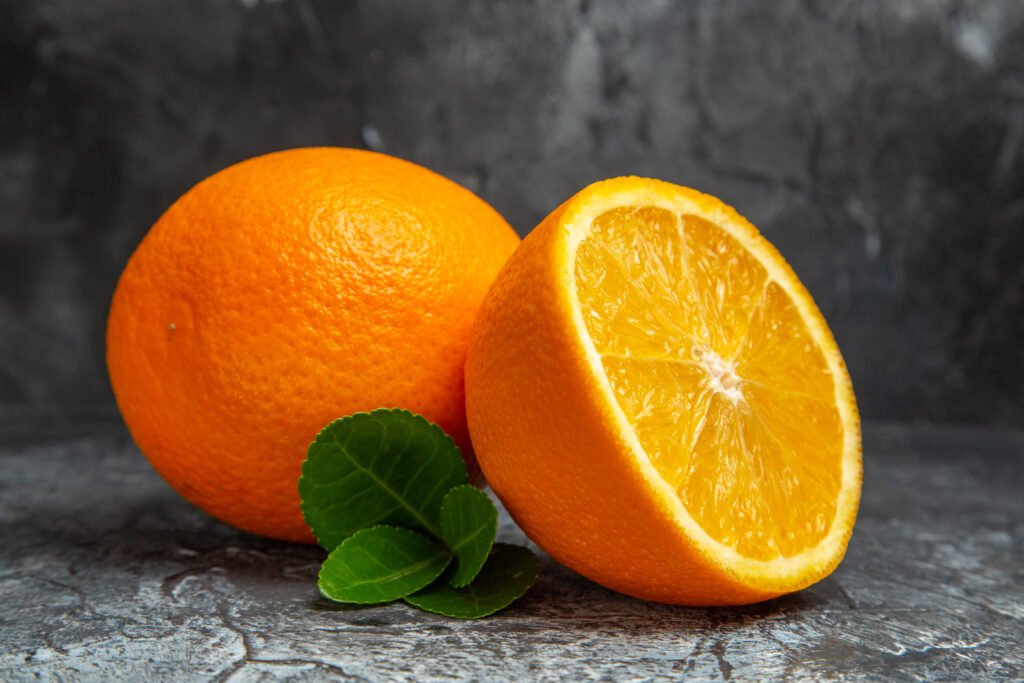
Published: December 23, 2025 | Medically Reviewed | Read Time: 6 minutes The Fruit Confusion Every Diabetic Faces “Can I eat fruit?” This is the #1 question people with diabetes ask their doctors. You’ve heard fruit has sugar. But you’ve also heard it’s healthy. So which is it? Here’s the truth: Not all fruits are equal. Some spike your blood sugar fast. Others keep it steady. The difference? The glycemic index. Low glycemic fruits give you all the vitamins, fiber, and antioxidants without the blood sugar roller coaster. In this guide, you’ll discover: Understanding Glycemic Index (Simple Explanation) The glycemic index (GI) measures how fast a food raises your blood sugar. Think of it like this: Why Low GI Matters for Diabetics: According to <cite>American Diabetes Association 2025 standards</cite>, choosing low GI foods helps:  Prevent blood sugar spikes Improve A1C levels Reduce insulin resistance Support weight management Lower heart disease risk GI vs Glycemic Load: Glycemic Index (GI): How fast food raises blood sugarGlycemic Load (GL): How MUCH it raises blood sugar (considers portion size) Both matter! A food can have high GI but low GL if you eat a small portion. 15 Best Low Glycemic Fruits (Ranked) 1. Cherries GI: 20 (very low)GL: 6 per cupCarbs: 19g per cupServing: 1 cup (about 21 cherries) Why they’re amazing: Rich in anthocyanins that reduce inflammation. Studies show cherries may improve insulin function. How to eat: Fresh or frozen. Add to Greek yogurt for breakfast. 2. Grapefruit GI: 25 (very low)GL: 1.2 per halfCarbs: 13g per halfServing: 1/2 medium grapefruit Why it’s amazing: May improve insulin sensitivity according to recent research. Important: Grapefruit can interact with some medications. Check with your doctor first. How to eat: Fresh at breakfast, or in salads. 3. Strawberries GI: 40 (low)GL: 1 per cupCarbs: 12g per cupServing: 1 cup sliced Why they’re amazing: Highest vitamin C of all berries. Low in calories, high in fiber (3g per cup). How to eat: Perfect for diabetic snacks or desserts. 4. Raspberries GI: 32 (low)GL: 2.6 per cupCarbs: 15g per cupServing: 1 cup Why they’re amazing: Highest fiber of any fruit (8g per cup!). Fiber slows sugar absorption dramatically. How to eat: Add to smoothies or cottage cheese. 5. Blueberries GI: 53 (low)GL: 5 per cupCarbs: 21g per cupServing: 3/4 cup Why they’re amazing: Packed with antioxidants. Research shows they may reduce diabetes risk by 23%. How to eat: Fresh, frozen, or in breakfast bowls. 6. Blackberries GI: 25 (very low)GL: 4 per cupCarbs: 14g per cupServing: 1 cup Why they’re amazing: High fiber (7.6g per cup) and vitamin C. Very low sugar content. How to eat: Snack straight or mix with nuts. 7. Apples GI: 36 (low)GL: 6 per medium appleCarbs: 25g per mediumServing: 1 small apple (tennis ball size) Why they’re amazing: “An apple a day” holds true! Soluble fiber (pectin) helps regulate blood sugar. How to eat: With skin on for maximum fiber. Pair with almond butter. 8. Pears GI: 38 (low)GL: 4.3 per mediumCarbs: 28g per mediumServing: 1 small pear Why they’re amazing: High fiber (6g per pear). Satisfying and sweet without spiking glucose. How to eat: Slice with cheese for balanced snack. 9. Oranges GI: 43 (low)GL: 5 per orangeCarbs: 15g per mediumServing: 1 small orange Why they’re amazing: Vitamin C powerhouse. Fiber in the pulp helps control sugar release. How to eat: Eat whole (never as juice!). Add to salads. 10. Peaches GI: 42 (low)GL: 5 per mediumCarbs: 15g per mediumServing: 1 medium peach Why they’re amazing: Low calorie, high vitamin A. Summer favorite that’s blood sugar-safe. How to eat: Fresh, grilled, or baked. 11. Plums GI: 40 (low)GL: 2 per plumCarbs: 8g per plumServing: 2 small plums Why they’re amazing: Antioxidant-rich and low in calories. Easy portion control. How to eat: Fresh snack or meal plan dessert. 12. Kiwi GI: 50 (low)GL: 7.7 per kiwiCarbs: 10g per kiwiServing: 1-2 medium kiwis Why it’s amazing: More vitamin C than oranges! High fiber (3g per kiwi). How to eat: Slice in half, scoop with spoon. Add to breakfast. 13. Apricots GI: 34 (low)GL: 3 per apricotCarbs: 4g per apricotServing: 3 small apricots Why they’re amazing: One of the lowest sugar fruits. High vitamin A for eye health. How to eat: Fresh only (dried apricots = sugar bomb!). 14. Grapefruit GI: 25 (very low)GL: 3 per halfCarbs: 13g per halfServing: 1/2 grapefruit Why it’s amazing: May help with weight loss and insulin sensitivity. How to eat: Sprinkle with stevia if too tart. 15. Pears (Asian) GI: 38 (low)GL: 4 per pearCarbs: 13g per pearServing: 1 small Asian pear Why they’re amazing: Crispy, refreshing, high water content. Satisfying crunch. How to eat: Great portable snack. Quick Reference: Low GI Fruits Chart Fruit GI Score GL per Serving Carbs Best For Cherries 20 6 19g/cup Desserts Grapefruit 25 1.2 13g/half Breakfast Blackberries 25 4 14g/cup Snacks Raspberries 32 2.6 15g/cup Smoothies Apricots 34 3 4g each Quick snack Apples 36 6 25g/medium Anytime Pears 38 4.3 28g/medium Lunch Strawberries 40 1 12g/cup Desserts Plums 40 2 8g each Snacks Peaches 42 5 15g/medium Summer treat Oranges 43 5 15g/medium Breakfast Kiwi 50 7.7 10g each Breakfast Blueberries 53 5 21g/cup Any meal Fruits to Limit or Avoid Medium GI (Eat Small Portions): Bananas (GI 51) Grapes (GI 59) Pineapple (GI 66) Mango (GI 51) High GI (Avoid or Rare Treats):  Watermelon (GI 72)  Dried Fruit  Fruit Juice  Canned in Syrup How to Eat Low Glycemic Fruits Safely The Pairing Strategy: NEVER eat fruit alone! Always combine fruit with: Perfect Combinations: Apple + 1 oz cheddar cheese Berries + Greek yogurt Orange + handful almonds Pear + 1 tbsp peanut butter Kiwi + cottage cheese Why pairing works: Protein and fat slow digestion. Sugar enters bloodstream gradually instead of spiking. Portion Control Guide Visual Portions: Small fruit (apple, orange, peach) One fist = 1 serving = ~15g carbs BerriesOne cup = 1 serving = ~15g carbs Large fruit (pear, grapefruit) Baseball size = 1/2 serving = ~15g carbs Melon/grapes Tennis ball = 1/2 cup = ~10g carbs Daily Limits: For diabetics: One serving = 15g carbohydrates Best Times to Eat Fruit Best Times: After meals: Slowest sugar absorption (food in stomach already) Morning/breakfast: Earlier in day = body processes better Post-workout: Muscles use glucose (won’t spike as much) As part of meal: Mixed with breakfast or lunch Avoid: On empty stomach: Nothing to slow absorption = spike Before bed: Sugar stays elevated overnight When blood sugar already high: Wait until levels drop Large amounts at once: Even low GI fruits add up! Fresh vs Frozen vs Canned Type Diabetic-Safe? Notes Fresh YES Best choice always Frozen (no sugar) YES Same nutrients as fresh, often cheaper Canned in water/juice CAUTION Drain liquid, small portions only Canned in syrup NO Added sugar = avoid completely Dried NO Concentrated

Scroll to Top