
Editor note :
At puredietly.com, we prioritize metabolic precision. Choosing between Cream of Wheat vs Oatmeal is more than just a breakfast preference; for women with PCOS and those reversing insulin resistance, it is a clinical decision. In 2026, we look beyond “heart-healthy” labels to see how these grains impact your Postprandial Glucose (PPG) and hormonal balance.
1. Introduction: The Breakfast Debate of 2026
For decades, we were told that a warm bowl of cereal is the gold standard for heart health. However, as we dive deeper into the science of insulin sensitivity, the debate of Cream of Wheat vs Oatmeal has taken a new turn. While traditional blogs focus on calories and iron, metabolic biohacking reveals that one of these might be a “hidden sugar bomb” for your ovaries and liver.
If you are managing PCOS or Type 2 Diabetes, your goal is to maintain a flat glucose curve. In this guide, we will break down the nutritional chemistry of both cereals and provide actionable strategies to protect your metabolism.
2. What is Cream of Wheat? (The Refined Reality)
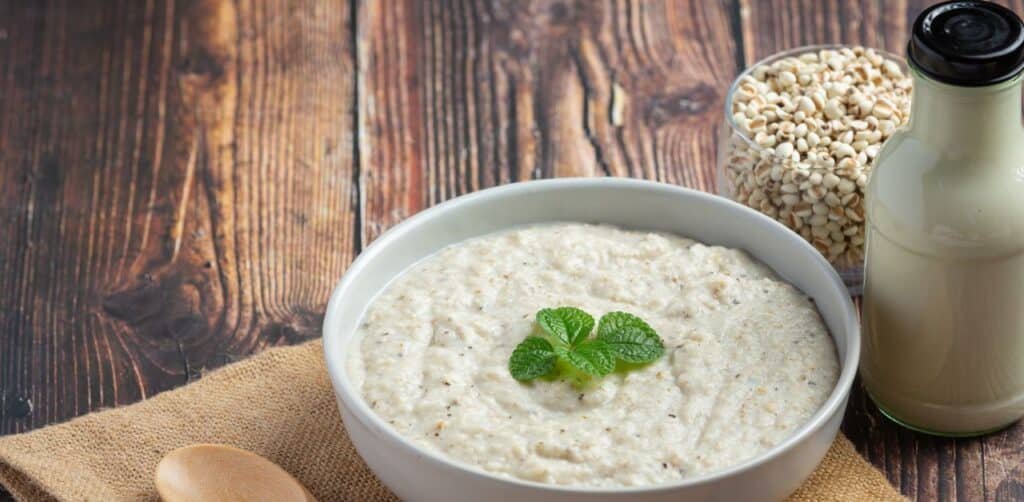
Cream of Wheat is a brand of hot cereal made from Farina, which is essentially finely milled wheat kernels.
- The Process: The wheat kernel is stripped of its outer bran layer, leaving the endosperm.
- Texture: Because it is so finely ground, it creates a smooth, porridge-like consistency that is easy to digest.
- Fortification: Since the natural nutrients are lost during milling, manufacturers “enrich” it with iron and B vitamins.
For a metabolic patient, “easy to digest” is often a red flag. The faster a food breaks down, the quicker it enters your bloodstream as glucose.
3. What is Oatmeal? (The Fiber Powerhouse)
Oatmeal is made from whole-grain oats that are steamed and flattened. Unlike the wheat in Cream of Wheat, oats usually retain their bran and germ.
- The Varieties: You can choose from Steel-cut (least processed), Rolled (Old-fashioned), or Instant (most processed).
- Beta-Glucan: This is the “secret sauce” of oats—a soluble fiber that creates a gel-like substance in your gut.
- Nutrient Profile: Naturally higher in protein and healthy fats compared to refined wheat.
4. Head-to-Head Nutritional Breakdown
To settle the Cream of Wheat vs Oatmeal debate, let’s look at the raw data for one cooked cup (prepared with water):
| Nutrient | Cream of Wheat (251g) | Oatmeal (234g) |
| Calories | 126 | 166 |
| Protein | 3.6g | 5.9g |
| Fiber | 1.3g | 4.0g |
| Iron | 9.4mg (Enriched) | 2.1mg |
| Carbs | 26.4g | 28.1g |
| Fat | 0.5g | 3.6g |
Key Takeaway:
While Cream of Wheat is the “Iron King,” Oatmeal is the “Fiber King”. For someone with insulin resistance, fiber is far more valuable than synthetic iron fortification.
5. Why Cream of Wheat is a “Healthy Trap” for PCOS
Women with PCOS often struggle with high androgen levels (testosterone), which lead to acne and hair loss. High insulin spikes are the primary trigger for these androgens.
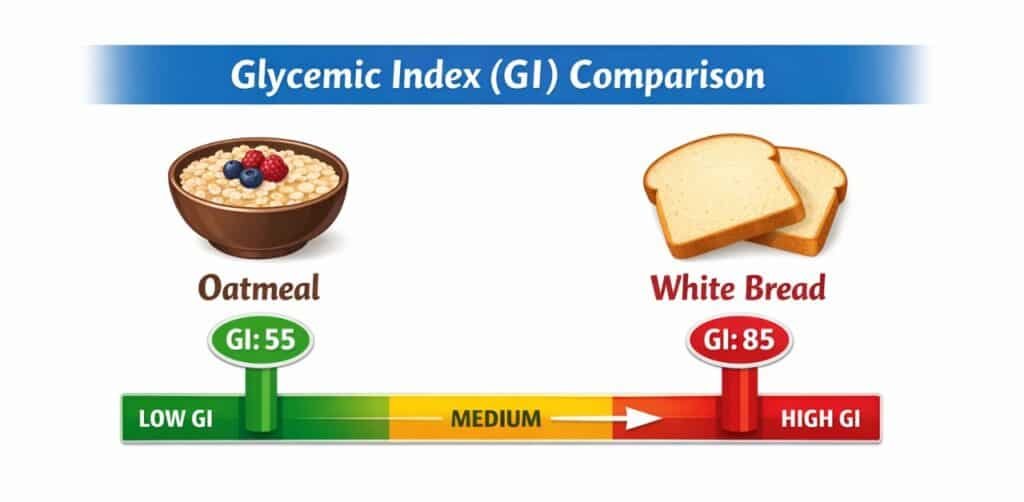
- The Glycemic Spike: Because Cream of Wheat lacks fiber (only 1.3g), its Glycemic Index is high (around 70+). This causes a rapid rise in blood sugar.
- The Gluten Factor: Cream of Wheat is 100% wheat. Many PCOS patients have non-celiac gluten sensitivity, which causes gut inflammation and brain fog.
- Sodium Warning: Instant varieties of Cream of Wheat can be high in sodium, which is a concern for those with PCOS-related high blood pressure.
6. The Oatmeal Advantage (and the Instant Oats Warning)
Oatmeal is generally the better choice in the Cream of Wheat vs Oatmeal battle, but only if you choose the right type.
- Satiety Hormone: The fiber in oats triggers the release of CCK (cholecystokinin), the hormone that tells your brain you are full.
- Phytic Acid Issue: Some critics point out that oats contain phytic acid, which can block mineral absorption. However, soaking your oats overnight can mitigate this.
- Avoid “Instant” Packets: Instant oats are rolled so thin that they behave like sugar in your body. For metabolic health, stick to Steel-cut oats.
7. Biohacking Your Breakfast: The “Pure Dietly” Protocol

In 2026, we don’t just eat; we sequence. Even if you choose oatmeal, you must prepare it to minimize the insulin impact.
Step 1: The Fat Buffer
Never eat oats or wheat plain. Add 1 tablespoon of almond butter, walnuts, or chia seeds. Healthy fats slow down gastric emptying.
Step 2: The Protein Anchor
Mix in a scoop of unflavored collagen peptides or eat two boiled eggs on the side. Protein ensures that your glucose curve stays “flat” rather than “spiky.”
Step 3: The Fiber-First Rule
Before your bowl of Cream of Wheat vs Oatmeal, drink a glass of water with 1 tbsp of Apple Cider Vinegar (ACV). This “primes” your muscles to soak up the glucose.
8. Metabolic Flexibility: Switching Between Grains
If you are “metabolically stiff” (unable to burn fat easily), you might want to avoid both of these for a while.
- The Best Alternative: For a true PCOS reset, try a “No-Grain Porridge” made from hemp hearts, flaxseeds, and coconut flour.
- The “Occasionally Safe” Grain: If you have reached a level of metabolic flexibility, steel-cut oats once or twice a week is acceptable.
9. Common Myths vs. Scientific Reality
Myth: “Cream of Wheat is better for weight loss because it has fewer calories.”
Reality: Calories are a 1990s metric. Weight loss in 2026 is about insulin management. Oatmeal has more calories but keeps you full longer, preventing “hangry” snacking later in the day.
Myth: “Oatmeal is gluten-free.”
Reality: Pure oats are gluten-free, but they are often processed in facilities that handle wheat. Always look for the “Certified Gluten-Free” label if you have gut issues.
The “Healthy” Trap: Brands to Avoid
Almost 90% of hot cereals found in grocery stores are “sugar bombs” in disguise. When choosing between Cream of Wheat vs Oatmeal, keep an eye out for these red flags to protect your metabolic health:
- Instant Packets: Many pre-portioned packets contain as much sugar as a standard candy bar, often ranging from 12g to 15g per serving.
- Flavored Varieties: Popular flavors like “Maple Brown Sugar,” “Honey,” or “Cinnamon Apple” are major enemies of insulin resistance.
- Hidden Additives: Many instant products include corn syrup, thickeners, and inflammatory vegetable oils that can trigger gut issues.
- The Pro Tip: Always buy the “Plain” or “Original” box. Control the sweetness yourself by adding fresh berries or a touch of stevia.
. Biohacker’s Kitchen: Preparing for Metabolic Safety
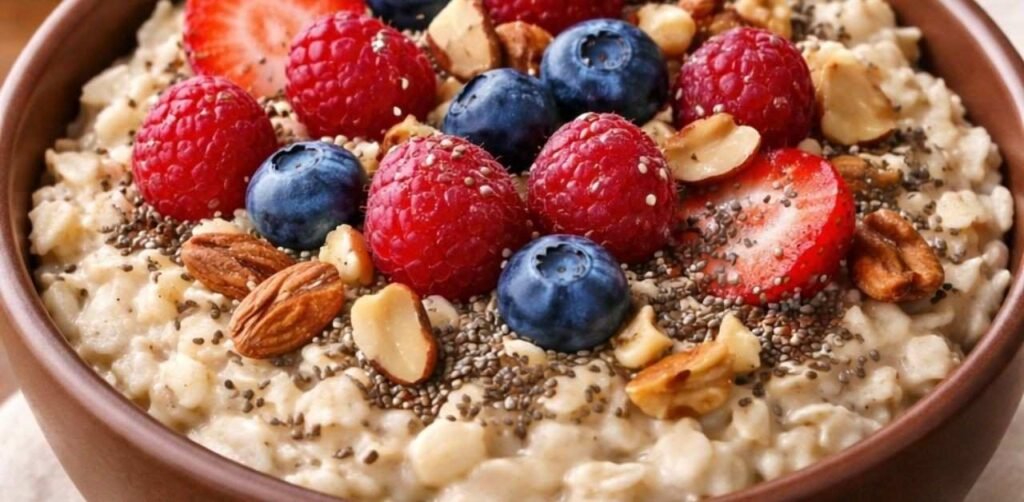
The way you cook your grains can reduce your post-meal sugar spike by up to 50%. Use these “Biohacking” methods to make your breakfast safer for your hormones:
The Overnight Soak
Oats naturally contain Phytic Acid, an anti-nutrient that blocks the absorption of essential minerals like Zinc and Calcium:
- Soak your steel-cut oats overnight in water with 1 tablespoon of Apple Cider Vinegar (ACV).
- Rinse thoroughly the next morning before cooking. This process breaks down the phytic acid, making the oats easier to digest and significantly lowering the insulin response.
The “Insulin-Friendly” Method
- Choose the Right Base: Instead of plain water, cook your grains in Bone Broth for extra protein or unsweetened Almond Milk to add healthy fats.
- Add Cinnamon: Sprinkling Ceylon cinnamon into your bowl helps improve insulin sensitivity and naturally regulates blood sugar levels.
- The Fiber Load: After cooking, stir in 1 tablespoon of Chia seeds or ground Flaxseeds. This added fiber acts as a “buffer,” keeping your glucose curve flat and preventing a mid-day energy crash.
. Frequently Asked Questions (FAQ)
1. Can diabetics eat Cream of Wheat?
Technically yes, but it is not recommended as a staple. Its high GI score and low fiber make it very difficult to manage without a significant insulin spike.
2. Which is better for iron deficiency?
Cream of Wheat is significantly higher in iron due to fortification (9.4mg vs 2.1mg in oats). However, you can get better, more absorbable iron from Veal Meat or spinach.
3. Does oatmeal cause bloating?
Yes, if you are not used to fiber. Start with small servings and drink plenty of water to help the beta-glucan move through your system.
. Final Verdict: Cream of Wheat vs Oatmeal
After analyzing the metabolic data, the winner for PCOS and Insulin Resistance is clearly Oatmeal—specifically Steel-cut oats.
Cream of Wheat is too refined, too inflammatory (due to gluten), and too likely to spike your insulin to be considered a metabolic superfood. If you want the benefits of a hot cereal without the “Healthy Trap,” prioritize fiber and protein over iron-fortified flour.
. Conclusion: Making the 2026 Choice
Your metabolic health is built one meal at a time. By choosing Oatmeal over Cream of Wheat and following the Pure Dietly sequencing protocol, you are taking a massive step toward reversing insulin resistance.
For more deep dives into “Healthy Traps,” check out our guide on [Is Oatmeal Bad for Diabetics?] and our [PCOS Metabolic Reset Program].
About the Author
[Gohar/PureDietly Team] is a metabolic health researcher and the founder of PureDietly. Specializing in insulin sensitivity and PCOS management, they help readers master the science of “Glucose Biohacking” through smarter food choices.
By combining clinical data with practical kitchen tips—like choosing between Cream of Wheat vs Oatmeal—they empower you to balance your hormones and reclaim your energy.
Medical Disclaimer: The content on puredietly.com is for educational purposes only. Always consult your doctor before making dietary changes, especially when managing clinical conditions like PCOS or Diabetes.