
Editor note:
Intermittent fasting has moved from a ‘trend’ to a medically recognized tool for Type 2 remission. This guide has been fully audited for January 2026 to include the latest clinical protocols on Time-Restricted Eating (TRE) and its impact on insulin receptor sensitivity. At Puredietly.com, we prioritize safety—helping you lower A1C without the risk of dangerous sugar crashes.
Why Fasting is Different in 2026: The Science of Remission
.Intermittent Fasting (IF) for diabetics works by lowering chronic insulin levels to a baseline, which allows cells to regain insulin sensitivity and reverse hyperinsulinemia. This “metabolic rest” triggers autophagy—the body’s internal recycling program that clears out damaged proteins and improves glucose uptake in functioning cells.
The 3-Phase Fasting Blueprint for Beginners
For a diabetic, jumping straight into a 24-hour fast is dangerous. You must use a phased approach to “teach” your body how to burn fat instead of just relying on glucose.
| Phase | Method | Fasting Window | Eating Window | Goal |
| Phase 1: Prep | 12:12 | 12 Hours (Overnight) | 12 Hours | Stop late-night snacking. |
| Phase 2: Bridge | 14:10 | 14 Hours | 10 Hours | Reduce morning “Dawn Phenomenon.” |
| Phase 3: Master | 16:8 | 16 Hours | 8 Hours | Maximize A1C reduction & weight loss |
Phase 1: The Circadian Rhythm Reset
Start by simply not eating after 8:00 PM and not eating breakfast before 8:00 AM. This aligns your eating with your body’s natural clock. Even this small change can improve your sleep quality and fasting glucose levels.
Phase 2: The Insulin Sensitivity Bridge
Once 12 hours feels easy, move to 14 hours. This is where the magic starts. Your liver begins to empty its glycogen stores, forcing your body to look elsewhere for energy.
Phase 3: The 16:8 Remission Protocol
This is the “Gold Standard” for Type 2 Diabetics. An 8-hour eating window (e.g., 11:00 AM to 7:00 PM) allows for two solid meals and one snack. This protocol has shown the highest success rates in clinical trials for achieving diabetes remission.
The “Fasting Fuel” Guide: What to Drink (2026 Protocol)
One of the biggest mistakes beginners make is “dirty fasting”—consuming things that spike insulin during the fasting window. To maintain metabolic rest, you must only consume liquids that keep insulin at a baseline level. This allows your body to continue autophagy (cellular cleaning) and fat oxidation without interruption.

While plain water is the foundation of any fast, 2026 clinical protocols suggest that certain liquids like black coffee and green tea can actually enhance insulin sensitivity due to their polyphenol content. However, the key is to avoid any caloric or artificial additives like milk, creamers, or sugar.
Quick Reference: Fasting Liquid Status
| Liquid | Status | Why it Works |
| Plain Water | Safe | Foundation of hydration; zero insulin impact. |
| Black Coffee | Safe | Chlorogenic acid aids glucose metabolism. |
| Green Tea | Safe | Rich in EGCG; supports metabolic rate. |
| ACV in Water | Safe | The Hack: Flattens morning glucose spikes. |
| Diet Soda | Avoid | May trigger a Cephalic Phase Insulin Response. |
The “Hidden Spike” Trap: Avoid “sugar-free” energy drinks or sodas during your fast. Even though they have zero calories, research shows that some artificial sweeteners can trigger a Cephalic Phase Insulin Response. This is when your brain thinks sugar is coming and signals your pancreas to release insulin anyway, effectively pausing your fat-burning progress and making you hungrier
🕒 Fasting Window Calculator
Aapne aakhri khana kab khaya tha? Time select karein:
Breaking the Fast: The “Low-Spike” Protocol
To break a fast without a glucose spike, follow the “Fiber-Protein-Fat” sequence: start with non-starchy vegetables, followed by lean protein, and finish with healthy fats. This structure stimulates GLP-1 and coats the intestines with fiber, preventing the “Glucose Rollercoaster” effect.
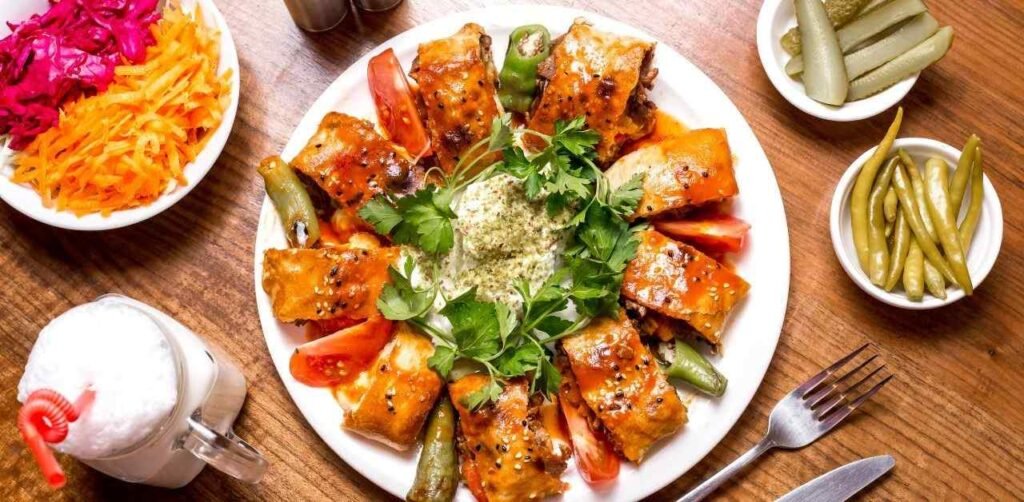
The Perfect First Meal Structure:
16:8 Intermittent Fasting clock for blood sugar control
- Fiber First: A small salad or steamed broccoli. Fiber coats the intestines and slows down sugar absorption.
- Protein Second: 30-40g of high-quality protein (Chicken, Fish, Eggs, or Tempeh). Protein stimulates GLP-1, which helps you feel full.
- Fats Third: Avocado or Olive Oil. Fats provide stable, long-burning energy.
Exercise and Fasting: The Secret to Fasteryour body to use fat for fuel (Fat Oxidation).

Strategize your workouts based on your eating window to maximize metabolic flexibility:
- “The Secret to Fasteryour body to use fat for fuel (Fat Oxidation).”
- During Fasting: Focus on Zone 2 Cardio (e.g., brisk walking) to increase fat oxidation.
- During Eating Window: Perform Strength Training to build muscle, which acts as a “glucose sink” for
. The Intermittent Fasting Grocery List (2026 Edition)
Success during intermittent fasting starts in your shopping cart. To keep your blood sugar stable when your 8-hour eating window opens, ensure you have these essential metabolism-boosting foods ready:
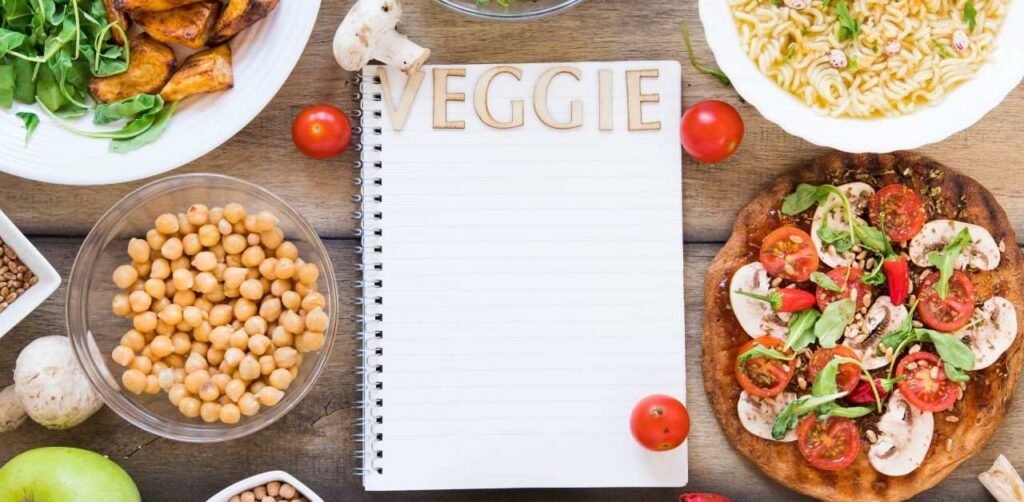
- Proteins (The Muscle Savers): Chicken breast, fatty fish (Salmon/Sardines), eggs, and organic tofu.
- Healthy Fats (The Hunger Crushers): Avocados, extra virgin olive oil, walnuts, and chia seeds.
- Non-Starchy Veggies (The Fiber Shield): Spinach, kale, broccoli, bell peppers, and cucumbers.
- Slow-Carbs: Quinoa, lentils (dal), and berries (strawberries/blueberries).
2. Managing Electrolytes: How to Avoid the “Fasting Flu”
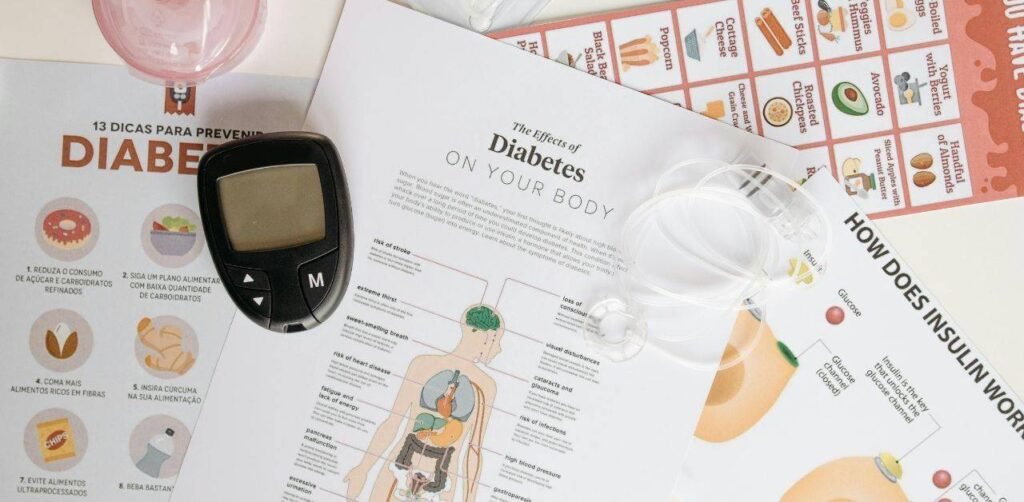
During fasting, your body flushes out water and essential minerals (electrolytes) more rapidly. For diabetics, this often leads to fatigue and headaches, commonly known as the “Keto Flu.” To stay energized, pay close attention to these three vital minerals:
- Sodium: Agar aap ko chakkar aayein, toh aik glass pani mein aik chutki Sea Salt (ya Pink Himalayan Salt) mila kar piyein.
- Magnesium: Raat ko sone se pehle magnesium rich foods (jaise pumpkin seeds) khayein taake muscle cramps na hon.
- Potassium: Apne eating window mein avocado aur spinach lazmi shuru karein taake dil ki dharkan (heart rate) normal rahe.
Safety & The “Hypo” Warning: The Non-Negotiables
If you are taking Insulin, Glipizide, or Glyburide, you are at risk for Hypoglycemia (Low blood sugar).
The Rules of Engagement:

- If you take insulin or sulfonylureas (like Glipizide), you are at high risk for hypoglycemia.
- Check sugar: Test before, during, and after fasts.
- Carry “Rescue Carbs”: Keep glucose tablets (15g) ready if sugar drops below 70 mg/dL.
- Consult Your Doctor: Medication adjustments are mandatory as your insulin sensitivity improves
- The 15/15 Rule: If you are low, eat 15g of carbs, wait 15 minutes, and re-check.
Troubleshooting Common Fasting Challenges
- Hunger Pangs: These usually last only 20 minutes. Drink a glass of salt water or black coffee. Hunger comes in waves; it doesn’t build up all day.
- Headaches (Keto Flu): This is usually a lack of electrolytes. Add a pinch of sea salt to your water.
- Dawn Phenomenon: High morning sugar is common as your liver releases glucose to wake you up. Fasting actually helps solve this over time by depleting the excess sugar stored in your liver (Fatty Liver).
Frequently Asked Questions (FAQ)
1. Can I do Intermittent Fasting with Type 1 Diabetes?
It is much more complex and requires a pump or very careful basal insulin adjustments. Never attempt this without a specialist endocrinologist.
2. Will I lose too much weight?
If you are already at a healthy weight, ensure you are eating enough calories during your 8-hour window. Fasting is about when you eat, not necessarily how much.
3. Is fasting safe for my kidneys?
For most, yes. In fact, by controlling blood sugar, you are protecting your kidneys from diabetic nephropathy. However, those with existing Stage 4 or 5 kidney disease must be supervised by a nephrologist.
Final Thoughts: Remission is a Marathon
Intermittent fasting isn’t a “quick fix”; it’s a lifestyle shift. By giving your body the gift of time—time to heal, time to digest, and time to reset—you are taking the most proactive step possible toward a future free from the complications of diabetes.
Start today. Not with a 16-hour fast, but by simply closing the kitchen at 8:00 PM tonight.
About the Author: Gohar
I am Gohar, a Dietary Management Specialist and the founder of Puredietly.com. My expertise lies in translating complex metabolic science into actionable, everyday habits. After years of studying the impact of “Time-Restricted Feeding” on A1C levels, I am dedicated to helping the diabetic community achieve remission through the power of the plate and the clock.
Medical Disclaimer
The information in this 2026 Metabolic Reset Guide is for educational purposes only and not medical advice. Intermittent fasting can drastically affect blood sugar and medication needs. Do not start fasting or change your insulin/medication without consulting your doctor. By using this guide, you assume full responsibility for your health decisions.