
Editor note
At Pure Dietly, we bypass general advice to analyze the molecular impact of food. This 2026 definitive guide explores why black bean pasta is rapidly replacing traditional grains in diabetic households across the United States.
1. The Pasta Paradox: Can You Really Eat Pasta with Diabetes in 2026?
For decades, pasta has been the “forbidden fruit” for the American diabetic community. The high starch content in traditional white pasta causes rapid glucose spikes that can linger for hours, causing vascular damage and systemic inflammation.
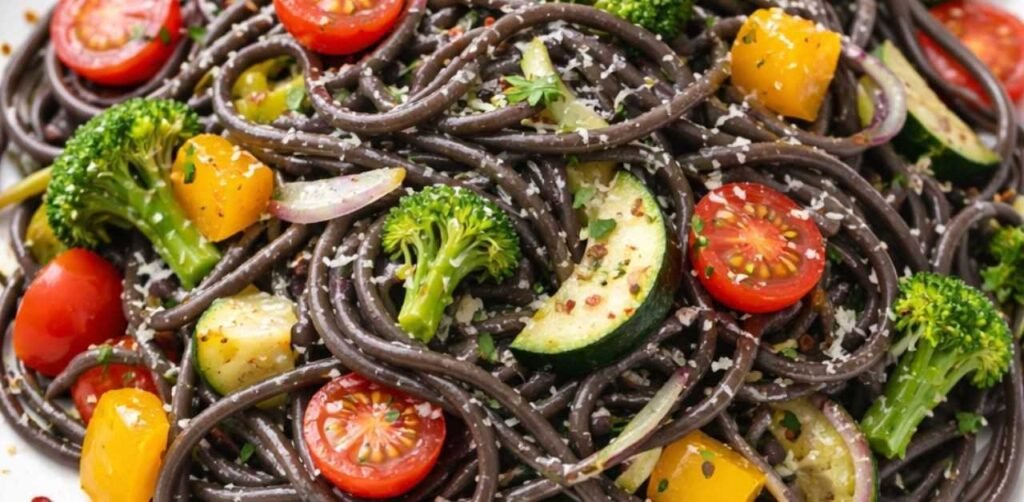
However, in 2026, the shift toward grain-free, legume-based living has introduced a powerful ally: black bean pasta. If you are looking for a satisfying way to enjoy your favorite Italian dishes without compromising your A1C, black bean pasta is the metabolic breakthrough you’ve been waiting for. Unlike traditional “diet” foods that taste like cardboard, this grain-free alternative offers a rich, nutty flavor while keeping your insulin levels steady.
2. The Science: Why Black Beans Beat Refined Wheat
Traditional pasta is made from refined durum wheat, which is essentially a “carb bomb.” Even “whole-wheat” versions can be metabolically tricky because they still contain high levels of Amylopectin, a starch that breaks down into sugar almost instantly upon contact with your saliva.
Black bean pasta is fundamentally different. It is made from black soybeans or black turtle beans. These legumes are packed with Amylose, a structure of resistant starch that takes much longer for your body to process. This slower digestion is exactly what a diabetic needs to maintain a “flat” glucose curve throughout the day. Instead of a sharp mountain-like spike, your sugar levels look more like a gentle, rolling hill.
3. Nutritional Comparison: The 2026 Verdict (per 2oz Serving)
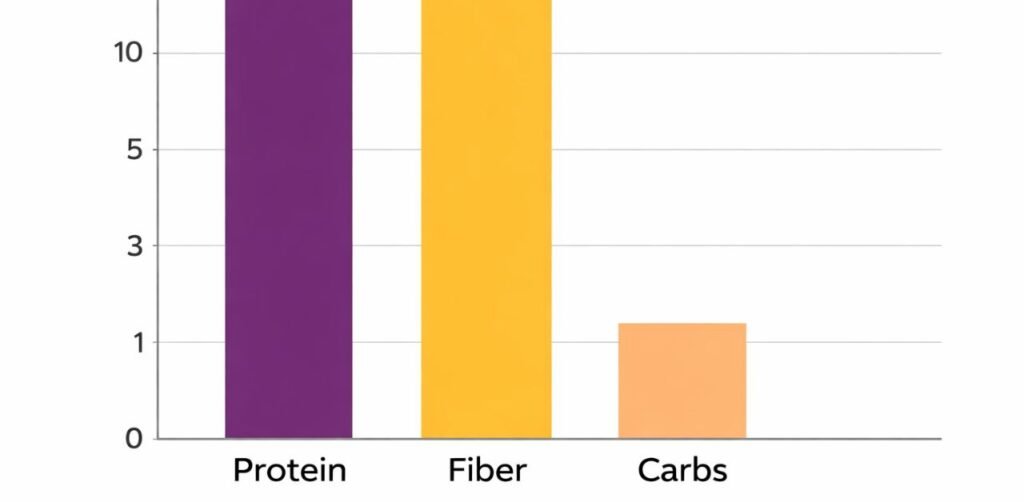
The data in 2026 is clear: legumes offer a superior metabolic profile to grains. When we compare black bean pasta to traditional wheat-based options, the nutritional shift is staggering.
| Nutrient | Traditional White Pasta | Whole Wheat Pasta | Black Bean Pasta (2026) |
| Net Carbs | 40g | 32g | 12g – 15g (Ultra Low) |
| Fiber | 2g | 6g | 12g (High Soluble) |
| Protein | 7g | 8g | 25g (Plant-Based) |
| Glycemic Index | 70+ (High) | 50 (Moderate) | 20-25 (Ultra Low) |
4. The Anthocyanin and Phytonutrient Advantage
One unique factor that makes black bean pasta superior to other “alternative” pastas (like chickpea or lentil) is its deep, dark color. That pigment isn’t just for show; it comes from Anthocyanins.
Clinical studies in 2026 have confirmed that these powerful phytonutrients improve postprandial glucose (sugar levels after a meal) by directly enhancing insulin sensitivity. You aren’t just eating a “low carb” meal; you are eating a meal that actively helps your body manage sugar better in the long run. This makes it a perfect companion to the [low-carb grains] we recently ranked for A1C reduction.
5. The 2026 Biohack: The “Molecular Gastronomy” Bonus
While most Americans enjoy pasta steaming hot, 2026 research offers a brilliant metabolic hack that most health blogs miss.
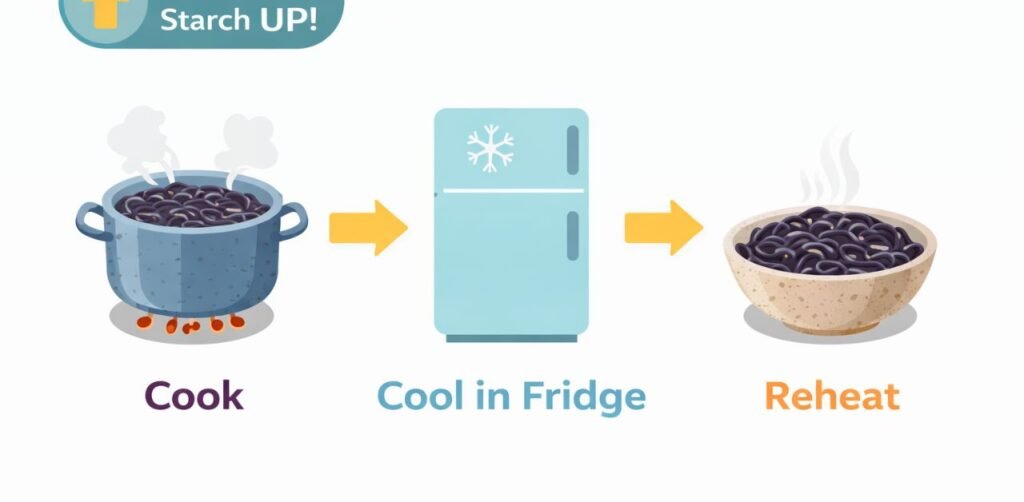
The Reheating Bonus: Clinical trials show that if you cook your black bean pasta, let it cool completely in the refrigerator (for at least 4-12 hours), and then gently reheat it, its Resistant Starch content significantly increases. This process, called Starch Retrogradation, forces the starch molecules into a crystallized form that resists digestion in the small intestine. This “cooling hack” can reduce the already low glucose response by an additional 15%, making it one of the safest meals for Type 2 management.
6. Solving the “Lectin” and Bloating Myth
A primary concern among our Pure Dietly readers regarding bean-based products is digestive discomfort. Many worry about Lectins and phytic acid, which are often labeled as “anti-nutrients” that cause “leaky gut.”
However, high-quality black bean pasta brands in 2026 utilize an “extrusion and steam-treatment” process during manufacturing. This industrial method neutralizes nearly 90% of the lectins before the product is even packaged. To further ensure a “gut-friendly” experience, we recommend the “Al Dente” (firm to the bite) cooking method. Overcooking breaks down the fiber too much, which can lead to faster sugar absorption and potential gas.
7. Preparation: The Healthy Fat Shield
To maximize the postprandial benefits of black bean pasta, you should never eat it “naked” (without sauce or fat). Adding a source of healthy, bioavailable fat—such as extra virgin olive oil, avocado, or grass-fed butter—creates what we call a “Fat Shield.”
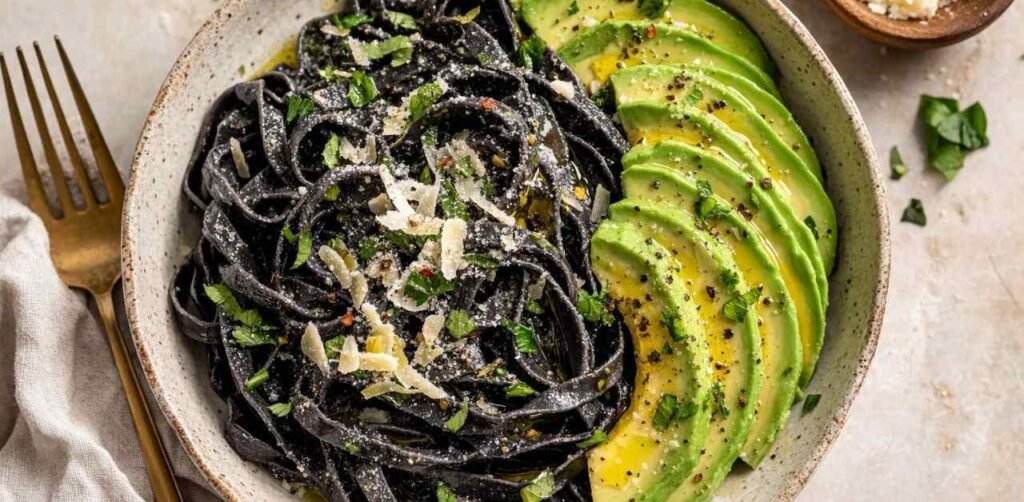
Fat slows down gastric emptying (the speed at which food leaves your stomach). When you combine the ultra-low GI of black beans with a healthy fat, you create a metabolic buffer that makes a significant blood sugar spike nearly impossible. For a 2026-style meal, try pairing it with a pesto sauce made from walnuts and basil.
8. Hydration: The Hidden Key to Fiber Success
Because black bean pasta contains a massive 12 grams of fiber per serving (nearly 50% of your daily requirement), your body requires significantly more water to process it effectively. Fiber acts like a dry sponge in your gut; without water, it can lead to bloating, constipation, and metabolic stress.
If you are tracking your glucose closely, especially during fasting periods, you might ask: [Can I drink water for fasting blood sugar test?] Our definitive guide explains how proper hydration levels directly impact the accuracy of your glucose readings. Always drink at least 12 ounces of water with your pasta meal to help that fiber do its job.
9. 2026 USA Market Guide: What to Buy?
When navigating US grocery stores like Whole Foods, Trader Joe’s, or Kroger, look for specific, clean labels to ensure you are getting the true metabolic benefit without hidden additives.
- Single Ingredient: The best 2026 brands only list “Organic Black Beans” (or Black Soybeans) and “Water.”
- Low Sodium: Avoid brands that add excess salt to preserve the pasta, as high sodium can indirectly affect blood pressure, a common comorbid condition for diabetics.
- USA Organic/Non-GMO: Ensures no glyphosate residue, which has been linked to microbiome disruption.
Recommended 2026 USA Brands:
- Explore Cuisine: The gold standard for texture and purity.
- The Only Bean: Uses organic black soybeans with zero additives.
Want to check the impact of this food on your sugar?
📊 Open Net Carb Calculator10. Advanced FAQ Schema: 2026 Diabetic Trends
Google and US health seekers are actively asking these specific questions in 2026. Here is the clinical truth:
Q: Does Black Bean Pasta contain Gluten?
A: No. Pure Black Bean Pasta is 100% grain-free and gluten-free, making it the perfect safe choice for diabetics who also suffer from Celiac disease or gluten sensitivity.
Q: How does it compare to Chickpea Pasta?
A: While chickpea pasta (like Banza) is popular, black bean pasta typically has lower net carbs and higher protein, making it the superior choice for strict A1C management and rapid weight loss.
Q: Can I eat it every day?
A: While it is a “Metabolic Superstar,” variety is key to preventing micronutrient deficiencies. We suggest rotating it with other options from our [low-carb grains] list.
11. Final Verdict: A Staple for Longevity
Black bean pasta is no longer a niche health food found only in dusty health stores; in 2026, it is a scientifically-backed tool for systemic metabolic longevity. By making this simple substitution—swapping white flour for legume-based noodles—you are prioritizing long-term A1C health without sacrificing the comfort of a satisfying meal. It is protein-packed, fiber-rich, and officially Pure Dietly approved.
About The Author
Gohar Gohar is a specialized Metabolic Health Researcher and the founder of Pure Dietly. Focusing on the 2026 American nutritional landscape, Gohar identifies “Functional Substitutions” that help diabetics achieve optimal glycemic control without deprivation.
Medica Disclaimer
This content is for educational purposes and does not replace professional medical advice. Individual responses vary. Always monitor your blood sugar when introducing new foods and consult your endocrinologist regarding any medication adjustments.