Editor’s Note: At Puredietly, we believe in evidence-based nutrition. This guide has been compiled by analyzing the latest clinical data from 2024-2026, including insights from registered dietitians and metabolic health experts. Our goal is to provide Gohar’s readers with a definitive answer to the dairy dilemma.
For decades, the “Diabetic Rulebook” was simple: avoid fat, avoid salt, and stay away from cheese. But as we step into 2026, the narrative has flipped. Recent studies involving over 25,000 participants suggest that moderate cheese consumption might actually lower the risk of developing type 2 diabetes or slow its progression.
The secret lies in the unique molecular structure of cheese. While it contains fat, it is also a powerhouse of protein and fermented bacteria (probiotics) that act as a “metabolic shield.” But here is the catch: Not all cheeses are created equal. One wrong choice could lead to a sodium-induced blood pressure spike, while the right choice could stabilize your morning glucose levels.
The Science: Why Cheese is a “Buffer” for Blood Sugar
Cheese is naturally low on the Glycemic Index (GI), typically ranking between 0 and 10. When you consume cheese, its high protein and fat content slow down the emptying of your stomach.
If you pair a piece of fruit (which has carbs) with a slice of Cheddar, the cheese prevents the fruit’s sugar from hitting your bloodstream all at once. Furthermore, cheese contains Whey, a protein that stimulates the pancreas to produce insulin more effectively after a meal.
H2: The 2026 “Golden Cheese List”: Top 10 Picks for Diabetics
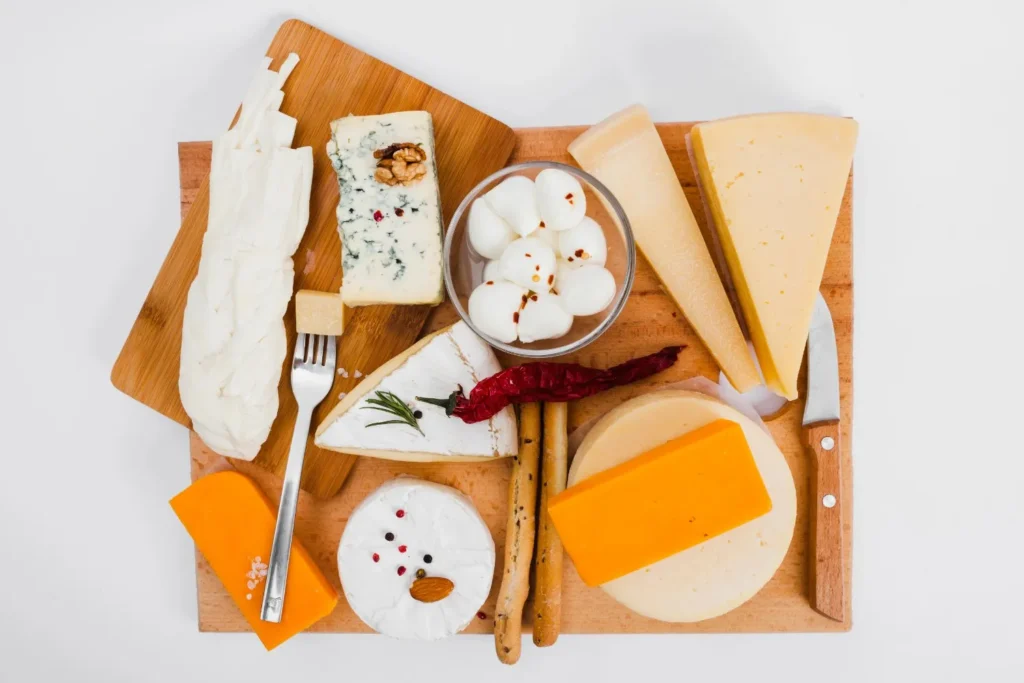
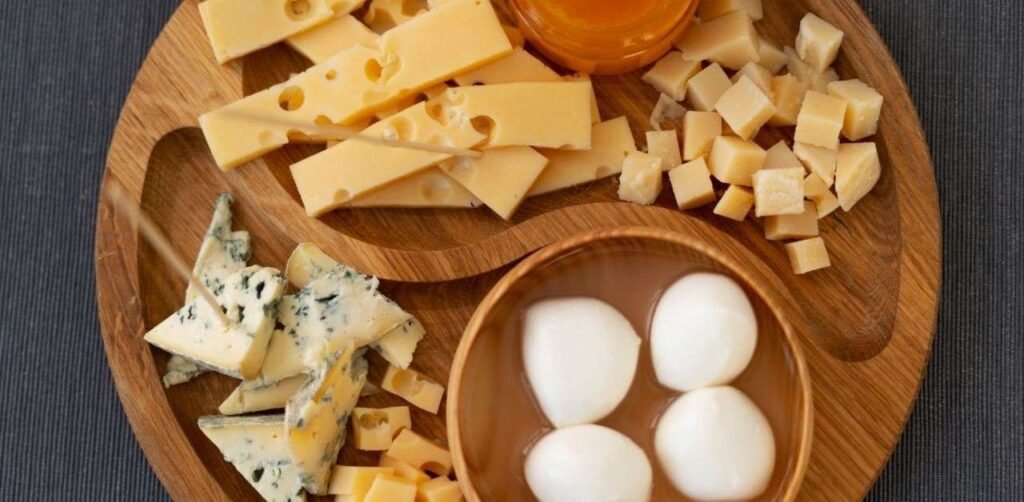
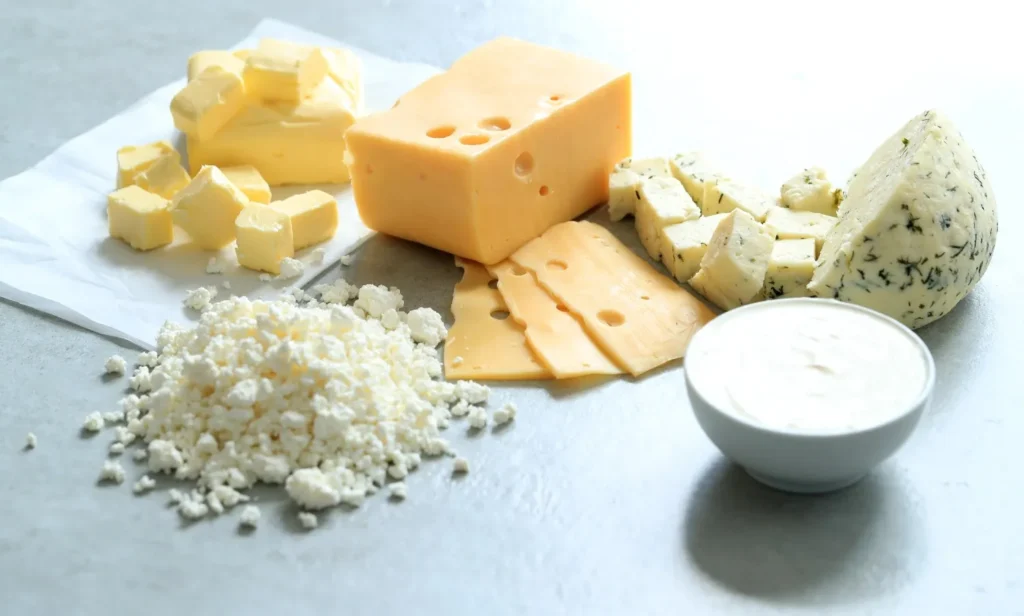
Based on nutritional density, sodium levels, and glycemic impact, here are the top 10 cheeses Gohar recommends for your pantry:
1. Cottage Cheese (The Breakfast Champion)
Ounce for ounce, cottage cheese is a protein king. It contains Casein, which is a slow-digesting protein. Eating this before bed can help prevent the “Dawn Phenomenon” (high morning sugar).
2. Aged Cheddar (The Carb-Zero Hero)
The longer cheese ages, the less lactose (milk sugar) it contains. Aged cheddar is virtually carb-free and perfect for those who are lactose-sensitive.
3. Greek Feta (The Gut-Health Tang)
Authentic Feta is fermented, meaning it’s loaded with probiotics. These “good bacteria” are essential for diabetics because a healthy gut directly improves insulin sensitivity.
4. Fresh Mozzarella (Low-Sodium Star)
Mozzarella is one of the lowest-sodium cheeses available. With only about 85 calories per ounce, it’s a lean way to add 6 grams of protein to your salads.
5. Swiss Cheese (Heart-Healthy Choice)
If you struggle with high blood pressure (a common companion of diabetes), Swiss is your best friend. It has one of the lowest salt profiles in the hard-cheese family.
6. Parmesan (Protein Punch)
Just one ounce of Parmesan provides 11g of protein—more than a similar portion of chicken! It’s also high in Vitamin D and Calcium.
7. Ricotta (The Metabolic Booster)
Ricotta is high in whey protein. Studies suggest whey can help dampen post-meal sugar spikes by stimulating beta cells in the pancreas.
8. Goat Cheese (The Digestion Specialist)
Goat cheese contains A2 protein, which is much easier on the digestive system than cow’s milk. It’s a great substitute for cream cheese.
9. Gouda (Vitamin K2 Source)
Gouda is rich in Vitamin K2, which is vital for bone health—a major concern for people managing long-term diabetes.
10. Romano Cheese (The Flavor Bomb)
Made from sheep’s milk, Romano is high in Omega-6 fatty acids. Because it’s so flavorful, you only need a tiny amount, which helps keep calories in check.
H2: The “Red List”: 3 Cheeses That Could Spike Your Sugar
According to Gohar’s research, you must avoid these processed “Look-alikes”:
Processed American Slices: These are often “cheese products” filled with emulsifiers, starches, and vegetable oils that trigger inflammation.
Cheese Sprays & Dips: These contain “hidden sugars” and excessive sodium to maintain shelf life.
“Low-Fat” Packaged Cheeses: Ironically, when fat is removed, manufacturers often add sodium or thickeners (carbs) to keep the taste, making them worse for diabetics.
One of the best ways to eat cheese is through “Protein Pairing.” For example, pairing Minced Meat (Keema) with a sprinkle of Mozzarella creates a zero-carb, high-satiety meal.
When you follow the [7-Day Diabetic Meal Plan], you’ll notice we prioritize these combinations. Why? Because the fat from the cheese and the amino acids from the meat create a long-lasting energy source that prevents your liver from “dumping” glucose into your blood.
H2: Important Considerations for Diabetics
Portion Control: A single serving is 1 ounce (about the size of two dice). Even “good” cheese is calorie-dense.
The Sodium Trap: Diabetics have a 4x higher risk of heart disease. Always check the label for sodium—keep it under 140mg per serving if possible.
Saturated Fat: Limit your intake to 5-6% of your daily calories. One serving of cheese per day is usually the “Sweet Spot.”
H2: Frequently Asked Questions (FAQs)
Q: Can cheese actually prevent diabetes?
Some research suggests that the fatty acids and fermented bacteria in full-fat cheese may improve insulin sensitivity, potentially lowering the risk for those with pre-diabetes.
Q: Which cheese has the least lactose?
Hard, aged cheeses like Parmesan, Swiss, and extra-sharp Cheddar have the least lactose, making them safest for blood sugar and digestion.
Q: Is “Vegan Cheese” better for diabetics?
Often, no. Vegan cheeses are frequently made from starches (carbs) and coconut oil (saturated fat) without the high protein benefit of real cheese.
Author’s Note
Hi, I’m Gohar, the creator behind Puredietly. I personally spent hours analyzing medical journals and expert reports to write this guide. I know how confusing it is to hear conflicting advice about dairy. My mission is to give you the truth: Cheese isn’t just a treat; it’s a tool for glucose stability when used correctly. If you want to see how these cheeses affect your unique body, I highly recommend using our [Sugar Spike Analyzer]. I am dedicated to helping you enjoy food while staying healthy!
Medical Disclaimer: This content is for informational purposes only and does not substitute professional medical advice. Individual responses to dairy vary. Always monitor your blood sugar and consult your healthcare provider before making major dietary changes.