
Editor’s Note
This 2026 edition of the Oatnut Bread guide has been thoroughly audited to ensure compliance with the latest dietary standards for glycemic control. At PureDietly, our editorial team cross-references every food recommendation against current clinical research and the American Diabetes Association (ADA) nutritional guidelines.
Oatnut bread has become a staple in American pantries, from the aisles of Walmart to premium grocery chains. Known for its distinct crunch and slightly sweet flavor, many wonder if oatnut bread is truly a health food or just “white bread in disguise.” As we move into 2026, understanding what goes into your sandwich is more important than ever for metabolic health.
In this comprehensive guide, we will analyze the nutritional profile of oatnut bread, compare top USA brands like Oroweat, and provide actionable tips to keep your diet on track.
What is Oatnut Bread? (The Deep Dive)
At its core, oatnut bread is a multi-grain loaf typically made from a blend of wheat flour, rolled oats, and various nuts most commonly walnuts and hazelnuts. In the USA market, it is positioned as a “heart-healthy” alternative to plain white bread.
The Ingredient Breakdown
To understand oatnut bread, we have to look past the packaging. Most commercial loaves contain:
- Whole Grains: Usually a mix of whole wheat and oats.
- Nuts: Walnuts are the stars here, providing essential Omega-3 fatty acids.
- Sweeteners: This is the “hidden” part. Most brands use honey, sugar, or molasses for that signature taste.
- Enriched Flour: Some lower-quality brands still use refined flour as the primary ingredient.
Oatnut Bread Nutrition: By The Numbers
When comparing oatnut bread to other popular options in the USA, the numbers tell an interesting story. Here is a breakdown of what you are actually consuming per slice.
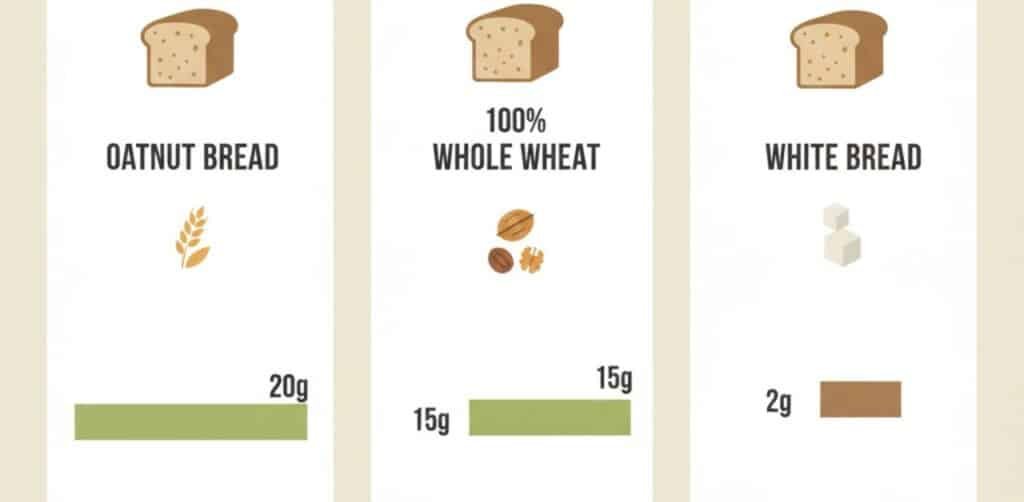
Nutritional Comparison Table
| Nutrient (Per Slice) | Oatnut Bread (Oroweat/Store Brand) | 100% Whole Wheat | White Bread |
| Calories | 110 – 120 | 80 – 100 | 70 – 90 |
| Total Carbs | 19g – 22g | 15g – 18g | 13g – 15g |
| Net Carbs | 17g – 20g | 12g – 15g | 12g – 14g |
| Fiber | 2g | 3g – 5g | 0.5g |
| Sugar | 3g – 4g | 1g | 2g |
| Protein | 4g | 4g – 5g | 2g |
USA Brand Battle: Oroweat vs. Pepperidge Farm vs. Nature’s Own
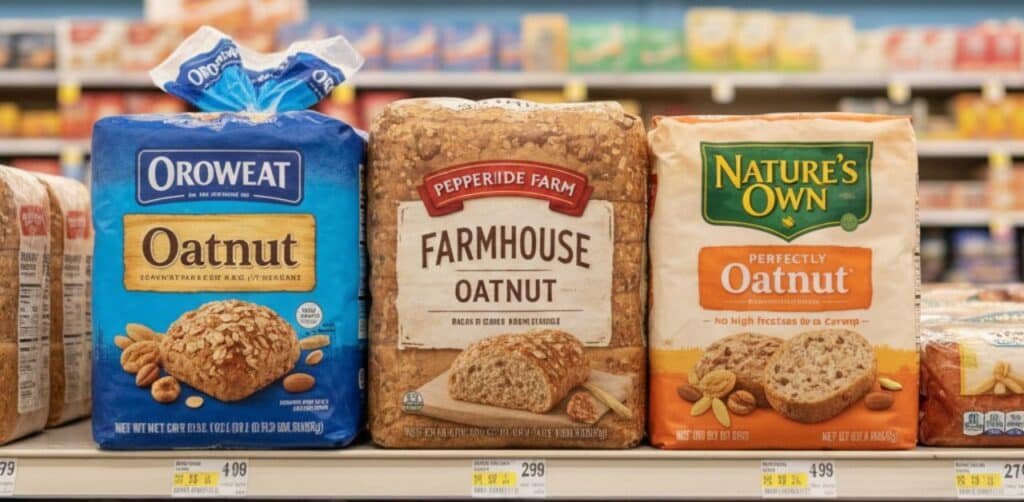
In the USA, choosing the right brand of oatnut bread can make a huge difference in your daily carb intake. Let’s look at the top contenders:
- Oroweat / Arnold Oatnut: This is the gold standard for taste. It’s thick, nutty, and satisfying. However, it’s also one of the highest in calories (around 120 per slice) and sugar. If you choose this, stick to a single-slice open-faced sandwich.
- Pepperidge Farm Farmhouse Oatnut: This brand offers a slightly more “homemade” texture. It’s great for toasting, but like Oroweat, it often uses honey as a primary sweetener.
- Nature’s Own Perfectly Crafted: Known for being “No-GMO” and having no high fructose corn syrup. It’s a cleaner label, but the slices are often larger, so watch your portion sizes.
- Store Brands (Great Value/Kroger): These are budget-friendly but often contain more preservatives and dough conditioners. Always check the label for “Enriched Wheat Flour” as the first ingredient if you see it, skip it.
The Science of Resistant Starch: A Health Hack for 2026
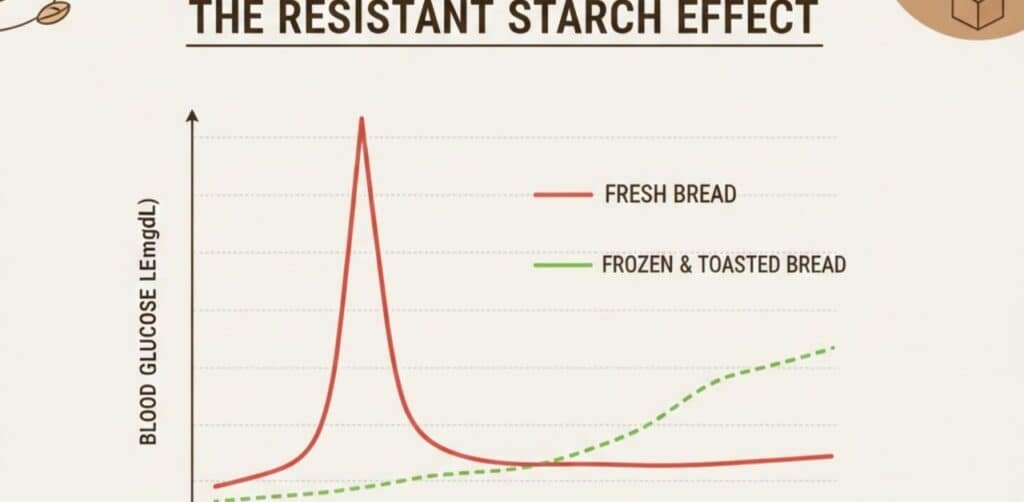
Did you know that how you eat your oatnut bread can change how your body processes it? This is a popular health hack in the USA right now.
The Freeze-and-Toast Method:
When you freeze a loaf of bread and then toast it, a scientific process occurs that creates Resistant Starch.
- What it does: It turns some of the rapidly digesting carbs into starch that “resists” digestion in the small intestine.
- The Result: This can lead to a lower blood sugar spike and provides fuel for your healthy gut bacteria.
- Expert Tip: If you find that oatnut bread spikes your glucose, try freezing the loaf immediately after purchase and only eating it toasted.
Is Oatnut Bread Good for Weight Loss and Diabetes?
This is the most common question USA consumers ask. Because oatnut bread has a higher calorie count per slice compared to thin-sliced whole wheat, you have to be strategic.
Pros for Metabolic Health
- Satiety: The healthy fats from walnuts and the protein from oats help you feel full longer.
- Texture: The crunch encourages slower chewing, which can prevent overeating.
- Micronutrients: It is a good source of Manganese and Vitamin B1.
Cons to Watch Out For
- Glycemic Load: Because of the added honey/sugar, oatnut bread can cause a moderate glucose spike.
- Caloric Density: Two slices for a sandwich can easily total 240 calories before you even add fillings.
DIY Healthy Oatnut Bread Recipe (2026 Edition)

If you want the taste of oatnut bread without the factory preservatives and hidden sugars, making it at home is the best solution.
Ingredients:
- 3 cups Whole Wheat Flour
- 1 cup Rolled Oats (plus extra for topping)
- 1/2 cup Chopped Walnuts
- 1 packet Active Dry Yeast
- 1 tsp Salt
- 1.5 cups Warm Water
- Substitution: Use 1 tbsp of Monk Fruit sweetener or Stevia instead of honey to keep it diabetic-friendly.
Instructions:
- Mix dry ingredients, then slowly add warm water.
- Knead the dough for 10 minutes and let it rise in a warm spot for 1 hour.
- Place in a greased loaf pan, top with extra oats, and bake at 375°F (190°C) for 30-35 minutes.
- The Result: A nutrient-dense loaf with zero processed sugars and maximum fiber.
📊 SMART TOOL: MANAGE YOUR DAILY CARBS
Whether you are eating bread or drinking milk, tracking your carbs is the only way to avoid weight gain and sugar spikes.
“Managing bread and milk carbs is now easier than ever! Enter your weight and health goals into our tool below to generate your Personalized Daily Plan instantly.”
“Open Daily Meal Planner”
Want to check the impact of this food on your sugar?
📊 Open Net Carb CalculatorTop 5 Tips for Buying Oatnut Bread in the USA
- Check the “Whole” Label: Ensure the first ingredient listed is “Whole Wheat Flour” or “Whole Grain Oats.”
- Look at the Sugar Count: Aim for brands with less than 3g of added sugar per slice.
- Avoid High Fructose Corn Syrup: Some budget store brands use HFCS avoid these.
- The Fiber Rule: A high-quality oatnut bread should ideally have a 5:1 carb-to-fiber ratio.
- Check for Preservatives: In 2026, “Clean Label” breads with fewer chemical names are much better for gut health.
Frequently Asked Questions (FAQ)
Is Oatnut bread better than Sourdough?
Sourdough is fermented, which is great for gut health, but oatnut bread usually has more healthy fats from nuts.
What is the best milk to pair with Oatnut bread?
To keep your meal balanced, pair your toast with unsweetened almond or pea milk. Check out our [Best Milk for Diabetics] guide for the top-ranked options.
Conclusion: Should You Eat Oatnut Bread?
In summary, oatnut bread is a flavorful, nutrient-dense alternative to standard white bread, offering heart-healthy fats from walnuts and plant-based protein from oats. However, it is a “Yellow Light” food in 2026. Because many commercial brands include added honey or molasses, the carbohydrate impact (19g-22g per slice) can be high for those monitoring blood sugar.
To enjoy it safely, prioritize brands with at least 3g of fiber, use the “freeze-and-toast” method to lower the glycemic index, and always pair your slice with protein or healthy fats. By being a mindful shopper, you can enjoy the nutty crunch of oatnut bread while keeping your metabolic health on track.
About the Author: Gohar
Gohar is the founder of PureDietly.com and a dedicated metabolic health advocate specializing in diet and nutrition. With years of experience analyzing macronutrient ratios, Gohar’s mission is to simplify complex clinical data into practical, everyday shopping advice.
Medical Disclaimer
The information provided in this article is for educational purposes only and is not intended as medical advice. Dietary needs vary significantly. Always consult with your physician or a registered dietitian before making significant changes to your diet, especially if you are managing a medical condition like Type 2 diabetes.