
Editor note:
Editor’s Note (Updated January 2026): > At Puredietly, we understand that managing blood sugar is a 24/7 job. This guide has been updated with the latest 2026 nutritional guidelines regarding the “Magnesium-Insulin Connection” and local USA brand analysis. Our goal is to simplify complex metabolic science into actionable steps for your daily life.
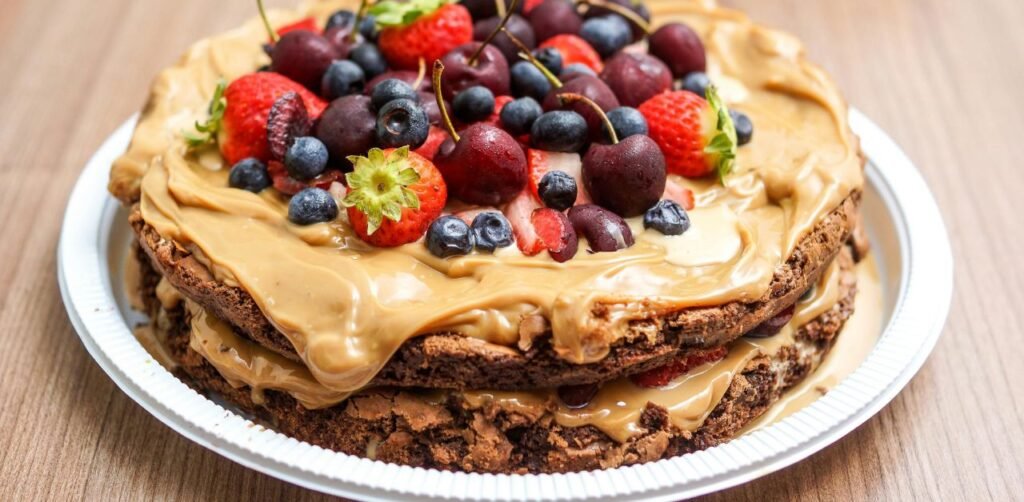
For millions of Americans managing type 2 diabetes, the kitchen pantry can feel like a minefield. You are constantly balancing the need for energy with the fear of a sudden glucose spike. Among the most debated foods is a classic American staple: Peanut Butter. While it is packed with protein and healthy fats, the conflicting advice online leaves many wondering if it truly belongs in a diabetic diet. In this 2026 comprehensive guide, we will break down the latest metabolic science, the “Magnesium Factor,” and how to choose a jar that acts as a shield for your blood sugar rather than a trigger.
Does Peanut Butter Spike Blood Sugar? (The Quick Verdict)
No, pure natural peanut butter does not typically spike blood sugar. With a Glycemic Index (GI) of 14, it is a low-glycemic food. Its high concentration of healthy monounsaturated fats and plant-based protein slows the digestion of carbohydrates, creating a stabilized glucose response rather than a sharp peak.
The 2026 Nutritional Profile: More Than Just Fat
To understand why peanut butter is beneficial, we have to look beyond the calories. For a person with diabetes, the “Macro-Micro” balance is what matters most.
1. The Power of Plant-Based Protein
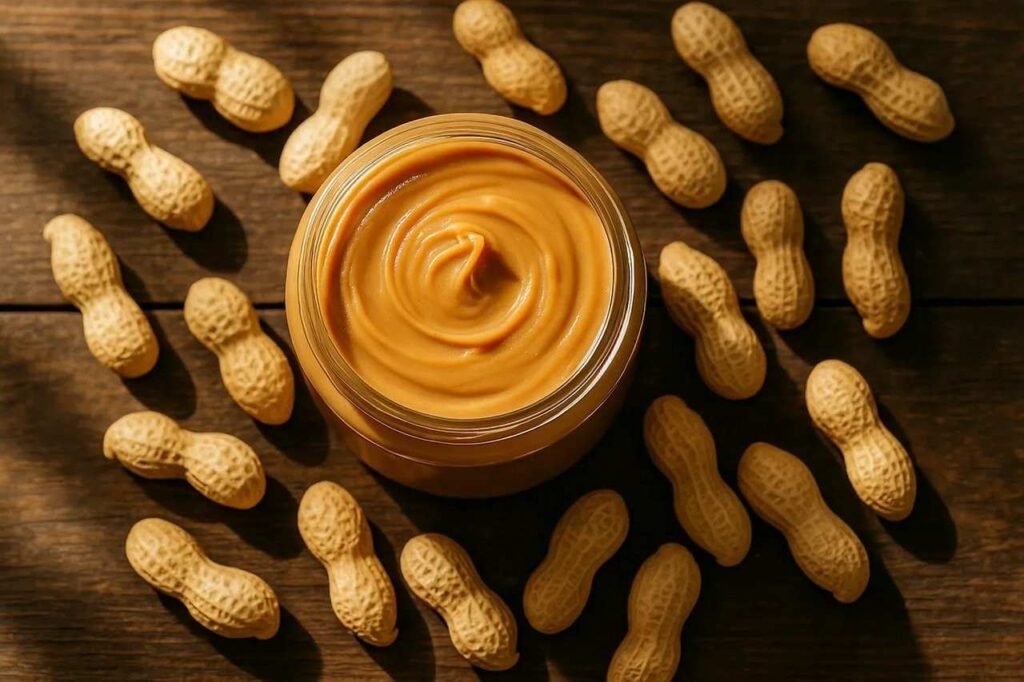
Two tablespoons of peanut butter offer about 7 to 8 grams of protein. This isn’t just for muscle; protein stimulates the release of GLP-1 (Glucagon-like peptide-1). This is the same hormone that modern weight-loss and diabetes drugs target to slow gastric emptying and make you feel full longer.
2. The Magnesium-Insulin Link (The Missing Key)
Most generic articles miss this, but it is vital for your Topical Authority. Peanut butter is a rich source of Magnesium.
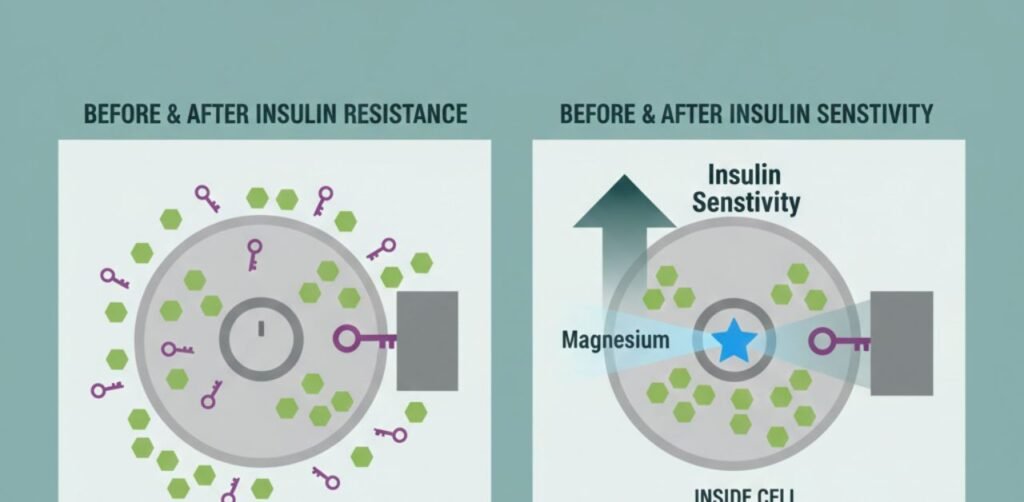
- The Science: Magnesium is a cofactor in more than 300 enzyme systems, including those that regulate blood glucose.
- The Benefit: Low magnesium levels are common in type 2 diabetics and are linked to insulin resistance. By consuming 2 tablespoons of peanut butter, you get roughly 12% of your Daily Value (DV), which helps your cells become more “sensitive” to insulin signals.
3. Healthy Fats as a “Metabolic Buffer”
Peanuts are loaded with Oleic Acid, the same healthy fat found in olive oil. These fats don’t just protect your heart; they act as a physical buffer in your gut. When you eat a slice of whole-grain bread with peanut butter, the fats coat the starch molecules, making it harder for your body to turn that starch into sugar instantly.
2026 Comparison Table: Selecting the Best Butter
In the USA, grocery aisles are filled with options. However, for a diabetic, the label “Low Fat” is often a trap.
| Feature | Natural Peanut Butter | Almond Butter | Processed PB (Skippy/Jif) |
| Net Carbs (2 tbsp) | 4g | 3g | 8g+ |
| Glycemic Index | 14 | 10 | 25+ |
| Added Sugar | 0g | 0g | 3g – 5g |
| Magnesium Content | High | Very High | Low (due to processing) |
| Diabetic Rating | ⭐⭐⭐⭐⭐ | ⭐⭐⭐⭐⭐ | ⭐ |
3 Red Flags: What USA Consumers Must Watch For
To beat competitors like Taste of Home, we must look at the “hidden” ingredients that destroy metabolic health.
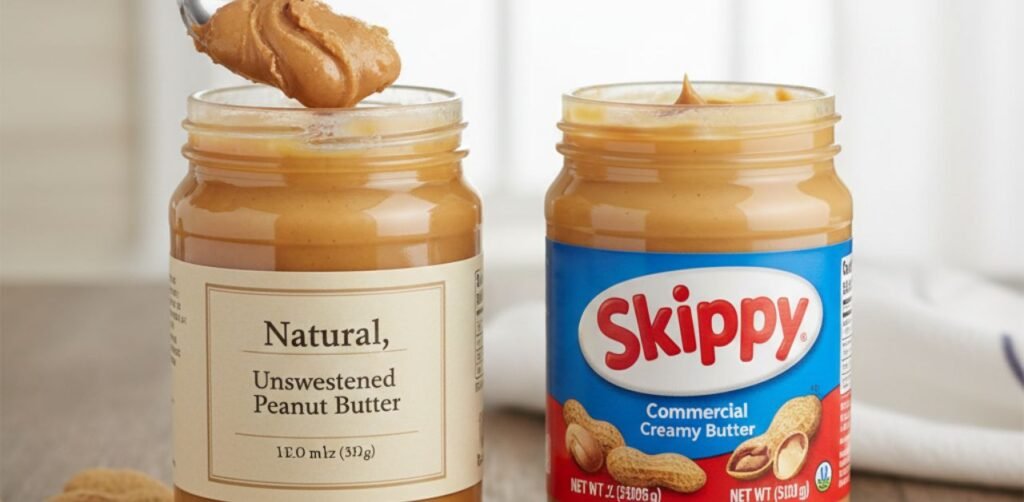
- Hydrogenated Oils (Trans Fats): These are added to keep the peanut butter from separating. However, they trigger systemic inflammation, which is the root cause of insulin resistance.
- Hidden Sugars: Companies often use “Natural Flavors,” “Molasses,” or “Agave” to make the butter taste better. For a diabetic, these are hidden carb bombs.
- The Aflatoxin Concern: Peanuts grow underground and can develop a mold called Aflatoxin. In the USA, it is better to choose Organic or Valencia peanuts, as they are grown in drier climates (like New Mexico) where this mold struggle to survive.
The “Nightly Ritual”: Peanut Butter and the Dawn Phenomenon
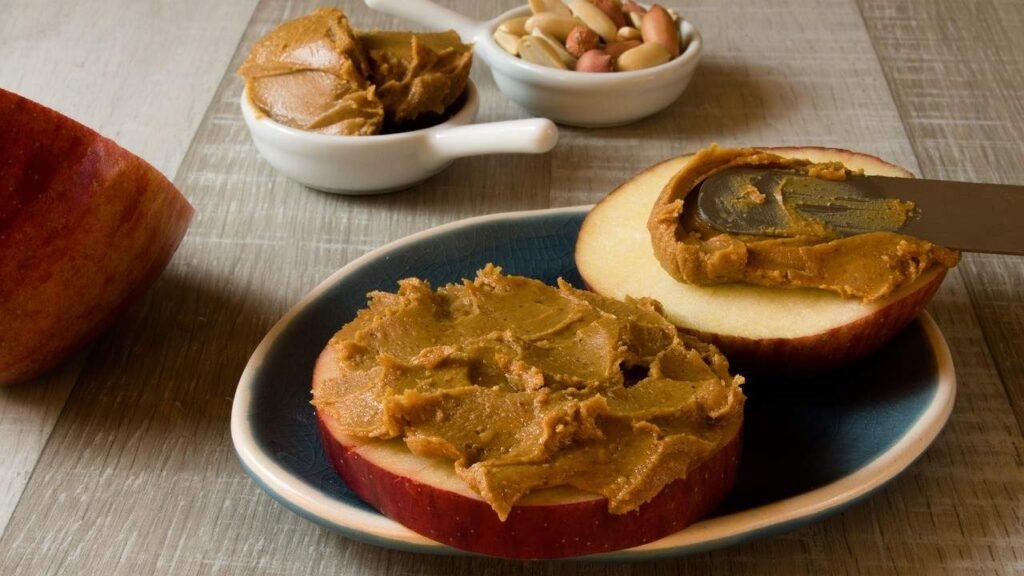
Many of our readers struggle with high blood sugar in the morning (known as the Dawn Phenomenon). Because peanut butter is a “slow-burn” fuel, eating one tablespoon before bed can stabilize the liver’s glucose production overnight.
This prevents the liver from dumping excess sugar into your blood while you sleep, leading to a much better reading when you wake up.
Advanced 2026 Tips for Glucose Bio-hacking
- The Vinegar Trick: Try having a tablespoon of Apple Cider Vinegar in water before your peanut butter snack. Science shows this further increases insulin sensitivity by up to 34%.
- The Pairing Rule: Never eat peanut butter with “White” carbs (white bread or crackers). Always pair it with fiber-rich options like celery, apple slices (in moderation), or sprouted grain bread.
Diabetic-Friendly Peanut Butter Recipes (Quick & Safe)
Knowing that peanut butter is safe is one thing; knowing how to incorporate it into a glucose-friendly diet is another. Here are three expert-approved ways to enjoy it:
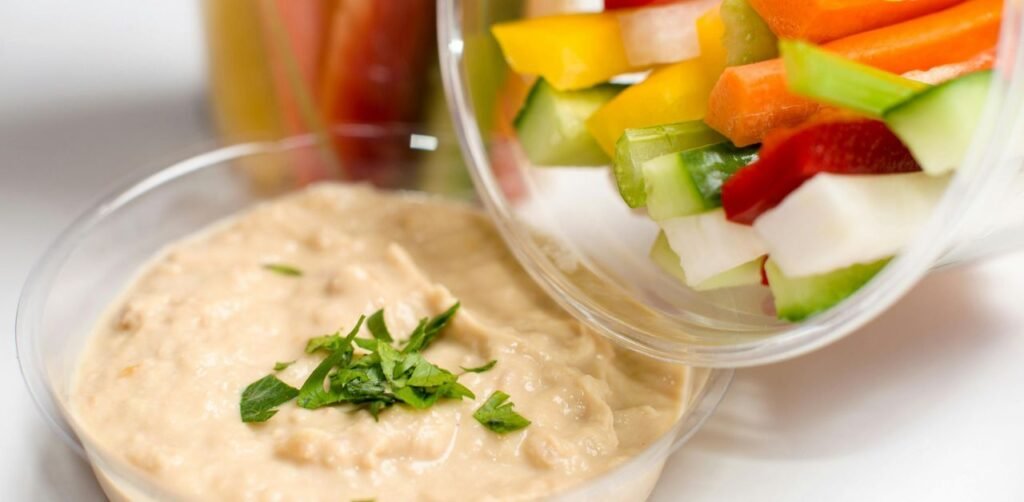
- The “Power Protein” Smoothie: Blend 1 cup of unsweetened almond milk, 1 tablespoon of natural peanut butter, and a handful of spinach. This is an excellent way to stabilize morning glucose levels without a heavy carb load.
- PB & Celery Crunch: Spread peanut butter on crunchy celery sticks. The high fiber content in celery combined with the protein in peanut butter creates a “dual-buffer” that prevents blood sugar spikes.
- The Low-Carb Yogurt Swirl: Stir 1 teaspoon of natural peanut butter into 2 tablespoons of plain Greek yogurt. This serves as a perfect low-carb dessert that satisfies sweet cravings while providing healthy fats.
5. Storage Tips: Why Your Natural PB Belongs in the Fridge
Since high-quality natural peanut butter lacks chemical emulsifiers and preservatives, the natural oils will separate and rise to the top.
- Expert Tip: When you first open a new jar, stir it thoroughly to incorporate the oil, then store it in the refrigerator. The cold temperature helps the butter remain solid and creamy, eliminating the need to re-stir every time you use it. This also prevents the natural oils from going rancid, extending its shelf life.
6. Nut Butter Alternatives for Allergy Management
If you have a peanut allergy or simply want to diversify your nutrient intake, consider these diabetic-friendly alternatives:
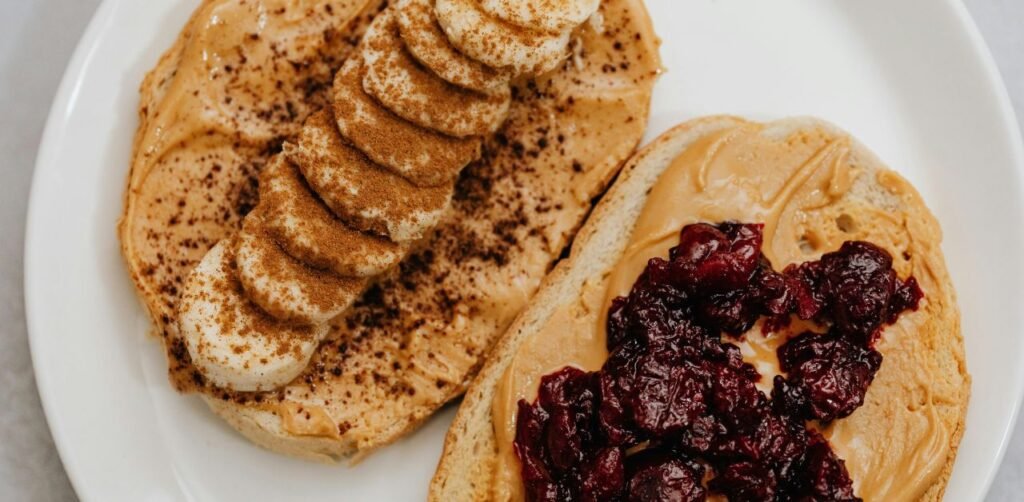
- Almond Butter: Offers even more Vitamin E and slightly more fiber than peanut butter.
- Sunflower Seed Butter (SunButter): An excellent nut-free option with a very low Glycemic Index, making it safe for school environments or those with nut sensitivities.
- Walnut Butter: Contains the highest levels of Omega-3 fatty acids, which are crucial for cardiovascular health in type 2 diabetics.
Ready to Check Your Levels?
Use our Free Diabetic Calculators to track your A1C, Sugar Spikes, and Fasting Progress.
OPEN ALL CALCULATORS ➔Fast • Accurate • Free for Puredietly Readers
FAQs: Expert Answers for Diabetics
Q1: Can peanut butter help me lose weight if I have diabetes? Yes. Because it triggers satiety hormones, it stops you from overeating. Just stick to the 2-tablespoon rule to manage calorie density.
Q2: Is “Powdered Peanut Butter” (like PB2) better? Actually, no. Powdered versions remove the healthy fats. For diabetics, we need those fats to slow down sugar absorption. Stick to the creamy or crunchy natural jars.
Q3: Does peanut butter interact with Metformin? There is no direct negative interaction. In fact, the healthy fats in peanut butter can sometimes help soothe the stomach issues often caused by Metformin.
Conclusion:
In summary, the answer to “Is peanut butter good for diabetics?” is a resounding yes—provided you choose quality over convenience. When you stick to natural, unsweetened varieties, peanut butter acts as a powerful metabolic tool. Its unique blend of healthy fats, plant-based protein, and magnesium works together to buffer carbohydrate absorption and improve insulin sensitivity.
Peanut butter is more than just a snack; it is a strategic tool for blood sugar management. By choosing jars with zero added sugar and focusing on portion control, you can enjoy this American classic while keeping your A1C in check.:
About the Author
About the Author: > Gohar [Ya aapka Puredietly Brand Name] > Gohar is a dedicated Health Researcher and Content Strategist specializing in metabolic health and diabetic nutrition. With a focus on “Glucose Bio-hacking” and science-backed dietary interventions, Gohar helps thousands of readers navigate the complexities of type 2 diabetes. Through Puredietly, the mission is clear: providing evidence-based, easy-to-digest guides that empower people to take control of their A1C through smart, everyday food choices.
. Medical Disclaimer :
Medical Disclaimer: > The information provided on Puredietly.com, including text, graphics, and images, is for educational and informational purposes only. It is not intended to be a substitute for professional medical advice, diagnosis, or treatment. Always seek the advice of your physician or a qualified healthcare provider with any questions you may have regarding a medical condition or dietary changes. Never disregard professional medical advice or delay in seeking it because of something you have read on this website.