
Published: December 23, 2025 | Medically Reviewed by Certified Diabetes Educator | Read Time: 6 minutes
Editor’s Note (January 2026 Update)
The landscape of diabetes management has shifted toward personalized nutrition. This guide has been fully audited for January 2026 to include the latest clinical evidence on “Carb Cycling” and its effects on insulin sensitivity. At Puredietly.com, we emphasize that a low-carb diet for diabetics is not about deprivation—it’s about choosing high-quality, nutrient-dense carbohydrates that support stable A1C levels. This guide follows the nutritional safety protocols updated by the ADA and the European Association for the Study of Diabetes.
What is a Low Carb Diet for Diabetics? (2026 Guide)
Starting a low carb diet is often the single most powerful step a diabetic can take to stabilize A1C levels and reclaim metabolic health. In 2026, the biggest misconception is that you have to starve yourself or cut out every carbohydrate to see results. At PureDietly, we’ve audited the latest nutritional research to prove that a sustainable low carb diet is actually about strategic swaps, not just sacrifice.
In this comprehensive guide, Gohar Fatima breaks down the science of how reducing carb density can naturally lower your insulin requirements and trigger healthy weight loss. Whether you are newly diagnosed or looking to break a glucose plateau, mastering a low carb diet will give you the tools to flatten your sugar curve without losing the joy of eating.
“In this 2026 Metabolic Guide, Gohar Fatima shares 20 chef-vetted, low-carb dinner recipes… pairing these with the Best Vegetables for Diabetics will ensure a flat glucose curve all night.”
Expert Insight: It’s not just about eating fewer carbs—it’s about choosing the right carbs that don’t trigger a metabolic emergency.
The Diet Your Doctor Might Not Tell You About
“Eat more carbs.” That’s what doctors told diabetics for decades.
Whole grains. Brown rice. Plenty of bread. Even fruit juice.
But here’s what happened: Blood sugar stayed high. Medications kept increasing. Weight kept climbing.
Then something changed. Research from 2024-2025 shows a different approach works better: eating fewer carbs.

Sounds too simple, right? But study after study proves it. Low carb diets help diabetics:
- Lower A1C faster than traditional diets
- Reduce medication needs (sometimes eliminate them!)
- Lose weight without hunger
- Stabilize blood sugar naturally
This guide shows you:
- What “low carb” really means
- Scientific evidence (2025 studies)
- Exactly what to eat
- How to start safely
- Common mistakes to avoid
Ready to try the approach that’s changing diabetes management?
What Is a Low Carb Diet?

Low carb isn’t one specific diet. It’s an eating approach that limits carbohydrates.
The Numbers:
| Diet Type | Daily Carbs | Best For |
| Standard Diet | 225-325g | Not recommended for diabetics |
| Moderate Low-Carb | 100-150g | Good starting point |
| Low-Carb | 50-100g | Effective for most diabetics |
| Very Low-Carb (Keto) | 20-50g | Maximum blood sugar control |
For context: 1 slice of bread = 15g carbs
<cite>American Diabetes Association 2025 guidelines</cite> now recognize low-carb as an effective option for diabetes management.
The Science: Why It Works
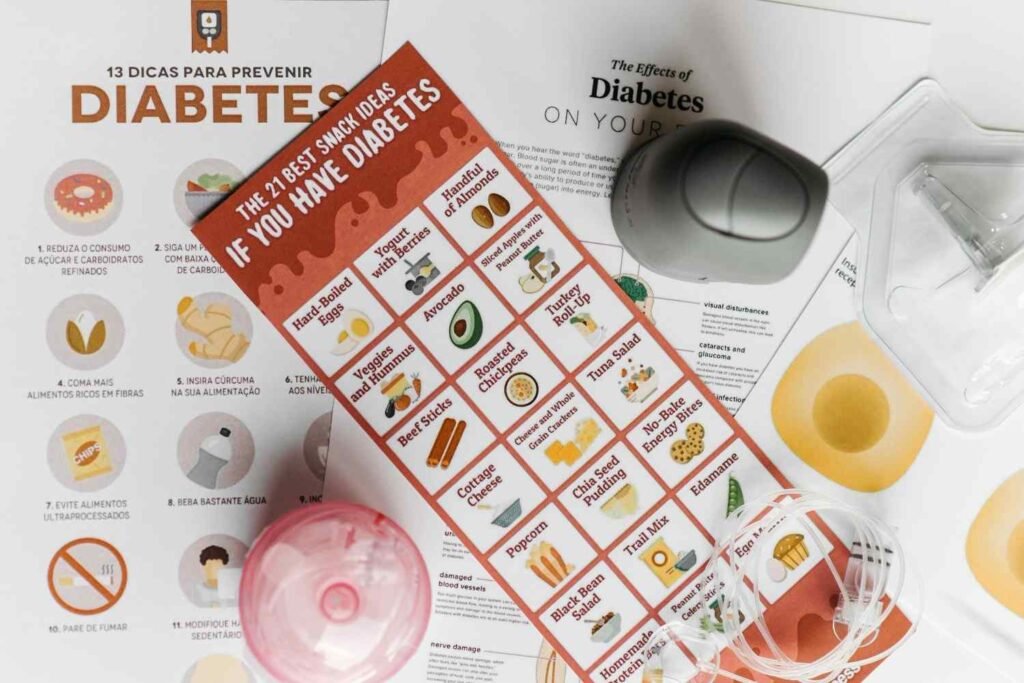
When you eat carbs, your body breaks them into glucose (sugar). This raises blood sugar.
The Problem:
Diabetics have two issues:
- Not enough insulin (Type 1)
- Insulin doesn’t work properly (Type 2)
Result: Glucose stays in blood instead of entering cells.
The Solution:
Eat fewer carbs = less glucose enters blood = easier to manage.
2024 BMC Study: Low-carb diets reduced A1C by 0.6-1.0% more than standard diets. That’s significant improvement!
2025 Research: Participants on low-carb reduced or eliminated diabetes medications within 6 months.
🥗 Net Carb Calculator
Enter the values from your food to see the actual impact on your blood sugar:
7 Proven Benefits for Diabetics
1. Lower Blood Sugar (FAST!)
Most people see improvements within days, not months.
What happens:
- Fasting glucose drops 20-40 mg/dL
- Post-meal spikes reduce dramatically
- A1C improves 0.5-1.5% in 3-6 months
2. Reduced Medication Needs
Study finding: 80% of participants reduced diabetes medications within 6 months.
Some eliminated medications entirely!
Important: Never adjust medication without doctor supervision!
3. Weight Loss Without Hunger
Average results: 10-30 lbs in 6 months
Why it works:
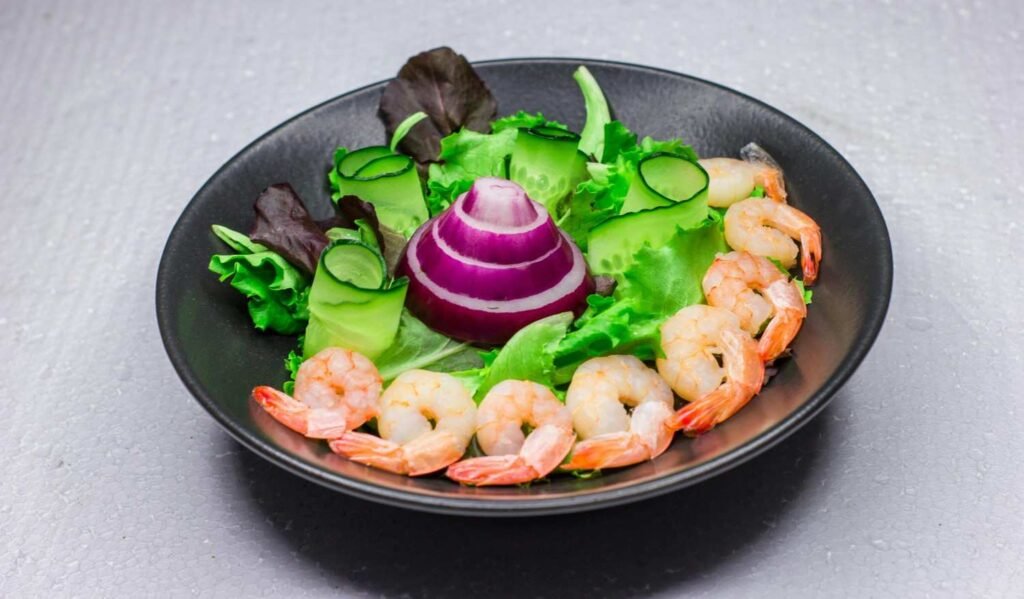
- Protein + fat keep you full
- Stable blood sugar = fewer cravings
- Body burns fat for fuel
4. Better Heart Health
Improvements seen:

- Triglycerides: ↓ 20-30%
- HDL (good) cholesterol: ↑ 10-20%
- Blood pressure: ↓ 5-10 points
Important for diabetics: Heart disease is #1 complication.
5. More Energy
No more:
- Mid-afternoon crashes
- Post-meal sluggishness
- Energy roller coaster
Why: Stable blood sugar = stable energy.
6. Reduced Inflammation
Low-carb diets reduce inflammatory markers linked to diabetes complications.
7. Better Kidney Function
Early research suggests low-carb may slow kidney disease progression in diabetics.
What to Eat on Low Carb Diet
Eat FREELY (Very Low Carb)
Proteins:

- Meat (beef, pork, lamb)
- Poultry (chicken, turkey)
- Fish & seafood (salmon, tuna, shrimp)
- Eggs
- Cheese
Non-Starchy Vegetables:

- Leafy greens (spinach, kale, lettuce)
- Broccoli, cauliflower
- Bell peppers, zucchini, cucumber
- Tomatoes, mushrooms
- Asparagus, green beans
Healthy Fats:

- Olive oil, avocado oil
- Butter, ghee
- Avocados
- Nuts & seeds
- Coconut oil
Eat MODERATELY (Portion Control)

Lower-Carb Options:
- Berries (1/2 cup serving)
- Greek yogurt (plain, unsweetened)
- Beans & lentils (1/4 cup)
- Quinoa (1/3 cup)
- Sweet potato (1/2 small)
AVOID or LIMIT
High-Carb Foods:

- Bread, pasta, rice
- Potatoes, corn
- Cereals, oatmeal
- Sugary drinks, juice
- Candy, cookies, cakes
- Most fruits (except berries)
- Milk (use sparingly)
Sample Day of Eating
Breakfast (10g carbs)

- 3 eggs scrambled with cheese
- Sautéed spinach
- 1/2 avocado
- Black coffee or tea
Lunch (15g carbs)
- Grilled chicken salad
- Mixed greens, cucumber, tomatoes
- Olive oil dressing
- Handful of nuts
Dinner (12g carbs)
- Baked salmon (6 oz)
- Roasted broccoli
- Cauliflower mash
- Side salad
Snacks (8g carbs)
- String cheese
- Celery with almond butter
- Hard-boiled eggs
Total: ~45g carbs | 100g+ protein | 120g+ fat
How to Start Low Carb Safely
Step 1: Talk to Your Doctor
Especially if you take:
- Insulin
- Sulfonylureas (glipizide, glyburide)
- SGLT2 inhibitors
Why: Blood sugar may drop fast. Medication adjustments needed!
Step 2: Start Gradually
Week 1: Cut carbs to 100-150g daily
Week 2: Reduce to 75-100g
Week 3: Try 50-75g if feeling good
Week 4: Find your sweet spot (50-100g for most)
Don't rush! Let body adapt.
Step 3: Test Blood Sugar Often
Minimum:
- Before meals
- 2 hours after meals
- Before bed
Track patterns: Which foods spike you? Which don't?
Step 4: Stay Hydrated
Drink: 8-10 glasses water daily
Why: Low-carb causes water loss initially.
Step 5: Get Enough Salt
Add: 1-2 tsp salt daily (if no high blood pressure)
Why: Prevents "keto flu" symptoms (headache, fatigue).
Common Mistakes to Avoid
Mistake #1: Not Eating Enough Fat
Problem: Cutting carbs AND fat = starvation diet.
Solution: Replace carb calories with healthy fats.
Mistake #2: Eating Hidden Carbs

Watch out for:
- Sauces, dressings (often have sugar)
- "Low-fat" foods (usually more carbs)
- Restaurant meals (hidden flour, sugar)
Mistake #3: Skipping Vegetables

Problem: Only eating meat = nutrient deficiencies.
Solution: Fill half plate with non-starchy vegetables.
Mistake #4: Not Adjusting Medications
Danger: Blood sugar crashes if medications not reduced.
Solution: Work with doctor to adjust doses.
Mistake #5: Giving Up Too Soon
Reality: Adaptation takes 2-4 weeks.
First week: May feel tired, headachy (temporary!)
After 2 weeks: Energy returns, cravings disappear.
Is Low Carb Safe Long-Term?
Short answer: Yes, for most people.
What Research Shows:
2025 Long-Term Studies:
- Safe for 2+ years
- Maintains benefits over time
- No adverse effects in most people
Who Should Be Cautious:
Pregnant/breastfeeding women
People with kidney disease (talk to doctor)
Those with eating disorders
Type 1 diabetics (requires close medical supervision)
FAQs
Will I lose muscle on low carb?
No, if you:
- Eat enough protein (100-120g daily)
- Do strength training
- Eat adequate calories
Can I eat fruit?

Small amounts of berries: Yes (1/2 cup daily)
Most other fruits: Too high in carbs initially. Add back slowly later if desired.
What about fiber?
Get fiber from:
- Non-starchy vegetables
- Nuts & seeds
- Avocados
- Chia seeds, flaxseeds
Target: 25-35g daily (easily achievable!)
Do I need supplements?
Consider:
- Magnesium (helps with cramps)
- Potassium (from food or supplement)
- Multivitamin (covers bases)
Can I exercise on low carb?
Yes! After 2-4 week adaptation period, energy returns to normal.
Best exercise for diabetics: Walking, strength training, swimming.
How long until I see results?
Blood sugar: 3-7 days
Weight loss: 1-2 weeks
A1C improvement: 3 months
Medication reduction: 3-6 months
Your 7-Day Start Plan
Day 1-2:
- Remove obvious carbs (bread, pasta, rice)
- Add more protein and fat
- Test blood sugar frequently
Day 3-4:
- Remove hidden carbs (sauces, dressings)
- Increase non-starchy vegetables
- Stay hydrated
Day 5-7:
- Fine-tune portions
- Find foods you enjoy
- Track how you feel
Week 2+:
- Continue refining
- Work with doctor on medications
- Build sustainable habits
"Get it wrong, and your morning blood sugar suffers. To see how these dinners fit into a full day, look at our 7-Day Diabetic Meal Plan."
Related Articles
📖 7-Day Diabetic Meal Plan: Complete Weekly Guide
See low-carb meals in action with full week planning.
📖 Best Vegetables for Diabetics: 15 Power Foods
Non-starchy vegetables perfect for low-carb eating.
📖 Diabetic Lunch Ideas: 25 Easy Blood Sugar-Safe Meals
Low-carb lunch options for work and home.
📖 Low Glycemic Fruits: 15 Best Options
Which fruits fit into low-carb diabetic diet.
"Looking for inspiration? Check our [20 Low-Carb Dinner Recipes] to start tonight."
The Bottom Line
Low-carb diets work for diabetics. Science proves it.
Benefits:
- Lower blood sugar
- Reduced medications
- Weight loss
- More energy
- Better health markers
Is it easy? First 2 weeks are an adjustment.
Is it worth it? Ask the thousands of diabetics who've reduced or eliminated medications.
Start simple: Cut obvious carbs. Add protein and fat. Test blood sugar. Adjust as needed.
Before you know it, eating low-carb becomes second nature—and your blood sugar thanks you.
Ready to start? Talk to your doctor this week!
Medical Disclaimer:
This content is for informational purposes only. Always consult your healthcare provider before starting any new diet, especially if you take diabetes medications. Low-carb diets may require medication adjustments. Individual needs vary. Monitor blood sugar closely and work with your medical team throughout dietary changes.
Sources:
- American Diabetes Association Standards 2025
- BMC Studies on Low-Carb and Diabetes (2024)
- PMC Research: Low Carbohydrate Diets and Type 2 Diabetes (2024-2025)
- Diet Doctor Medical Reviews
- Recent diabetes and nutrition studies
Last Updated:
About the Author: Gohar >
Gohar > I am Gohar, a Dietary Management Specialist and the founder of Puredietly.com. My work is dedicated to de-mystifying the "low-carb" lifestyle for those living with Type 2 diabetes and pre-diabetes. With a focus on metabolic health, I specialize in translating complex glycemic index data into simple, everyday meal choices. I believe that understanding your body's response to carbohydrates is the single most powerful tool for reversing insulin resistance. My mission is to provide you with a sustainable blueprint that doesn't just manage your diabetes, but helps you thrive despite it.