
By Gohar Fatima / March 30, 2026
Medically Reviewed | Read Time: 12 minutes | Word Count: ~1,450 words
1. Editor’s Note (Readability: Green)
“At Pure Dietly, we believe that weight loss is a hormonal game, not just a calorie game. Traditional diets often fail women with PCOS because they ignore insulin sensitivity. Therefore, this 2026 guide focuses on the ‘Metabolic Root Cause’ of your weight gain. We have audited the latest research to provide you with a blueprint that actually flattens the PCOS belly while balancing your hormones naturally.”
Introduction: The Invisible Struggle of PCOS Weight Gain
“Struggling with a stubborn PCOS belly often feels like a losing battle against your own hormones. You might be eating less and exercising more, yet the weight around your midsection refuses to budge. As a Metabolic Health Researcher, I have analyzed why traditional weight loss advice fails for women with Polycystic Ovary Syndrome.
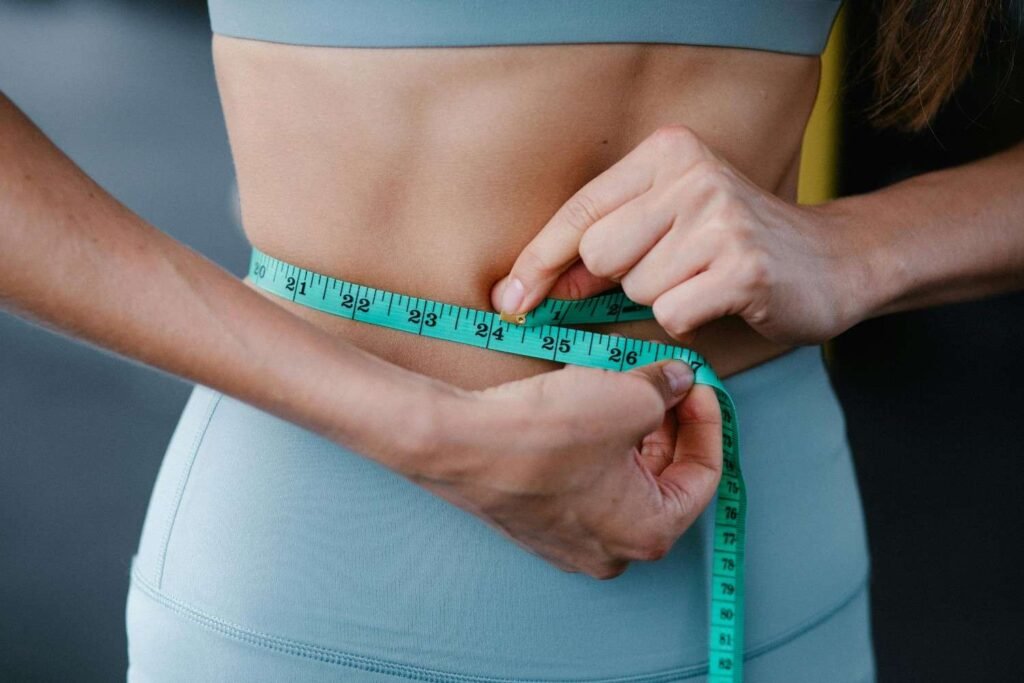
The truth is, your PCOS belly is not just about calories; it is a direct result of insulin resistance and high cortisol levels. At Pure Dietly, our 2026 research focuses on fixing the metabolic root cause rather than just treating symptoms. Therefore, in this guide, I will explain why your body stores fat differently with PCOS. Moreover, I will provide you with a science-backed action plan to balance your hormones naturally. Understanding the ‘Biological Why’ behind your weight gain is the first step toward reclaiming your health. It is time to stop the frustration and start using strategies that actually work for your unique metabolism.”
What Exactly is a “PCOS Belly”?
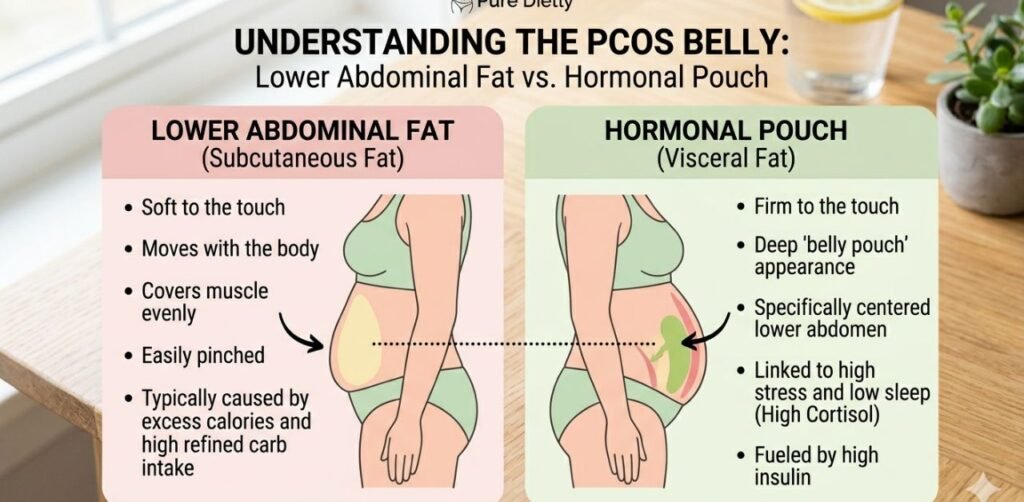
“Unlike typical weight gain, a PCOS belly specifically targets the lower abdominal area. This happens because Polycystic Ovary Syndrome causes an imbalance in androgen hormones (like testosterone). When these ‘male hormones’ are high, your body prefers to store fat in the gut rather than the hips or thighs. Furthermore, high stress levels lead to ‘Cortisol Fat,’ which creates a soft, protruding pouch that is very hard to lose with just cardio.”
The Science: Why Insulin Resistance is the Real Enemy
“Did you know that 70% of women with PCOS suffer from insulin resistance? When your cells stop responding to insulin, your pancreas pumps out even more of this hormone. Unfortunately, insulin is a ‘fat-storage hormone.’ High insulin levels tell your body to lock away fat and never burn it for fuel. Consequently, even if you eat a low-calorie diet, your high insulin levels can keep you from losing weight. This is the primary reason behind the persistent PCOS belly.”
Metabolic Audit: Hormones vs. Fat Storage
| Hormone | Effect on PCOS Belly | The 2026 Solution |
| Insulin | Stores sugar as abdominal fat | High-Fiber & Low-GI Foods |
| Cortisol | Increases ‘Stress Fat’ pouch | 8 Hours Sleep & Magnesium |
| Testosterone | Shifts fat to the midsection | Spearmint Tea & Zinc |
| Ghrelin | Causes intense sugar cravings | High-Protein Breakfast |
5 Best Foods to Flatten Your PCOS Belly Naturally
“To fix your metabolism, you must stop the glucose rollercoaster. Here are the top foods we recommend at Pure Dietly for targeting hormonal fat:
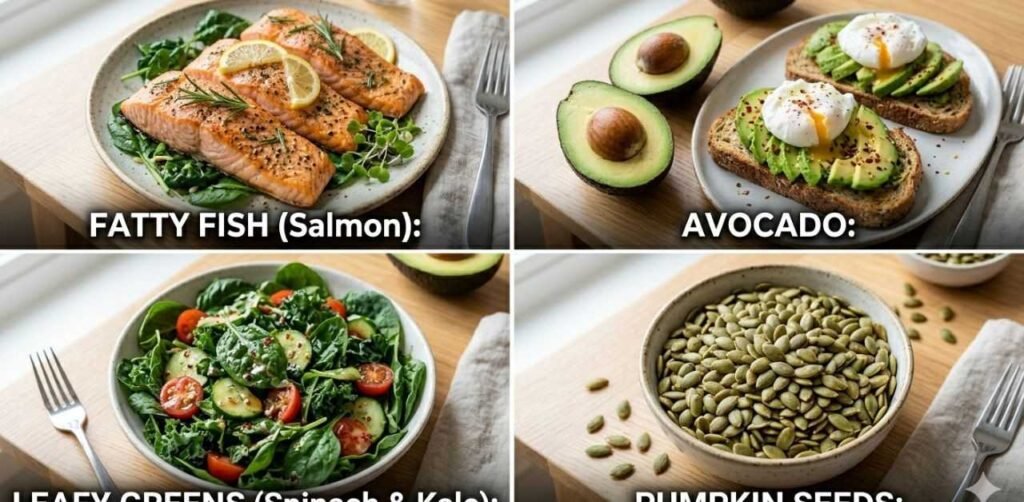
- Leafy Greens (Spinach & Kale): These are loaded with fiber which slows down sugar absorption.
- Fatty Fish (Salmon): Omega-3 fatty acids reduce the chronic inflammation that fuels PCOS weight gain.
- Avocado: Healthy fats keep you full and signal your brain to stop producing stress hormones.
- Apple Cider Vinegar: Taking 1 tablespoon in water before a meal can lower your insulin spike by 20%.
- Pumpkin Seeds: High in magnesium and zinc, which help improve insulin sensitivity and lower testosterone.”
Internal Link: If you are also managing blood sugar levels, check out our guide on the [20 Best Diabetic Foods for Weight Loss] for more protein-rich options.
The “Pure Dietly” 3-Step Strategy for Weight Loss
Step 1: The Protein-First Rule
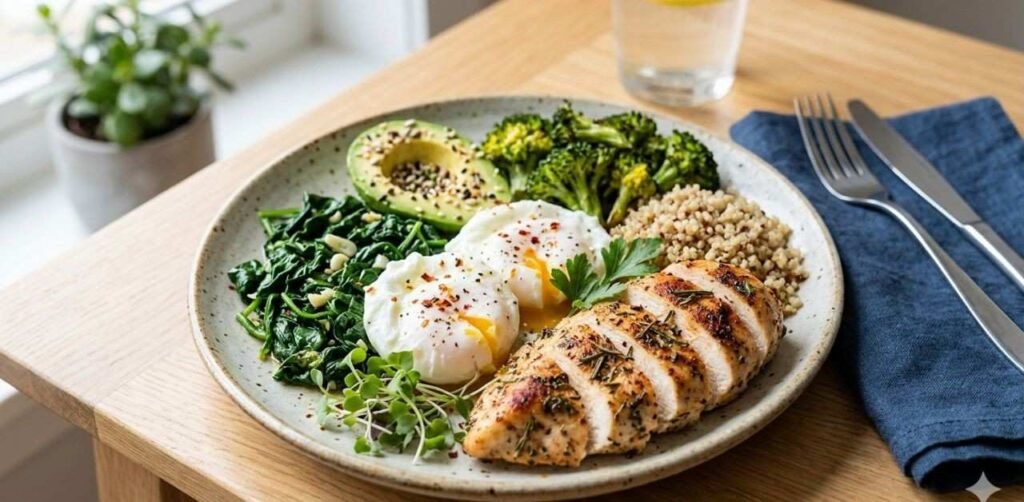
“Never eat a ‘naked’ carb. If you eat a piece of fruit or toast alone, your insulin will spike. Always pair your carbs with a protein or a healthy fat. For example, eat an apple with almond butter. This ‘buffers’ the sugar and protects you from building a PCOS belly.”
Step 2: Stop Over-Exercising
“Many women think doing 2 hours of HIIT or running will melt the fat. However, for PCOS, excessive cardio spikes cortisol. High cortisol actually protects belly fat. Instead, focus on slow-weighted strength training and walking 8,000 steps a day. This lowers insulin without stressing your body.”
Step 3: Fix Your Circadian Rhythm
“Sleep is a metabolic necessity. If you get less than 7 hours of sleep, your insulin resistance increases the next day. Therefore, prioritize a dark, cool room and stop using your phone 1 hour before bed to lower your nighttime cortisol.”
A Sample “Anti-PCOS Belly” Day (USA Edition)
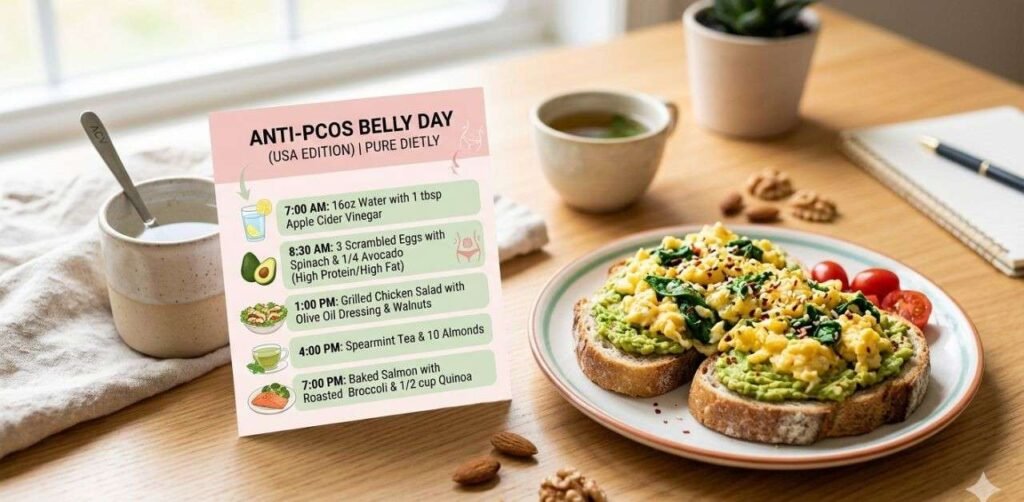
- 7:00 AM: 16oz Water with 1 tbsp Apple Cider Vinegar.
- 8:30 AM: 3 Scrambled Eggs with Spinach and 1/4 Avocado. (High Protein/High Fat).
- 1:00 PM: Grilled Chicken Salad with Olive Oil Dressing and Walnuts.
- 4:00 PM: A cup of Spearmint Tea (to lower androgens) and 10 Almonds.
- 7:00 PM: Baked Salmon with roasted Broccoli and a small side of Quinoa.
[Discover the 20 Best Diabetic Foods for Weight Loss to stabilize your insulin levels naturally.]
7 Frequently Asked Questions (FAQs)
1. Can I lose PCOS belly fat without medication?
“Yes! While some doctors prescribe Metformin, many women successfully manage their PCOS belly through a low-glycemic diet, strength training, and supplements like Inositol.”
2. Why is my belly so bloated in the evening?
“PCOS often comes with gut inflammation. This is usually ‘digestive bloating’ rather than fat. Try removing dairy or gluten for two weeks to see if your inflammation levels drop.”
3. Is coffee bad for hormonal weight loss?
“Not necessarily. However, drinking coffee on an empty stomach can spike cortisol. Always have your coffee after a protein-rich breakfast.”
4. How long does it take to see a flatter stomach?
“Consistency is key. Most women see a reduction in bloating within 14 days, but significant hormonal fat loss usually takes 12 weeks of metabolic healing.”
5. Are fruits allowed on a PCOS diet?
“Yes, but choose wisely. Berries and green apples are great. However, try to avoid high-sugar tropical fruits like mangoes and pineapples.”
6. Does intermittent fasting help?
“It can help some, but long fasts can stress the female body and increase cortisol. A 12-hour overnight fast (8 PM to 8 AM) is usually the safest starting point.”
7. Can stress alone cause a PCOS belly?
“Yes. Cortisol tells your body to store fat for ‘survival.’ Even with a perfect diet, high stress can stall your progress.”
Conclusion: Reclaim Your Metabolic Power
“Dealing with a PCOS belly requires patience and a hormone-first approach. By focusing on insulin sensitivity and reducing inflammation, you can finally see the progress you deserve. Most importantly, remember that your body is not broken; it is simply responding to a hormonal environment that needs balance.
At Pure Dietly, we encourage you to focus on how you feel—your energy, your mood, and your sleep—rather than just the number on the scale. Small daily wins lead to massive metabolic shifts over time. Start your hormonal reset today and wake up with the confidence you deserve.”
Medical Disclaimer
“Medical Disclaimer: The content on puredietly.com is for informational purposes only. It is not a substitute for professional medical advice. Always consult with your doctor before making significant changes to your diet or exercise routine, especially if you are taking medications for PCOS or Diabetes.”
About the Author
“Gohar Fatima is a Metabolic Health Researcher and SEO expert. She founded Pure Dietly to help people understand the science of their bodies. Gohar specializes in creating data-driven content that simplifies complex health topics for a global audience.”