
Editor’s Note (2026 Update)
This article was originally published in 2024 and has been comprehensively updated for 2026 to include the latest clinical research on metabolic health and the Mediterranean diet. At[ puredietly.com], our mission is to provide science-backed nutrition advice specifically tailored for the diabetic community. This guide has been reviewed for accuracy against current ADA (American Diabetes Association) guidelines and includes practical US-based brand recommendations to help you manage your A1C effectively. We believe in transparency and evidence-based reporting to help you make informed decisions about your health.
In 2026, managing blood sugar is no longer about deprivation—it’s about metabolic abundance. While many diets focus on what you must cut out, the Mediterranean diet for diabetics focuses on what you can add to effectively flatten your glucose curves and improve insulin sensitivity. At PureDietly, we have audited the latest 2026 clinical research to bring you a guide that doesn’t just lower your A1C but heals your relationship with food.
Whether you’re struggling with insulin resistance or looking for a sustainable way to enjoy meals without “sugar-spike” anxiety, this science-backed protocol is your roadmap. From the “Liquid Gold” of extra virgin olive oil to the power of food synergy, we break down how to master the Mediterranean diet for diabetics for a vibrant, healthier lifestyle.
1. The Science of EEAT: Why This Diet is Different
According to the American Diabetes Association (ADA) and Mayo Clinic, the Mediterranean diet works because it addresses the root cause of Type 2 Diabetes: Chronic Inflammation and Insulin Resistance.

- Insulin Sensitivity: High intake of Monounsaturated Fatty Acids (MUFAs) from Extra Virgin Olive Oil improves how your cells respond to insulin.
- Antioxidant Power: The polyphenols in colorful vegetables neutralize oxidative stress, protecting your blood vessels from diabetes-related damage.
- Fiber Synergy: By combining high-fiber legumes with healthy fats, you create a “slow-release” glucose effect, preventing the sharp spikes seen with processed diets.
🥗 Mediterranean Diet Score
Check if your current eating habits match the Mediterranean lifestyle.
2. The Mediterranean Pyramid: Rebuilt for Diabetics
To make this work for diabetes, we have to adjust the traditional pyramid to prioritize blood sugar stability.
The Foundation: Non-Starchy Vegetables
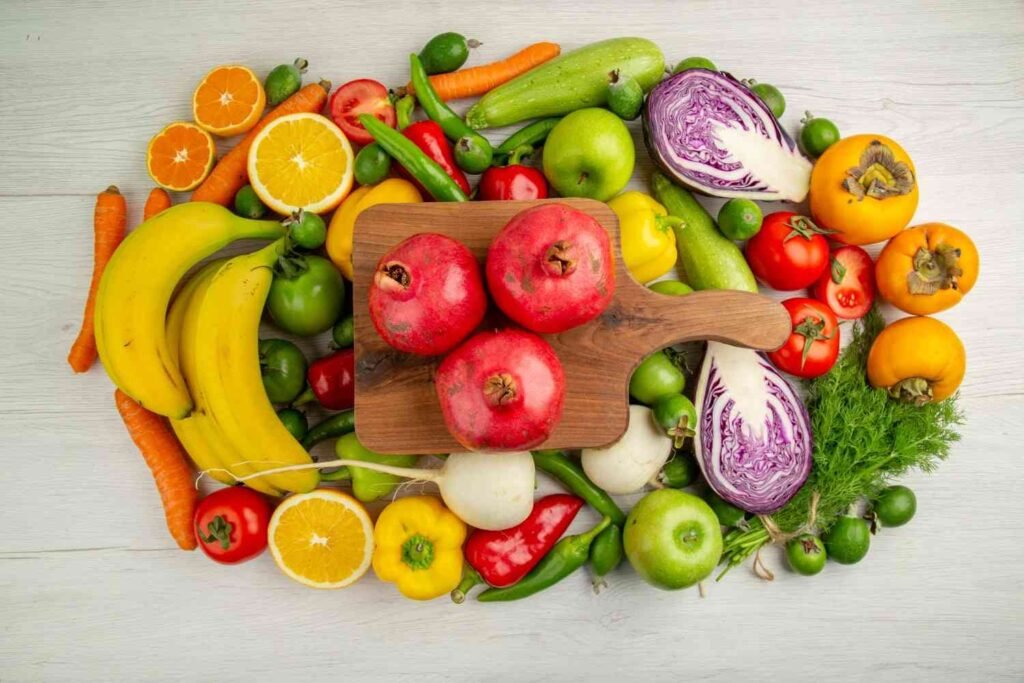
At least 50% of your plate should consist of leafy greens, broccoli, cauliflower, zucchini, and bell peppers. These provide volume and nutrients without the calorie load.
The Fuel: Healthy Fats
In the US market, look for “Cold-Pressed Extra Virgin Olive Oil.” Avocado, walnuts, and flaxseeds are your primary energy sources. These fats slow down the digestion of carbohydrates.
The Protein: Sea over Land
Fish like Salmon, Mackerel, and Sardines (rich in Omega-3) should be eaten 2-3 times a week. Poultry and eggs are secondary, while red meat is limited to once or twice a month.
3. Mediterranean vs. Keto vs. DASH: A Comparison Table
| Feature | Mediterranean Diet | Keto Diet | DASH Diet |
| Primary Focus | Healthy Fats & Fiber | High Fat, Zero Carb | Low Sodium |
| Sustainability | Very High | Low | High |
| Diabetes Benefit | Improves Insulin Sensitivity | Rapid Weight Loss | Lowers Blood Pressure |
| Heart Health | Excellent (Omega-3s) | Controversial (Saturated Fat) | Excellent |
4. Understanding “The Fiber Gap” in the US Diet
The average American consumes less than 15g of fiber daily. The Mediterranean diet pushes this to “35g to 40g”For a diabetic, fiber is your best friend because it acts as a “buffer” for sugar.
- Soluble Fiber: Found in beans and oats, it forms a gel in the gut that slows sugar absorption.
- Insoluble Fiber: Found in whole grains and skin of fruits, it keeps your gut microbiome healthy.
5. Top 10 Mediterranean Power Foods (US Grocery List)
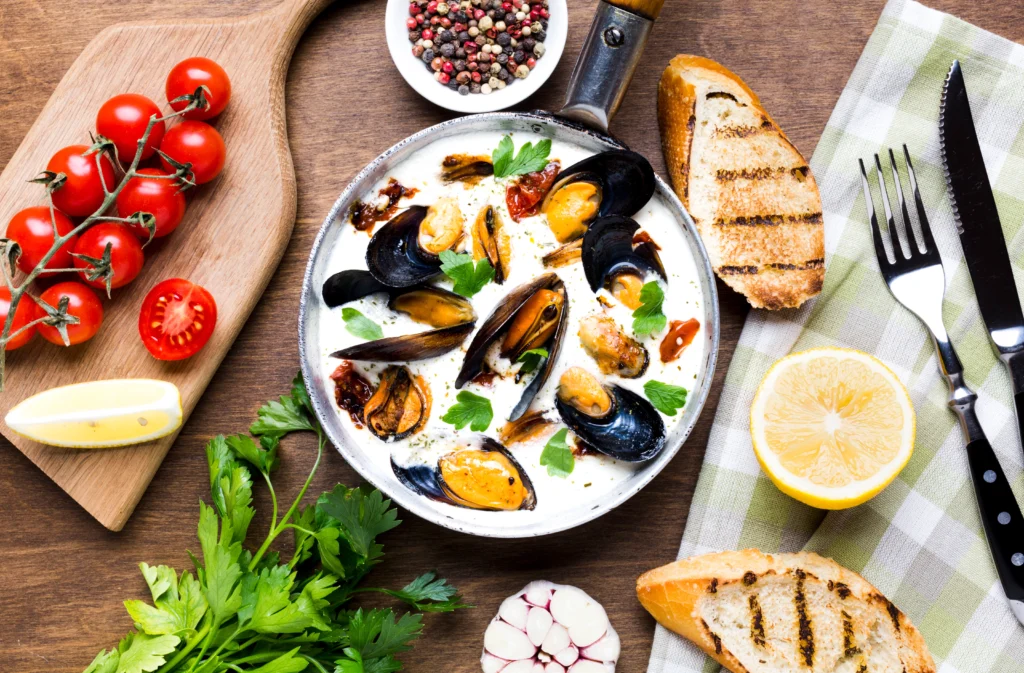
When shopping at Whole Foods, Costco, or Walmart, prioritize these:
- Avocados: Perfect fat source for stabilizing morning sugar.
- Lentils: The best “slow-carb” for dinner.
- Wild-Caught Salmon: Crucial for heart health.
- Artichokes: High in fiber and liver-cleansing nutrients.
- Extra Virgin Olive Oil: (Look for dark glass bottles to ensure freshness).
- Greek Yogurt (Plain): (As discussed in our [Best Yogurt for Diabetics] guide).
- Chia Seeds: Massive fiber boost for smoothies.
- Quinoa: A protein-rich alternative to white rice.
- Garlic & Onions: Natural anti-inflammatories.
- Walnuts: The only nut with significant plant-based Omega-3s.
6. 7-Day Precision Meal Plan for Blood Sugar Control
Day 1:
- Breakfast: Omelet with spinach, feta, and a side of sliced tomatoes.
- Lunch: Mediterranean Tuna Salad (no mayo, use olive oil and lemon) over mixed greens.
- Dinner: Baked Cod with a lemon-herb crust and roasted Brussels sprouts.
Day 2:
- Breakfast: Plain Greek yogurt with 1/4 cup raspberries and 1 tbsp chia seeds.
- Lunch: Hummus and vegetable platter with a small whole-wheat pita.
- Dinner: Grilled Chicken Kabobs with bell peppers, onions, and a side of quinoa.
Day 3:

- Breakfast: Avocado toast on sprouted grain bread with a sprinkle of red pepper flakes.
- Lunch: Mediterranean Lentil Soup with a dash of balsamic vinegar.
- Dinner: Shrimp Scampi (made with zucchini noodles instead of pasta) and garlic oil.
Day 4:
- Breakfast: Steel-cut oats topped with walnuts and a pinch of cinnamon.
- Lunch: Roasted turkey breast with a large Greek salad (olives, cucumbers, tomatoes).
- Dinner: Stuffed Bell Peppers (filled with lean ground turkey and cauliflower rice).
Day 5:
- Breakfast: Smoked salmon with cream cheese on cucumber slices.
- Lunch: White bean and kale stew with savory herbs.
- Dinner: Grilled Lamb chops (lean) with a side of sautéed green beans.
Day 6:
- Breakfast: Mediterranean breakfast bowl: Chickpeas, sliced cucumber, olives, and a hard-boiled egg.
- Lunch: Quinoa salad with chopped parsley, mint, and lemon-tahini dressing.
- Dinner: Baked Salmon with a side of steamed asparagus and a small sweet potato.
Day 7
7. The Role of “Food Synergy” in Diabetes
“Food Synergy” is the concept that nutrients work better together.

- Example: Eating tomatoes with olive oil. The fat in the oil helps your body absorb the lycopene in the tomatoes, which protects your heart—a vital benefit for diabetics.
- Example: Adding vinegar to your salad. The acetic acid in vinegar can improve insulin sensitivity during the meal.
8. 2026 Update: The Impact of Gut Microbiome
New research shows that the Mediterranean diet increases the diversity of “good” bacteria in your gut. These bacteria produce Short-Chain Fatty Acids (SCFAs) that naturally lower blood glucose levels. This is why the diet is superior to processed “diabetic shakes” or bars.
9. Common Pitfalls and How to Avoid Them
10. Conclusion: Your Journey to a Lower A1C
The Mediterranean diet is not a quick fix; it is a sustainable path to health. By focusing on whole, unprocessed foods and healthy fats, you are treating your body with the respect it deserves. Start today by swapping your cooking oil for Extra Virgin Olive Oil and adding one extra serving of vegetables to every meal.
11. Frequently Asked Questions (FAQ)
Q: Can I eat fruit on the Mediterranean diet?
A: Yes, but stick to low-glycemic fruits like berries, cherries, and apples. Avoid dried fruits which are concentrated in sugar.
Q: Is the Mediterranean diet expensive for US families?
A: Actually, beans, lentils, and frozen vegetables are among the most affordable foods at stores like Aldi or Walmart. You save money by buying less expensive meat.
Q: Can I use Stevia or Monk Fruit?
A: Yes. While the traditional diet doesn’t use them, for a diabetic, they are a great way to enjoy sweetness without the spike. (See our [Sugar Substitutes Guide]).
Author note
About the Author
I am a dedicated Diet and Nutrition Enthusiast with a deep passion for understanding how food functions as medicine. Over the years, I have spent countless hours analyzing clinical studies and metabolic health research to simplify complex nutritional science for the diabetic community. My mission is to empower individuals to take control of their blood sugar through practical, delicious, and sustainable lifestyle changes. I believe that managing diabetes shouldn’t feel like a restriction it should be an opportunity to discover a vibrant, healthier version of yourself.
Medical Disclaimer
nformational Only: This guide is for educational purposes and does not constitute medical advice, diagnosis, or treatment.
Consult Your Doctor: Metabolic health is highly individual. If you have Type 1 or Type 2 Diabetes, or are on medication, always consult your physician before making dietary changes. Rapid shifts in nutrition can impact your blood sugar and medication needs.
No Doctor-Patient Relationship: Using PureDietly.com does not create a professional healthcare relationship. Always seek expert advice for specific medical concerns.
Best Yogurt for Diabetics: 2026 Expert Guide
Leave a Comment
Logged in as puredietly@gmail.com. Edit your profile. Log out? Required fields are marked *Type here..
Copyright © 2026 puredietly.com | Powered by Astra WordPress Theme