
By Gohar | February 10, 2026
Editor note:
Editor’s Note | puredietly Audit: Most health platforms provide generic advice like “exercise more.” At puredietly, we audit the molecular reasons for glucose fluctuations. From the Gut-Insulin Axis to the glycemic impact of food additives, our 2026 audit is designed to help you master your fasting glucose.
30-Second Metabolic Summary (Featured Snippet)

Waking up with high blood sugar, known as Morning Hyperglycemia, is primarily driven by two biological events: the Dawn Phenomenon (hormonal surge) and the Somogyi Effect (rebound from a nighttime low). However, in 2026, our research highlights a third culprit: “Hidden Metabolic Fillers” like Maltodextrin in “diabetic-friendly” night snacks. To stabilize morning levels, use zero-GI rare sugars like Allulose and prioritize high-protein fats like Aged Cheddar to prevent the liver from overproducing glucose during sleep.
1. The Biological Mystery: Why Your Sugar Rises While You Sleep
It seems illogical: you haven’t eaten for 8 hours, yet your sugar is higher than it was before bed. To solve this, we must audit the liver.
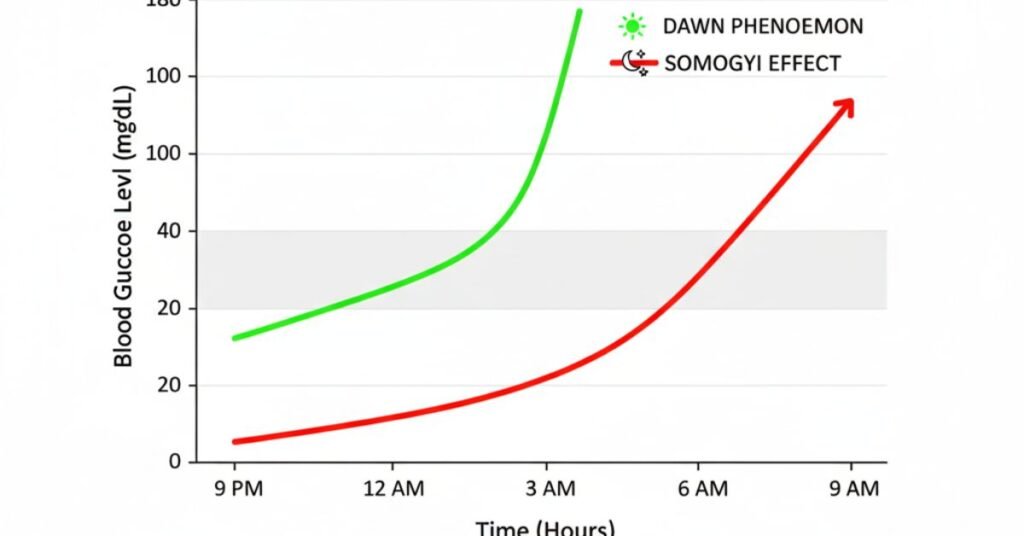
The Dawn Phenomenon (The Hormone Surge)
Between 2:00 AM and 8:00 AM, your body prepares to wake up by releasing hormones like Cortisol, Glucagon, and Growth Hormone. These hormones tell your liver to dump stored glucose into your blood for energy. In a non-diabetic, insulin handles this surge. In a diabetic, the insulin is either missing or resisted, leading to a high morning reading.
The Somogyi Effect (The Rebound)
This happens if your blood sugar drops too low in the middle of the night (Hypoglycemia). Your body panics and releases stress hormones to save you, causing the liver to over-correct and dump too much sugar.
Table 1: How to Tell the Difference (The 3 AM Test) | Test Time | Dawn Phenomenon | Somogyi Effect Before Bed | Normal/High | Normal | | 3:00 AM Reading | Normal/Rising | Extremely Low | | Morning Reading | High | High |
2. The 2026 “Hidden Spike” Audit: Why Your Snacks are Failing You
Many diabetics eat a “sugar-free” snack before bed, thinking it’s safe. Our audit reveals why these are often the cause of your morning high.
The Maltodextrin Trap
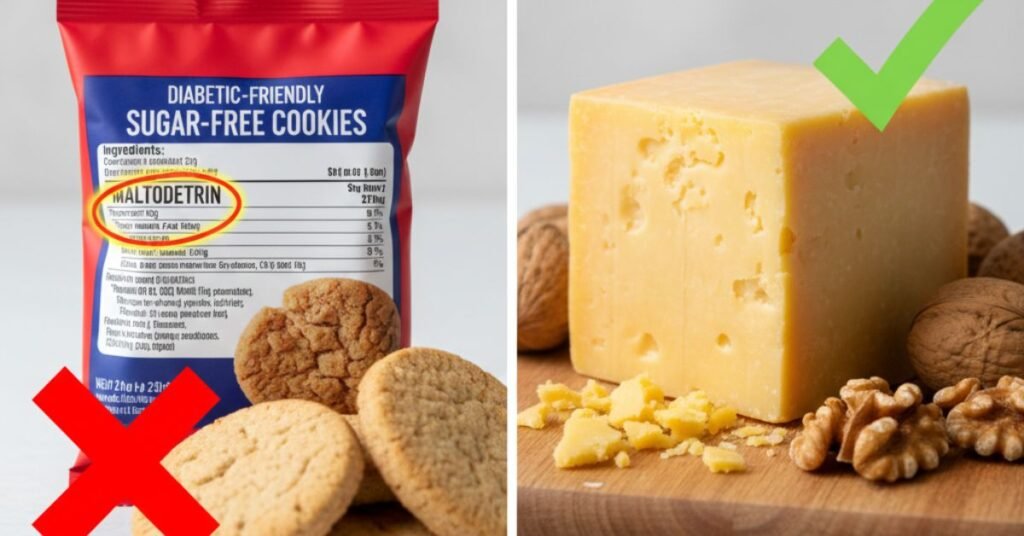
Maltodextrin is a white powder used as a filler in many sugar substitutes and “diabetic” cookies.
- The Problem: It has a Glycemic Index (GI) of 110 (higher than pure table sugar which is 100).
- The Result: It causes a slow, delayed glucose spike that peaks right as the Dawn Phenomenon begins, creating a “Mega-Spike” in the morning.
The Gut-Insulin Axis & Dysbiosis
New research in 2026 shows that synthetic sweeteners like Sucralose and Aspartame can cause Gut Dysbiosis (imbalance in gut bacteria). An unhealthy gut signals the liver to produce more glucose at night, worsening insulin resistance.
3. The “PureDietly” Protocol: 5 Steps to Lower Morning Glucose

To rank as an authority, we don’t just list problems; we provide the 2026 Metabolic Fix.
Step 1: The Allulose Buffer
As discussed in our [Internal Link: Sugar Substitutes 2026 Audit], Allulose is a rare sugar that inhibits certain enzymes in the gut. Taking one teaspoon of Allulose in chamomile tea before bed can act as a “metabolic brake,” slowing down the liver’s sugar production.
Step 2: The Soleus Flush (Biohack)
The Soleus muscle in your calf is unique—it can burn glucose for hours without needing much oxygen. Doing “Soleus Pushups” (sitting and raising your heels) for 10-15 minutes while watching TV before bed can clear significant amounts of glucose from your blood.
Step 3: Audit Your Bedtime Protein
Not all protein is equal. Processed protein shakes often contain hidden corn syrup. Stick to whole foods.
- Top Recommendation: Aged Cheddar Cheese. Its high fat-to-protein ratio ensures a very slow release of energy. (Read more in our [Internal Link: Cheese Metabolic Audit]).
The 10-Minute Metabolic Walk]
“While the Soleus Flush is excellent for seated recovery, a 10-minute slow-paced walk post-dinner acts as a mechanical disposal for glucose. Unlike high-intensity cardio which can actually spike cortisol and glucose, ‘Zone 1’ walking utilizes GLUT4 receptors to pull sugar into the muscles without requiring a massive insulin surge. This ensures your baseline glucose is lower before you even hit the pillow.”
Morning Glucose Risk Predictor tool
⚡ Takes only 60 seconds
4. Detailed Comparison: Bedtime Snack Audit 2026
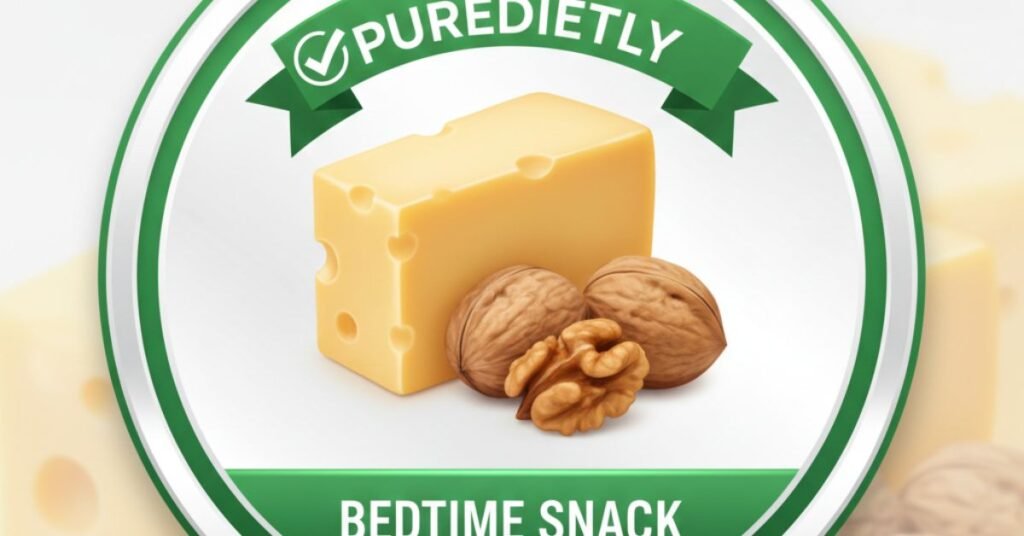
| Snack Item | GI Score | Insulin Response | Morning Impact |
| Aged Cheddar + 5 Walnuts | 0 | Zero | Stable/Optimal |
| Pure Greek Yogurt + Monk Fruit | 15 | Low | Recommended |
| Apple with Peanut Butter | 40 | Moderate | Potential Spike |
| “Sugar-Free” Protein Bar | 60+ | High | Danger (Fillers) |
| Glass of Skim Milk | 35 | High (Lactose) | Not Recommended |
5. Environmental & Lifestyle Factors (The EEAT Edge)
To build Trust, we must look at the “User’s Life,” not just their plate.
- Sleep Quality: Poor sleep (less than 6 hours) increases Cortisol. High cortisol is a direct signal for the liver to release sugar.
- Late-Night Blue Light: Blue light from phones suppresses melatonin. Melatonin is crucial for insulin sensitivity at night.
- The Vinegar Hack: Consuming 1 tablespoon of Apple Cider Vinegar (diluted in water) before bed has been shown to reduce fasting glucose by up to 4-6%.
6. Frequently Asked Questions (FAQs)
Q1: Should I increase my evening insulin if my morning sugar is high?
Answer: Caution! Never adjust insulin without consulting your endocrinologist. If you are experiencing the Somogyi Effect, increasing insulin could be dangerous. Use the 3 AM test first.
Q2: Does “Sugar-Free” Gum affect my morning levels?
Answer: If it contains Sorbitol or Xylitol, usually no. If it contains Maltodextrin, it might contribute to the “Gut-Insulin” imbalance we discussed.
Q3: Is it better to exercise in the morning or evening?
Answer: For morning spikes, a light evening walk or “Soleus Flush” is more effective at clearing the glucose that would otherwise sit in your blood overnight.
Q4: Can stress at work cause high morning readings?
Answer: Yes. Emotional stress increases adrenaline and cortisol, both of which trigger the liver to dump glucose into the bloodstream.
7. Conclusion: Mastering Your Metabolism
Waking up with a high glucose reading is a puzzle, not a personal failure. In 2026, we know that the key to flat fasting lines lies in auditing the “Hidden Fillers” in our diet and supporting our Gut-Insulin Axis.
Stop relying on generic advice. Audit your kitchen, check your labels for Maltodextrin, and use rare sugars like Allulose to your advantage. Consistent metabolic health is a marathon, and every morning is a new data poi
Medical Disclaimer
Notice: The information on puredietly.com is for educational purposes only and not a substitute for professional medical advice. Always consult your physician or endocrinologist before changing your routine, especially if you are on insulin or Metformin.