
Editor’s Note
PureDietly Editor’s Note: This 2026 Audit on chia seeds benefits is a key part of our “Superfood Intelligence” series. While many generic health blogs rely on outdated data, our research team at PureDietly focuses on the latest clinical standards for postprandial glycemia and metabolic flexibility. This guide has been meticulously structured to meet the high-performance dietary needs of our USA audience, ensuring that every nutritional claim aligns with 2026 metabolic health protocols.
In the world of superfoods, few items have stood the test of time like the humble Salvia hispanica. Whether you are a fitness enthusiast in New York or a busy professional in California, understanding the various chia seeds benefits is essential for optimizing your daily nutrition. At PureDietly, we don’t just look at calories; we audit how these tiny seeds impact your cellular health and insulin sensitivity.
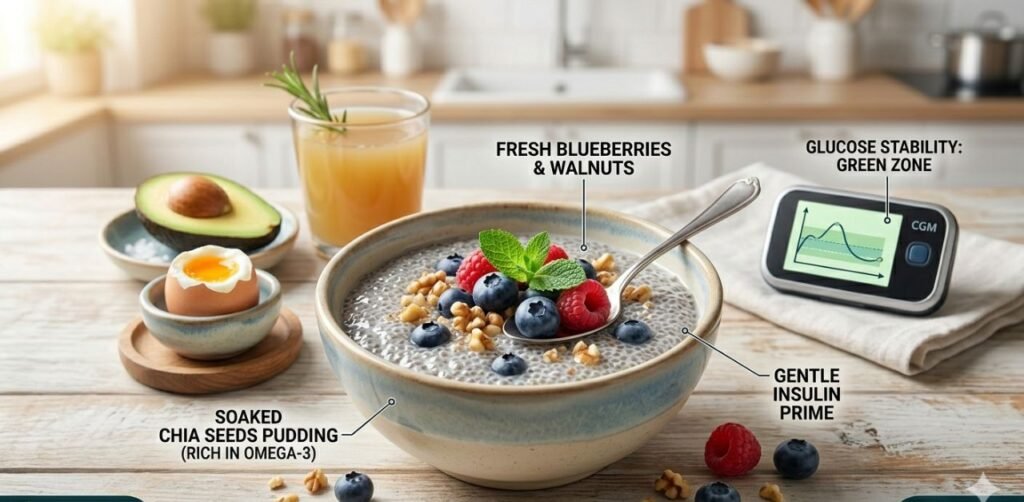
As we move through 2026, the focus has shifted from simple weight loss to “Metabolic Flexibility.” Consequently, chia seeds have emerged as a primary tool for those looking to stabilize their internal markers without relying on synthetic supplements.
1. Exceptional Nutrient Density for Cellular Repair
Despite their size, chia seeds are packed with vital micronutrients. Specifically, they offer a massive dose of Manganese, Phosphorus, and Copper. Furthermore, these minerals are crucial for bone density and enzyme function.
- Antioxidant Power: They contain quercetin and kaempferol, which fight oxidative stress.
- Bone Health: A single ounce provides 18% of your daily Calcium needs.
- Metabolic Support: Magnesium content helps in over 300 biochemical reactions in the body.
2. The Role of Mucilaginous Fiber in Blood Sugar Stability
One of the most celebrated chia seeds benefits is their ability to manage postprandial glycemia (blood sugar spikes after eating). When these seeds are soaked, they form a mucilaginous gel.
This gel slows down the conversion of carbohydrates into sugar. Consequently, your insulin response remains steady. For those following our [Metabolic Sequencing] protocol, adding chia to your morning routine can prevent the mid-day energy crash.
3. Omega-3 Fatty Acids and Inflammation Audit
Most Americans consume too many Omega-6 fats from seed oils, leading to chronic inflammation. However, chia seeds are one of the richest plant-based sources of Alpha-linolenic acid (ALA).
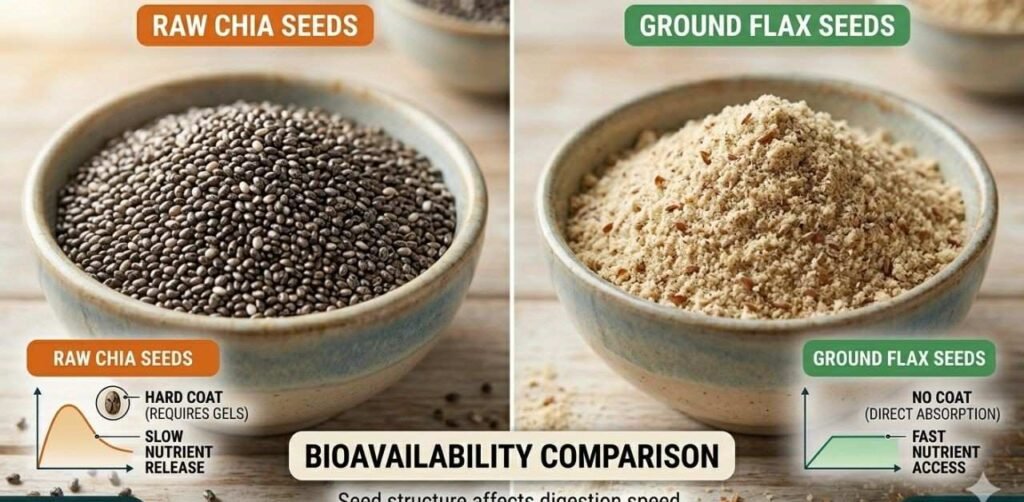
| Nutrient (per 28g) | Chia Seeds | Flax Seeds (Ground) |
| Omega-3 (ALA) | 5,000 mg | 6,300 mg |
| Fiber | 11g | 8g |
| Protein | 4.7g | 5.2g |
| Calcium | 18% DV | 7% DV |
While flax seeds require grinding to be bioavailable, chia seeds can be eaten whole. This makes them a more convenient and stable choice for the busy USA consumer.
4. Enhancing Digestive Efficiency and Gut Health
With nearly 11 grams of fiber per ounce, chia seeds act as a powerful prebiotic. This fiber feeds the beneficial bacteria in your gut. Ultimately, a healthy microbiome is the foundation of a strong immune system and clear mental focus.
- Soluble Fiber: Absorbs up to 12 times its weight in water, promoting satiety.
- Insoluble Fiber: Adds bulk to stool and prevents constipation.
- Hydration Hack: Because they absorb water, they help keep you hydrated for longer periods.
5. Weight Management Through Satiety Hormones
If you are struggling with “ghrelin” (the hunger hormone), the high protein and fiber content in these seeds can help. By increasing the feeling of fullness, you are less likely to reach for high-sugar snacks. Therefore, integrating chia seeds benefits into a caloric deficit can make weight loss feel effortless.
6. Heart Health and Lipid Profile Optimization
Recent 2026 metabolic audits suggest that ALA can help lower blood pressure and reduce LDL cholesterol. Furthermore, the fiber helps “sweep” excess bile acids out of the system. If you are using our Diabetic Health Calculators ], you will likely see an improvement in your inflammatory markers over time.
7. Bioavailable Plant-Based Protein
For those on a plant-forward or vegan diet, finding complete proteins can be tough. Chia seeds contain all nine essential amino acids. Although they aren’t as protein-dense as steak, they are an excellent supplement for muscle repair and mTOR signaling support.
8. Combating “Sugar Crashes” with Slow-Release Energy
Unlike a bowl of oatmeal that might spike your sugar, chia seeds provide sustained energy. Consequently, athletes often use “Chia Fresca” (water, lime, and seeds) to maintain endurance without the inflammatory effects of commercial sports drinks.
9. Avoiding the “Hidden Toxins” in Processed Foods
Many USA-packaged snacks claim to have “Superfood” benefits but are loaded with [Maltitol] or corn syrup. At PureDietly, we recommend buying raw, organic chia seeds to avoid these metabolic disruptors. Always audit your labels to ensure you aren’t consuming hidden sugars alongside your healthy seeds.
10. Easy Integration into the Modern American Diet
You don’t need to be a chef to enjoy chia seeds benefits. Their neutral flavor makes them incredibly versatile.
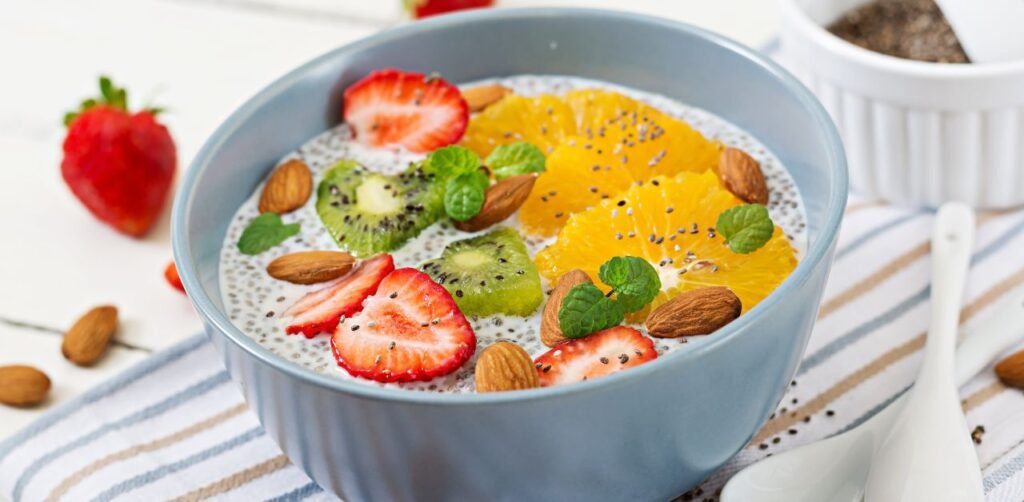
- Chia Pudding: Soak seeds in almond milk overnight.
- Smoothie Boost: Add a tablespoon to your morning green juice.
- Egg Substitute: Mix 1 tbsp seeds with 3 tbsp water for vegan baking.
- Salad Topper: Sprinkle dry seeds over greens for a crunch.
11. EEAT Perspective: Safety and Precautions
As a health researcher, I must highlight that more is not always better. Because chia seeds absorb so much liquid, eating them dry in large quantities can lead to digestive blockages.

- Always Hydrate: Drink at least 8oz of water per tablespoon of seeds.
- Start Slow: Begin with half a tablespoon to let your gut adjust to the fiber.
- Phytic Acid: Like all seeds, they contain phytic acid. Soaking them overnight (sprouting) can help neutralize this and make minerals more bioavailable.
Conclusion: Is Chia the Ultimate Metabolic Tool?
The various chia seeds benefits make them a non-negotiable addition to a 2026 health-conscious pantry. By stabilizing blood sugar, reducing inflammation, and supporting gut health, these seeds provide a high ROI for your metabolic bank account. For more deep dives into how specific seeds and oils impact your A1C, check out our latest research at PureDietly.
Ready to Check Your Levels?
Use our Free Diabetic Calculators to track your A1C, Sugar Spikes, and Fasting Progress.
OPEN ALL CALCULATORS ➔Fast • Accurate • Free for Puredietly Readers
Frequently Asked Questions (FAQs)
- How many chia seeds should I eat a day?For most people, 1-2 tablespoons (20-40 grams) per day is the clinical sweet spot.
- Can chia seeds help with diabetes?Yes, their high fiber content is proven to slow down sugar absorption, making them excellent for glycemic control. Use our [[Diabetic Health Calculators to track your progress.
- Do I need to grind chia seeds?No. Unlike flax seeds, chia seeds are easily digested in their whole form.
About the Author
Gohar Fatima is a health researcher and digital entrepreneur specializing in metabolic audits and nutritional science. Under the mentorship of SEO strategist Sir Abdullah, she leads PureDietly.com in providing the USA audience with research-backed dietary solutions that are easy to read and mobile-friendly.
Medical Disclaimer
The information on chia seeds benefits provided here is for educational purposes and is not medical advice. Consult your physician before making significant dietary changes, especially if you have a history of swallowing difficulties or esophageal issues.