
By Gohar | Founder, Pure Dietly Last Updated: March 10, 2026
Editor’s Note: The 2026 Grain Revolution
In the United States, we’ve been conditioned to believe that “Whole Wheat” is the ultimate health food. From the cereal aisles in New York to the bakeries of Los Angeles, wheat is a staple. But at Pure Dietly, we look at the data. As we navigate 2026, clinical research is proving that when comparing barley vs wheat for diabetics, one grain is a metabolic hero, while the other is a hidden sugar trap. If you’ve been using our [Oatnut Bread] guide, you’re already ahead of the curve. Now, let’s dive into the science of why your choice of grain determines your A1C future.
1. The Molecular Battle: Glycemic Index (GI) vs. Glycemic Load (GL)
To truly understand barley vs wheat for diabetics, we have to look beyond the calories. We have to look at how these grains behave inside your gut.
The Barley Advantage (The Slow Burn)
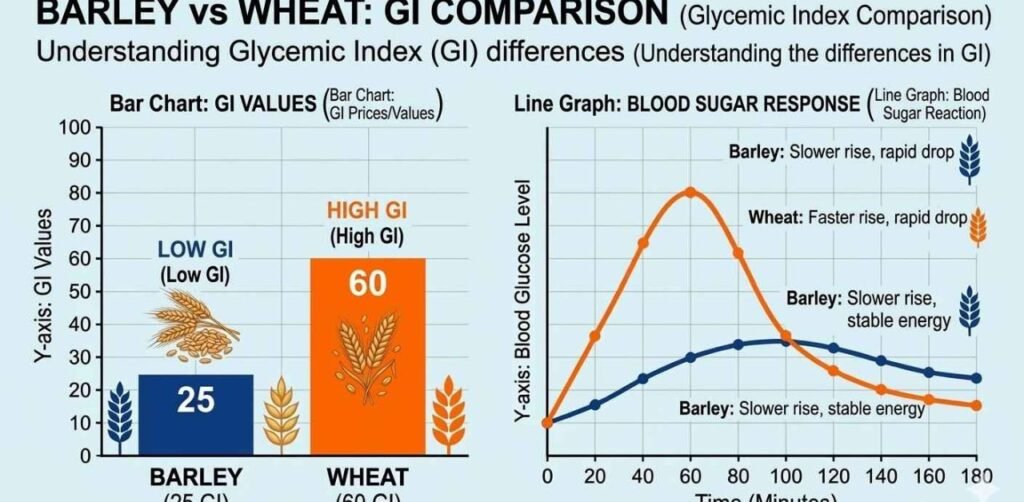
Barley is famous for its exceptionally low Glycemic Index. Pearl barley typically sits at a GI of 25 to 28. This is because barley isn’t just “fiber-rich” it contains a specific type of soluble fiber called Beta-glucan.
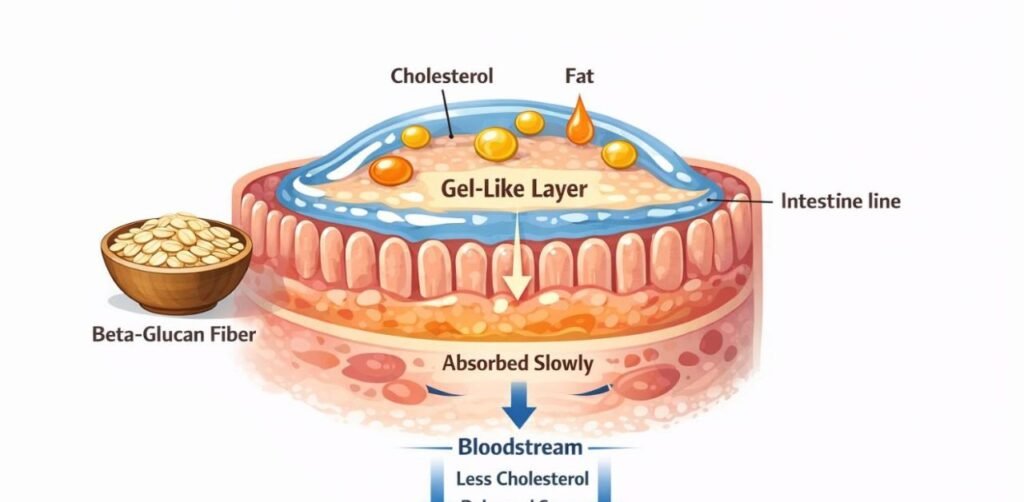
- The Gel Effect: When you eat barley, beta-glucan forms a thick gel in your digestive tract. This gel slows down the breakdown of carbohydrates, ensuring that glucose enters your blood drop by drop, not in a flood.
The Wheat Reality (The Rapid Spike)
Even 100% stone-ground whole wheat has a GI of around 59 to 65. While wheat contains fiber, it is mostly insoluble fiber, which adds bulk to your stool but does very little to slow down the sugar absorption in your small intestine. For a diabetic, eating wheat is like driving a car with a sensitive gas pedal—one small push and your sugar levels zoom up.
2. 2026 Nutritional Matrix: A Side-by-Side Analysis
Let’s look at the numbers that the USA diabetic community needs to know. These values are based on 1 cup of cooked grain.
| Nutritional Component | Pearl Barley (1 Cup) | Whole Wheat (1 Cup) | Impact on Diabetes |
| Net Carbohydrates | 38g | 42g | Barley prevents “Carb Overload” |
| Dietary Fiber | 6.0g | 4.2g | Higher fiber = Stable Insulin |
| Protein | 3.5g | 7.0g | Wheat has more protein, but more gluten |
| Magnesium | 35mg | 24mg | Vital for Insulin Sensitivity |
| Glycemic Index | 25 (Very Low) | 60 (Moderate) | Barley Wins 100% |
3. The Hidden Culprit: Phytic Acid and Mineral Deficiency
One thing WebMD and other competitors often miss is the “Anti-nutrient” factor.
Magnesium: The Insulin Master
Most diabetics in the USA are deficient in Magnesium. Magnesium is the key that unlocks your cells so insulin can let sugar in.
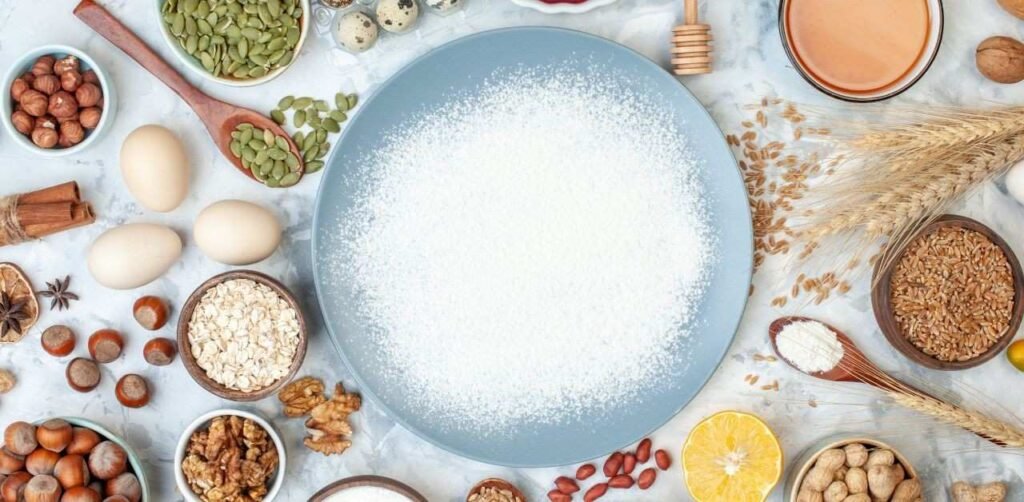
- The Problem with Wheat: Wheat is high in phytic acid, which binds to minerals like Magnesium, Zinc, and Calcium, preventing your body from absorbing them.
- The Barley Solution: While barley also contains phytic acid, it responds better to soaking and fermentation. By soaking barley overnight, you “pre-digest” the phytic acid, making the Magnesium more bioavailable for your metabolism.
4. The “Second Meal Effect”: Barley’s Secret Weapon
Clinical studies in 2026 have highlighted a phenomenon called the “Second Meal Effect.” If you eat barley for breakfast, the beta-glucan continues to work in your gut for several hours. This means that even if your lunch has a few extra carbs, the barley from your breakfast will still be there to dampen the glucose spike of your second meal. Wheat does not offer this long-term metabolic protection.
5. USA Brand Guide: What to Buy in 2026
Navigating American grocery stores can be tricky. Here is what to look for:
- Pearl Barley (Best for Beginners): This has the hull and bran partially removed. It’s the most common and easiest to cook.
- Hulled Barley (The Superfood): Only the outermost shell is removed. It takes longer to cook but has the highest fiber content.
- Avoid “Quick Barley”: Just like “Instant Oats,” quick barley is pre-steamed and processed, which raises its Glycemic Index. Stick to the traditional pearl or hulled versions.
Pure Dietly Recommendation: Look for brands like Bob’s Red Mill or 365 Whole Foods Market for organic, non-GMO barley options.
6. The Pure Dietly “Grain-Swap” Protocol
Don’t try to quit wheat overnight. Use our 2026 “Step-Down” method:
- The 50/50 Rice Rule: When making a rice dish, use 50% Pearl Barley and 50% Basmati rice. This lowers the total GI of the meal significantly.
- The Flour Blend: If you bake your own bread, replace 1/3 of your wheat flour with barley flour. It adds a delicious nutty flavor and improves the texture.
- The Morning Porridge: Swap your 1-minute oats for “Barley Grits.” It keeps you full until 1:00 PM, preventing mid-morning sugar cravings.
[Calculate Your Daily Carb Budget: Use our Diabetic-Friendly Carb Manager]
7. Gluten and Gut Health: A Modern Concern
We cannot talk about barley vs wheat for diabetics without mentioning gluten.
- Wheat Gluten: Modern American wheat is bred to have very high gluten content for “fluffy” bread. This can cause gut inflammation in sensitive individuals, which indirectly worsens insulin resistance.
- Barley Gluten: Barley does contain gluten (hordein), but usually in lower amounts than modern wheat. However, if you have Celiac disease, you must avoid both. For everyone else, barley’s gut-healing fibers often outweigh the small gluten risk.
“Struggling with gluten? Read our latest [Is Buckwheat Gluten Free? 2026 Audit] to find your new favorite grain substitute.”
8. FAQ: Answering the USA Community
Q: Is barley fattening?
A: No. Because it has such a low GI, it prevents the insulin spikes that tell your body to store fat. In fact, many people use barley to lose stubborn visceral (belly) fat.
Q: Can I use barley if I am on Metformin?
A: Yes. Barley works synergistically with Metformin by improving natural insulin sensitivity. Check our guide on [Metformin for Weight Reduction] for more details.
Q: How do I know if barley is working for me?
A: Use a Continuous Glucose Monitor (CGM) or check your 2-hour post-meal sugar. You will notice a much flatter curve compared to a wheat-based meal. You can also track your cellular health with our [Metabolic Age Calculator].
9. The Final Verdict: Why Your Pantry Needs Barley
When we look at the final score of barley vs wheat for diabetics, it isn’t even close. Barley wins on fiber, wins on minerals, and wins on the Glycemic Index. While wheat will likely always be a part of our culture, barley should be the staple for anyone serious about reversing insulin resistance in 2026.
Your 7-Day Action Plan:
- [ ] Day 1: Buy 1lb of Pearl Barley.
- [ ] Day 3: Replace your dinner side dish (potato/rice/pasta) with seasoned barley.
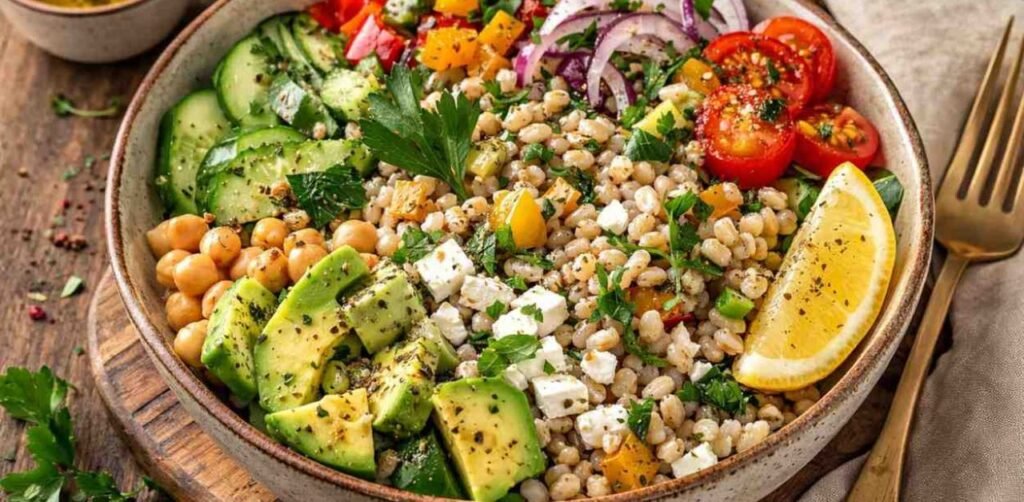
- [ ] Day 5: Try a barley salad with chickpeas and lemon (high protein, low GI).
- [ ] Day 7: Use our [Fasting Blood Sugar to A1C Converter] to see how your weekly averages are improving.
About Author
Gohar is a Metabolic Health Researcher and the founder of Pure Dietly. He specializes in 2026 clinical nutrition, helping the USA diabetic community replace “sugar-spiking” staples with science-backed alternatives. From mapping the effects of Barley vs Wheat to developing the Diabetic Health Tools]], Gohar is dedicated to making A1C management simple, data-driven, and effective.
Medical Disclaimer
This content is for educational purposes only and follows 2026 metabolic health guidelines. Always consult your healthcare provider before changing your diabetic diet or medication.