
By Gohar Fatima | PureDietly Metabolic Research | May 29, 2026

Editor’s Note
At PureDietly, we approach nutrition through the lens of biological reality. In this 2026 metabolic audit, we move beyond generic diet claims to examine how traditional corn tortillas interact with your insulin and metabolic markers. Our goal is to empower you to decide if these staples deserve a place in your lifestyle.
Introduction
When walking down the aisles of a modern grocery store, the variety of wraps and shells can be overwhelming for anyone focused on their metabolic well-being. A common question among health-conscious individuals today is: how do corn tortilla carbs truly affect your energy stability? Understanding the biological impact of your food choices is key to maintaining long-term metabolic freedom.
The Processing Divide: Understanding Corn Tortilla Carbs
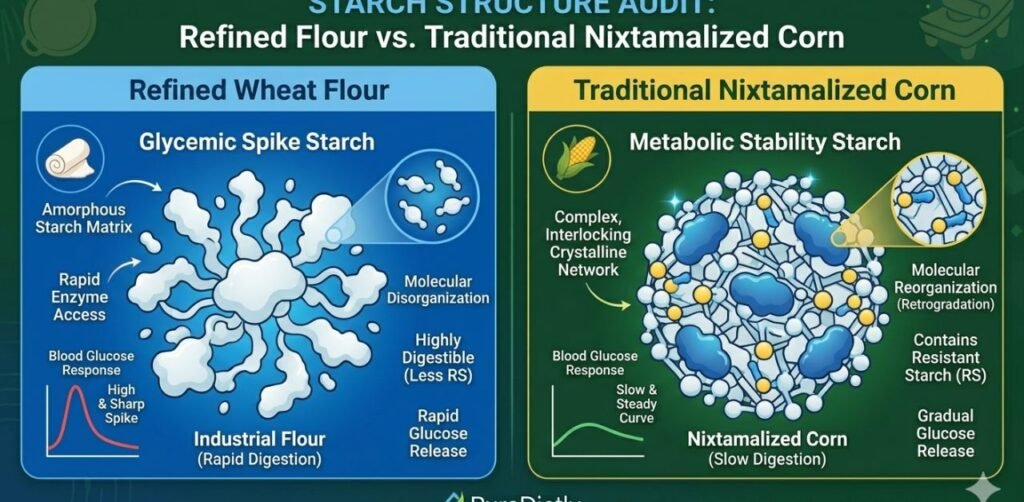
To understand the metabolic impact of corn tortilla carbs, we must first look at the grain’s processing. Unlike highly refined wheat flours that trigger rapid glucose spikes, traditional corn tortillas undergo a process called nixtamalization. This ancient method increases the resistant starch content of the corn, which slows down glucose absorption and makes it a more favorable choice for metabolic health.
| Feature | Refined Flour Tortilla | Nixtamalized Corn Tortilla |
| Glycemic Impact | High (Rapid spikes) | Moderate (Stable release) |
| Nutrient Density | Low (Stripped) | Moderate (Higher minerals) |
| Resistant Starch | Minimal | Significant |
The Science of Nixtamalization: A Biological Upgrade
The process of nixtamalization involves soaking and cooking corn in an alkaline solution, usually lime water. This is not merely a culinary tradition; it is a metabolic intervention.

- Bioavailability: This process releases niacin (Vitamin B3) and other minerals from the corn matrix, making them available for human absorption.
- Starch Transformation: The chemical reaction changes the starch structure into resistant starch, which behaves more like fiber in the gut, helping to stabilize blood sugar levels.
- Digestibility: By breaking down the tough outer hull of the corn, nixtamalization makes the tortilla easier on the gut microbiome, reducing the risk of inflammatory digestive stress.
Why Processing Matters for Your Metabolism
Understanding the biological reality of your food choices is key to metabolic freedom. Here is why the preparation method matters:
- Glucose Regulation: The nixtamalization process fundamentally changes the starch structure of the corn, leading to a slower rise in blood sugar.
- Nutrient Bioavailability: Traditional processing improves the body’s ability to absorb essential nutrients compared to mass-produced, fortified wheat flours.
- Inflammatory Triggers: Many commercial tortillas contain hidden hydrogenated oils and excessive preservatives that can counteract the benefits of the corn base.
Metabolic Health Criteria for Selection
When auditing the options in your local market, keep these three metabolic benchmarks in mind to maintain your energy stability:
- The Fiber-to-Carb Ratio: Always look for the highest fiber-to-total carbohydrate ratio on the label. Fiber acts as a protective buffer, further slowing the speed at which corn tortilla carbs enter your bloodstream.
- Ingredient Minimalism: If the ingredient list is long and contains items you wouldn’t use in your own kitchen, it is likely a metabolic hazard.
- Avoid “Fortified” Traps: Many commercial wheat and corn options are heavily fortified with synthetic vitamins; focus instead on natural whole-food sources.
Actionable Strategies for Energy Stability
Integrating tortillas into your diet requires more than just picking a brand; it requires a strategy. Consider these steps to optimize your results:

- Strategic Pairing: Always pair your meal with healthy fats, such as avocado or olive oil, and high-quality protein. This combination dampens the glycemic response of the meal.
- Portion Management: Even when choosing the highest quality corn tortillas, metabolic response is highly individual. Monitoring your personal glucose levels is the most accurate way to audit your body’s specific response.
- The DIY Advantage: Creating your own tortillas from nixtamalized corn flour (masa harina) gives you total control over the ingredients, effectively eliminating the risk of inflammatory oils or unwanted sugars.
The Blood Sugar Response: A Metabolic Case Study
To visualize the impact of your choices, consider two scenarios:
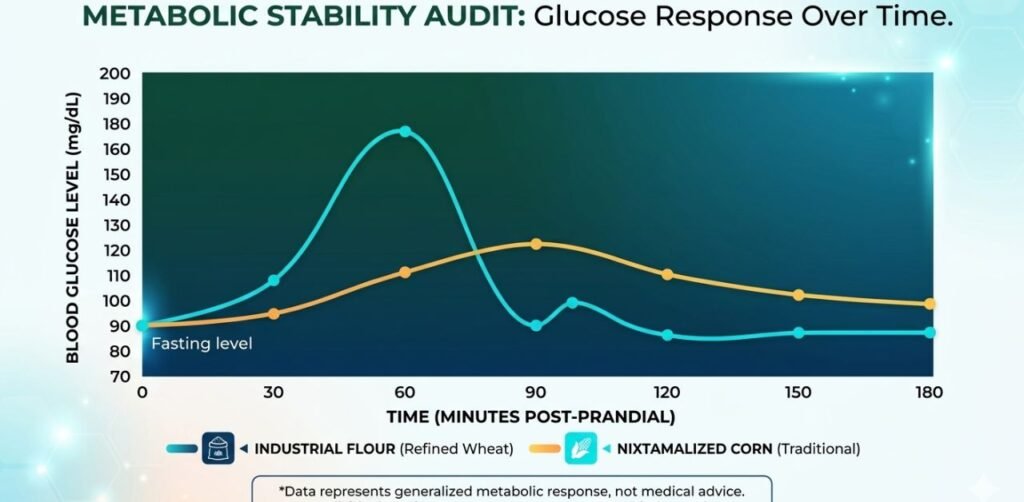
- The Industrial Flour Wrap: Consumed on an empty stomach, the refined carbohydrates bypass most digestive buffers, hitting the bloodstream as glucose almost instantly. This forces a massive insulin spike, which, over time, contributes to insulin resistance.
- The Nixtamalized Corn Taco: Paired with grilled chicken, black beans, and avocado, the fat and protein act as a “metabolic brake.” The fiber in the corn and the added healthy fats ensure that the glucose entry into the blood is gradual and sustained, preventing the “crash” often associated with lunch hour.
Frequently Asked Questions (FAQ)
- Q: Are corn tortillas lower in carbs than flour tortillas?
- A: Generally, yes. Corn tortillas are often smaller and denser, offering a better fiber-to-carb profile when nixtamalized properly.
- Q: Can I eat corn tortillas on a keto diet?
- A: Traditional corn tortillas are grain-based and typically too high in carbohydrates for strict keto, though some “low-carb” modified versions exist.
- Q: Why does the ingredient list matter so much?
- A: Commercial tortillas often contain added seed oils and sugar, which can trigger inflammation and negate the metabolic benefits of the corn itself.
Want to check the impact of this food on your sugar?
📊 Open Net Carb CalculatorConclusion
So, are corn tortilla carbs inherently bad? The answer lies in the processing and your personal metabolic health. By focusing on nixtamalized corn and avoiding highly refined, industrial alternatives, you can enjoy these traditional staples without compromising your long-term metabolic freedom. For further reading, explore our Gut Health for Better Blood Sugar Control guide, or audit your morning habits with our 2026 Metabolic Audit of Breakfast Staples. As always, our research-driven approach is designed to help you reclaim your health from marketing hype.
About the Author: Gohar Fatima
Gohar Fatima is a metabolic health researcher and the founder of PureDietly. She specializes in translating complex nutritional science into evidence-based “Metabolic Audits.” With a focus on insulin resistance and gut health, Gohar helps individuals move beyond marketing hype to reclaim their metabolic freedom. Her research-driven approach empowers readers to understand the biological reality of their food.
Medical Disclaimer
The information provided at PureDietly is for educational purposes only and does not constitute medical advice. Every metabolic system is unique. Always consult with your primary care physician before making significant changes to your diet, especially if you are managing digestive disorders or diabetes.