
By Gohar Fatima | PureDietly Metabolic Research

Editor’s Note
At PureDietly, we approach nutrition through the lens of biological reality. In this 2026 Metabolic Audit, we move beyond the generic “spicy is healthy” claim. We examine how capsaicin—the active component in chili peppers—interacts with your insulin, gut microbiome, and systemic inflammation. Our goal is to empower you to decide if adding heat to your plate is a metabolic upgrade or a digestive hazard.
Walk into any modern health cafe, and you will find chili-infused everything—from hot honey to spicy detox juices. But is spicy food good for you, or is it just another trending marketing claim? As a metabolic researcher, I have audited the science behind the “chili rush” to see if it truly supports your insulin health.
The Science of Heat: Understanding Thermogenesis
When you eat spicy food, the compound capsaicin interacts with your body’s heat receptors. This triggers a physiological response known as thermogenesis. Essentially, your body works slightly harder to process that heat, which can temporarily boost your metabolic rate.
The following table summarizes the metabolic impact of incorporating natural spices into your diet:
| Metabolic Metric | Spicy Impact (Natural) | Long-Term Benefit |
| Thermogenesis | Moderate Increase | Slight boost in calorie burn |
| Insulin Response | Improved Sensitivity | Better blood sugar control |
| Blood Flow | Vasodilation | Better oxygen delivery to tissues |
| Gut Microbiome | Modulation | Increased diversity of good bacteria |
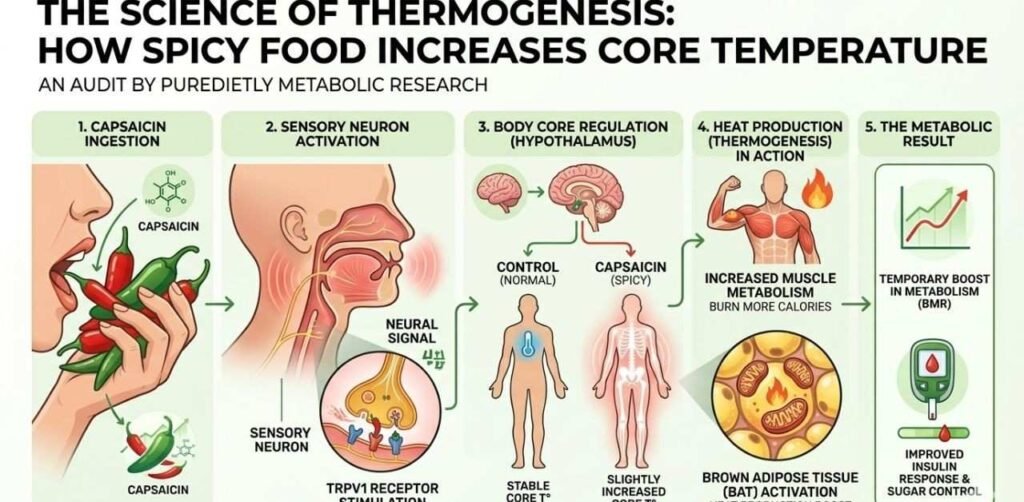
1. The Thermogenic Efficiency
Capsaicin acts as a natural metabolic accelerator. While it is not a “magic pill” for weight loss, it serves as a powerful metabolic cofactor. When paired with a [calorie deficit diet plan], the consistent use of capsaicin-rich foods can support higher energy expenditure throughout the day.
2. Insulin Sensitivity: The Hidden Perk
Clinical evidence suggests that regular consumption of chili peppers may help stabilize blood glucose levels after a meal. For those auditing their metabolic health, this is a significant finding. By preventing rapid glucose spikes, spicy food acts as a buffer, making it a valuable tool for prediabetic management.
3. Heart Health and Inflammation
Chronic inflammation is the enemy of metabolic freedom. Capsaicin has been shown to reduce systemic inflammatory markers by improving blood circulation. However, this only applies to natural sources. Processed, high-sodium sauces often introduce inflammatory seed oils, which completely negate these heart-healthy benefits.
The “Spicy Audit”: Is it a Gut Hazard?
At PureDietly, we believe in radical honesty. While spices have benefits, they are a double-edged sword. If you have a compromised gut, high intake can lead to acid reflux or inflammation.
Consequently, we recommend a “Trial Audit.” Start with small amounts of fresh peppers rather than processed hot sauces. Many commercial sauces are loaded with sugar and seed oils. If you feel bloated after a spicy meal, your gut microbiome may be struggling to process the irritants. For more on this, read our [Gut Health for Better Blood Sugar Control] guide.
The Protocol: How to Eat Spicy Food Safely
To keep your metabolism on track, follow these three rules:

- Prioritize Whole Spices: Always opt for fresh or dried chili peppers instead of bottled sauces. Processed sauces often contain “hidden” sugars that spike your insulin.
- The Protein-First Strategy: Never eat spicy snacks on an empty stomach. Always pair your spicy dish with a high-protein source to dampen the potential impact on your stomach lining.
- Listen to Your System: Your metabolic journey should be tailored to your unique symptoms. If you have a history of gastritis, keep the heat minimal.
Ready to Check Your Levels?
Use our Free Diabetic Calculators to track your A1C, Sugar Spikes, and Fasting Progress.
Fast • Accurate • Free for Puredietly Readers
Frequently Asked Questions (FAQ)
Q: Does spicy food kill the flu or cold viruses?
A: Spicy food can help clear nasal congestion, but it does not “kill” viruses. It is a symptom-management tool, not a cure.
Q: Is spicy food bad for weight loss?
A: On the contrary, the thermogenic effect can support weight loss, provided the spicy food is not a high-calorie processed meal.
Q: Can I eat spicy food if I have diabetes?
A: Generally yes, but monitor your glucose levels. Some individuals find that spicy food improves their insulin sensitivity, while others may find it irritates their gut.
The Verdict
So, is spicy food good for you? Yes, if you are metabolically healthy and use natural sources. It provides a unique thermogenic boost and supports insulin sensitivity. However, it is not a “free pass” to ignore the quality of your base ingredients. By auditing how your body reacts to the heat, you can decide if it earns a permanent spot in your metabolic lifestyle.
If you are ready to refine your nutrition, explore our [2026 Metabolic Audit of Breakfast Staples] to see how you can further optimize your morning energy and metabolic freedom.
About the Author: Gohar Fatima
Gohar Fatima is a metabolic health researcher and the founder of PureDietly. She specializes in translating complex nutritional science into evidence-based “Metabolic Audits.” With a focus on insulin resistance and gut health, Gohar helps individuals move beyond marketing hype to reclaim their metabolic freedom. Her research-driven approach empowers readers to understand the biological reality of their food, ensuring every lifestyle change is backed by data, not just trends.
Medical disclaimer
: The information provided at PureDietly is for educational purposes only and does not constitute medical advice. Every metabolic system is unique. Always consult with your primary care physician before making significant changes to your diet, especially if you are managing digestive disorders or diabetes.