
Editor’s Note
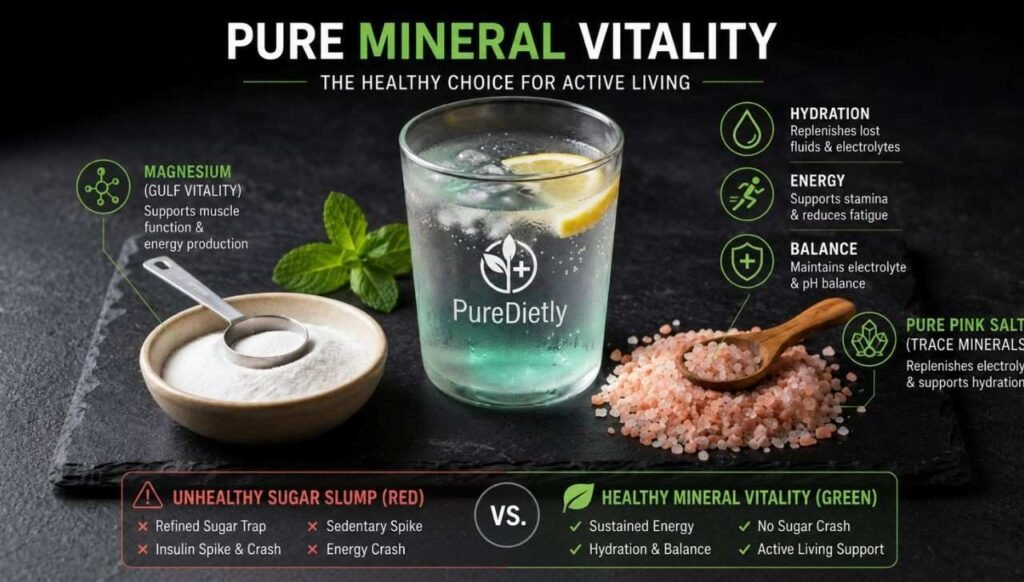
Editor’s Note: In the fitness world, we are often sold the “sugar-fix” as a cure-all for athletic fatigue. At PureDietly, we challenge this narrative. True performance recovery isn’t found in high-fructose sports drinks; it’s found in mineral balance and metabolic stability. This guide is designed to help you stop the cycle of glucose spikes and start addressing the root cause of muscle cramps through a metabolic-first approach.
Introduction
Are you constantly reaching for sugary sports drinks for muscle cramps after a tough workout? These drinks are marketed as the ultimate solution for leg pain and dehydration. However, have you ever considered their impact on your metabolic health? In today’s fitness world, people are consuming high-sugar, artificial chemical-laden drinks for electrolyte replenishment, which often leads to unwanted blood glucose spikes.
At PureDietly, we don’t just count calories; we audit your biology. In this article, we will uncover the truth behind sports drinks and explore more sustainable, metabolic-friendly methods to prevent muscle cramps.
Muscle Cramps: The Biology
Muscle cramps occur when your muscles contract involuntarily. This isn’t just about water loss; it’s a complex chemical imbalance. When you exercise, your muscles require precise levels of calcium, magnesium, potassium, and sodium.
When these electrolytes are imbalanced, neuromuscular signaling is disrupted. Furthermore, if you are insulin resistant, your kidneys may flush out electrolytes faster than usual. Therefore, frequent cramping is a clear signal that your metabolic foundation may need attention.
Hydration Myths: Water vs. Electrolytes
A common misconception is that drinking only water will eliminate cramps. In reality, excessive water consumption without replacing minerals can worsen electrolyte imbalances (a condition known as hyponatremia). When you drink water without minerals, you dilute your blood’s sodium concentration.
While market-bought sports drinks for muscle cramps claim to provide minerals, they often do so at the cost of your metabolic health due to excessive sugar content.
The Sugar Trap: Why Sports Drinks Fail
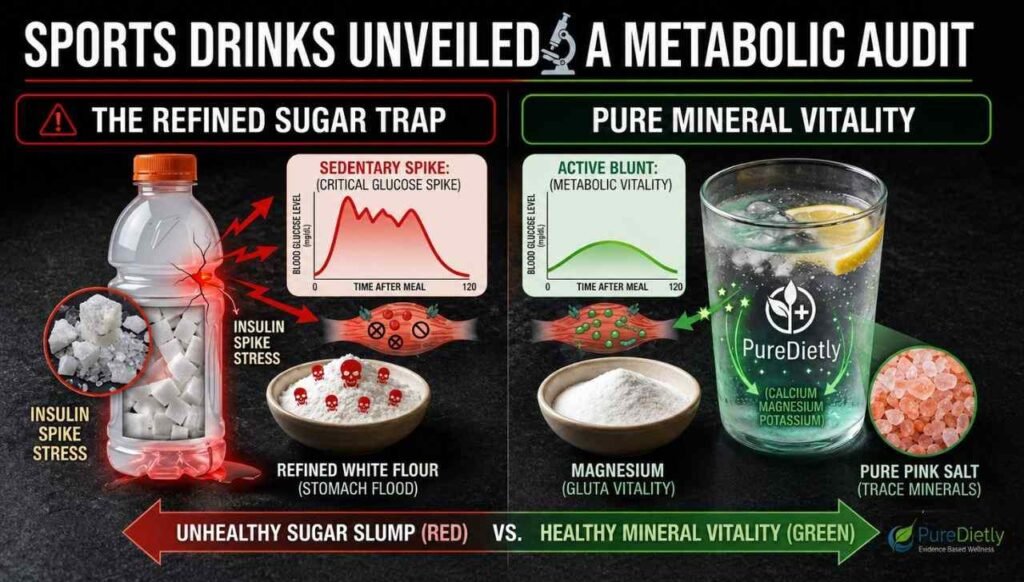
Most conventional drinks are packed with refined sugar. Consuming them post-workout causes your blood sugar to spike, triggering an insulin surge.
| Feature | Conventional Sports Drinks | PureDietly Metabolic Alternatives |
|---|---|---|
| Sugar Content | High (30g – 50g) | Zero to Low |
| Electrolyte Source | Artificial Chemicals | Natural Minerals (Sea salt, Mg) |
| Glycemic Impact | Rapid Glucose Spike | Stable Blood Sugar |
| Metabolic Result | Insulin Resistance | Metabolic Flexibility |
When your blood sugar spikes, a sharp “crash” follows, often mistaken for simple fatigue. If you are struggling with energy slumps, check out our guide on Foods That Are Digested Quickly.
Metabolic Flexibility: The Key to Preventing Cramps
Metabolic flexibility is your body’s ability to efficiently switch between burning fat and glucose. If you rely solely on glucose, your muscles fatigue faster.
By following protocols like Metabolic Walking, you train your mitochondria to be more efficient. Improved mitochondrial function leads to less fatigue and fewer cramps.
The Science of Prevention: Electrolyte Synergy
Cramp prevention is not about one single mineral. Magnesium, potassium, and sodium work in synergy. Magnesium promotes muscle relaxation, potassium maintains intracellular fluid balance, and sodium regulates extracellular volume.
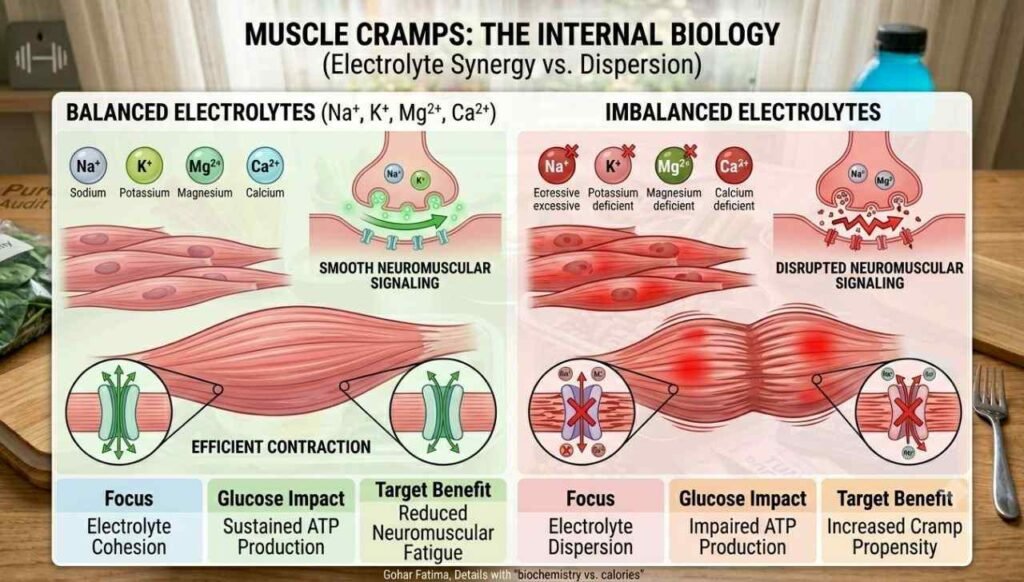
When you consume typical sports drinks for muscle cramps, you are often getting mostly sodium and sugar, leaving your magnesium and potassium levels deficient. This is why many people still struggle with cramps despite drinking these beverages.
Metabolic Audit: Understand Your Needs
To stop cramps effectively, you must audit your body’s requirements:
- Magnesium Deficiency: Are you consuming spinach, almonds, and pumpkin seeds? Magnesium is essential for muscle relaxation and is the most common mineral deficiency linked to cramps.
- Insulin Sensitivity: Do you use regular movement to keep your insulin receptors active?
- Sodium Balance: Many people on “low salt” diets lose critical electrolytes. Using high-quality Himalayan salt can be a game-changer.
- Hydration Audit: Water intake must be balanced with minerals to be effective.
Better Alternatives
Instead of sugary sports drinks for muscle cramps, recharge with these natural options:
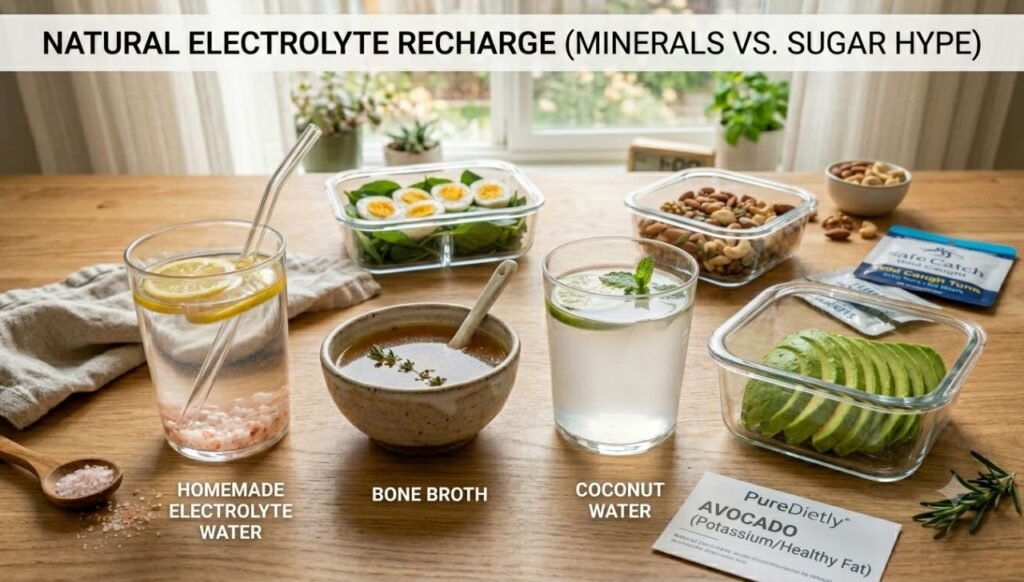
- Homemade Electrolyte Water: 16oz of water, a pinch of pink salt, a squeeze of lemon, and a bit of magnesium citrate powder. It’s sugar-free and highly effective.
- Bone Broth: A powerhouse of minerals and natural collagen, perfect for muscle recovery.
- Coconut Water: Use it in moderation post-heavy sessions if you need glycogen replenishment, but watch your portions.
- Avocado: An excellent source of potassium and healthy fats for long-term muscle health.
Ready to optimize your sugar-free lifestyle?
🥗 Open Diabetic Meal Planner & Carb CalculatorPlan your next 2026 metabolic-friendly meal in seconds.
The Impact of Proper Food Sequencing
How you eat is just as important as what you eat. By practicing Food Sequencing eating fiber and protein before carbohydrates you prevent blood sugar spikes. This technique is revolutionary for cramp prevention and overall metabolic stability.
Q&A: Your Questions Answered
Q: Should sports drinks for muscle cramps be avoided entirely?
A: If you are a professional athlete engaging in over two hours of intense endurance activity, glucose may be necessary. For the average person, however, they are usually just a source of empty sugar.
Q: Which mineral is most important for cramps?
A: Both magnesium and potassium are vital, but magnesium plays the most significant role in muscle relaxation.
Q: Do nighttime cramps mean I am dehydrated?
A: Often, nighttime cramps are linked to systemic magnesium deficiency or poor circulation rather than just fluid loss.
Conclusion: Take the Next Step
Cramps are not a sign that you need sugary drinks. They are a sign that your body needs better mineral support and metabolic stability. Instead of falling for marketing myths, audit your body and shift toward sugar-free, mineral-rich alternatives. Consistency is the key to metabolic vitality.
Ready to optimize your health? Download My Free Metabolic Audit Checklist and start tracking your biology today.
About the Author
Gohar Fatima is a Metabolic Health Researcher and the founder of PureDietly.com. She specializes in simplifying complex clinical nutrition data into actionable, science-backed protocols. Through her signature “Metabolic Audit” approach, Gohar empowers individuals to overcome insulin resistance and regain their metabolic vitality by focusing on biochemistry rather than just calories. When she isn’t auditing health metrics, she’s developing protocols to prove that you don’t need synthetic supplements to achieve peak physical performance.
Medical Disclaimer
Medical Disclaimer: The information provided in this article is for educational purposes only and does not constitute professional medical advice, diagnosis, or treatment. Muscle cramps can sometimes be a sign of underlying medical conditions, such as electrolyte disorders, neurological issues, or medication side effects. Always consult with your physician or a qualified healthcare provider before starting a new exercise regimen, making significant dietary changes, or utilizing electrolyte supplements, especially if you are managing diabetes, hypertension, or other chronic metabolic conditions. Never disregard professional medical advice or delay seeking it because of something you have read on PureDietly.com.