
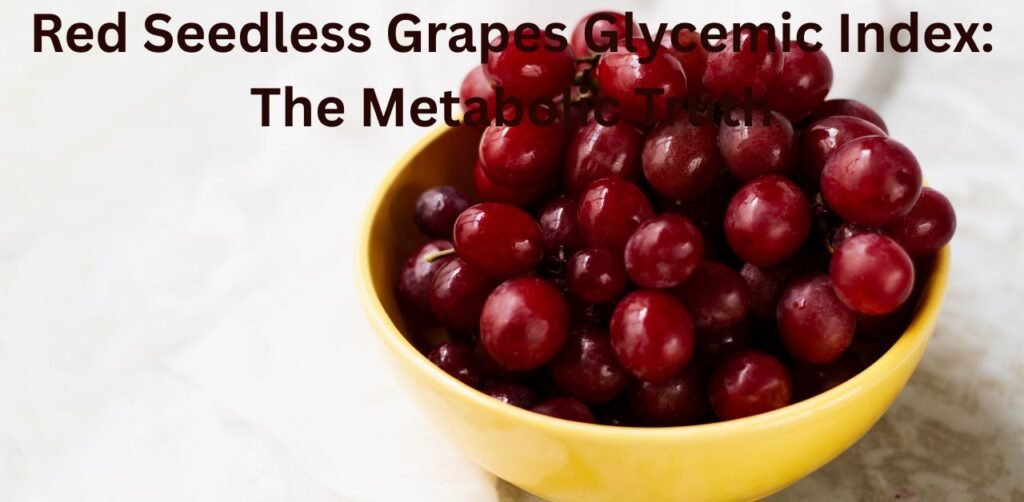
Editor’s Note
Editor’s Note: Nutrition isn’t about rigid rules; it’s about biochemical feedback. Red seedless grapes can be a heart-healthy addition, but for those auditing their metabolic health, they require a strategic approach. This article moves beyond simple GI numbers to provide you with actionable protocols for maintaining glucose stability.
Introduction
When you are auditing your diet for metabolic health, fruit often becomes a point of confusion. Are red seedless grapes glycemic index values too high for blood sugar control? Many people fear fruit entirely, but the reality is more nuanced than a simple number. At PureDietly, we believe in testing how specific foods interact with your biology rather than fearing them. In this guide, we will break down the metabolic impact of these grapes and how to enjoy them without triggering a glucose spike.
The Glycemic Index of Red Seedless Grapes
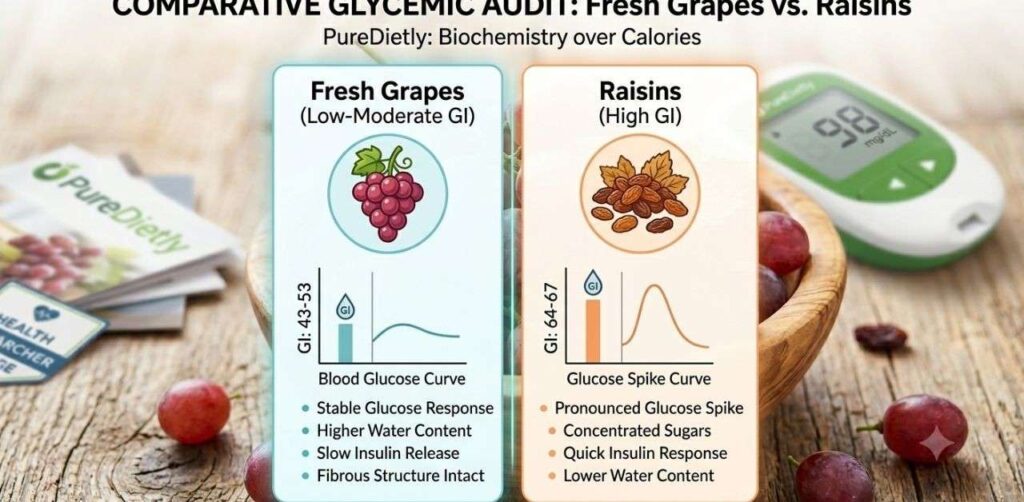
The Glycemic Index (GI) is a tool used to measure how quickly a food raises blood sugar. For red seedless grapes, the GI generally falls in the low-to-moderate range (around 45–53). However, GI is not the only factor. You must also consider the Glycemic Load (GL), which accounts for the actual portion size.
While a single grape has a low impact, a large bowl can shift your metabolic response.
| Metric | Rating |
| Glycemic Index | 45–53 (Low-Moderate) |
| Glycemic Load | ~5 (Low per serving) |
| Fiber Content | Moderate |
| Antioxidants | Very High (Resveratrol) |
If you are interested in other low-glycemic options, check out our guide on blood sugar management to see how berries compare to larger fruits.
The Metabolic Audit: Why Portion Matters
Even with a favorable red seedless grapes glycemic index, your personal metabolic flexibility matters. If you are currently dealing with insulin resistance, your body may process sugar differently than someone who is metabolically healthy.
- The Sugar Content: Grapes contain natural fructose and glucose.
- The “Blunt” Effect: Because grapes contain fiber and water, they release sugar slower than processed snacks.
- The Audit Tip: Monitor your glucose response using our Metabolic Audit Checklist. If you notice a spike, your portion size needs to be adjusted.
Understanding the “Raisin Trap”
It is a common mistake to lump raisins in with fresh red seedless grapes when auditing your metabolic health. While they both come from the same fruit, the drying process concentrates the sugars and removes the water content, causing a significant spike in both the glycemic index and the glycemic load. For anyone managing insulin sensitivity, swapping fresh grapes for raisins is a common “hidden” trigger for blood sugar instability. If you’re looking for a snack that won’t ruin your glucose curve, stick to the hydration-rich, fresh version your mitochondria will thank you for the extra water and fiber.
The Microbiome Connection
Beyond just sugar, the red seedless grapes glycemic index doesn’t tell you the whole story of how these grapes interact with your gut microbiome. Recent research suggests that the polyphenols found in red grapes specifically resveratrol act as a prebiotic, feeding the beneficial bacteria in your digestive tract. When your gut bacteria are thriving, they produce Short-Chain Fatty Acids (SCFAs) that actually help regulate your blood sugar. So, eating grapes isn’t just about the immediate sugar content; it’s about the long-term metabolic signal you are sending to your gut-brain axis.
3 Hacks to Enjoy Grapes Without the Spike
You don’t have to remove these antioxidants from your life. Use these PureDietly protocols to keep your glucose stable.
- The “Post-Meal” Strategy: Never eat grapes on an empty stomach. Consume them as a small dessert after a meal that is rich in protein and fiber. This is a core tenet of our Food Sequencing protocol.
- The “Metabolic Window” Hack: Instead of snacking on grapes randomly, try consuming them within 30 minutes of a structured workout. During this window, your muscles are primed to take up glucose more efficiently, effectively “soaking up” the sugar from the grapes and preventing an afternoon energy crash.
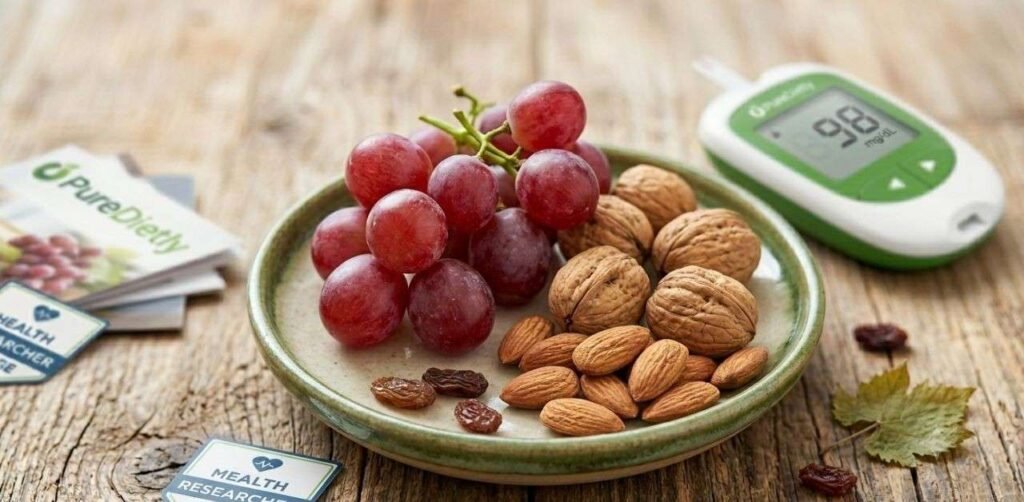
- Pair with Healthy Fats: Eating a handful of grapes with a few walnuts or almonds adds fat and protein. These nutrients slow gastric emptying, effectively lowering the glycemic load of the fruit.
⚡ Takes only 60 seconds
Q&A: Your Questions Answered
Q: Are red grapes better than green grapes?
A: Red grapes contain more resveratrol, a powerful antioxidant that supports heart health. Nutritionally, they are very similar, but red grapes offer slightly better metabolic protection.
Q: Can I eat grapes if I have diabetes?
A: Yes, in moderation and paired with protein or fat. Always check your personal glucose response first.
Q: Is the red seedless grapes glycemic index higher than berries?
A: Generally, yes. Blueberries and strawberries usually have a lower GI, which is why we often prioritize them in our diabetic recipes.
Audience Connection (The “Why”)
At PureDietly, I’ve seen hundreds of individuals struggling with the “healthy grain” or “healthy fruit” trap. You’ve been told that all fruit is good, yet your energy remains erratic. That’s because metabolic health isn’t about swapping one carbohydrate for another; it’s about auditing how your mitochondria handle the load. If you’re ready to stop guessing and start measuring, we provide the tools to make that happen.
“Stop Guessing, Start Auditing”
“At this point, you might be wondering: ‘If red grapes have a low-to-moderate glycemic index, why does my personal blood sugar spike after eating them?’ The truth is, your metabolic response is as unique as your fingerprint. While the general guidelines suggest a safe portion, your specific insulin sensitivity and current stress levels play a massive role in how your body handles fruit sugar. Instead of guessing, we recommend a ‘Metabolic Audit’: test your glucose levels before and 60 minutes after eating a controlled serving of grapes. By observing your own data, you stop relying on generic charts and start mastering your own biology. If you’re ready to see how your favorite snacks actually affect your energy, our tools are designed to help you decode these hidden patterns.”
Conclusion: Trust Your Data
The red seedless grapes glycemic index is just one data point. Your metabolic health is determined by the pattern of your eating, not the single fruit you choose. By applying food sequencing and being mindful of portion control, you can enjoy these antioxidants while staying within your metabolic goals. Consistency is the ultimate driver of health. Stop searching for “perfect” foods and start building “perfect” habits. Download My Free Metabolic Audit Checklist today to track how different fruits impact your unique glucose curve.
About the Author
Gohar Fatima is a Metabolic Health Researcher and the founder of PureDietly.com. She specializes in simplifying complex clinical nutrition data into actionable, science-backed protocols. Through her signature “Metabolic Audit” approach, Gohar empowers individuals to overcome insulin resistance and regain their metabolic vitality.*
Medical Disclaimer
Medical Disclaimer: The information provided in this article is for educational purposes only. Always consult with your physician before making significant dietary changes, especially if you have chronic metabolic conditions.