
Cabbage vs. Lettuce: Which is Better for Metabolic Health?
Editor’s Note:
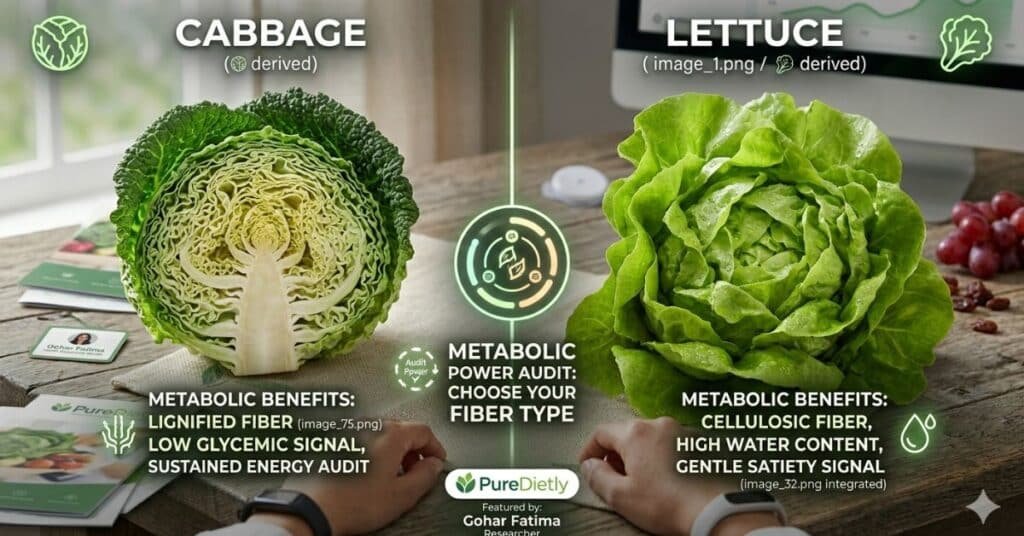
Editor’s Note: As a metabolic health researcher, I analyze produce not just for their calorie counts, but for their impact on gastric emptying and blood glucose variability. While both cabbage and lettuce are foundational staples in a whole-food diet, understanding their structural differences can elevate your metabolic health strategy.
In the 2026 health landscape, choosing the right fiber source is a simple yet high-impact decision. If you are looking to optimize your meals for longevity, the debate between cabbage vs. lettuce often comes down to more than just taste it is about nutritional density and metabolic load.
In the modern American diet, the challenge is often ‘hidden metabolic stress’ caused by low-quality fiber sources that spike blood sugar instead of stabilizing it. When you analyze cabbage vs. lettuce through a metabolic lens, you aren’t just choosing a salad base; you are choosing your body’s glucose response for the next four hours. By prioritizing high-density fiber options like cabbage, you effectively lower the glycemic load of your entire meal, making it an essential strategy for those of us navigating a food environment filled with processed, high-glycemic carbohydrates.
The Metabolic Comparison Table
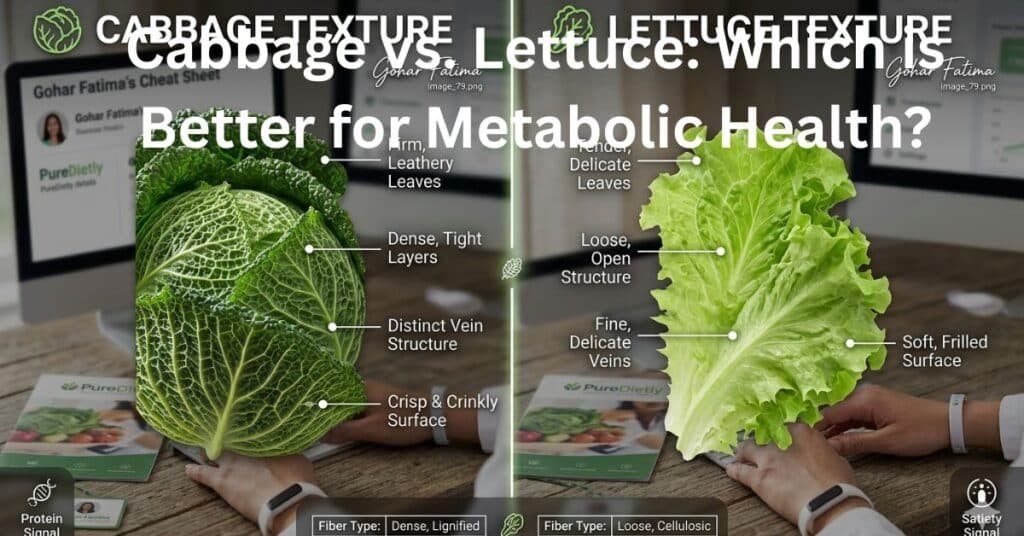
| Feature | Cabbage | Lettuce |
| Fiber Density | High (Excellent for satiety) | Low/Moderate |
| Nutrient Profile | Rich in Vitamin K, C, and Sulfur | Mostly water and folate |
| Metabolic Impact | Slows glucose absorption | Minimal impact |
| Best Usage | Cooking/Fermentation | Raw Salads |
Cabbage: The Metabolic Powerhouse
Cabbage is a member of the Brassica family, making it a cruciferous powerhouse. Unlike many other salad bases, cabbage is significantly more nutrient-dense.
Cruciferous Advantage
Cabbage is packed with sulfur-containing compounds. These compounds are essential for supporting liver detoxification pathways and reducing systemic inflammation. When you consume cabbage, you are not just eating fiber; you are providing your cells with tools for oxidative stress protection.
From a clinical nutrition standpoint, the sulfur-based glucosinolates found in cabbage are game-changers for metabolic health. Unlike the standard romaine or iceberg lettuce frequently found in American households, cabbage functions as a functional food that supports the Phase II detoxification pathways in the liver. For a USA-based audience dealing with the long-term effects of oxidative stress and insulin resistance, incorporating shredded cabbage into your daily protein intake is an actionable, low-cost intervention that yields high-impact results for cellular longevity.
Satiety and Glucose Regulation
The structural fiber found in cabbage is much denser than that of common lettuce varieties. This creates a “metabolic buffer” during digestion. By slowing down gastric emptying, cabbage helps mitigate the glucose spikes that often follow a dinner meal, protecting you from unnecessary insulin resistance.
Lettuce: The Hydration Essential
Lettuce is a master of hydration and low-calorie volume. While it may not match the intense nutrient profile of cabbage, it plays a specific role in a balanced diet.
Role in Diet
Lettuce is composed largely of water and essential minerals like folate. It serves as an excellent, neutral “delivery vehicle” for your healthy fats and proteins. If you are looking for a base that allows your other ingredients to shine without adding a heavy metabolic load, lettuce is your go-to.
Strategic Choice
For those focused on volume eating to stay full, lettuce provides a way to increase the size of your meal without increasing caloric density. However, ensure you are pairing it with high-quality fats (like olive oil or avocado) to ensure you are absorbing any fat-soluble vitamins present in your meal.
The “Metabolic Audit”: Strategic Sequencing
To maximize the benefits of your produce, you must consider the order in which you consume them. I always recommend applying the [Food Sequencing Protocol] to your meal:
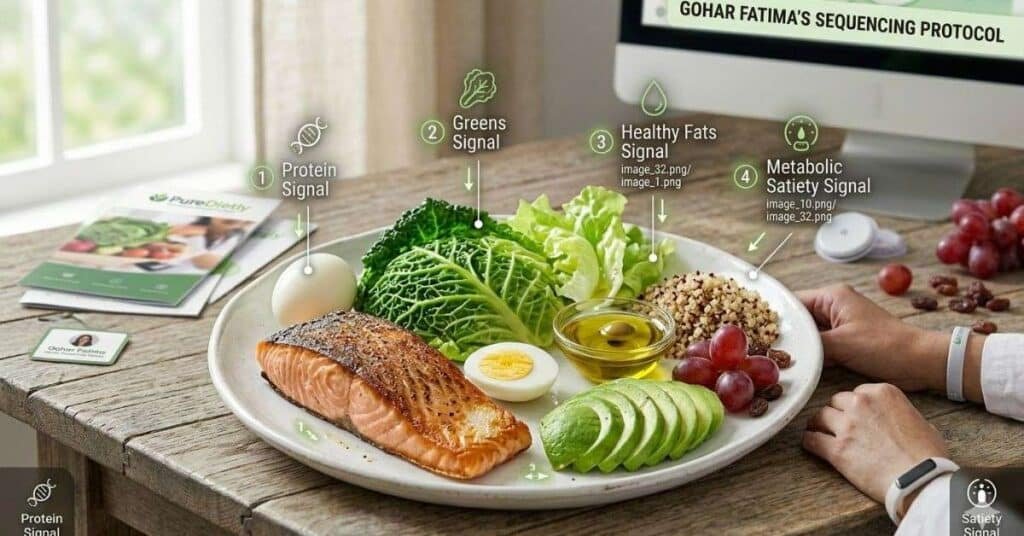
- Protein & Fat First: Always begin with your protein source.
- Fiber-Dense Veggies Second: This is where your sautéed cabbage shines. It acts as a secondary buffer, ensuring that any carbohydrates in your meal are digested slowly.
- Hydration Base: Use lettuce as a side base or a wrap for your proteins to ensure consistent hydration throughout your meal.
If you are feeling bloated after meals, this sequencing combined with a [Lemon Ginger Tea]can significantly improve your digestive comfort.
Implementation is where most health strategies fail. To make this actionable for your busy lifestyle, consider prepping cabbage in bulk sautéing it with garlic or fermenting it into raw sauerkraut as part of your Sunday meal prep. When you have this ‘metabolic buffer’ ready, it becomes the default final layer of your food sequencing protocol. This practice ensures that even on days when your main course might be higher in carbohydrates, you have a structural fiber guard in place to protect your insulin sensitivity and keep your energy levels steady throughout your workday.
Culinary Utility: How to Cook for Longevity
Cooking methods drastically alter the metabolic availability of nutrients.

- Cabbage: I recommend quick-sautéing or fermenting (like sauerkraut). Fermentation increases the probiotic content, which is a massive upgrade for your gut-brain axis.
- Lettuce: Keep it raw. Heat destroys the delicate texture and water content of lettuce, so it is best kept crisp in cold preparations.
Want to check the impact of this food on your sugar?
📊 Open Net Carb CalculatorFrequently Asked Questions (FAQs)
Q: Is cabbage harder to digest than lettuce?
A: Due to its higher fiber content, some people find raw cabbage harder to digest. Sautéing or fermenting cabbage significantly improves its digestibility compared to eating it raw.
Q: Can I replace all lettuce with cabbage?
A: While cabbage is more nutrient-dense, variety is key. Use cabbage for its metabolic buffering and lettuce for its hydrating volume.
Q: Does lettuce have any metabolic benefits?
A: Yes, it provides excellent hydration and fiber, which are foundational for steady blood sugar levels throughout the day.
Conclusion: Precision Starts with Preparation
In the 2026 health landscape, accurate data is your best tool for longevity. When evaluating cabbage vs. lettuce, recognize that both have a place in your kitchen. Cabbage offers a more robust structural fiber that assists in stabilizing blood glucose post-meal, whereas lettuce is a valuable tool for volume eating and maintaining hydration.
By choosing whole-food alternatives and sequencing your meals correctly, you are actively reducing your reliance on processed fillers and supporting your metabolic health. Therefore, stay consistent, monitor your personal response, and enjoy your journey toward better cellular health and stable energy levels.
About the Author
Gohar Fatima is a dedicated metabolic health researcher and the founder of PureDietly. She specializes in translating complex 2026 clinical guidelines into simple, science-backed advice for blood sugar management and healthy living. Her mission is to empower readers with accurate, data-driven insights from top-tier USA medical sources, enabling them to optimize their metabolic health and achieve long-term wellness.
Medical Disclaimer
This content is for informational purposes only and is based on general health guidelines. It is not a substitute for professional medical advice, diagnosis, or treatment. Always seek the advice of your physician or other qualified health provider with any questions you may have regarding a medical condition. Never disregard professional medical advice or delay in seeking it because of something you have read on this website.