
By Gohar Fatima | June 23, 2026
Editor’s Note
Editor’s Note: In the 2026 health landscape, the marketplace is saturated with “miracle” oils and trending superfoods. As a metabolic researcher, I constantly remind our community that true health optimization is never found in a single bottle. Instead, it is built through the strategic selection of nutrient-dense fats that support, rather than disrupt, your metabolic pathways. This audit deconstructs the science of pumpkin seed oil, helping you navigate the hype with evidence-based clarity so you can prioritize your gut health and insulin sensitivity. At PureDietly, we prioritize data-backed protocols over marketing trends.
Introduction
In the modern wellness landscape, many are turning toward natural, plant-based remedies to optimize their health. If you are searching for a nutrient-dense addition to your routine, you have likely come across pumpkin seed oil. While it is often praised in marketing circles, as a metabolic researcher, I prioritize evidence over hype. In this 2026 audit, we will break down the science behind this oil, exploring how it impacts your metabolic markers and overall well-being. Furthermore, we aim to clarify how this supplement fits into a balanced, health-conscious lifestyle.
1. Understanding Pumpkin Seed Oil: What is it?
Pumpkin seed oil is a cold-pressed extract derived from the seeds of Cucurbita pepo. Unlike highly processed vegetable oils, cold-pressed variants retain a significant portion of their original nutrient profile. Consequently, this makes them a popular choice for those seeking antioxidant-rich nutrition.
- It is naturally rich in essential fatty acids.
- The oil contains potent compounds known as phytosterols, which are plant-based compounds that may help lower cholesterol levels.
- It serves as a concentrated source of vitamin E, an essential antioxidant for skin and immune health.
2. The Metabolic Impact: A Comparative Audit
When integrating any fat source into your diet, it is crucial to understand its metabolic footprint. Below is a breakdown of how pumpkin seed oil compares to other common kitchen staples.
| Nutrient | Pumpkin Seed Oil | Olive Oil | Refined Seed Oils |
| Fatty Acid Profile | High in Polyunsaturated | High in Monounsaturated | High in Omega-6 |
| Antioxidant Levels | High | High | Low |
| Heat Stability | Low (Best for raw use) | Moderate | Low |
| Metabolic Effect | Anti-inflammatory | Heart-protective | Potential Pro-inflammatory |
Note: For deeper insights on how different fats influence your body, review our [Link: Healthy Fat Sources Metabolic Audit].
3. Potential Health Benefits: Separating Fact from Marketing
Many people consume this oil for specific health goals. However, it is essential to distinguish between proven clinical outcomes and anecdotal claims.
Hair Health and Growth
Research suggests that compounds within the oil may inhibit specific enzymes linked to hair loss. For example, some studies indicate that daily supplementation could support hair density in men struggling with pattern hair loss. However, results vary significantly between individuals.
Prostate and Urinary Support
Historically, this oil has been used to support urinary tract health. Furthermore, clinical studies have explored its effectiveness in alleviating symptoms associated with an enlarged prostate, specifically focusing on improved bladder function.
Heart and Metabolic Health
- The presence of unsaturated fats can support healthy cholesterol levels.
- Consequently, it may contribute to better long-term heart health when used as a replacement for saturated fats.
- Antioxidants in the oil help fight oxidative stress, which is a key marker in metabolic syndrome.
4. Deep Dive: Phytosterols and Metabolic Longevity
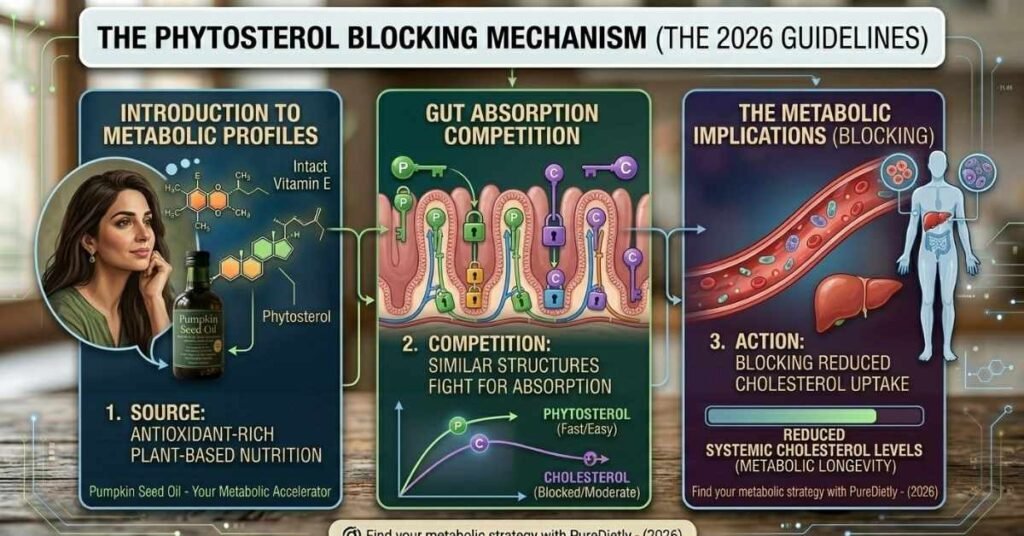
One of the most compelling aspects of this oil is its phytosterol content. These plant sterols are structurally similar to human cholesterol. Therefore, they compete for absorption in the digestive tract. This mechanism effectively reduces the amount of cholesterol that enters the bloodstream. For those focused on metabolic longevity, incorporating such plant-based nutrition can be a strategic move to manage systemic inflammation markers without relying solely on synthetic supplements.
5. Integrating into Your Protocol: Usage and Safety
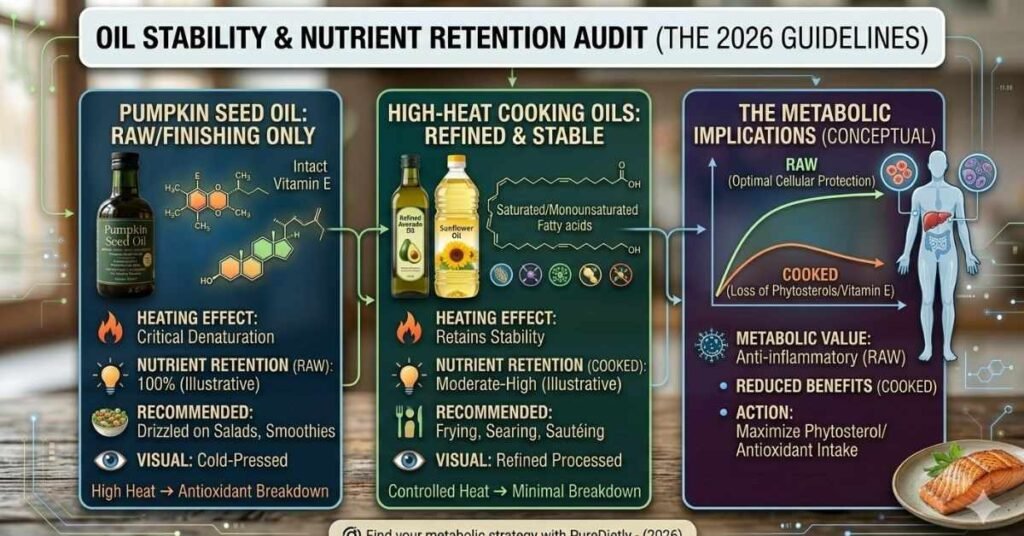
Since pumpkin seed oil has a low smoke point, it is not ideal for high-heat cooking. Therefore, it is best utilized as a finishing oil.
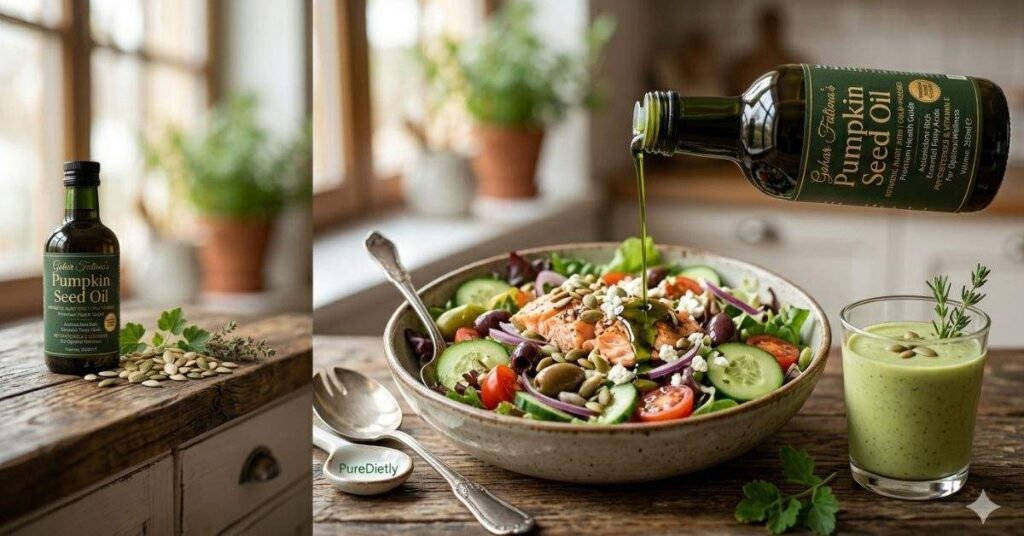
- Salad Dressings: Drizzle it over fresh greens to enhance the flavor profile and nutritional density.
- Smoothies: Add a small amount to your morning shake for a boost of healthy fats.
- Storage: Keep your oil in a cool, dark place to prevent it from going rancid due to oxidation.
Pro-Tip: Always ensure you are purchasing a reputable, dark-bottled, cold-pressed variety to maximize shelf stability.
6. Who Should Exercise Caution?
While generally safe, this oil is a dietary supplement, not a cure-all. If you have specific medical conditions, always consult your physician before making changes.
- Digestive Sensitivity: If you are managing SIBO or other gut disorders, introduce this oil slowly to monitor your body’s reaction [Link: Gut Health & Digestion Audit].
- Caloric Density: Even healthy fats are calorically dense. Consequently, moderation is key to maintaining your weight goals.
- Medication Interactions: If you are on blood-thinning medications, speak with your doctor, as high doses of vitamin E can interact with these drugs.
7. Frequently Asked Questions (FAQs)
Q: Can I use it for frying?
A: No, the low smoke point means it can break down and lose its nutritional benefits if heated too high.
Q: Is it good for weight loss?
A: It provides essential fats, but it is calorie-dense. It should be used in moderation as part of a calorie-controlled diet.
Q: How long does an opened bottle last?
A: Typically 3 to 6 months if stored properly in a cool, dark environment to prevent rancidity.

Conclusion: Precision Starts with Education
Pumpkin seed oil offers a valuable, nutrient-dense profile that can certainly support your metabolic journey when used correctly. By prioritizing cold-pressed quality and using it as a raw finishing oil, you can harness its antioxidant benefits without compromising its nutritional integrity. Ultimately, your health is a long-term audit; make choices that provide consistent, sustainable results.
Ready to optimize your metabolic intake?
[Open Diabetic Meal Planner & Carb Calculator]
Calculate your personalized metabolic-friendly plan in seconds.
About the Author: Gohar Fatima
About the Author: Gohar Fatima Gohar Fatima is a dedicated metabolic health researcher and the founder of PureDietly. With a focus on translating complex 2026 clinical guidelines into actionable, science-backed advice, she empowers her readers to master their blood sugar management and long-term vitality. Her work is driven by a commitment to transparency, precision, and the belief that informed choices are the foundation of a healthy life.
Medical Disclaimer:
Medical Disclaimer: The content provided on PureDietly.com is for informational purposes only and is not intended as a substitute for professional medical advice, diagnosis, or treatment. Always seek the advice of your physician regarding any medical condition.