
By Gohar Fatima, Metabolic Health Researcher
Published: July 23, 2026
Is Ube Good for Diabetics? The 2026 Glycemic Index & Metabolic Audit
Editor’s Note:
As part of our 2026 Metabolic Audit series at PureDietly, this article was thoroughly reviewed to ensure complete alignment with current nutritional science and glycemic safety guidelines. While ube offers a dense profile of antioxidants, our editorial team emphasizes that portion control and preparation methods such as avoiding heavy added sugars—are critical for preventing hidden blood sugar spikes. Always evaluate your entire meal’s carbohydrate load rather than focusing on a single ingredient.
Introduction
Navigating the world of complex carbohydrates can often feel overwhelming when you are managing insulin resistance or keeping a close eye on your blood glucose levels. Many individuals in the U.S. community frequently ask me: is ube good for diabetics? With its vibrant purple color dominating social media feeds and grocery aisles, it is completely normal to wonder if this trending root vegetable fits into a balanced lifestyle. However, when we break down the science of purple yams through a metabolic lens, the picture becomes much clearer. In this comprehensive 2026 metabolic audit, we will look closely at the glycemic index of ube, its macronutrient profile, and how specific cooking methods change everything. By understanding these core factors, along with implementing proper diabetic-friendly meal strategies, you can enjoy this root crop while keeping your energy steady and supporting long-term metabolic health.
The Nutritional Profile and Cellular Science of Ube
Ube, scientifically known as Dioscorea alata or purple yam, is a nutrient-dense starchy tuber originating from the Philippines. Unlike heavily refined grains that frequently cause rapid glucose shifts, whole-food complex carbohydrates provide essential slow-burning energy.
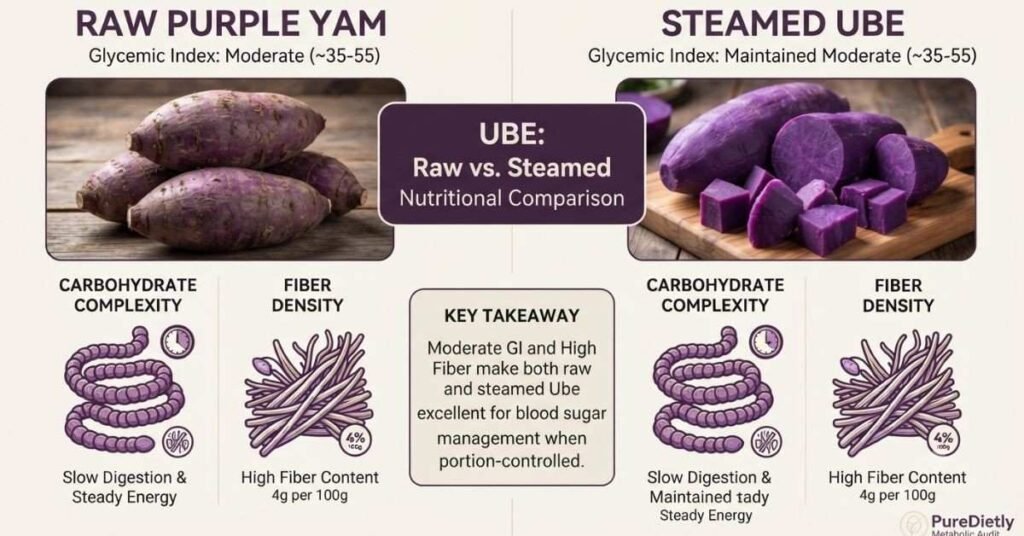
- Complex Carbohydrates & Fiber: Ube is packed with complex starches and dietary fiber (roughly 4 grams per 100-gram serving), which helps slow down digestion and keeps you feeling full for hours. Adequate fiber intake is vital because it minimizes rapid glucose absorption and supports gut health.
- Potent Anthocyanin Antioxidants: Beyond basic macros, ube contains high levels of anthocyanins—the powerful pigments that give it a striking purple hue. Clinical and laboratory studies suggest these antioxidants play a protective role in reducing systemic inflammation and oxidative stress linked to insulin resistance.
- Essential Micronutrients: Furthermore, it provides vital micronutrients like vitamin C, potassium, and vitamin B6, which support overall cellular function, immune health, and fluid balance.
- Satiety and Hormonal Balance: Nutrient-dense root vegetables trigger steady satiety signals to the brain, naturally curbing post-meal cravings when consumed in balanced portions.
Understanding the Glycemic Index (GI) and Load in Diets
When managing blood sugar and insulin sensitivity, understanding the behavior of food inside the bloodstream is essential.
- What is the Glycemic Index? The Glycemic Index measures how fast and how high a particular food can raise blood glucose levels compared to pure glucose, rated on a scale of 0 to 100.
- The Role of Glycemic Load (GL): While GI looks at the speed of sugar release, Glycemic Load takes portion size and total carbohydrate quantity into account.
- Why Low-to-Moderate GI Matters: Foods with a moderate GI digest more steadily than refined sugars, preventing sharp insulin spikes and protecting pancreatic beta cells from exhaustion over time.
The Glycemic Index of Ube Explained
When evaluating foods for metabolic safety, the Glycemic Index (GI) and Glycemic Load (GL) serve as primary tools.
| Nutrient / Metric | Value / Status | Metabolic Impact |
|---|---|---|
| Glycemic Index (GI) | Moderate (~35 to 55) | Moderate, Controlled Glucose Release |
| Carbohydrate Content | ~27g per 100g | Requires Portion Awareness for Low-Carb Diets |
| Fiber Density | High (~4g per 100g) | Promotes Satiety & Slow Digestion |
Because ube contains a notable amount of carbohydrates, its impact depends heavily on how much you eat. Consequently, while it is healthier than refined sweets, unmonitored portions can still influence blood sugar levels. For those tracking long-term trends, maintaining a stable glucose curve helps optimize metrics like your A1C levels, which you can easily monitor using our custom tracking tools on our [Health Calculators] page.
The Preparation Trap: Traditional Desserts vs. Whole-Food Cooking
As a metabolic researcher, I always emphasize that how you cook and consume your food matters just as much as what you eat.

- The Danger of Ube Halaya and Pastries: Commercial ube products, pastries, and sweet jams (ube halaya) are frequently loaded with condensed milk, refined sugars, and butter. This heavy sugar addition introduces a massive load of simple carbohydrates, turning a healthy root vegetable into a glucose-spiking trap.
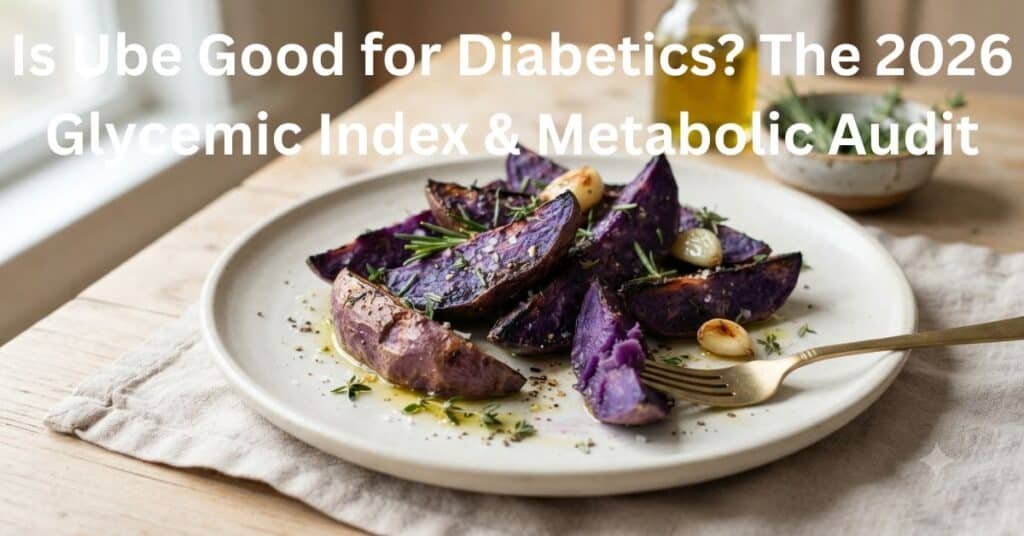
- The Metabolic Choice: Therefore, always opt for boiled, steamed, or oven-roasted ube cooked with minimal ingredients or healthy fats like extra virgin olive oil. This keeps the dish wholesome and metabolic-friendly.
The PureDietly Pairing Strategy for Blood Sugar Stability
Even with a nutrient-dense food like ube, pairing it correctly ensures optimal digestion and sustained energy throughout the day. Try these simple strategies:

- Pair with Healthy Fats: Toss your roasted ube pieces with a touch of extra virgin olive oil or serve alongside avocado slices. Healthy fats slow down gastric emptying.
- Add Lean Proteins: Combine your ube portion with grilled chicken breast or baked salmon to balance the overall meal macro profile.
- Mind the Portions: Moreover, keep a close eye on your overall carbohydrate intake and listen to your body’s natural hunger cues to assist in preventing post-meal glucose spikes.
Common Myths Debunked About Purple Yams and Diabetics
- Myth: “All purple root vegetables cause immediate blood sugar spikes.”Fact: While ube contains carbohydrates, its rich fiber matrix and antioxidant content allow for a more moderate digestion rate compared to refined white flour products.
- Myth: “Ube and sweet potatoes are metabolically identical.”Fact: Although they share similar root vegetable textures, ube (Dioscorea alata) belongs to a completely different plant family than sweet potatoes and features unique anthocyanin profiles.
Long-Term Metabolic Benefits of Incorporating Whole Yams
Adding sustainable, nutrient-rich tubers into your weekly meal rotation can yield massive long-term benefits:
- Enhanced Cellular Protection: The heavy concentration of plant antioxidants reduces oxidative damage across vascular tissues.
- Sustained Energy Levels: Avoid the dreaded post-lunch crash by fueling your cells with complex starches rather than quick-burning processed sugars.
Deep Dive: How Anthocyanins Support Metabolic Function
To truly appreciate the value of ube in a health-conscious routine, we must look closer at its biochemical structure. Anthocyanins are water-soluble flavonoid pigments that act as powerful scavengers of free radicals.
- Mitigating Oxidative Stress: Chronic high blood sugar often triggers high levels of oxidative stress, which damages blood vessels and worsens insulin resistance. Regular intake of antioxidant-rich foods helps counter this cellular damage.
- Improving Metabolic Markers: Emerging nutritional studies indicate that anthocyanin-rich tubers can assist in modulating lipid profiles and supporting healthier fasting glucose parameters when integrated into a balanced dietary pattern.
Add Seaweed Salad to your daily carb limit in 30 seconds!
Frequently Asked Questions (FAQs)
- Q1: Does ube raise blood sugar levels?
- A: Yes, because ube is rich in complex carbohydrates, it will eventually impact blood glucose. However, its fiber content ensures a slower release compared to refined sugars. Portion control is key.
- Q2: Can people with insulin resistance eat ube regularly?
- A: Yes, in moderation. When steamed or baked without added sugars and paired with healthy proteins or fats, ube can fit into a balanced insulin-resistance protocol.
- Q3: Is ube better than regular white potatoes for blood sugar?
- A: Generally, ube offers a higher density of beneficial antioxidants (anthocyanins) and dietary fiber, which supports a more stable metabolic response when substituted wisely.
Conclusion
To finally answer the question: is ube good for diabetics? Yes, when consumed in controlled portions and prepared without heavy added sugars, plain ube is a nutrient-packed, antioxidant-rich choice. By avoiding processed desserts, choosing clean cooking methods, and balancing your plate with healthy fats and proteins, you can confidently include purple yam in your routine. True health is built on smart daily choices and listening to your body’s unique signals. Before planning your weekly grocery list, be sure to review our previous deep dive on [The Mango Audit: Glycemic Index, Sugar Spikes, and Metabolic Truths] to understand how smart food combinations protect your metabolic health.
About the Author

Gohar Fatima is a dedicated Metabolic Health Researcher and the founder of PureDietly. Her mission is to simplify complex nutritional science into actionable, data-driven food strategies that help individuals achieve long-term wellness.
Medical Disclaimer
This content is for educational purposes only and does not constitute medical advice. Always consult your healthcare provider before making significant changes to your diet or diabetes management plan. combinations protect your metabolic health.