
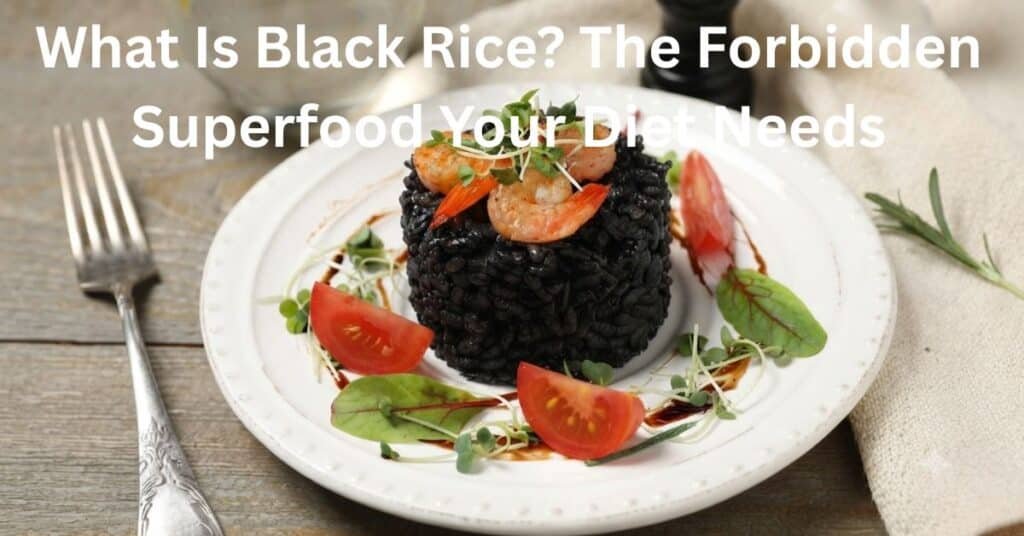
By puredietly@gmail.com / July 2026
Published by Gohar Fatima | Metabolic Health Researcher
Editor’s Note
As part of our ongoing PureDietly nutritional audit, this guide has been reviewed for metabolic accuracy and glycemic safety. We examine real-world health impacts, helping you make informed decisions about ancient grains and dietary antioxidants.
Introduction
Choosing the right grains for your daily meals can often feel like a complicated puzzle. Specifically, when you are trying to balance modern nutritional science with ancient wisdom, standard white or brown rice is usually the default choice. However, many health-conscious individuals in our U.S. community frequently ask: what is black rice, and why is it suddenly gaining so much attention?
Historically known as “Forbidden Rice” because it was once reserved exclusively for ancient Chinese royalty, this dark grain is no longer out of reach.
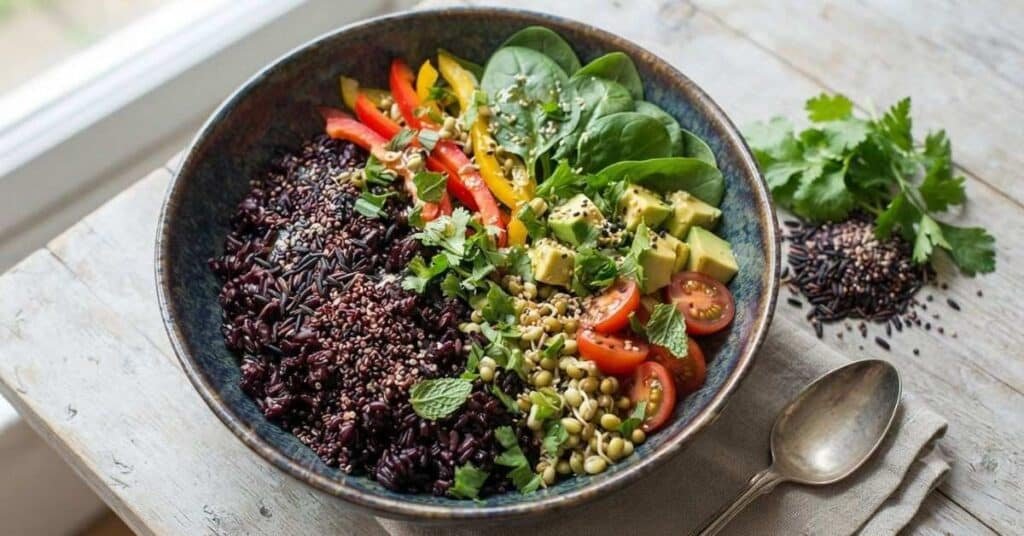
Furthermore, not all carbohydrates act the same way inside the human body. Therefore, understanding what is black rice is essential for anyone monitoring their blood sugar levels, fighting inflammation, or aiming for sustainable weight loss. As a metabolic health researcher, I always emphasize looking at pigment density and antioxidant content rather than just basic calorie counts.
In this comprehensive 2026 guide, we will break down the exact nutrition facts, explore its unique health benefits, and provide easy, mobile-friendly tips to include it safely in your daily American diet.
The Basics: What Is Black Rice and Where Does It Come From?
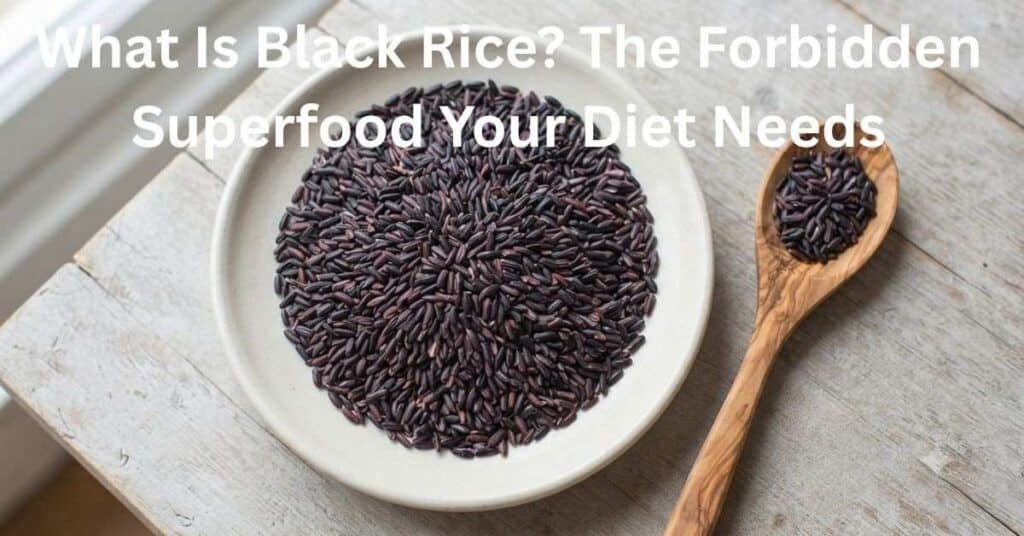
First and foremost, let us define the grain itself. Technically speaking, black rice is a medium-grain, non-glutinous heirloom rice variety that turns a deep, dark purple or jet-black color when cooked.
Because of its unique bran layer, it contains a massive concentration of anthocyanins—the same powerful antioxidants found in blueberries and blackberries. Furthermore, unlike heavily processed white rice, black rice retains its nutrient-dense outer hull and germ layer.
To help you track your daily macros and understand its profile, here is a detailed reference table showing the nutritional breakdown per cooked cup:
Black Rice Nutrition Facts (Per 1 Cup Cooked)
| Nutrient Component | Amount (USDA Data) | Metabolic Impact / Benefit |
| Calories | 160 kcal | Provides clean, sustained cellular energy |
| Total Carbohydrates | 34g | Slow-digesting complex starches |
| Dietary Fiber | 2.3g to 5g | Slows glucose absorption and aids digestion |
| Protein | 5g to 6g | Higher protein content than white or brown rice |
| Iron | 6% DV | Supports healthy red blood cell production |
Note: Exact fiber and protein values can vary slightly depending on the specific heirloom strain, such as Indonesian or Thai black rice varieties.
Health Benefits: Why Is Black Rice Called a Superfood?
Consequently, many wellness enthusiasts wonder if the hype around this ancient grain is scientifically justified. The short answer is a definitive yes. In fact, scientific studies published in food science journals highlight several major health advantages.
1. Massive Antioxidant Powerhouse
To begin with, black rice contains higher levels of anthocyanin antioxidants than blueberries. These powerful plant compounds actively fight free radicals, reduce oxidative stress, and protect your cells from premature aging and chronic inflammation.
2. Blood Sugar Regulation and Low Glycemic Impact
Moreover, because the bran layer remains completely intact, the starch molecules break down very slowly in your digestive tract. Therefore, unlike refined white rice which causes rapid insulin spikes, black rice promotes stable, flat blood glucose curves, making it safer for prediabetics.
PureDietly Tip: Always rinse your black rice thoroughly and let it soak in water for 30 minutes before cooking. This softens the dense outer hull and enhances nutrient absorption!
Interlinking Your Metabolic Diet (The PureDietly Strategy)
If you are carefully building a structured metabolic meal plan, it is crucial to understand how different dietary components compare. For example, in our recent comprehensive nutritional breakdown, we explored Carbs in Pears and saw how fiber acts as a natural buffer for natural sugars. Similarly, grain selection matters immensely.
In sharp contrast to stripped white rice—which offers empty carbohydrates—black rice provides a dense matrix of protein, iron, and fiber. Furthermore, when compared to other popular ancient and whole-grain options like Brown Rice Benefits & Glycemic Impact or heart-healthy Red Rice Nutrition Facts, black rice actually contains significantly higher antioxidant activity. Additionally, if you want a rare, nutrient-dense exotic option, you can explore our guide on Bamboo Rice Health Benefits. By swapping processed starches for these nutrient-dense whole grains, you actively support a healthier, more resilient metabolism.
Best Ways to Cook and Eat Black Rice in a U.S. Diet
To maximize these health benefits and keep your meals exciting, it is very easy to incorporate this grain into modern American recipes. Here are some quick, USA-friendly meal ideas for your routine:
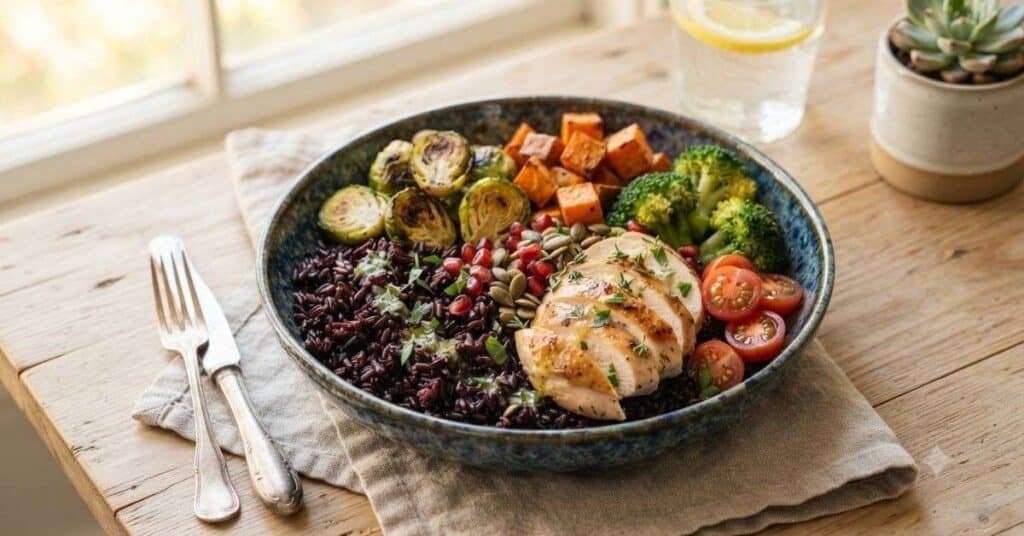
- As a Nourishing Bowl Base: Use cooked black rice as the colorful base for a roasted chicken and vegetable bowl. The nutty, earthy flavor pairs wonderfully with olive oil and herbs.
- In Cold Grain Salads: Toss chilled black rice with diced bell peppers, cucumbers, cilantro, and a lime vinaigrette for a refreshing summer side dish.
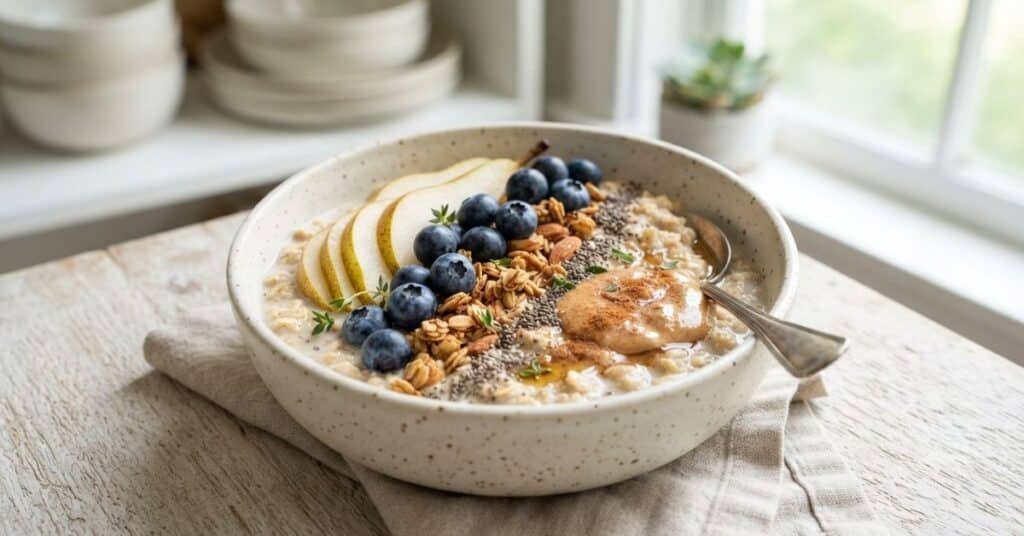
- Morning Breakfast Porridge: Simmer black rice longer with almond milk, cinnamon, and a touch of natural honey for a warm, antioxidant-rich breakfast bowl.
- Avoid Overcooking: Always follow package water ratios closely. Conversely, if you cook it too fast on high heat, the outer bran can become overly chewy instead of delightfully tender.
Add Seaweed Salad to your daily carb limit in 30 seconds!
Frequently Asked Questions (FAQs)
Q1: Does black rice help with weight loss?
Answer: Absolutely. Because it is exceptionally rich in dietary fiber and plant protein, it promotes prolonged satiety, keeping you full much longer and naturally preventing overeating.
Q2: Is black rice completely gluten-free?
Answer: Yes, like all natural rice varieties, black rice is 100% naturally gluten-free, making it a safe option for individuals with celiac disease or gluten sensitivities.
Q3: Why does black rice turn purple when cooked?
Answer: The deep purple color occurs naturally because the water-soluble anthocyanin pigments inside the bran layer bleed into the cooking liquid as the starch softens.
Conclusion
Ultimately, understanding what is black rice opens the door to upgrading your long-term nutritional health. Because it is naturally packed with high amounts of soluble fiber, essential anthocyanin antioxidants, and plant protein, it represents a fantastic, nutrient-dense addition to any diet. Whether you are managing your metabolic wellness, seeking sustainable weight loss, or simply looking for a wholesome alternative to white rice, this ancient grain is a brilliant choice.
Just remember to soak it before cooking, watch your portion sizes, and enjoy its unique nutty flavor in your favorite meals.
About the Author
Gohar Fatima is a dedicated Metabolic Health Researcher and the visionary founder of PureDietly. Her primary mission is to translate complex nutritional science, glycemic research, and dietary data into actionable, easy-to-read food strategies that empower individuals within the U.S. and global communities to achieve long-term metabolic wellness.
Medical Disclaimer
This content is provided strictly for informational and educational purposes only and does not constitute formal medical advice, diagnosis, or treatment. Always consult with a qualified healthcare provider, registered dietitian, or certified physician before making significant changes to your daily diet or health management plan.