
By puredietly@gmail.com / July 28, 2026
Published by Gohar Fatima | Metabolic Health Researcher
Editor’s Note
As part of our ongoing PureDietly nutritional audit, this guide has been reviewed for metabolic accuracy and cardiovascular safety. We examine real-world heart health impacts, helping you make informed decisions about whole-grain fibers and dietary cholesterol management.
Introduction
Managing your heart health in modern times can sometimes feel overwhelming. Specifically, when you are trying to balance busy daily routines with clean eating, finding the right superfood is crucial. However, many health-conscious individuals in our U.S. community frequently ask: does oat bran reduce cholesterol, and how fast can it make a real difference?
Historically, whole grains have always been praised for general wellness. Furthermore, not all fibers act the same way inside the human body. Therefore, understanding how oat bran reduce cholesterol is essential for anyone monitoring their lipid profiles, fighting heart disease, or aiming for sustainable metabolic wellness. As a metabolic health researcher, I always emphasize looking at soluble fiber density rather than just basic grain carbs.
In this comprehensive 2026 guide, we will break down the exact science, explore its unique heart benefits, compare it with modern dietary needs, and provide easy, mobile-friendly tips to include it safely in your daily American diet.
The Science: How Does Oat Bran Reduce Cholesterol?
First and foremost, let us define what makes oat bran so uniquely powerful. Technically speaking, oat bran is the nutrient-dense outer layer of the oat kernel, packed with a massive concentration of soluble fiber known as beta-glucan.
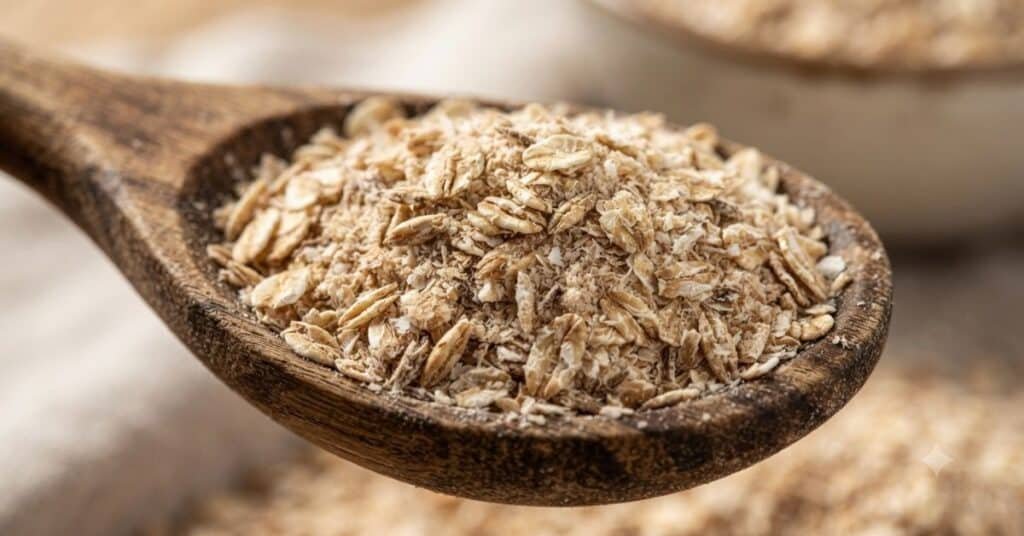
Because of this unique beta-glucan content, it forms a thick, gel-like substance in your digestive tract. Consequently, this gel actively binds to bile acids, which are made from cholesterol, and helps your body excrete them naturally. Therefore, your liver is forced to pull extra cholesterol from your bloodstream to make more bile, significantly lowering your overall LDL (“bad”) cholesterol levels.
Moreover, medical research continues to validate that maintaining clean arteries prevents long-term cardiovascular complications. To help you track your daily macros and understand its cardiovascular profile, here is a detailed reference table showing the nutritional breakdown per cooked cup:
Oat Bran Nutrition Facts (Per 1 Cup Cooked)
| Nutrient Component | Amount (USDA Data) | Heart & Metabolic Impact |
| Calories | 88 kcal | Provides clean, light cellular energy |
| Total Carbohydrates | 25g | Slow-digesting complex plant starches |
| Soluble Fiber (Beta-Glucan) | 3g to 4g | Directly binds and lowers LDL cholesterol |
| Protein | 7g | Higher protein content than standard oatmeal |
| Magnesium | 18% DV | Supports healthy blood pressure levels |
Note: Exact fiber values can vary slightly depending on whether you choose organic coarse or fine-milled oat bran varieties.
Health Benefits: Why Oat Bran Is a Cardiovascular Superpower
Consequently, many wellness enthusiasts wonder if the clinical research supporting oat bran is genuinely justified. The short answer is a definitive yes. In fact, clinical studies published in medical journals highlight several major advantages.
1. Powerful LDL Cholesterol Lowering
To begin with, regular consumption of beta-glucan fiber helps reduce total cholesterol and LDL particles without harming your HDL (“good”) cholesterol. This directly protects your arteries from plaque buildup and lowers long-term cardiovascular risks. Furthermore, keeping your lipid profiles balanced reduces systemic inflammation across your entire vascular network.
2. Blood Sugar Stabilization and Satiety
Moreover, because the soluble fiber slows down digestion, it prevents sudden blood sugar spikes after meals. Therefore, unlike refined breakfast cereals, oat bran promotes stable, flat glucose curves, making it exceptionally safe for prediabetics and weight management. Additionally, steady glucose levels prevent energy crashes during long working hours.
PureDietly Tip: Always stir your oat bran slowly into boiling liquid and simmer for 5 to 7 minutes. This fully releases the beta-glucan gel and maximizes its cholesterol-lowering power!
The Role of Soluble Fiber in Modern American Diets
In the United States, fast-paced lifestyles often lead to diets deficient in dietary fiber. Consequently, processed foods strip away the protective outer layers of grains, leaving behind empty starches that tax our metabolic systems.
Therefore, integrating functional foods like oat bran acts as a natural dietary correction. Because soluble fiber absorbs water in the gastrointestinal tract, it not only captures lipids but also feeds beneficial gut bacteria. Consequently, a thriving microbiome supports better immune function and enhanced metabolic health. As a researcher, I always remind our community that true wellness begins from the inside out.
Interlinking Your Metabolic Diet (The PureDietly Strategy)
If you are carefully building a structured heart-healthy meal plan, it is crucial to understand how different whole-grain components compare. For example, in our recent comprehensive nutritional breakdown, we explored Carbs in Pears and saw how fruit fiber acts as a natural buffer for metabolic health. Similarly, grain and seed selection matters immensely.
In sharp contrast to stripped white grains—which offer empty starches—oat bran provides a concentrated matrix of soluble fiber and plant protein. Furthermore, when compared to other popular ancient and whole-grain options like Brown Rice Benefits & Glycemic Impact or heart-healthy Red Rice Nutrition Facts, oat bran stands out specifically for its high beta-glucan concentration. Additionally, if you want an antioxidant-rich grain alternative, you can explore our guides on What Is Black Rice and Bamboo Rice Health Benefits. By swapping processed foods for these nutrient-dense options, you actively support a cleaner, more resilient cardiovascular system.
Best Ways to Cook and Eat Oat Bran in a U.S. Diet
To maximize these health benefits and keep your meals exciting, it is very easy to incorporate this grain into modern American recipes. Here are some quick, USA-friendly meal ideas for your routine:
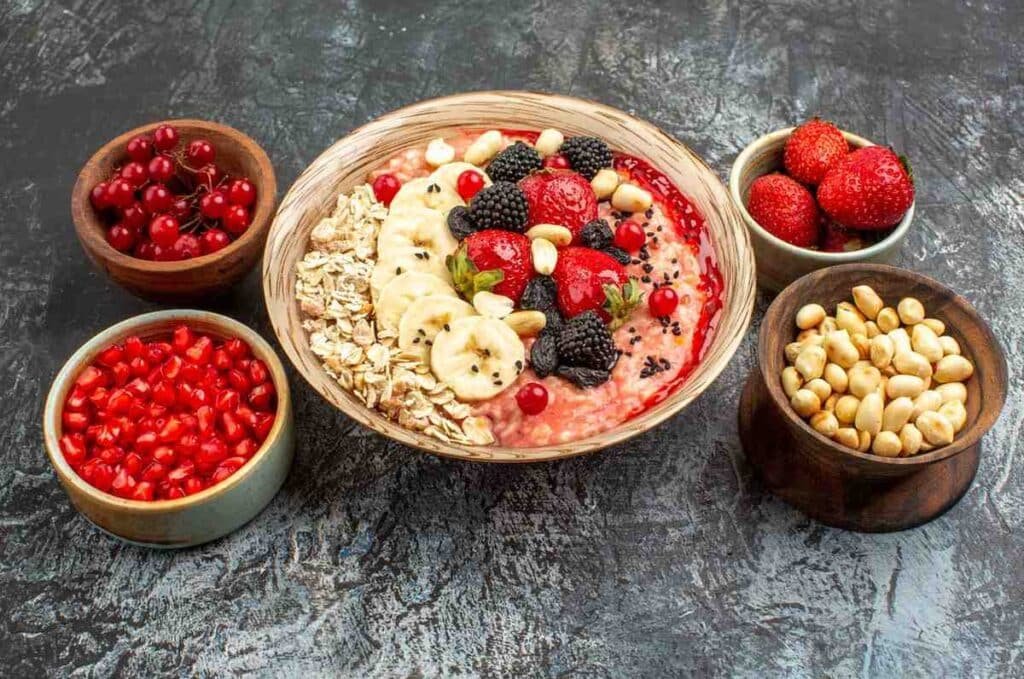
- As a Warm Morning Porridge: Simmer oat bran with almond or low-fat milk, cinnamon, and top it with fresh berries for a cholesterol-lowering breakfast.
- Blended Into Smoothies: Stir a tablespoon of raw oat bran into your daily protein smoothie to instantly boost your soluble fiber intake.
- As a Healthy Baking Binder: Mix oat bran into homemade muffins, pancakes, or meatloaf as a nutritious substitute for white flour breadcrumbs.
- Avoid Clumping: Always whisk briskly while adding oat bran to hot water. Conversely, dumping it in all at once will create stubborn lumps.
Overcoming Common Challenges When Increasing Fiber
When people first transition to a high-fiber diet, they sometimes experience minor digestive adjustments. Therefore, it is important to introduce oat bran gradually into your daily routine.

Start with small half-cup portions and steadily increase your water intake. Consequently, proper hydration helps the soluble fiber move smoothly through your digestive tract, preventing any temporary bloating or discomfort. Furthermore, consistency is key; making oat bran a regular part of your weekly meal prep yields the best long-term cardiovascular results.
Add Seaweed Salad to your daily carb limit in 30 seconds!
Frequently Asked Questions (FAQs)
Q1: How fast does oat bran lower cholesterol?
Answer: Clinical studies show that consuming around 3 grams of oat bran soluble fiber daily can help reduce LDL cholesterol levels within 4 to 6 weeks.
Q2: Is oat bran better than regular oatmeal for cholesterol?
Answer: Yes, because oat bran is the outer layer of the grain, it contains a significantly higher concentration of beta-glucan soluble fiber per serving than rolled oats.
Q3: Can eating too much oat bran cause digestive issues?
Answer: Initially, ramping up fiber too fast can cause mild bloating. Therefore, start with a small half-cup serving daily and drink plenty of water to help your digestion adapt.
Conclusion

Ultimately, understanding how oat bran reduce cholesterol opens the door to upgrading your long-term cardiovascular health. Because it is naturally packed with high amounts of soluble beta-glucan fiber, plant protein, and essential minerals, it represents a fantastic, heart-smart addition to any diet. Whether you are managing your lipid profile, seeking sustainable weight loss, or simply looking for a wholesome breakfast upgrade, this humble grain is a brilliant choice.
Just remember to introduce it gradually, stay hydrated, and enjoy its smooth, nutty flavor in your favorite morning meals.
About the Author
Gohar Fatima is a dedicated Metabolic Health Researcher and the visionary founder of PureDietly. Her primary mission is to translate complex nutritional science, glycemic research, and dietary data into actionable, easy-to-read food strategies that empower individuals within the U.S. and global communities to achieve long-term metabolic wellness.
Medical Disclaimer
This content is provided strictly for informational and educational purposes only and does not constitute formal medical advice, diagnosis, or treatment. Always consult with a qualified healthcare provider, registered dietitian, or certified physician before making significant changes to your daily diet or health management plan.