
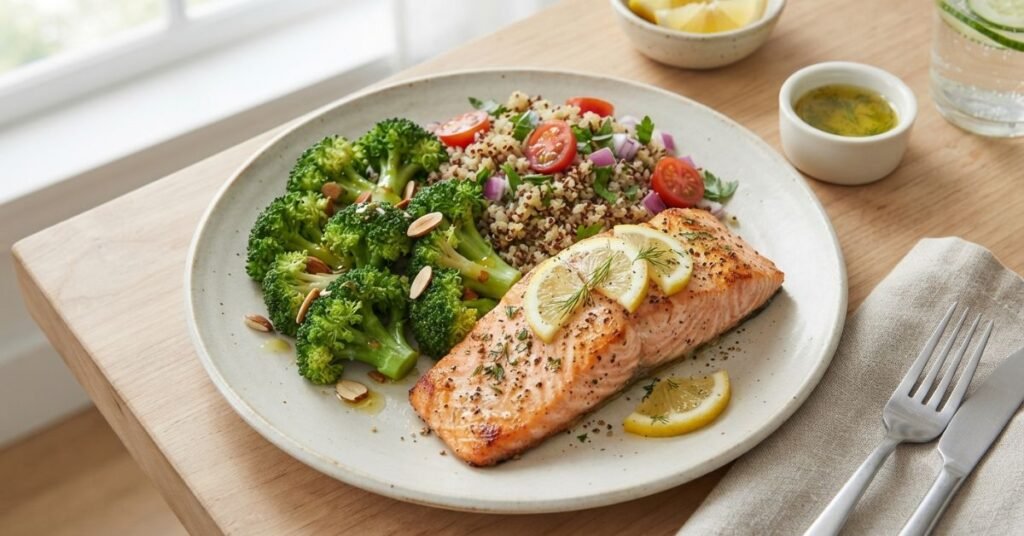
Navigating a diagnosis of gestational diabetes can feel overwhelming, but you do not have to figure it all out alone. When your doctor first mentions elevated blood sugar during pregnancy, it is completely normal to feel a sudden wave of worry about what you can safely eat. Fortunately, with the right foods, The Ultimate Gestational Diabetes Diet Guide: Safe Meal Plans & Advanced Nutrition Strategies (2026)
Navigating a diagnosis of gestational diabetes can feel overwhelming, but you do not have to figure it all out alone. When your doctor first mentions elevated blood sugar during pregnancy, it is completely normal to feel a sudden wave of worry about what you can safely eat. Fortunately, with the right foods, proper portion control, and a smart meal plan, you can protect your baby’s health while enjoying delicious, satisfying meals.
1. Beyond the Basics: Understanding the Hidden Mechanics of Gestational Diabetes
While most standard diet guides simply state that pregnancy hormones block insulin, understanding the exact biochemical mechanism empowers you to make better choices at every single meal.
During pregnancy, the placenta produces high levels of human placental lactogen (hPL) and other hormones designed to ensure your baby receives a continuous supply of glucose. However, these hormones simultaneously induce a state of natural insulin resistance in the mother’s body.
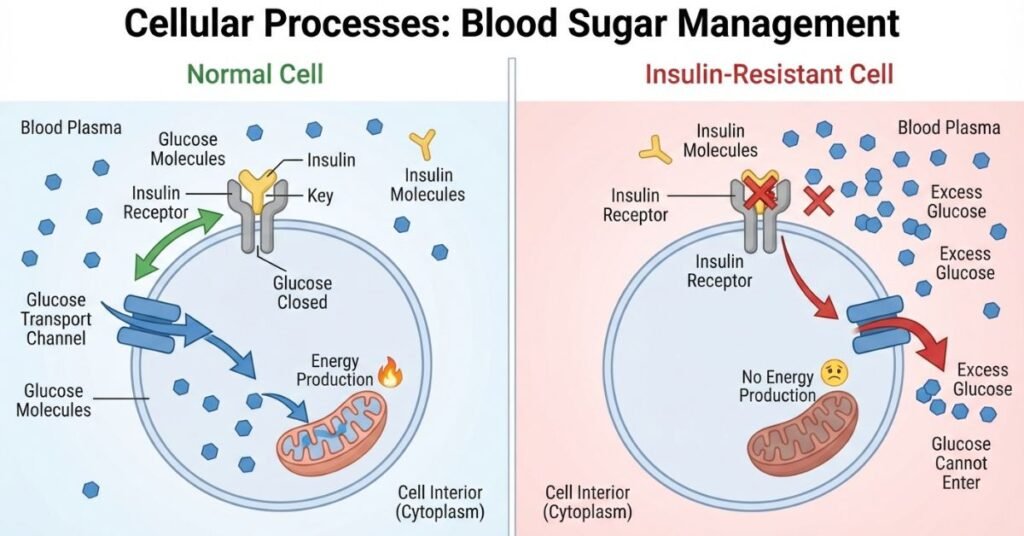
- The Cellular Blockade: Insulin acts like a key that unlocks your cells to let glucose in for energy. When resistance increases, the key no longer fits smoothly, leaving glucose floating in your bloodstream.
- The Placental Filter: Your baby feeds on your bloodstream’s glucose levels. If your blood sugar spikes continuously, your baby’s pancreas begins producing excess insulin, which can lead to excessive birth weight (macrosomia) and newborn breathing issues.
- The True Role of Diet: Managing this condition is not about starvation; it is about strategic carbohydrate pairing. By introducing specific macronutrients, you slow down gastric emptying, ensuring glucose enters your bloodstream in a slow, steady trickle rather than a sudden rush.
2. Glycemic Index (GI) vs. Glycemic Load (GL): The Secret Metric Competitors Forget
Most competitors only talk about “good carbs” and “bad carbs.” However, if you want true mastery over your blood sugar levels, you must understand Glycemic Load (GL).
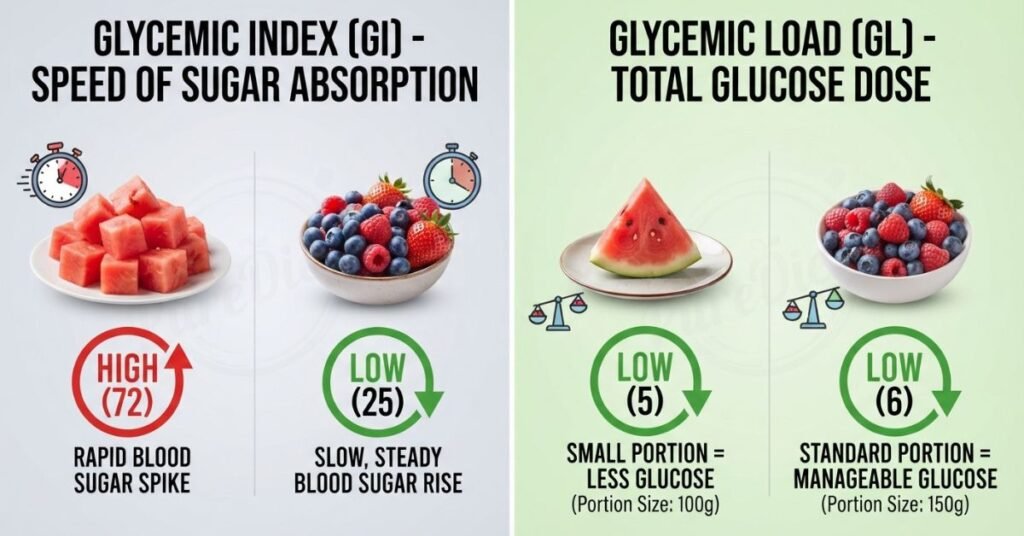
- Glycemic Index (GI): Ranks foods from 0 to 100 based on how fast they raise blood sugar compared to pure glucose.
- Glycemic Load (GL): Takes both the GI and the actual serving size into account.
Why This Matters For Pregnancy: Watermelon, for example, has a high GI (around 72), but its carbohydrate content per serving is very low. This means its Glycemic Load is actually quite low. Knowing this prevents you from unnecessarily cutting out healthy hydrating fruits that nourish your developing baby.
3. Core Principles of a Healthy Gestational Diabetes Diet
Building a balanced plate does not require giving up flavor or satisfaction. Instead, it focuses on combining macronutrients in a way that slows down digestion and stabilizes your blood sugar naturally.
- Prioritize Lean Proteins: Chicken, turkey, eggs, fish, and plant-based proteins slow down glucose absorption and keep you full longer.
- Choose Complex Carbohydrates: Swap white bread and sugary cereals for quinoa, brown rice, oats, and sweet potatoes to prevent sharp sugar spikes.
- Incorporate Healthy Fats: Avocados, nuts, seeds, and olive oil support fetal brain development while managing blood sugar levels effectively.
- Maximize Fiber Intake: Non-starchy vegetables, leafy greens, and fresh beans add volume to your meals without impacting your blood glucose negatively.
Pro Tip: Eating smaller, frequent meals throughout the day instead of three large portions helps keep your blood sugar levels steady and prevents afternoon energy crashes.
4. Gestational Diabetes Foods: What to Eat vs. What to Avoid
Knowing which foods support your metabolic health makes grocery shopping and meal preparation much simpler. Review this quick reference guide to make confident choices.
| Category | Foods to Include | Foods to Limit or Avoid |
| Proteins | Grilled chicken, salmon, tofu, eggs, Greek yogurt | Breaded meats, processed sausages, sugary flavored yogurts |
| Carbs | Quinoa, whole oats, lentils, berries, chickpeas | White pasta, pastries, sugary cereals, white flour tortillas |
| Fats | Avocado, almonds, chia seeds, extra virgin olive oil | Margarine, trans fats, highly processed vegetable oils |
| Beverages | Filtered water, unsweetened herbal tea, lemon water | Fruit juices, regular sodas, sweetened iced teas, energy drinks |
5. Advanced 3-Day Gestational Diabetes Sample Meal Plan
Planning your daily menu in advance removes the stress from daily eating. This advanced US-friendly meal plan provides balanced nutrition, stable energy, and great flavor.

Day 1
- Breakfast: Protein-Packed Veggie Omelet (Two eggs, fresh spinach, tomatoes, feta cheese, and half an avocado).
- Morning Snack: Apple slices paired with two tablespoons of natural almond butter.
- Lunch: Grilled chicken breast over mixed baby greens, cucumbers, cherry tomatoes, and half a cup of cooked quinoa with olive oil dressing.
- Afternoon Snack: One cup of plain Greek yogurt topped with blueberries and chia seeds.
- Dinner: Baked salmon fillet with steamed asparagus and a small side of roasted sweet potatoes.
- Bedtime Snack: A small handful of walnuts and a glass of unsweetened almond milk (prevents morning fasting spikes).
Day 2
- Breakfast: Steel-cut oatmeal cooked with cinnamon, mixed with a scoop of clean unflavored protein powder, and topped with chopped pecans.
- Morning Snack: Celery sticks stuffed with natural cream cheese or peanut butter.
- Lunch: Turkey breast wrap using a high-fiber, low-carb whole-wheat tortilla, layered with sliced avocado, romaine lettuce, and mustard.
- Afternoon Snack: Sliced bell peppers dipped in protein-rich hummus.
- Dinner: Lean grass-fed beef stir-fry with broccoli, snap peas, and mushrooms, served over cauliflower rice.
- Bedtime Snack: Hard-boiled egg with a pinch of sea salt and black pepper.
Day 3
- Breakfast: Avocado toast made on a slice of dense, sprouted-grain bread (like Ezekiel bread), topped with a poached egg.
- Morning Snack: A small pear paired with a stick of low-fat mozzarella string cheese.
- Lunch: Lentil and vegetable soup served alongside a side garden salad dressed with olive oil and apple cider vinegar.
- Afternoon Snack: Cottage cheese mixed with fresh sliced cucumbers and black pepper.
- Dinner: Herb-roasted chicken thighs served with roasted Brussels sprouts and a side of wild rice.
- Bedtime Snack: A small cup of plain Greek yogurt with a dash of cinnamon.
6. The Hidden Danger: Managing the “Dawn Phenomenon” and Night Spikes
A common frustration for pregnant women managing gestational diabetes is waking up with high fasting blood sugar, even though their post-dinner numbers were perfect. This happens due to two primary biological occurrences:
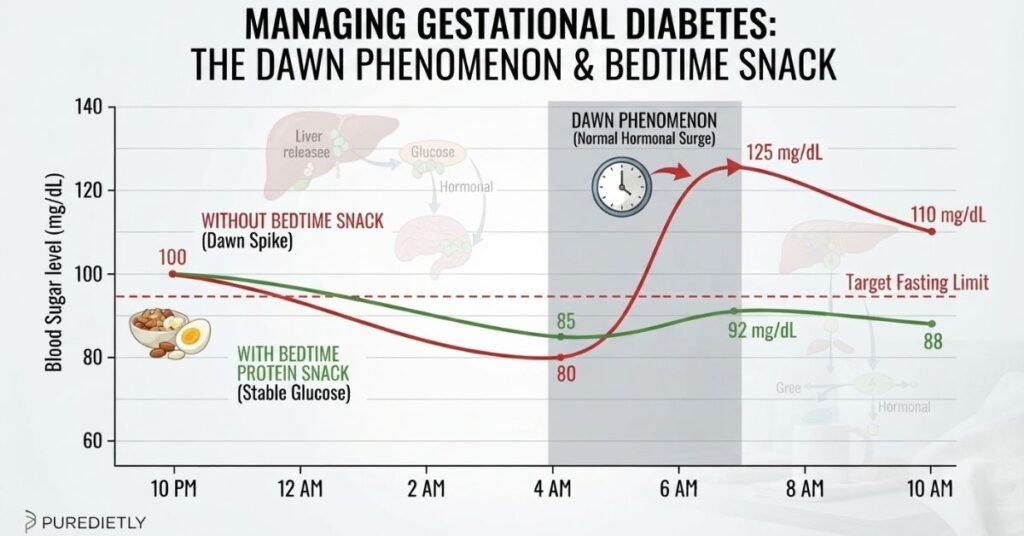
- The Dawn Phenomenon: In the early morning hours (around 4:00 AM to 8:00 AM), your body naturally releases a surge of hormones (cortisol and growth hormone) to prepare you to wake up. These hormones cause the liver to release stored glucose into the bloodstream.
- The Somogyi Effect: If you eat too few carbohydrates or skip your bedtime snack, your blood sugar might drop too low overnight. In response, your body panics and releases stress hormones that spike your blood sugar sky-high by morning.
- The Fix: Incorporating a smart bedtime protein-and-fat snack (such as a handful of almonds or a hard-boiled egg) keeps your liver stable through the night and prevents morning spikes.
7. Smart Lifestyle, Exercise, and Blood Sugar Tracking Tips
Diet alone is only one part of the equation. Integrating simple daily habits maximizes your metabolic control and promotes overall wellness during pregnancy.

- Stay Well Hydrated: Drinking plenty of water throughout the day helps your kidneys flush out excess sugar and prevents dehydration.
- Take Post-Meal Walks: A gentle 15-minute walk after lunch or dinner helps your muscles absorb glucose naturally, lowering post-meal blood sugar spikes without needing insulin.
- Monitor Religiously: Keep a detailed food and blood sugar log to share with your obstetrician or registered dietitian during check-ups.
- Never Skip Meals: Skipping meals can cause your liver to release stored glucose, paradoxically leading to higher blood sugar readings later.
Ready to Check Your Levels?
Use our Free Diabetic Calculators to track your A1C, Sugar Spikes, and Fasting Progress.
OPEN ALL CALCULATORS ➔Fast • Accurate • Free for Puredietly Readers
8. Frequently Asked Questions
Can I eat fruit if I have gestational diabetes?
Yes, you can enjoy fruit in moderation. However, focus on low-glycemic options like berries, green apples, and cherries, and always pair them with a protein or fat to slow sugar absorption.
Will gestational diabetes hurt my baby?
When properly managed through diet, physical activity, and medical guidance, most women go on to deliver healthy babies without complications. Consistent blood sugar control is the key factor.
Do I need to cut out all carbohydrates completely?
No, completely eliminating carbohydrates is not recommended during pregnancy. Your developing baby needs healthy complex carbohydrates for proper growth. The goal is choosing high-fiber, slow-digesting carbs instead of refined sugars.
Will gestational diabetes disappear after birth?
Yes, in the vast majority of cases, gestational diabetes resolves immediately after delivery once the placenta is delivered. However, it does increase your risk of developing Type 2 diabetes later in life, making postnatal healthy eating vital.
Conclusion: Taking Control of Your Pregnancy Journey
Managing gestational diabetes successfully is entirely achievable with the right strategy, consistent meal planning, and a positive mindset. By focusing on wholesome proteins, healthy fats, and complex carbohydrates, you nourish your body and safeguard your baby’s development.
Take these practical steps today, consult your healthcare provider to tailor your plan, and embrace a healthy, confident pregnancy journey! For more helpful resources on managing your metabolic health, explore our related guides on Balanced Meal Planning and Glycemic Index Management.
About Gohar Fatima
Gohar Fatima is the founder and lead health researcher at PureDietly. With a deep passion for evidence-based nutrition, dietary science, and wellness, Gohar translates complex nutritional data into practical, easy-to-understand guides for everyday readers. Dedicated to promoting healthier lifestyles, she meticulously researches topics ranging from glycemic indices and superfoods to balanced meal planning, ensuring all content meets high standards of accuracy and reliability.
Medical Disclaimer
The content provided on PureDietly is for informational and educational purposes only and is not intended as a substitute for professional medical advice, diagnosis, or treatment. Always seek the advice of your physician or other qualified health provider with any questions regarding a medical condition or dietary changes. Never disregard professional medical advice or delay in seeking it because of something you have read on this website.