

Editor’s Note: At PureDietly, we are committed to cutting through nutritional confusion with evidence-based science. In this 2026 clinical update, lead researcher Gohar Fatima examines how nutrient-dense root vegetables—specifically beetroot—interact with insulin sensitivity, postprandial glucose, and modern metabolic health protocols. By breaking down glycemic load versus glycemic index, and highlighting the crucial role of dietary nitrates and proper food pairing, this guide provides actionable, safe strategies for anyone looking to optimize their daily nutrition without unnecessary food restriction.
For individuals managing blood sugar across the United States, incorporating colorful root vegetables into a daily meal plan often sparks a common debate. When shoppers browse the produce aisle, brightly pigmented beets are celebrated for their rich antioxidant profiles and heart-healthy nitrates. However, because they possess an earthy sweetness, many patients wonder if they trigger rapid blood sugar spikes. Modern nutritional science reveals that understanding beetroot’s glycemic load and smart meal pairing allows it to fit seamlessly into a balanced diabetic lifestyle.
1. Understanding the Glycemic Index (GI) and Glycemic Load (GL) of Beets
The glycemic index (GI) measures how fast carbohydrates convert to glucose in the bloodstream, while glycemic load (GL) factors in the actual portion size of carbohydrates consumed.
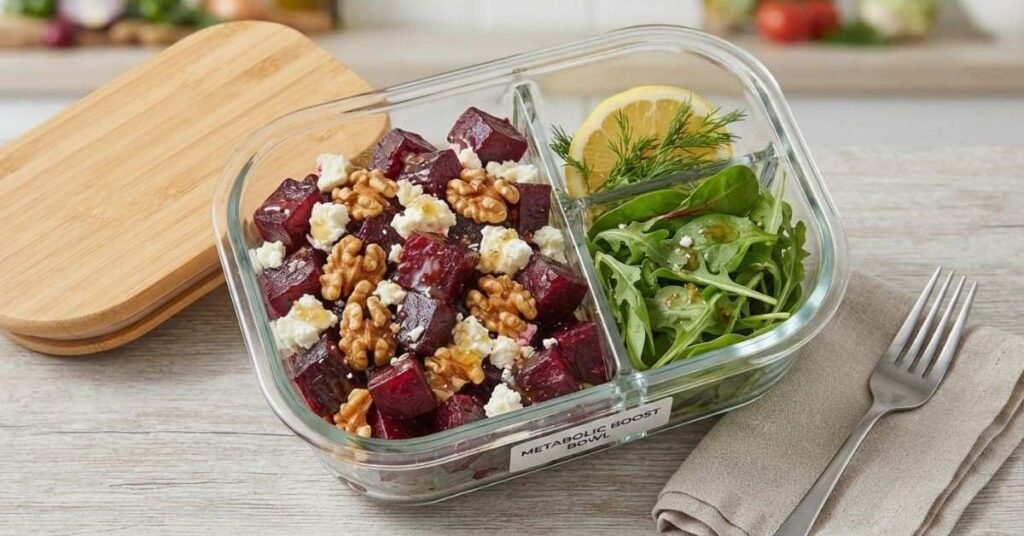
- The GI Score: Boiled beetroot has a medium glycemic index, typically ranging between 61 and 64. However, its actual Glycemic Load (GL) is low (around 5 per standard serving) because a typical portion contains relatively few total carbohydrates.
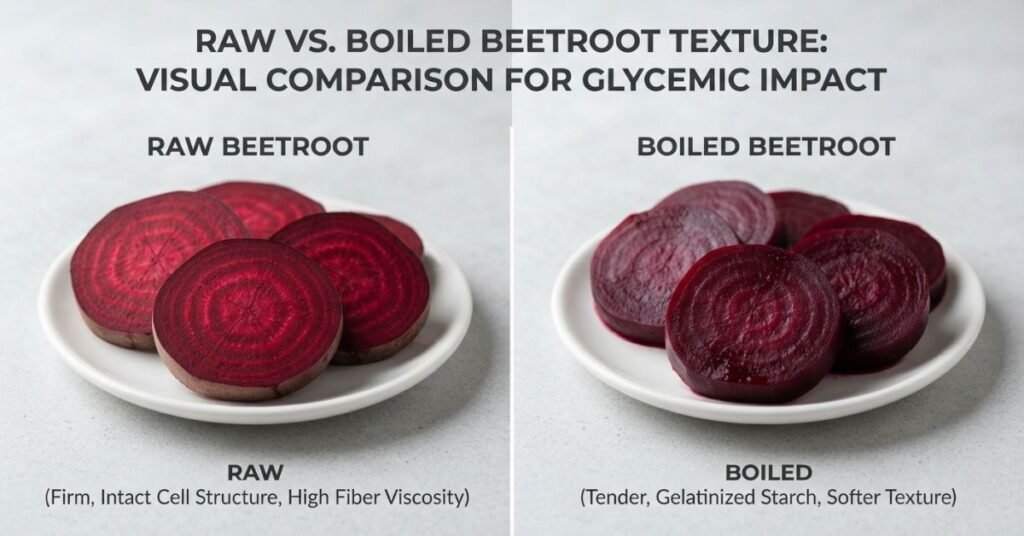
- Raw vs. Cooked Dynamics: Raw beetroot generally has a slightly lower glycemic impact than boiled or roasted beets, as cooking breaks down natural plant cell walls and concentrates the available sugars.
- The Nitrate Advantage: Beets are packed with inorganic dietary nitrates, which convert to nitric oxide in the body, supporting healthy endothelial function, blood pressure regulation, and improved insulin sensitivity.
Furthermore, if you are monitoring your daily carbohydrate intake closely, you can review our foundational findings on Can Diabetics Eat Rice? The Shocking Truth About White vs Brown Rice! to understand how different food matrices alter your body’s metabolic response.
2. Beetroot Glycemic Comparison Table
Evaluating how beetroot stacks up against other common root vegetables and grains helps you optimize your daily meal plan. Review this metabolic comparison table to evaluate your options.
| Vegetable / Food Item | Average Glycemic Index (GI) | Glycemic Load (GL) per Serving | Metabolic Impact |
| Boiled Beetroot | Medium (61–64) | Low (~5) | Moderate sugar release, high nitrates |
| Raw Carrots | Low (35–40) | Low (~3) | Sustained, slow energy flow |
| White Potatoes | High (82–88) | High (~22) | Rapid glucose surge |
| Standard White Rice | High (72–89) | High (~22) | Fast postprandial spike |
While beetroot offers beneficial nitrates, you can compare these metrics directly with our specialized insights in White Rice Glycemic Index: The 2026 Metabolic Truth to see how unrefined starches compare to colorful root structures.
3. The Science of Nitrates and Metabolic Flexibility
The most compelling argument for including beets in a diabetic-friendly diet is their high concentration of inorganic dietary nitrates ($NO_3^-$). In the human body, these nitrates enter a specialized pathway:
- Nitrate to Nitrite: Upon ingestion, oral commensal bacteria reduce dietary nitrates to nitrites ($NO_2^-$).
- Nitrite to Nitric Oxide ($NO$): In the acidic environment of the stomach and within the blood vessels, these nitrites are converted into nitric oxide.
- Metabolic Impact: Nitric oxide is a potent vasodilator. It relaxes the inner muscles of your blood vessels, improving circulation and oxygen delivery to muscle tissues. For someone with diabetes, improved peripheral circulation is crucial for managing insulin sensitivity and reducing the systemic stress often associated with high blood sugar.
4. Top Strategies to Safely Include Beets in a Diabetic Diet
You do not necessarily have to banish beets from your plate to maintain healthy blood sugar levels. Implementing simple, science-backed kitchen techniques can dramatically alter how your body absorbs natural sugars.
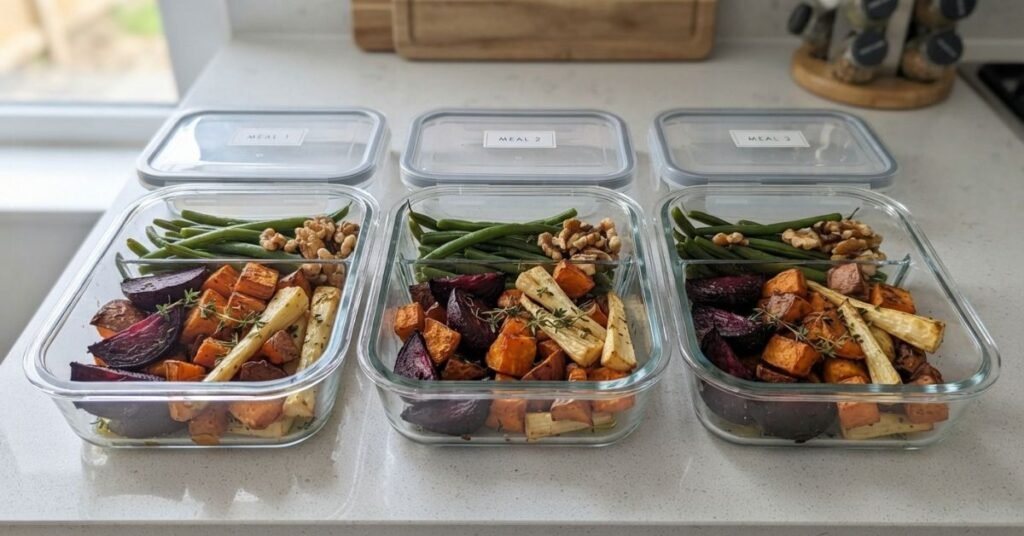
- Smart Protein and Healthy Fat Pairing: Never eat plain beets in isolation. Always pair your serving with healthy fats (like extra virgin olive oil or feta cheese) and lean proteins or fiber-rich greens to slow down gastric emptying.
- Portion Control: Keep your serving size to a controlled half-cup of roasted or boiled beets to prevent overwhelming your metabolic pathways.
- Juice vs. Whole Form Caution: Avoid beet juices or concentrated smoothies, as removing the fibrous matrix causes liquid fructose and glucose to enter the bloodstream much faster, triggering a sharp insulin response.
Pro Tip: Tossing roasted beetroot cubes with apple cider vinegar, walnuts, and baby spinach creates a low-glycemic salad matrix that effectively blunts any post-meal glucose spikes.
5. Comparing Beetroot to Other Superfoods & Root Options
Many health enthusiasts wonder how standard root vegetables compare to alternative functional foods on the market today.
- The Antioxidant Contrast: Beets lack the specific deep-purple anthocyanin profile found in our deep-dive analysis of What Is Black Rice? The Forbidden Superfood Your Diet Needs.
- Diabetic Alternative Pairings: Before choosing high-sugar side dishes for everyday meals, it is worth exploring whether Is Bamboo Rice Better Than White Rice for Diabetics? The 2026 Clinical Review offers a safer pairing alternative for your specific goals.
- Weight Management Goals: For those focusing strictly on metabolic fat loss, contrast your vegetable intake with the benefits outlined in our expert guide on Red Rice: The Weight Loss Secret You’ve Been Missing.
6. The Role of Digestion and Postprandial Glucose
When you consume root vegetables, your digestive system breaks down complex structures into absorbable monosaccharides. Understanding how postprandial (after-meal) glucose responses function enables you to fine-tune your meals effectively.
- Gastric Emptying Dynamics: High-fiber structures and added healthy fats stay in your stomach longer, delaying the rapid entry of glucose into the small intestine.
- Cellular Uptake and Nitrates: The unique presence of dietary nitrates in beetroot promotes vasodilation, enhancing blood flow to peripheral tissues and assisting overall glucose disposal during physical activity.
7. Deep-Dive: The Biochemical Impact of Betalains
To truly master your vegetable consumption, it helps to understand the unique phytonutrients found inside beets.
- Betalain Pigments: Unlike other red vegetables that rely on anthocyanins, beets contain betalains, powerful antioxidants responsible for their deep crimson color. These compounds help combat oxidative stress and systemic inflammation, which are critical considerations for metabolic health management.
- Clinical Relevance: Chronic inflammation is a hallmark of insulin resistance. By introducing betalain-rich foods, you are providing your body with the tools to mitigate cellular damage.
8. Practical Kitchen Tips for Busy American Kitchens
Integrating healthy habits into a busy weekly schedule requires smart meal-prepping strategies:
- Batch Roasting on Weekends: Roast a tray of whole beets with skin on to preserve moisture, then peel and store them in airtight glass containers.
- Acidic Dressings: Always incorporate an acid like apple cider vinegar or lemon juice. Acetic acid is clinically known to slow gastric emptying.
- Mindful Garnishing: Top your beet dishes with toasted pumpkin seeds or walnuts to introduce healthy fats.
9. Common Myths vs. 2026 Nutritional Science
- Myth 1: “Beets are just pure sugar.”
- Reality: While they taste sweet, their glycemic load is remarkably low. A serving of beets contains significantly fewer net carbs than a serving of white rice or pasta.
- Myth 2: “Cooking makes beets toxic for diabetics.”
- Reality: Cooking makes them easier to digest, but the total carbohydrate load remains unchanged. The key is portion control, not the exclusion of cooked beets.
Ready to Check Your Levels?
Use our Free Diabetic Calculators to track your A1C, Sugar Spikes, and Fasting Progress.
OPEN ALL CALCULATORS ➔Fast • Accurate • Free for Puredietly Readers
10. Frequently Asked Questions
Can diabetics eat beets every day?
Yes, in moderation. Because a standard serving of whole beets has a low glycemic load, having them a few times a week alongside healthy fats and proteins will not disrupt blood sugar.
Is beetroot juice safe for blood sugar management?
It is generally not recommended. Juicing strips away the fiber, allowing sugars to absorb rapidly.
Do cooked beets have more sugar than raw beets?
No, the sugar content remains consistent; however, the structural breakdown from heat makes the glucose more “available,” which is why portion control is vital.
Conclusion: Mastering Root Vegetables for Metabolic Fitness
Understanding the true relationship between beetroot and your blood sugar empowers you to make informed, flexible choices without feeling restricted. By prioritizing whole-food portions, avoiding concentrated juices, and pairing your roots with quality fats and fibers, you can enjoy the exceptional nitrate and antioxidant benefits of beets while keeping your metabolic health completely on track.
Take charge of your wellness journey today! Explore our related expert resources on Balanced Meal Planning and Glycemic Index Management to keep your nutrition optimized.
About Gohar Fatima
Gohar Fatima is the founder and lead health researcher at PureDietly. With a deep passion for evidence-based nutrition, dietary science, and wellness, Gohar translates complex nutritional data into practical, easy-to-understand guides for everyday readers.
Medical Disclaimer
The content provided on PureDietly is for informational and educational purposes only and is not intended as a substitute for professional medical advice, diagnosis, or treatment. Always seek the advice of your physician or other qualified health provider with any questions regarding a medical condition or dietary changes. Never disregard professional medical advice or delay in seeking it because of something you have read on this website.