

By Gohar Fatima | Published on August 21, 2026
Editor’s Note:
At PureDietly, we break down confusing nutrition myths with evidence-based guidance. If you are managing blood sugar, figuring out whether tropical fruits are safe can feel overwhelming. Let’s dive deep into the science of whether pineapple can fit safely into your daily meal plan without compromising your metabolic health.
For many individuals navigating diabetes, the mere mention of tropical fruit can feel like stepping into a minefield. You might love the juicy, vibrant sweetness of fresh pineapple during a warm afternoon, but you naturally fear the inevitable blood sugar spike that typically follows.
However, the good news is clear: you do not have to banish pineapple from your kitchen forever. With the right portion control, strategic food pairings, and a solid understanding of its nutritional matrix, you can enjoy this tropical treat safely. In this comprehensive guide, we will explore the glycemic impact of pineapple, its unique health benefits, potential risks of overconsumption, and how you can incorporate it into a balanced, diabetes-friendly lifestyle.
1. The Nutritional Profile & Glycemic Index of Pineapple
Before introducing any sweet food into your daily routine, evaluating its physiological impact on blood glucose levels is essential. When researchers look at how carbohydrates affect the body, they rely heavily on metrics like the Glycemic Index (GI) and Glycemic Load (GL).
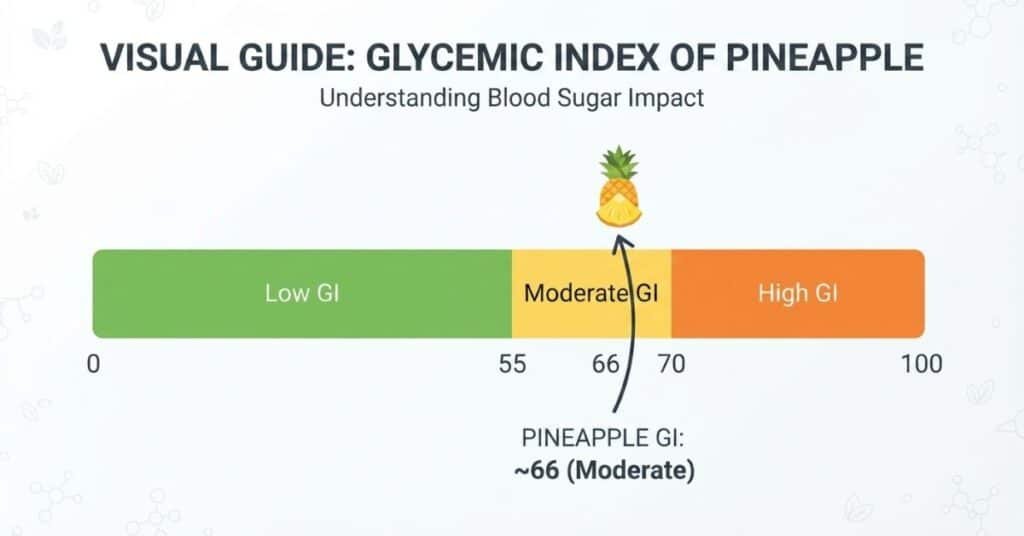
- Glycemic Index (GI): Pineapple possesses a moderate glycemic index, usually ranging from 51 to 66 depending on how ripe the fruit is. Riper pineapples contain simpler sugars that break down faster, which slightly raises the GI.
- Glycemic Load (GL): Because a standard portion contains a moderate amount of carbohydrates relative to its high water content, its glycemic load can be managed very easily when portion sizes are strictly controlled.
- Fiber Content: It provides natural dietary fiber, playing a crucial role in slowing down gastric emptying and preventing rapid glucose absorption in the small intestine.
To better understand how different carbohydrate sources compare in a clinical setting, we recommend reading our foundational guide, [Can Diabetics Eat Rice? The Shocking Truth About White vs Brown Rice!], which outlines essential carbohydrate management techniques.

| Nutrient Metric | Pineapple Value (Per 1 Cup Chunks) | Metabolic Impact & Benefit |
| Total Carbohydrates | ~21.6 grams | Moderate; requires mindful portion sizing |
| Dietary Fiber | ~2.3 grams | Helps blunt the speed of glucose entry |
| Vitamin C | Over 100% of the Daily Value | Protects vascular health and fights oxidative stress |
| Bromelain Enzyme | High concentration | Supports smooth digestion and reduces inflammation |
2. Health Benefits of Pineapple for Metabolic Wellness
Although pineapple contains natural sugars, it also delivers powerful micronutrients and bioactive compounds that actively support overall metabolic function:
- Fights Systemic Inflammation: Chronic low-grade inflammation is heavily linked to insulin resistance. The active enzyme bromelain found naturally in pineapple helps lower inflammatory markers throughout the body.
- Supports Digestive Health: Bromelain assists your digestive tract by breaking down proteins efficiently, which reduces bloating and improves overall nutrient assimilation.
- Cellular and Vascular Protection: Packed with antioxidants like vitamin C, pineapple helps protect your blood vessels from the oxidative damage that can occasionally occur during fluctuating glucose states.
Furthermore, integrating fruits with rich antioxidant profiles can complement broader wellness strategies. If you are exploring holistic dietary adjustments, our resource on [Balanced Meal Planning] provides excellent steps for daily nutritional structure.
3. Potential Risks and Pitfalls of Overconsumption
While pineapple offers incredible health perks, consuming it carelessly can create hurdles for anyone managing metabolic health:
- Risk of Hyperglycemia: Because pineapple is naturally sweet, eating large quantities or drinking commercial juice concentrates can rapidly elevate blood glucose levels.
- Acidic Sensitivity: The high concentration of citric acid and active enzymes can sometimes cause mouth irritation or heartburn if consumed in excessive amounts on an empty stomach.
- Hidden Sugars in Processed Forms: Canned pineapple or pre-packaged fruit cups often contain added high-fructose corn syrup, which completely undermines your blood sugar control goals.
4. Smart Rules for Eating Pineapple Safely with Diabetes
You do not need to avoid pineapple completely, but you must follow specific kitchen and eating rules to protect your blood sugar stability:

- Control Your Portions Strictly: Always stick to a strict serving size of one-half cup of fresh pineapple chunks at a time. Avoid large fruit bowls or canned varieties packed in heavy syrups.
- Never Eat Fruit in Isolation: Always pair your pineapple with a source of healthy fats or lean protein (such as Greek yogurt, cottage cheese, or a handful of raw walnuts). This macronutrient synergy significantly slows down carbohydrate absorption.
- Choose Fresh Over Canned: Fresh raw pineapple preserves its active enzymes and contains zero hidden artificial sweeteners compared to commercial canned alternatives.
To maintain consistent long-term results, combining these practices with professional insights from [Glycemic Index Management] will ensure your daily nutrition stays perfectly balanced.
5. Creative Ways to Serve Pineapple for Stable Blood Sugar
Incorporate pineapple into creative, balanced recipes to ensure you enjoy exceptional flavor without metabolic compromise:

- The Protein-Pairing Bowl: Combine half a cup of fresh pineapple chunks with full-fat plain Greek yogurt and a sprinkle of chia seeds. The protein and healthy fats balance out the natural sugars seamlessly.
- Savory Stir-Fry Addition: Toss a small amount of diced pineapple into a low-carb chicken and vegetable stir-fry to add a touch of natural sweetness without altering your glucose curve.
Ready to Check Your Levels?
Use our Free Diabetic Calculators to track your A1C, Sugar Spikes, and Fasting Progress.
OPEN ALL CALCULATORS ➔Fast • Accurate • Free for Puredietly Readers
Frequently Asked Questions
Can diabetics eat pineapple every day?
Consuming pineapple daily is possible, provided your total daily carbohydrate intake is carefully monitored and paired with protein and healthy fats.
Is fresh pineapple better than canned pineapple?
Yes. Fresh pineapple contains fewer concentrated sugars and avoids the added corn syrups found in many processed canned varieties.
How can I lower the glycemic impact of pineapple?
Pairing it with high-fiber seeds, nuts, or healthy fats is the most effective way to blunt post-meal blood sugar spikes.
Conclusion
Managing diabetes successfully does not mean you must live a life of strict deprivation. By practicing portion control, choosing fresh options, avoiding processed syrups, and utilizing smart food pairings, is pineapple good for diabetics transforms from a source of daily worry into a manageable, healthy choice. Enjoy your favorite foods mindfully and keep your metabolic goals on track every single day!
About Gohar Fatima
Gohar Fatima is the founder and lead health researcher at PureDietly, dedicated to translating complex metabolic science into practical, everyday dietary guidance.
Medical disclaimer
This content is for informational purposes only and does not substitute for professional medical advice. Always consult your physician or registered dietitian regarding diabetes management.