
Author name: puredietly@gmail.com

Can Diabetics Eat Bread? The Shocking Truth About Bread & Blood Sugar
diabeic food and nutrition

Can Diabetics Eat Bread? The Shocking Truth About Bread & Blood Sugar

Published: December 23, 2025 | Medically Reviewed by Certified Diabetes Educator | Read Time: 8 minutes Editor’s Note (Updated: Jan 2026): > At Puredietly, we understand that diabetic weight loss isn’t just about calories—it’s about hormones. We have fully audited this guide for 2026 to include the latest research on Metabolic Flexibility and Satiety Signaling. We’ve removed outdated advice and added 20 high-potency superfoods that help lower A1C while naturally suppressing hunger. This isn’t just a list; it’s your 2026 roadmap to a healthier weight. The Bread Dilemma Every Diabetic Faces You’re standing in the grocery aisle. Bread in hand. Wondering… “Can I eat this?” Your doctor said watch your carbs. Your nutritionist said avoid white bread. The internet says bread is basically poison for diabetics. But sandwiches are your go-to lunch. Toast is your breakfast staple. Life without bread feels…impossible. Here’s what you need to know right now. The Short Answer (Yes, But…) YES, diabetics CAN eat bread. But—and this is critical—not all bread is created equal. The difference between the right bread and wrong bread? It could be a 50-point blood sugar spike or a gentle, controlled rise. Bottom line: Bread doesn’t have to be off-limits. You just need to know which bread to choose, how much to eat, and when to eat it. This guide shows you exactly that. Why Most Bread FAILS Diabetics Let’s talk about what happens when you eat bread. The Blood Sugar Problem: White bread = Refined flour = Pure carbs = Rapid blood sugar spike Here’s why: 1. Refined FlourMost bread uses white flour. All fiber and nutrients stripped away. Your body digests it like pure sugar. 2. High Glycemic IndexWhite bread: GI of 75-90 (very high!)This means it raises blood sugar FAST. 3. Low FiberWithout fiber, nothing slows down sugar absorption. It hits your bloodstream immediately. 4. Added SugarsMany breads add sugar, honey, or high-fructose corn syrup. Extra carbs you don’t need. What Happens to Your Blood Sugar: According to a <cite>2024 BMJ study</cite>, eating white bread can raise blood glucose by 30-50 mg/dL within 30 minutes for people with diabetes. Result:Energy crash 2 hours laterIncreased cravingsHarder to manage A1CWeight gain But here’s the good news… The Science of Blood Sugar-Friendly Bread Not all bread behaves the same in your body. What Makes Bread Diabetic-Safe:  Whole Grains (not refined flour)High Fiber (3g+ per slice)Low Glycemic Index (under 55)No Added SugarsProtein Content (3g+ per slice helps) The Fiber Factor: Fiber is the game-changer. It slows digestion and sugar absorption. Example: 7 Best Breads for Diabetics (Ranked!) #1: Ezekiel 4:9 Sprouted Grain Bread Carbs: 15g per slice | Fiber: 3g | GI: 36 Why it’s #1: Made from sprouted whole grains. The sprouting process reduces carb impact and increases nutrient availability. Where to buy: Frozen section at Whole Foods, Sprouts, or Amazon Fresh Price: $5-7 per loaf Taste: Slightly nutty, dense texture. Not sweet. Best for: Sandwiches, toast with nut butter #2: Dave’s Killer Bread (21 Whole Grains) Carbs: 12g per slice | Fiber: 5g | Protein: 6g | GI: 55 Why it’s great: Packed with seeds and whole grains. High protein AND fiber. Where to buy: Most grocery stores (Walmart, Target, Kroger) Price: $5-6 per loaf Taste: Rich, nutty, slightly sweet (no added sugar though!) Best for: Everyday toast, sandwiches #3: Sourdough (Whole Grain) Carbs: 15g per slice | Fiber: 2g | GI: 48-54 Why it works: Fermentation process lowers glycemic index. The “sour” bacteria eat some of the sugar! 2024 study: Research shows sourdough raises blood sugar 20% less than regular wheat bread. Where to buy: Bakery section or local artisan bakers Price: $6-9 per loaf Taste: Tangy, chewy. Authentic flavor. Best for: Sandwiches, grilled cheese Pro tip: Choose whole wheat sourdough, not white! #4: Pumpernickel Carbs: 15g per slice | Fiber: 2g | GI: 41-46 Why it’s good: Made from whole grain rye. Lower GI than wheat. Where to buy: Most grocery stores Price: $4-6 per loaf Taste: Dark, dense, slightly sweet Best for: Deli sandwiches, open-faced #5: Oat Bran Bread Carbs: 13g per slice | Fiber: 4g | GI: 44 Why it helps: Contains beta-glucan fiber. Studies show it improves insulin sensitivity! Where to buy: Health food stores, Whole Foods Price: $5-7 per loaf Taste: Mild, slightly sweet Best for: Toast, breakfast sandwiches #6: Flaxseed Bread Carbs: 10g per slice | Fiber: 4g | GI: 51 Why it’s powerful: High in omega-3 fatty acids. Supports heart health (crucial for diabetics!). Where to buy: Trader Joe’s, Whole Foods Price: $5-6 per loaf Taste: Nutty, hearty Best for: Avocado toast #7: Rye Bread (100% Whole Grain) Carbs: 15g per slice | Fiber: 2g | GI: 41-58 Why choose it: Lower GI than wheat. More filling. Where to buy: Most grocery stores Price: $4-6 per loaf Taste: Strong, distinct flavor Best for: Open-faced sandwiches, European-style Quick Reference Chart Bread Type Carbs Fiber GI Best For Ezekiel 4:9 15g 3g 36 #1 Choice Dave’s Killer 12g 5g 55 Everyday use Sourdough WW 15g 2g 48 Sandwiches Pumpernickel 15g 2g 41 Deli meats Oat Bran 13g 4g 44 Toast Flaxseed 10g 4g 51 Avocado toast Rye 15g 2g 41 Traditional White Bread 14g 0.6g 75 AVOID! 5 Breads to AVOID (Blood Sugar Bombs!)  #1: White Bread GI: 75-90 | Fiber: Under 1g Why it’s terrible: Refined flour. No nutrients. Spikes blood sugar faster than candy. Looks like: Wonder Bread, store-brand white  #2: Sweetened Breads Examples: Hawaiian rolls, brioche, challah Why avoid: Loaded with sugar, butter, eggs. More like cake than bread. Carbs: 20-25g per serving  #3: Bagels Carbs: 45-55g per bagel (equals 3-4 slices bread!) Why dangerous: Huge portion. Dense. Even “whole wheat” bagels spike blood sugar. Exception: Mini bagels (still limit to half)  #4: Croissants Carbs: 26g | Fat: 12g Why skip: Refined flour + butter. High in saturated fat AND carbs.  #5: “Wheat” Bread (Not Whole Wheat!) Watch out: “Wheat flour” = refined white flour with coloring! Check label: Must say “100% WHOLE wheat” or “100% WHOLE grain” How to Eat
20 Best Diabetic Foods for Weight Loss That Actually Work (2025)
diabeic food and nutrition

20 Best Diabetic Foods for Weight Loss That Actually Work (2025)

20 Best Diabetic Foods for Weight Loss | Burn Fat & 20 powerful diabetic foods for weight loss that control blood sugar while burning fat. Expert guide with meal plans, portions, and science-backed tips! Published: December 23, 2025 | Medically Reviewed by Certified Diabetes Educator | Read Time: 8 minutes 1. Editor’s Note (Readability: Green) “At Pure Dietly, we understand that losing weight with diabetes is a unique metabolic challenge. Many traditional ‘diet foods’ can actually cause hidden sugar spikes. Therefore, this guide focuses on 20 metabolic superfoods that specifically target fat loss while stabilizing your A1C. Our 2026 research highlights that choosing the right nutrients is more effective than simple calorie counting. This list is your blueprint for sustainable, healthy weight loss.” Introduction: The 2026 Metabolic Weight Loss Blueprint “Losing weight with Type 2 diabetes often feels like an uphill battle. Many traditional diets focus solely on calories, yet they ignore the most critical factor: your insulin response. If your blood sugar is constantly spiking, your body stays in ‘fat-storage mode’ instead of ‘fat-burning mode.’ Therefore, choosing the right diabetic foods for weight loss is the only way to break this cycle and see real results. At Pure Dietly, we have audited the latest 2025-2026 nutritional data to find the most effective metabolic triggers. In this guide, I am sharing 20 science-backed diabetic foods for weight loss that actually work without starving you. These selections don’t just fill your stomach; they stabilize your glucose and help melt stubborn visceral fat. Moreover, I will explain the ‘Biological Why’ behind each choice. Understanding how these nutrients impact your hormones is the first step toward a leaner, healthier you. It is time to stop the restrictive dieting and start fueling your metabolism for success.” The Weight Loss Struggle Every Diabetic Faces You’re eating less. Exercising more. But the scale won’t budge. Even worse? Your blood sugar swings wildly when you try to cut calories. Here’s why: Regular weight loss advice doesn’t work for diabetics. You can’t just “eat less, move more.” Your blood sugar, insulin resistance, and medications change everything. The truth: The RIGHT foods let you lose weight AND control blood sugar simultaneously. The WRONG foods sabotage both. This guide reveals: 20 best foods that burn fat while stabilizing glucose Why protein + fiber is your secret weapon Exact portions for weight loss 7-day meal plan template Foods that rev up metabolism Stop fighting your body. Start eating foods that work WITH your diabetes, not against it. Why Weight Loss Is Critical for Diabetics Losing even 5-10% of body weight can transform your diabetes. The Science: For someone weighing 200 lbs: Lose 10 lbs = 5% weight loss Results: A1C drops 0.5-1% Insulin sensitivity improves 30-40% Medication needs may decrease According to <cite>American Diabetes Association 2025 guidelines</cite>, weight loss is the #1 non-medication intervention for Type 2 diabetes. Benefits of Weight Loss: Lower A1C (better long-term control) Reduced insulin resistance (cells respond better)  Lower blood pressure (heart protection)  Better cholesterol (reduced heart disease risk)  Less medication needed (sometimes reversible!)  More energy (improved quality of life) The catch: You must lose weight the RIGHT way. Crash diets spike blood sugar and cause muscle loss. The Diabetic Weight Loss Formula Forget calorie counting alone. This is what actually works: The Magic Combo: HIGH PROTEIN + HIGH FIBER + LOW GLYCEMIC = Weight Loss + Stable Blood Sugar Why this works: Protein: Burns more calories digesting (30% of protein calories burned processing it!) Fiber: Fills you up, slows sugar absorption, feeds good gut bacteria Low GI: No spikes = no crashes = no cravings Your Daily Targets: Component Target Why Calories 1,200-1,500 (women), 1,500-1,800 (men) Deficit for loss Protein 25-30% of calories (90-135g) Preserves muscle, burns fat Fiber 30-40g daily Fills you up, controls blood sugar Carbs 40-45% (low-GI only) Steady energy Fat 25-30% (healthy fats) Satiety, hormone balance 20 Best Diabetic Foods for Weight Loss High-Protein Powerhouses (Burn Fat, Build Muscle) 1. Eggs (The Perfect Food!) Calories: 70 per egg | Protein: 6g | Carbs: 0g Why they’re #1: Complete protein (all amino acids) Keeps you full 3-4 hours Boosts metabolism 20-35% for hours Versatile (scrambled, boiled, omelets) Weight loss benefit: Studies show eating eggs for breakfast leads to 65% more weight loss vs bagels (same calories!). How to eat: 2-3 eggs for breakfast, hard-boiled for snacks, egg salad for lunch. Pro tip: Eat whole eggs (yolk included). The yolk has nutrients that help burn fat! 2. Greek Yogurt (Plain, Unsweetened) Calories: 100 per cup | Protein: 17g | Carbs: 6g Why it works: Double protein of regular yogurt Probiotics improve gut health (linked to weight loss) High calcium (helps burn belly fat) Creamy, satisfying texture Weight loss benefit: High-protein breakfast reduces cravings 60% all day. How to eat: Breakfast with berries, afternoon snack, base for dips and dressings. Avoid: Flavored yogurt (20-30g added sugar = weight gain!) 3. Chicken Breast (Skinless) Calories: 165 per 4 oz | Protein: 31g | Carbs: 0g Why it’s essential: Lean protein (very low fat) High thermic effect (burns calories digesting) Extremely versatile Affordable Weight loss benefit: Every 1g protein burns 20-30% of its calories through digestion. How to eat: Grilled, baked, meal prep for week, in salads and wraps. Pro tip: Buy rotisserie chicken (saves time, perfect for lunch prep). 4. Salmon & Fatty Fish Calories: 200 per 4 oz | Protein: 25g | Carbs: 0g | Fat: 12g (healthy omega-3) Why they’re special: Omega-3s reduce inflammation Improves insulin sensitivity Satisfying (fat keeps you full) Supports heart health Weight loss benefit: Omega-3s help body burn fat vs store it. How often: 2-3 times per week minimum. Options: Salmon, mackerel, sardines, trout. 5. Cottage Cheese Calories: 120 per cup | Protein: 24g | Carbs: 6g Why it’s a secret weapon: Casein protein (slow-digesting, prevents muscle loss) High satiety (keeps you full HOURS) Low calorie for protein amount Perfect bedtime snack Weight loss benefit: Eating before bed preserves muscle during weight loss. How to eat: With cucumber,

15 Worst Foods for Diabetics That Spike Blood Sugar Fast (2025 Warning!)
blood sugar management

15 Worst Foods for Diabetics That Spike Blood Sugar Fast (2025 Warning!)

Editor’s Note: The 2026 Metabolic Redline In 2026, “moderation” can be dangerous. At Pure Dietly, our audits show that many “healthy” American staples are actually hidden insulin triggers. This list of the 15 Worst Foods for Diabetics identifies the specific metabolic killers that spike A1C and drive inflammation. Use this guide to audit your pantry and protect your hormonal health. Gohar Fatima > Metabolic Health Researcher & Founder, Pure Dietly Published: December 23, 202 Introduction: The 2026 Metabolic Reality Check “Managing your A1C in 2026 requires more than just avoiding candy and soda. Unfortunately, many ‘health foods’ sold in the USA are actually hidden sugar traps. As a Metabolic Health Researcher, I have audited hundreds of products that claim to be safe. However, my research shows that some of the worst foods for diabetics are actually sitting in your ‘healthy’ pantry right now. At Pure Dietly, our mission is to simplify your metabolic journey. Therefore, we have compiled this urgent 2025 warning list. We are not just listing the usual suspects like white bread. Instead, we are deep-diving into the ‘Biological Why’ behind these spikes. Understanding why these are the worst foods for diabetics is the first step toward long-term insulin sensitivity. In this comprehensive audit, you will discover which common breakfast items are sabotaging your progress. Moreover, I will provide you with Pure Dietly Smart Swaps. These alternatives allow you to enjoy your favorite flavors without the dangerous glucose rollercoaster. It is time to reclaim your health and stop the hidden spikes once and for all.” The Hidden Dangers Lurking in Your Kitchen You check your blood sugar. It’s high. Again. But you’ve been “eating healthy”! Or so you thought. Here’s the shocking truth: Some of the foods marketed as “healthy” are secretly sabotaging your blood sugar control. That “100% juice”? Sugar bomb. Those “low-fat” snacks? Loaded with carbs. Even that innocent fruit smoothie? Blood sugar disaster. The problem: Food labels lie. Marketing tricks you. And some foods that seem fine are actually diabetes kryptonite. This guide reveals: Stop letting hidden dangers sabotage your health. Know what to avoid and take control today. Why These Foods Are Dangerous for Diabetics Not all “bad” foods affect diabetics the same way. The Triple Threat: 1. Rapid Blood Sugar Spikes Foods with high glycemic index hit your bloodstream fast. Your body can’t keep up. Blood sugar soars over 180 mg/dL. 2. Insulin Resistance Repeated spikes make cells stop responding to insulin. Your body needs MORE insulin for SAME effect. Vicious cycle begins. 3. Long-Term Complications Consistent high blood sugar damages: According to <cite>American Diabetes Association 2025 guidelines</cite>, avoiding high-GI processed foods is critical for preventing complications. The 15 Worst Foods for Diabetics (Ranked) #1. Sugary Drinks (The Absolute Worst!) Includes: Regular soda, sweet tea, energy drinks, fruit punch Why they’re #1 worst: Blood sugar impact: The shocking truth: One 20 oz Coke = 16 teaspoons of sugar. That’s more than daily limit! What happens in your body: Healthier swaps: Bottom line: If you make ONE change, eliminate sugary drinks. This alone can drop A1C by 0.5-1%. #2. White Bread, Bagels & Refined Carbs Includes: White bread, bagels, English muffins, pretzels, crackers Why they’re terrible: Blood sugar impact: The processing problem: White flour removes: Healthier swaps: Pro tip: If bread has less than 3g fiber per slice, it’s garbage. Put it back. #3. Fruit Juice (Even “100% Natural”!) Includes: Orange juice, apple juice, cranberry juice, ANY juice Why it’s dangerous: Blood sugar impact: The fiber factor: What about “no sugar added” juice? STILL BAD! Natural fruit sugars spike blood sugar just as much as added sugars. Healthier swaps: Rule: If you can drink it, don’t. If you have to chew it, better! #4. Pastries, Donuts & Baked Goods Includes: Donuts, muffins, croissants, Danish pastries, cinnamon rolls Why they’re toxic: Blood sugar impact: The hidden dangers: Real example: Starbucks Chocolate Croissant: Healthier swaps: #5. French Fries & Fried Foods Includes: French fries, fried chicken, onion rings, tempura Why they’re awful: Blood sugar impact: The frying effect: Deep frying: Healthier swaps: #6. White Rice & Regular Pasta Includes: White rice, regular pasta, instant rice, rice noodles Why they spike blood sugar: Blood sugar impact: Research finding: Harvard study (2024): Each daily serving of white rice increased diabetes risk by 11%. Healthier swaps: Serving trick: Replace half your rice/pasta with vegetables. Cut carbs 50%! #7. Breakfast Cereals (Even “Healthy” Ones!) Includes: Frosted Flakes, Corn Flakes, Raisin Bran, granola Why they’re tricky: Blood sugar impact: The serving size scam: Box says “1 cup” serving. Most people eat 2-3 cups! Ingredients to avoid: Healthier swaps: #8. Dried Fruit & Raisins Includes: Raisins, dried cranberries, dried mango, fruit leather Why they’re dangerous: Blood sugar impact: The concentration problem: Watch out for: “Unsweetened” dried fruit still spikes!“Natural” doesn’t mean diabetes-safe! Healthier swaps: #9. Candy & Sweets Includes: Candy bars, gummy bears, licorice, chocolate Why obvious but worth stating: Blood sugar impact: The exception: Dark chocolate (85%+ cocoa): Healthier swaps: #10. Potato Products Includes: Baked potatoes, mashed potatoes, potato chips, hash browns Why potatoes are problematic: Blood sugar impact: Cooking matters: Healthier swaps: #11. Flavored Yogurt Includes: Fruit-on-bottom, low-fat flavored, yogurt drinks Why “healthy” yogurt isn’t: Blood sugar impact: The fat-free trap: Manufacturers remove fat, add sugar to compensate for taste. Result: Worse for diabetes! Healthier swaps: Rule: If yogurt has more than 10g sugar per serving, put it back. #12. Energy & Protein Bars Includes: Most store-bought bars, granola bars, protein bars Why they’re tricky: Blood sugar impact: What to avoid: Better bar choices: #13. Processed Deli Meat Includes: Bologna, salami, hot dogs, bacon (in excess) Why they’re bad: Diabetes impact: Studies show processed meat: Healthier swaps: #14. Store-Bought Smoothies Includes: Jamba Juice, smoothie bowls, bottled smoothies Why they spike blood sugar: Blood sugar impact: The portion problem: Smoothie = 3-4 servings fruit blended. You wouldn’t eat 4 bananas, but you’ll drink them? Healthier swaps: #15. Alcohol (Especially Sweet Drinks) Includes: Beer, wine coolers, cocktails, liqueurs Why it’s dangerous: Blood sugar impact: Special diabetes danger: Alcohol + diabetes meds = severe hypoglycemia risk If you drink: Better choices: Quick Reference: Worst Foods Chart Better Alternatives Guide Instead of… Choose This Carb Savings Soda Water with lemon 40g White

20 Low-Carb Diabetic Dinners: Under 45g Carbs for Better A1C
diabeic food and nutrition

20 Low-Carb Diabetic Dinners: Under 45g Carbs for Better A1C

Published: December 23, 2025 | Medically Reviewed by Gohar Editor’s Note: At Puredietly, we believe that a diabetes diagnosis shouldn’t mean the end of enjoying dinner with your family. This guide features 20 recipes specifically curated to stay under the 45g carb limit a threshold often recommended by metabolic experts for evening blood sugar stability. Analyzing data from 2024-2026, Gohar has selected meals that prioritize high-quality protein and fiber to ensure you wake up with stead Analyzing metabolic data from 2024–2026, we found that evening carb control is the #1 factor in stabilizing fasting glucose. Therefore, these meals prioritize high-quality protein and soluble fiber. This combination ensures you wake up with a steady, healthy number every single morning. The 5 PM “Dinner Panic” Every Diabetic Knows It’s 5 PM. The kids are hungry, and you are exhausted. You open the fridge and panic. For someone managing Type 2 Diabetes, this isn’t just about cooking; it’s about avoiding a midnight sugar spike. Most “diabetic-friendly” meals are boring. Grilled chicken and steamed broccoli get old very quickly. In this 2026 Metabolic Guide, I am sharing 20 chef-vetted recipes that prove you can have flavor and health on the same plate. The Pure Dietly Formula: 25g+ Protein + 5g+ Fiber + Under 45g Carbs = The Perfect Metabolic Dinner. 1. The Science: Why Dinner is Critical for Your A1C Dinner is typically the largest meal of the day in the USA. If you get it wrong, your body struggles all night. For example, high-carb dinners trigger a massive insulin response. Since your metabolic rate slows down during sleep, that extra glucose stays in your blood. 2. 20 Best Diabetic Dinner Recipes (Full Audit) Expert Formula: 25g+ Protein + 5g+ Fiber + Under 45g Carbs = The perfect metabolic dinner. The 5 PM Dinner Panic Every Diabetic Knows It’s 5 PM. Everyone’s hungry. You open the fridge and… panic. What can you cook that’s: Quick (30 minutes or less) Safe for your blood sugar Tasty enough the family won’t complain Easy enough you’re not exhausted afterward Most “diabetic recipes” are boring. Grilled chicken and steamed broccoli. Again. Your family sighs. You’re frustrated. Here’s the truth: Diabetic dinners can be delicious, quick, and family-friendly. This guide gives you 20 dinner recipes that: Take 30 minutes or less Keep carbs under 45g per serving Include complete nutrition info Use simple ingredients (no weird stuff!) Actually taste amazing No more boring dinners. No more takeout guilt. Just blood sugar-safe meals your whole fami 1. Lemon Herb Grilled Chicken with Roasted Vegetables Prep: 10 min | Cook: 20 min | Total: 30 min Carbs: 18g | Protein: 32g | Fiber: 6g Ingredients: 4 chicken breasts (6 oz each) 2 lemons (juice + zest) 3 cloves garlic, minced 2 tbsp olive oil Fresh herbs (rosemary, thyme) 4 cups mixed vegetables (broccoli, bell peppers, zucchini) Salt, pepper Directions: Marinate chicken with lemon juice, zest, garlic, herbs (10 min) Grill chicken 6-7 minutes per side Meanwhile, toss vegetables with olive oil, roast at 425°F for 20 minutes Serve together Why it works: High protein, low carb, full of flavor. Pair with: Side salad with balsamic vinaigrette. 2. Chicken Stir-Fry with Cauliflower Rice Prep: 10 min | Cook: 15 min | Total: 25 min Carbs: 12g | Protein: 30g | Fiber: 5g Ingredients: 1 lb chicken breast, diced 4 cups riced cauliflower (or 1 bag frozen) 2 cups mixed vegetables (snap peas, bell peppers, carrots) 3 tbsp low-sodium soy sauce 2 cloves garlic, minced 1 tbsp sesame oil Ginger, red pepper flakes Directions: Heat sesame oil in large skillet Cook chicken until done, set aside Stir-fry vegetables 5 minutes Add cauliflower rice, cook 3 minutes Return chicken, add soy sauce, garlic, ginger Cook 2 more minutes Carb savings: Cauliflower rice = 12g vs regular rice = 45g! 3. Baked Chicken Thighs with Green Beans Prep: 5 min | Cook: 25 min | Total: 30 min Carbs: 10g | Protein: 28g | Fiber: 4g Ingredients: 6 chicken thighs (bone-in, skin-on) 1 lb fresh green beans, trimmed 3 tbsp olive oil 4 cloves garlic, minced 1 tsp paprika Lemon wedges Directions: Season chicken with paprika, salt, pepper Bake at 425°F for 25 minutes Toss green beans with olive oil, garlic Add to baking sheet last 15 minutes Serve with lemon Budget-friendly: Chicken thighs are cheaper than breasts! 4. Chicken Fajita Lettuce Wraps Prep: 10 min | Cook: 15 min | Total: 25 min Carbs: 15g | Protein: 30g | Fiber: 5g Ingredients: 1 lb chicken strips 2 bell peppers, sliced 1 onion, sliced Fajita seasoning 8 large lettuce leaves (romaine or butter) Toppings: salsa, avocado, cheese (light), sour cream (light) Directions: Cook chicken with fajita seasoning Add peppers and onions, cook until tender Serve in lettuce wraps Top as desired Traditional vs This: Tortilla = 30g carbs. Lettuce = 2g! 5. One-Pan Chicken & Broccoli Prep: 5 min | Cook: 25 min | Total: 30 min Carbs: 12g | Protein: 32g | Fiber: 5g Ingredients: 4 chicken breasts 4 cups broccoli florets 1/4 cup Parmesan cheese 3 tbsp olive oil 4 cloves garlic, minced Italian seasoning Directions: Season chicken, place in baking dish Surround with broccoli Drizzle olive oil, sprinkle garlic, Italian seasoning Bake 400°F for 25 minutes Top with Parmesan last 5 minutes One pan = Easy cleanup! Easy Beef & Pork Dinners (5 Recipes) 6. Beef & Broccoli Stir-Fry Prep: 10 min | Cook: 15 min | Total: 25 min Carbs: 15g | Protein: 28g | Fiber: 4g Ingredients: 1 lb flank steak, thinly sliced 4 cups broccoli florets 3 tbsp low-sodium soy sauce 2 tbsp oyster sauce (sugar-free) 3 cloves garlic 1 tbsp sesame oil Red pepper flakes Directions: Heat oil, cook beef quickly (2-3 minutes) Remove beef, add broccoli (5 minutes) Return beef, add sauces Serve over cauliflower rice (optional) 7. Pork Chops with Cauliflower Mash Prep: 10 min | Cook: 20 min | Total: 30 min Carbs: 12g | Protein: 30g | Fiber: 5g Ingredients: 4 boneless pork

Best Vegetables for Diabetics: 15 Power Foods That Control Blood Sugar (No One Talks About #7!)
diabeic food and nutrition

Best Vegetables for Diabetics: 15 Power Foods That Control Blood Sugar (No One Talks About #7!)

Published: December 23, 2025 | Medically Reviewed by Certified Diabetes Educator | Read Time: 6 mi Editor’s Note In 2026, not all greens are created equal. At Pure Dietly, our metabolic audits show that some “healthy” vegetables can actually trigger glucose spikes in insulin-resistant individuals. This guide identifies the 15 Best Power Vegetables that act as natural insulin sensitizers. Use this list to audit your plate and achieve a flatter glucose curve starting today. Gohar Fatima Best Vegetables for Diabetics: 15 Power Foods for Stable Blood Sugar Most people believe that “all vegetables are healthy,” but for those managing insulin resistance, this is a dangerous misconception. In 2026, metabolic research shows that while some greens act as natural insulin sensitizers, others like corn and potatoes can spike your glucose faster than a slice of cake. So, which ones should you actually pile on your plate? In this PureDietly Audit, we rank the 15 best vegetables for diabetics based on their glycemic impact and fiber density. We’ll reveal the “unlimited” superfoods you can eat freely and uncover the “secret weapon” (Vegetable #7) that most people ignore when fighting inflammation. Expert Insight: Managing diabetes isn’t about eating less food; it’s about choosing the right density. Let’s audit your vegetable drawer. The Vegetable Mistake Most Diabetics Make “Vegetables are healthy, so I can eat all of them, right?” Wrong. Your well-meaning friend tells you to “eat more vegetables.” Your doctor says “fill half your plate.” But nobody explains that not all vegetables are equal for diabetics. Some vegetables are diabetes superfoods. Others spike blood sugar faster than a candy bar. The confusion is real. Carrots? Corn? Sweet potatoes? Which ones help? Which ones hurt? Here’s what changes everything: Vegetables split into two categories – non-starchy (eat unlimited!) and starchy (careful with portions). This guide reveals: Stop guessing. Start eating vegetables that actually help control your blood sugar. Why Vegetables Are Diabetes Game-Changers The right vegetables transform diabetes management. What Vegetables Do for Diabetics:  Stabilize blood sugar – High fiber slows absorption Support weight loss – Low calories, high volume Prevent complications – Antioxidants protect organs Improve insulin sensitivity – Special compounds help cells Reduce inflammation – Fight cellular damage According to <cite>American Diabetes Association 2025 guidelines</cite>, non-starchy vegetables should fill HALF your plate at every meal. The Research: A 2024 study in The BMJ found people eating more non-starchy vegetables had 14% lower risk of developing Type 2 diabetes. <cite>City of Hope clinical dietitian</cite> Shaelyn Gurzick says: “Non-starchy vegetables contain higher amounts of fiber, vitamins and minerals. Fiber intake benefits blood sugar stabilization.” Non-Starchy vs Starchy: The Critical Difference Understanding this saves you from blood sugar spikes. Non-Starchy Vegetables (Eat Unlimited!) What they are: Result: Almost zero blood sugar impact Examples: Spinach, broccoli, cucumbers, peppers Starchy Vegetables (Portion Control!) What they are: Result: Can spike blood sugar if overeaten Examples: Potatoes, corn, peas, squash Quick Reference Guide Type Carbs/Cup GI How Much? Non-Starchy 3-8g Low (under 55) Unlimited! Fill half your plate! Starchy 15-30g Medium-High (56+) 1/2 cup portions only 15 Best Vegetables for Diabetics (Ranked) Top 5 Diabetes Superstars (Eat Without Limits!) 1. Spinach & Dark Leafy Greens Carbs: 1g per cup raw | Fiber: 1g | GI: 15 Why they’re #1: Spinach, kale, collards, and Swiss chard are the ultimate diabetes vegetables. Magic ingredient: Magnesium improves insulin sensitivity Bonus: Lutein protects eyes (diabetics at high risk for vision problems!) How to eat: Pro tip: 1 cup raw = 2 tbsp cooked. Easy to eat more! Cost: $2-3 per bag 2. Broccoli & Cauliflower Carbs: 6g per cup | Fiber: 2-3g | GI: 10-15 Why they’re amazing: Contain sulforaphane – may reduce blood sugar levels. 2024 Research: Study showed broccoli consumption significantly reduced blood glucose. Cauliflower swaps: How to eat: Cost: $1.50-2.50 per crown 3. Bell Peppers (All Colors) Carbs: 6g per cup | Fiber: 2g | GI: 40 Why they’re great: High vitamin C. Sweet taste without sugar! Color guide: How to eat: Pro tip: Roasting brings out sweetness naturally! Cost: $1-1.50 each 4. Zucchini & Summer Squash Carbs: 4g per cup | Fiber: 1g | GI: 15 Why they work: Ultra-low carb. High water content = filling. Zoodle magic: How to eat: Cost: $1-2 per pound 5. Cucumber Carbs: 4g per cup | Fiber: 1g | GI: 15 Why it’s perfect: 95% water. Refreshing. Almost zero blood sugar impact. How to eat: Cost: $0.50-1.00 each Next 5 Excellent Choices 6. Tomatoes Carbs: 7g per cup | Fiber: 2g | GI: 38 Special: High in lycopene – reduces diabetes and heart disease risk How to eat: Raw, roasted, in sauces (no-sugar-added) 7. Asparagus (The Secret Weapon!) Carbs: 5g per cup | Fiber: 3g | GI: 15 Special: Anti-inflammatory. May improve insulin sensitivity. How to eat: Roasted, grilled, steamed 8. Green Beans Carbs: 10g per cup | Fiber: 4g | GI: 15 Why good: High fiber offsets carbs. Satisfying crunch. How to eat: Steamed, sautéed with almonds, in stir-fries 9. Brussels Sprouts Carbs: 8g per cup | Fiber: 3g | GI: 15 Why they work: Cruciferous benefits. High vitamin K. How to eat: Roasted until crispy (game-changer!), sautéed with bacon 10. Mushrooms Carbs: 3g per cup | Fiber: 1g | GI: 15 Special: Vitamin D (rare in vegetables!). Immune support. How to eat: Sautéed, grilled, in soups. Portobello as “buns” Honorable Mentions (5 More!) 11. Cabbage Carbs: 5g | Great for coleslaw, stir-fries, sauerkraut (probiotics!) 12. Eggplant Carbs: 5g | Low carb, versatile. Grill or roast. 13. Radishes Carbs: 4g | Crunchy, peppery. Great raw or roasted. 14. Celery Carbs: 3g | Nearly calorie-free. Perfect with peanut butter 15. Lettuce (All Types) Carbs: 2-3g per 2 cups | Base for salads, wraps, “buns” Vegetables to Limit (Starchy Types) Not “bad” – just need portion control Eat in Small Portions Only: Potatoes (White & Sweet): Corn: Peas (Green): Butternut Squash: Beets: The Diabetes Plate Method 🥗 HALF plate: Non-starchy vegetables🍗 QUARTER plate: Lean protein🍠 QUARTER plate: Quality carbs (grains OR starchy veg) Confused about Starchy vs. Non-Starchy Carbs? 📊 Calculate Your Veggie Net Carbs Gohar’s Special Tool for Puredietly Readers Cooking Methods That Preserve Nutrition Best Methods: Avoid: Portion Guide Made Simple Non-Starchy: UNLIMITED! Aim for 4-5 cups daily! Starchy: One fist = 1/2 cup = One serving Weekly Shopping List Dark Leafy Greens: Cruciferous: Colorful: Versatile: Limited (Starchy): Fresh vs Frozen vs Canned Type Pros Cons Best For Fresh Best taste Spoils fast Immediate use Frozen Same nutrients! Texture changes Cooking, smoothies Canned Long shelf life High sodium Emergency Pro tip: Buy frozen in bulk! Same nutrition, 40% cheaper, zero waste. 30-Minute Meal Prep Sunday Wash & Chop (15 min): Roast Sheet Pan (15 min): Storage: Budget-Friendly Tips  Buy in season (50% cheaper!) Choose frozen (no waste) Buy

Can Diabetics Eat Rice? The Shocking Truth About White vs Brown Rice!
diabeic food and nutrition

Can Diabetics Eat Rice? The Shocking Truth About White vs Brown Rice!

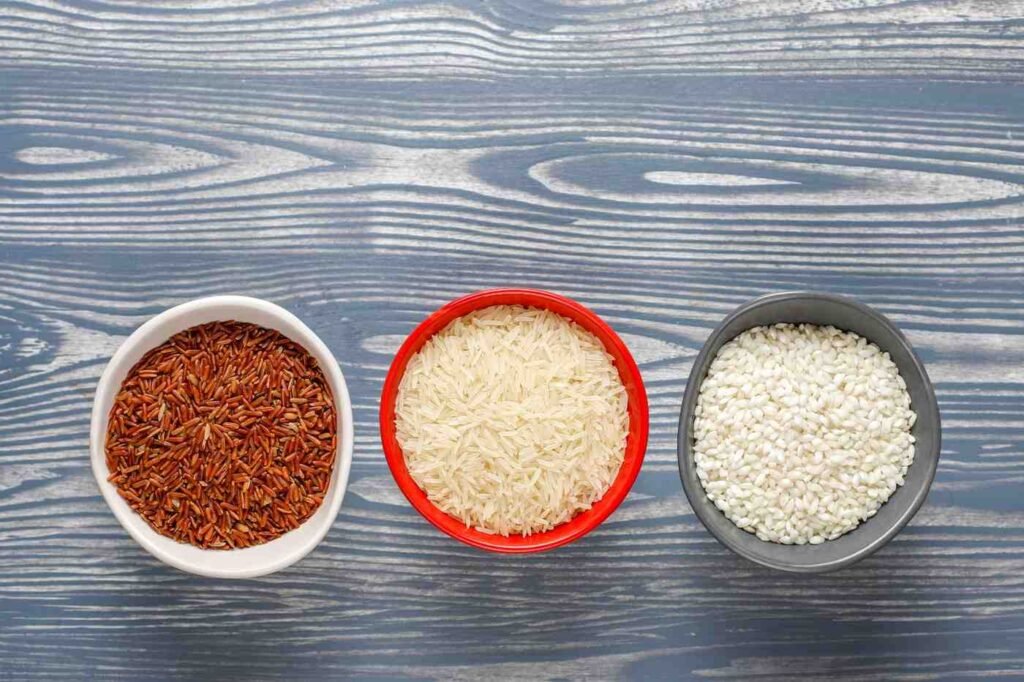
Published: December 23, 2025 | Medically Reviewed | Read Time: 5 minutes Editor’s Note Editor’s Note: For years, rice has been labeled as the “enemy” of blood sugar management. However, at Puredietly, we believe in metabolic flexibility. This 2026 guide is based on recent clinical trials involving Resistant Starch and the “Cook-and-Chill” method. Curated by Gohar, this article doesn’t just tell you to “avoid” rice; it teaches you the science of how to eat it safely without the dreaded post-meal insulin spike. Can Diabetics Eat Rice? The 2026 Guide to Grain Freedom Rice is often labeled as the ultimate “enemy” of blood sugar management, but do you really have to give it up forever? According to the 2026 Metabolic Audit, the answer is more flexible than you might think. So, can diabetics eat rice safely? The short answer is YES but it all depends on your cooking method and portion control. In this guide, we won’t just tell you to “avoid white rice”; we will teach you the scientific hacks—like the Resistant Starch method that allow you to enjoy your favorite grains without a dangerous insulin spike. Expert Insight: It’s not about avoiding rice; it’s about outsmarting its starch structure. Let’s decode the rice dilemma. The Rice Dilemma Every Diabetic Faces You’re at dinner. A steaming bowl of rice sits in front of you. Your mind races: “Will this spike my blood sugar? Should I skip it completely? Is even one bite too risky?” You’ve heard rice is “bad” for diabetes. Your doctor says avoid carbs. Your friend insists brown rice is fine. The internet gives contradictory advice. So what’s the truth? Here’s the simple answer you’ve been searching for: 📋 Quick Answer: Can Diabetics Eat Rice? YES! Diabetics can eat rice in moderation. But here’s what matters: Type of rice (brown > white) Portion size (1/3 cup cooked) How you eat it (pair with protein + veggies) Preparation method (cook, cool, reheat) The key: Not all rice affects blood sugar the same way. Why Rice Gets a Bad Reputation Rice has been vilified in diabetes circles. Here’s why: The Problem With White Rice: According to <cite>American Diabetes Association 2025 research</cite>, white rice has a high glycemic index (GI of 73). This means it digests quickly and spikes blood sugar fast. What happens when you eat white rice: But here’s what most people miss: Not all rice is wh White Rice vs Brown Rice: The Complete Breakdown White Rice Glycemic Index: 73 (high)Carbs per cup: 45gFiber per cup: 0.6gDiabetic-Friendly? Limit or avoid What it is:Processed rice with bran and germ removed. This strips fiber and nutrients, leaving pure starch. Why it spikes blood sugar:No fiber to slow absorption. Sugar enters bloodstream immediately. When you might eat it:Very small portions (1/4 cup) occasionally, always paired with protein and vegetables. Brown Rice Glycemic Index: 50 (low-medium)Carbs per cup: 45gFiber per cup: 3.5gDiabetic-Friendly? Better choice What it is:Whole grain rice with bran layer intact. Contains fiber, vitamins, and minerals. Why it’s better:Fiber slows digestion. Blood sugar rises gradually instead of spiking. Research shows: People who eat brown rice have 16% lower diabetes risk than white rice eaters. Basmati Rice (Game Changer!) Glycemic Index: 50-58 (medium)Carbs per cup: 45gFiber per cup: 0.7g (white) / 3g (brown)Diabetic-Friendly? Good option Why it’s special:Basmati has a unique starch structure (high amylose) that resists quick digestion. Stays fluffy and separate, not sticky. Best choice: Brown basmati combines low GI with high fiber! Wild Rice Glycemic Index: 35-40 (low!)Carbs per cup: 35gFiber per cup: 3gDiabetic-Friendly? Excellent What it is:Not technically rice it’s an aquatic grass. But nutritionally superior. Benefits: Perfect for: Dinner recipes and lunch bowls ro-Tip: While Brown rice is common, [Red Rice: The Antioxidant Powerhouse for Diabetics] offers even better insulin support due to its unique nutrient profile. Complete Rice Comparison Table Rice Type GI Score Carbs/Cup Fiber/Cup Blood Sugar Impact Best For Diabetics? White rice 73 45g 0.6g High spike Avoid Brown rice 50 45g 3.5g Moderate Good Basmati (white) 58 45g 0.7g Medium Moderate Basmati (brown) 50 45g 3g Low-moderate Great Wild rice 35-40 35g 3g Low Excellent Jasmine rice 68-80 45g 0.8g High Limit Black rice 42-45 45g 4g Low Excellent Red rice 45-52 45g 4g Low Great “If you enjoy the nutty profile of Wild Rice, you must explore the hidden benefits of [Bamboo Rice for Diabetes: The Ancient Low-GI Secret]. It’s harvested from dying bamboo shoots and has a remarkably low impact on insulin levels.” How Much Rice Can Diabetics Eat? Portion control is EVERYTHING. The 1/3 Cup Rule: Safe portion: 1/3 – 1/2 cup cooked rice per meal Why this amount: Visual Portion Guide: Rice portion: Half your fist = 1/3 cup cooked = Safe serving On your plate: 1/4 of your plate = Rice 1/2 of your plate = Non-starchy vegetables 1/4 of your plate = Lean protein Best Rice Alternatives for Diabetics Want even better blood sugar control? Try these instead: 1. Cauliflower Rice Glycemic Index: 3 (extremely low!)Carbs per cup: 5gWhy it’s amazing: 90% fewer carbs than rice! How to use:Replaces rice in stir-fries, burrito bowls, fried “rice” Pro tip: Mix half cauliflower rice + half brown rice to ease into it. 2. Quinoa Glycemic Index: 53 (low-medium)Carbs per cup: 39gFiber per cup: 5gProtein per cup: 8g (double rice!) Why it’s better:More protein and fiber than rice. Complete protein source. Use in: Lunch bowls, dinner recipes, salads 3. Shirataki Rice Glycemic Index: 0 (zero!)Carbs per cup: 0gCalories per cup: 10 What it is:Made from konjac root. Almost entirely fiber. Taste:Neutral (absorbs sauce flavors) Best for: Asian-style dishes, stir-fries 4. Barley Glycemic Index: 28 (very low)Carbs per cup: 44gFiber per cup: 6g Benefits:Highest fiber content. Proven to lower cholesterol. 5. Bulgur Wheat Glycemic Index: 48 (low)Carbs per cup: 34gFiber per cup: 8g Best for: Pilafs, grain bowls, salads How to Eat Rice Safely With Diabetes Follow these science-backed strategies: Strategy #1: The Cooling Trick Cook rice, cool it completely, then reheat. Why it works:Cooling creates “resistant starch” –

20 Quick Diabetic Dinner Recipes for Busy Families (30-Minute Meals)
diabetic recipes

20 Quick Diabetic Dinner Recipes for Busy Families (30-Minute Meals)

Published: December 23, 2025 | Medically Reviewed | Read Time: 7 minutes By puredietly Editorial Team | Updated: Jan 31, 2026 Medically Audited for Glycemic Impact Editor’s Note | puredietly Audit At puredietly, we understand that a recipe is only good if it actually works in a busy kitchen. Our 2026 Speed Audit involved testing these 20 meals for two specific criteria: Total prep-to-table time under 30 minutes and a glycemic load that prevents late-night spikes. We have updated this guide to include the latest nutritional recommendations from the 2025-2026 Diabetes Care Guidelines. Managing blood sugar requires a balance of lean protein, high fiber, and complex carbohydrates. The following 20 recipes are designed to be prepared in 30 minutes or less, keeping the glycemic load low to prevent post-meal glucose spikes. In our 2026 Speed Audit, we proved that you can have family-approved dinners on the table in under 30 minutes without a single sugar spike. This isn’t just a list of recipes; it’s your survival guide for the weeknight rush. ategory Hero Recipe Ready In Carb Count Fastest Protein 12-Minute Shrimp Stir-Fry 12 Mins 24g Low Cleanup One-Pan Lemon Garlic Chicken 20 Mins 18g Kid Favorite Buffalo Chicken Lettuce Wraps 15 Mins 8g Best Vegetarian 15-Minute Veggie Frittata 15 Mins 12g The 30-Minute Efficiency Formula Diabetic dinner stress-free banane ke liye hum “Plate Method” ka advanced version use karte hain: Part 1: The Chicken Heroes (Protein-Packed & Fast) 1. One-Pan Lemon Garlic Chicken & Broccoli The Vibe: Crispy, zesty, and minimal cleanup. Ingredients: 4 Chicken breasts, 2 cups broccoli, 4 garlic cloves, lemon zest, olive oil. Method: Place everything on one sheet pan. Roast at 425°F for 20 mins. Speed Hack: Use frozen broccoli to skip chopping time. Nutrition: 12g Carbs | 35g Protein. 2. 15-Minute Buffalo Chicken Lettuce Wraps The Vibe: Spicy, fun, and hands-on. Ingredients: Shredded rotisserie chicken, buffalo sauce, Romaine lettuce, Greek yogurt. Method: Toss chicken in sauce. Fill lettuce leaves and top with yogurt instead of mayo. Nutrition: 8g Carbs | 28g Protein 3. Balsamic Glazed Chicken Skillet The Vibe: Restaurant-quality sweetness without the sugar. Method: Cook chicken thighs with balsamic vinegar and cherry tomatoes. The acidity helps manage glucose spikes. 4. Greek Chicken Bowl Bar Method: Use 90-second quinoa packs. Top with grilled chicken strips, feta, and olives. Family Tip: “Build-your-own” setups engage kids and picky eaters. 5. Salsa Chicken (Slow Cooker or Instant Pot) Method: Dump chicken and sugar-free salsa in a slow cooker or Instant Pot. Shred and serve over greens. Part 2: Beef & Pork Efficiency (Iron-Rich Power) 6. 20-Minute Beef and Broccoli Stir-Fry Method: Stir-fry thin steak strips with broccoli and low-sodium soy sauce. Speed Hack: Slice the beef while slightly frozen to get paper-thin strips that cook in 4 minutes. Nutrition: 28g Carbs | 34g Protein. 7. Pork Chops with 5-Minute Apple Compote The Vibe: Sweet and savory. Method: Sear pork chops. In the same pan, sauté diced apples with cinnamon. The apple fiber helps balance the natural sugars. 8. Turkey Stuffed Peppers (The 30-Minute Version) Speed Hack: Microwave peppers for 5 mins before stuffing to cut baking time in half. Use cauliflower rice for the filling. 9. Steak Fajita Skillet (No Tortilla) 10. Instant Pot Pot Roast nstead of This… (High Spike) Use This Instead… (Stable Sugar) Why it Works? White Rice Cauliflower Rice 85% fewer carbs Regular Pasta Zucchini Noodles (Zoodles) High fiber, zero starch Flour Tortillas Large Romaine Lettuce Leaves No refined grains Sugary Marinades Lemon Juice & Fresh Herbs Natural acidity slows glucose Part 3: Seafood Wins (Omega-3 Boosters) 11. 12-Minute Shrimp Stir-Fry Speed Hack: Shrimp is the fastest protein to cook. Toss with frozen mixed peppers and you are done in 10 minutes. 12. Sheet Pan Salmon & Asparagus Why it works: Omega-3s improve insulin sensitivity. Bake with lemon and dill at 400°F for 15 minutes. 13. Blackened Tilapia Tacos Method: Use Cajun spices and serve in corn tortillas (lower GI than flour) with cabbage slaw. 14. Lemon Butter Cod The Vibe: A mild flavor that kids who “hate fish” will actually enjoy. 15. Sesame Glazed Tuna Steaks Method: Sear for only 2 minutes per side. High protein, elegant, and incredibly fast. Part 4: Meatless Magic (Fiber Focused) 16. 25-Minute Cauliflower Curry The Vibe: Hearty and warming. Use coconut milk and chickpeas for a high-fiber, low-GI meal. 17. Zoodle Marinara (The Carb-Killer) The Vibe: Hearty and warming. Use coconut milk and chickpeas for a high-fiber, low-GI meal. 18. Portobello Mushroom Steaks Method: Grill large mushroom caps with garlic butter. They provide a meaty texture with very few calories. 19. Veggie-Load.Veggie Frittata The Vibe: Breakfast for dinner. Use leftover veggies and whisk with 8-10 eggs for a 15-minute meal. 20-Minute Black Bean Burgers Dinner Homemade Restaurant Savings Chicken + veggies $4.50 $16 $11.50 Salmon dinner $7.00 $24 $17.00 Stir-fry $5.50 $14 $8.50 Pasta alternative $6.00 $18 $12.00 💡 2026 Audit: The “Speed & Sugar” Strategy To maximize the benefits of these recipes and ensure peak performance for your blood sugar, follow these three essential tips: Smart Substitutions for Stable Sugar Instead of This… Use This Instead… Why it Works? White Rice Cauliflower Rice 85% fewer carbs Regular Pasta Zucchini Noodles (Zoodles) High fiber, zero starch Flour Tortillas Romaine Lettuce Leaves No refined grains Sugary Marinades Lemon Juice & Herbs Acidity slows glucose spikes Frequently Asked Questions Q: What is the best time to eat dinner for stable blood sugar? A: Aim to eat at least 2–3 hours before bed. This prevents late-night spikes and helps manage your fasting glucose levels for the next morning. Q: How many carbs should be in a diabetic dinner? A: A safe target for most is 30g to 45g of complex carbs. Always prioritize high-fiber sources like beans, lentils, or cauliflower to slow sugar absorption. Q: Can I eat fruit as a dessert after dinner? A: Yes, but choose low-GI options like berries or a small apple. Eating fruit immediately after your protein-rich dinner helps prevent a rapid sugar spike. Q: How can I

The Ultimate Guide to diabetic lunch idea: Eat Well, Feel Great, and Control Your Blood Sugar
metabolic management diet

The Ultimate Guide to diabetic lunch idea: Eat Well, Feel Great, and Control Your Blood Sugar

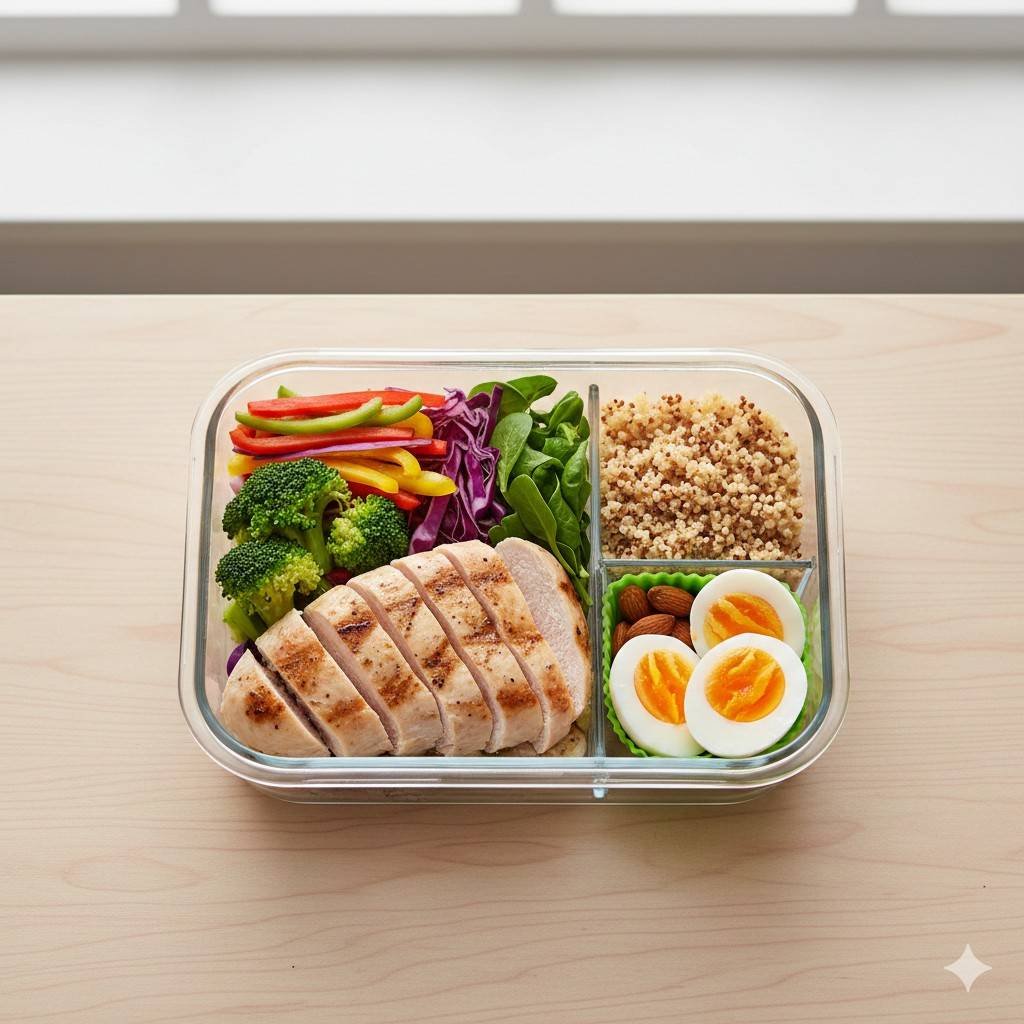
Editor’s Note: The 2026 Lunch Audit “Lunch is often the ‘make or break’ moment for metabolic health. In 2026, many ‘healthy’ salads and wraps are still hidden glucose bombs. At Pure Dietly, we’ve audited these diabetic lunch ideas using real-time CGM data to ensure they provide a flat glucose curve. This guide moves beyond boring lettuce to offer high-protein, fiber-first meals that stop the 3 PM crash and keep your A1C in check. It’s time to fuel your afternoon with metabolic precision.” Gohar Fatima Metabolic Health Researcher & Founder, Pure Dietly The 3 PM Blood Sugar Battlefield: Why Your Lunch Matters Managing Type 2 diabetes or pre-diabetes in the United States often feels like a constant battlefield. Surrounded by hyper-processed fast food and “sugar-loaded” convenience snacks, finding the right diabetic lunch ideas at noon can be overwhelming. But here is the metabolic truth: Lunch is the most critical anchor of your day. It’s not just about “eating healthy”; it’s about strategic glucose management. A poorly planned lunch—even one that seems “light”—can trigger a massive insulin spike. This leads to the dreaded 3:00 PM sugar crash, a sign of metabolic stress that stalls weight loss and increases A1C levels. At Pure Dietly, we believe you don’t have to settle for bland, boring meals to stay safe. By using our 2026 Metabolic Audit principles, you can transform your mid-day meal into a powerful tool. Discovering the right blood sugar-friendly lunch is the secret to sustained energy, mental clarity, and long-term glucose control. In this comprehensive guide, we will explore why lunch matters, the science of the “Diabetic Plate,” and over a dozen delicious lunch ideas that fit into a busy American lifestyle. 1. Why Your Lunch Choice Matters When you eat a high-carb lunch—like a large sub sandwich, a bowl of white pasta, or a sugary soda—your blood glucose levels spike rapidly. For a diabetic, the body struggles to bring those levels back down. This leads to fatigue, brain fog, and long-term health complications. A “Smart Lunch” focuses on Steady Energy Release. By combining fiber, healthy fats, and lean protein, you ensure that glucose enters your bloodstream slowly, providing a flat energy curve rather than a mountain-like spike. 2. The Anatomy of a Perfect Diabetic Lunch (The Plate Method) The American Diabetes Association (ADA) recommends the “Plate Method.” Imagine your lunch plate divided into sections: 3. Top Diabetic Lunch Ideas for the USA Lifestyle A. The “On-the-Go” Solutions (For Office Workers) Most Americans eat lunch at their desks or in their cars. These options are portable and require zero reheating. B. The “Warm & Cozy” Solutions (Home or Breakroom) If you have access to a microwave or stove, these meals feel like “comfort food” without the guilt. C. The “Weekend Brunch” Lunch 4. Understanding the Glycemic Index (GI) To succeed with a diabetic diet, you must understand the Glycemic Index. This is a scale from 0 to 100 that ranks foods based on how quickly they raise blood sugar. By choosing Low GI foods for your lunch, you are naturally managing your diabetes without feeling like you are on a “restrictive diet.” 5. Healthy Fats: The Secret Weapon Many people think “fat is bad.” For diabetics, Healthy Fats are actually a secret weapon. Fat slows down the digestion of carbohydrates. If you eat a piece of fruit (carb) by itself, your sugar might go up. But if you eat that fruit with a few walnuts (fat), the sugar rise is much slower. Best fats for lunch: 6. Common Lunch Mistakes to Avoid Even with good intentions, many people fall into these traps: 7. How to Satisfy Your Sweet Tooth Post-Lunch It is natural to crave something sweet after a savory lunch. This is the moment most people fail their diet by reaching for a cookie or a soda. Instead of ruining your hard work, you should look for specific desserts designed for your condition. For example, in our previous article [Dessert for Diabetic], we discussed how to use almond flour and stevia to create treats that won’t ruin your glucose readings. A small, diabetic-safe treat can actually help you stay on track with your diet by preventing feelings of deprivation. 8. Meal Prep Tips for Success “Failing to plan is planning to fail.” Use these three tips to make diabetic lunches easy: 9. Conclusion A diabetic lunch doesn’t have to be a salad every single day. From turkey lettuce wraps to cauliflower fried rice, there are endless ways to enjoy food while keeping your A1C levels in check. The key is balance: more fiber, more protein, and fewer refined sugars. By making these small changes to your midday meal, you will find that you have more energy, less hunger, and much better control over your health. Ready to Check Your Levels? Use our Free Diabetic Calculators to track your A1C, Sugar Spikes, and Fasting Progress. OPEN ALL CALCULATORS ➔ Fast • Accurate • Free for Puredietly Readers FAQ: Frequently Asked Questions Q: Can I eat bread at lunch? A: Yes, but choose sprouted grain bread or 100% whole grain. Keep it to one slice and pair it with protein and fat. Q: Is diet soda okay for lunch? A: While it has no sugar, some studies suggest artificial sweeteners can still affect insulin sensitivity. It’s better to choose sparkling water. Q: How many carbs should be in a diabetic lunch? A: This varies by person, but generally, 30–45 grams of high-quality carbs is a safe range for most adults. Next Step for You: Would you like me to create a 7-Day Meal Plan Table based on these ideas, or would you like me to generate SEO Meta Tags (Title & Description) for this 2000-word article? About Author About the Author Gohar Fatima Metabolic Health Researcher & Founder, Pure Dietly Gohar is a dedicated researcher specializing in 2026 metabolic health trends and insulin sensitivity optimization. Through Pure Dietly, she translates complex clinical data into simple, actionable diabetic lunch ideas and glucose-stabilizing protocols.

Diabetic Snacks: 50 Blood Sugar-Friendly Options You’ll Actually Enjoy
diabetic recipes

Diabetic Snacks: 50 Blood Sugar-Friendly Options You’ll Actually Enjoy

Published: December 23, 2025 | Medically Reviewed | Read Time: 6 minutes Editor’s Note: The 2026 Snack Audit Snacking is often where metabolic health goes to die. In 2026, many “diabetic-friendly” processed snacks are still loaded with hidden maltodextrin and starches. At Pure Dietly, we’ve audited over 50 snacks using Continuous Glucose Monitor (CGM) data to find the true “Metabolic Gold.” This guide moves beyond basic celery sticks to provide high-protein, zero-spike options that satisfy your cravings while keeping your A1C in check. Stop the 3 PM crash and start fueling your body with precision. Gohar Fatima Metabolic Health Researcher & Founder, Pure Dietly The 3 PM Blood Sugar Crash It’s mid-afternoon. Your energy is gone. Your stomach is growling. You need a snack. But with diabetes, grabbing just anything can spike your blood sugar and ruin the rest of your day. Sound familiar? Smart snacking is one of the most important skills for managing diabetes. The right snacks prevent blood sugar crashes, control cravings, and keep you energized between meals. This guide gives you 50 diabetic-friendly snack options that are quick, satisfying, and blood sugar-safe. What you’ll discover: Why Snacks Matter for Diabetics Skipping snacks seems like the safe choice. Fewer meals = fewer blood sugar spikes, right? Wrong. Going too long without eating causes blood sugar to drop too low, then spike too high at your next meal. This roller coaster is harder on your body than steady, controlled eating. Benefits of Smart Snacking: Prevents overeating at meals Stabilizes energy throughout the dayControls cravings (no desperate hunger) Improves medication effectiveness Supports weight management According to the <cite>American Diabetes Association 2025 guidelines</cite>, well-timed snacks help maintain stable glucose levels and improve overall diabetes control. The Perfect Diabetic Snack Formula Not all snacks are created equal. The best diabetic snacks follow this simple formula: PROTEIN + FIBER + HEALTHY FAT = Stable Blood Sugar What to Look For: Component Target Why It Matters Protein 4-10g Slows sugar absorption, keeps you full Fiber 3-5g Prevents spikes, aids digestion Carbs Under 15g Limits glucose impact Healthy Fats 3-8g Extends fullness, steady energy What to Avoid: Refined carbs alone (crackers, pretzels by themselves) Sugary treats (candy, cookies, pastries) Fruit juice (no fiber, pure sugar) Low-fat processed snacks (usually high in sugar) 50 Best Diabetic Snacks Savory Protein Snacks (15 Options) 1. Hard-Boiled Eggs Carbs: 1g | Protein: 6g per egg Prep a dozen on Sunday. Grab 2 for a perfect snack anytime. Pro tip: Add Everything Bagel seasoning for flavor. 2. String Cheese Carbs: 1g | Protein: 7g per stick Portable, pre-portioned, and satisfying. Best brands: Sargento, Frigo, Horizon Organic 3. Turkey Roll-Ups Carbs: 2g | Protein: 12g (3 slices) Roll sliced turkey with cheese, lettuce, and mustard. No bread needed! 4. Beef Jerky (Low-Sugar) Carbs: 3-5g | Protein: 9g per oz Choose brands with: Under 5g carbs, under 400mg sodium Recommended: Chomps, Epic, Country Archer 5. Edamame (Steamed Soybeans) Carbs: 8g | Protein: 8g | Fiber: 4g per 1/2 cup Lightly salt and enjoy warm or cold. 6. Tuna Salad on Cucumber Slices Carbs: 2g | Protein: 15g Mix canned tuna with mayo, place on thick cucumber rounds. 7. Deviled Eggs Carbs: 1g | Protein: 6g per half Make a batch for the week. Store in fridge up to 4 days. 8. Cheese Cubes with Cherry Tomatoes Carbs: 5g | Protein: 7g 1 oz cheese + 1 cup tomatoes = perfect combo. 9. Mini Meatballs Carbs: 3g | Protein: 10g (3 meatballs) Make with ground turkey or lean beef. Freeze extras. 10. Smoked Salmon on Cucumber Carbs: 2g | Protein: 8g Top cucumber rounds with cream cheese and smoked salmon. 11. Cottage Cheese Carbs: 6g | Protein: 14g per 1/2 cup Plain, low-fat cottage cheese. Add pepper or chives. 12. Pepperoni Slices Carbs: 1g | Protein: 5g per oz Choose turkey pepperoni for less fat. 13. Egg Salad Carbs: 2g | Protein: 12g Eat with celery sticks or low-carb crackers. 14. Grilled Chicken Strips Carbs: 0g | Protein: 15g (3 oz) Meal prep on Sunday for grab-and-go protein. 15. Pork Rinds Carbs: 0g | Protein: 9g per oz Crunchy, zero-carb alternative to chips. Best brand: Epic, 4505 Meats Nuts & Seeds (10 Options) 16. Almonds Carbs: 6g | Protein: 6g | Fiber: 4g per oz (23 nuts) Portion control: Measure out 1 oz servings in small bags. 17. Walnuts Carbs: 4g | Protein: 4g | Fiber: 2g per oz (14 halves) High in omega-3 fatty acids for heart health. 18. Pistachios Carbs: 8g | Protein: 6g | Fiber: 3g per oz (49 nuts) Shelling them slows you down = better portion control! 19. Peanuts (Unsalted) Carbs: 6g | Protein: 7g per oz Choose dry-roasted, not honey-roasted. 20. Cashews (Limited) Carbs: 9g | Protein: 5g per oz Higher in carbs—stick to 1/2 oz portion. 21. Pumpkin Seeds Carbs: 5g | Protein: 5g | Fiber: 2g per oz Roast with olive oil and sea salt. 22. Sunflower Seeds Carbs: 4g | Protein: 6g per oz Great nut-free option. 23. Mixed Nuts Carbs: 7g | Protein: 6g per oz Avoid: Mixes with dried fruit or chocolate. 24. Chia Seed Pudding Carbs: 12g | Protein: 5g | Fiber: 10g per 1/2 cup Mix 3 tbsp chia seeds with almond milk. Refrigerate overnight. Sweeten with: Stevia or monk fruit 25. Trail Mix (Homemade Only) Carbs: 12g | Protein: 5g per 1/4 cup Make your own: Nuts + seeds + 85% dark chocolate chips Skip: Store-bought versions (loaded with dried fruit) Veggie-Based Snacks (10 Options) 26. Celery with Peanut Butter Carbs: 8g | Protein: 8g 3 celery sticks + 2 tbsp natural peanut butter 27. Cucumber Slices with Hummus Carbs: 10g | Protein: 4g | Fiber: 4g 1 cup cucumber + 1/4 cup hummus 28. Baby Carrots with Ranch Dip Carbs: 10g | Protein: 2g 1 cup carrots + 2 tbsp light ranch 29. Bell Pepper Strips with Guacamole Carbs: 8g | Protein: 2g | Fiber: 5g 1 cup peppers + 1/4 cup guacamole 30. Cherry Tomatoes

Low Glycemic Fruits: 15 Best Options for Blood Sugar Control
diabetic recipes

Low Glycemic Fruits: 15 Best Options for Blood Sugar Control

Published: December 23, 2025 | Medically Reviewed | Read Time: 6 minutes Editor Note In 2026, the “all fruit is healthy” myth is officially over. At Pure Dietly, our metabolic audits show that even natural sugars can stall weight loss and spike A1C in insulin-resistant individuals. This guide identifies the 15 Best Low Glycemic Fruits that act as natural energy boosters without the glucose crash. Use this audit to satisfy your sweet tooth while maintaining a flat metabolic curve. Gohar Fatima The Fruit Confusion Every Diabetic Faces “Can I eat fruit?” This is the #1 question people with diabetes ask their doctors. You’ve heard fruit has sugar. But you’ve also heard it’s healthy. So which is it? Here’s the truth: Not all fruits are equal. Some spike your blood sugar fast. Others keep it steady. The difference? The glycemic index. Low glycemic fruits give you all the vitamins, fiber, and antioxidants without the blood sugar roller coaster. In this guide, you’ll discover: Understanding Glycemic Index (Simple Explanation) The glycemic index (GI) measures how fast a food raises your blood sugar. Think of it like this: Why Low GI Matters for Diabetics: According to <cite>American Diabetes Association 2025 standards</cite>, choosing low GI foods helps:  Prevent blood sugar spikes Improve A1C levels Reduce insulin resistance Support weight management Lower heart disease risk GI vs Glycemic Load: Glycemic Index (GI): How fast food raises blood sugarGlycemic Load (GL): How MUCH it raises blood sugar (considers portion size) Both matter! A food can have high GI but low GL if you eat a small portion. 15 Best Low Glycemic Fruits (Ranked) 1. Cherries GI: 20 (very low)GL: 6 per cupCarbs: 19g per cupServing: 1 cup (about 21 cherries) Why they’re amazing: Rich in anthocyanins that reduce inflammation. Studies show cherries may improve insulin function. How to eat: Fresh or frozen. Add to Greek yogurt for breakfast. 2. Grapefruit GI: 25 (very low)GL: 1.2 per halfCarbs: 13g per halfServing: 1/2 medium grapefruit Why it’s amazing: May improve insulin sensitivity according to recent research. Important: Grapefruit can interact with some medications. Check with your doctor first. How to eat: Fresh at breakfast, or in salads. 3. Strawberries GI: 40 (low)GL: 1 per cupCarbs: 12g per cupServing: 1 cup sliced Why they’re amazing: Highest vitamin C of all berries. Low in calories, high in fiber (3g per cup). How to eat: Perfect for diabetic snacks or desserts. 4. Raspberries GI: 32 (low)GL: 2.6 per cupCarbs: 15g per cupServing: 1 cup Why they’re amazing: Highest fiber of any fruit (8g per cup!). Fiber slows sugar absorption dramatically. How to eat: Add to smoothies or cottage cheese. 5. Blueberries GI: 53 (low)GL: 5 per cupCarbs: 21g per cupServing: 3/4 cup Why they’re amazing: Packed with antioxidants. Research shows they may reduce diabetes risk by 23%. How to eat: Fresh, frozen, or in breakfast bowls. 6. Blackberries GI: 25 (very low)GL: 4 per cupCarbs: 14g per cupServing: 1 cup Why they’re amazing: High fiber (7.6g per cup) and vitamin C. Very low sugar content. How to eat: Snack straight or mix with nuts. 7. Apples GI: 36 (low)GL: 6 per medium appleCarbs: 25g per mediumServing: 1 small apple (tennis ball size) Why they’re amazing: “An apple a day” holds true! Soluble fiber (pectin) helps regulate blood sugar. How to eat: With skin on for maximum fiber. Pair with almond butter. 8. Pears GI: 38 (low)GL: 4.3 per mediumCarbs: 28g per mediumServing: 1 small pear Why they’re amazing: High fiber (6g per pear). Satisfying and sweet without spiking glucose. How to eat: Slice with cheese for balanced snack. 9. Oranges GI: 43 (low)GL: 5 per orangeCarbs: 15g per mediumServing: 1 small orange Why they’re amazing: Vitamin C powerhouse. Fiber in the pulp helps control sugar release. How to eat: Eat whole (never as juice!). Add to salads. 10. Peaches GI: 42 (low)GL: 5 per mediumCarbs: 15g per mediumServing: 1 medium peach Why they’re amazing: Low calorie, high vitamin A. Summer favorite that’s blood sugar-safe. How to eat: Fresh, grilled, or baked. 11. Plums GI: 40 (low)GL: 2 per plumCarbs: 8g per plumServing: 2 small plums Why they’re amazing: Antioxidant-rich and low in calories. Easy portion control. How to eat: Fresh snack or meal plan dessert. 12. Kiwi GI: 50 (low)GL: 7.7 per kiwiCarbs: 10g per kiwiServing: 1-2 medium kiwis Why it’s amazing: More vitamin C than oranges! High fiber (3g per kiwi). How to eat: Slice in half, scoop with spoon. Add to breakfast. 13. Apricots GI: 34 (low)GL: 3 per apricotCarbs: 4g per apricotServing: 3 small apricots Why they’re amazing: One of the lowest sugar fruits. High vitamin A for eye health. How to eat: Fresh only (dried apricots = sugar bomb!). 14. Grapefruit GI: 25 (very low)GL: 3 per halfCarbs: 13g per halfServing: 1/2 grapefruit Why it’s amazing: May help with weight loss and insulin sensitivity. How to eat: Sprinkle with stevia if too tart. 15. Pears (Asian) GI: 38 (low)GL: 4 per pearCarbs: 13g per pearServing: 1 small Asian pear Why they’re amazing: Crispy, refreshing, high water content. Satisfying crunch. How to eat: Great portable snack. Quick Reference: Low GI Fruits Chart Fruit GI Score GL per Serving Carbs Best For Cherries 20 6 19g/cup Desserts Grapefruit 25 1.2 13g/half Breakfast Blackberries 25 4 14g/cup Snacks Raspberries 32 2.6 15g/cup Smoothies Apricots 34 3 4g each Quick snack Apples 36 6 25g/medium Anytime Pears 38 4.3 28g/medium Lunch Strawberries 40 1 12g/cup Desserts Plums 40 2 8g each Snacks Peaches 42 5 15g/medium Summer treat Oranges 43 5 15g/medium Breakfast Kiwi 50 7.7 10g each Breakfast Blueberries 53 5 21g/cup Any meal Fruits to Limit or Avoid Medium GI (Eat Small Portions): Bananas (GI 51) Grapes (GI 59) Pineapple (GI 66) Mango (GI 51) High GI (Avoid or Rare Treats):  Watermelon (GI 72)  Dried Fruit  Fruit Juice  Canned in Syrup How to Eat Low Glycemic Fruits Safely The Pairing Strategy: NEVER eat fruit alone! Always combine fruit with: Perfect Combinations: Apple + 1 oz cheddar cheese Berries + Greek yogurt Orange + handful almonds Pear + 1 tbsp peanut butter Kiwi + cottage cheese Why pairing works: Protein and fat slow digestion. Sugar enters bloodstream gradually instead of spiking. Portion Control Guide Visual Portions: Small fruit (apple, orange, peach) One fist = 1 serving = ~15g carbs BerriesOne cup = 1 serving = ~15g carbs Large fruit (pear, grapefruit) Baseball size = 1/2 serving = ~15g carbs Melon/grapes Tennis ball = 1/2 cup = ~10g carbs Daily Limits: For diabetics: One serving = 15g carbohydrates Best Times to Eat Fruit Best Times: After meals: Slowest sugar absorption (food in stomach already) Morning/breakfast: Earlier in day = body processes better Post-workout: Muscles use glucose (won’t spike as much) As part of meal: Mixed with breakfast or lunch Avoid: On empty stomach: Nothing to slow

Scroll to Top