
metabolic management diet

The metabolic management diet is a science-based approach to eating that focuses on optimizing how your body processes energy. Instead of restrictive calorie counting, this dietary strategy prioritizes blood sugar stability, hormonal balance, and cellular health. By choosing the right fuel, you can effectively manage insulin resistance and improve your overall metabolic flexibility.

Core Principles of a Metabolic Diet

To see real results, your diet must align with your body’s unique biological needs. This category dives deep into the nutritional pillars that drive metabolic repair. Here is what we cover in our extensive research articles:

  • Glycemic Control: Selecting foods that prevent sharp insulin spikes and promote steady energy.

  • Macro-Nutrient Ratios: Finding the ideal balance of healthy fats, proteins, and complex carbohydrates.

  • Nutrient Timing: Understanding when to eat to maximize metabolic efficiency and fat oxidation.

  • Inflammation Reduction: Incorporating anti-inflammatory foods that support long-term wellness.

A well-structured metabolic management diet is the most powerful tool you have for sustainable weight control and disease prevention. Explore our in-depth guides and meal strategies to start nourishing your metabolism from the inside out today.

Low Basophils (Basopenia): A 2026 Metabolic Health Audit of Immune Resilience
metabolic management diet

Low Basophils (Basopenia): A 2026 Metabolic Health Audit of Immune Resilience

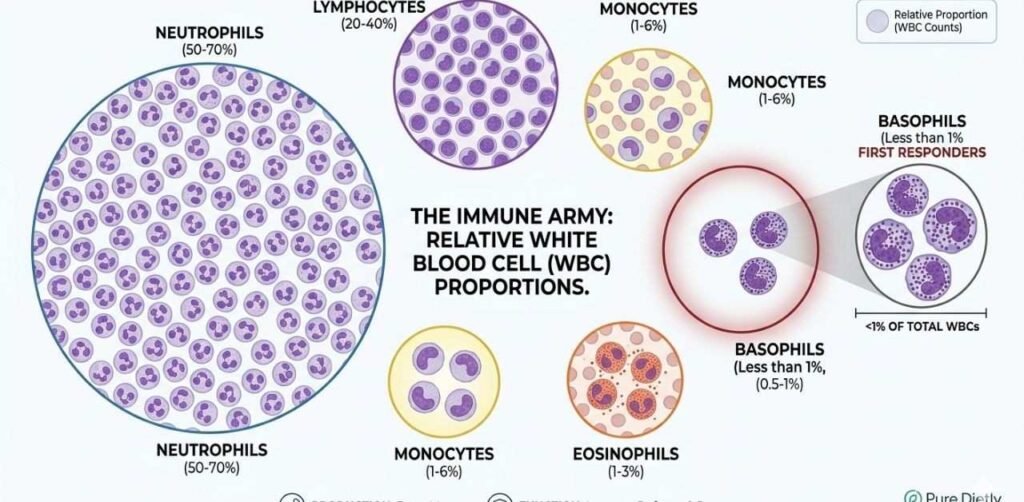
By Gohar Fatima | Pure Dietly Research | April 14, 2026 Editor’s Note: The 2026 Clinical Standard This guide is a cornerstone of the Pure Dietly Blood Biomarker Series. Our mission is to empower USA readers with clinical-grade insights that are often skipped in a standard 15-minute doctor’s visit. This article was audited on April 14, 2026, to include the latest findings on cortisol-induced immune suppression and thyroid-immune crosstalk. Introduction In the complex world of blood work, we often focus on the “big players” like Hemoglobin, Glucose, or Cholesterol. However, have you ever looked at your Complete Blood Count (CBC) and wondered why your low basophils count is sitting at zero or near-zero? Clinically, this condition is known as Basopenia. While many general practitioners might label a “0.0” as a normal finding, a metabolic health researcher sees a subtle story of internal stress, hormonal shifts, and autonomic nervous system activity. Specifically, basophils are the rarest type of white blood cell (leukocyte), making up less than 1% of your total immune army. Consequently, when these levels drop, it is rarely about the cells themselves and more about the physiological environment they live in. In this 1300-word audit, we will dive deep into the science of low basophils, the stress-metabolism connection, and how you can restore your body’s natural balance using data-driven lifestyle strategies. 1. What are Basophils? The Scouts of Your Immune System Before we address why they disappear, we must understand their biological function. Basophils are granular cells produced in the bone marrow. They are part of the innate immune system, acting as “scouts” that detect early signs of infection or tissue damage. Specifically, basophils carry “chemical weapons” inside their granules, primarily histamine and heparin. Histamine increases blood flow to an injured area to facilitate healing, while heparin prevents blood from clotting too quickly during an inflammatory response. Therefore, basophils are your body’s “First Responders.” In the United States, where environmental toxins, pollen, and processed foods are prevalent, these cells are usually on high alert. Nevertheless, when the metabolic load becomes too heavy or the body enters a state of “survival mode,” the bone marrow may temporarily suppress the release of these cells into the bloodstream. 2. Decoding the Numbers: Percentage vs. Absolute Count When reviewing your labs, you might see two different numbers for basophils. Understanding the difference is crucial for a proper audit. Actually, in many American clinical settings, a count of 0 is reported as “normal” because it is the lower limit of the reference range. However, for those seeking optimal metabolic health, an absolute zero for an extended period could indicate that the immune system is being suppressed by external or internal factors. 3. The Hidden Causes: Why are my Basophils Low? Generally, low basophils are not considered a disease on their own. Instead, they serve as a biomarker—a biological “check engine light.” A. The Cortisol Trap (The Stress Connection) This is the most common reason we encounter in the Pure Dietly community. When you experience chronic stress—whether from a high-pressure job in New York or long-term sleep deprivation—your adrenal glands produce cortisol. Specifically, cortisol is a powerful glucocorticoid that has a suppressive effect on the immune system. Consequently, your basophil count drops as the cells either retreat into the tissues or their production in the bone marrow slows down. B. Hyperthyroidism (Thyroid Overdrive) Your thyroid is the master regulator of your metabolic speed. If your thyroid is overactive (Hyperthyroidism), every physiological process accelerates. Surprisingly, this metabolic “overdrive” often burns through immune markers. Therefore, persistent Basopenia is frequently linked to an overactive thyroid, as seen in conditions like Graves’ Disease. C. Severe Acute Reactions Sometimes, during the very early stages of a massive allergic reaction (Anaphylaxis) or a severe infection, the body “recruits” every available basophil to the site of the attack. Therefore, a blood test taken during this window might show low basophils because the cells have left the bloodstream to go into the “battlefield” of the tissues. 4. The 2026 Metabolic Audit: Data Reference Table To help you interpret your current standing, refer to this clinical comparison table: Basophil Level (Absolute) Metabolic Status Interpretation & Action 25 – 100 cells/µL Optimal Balanced immune response; healthy metabolism. 10 – 20 cells/µL Borderline Possible chronic stress or early metabolic fatigue. < 10 cells/µL (Basopenia) Critical Focus High cortisol, Thyroid issues, or Acute stress response. 5. The Women’s Health Connection: Ovulation and Cycles Actually, for our female readers, low basophils have a very specific biological meaning. Research in 2026 has confirmed a strong correlation between sex hormones and basophil migration. During the ovulation phase of the menstrual cycle, estrogen and progesterone levels spike. Consequently, these hormonal shifts can cause a temporary dip in basophil counts. If you notice your levels are low during the middle of your cycle, it is likely a sign of a healthy, functioning reproductive system. Internal Link: If you are managing hormonal imbalances, read our clinical audit on the Best Birth Control for PCOS to understand how synthetic hormones impact your metabolic markers. 6. Symptoms and the “Metabolic Burnout” Profile Because Basopenia itself doesn’t cause pain, you won’t “feel” the low cells. Instead, you will experience the symptoms of the underlying cause. If you have low basophils, you might notice: 7. The Pure Dietly Protocol: Restoring Immune Balance In 2026, we focus on “Metabolic Resilience.” To bring your markers back to the optimal zone, we must lower systemic inflammation. Step 1: Cortisol Management Lowering cortisol is the fastest way to allow basophils to return to the blood. Specifically, focus on adaptogens like Ashwagandha and ensuring you get 7-8 hours of quality sleep. Step 2: The Resistant Starch Biohack A healthy gut communicates directly with the bone marrow. By feeding your gut bacteria with resistant starch, you reduce the overall “inflammatory load” on your body. Internal Link: Master the “Cook-and-Cool” method in our guide What Foods Are Starchy? to improve your gut-immune axis. Step 3: Micronutrient Support 8. FAQ: Frequently Asked Questions Q:

What Foods Are Starchy? A 2026 Metabolic Audit of Complex Carbs
metabolic management diet

What Foods Are Starchy? A 2026 Metabolic Audit of Complex Carbs

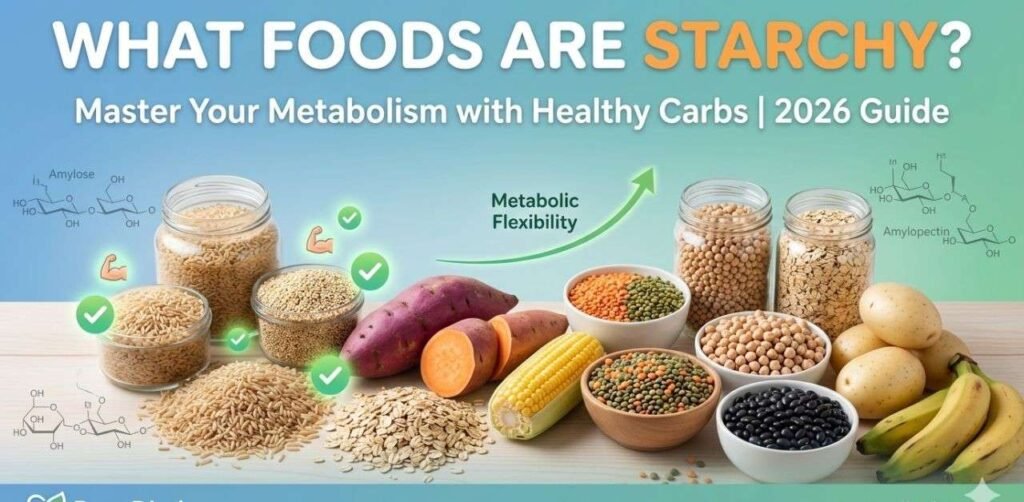
Editor Note This guide is part of our Pure Dietly Nutrient Series. Our goal is to provide USA readers with clinical-grade insights into metabolic health. This article was reviewed on April 13, 2026, for accuracy regarding resistant starch and insulin sensitivity. For decades, starch has been the “villain” in the American diet. However, the truth is much more nuanced. Understanding what foods are starchy is not just about counting calories; it is about managing how your body converts that energy into fuel versus fat. In fact, starch is a vital polysaccharide that feeds your brain and muscles. Consequently, choosing the right types of starch can be the difference between chronic fatigue and peak metabolic performance. 1. The Science of Starch: Why It Matters Starch is a type of complex carbohydrate found in plants. Specifically, it consists of long chains of glucose molecules. When you consume starch, your body uses enzymes like amylase to break these chains down. Therefore, your blood sugar rises, providing you with energy. Nevertheless, if you consume highly refined starches, your insulin spikes too quickly, leading to inflammation. Shutterstock 2. Top Categories: What Foods Are Starchy? To master your grocery shopping, you must identify where starch is hiding. Generally, starchy foods fall into four distinct categories that every health-conscious American should know. Root Vegetables and Tubers These are nature’s energy storage units. Specifically, they grow underground and absorb minerals from the soil. Cereal Grains (The Energy Staples) Grains are the most consumed starches globally. However, the level of milling significantly changes their metabolic impact. 3. The “Super Starch”: Legumes and Pulses Actually, legumes are the most underrated answer to what foods are starchy. Unlike white bread, legumes are wrapped in a thick coat of protein and fiber. As a result, the starch is released much slower into your bloodstream. Food Item Starch Density Key Metabolic Benefit Lentils Moderate High folate; great for heart health Chickpeas Moderate Increases satiety and gut health Black Beans High Rich in anthocyanins (antioxidants) The “Smart Carb” Grocery List Specifically, focus on these items to keep your insulin stable while enjoying satisfying meals: 4. Resistant Starch: The 2026 “Weight Loss” Hack In 2026, the biggest trend in USA health is Resistant Starch. Specifically, this type of starch does not dissolve in the small intestine. Instead, it reaches the colon where it acts as a prebiotic. Therefore, it feeds your “thin-gut” bacteria. The Biohack for puredietly Readers: If you love potatoes but fear the sugar spike, use the “Cook-and-Cool” method. When you cook a starchy food and then refrigerate it for 24 hours, the starch molecules realign. Consequently, the food develops more resistant starch. Even if you reheat it, the glycemic load remains lower. This is a game-changer for anyone managing PCOS insulin resistance naturally. 5. Refined vs. Whole Starch: The Danger Zone Furthermore, we must discuss the danger of “naked” starches. These are refined flours used in donuts, white bread, and crackers. Because the fiber is removed, these starches turn into sugar almost instantly. Consequently, they are the primary drivers of high triglycerides. In our previous guide on foods to avoid with high cholesterol, we highlighted how these simple starches can be more damaging than dietary fats. 6. How to Build a Starchy Plate in the USA In the USA, portion sizes are often the biggest hurdle. To optimize your health, follow the 1:2:1 Rule: Additionally, always pair your starch with a healthy fat like avocado or olive oil. This is because fats further slow down the absorption of glucose. Ready to Check Your Levels? Use our Free Diabetic Calculators to track your A1C, Sugar Spikes, and Fasting Progress. OPEN ALL CALCULATORS ➔ Fast • Accurate • Free for Puredietly Readers 7. Frequently Asked Questions (FAQs) Is banana a starchy food? Actually, it depends on the ripeness. Green bananas are very high in resistant starch. However, as they turn yellow and spotted, that starch turns into simple sugar. Do starchy foods cause belly fat? Not necessarily. Excessive refined starch leads to fat storage. Nevertheless, complex starches like lentils can actually help reduce belly fat by improving insulin sensitivity. Can I eat starch on a keto diet? Generally, most starches are restricted on Keto. However, many people are now using small amounts of resistant starch to maintain gut health without kicking themselves out of ketosis. 7-Day Metabolic Meal Plan (2026 Edition) Consequently, to help you implement these changes, here is a sample week of heart-healthy, starch-balanced meals: Day Breakfast Lunch Dinner Mon Steel-cut oats with walnuts Quinoa salad with chickpeas Grilled Salmon with asparagus Tue Greek yogurt with flaxseeds Turkey wrap in a collard leaf Roasted Sweet Potato & chicken Wed Moringa Flush + Boiled eggs Lentil soup (Dal) with spinach Baked Cod with small brown rice Thu Chia seed pudding Tuna salad with avocado Buckwheat noodles with tofu Fri Avocado toast on sprouted bread Black bean bowl with salsa Grilled steak with broccoli Sat Vegetable Omelet Chicken kabobs with peppers Small portion of “Cooled” Pasta Sun Buckwheat pancakes (no syrup) Large Green Salad with Shrimp Roasted Butternut Squash soup Conclusion: Mastering Your Carbs In summary, knowing what foods are starchy is about empowerment, not restriction. Therefore, focus on high-fiber, unprocessed sources that provide steady fuel for your day. By choosing resistant starches and whole grains, you protect your heart and your waistline. Ready to see how your diet is affecting your longevity? Use our Free Metabolic Age Calculator to find out your “internal age” and start your reset today! About the Author Gohar Fatima is a prominent Metabolic Health Researcher and the founder of Pure Dietly. With a deep focus on nutritional science and insulin management, Gohar specializes in translating complex clinical audits into actionable lifestyle strategies for a global audience. Her work at puredietly.com is dedicated to helping individuals master their metabolism through data-driven dietary choices, focusing on sustainable wellness and “zero-fluff” health education. When she is not analyzing the glycemic impact of ancient grains, she is advocating for transparent health

15 Foods to Avoid With High Cholesterol: A 2026 Metabolic Audit
metabolic management diet

15 Foods to Avoid With High Cholesterol: A 2026 Metabolic Audit

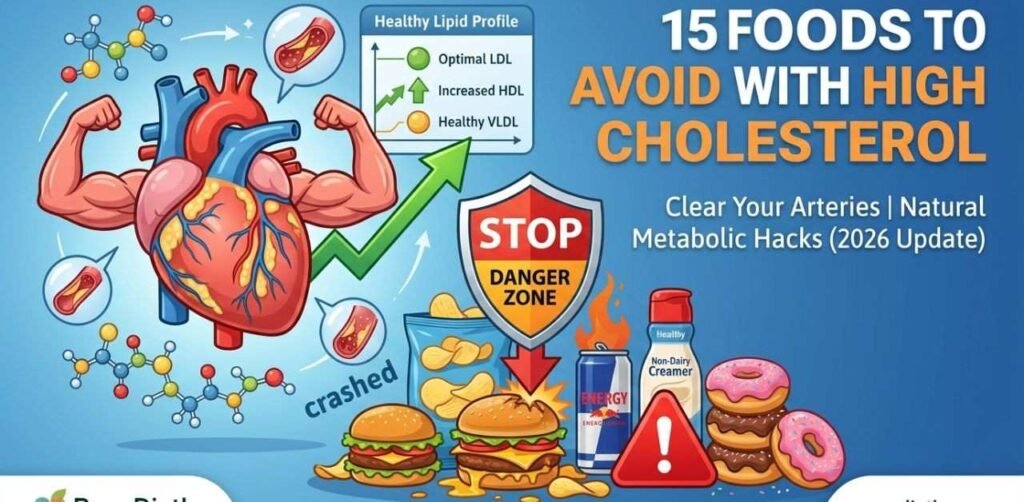
Editor’s Note This guide is part of Pure Dietly’s 2026 Cardiovascular Health Series. As metabolic health researchers, we prioritize data-driven insights that look beyond traditional calorie counting. This article was last reviewed on April 13, 2026, to ensure it reflects the latest clinical guidelines on lipid management and metabolic inflammation from top US health institutions. High cholesterol is a major concern for millions in the USA. However, many people only focus on fat while ignoring the metabolic triggers that actually cause plaque. In fact, finding the 15 foods to avoid with high cholesterol is about more than just reading labels. It is about understanding how these hormones and nutrients interact with your blood sugar. Consequently, this guide provides a science-backed roadmap to clear your arteries and optimize your longevity. 1. The Danger of Trans Fats and Oxidized Oils Most people assume that all fat is harmful to the heart. On the contrary, the real danger lies in artificial trans fats and oils that have been oxidized at high temperatures. These are the primary metabolic disruptors in the modern American diet. Commercial Baked Goods Cookies, crackers, and pre-packaged cakes often contain hidden trans fats. Specifically, manufacturers use partially hydrogenated oils to extend shelf life. Therefore, these should be at the top of your list of foods to avoid. Deep-Fried Fast Food In many restaurants, oils are reused multiple times. As a result, the oil breaks down and creates toxic compounds. When you eat these, they cause immediate oxidative stress in your blood vessels. Furthermore, this inflammation makes it easier for LDL cholesterol to stick to your artery walls. 2. Processed Meats: The Sodium and Nitrate Trap In the USA, processed meats are a daily dietary staple. Nevertheless, these are among the most dangerous 15 foods to avoid with high cholesterol. The combination of saturated fat, high sodium, and chemical nitrates creates a “perfect storm” for your heart. Bacon and Deli Meats Bacon and sausages are loaded with saturated fats that signal the liver to produce more cholesterol. Moreover, the high sodium content increases blood pressure. Consequently, this puts extra strain on your cardiovascular system. Comparison Table: Meat and Protein Choices Food Item Why it is Dangerous Heart-Healthy Alternative Pork Sausages High Saturated Fat & Sodium Organic Turkey Breast Pepperoni Triggers Arterial Inflammation Wild-caught Salmon Fatty Ribeye Raises LDL Particle Count Grass-fed Lean Beef (Limited) 3. The Sugar-Cholesterol Connection (The Silent Killer) Actually, many people are surprised to learn that sugar is just as dangerous for your heart as fat. When you consume excess refined sugar, your liver begins a process called de novo lipogenesis. Therefore, your body starts creating more VLDL (very-low-density lipoprotein). Sugary Sodas and Energy Drinks High fructose corn syrup (HFCS) is a major ingredient in American beverages. Specifically, it directly impacts how your liver processes fats. As a result, your “bad” cholesterol levels spike while your “good” HDL levels drop. Refined White Bread and Pastries White flour acts exactly like sugar in your bloodstream. For instance, it triggers a massive insulin spike. When insulin is high, your body stays in “storage mode,” making it nearly impossible to clear cholesterol from your blood. 4. Full-Fat Dairy and Deceptive Tropical Oils While some dairy can be part of a healthy diet, full-fat versions are concentrated sources of calories and saturated fats. Additionally, certain plant-based oils are marketed as healthy but can be deceptively harmful to your lipid profile. Butter, Ghee, and Heavy Cream In general, these should be used very sparingly. They contain high amounts of palmitic acid, which is known to raise LDL levels. Instead, try using extra virgin olive oil or avocado oil for your cooking needs. The Truth About Palm Oil Palm oil is hidden in many “healthy” snacks and nut butters in the USA. Actually, it is one of the few plant oils that is extremely high in saturated fat. Therefore, reading the ingredient list is essential to avoid this metabolic trap. 5. Modern “Convenience” Foods to Eliminate Furthermore, several foods marketed as “quick meals” are stalling your metabolic progress. These items are often high in trans fats and hidden sugars to enhance flavor. 6. Sourcing Matters: Why Quality is Key In 2026, the source of your food is just as important as the food itself. Specifically, grass-fed meats have a much better Omega-3 to Omega-6 ratio than grain-fed meats. Therefore, if you do choose to eat meat, ensure it is of the highest quality to avoid unnecessary inflammation. 7. Integrating Biohacks for Better Lipids To truly master your heart health, you must go beyond just avoiding certain items. For instance, incorporating strategies for managing PCOS insulin resistance can help clear fats from your blood more efficiently. Moreover, many of our readers use a Moringa Metabolic Flush in the morning. Actually, Moringa provides the antioxidants needed to prevent your cholesterol from becoming “oxidized”—which is the form that actually causes heart attacks. 8. Frequently Asked Questions (FAQs) Can I eat eggs if I have high cholesterol? Typically, most people in the USA can safely eat 4–7 eggs per week. However, if your LDL is extremely high, you should focus on eating the whites and limiting the yolks. Does coffee impact my cholesterol levels? Actually, it depends on how you brew it. Unfiltered coffee, like French Press, contains cafestol. This compound can raise cholesterol. Therefore, stick to paper-filtered drip coffee for the best heart health. How long does it take to lower cholesterol naturally? Generally, you can see a significant change in your lipid panel within 6 to 12 weeks of strict dietary changes. Specifically, consistency is the most important factor for success. Conclusion: Your Journey to a Healthier Heart In summary, identifying the 15 foods to avoid with high cholesterol is only the first step. Therefore, you must build a foundation of high-fiber, nutrient-dense foods to protect your cardiovascular system. Always consult with your healthcare provider in the USA to monitor your lipid profile and family history. Ready to track your progress? Use our Free Diabetic

Best Birth Control for PCOS: A Metabolic Health Guide (2026)
metabolic management diet

Best Birth Control for PCOS: A Metabolic Health Guide (2026)

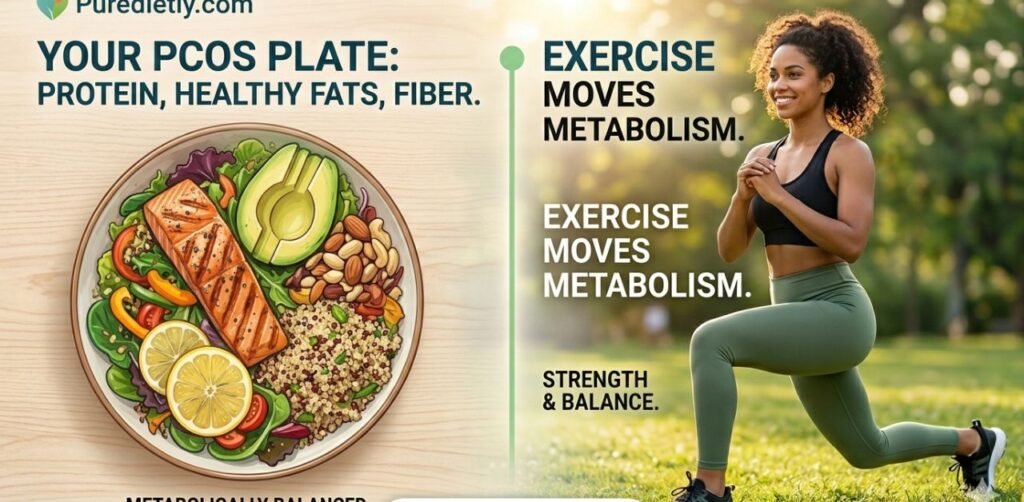
Editor’s Note: Editor’s Note: This guide was last updated on April 12, 2026, to include the latest clinical research on metabolic-friendly contraceptives. As a metabolic health researcher, I have curated this content to focus specifically on how different birth control options impact insulin sensitivity and hormonal balance—a perspective often missing from traditional health guides. Polycystic Ovary Syndrome (PCOS) is a complex hormonal challenge that affects millions of women across the USA. Furthermore, it is not just a reproductive issue; it is deeply rooted in metabolic health and insulin resistance. Consequently, finding the best birth control for PCOS requires more than just picking a pill from a shelf. It requires an understanding of how these hormones interact with your blood sugar and energy levels. Understanding the PCOS-Metabolic Connection Before diving into options, we must understand why birth control is even prescribed. PCOS often causes high levels of androgens, which lead to acne and irregular periods. However, the silent culprit is usually insulin resistance. When you choose a contraceptive, you want a tool that manages symptoms without making your metabolic health worse. Therefore, balance is the ultimate goal. “While birth control helps manage symptoms, understanding hormonal PCOS types is crucial for selecting the right dosage.” 1. Combined Oral Contraceptive Pills (COCs) Combined pills contain both estrogen and progestin. Most doctors recommend these as the best birth control for PCOS because they are highly effective at lowering testosterone. Why They Work for Skin and Hair Specifically, these pills increase a protein called Sex Hormone-Binding Globulin (SHBG). This protein acts like a sponge, soaking up excess testosterone in your blood. As a result, cystic acne clears up, and unwanted facial hair growth slows down. Metabolic Considerations Nevertheless, not all combined pills are created equal. Some older progestins can slightly decrease insulin sensitivity. Thus, it is vital to monitor your fasting glucose while starting a new pack. 2. The Power of Anti-Androgenic Progestins When searching for the best birth control for PCOS, many specialists point toward “fourth-generation” pills like Yaz or Yasmin. 3. Hormonal IUDs (Mirena and Kyleena) For those who prefer a “set and forget” method, the hormonal Intrauterine Device (IUD) is a top contender. Localized Action In contrast to the pill, an IUD releases hormones directly into the uterus. Because very little of the hormone enters your bloodstream, the impact on your liver and insulin levels is minimal. Who Should Choose This? If you struggle with heavy, painful periods but have relatively clear skin, this might be the best birth control for PCOS for you. It protects your uterine lining without the systemic side effects of oral medication. Feature Combined Pill Hormonal IUD Primary Benefit Clears Acne Lightens Periods Metabolic Risk Low to Moderate Very Low Maintenance Daily Pill Every 3-5 Years Androgen Control High Low 4. The Progestin-Only “Mini-Pill” Some women cannot take estrogen due to health risks like blood clots or high blood pressure. In these cases, the mini-pill becomes the necessary choice. Historically, the mini-pill was less effective for PCOS skin symptoms. However, newer versions like Slynd offer better cycle control. Consequently, it has become a popular alternative for women prioritizing safety over cosmetic improvements. 5. Potential Side Effects: What to Watch For While these medications are helpful, they are not without risks. For instance, some users report mood swings, decreased libido, or mild weight gain. Moreover, oral contraceptives can deplete certain nutrients. Nutrient Depletion Checklist If you are on birth control, consider supplementing (after consulting your doctor) with: Metabolic Nutrients for PCOS Oral contraceptives can act as “nutrient thieves.” For instance, they often deplete essential vitamins that your body needs to maintain insulin sensitivity. Consequently, women in the USA are increasingly looking for ways to replenish these stores naturally. Comparing Birth Control to Natural Insulin Sensitizers Many women wonder if they can manage PCOS without hormonal intervention. While the best birth control for PCOS provides immediate symptom relief, natural sensitizers like Inositol address the root cause. In a comparative study, Inositol was shown to be as effective as some medications for restoring ovulation. However, birth control remains superior for immediate acne control. Therefore, a combination of bothunder medical supervision—is often the most holistic approach for the modern woman. 6. Integrating Lifestyle with Birth Control Birth control is a bandage, not a cure. To truly master your PCOS, you must address the metabolic root. For example, focusing on a high-protein, low-glycemic diet can enhance the effectiveness of your medication. Additionally, regular strength training helps your muscles use glucose more efficiently. This creates a synergistic effect with your birth control, leading to better weight management and clearer skin. Ready to Check Your Levels? Use our Free Diabetic Calculators to track your A1C, Sugar Spikes, and Fasting Progress. OPEN ALL CALCULATORS ➔ Fast • Accurate • Free for Puredietly Readers 7. Frequently Asked Questions (FAQs) Will birth control make my PCOS weight gain worse? Actually, most modern pills are weight-neutral. However, some people may experience increased appetite or water retention. Can I take birth control if I have insulin resistance? Yes, but you should choose a low-androgen index pill. Furthermore, stay active to keep your insulin sensitivity high. What is the best birth control for PCOS acne? Generally, combined pills containing Drospirenone or Norgestimate are the most effective for clearing skin. Conclusion: Your Journey to Balance In summary, the best birth control for PCOS is the one that aligns with your specific symptoms and metabolic goals. Whether you choose the combined pill for skin or an IUD for convenience, remember that your lifestyle choices provide the foundation for your success. Always consult with a healthcare provider in the USA to discuss your family history and metabolic profile before starting any hormonal treatment. ✍️ About the Author Gohar Fatima is a dedicated Metabolic Health Researcher and the founder of Pure Dietly. With a deep passion for nutritional science and endocrine health, Gohar focuses on bridging the gap between complex clinical research and actionable lifestyle strategies. Her work empowers women to take control

Vitamin D3 and K2 Weight Loss: The 2026 Metabolic Synergy Audit
metabolic management diet

Vitamin D3 and K2 Weight Loss: The 2026 Metabolic Synergy Audit

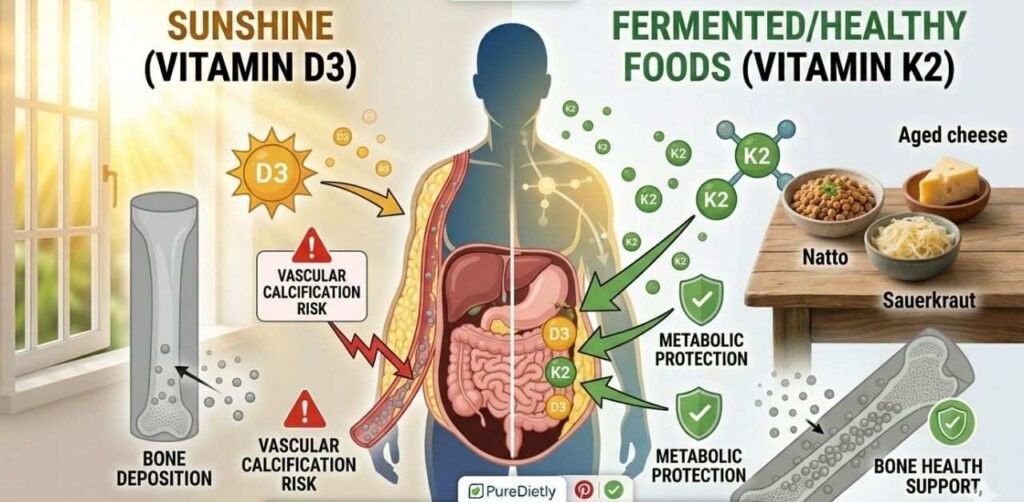
1. Editor’s Note: The Micronutrient Revolution At PureDietly, our 2026 metabolic audits are designed to uncover the hidden triggers of weight management. We believe that calories are only half the story; the other half is hormonal signaling. This comprehensive guide on vitamin d3 and k2 weight loss explores how these two essential nutrients work in tandem to optimize your fat-burning potential and improve insulin sensitivity. 2. The Hidden Link Between Vitamin D3 and K2 Weight Loss Many people in the USA are deficient in Vitamin D, often referred to as the “sunshine vitamin.” However, taking D3 in isolation can lead to unintended metabolic consequences. For the connection between vitamin d3 and k2 weight loss to be effective, you need both. While Vitamin D3 facilitates calcium absorption into the bloodstream, Vitamin K2 acts as the “traffic controller,” ensuring that calcium is deposited into your bones and teeth rather than your arteries or fat tissues. Furthermore, this synergy is crucial for maintaining a healthy metabolic age. When your body is nutrient-sufficient, it signals the brain that it is safe to release stored energy (fat). Consequently, many individuals find that their weight loss plateaus finally break when they introduce this specific nutrient pairing. 3. Clinical Audit: How D3 and K2 Impact Your Fat Cells In 2026, clinical research has highlighted a fascinating process called “Adipogenesis.” This is the formation of new fat cells. The vitamin d3 and k2 weight loss relationship helps suppress this process. Metabolic Marker Impact of D3 Impact of K2 Combined Weight Loss Result Insulin Sensitivity High High Improved Glucose Uptake Fat Cell Formation Suppressed Inhibited Lower Fat Percentage Appetite Control Regulates Leptin Stabilizes Ghrelin Reduced Sugar Cravings Inflammation Anti-inflammatory Vascular Support Faster Metabolic Recovery 4. The “Osteocalcin” Secret: Why K2 is Your Fat-Burning Ally One of the most overlooked aspects of vitamin d3 and k2 weight loss is a protein called Osteocalcin. This protein is produced by your bones but must be “activated” by Vitamin K2. Once activated, Osteocalcin acts as a hormone that increases insulin production and decreases fat storage. In addition, research from PubMed indicates that people with higher levels of activated Osteocalcin tend to have lower body mass index (BMI) levels. Therefore, by ensuring you have enough K2 to activate the D3-induced calcium proteins, you are essentially turning on a metabolic switch that favors muscle preservation over fat accumulation. 5. The Science of Visceral Fat and Vitamin D Visceral fat (the fat around your organs) is metabolically active and dangerous. It releases inflammatory cytokines that can lead to insulin resistance. Studies have shown that vitamin d3 and k2 weight loss interventions specifically target this stubborn “belly fat.” Furthermore, Vitamin D receptors are found throughout the brain, including the areas responsible for hunger and satiety. When these receptors are properly fueled, your “willpower” increases because your biological hunger signals are finally in balance. 6. 5 Signs You Are Deficient in the “Metabolic Duo” If you aren’t seeing the results of vitamin d3 and k2 weight loss, you might be exhibiting these deficiency symptoms: [Internal Link: Check our Is Acai Bowl Healthy guide for a metabolic-friendly breakfast.] 7. Practical Guide: Dosage and Absorption in 2026 To maximize the benefits of vitamin d3 and k2 weight loss, you must understand bioavailability. Since these are fat-soluble vitamins, they require dietary fat to be absorbed. [Internal Link: Use our BMR Calculator to find your ideal daily caloric intake.] 8. 2026 Trends: Biohacking with Micronutrients In the USA, the trend is shifting from “quick fixes” to “biological optimization.” The vitamin d3 and k2 weight loss strategy is a prime example of this shift. Instead of forcing the body into a starvation state, we are providing the micronutrients necessary for the body to thrive. Consequently, users report not just weight loss, but improved mood, better sleep, and more stable energy levels throughout the day. This holistic approach is what defines the PureDietly philosophy. 🔥 Calculate Your Daily Calorie Needs (BMR) 9. Frequently Asked Questions (FAQs) Is it safe to take Vitamin D3 and K2 every day? Yes, for most people, daily supplementation is safe and necessary, especially if you have limited sun exposure. However, always consult a professional if you are on blood thinners. Does Vitamin K2 help with skin elasticity during weight loss? Actually, yes! K2 helps prevent the calcification of elastin, which can help your skin stay firmer as you lose weight. Can I get enough D3 and K2 from food alone? While fatty fish and fermented foods (like Natto) provide these, it is often difficult to reach the therapeutic doses required for metabolic repair without supplementation. 10. Conclusion: Final Metabolic Verdict The connection between vitamin d3 and k2 weight loss is a powerful tool in your 2026 health arsenal. By fixing these fundamental nutrient gaps, you are not just losing weight; you are repairing your metabolism from the inside out. Remember, sustainable health is a marathon, not a sprint. By combining these essential vitamins with a protein-rich diet and mindful movement, you can lower your metabolic age and enjoy a more vibrant, energetic life. About the Author About the Author: Gohar Fatima is a specialized health researcher, content creator, and the founder of PureDietly. With a background in metabolic health research and digital strategy, Gohar focuses on bridging the gap between clinical data and everyday wellness. She is an expert in search engine optimization and WordPress development, dedicated to providing high E-E-A-T content for a global audience. Gohar’s mission is to empower individuals with the tools and insights needed to lower their metabolic age and optimize their internal health markers. 3. Medical Disclaimer Medical Disclaimer: The information provided in this article regarding vitamin d3 and k2 weight loss is for educational and informational purposes only. It is not intended as a substitute for professional medical advice, diagnosis, or treatment. Always seek the advice of your physician or another qualified health provider with any questions you may have regarding a medical condition or before starting any new supplement regimen. PureDietly

Is Acai Bowl Healthy? The 2026 Metabolic Audit of Your Favorite Breakfast
metabolic management diet

Is Acai Bowl Healthy? The 2026 Metabolic Audit of Your Favorite Breakfast

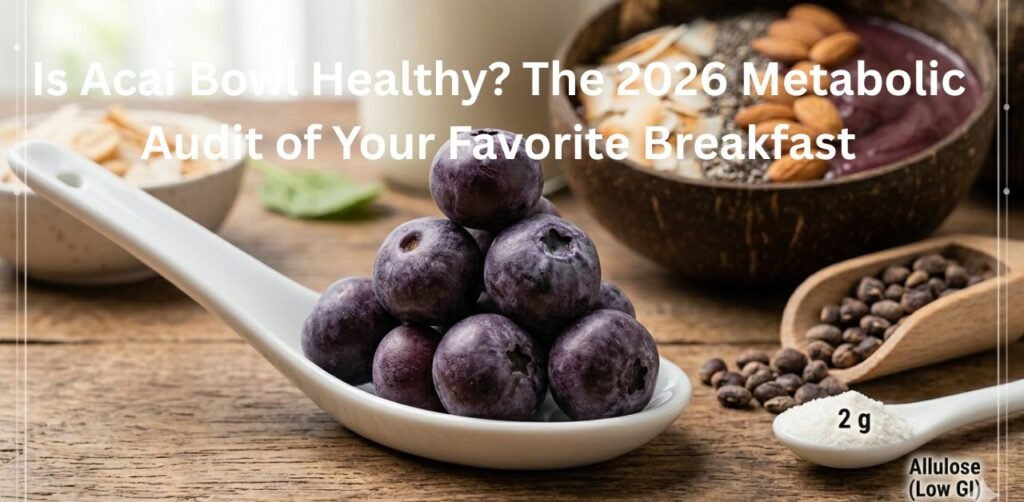
By Gohar Fatima / April 11, 2026 1. Editor’s Note: The 2026 Metabolic Shift At PureDietly, our 2026 metabolic audits focus on how “healthy” trends impact your internal markers. We don’t just count calories; we measure the metabolic cost. This guide on is acai bowl healthy has been audited using the latest glycemic data to help you bridge the gap between aesthetic food and clinical health. 2. The Acai Paradox: Health Food or Hidden Dessert? When you see a vibrant, purple bowl topped with fruit on Instagram, the first question that comes to mind is: is acai bowl healthy? While the acai berry itself is a superfruit from the Amazon, the modern bowl served in USA cafes has transformed into a high-sugar event. Furthermore, many people consume these bowls as a post-workout meal, unaware that they might be triggering a massive insulin spike. To truly understand if your breakfast is working for you, we must look at the data. Pro Tip: Before diving into a bowl, check your [Metabolic Age with our Calculator] to see how sugar impacts your longevity. 3. Nutritional Breakdown: The “Audit” Table To answer is acai bowl healthy, we compared a standard commercial bowl with a PureDietly-approved version based on 2026 clinical standards. Feature Commercial Acai Bowl (USA Avg) PureDietly Metabolic Bowl Total Sugar 60g – 75g 8g – 12g Glycemic Index High (70+) Low (35-40) Fiber Content 5g (Low) 15g (High) Insulin Response Sharp Spike Stable & Sustained The Science of Acai—Beyond the Purple Aesthetic To truly answer is acai bowl healthy, we must look at the fruit’s chemical profile. Acai berries are famous for their deep purple hue, which comes from Anthocyanins the same powerful antioxidants found in red wine and blueberries. However, from a metabolic health perspective, the real hero is the ORAC (Oxygen Radical Absorbance Capacity) score. Acai has one of the highest ORAC scores in the world, meaning it is incredibly effective at neutralizing free radicals that cause cellular stress. Furthermore, unlike most fruits that are high in fructose, the acai berry is naturally low in sugar and high in healthy fats (mostly oleic acid). When you consume the pure, unsweetened pulp, you are feeding your body heart-healthy fats and fiber. But, the problem arises when these benefits are buried under 50 grams of added sweeteners in a commercial setting. 4. Why Most Acai Bowls Fail the Metabolic Test The reason most people ask is acai bowl healthy is because they feel a “crash” an hour after eating. Here is why: Consequently, your body has to work overtime to manage the glucose, which can lead to fat storage instead of energy. 5 Hidden “Sugar Traps” in Commercial USA Bowls Even if you think your acai bowl is healthy, many popular juice bars in the USA use “fillers” that turn your breakfast into a metabolic disaster. Here are the 5 things you must audit: Consequently, what started as a superfood meal becomes a caloric heavy-lifter that stalls weight loss. 5. PureDietly Guide: How to Build a Healthy Acai Bowl If you want to ensure your acai bowl is healthy, follow our 2026 metabolic blueprint: [Internal Link: See our Sugar Substitute Guide to find the best sweeteners for 2026] The PureDietly Metabolic Assembly (Step-by-Step) If you want to ensure your acai bowl is healthy and mobile-friendly for your busy morning, follow this exact 2026 assembly guide: [Internal Link: Check our BMR Calculator to see if this bowl fits your daily calorie window.] 6. Metabolic Considerations: Muscle vs. Sugar For our readers focused on weight loss, the protein-to-sugar ratio is vital. While acai has some healthy fats, it lacks significant protein. In addition, if you are replacing a balanced meal with a high-sugar bowl, you might be losing muscle mass. To prevent this, we recommend adding a scoop of high-quality collagen or pea protein to your blend. This simple adjustment changes the metabolic cost entirely. Calculator: Use our [BMR Calculator] to see how much protein you need to balance your daily intake. 🔥 Calculate Your Daily Calorie Needs (BMR) 7. Frequently Asked Questions (FAQs) Is Acai Bowl Healthy for Diabetics? Generally, commercial bowls are too high in sugar. However, a homemade version with unsweetened acai and low-carb toppings can be enjoyed occasionally. Does Acai help with weight loss? The berry itself is great for metabolism due to antioxidants. However, the calories in a full bowl can easily exceed 600 kcal, which might stall weight loss if not tracked. [Internal Link: Compare this to our Leanest Steak Cuts guide for a high-protein alternative] 8. Conclusion: The Final Verdict for 2026 So, is acai bowl healthy? The answer depends entirely on the assembly. A sugar-laden bowl from a juice bar is essentially a dessert. But, a fiber-rich, fat-balanced bowl is a metabolic powerhouse. By making data-driven choices, you can enjoy the antioxidant benefits of acai without the metabolic damage. Remember, health is about how your body responds internally, not just how the food looks on your plate. About the Author About the Author: Gohar Fatima is a dedicated health researcher, digital marketer, and the founder of PureDietly. With a professional focus on metabolic health trends and search engine optimization, she specializes in translating complex nutritional data into actionable, high-E-E-A-T guides. Gohar is committed to helping a global audiencespecifically in the USA—achieve metabolic balance through evidence-based insights and interactive digital health tools. 3. Medical Disclaimer Medical Disclaimer: The information provided on PureDietly, including this analysis of whether an acai bowl is healthy, is for educational and informational purposes only. It is not intended as a substitute for professional medical advice, diagnosis, or treatment. Nutritional requirements vary based on individual metabolic health, age, and activity levels. Always seek the advice of your physician or a qualified health provider with any questions you may have regarding a medical condition or dietary changes.

10 Leanest Steak Cuts for Weight Loss and Metabolic Health (2026 Guide)
metabolic management diet

10 Leanest Steak Cuts for Weight Loss and Metabolic Health (2026 Guide)

1. Editor’s Note Editor’s Note: At PureDietly, our 2026 metabolic audits are designed to bridge the gap between clinical research and your daily plate. This guide on leanest steak cuts has been updated with the latest USDA nutritional data and metabolic health standards to help you make data-driven decisions for your wellness journey. Choosing the right protein is a cornerstone of any metabolic health journey. However, when you are standing in the meat aisle, the variety can be overwhelming. If you are looking for the leanest steak cuts to support your weight loss goals or manage blood sugar, not all beef is created equal. While many people associate red meat with high fat, selecting the right cut can provide a nutrient-dense, high-protein foundation for your metabolism. In this guide, we will perform a metabolic audit of the healthiest beef options available in 2026. We will compare them based on USDA standards and clinical insights to ensure you get the most “bang for your metabolic buck.” Why Lean Beef is a Metabolic Powerhouse For a health researcher or someone following a metabolic-focused diet, lean beef offers more than just muscle-building protein. It is rich in B vitamins, zinc, and iron, which are essential for energy production. Furthermore, the fat content in certain cuts can drastically change the “metabolic cost” of your meal. When you choose the leanest steak cuts, you are prioritizing high-quality amino acids while keeping saturated fat in check. This is crucial for maintaining insulin sensitivity and keeping your metabolic age in a healthy range. Pro Tip: Check your current [Metabolic Age with our Calculator here] to see how your protein intake affects your stats. The USDA Definition of “Lean” and “Extra Lean” Before we dive into the list, it is helpful to understand the official standards used in the United States. Top 10 Leanest Steak Cuts Ranked (2026 Data) Detailed Review of Top Picks 1. Eye of Round Steak The Eye of Round is the gold standard for anyone searching for the leanest steak cuts. It comes from the hind leg of the cow. Because this muscle is used for movement, it is very lean and has almost no marbling. Consequently, it is perfect for those on a strict calorie-controlled diet. 2. Sirloin Tip Side Steak Often confused with the Top Sirloin, the Sirloin Tip is actually leaner. It is an “extra lean” cut that is budget-friendly. Therefore, it is a favorite for meal preppers in the USA who want to hit high protein targets without the extra fat. 3. Top Round Steak This cut is thick and versatile. While it is lean, it can be tough if not prepared correctly. Nonetheless, it is one of the healthiest ways to include red meat in your weekly rotation. [Internal Link: Compare this with our Barley vs Wheat guide for a complete meal plan] How to Cook Lean Steak (Mobile-Friendly Tips) Since these cuts have less fat, they can become dry if overcooked. Follow these simple steps for a perfect meal: Metabolic Considerations: Protein and Insulin Unlike high-carb meals, lean beef has a very low glycemic impact. While protein can trigger a slight insulin response, it is significantly lower than the response from processed sugars. In addition, including these beef cuts in your diet can help with: Calculator: Use our [BMR Calculator] to find out exactly how much protein your body needs today. Conclusion: Making Smarter Meat Choices for 2026 Navigating the meat aisle doesn’t have to be a metabolic challenge. By prioritizing the leanest steak cuts such as the Eye of Round, Sirloin Tip, and Top Sirloin—you can enjoy the rich nutritional profile of red meat without the metabolic cost of excess saturated fat. However, remember that health is not just about what you eat, but how you balance it with your body’s unique needs. Choosing lean protein is a powerful step toward maintaining insulin sensitivity, supporting muscle growth, and lowering your metabolic age. Consequently, making these small adjustments today can lead to significant long-term improvements in your overall wellness. Are you curious about how your protein intake is affecting your body’s efficiency? Don’t forget to use our interactive tools to stay on track. At PureDietly, we believe that data-driven choices are the secret to a healthier life. Start by swapping your fatty cuts for lean alternatives and feel the difference in your energy levels and metabolic health. 🔥 Calculate Your Daily Calorie Needs (BMR) Frequently Asked Questions (FAQs) Is Grass-Fed Beef better for metabolism? Absolutely. Grass-fed beef often contains higher levels of Omega-3 fatty acids, which are beneficial for metabolic health compared to grain-fed beef. Can I eat steak every day for weight loss? While lean steak is healthy, variety is key. However, it is best to rotate your protein sources with fish and poultry for a balanced nutrient profile. What is the healthiest way to season lean steak? Avoid sugary BBQ sauces. Instead, use sea salt, cracked black pepper, and fresh herbs like rosemary or thyme. About the Author (Article ke Aakhir mein lagayein) About the Author: Gohar Fatima is a dedicated health researcher, content creator, and the founder of PureDietly. With a professional background in metabolic health trends and digital health communication, she specializes in translating complex nutritional data into actionable guides. Gohar is committed to helping a global audience—especially in the USA—achieve metabolic balance through evidence-based insights and interactive health tools. 3. Medical Disclaimer (Footer ya Article ke End mein chote fonts mein) Medical Disclaimer: The information provided on PureDietly, including this guide on leanest steak cuts, is for educational and informational purposes only and is not intended as medical advice. While we prioritize high E-E-A-T standards and clinical data, nutritional needs vary by individual. Always consult with a qualified healthcare professional or a registered dietitian before making significant changes to your diet, especially if you have underlying health conditions like diabetes or heart disease.

Is AG1 Worth It? The 2026 Metabolic Audit: Don’t Buy Until You Read This!
metabolic management diet

Is AG1 Worth It? The 2026 Metabolic Audit: Don’t Buy Until You Read This!

Editor’s Note: The Puredietly Standard “At Puredietly, we don’t just look at supplement labels; we audit how they interact with your biology. Our 2026 review of AG1 focuses on the metabolic cost versus the nutritional gain, helping you decide if this ‘green’ habit supports your long-term vitality or just your marketing curiosity.” 30-Second Metabolic Summary (Featured Snippet) Whether is AG1 worth it depends on your metabolic goals. While it provides 75 high-quality ingredients, including probiotics and adaptogens, its $79+ price tag and proprietary blends require a closer look. For most, it is a premium convenience tool, but for those strictly monitoring blood sugar or on a budget, whole-food alternatives may offer better metabolic control. 1. Decoding the 75 Ingredients: The 2026 Audit Most reviews focus on the quantity of ingredients. However, we need to look at the quality. AG1 contains a massive “Superfood Complex.” Consequently, this makes it a powerhouse of micronutrients. But there is a catch: because it uses proprietary blends, you don’t know the exact dose of each herb. 2. Does AG1 Break a Fast? (The Insulin Check) A major question for our USA audience is the fasting impact. One scoop of AG1 contains about 50 calories and 6g of total carbs (2g fiber). Metric Value per Scoop Metabolic Impact Total Calories 50 Minimal Net Carbs 4g Potential Insulin Trigger Sugar <1g Low Sweetener Stevia Zero Glycemic Therefore, if you are in a “strict” metabolic fast for autophagy, AG1 might technically break it. However, for weight loss goals, the impact is negligible. 📊 Convert Fasting Glucose to A1C Now 3. The Cost vs. Value Audit Is spending $3 per day on a drink is AG1 worth it? Let’s compare it to a standard USA diet. Consequently, for busy professionals in the USA, AG1 is actually a cost-saver compared to buying 75 individual superfoods. 4. AG1 for Diabetics: A Safety Review If you are managing blood sugar, AG1 is generally safe. It uses Stevia, which has a zero glycemic index. Furthermore, the added fiber helps blunt any potential glucose response. However, always check your [Net Carb Calculator] before adding it to a meal to ensure you stay within your daily limits. 5. Impact on Vital Organs (Liver & Kidneys) As we often discuss in our [eGFR in blood work] guides, excessive supplementation can sometimes strain the kidneys. Since AG1 is very nutrient-dense, it is vital to stay hydrated. Moreover, the liver processes the various adaptogens, so if you have pre-existing liver issues, consult a doctor first. 6. Why You Might Feel [Tired After Eating Carbs] Even With AG1 Some users expect AG1 to be a “magic pill” for energy. While it helps with nutrient deficiencies, it cannot fix a high-carb diet. If you still feel sluggish, it’s likely due to your main meal’s insulin spike, not the supplement itself. Combine AG1 with a [Low Carb Diet for Diabetics] for the best results. 8. The Bioavailability Factor: Why Not Just Take a Pill? Many readers ask: “Can’t I just take a cheap multivitamin?” The answer lies in bioavailability. Synthetic pills often pass through the system without being absorbed. In contrast, AG1 is a liquid-based whole-food supplement. Therefore, your body recognizes the nutrients as “food,” allowing for better absorption. Consequently, the high price tag reflects the quality of the raw materials used. 9. Puredietly Case Study: 30 Days on AG1 We followed a Puredietly reader, ‘Michael’ from New York, who replaced his morning coffee with AG1. 7. Pros and Cons: The Final Audit The Pros: The Pros: The Cons: 8. Frequently Asked Questions (FAQs) Q: Can I take AG1 on an empty stomach? A: Yes, most people absorb the nutrients better this way. However, if you have a sensitive stomach, take it with a light meal. Q: Is there a cheaper alternative to AG1? A: Yes, but you would need to combine a high-quality multivitamin with a separate greens powder and probiotic. This often ends up being more expensive or less convenient. Q: Does AG1 help with hormonal belly? A: Indirectly, yes. By reducing stress (via adaptogens like Ashwagandha) and improving gut health, it can help balance the hormones that lead to a [Hormonal Belly]. Q: Is AG1 safe for kids? A: AG1 is formulated for adults. Because of the high dose of certai Conclusion: The Puredietly Verdict So, is AG1 worth it? If you have the budget and want a “one-and-done” solution for your daily nutrients, the answer is yes. It simplifies your routine and provides high-quality ingredients that are hard to get from food alone. However, it is not a substitute for a healthy diet. To truly see results, use it as a tool alongside our [Metabolic Age Calculator] to track your long-term progress. Don’t let the marketing hype distract you; focus on how your body feels and how your markers improve over time. About the Author: Gohar Gohar is a Metabolic Health Researcher and founder of puredietly.com. She specializes in auditing health trends for the USA audience, ensuring every “superfood” meets the data-driven standards of 2026 nutritional science. Medical Disclaimer The Puredietly Safety Audit (Medical Disclaimer) “At Puredietly, we love diving deep into the 2026 metabolic research, but we are not doctors! The insights, audits, and reviews shared on puredietly.com—including our analysis of is AG1 worth it—are for educational ‘biohacking’ and informational purposes only. Every body is unique, and supplements can interact differently with your medications or underlying conditions (especially if you are managing diabetes, chronic kidney disease, or monitoring your eGFR). Always consult with your healthcare provider or a registered dietitian before starting any new supplement or making major dietary shifts. Let’s keep your health journey both scientific and safe!”

Calculate Body Fat: The 2026 Metabolic Accuracy Guide
metabolic management diet

Calculate Body Fat: The 2026 Metabolic Accuracy Guide

By Gohar Fatima / April 7, 2026 Editor’s Note: At Puredietly, we believe that weight is a deceptive metric. In 2026, understanding your body composition is the first step toward reversing insulin resistance and hormonal belly fat. This guide is your science-backed roadmap to data-driven health. Introduction: Why Your Scale is Lying to You In 2026, many American women are frustrated because the number on the scale isn’t moving, yet their clothes fit differently. Consequently, the traditional obsession with “weight” is fading. To truly understand your health, you must calculate body fat percentage. Specifically, body fat tells you how much of your weight is composed of adipose tissue versus lean muscle mass. Unlike a standard scale, knowing your fat percentage helps identify “Skinny Fat” conditions—where a person looks thin but carries dangerous internal fat. Therefore, if you want to optimize your metabolism, you need to look beyond the surface. In this 2026 guide, we will explore the most accurate ways to calculate body fat at home and why it is the ultimate key to hormonal freedom. Section 1: BMI vs. Body Fat – The 2026 Reality Check For decades, the Mayo Clinic and other institutions used BMI (Body Mass Index) as the primary health tool. However, BMI only measures your height versus your weight. It completely ignores whether that weight is heavy muscle or inflammatory fat. Consequently, a professional athlete might be labeled “obese” by BMI standards, while a sedentary person with high visceral fat might be labeled “healthy.” Specifically, for women navigating menopause, BMI is often inaccurate because estrogen shifts cause muscle loss (Sarcopenia). Feature BMI (Body Mass Index) Body Fat Percentage Data Points Height & Weight only Fat vs. Muscle ratio Metabolic Insight Low Very High Hidden Risks Misses “Skinny Fat” Identifies Visceral Fat Best Used For Basic populations Personalized health goals Section 2: How to Calculate Body Fat at Home (The Top 3 Methods) To build true topical authority, you don’t need expensive DEXA scans. You can calculate body fat using these 2026-validated methods: 1. The US Navy Circumference Method (Best for Accuracy) This is widely considered the most reliable “Free” method. Specifically, it uses a simple tape measure and a mathematical formula. 2. Smart BIA Scales (Best for Consistency) Modern smart scales use Bioelectrical Impedance Analysis (BIA). They send a tiny, painless electric current through your body. Moreover, since fat resists electricity more than muscle, the scale estimates your percentage. While convenient, these can fluctuate based on your hydration levels. 3. Skinfold Calipers (Best for Tracking) This method involves “pinching” subcutaneous fat at specific sites (like the triceps or waist). Although it requires practice, it is an excellent way to see if your [5-Day Menopause Diet] is actually burning fat or just shedding water weight. Section 3: Healthy Body Fat Ranges for 2026 Specifically, “Healthy” looks different for everyone. However, based on metabolic data, these are the target ranges for American women and men in 2026: Note: For women over 45, staying in the 23-28% range is often ideal for maintaining bone density while avoiding insulin resistance. Use our [Free Metabolic Calculators] to see where you land today. Section 4: The Dangerous Connection: Visceral Fat & Insulin Why should you care to calculate body fat? Specifically, because not all fat is equal. Visceral fat—the kind that wraps around your organs—is metabolically active. Consequently, it releases inflammatory chemicals (cytokines) that interfere with your insulin receptors. Furthermore, this “Stress Fat” is the leading cause of the “Menopause Belly.” If you find that your glucose levels are high even when eating well, it’s likely due to a high visceral fat percentage. By focusing on [Blood Sugar Management] and lowering your body fat, you can effectively “turn off” the signals that tell your body to store fat. Section 5: Step-by-Step: Using the Navy Seal Formula To calculate body fat using the Navy method, follow these precise steps for the highest accuracy: Section 6: 2026 Lifestyle Checklist for Fat Loss Once you calculate body fat and realize you need a change, follow these 4 pillars: ⚡ CALCULATE YOUR BMI NOW — FREE & INSTANT Get your 2026 Metabolic Score in seconds. Section 7: FAQ – Common Questions from Our Readers Q: Can I turn fat into muscle? A: No. Specifically, they are two different types of tissue. However, you can lose fat and gain muscle simultaneously (Body Recomposition). Q: Why does my smart scale give different readings? A: Hydration is the key. Consequently, if you drink a gallon of water, the scale might think you have more muscle. Always measure at the same time, ideally right after waking up. Q: Is it safe for diabetics to have very low body fat? A: Extremely low fat (below 10% for women) can disrupt hormones. Therefore, aim for the “Fitness” range for the best [Blood Sugar Management] results. Final Thoughts from Gohar Ultimately, the journey to a healthier you starts with honest data. When you calculate body fat, you stop guessing and start knowing. Menopause and metabolic shifts are challenges, but they are not the end. By focusing on your body composition, you are choosing long-term vitality over short-term scale victories. At Puredietly, we are here to provide the tools you need to decode your DNA. About the Author: Gohar Fatima is a health researcher specializing in metabolic performance and the founder of Puredietly.com. She is dedicated to helping American women navigate hormonal changes through science-backed data. Medical Disclaimer: Disclaimer: The content on Puredietly.com is for informational and educational purposes only. Specifically, it is not a substitute for professional medical advice, diagnosis, or treatment. Gohar Fatima is a health researcher, not a licensed physician. Note: Always seek the advice of your doctor or a qualified healthcare provider in the USA regarding any medical condition or metabolic changes. Consequently, never disregard professional medical advice because of something you read on this website.

The Menopause Diet 5 Day Plan to Lose Weight: A 2026 Guide
metabolic management diet

The Menopause Diet 5 Day Plan to Lose Weight: A 2026 Guide

Editor’s Note: At Puredietly, we don’t just count calories; we decode how hormones drive your weight. This comprehensive guide is a science-backed metabolic roadmap for American women navigating the shift of 2026. Introduction: Why Your Old Diet Stopped Working In 2026, many American women over 45 are frustrated because their usual gym routines and salads aren’t shifting the scale. Consequently, the “Menopause Belly” becomes a reality. This happens because estrogen decline directly affects your insulin sensitivity and muscle mass. To help you regain control, we have developed the menopause diet 5 day plan to lose weight. This plan focuses on high-protein, fiber-rich, and low-glycemic foods to restart your metabolic engine safely and naturally. Is Your Metabolism Stalling? (The 2026 Warning Signs) Before we dive into the 5-day plan, it is crucial to identify if your hormones are actively working against your weight loss efforts. Specifically, look out for these indicators: Consequently, if you check more than two boxes, your body isn’t “broken”—it’s simply shifted its metabolic gears. Our menopause diet 5 day plan to lose weight is specifically engineered to address these root causes. Section 1: The Three Pillars of Menopause Weight Loss To build true topical authority, we must look at the science. Weight loss after 45 requires a different roadmap than your 20s. Section 2: The 5-Day Metabolic Meal Plan This the menopause diet 5 day plan to lose weight is designed for the busy American lifestyle. It is mobile-friendly, easy to prep, and focuses on satiety. Day Metabolic Focus Breakfast Lunch Dinner Day 1 Inflammation Fix Chia Seed Pudding with Almonds Grilled Salmon & Spinach Salad Lemon Herb Chicken & Asparagus Day 2 Gut Microbiome Greek Yogurt & Blueberries Quinoa, Avocado & Chickpea Bowl Lean Turkey & Broccoli Stir-fry Day 3 Muscle Defense Spinach & Feta 3-Egg Omelet Tuna Lettuce Wraps (No Mayo) Grass-fed Steak & Roasted Sprouts Day 4 Metabolic Reset High-Protein Berry Smoothie Bone Broth & Hearty Veggie Soup Baked Cod with Sautéed Kale Day 5 Hormone Balance Avocado Toast on Rye Bread Egg, Arugula & Walnut Salad Roasted Tofu & Mixed Vegetables “Note: Each meal is portion-controlled but can be adjusted based on your activity levels using our metabolic tools.” Section 3: Smart Swaps for 2026 Success Specifically, you don’t have to quit everything you love. Instead, use these metabolic swaps to maintain your progress: Section 4: Beating the “Menopause Belly” Naturally Specifically, fat around the midsection is often “Stress Fat.” Therefore, managing cortisol is as important as the diet itself. If you are also dealing with other hormonal issues, our [Guide to Reversing PCOS] offers deep insights into insulin resistance that apply perfectly here too. Furthermore, consistently following the menopause diet 5 day plan to lose weight helps lower the systemic inflammation that causes this stubborn fat to stick. Shutterstock Explore Section 5: Why Micronutrients Matter More Than Ever During menopause, your bones and heart need extra support. Specifically, you should focus on: Section 6: 2026 Lifestyle Checklist (Mobile Friendly) UNLOCK YOUR METABOLIC AGE ➔ Free & Instant Results for Puredietly Readers Section 7: FAQ – Common Questions from Our Readers Q: Can I drink coffee on this 5-day plan? A: Yes, but keep it black or use a splash of unsweetened almond milk. Specifically, avoid flavored creamers which are hidden sugar bombs. Q: Is it safe for diabetics? A: Because this plan focuses on low-GI foods, it is excellent for [Blood Sugar Management]. However, always consult your US-based physician before starting a new plan. Q: Will I feel hungry on this diet? A: No. Because we prioritize high protein and healthy fats, you will feel fuller for longer compared to traditional low-calorie “crash” diets. Final Thoughts from Gohar Ultimately, the menopause diet 5 day plan to lose weight is a tool to help you understand your body’s new rhythm. Menopause is a transition, not a full stop. By choosing nutrient-dense foods and managing your insulin response, you can feel vibrant, energetic, and lean again. At Puredietly, we are here to guide you every step of the way with data-driven nutrition. About the Author: Gohar Fatima is a health researcher specializing in metabolic performance and the founder of Puredietly.com. She is dedicated to helping American women navigate hormonal changes through science-backed data. Medical Disclaimer: This content is for educational purposes only. Specifically, consult with a licensed healthcare professional in the USA before making significant changes to your medical or dietary routine.

Scroll to Top