
Author name: puredietly@gmail.com

Why Am I Tired After Eating Carbs? The 2026 Metabolic Audit to Beating Post-Meal Slumps
metabolic management diet

Why Am I Tired After Eating Carbs? The 2026 Metabolic Audit to Beating Post-Meal Slumps

By Gohar | Metabolic Researcher at puredietly.com Published: February 12, 2026 | Medically Reviewed 30-Second Metabolic Summary (Featured Snippet) Post-meal fatigue, or Postprandial Somnolence, is often misdiagnosed as just “digestion.” In 2026, research identifies the primary culprit as an Insulin Overshoot. When you consume refined carbohydrates, the pancreas releases excessive insulin, causing blood sugar to crash below baseline—a state called Reactive Hypoglycemia. To fix this, use Molecular Food Sequencing (Fiber > Protein > Carbs) and eliminate hidden fillers like Maltodextrin to maintain stable energy levels all day. 1. The Biological Paradox: Why Energy Makes You Tired It seems illogical: food is fuel, so why does it make you crash? To solve this, we must audit two distinct biological pathways that occur simultaneously after a carb-heavy meal. The Insulin Overshoot (Reactive Hypoglycemia) When you eat “naked carbs” (carbs without a buffer), your blood glucose spikes. Your body perceives high glucose as toxic, so it triggers a “panic response” from the pancreas. The resulting insulin flood is often too aggressive. Within 60 to 90 minutes, your blood sugar doesn’t just return to normal; it crashes below your fasting baseline. The Tryptophan-to-Serotonin Pipeline There is also a neurochemical reason for your sleepiness. Carbs trigger insulin, which clears most amino acids from your blood—except for Tryptophan. This allows Tryptophan to rush into the brain, where it is converted into Serotonin (the relaxation hormone) and then Melatonin (the sleep hormone). 2. Comparison: Why Some Carbs Crash You Harder Than Others Not all carbohydrates are created equal. This table audits the metabolic impact of common USA office lunches. Table 1: Metabolic Impact of Common Lunch Options Meal Description Carb Type Insulin Spike Risk Energy Crash (2 Hours Later) White Pasta & Garlic Bread Refined / Simple 95% (Extreme) Severe (The “Nap” Phase) Brown Rice & Chicken Complex 45% (Moderate) Mild Drowsiness Salad w/ Sugary Dressing Hidden Fructose 60% (High) Moderate Slump Steak, Broccoli, & Half Potato Balanced / Clothed 15% (Low) None (Sustained Focus) 3. The 2026 “Hidden Spiker” Audit Our audit of the US market shows that even “healthy” labels can be deceptive. The Maltodextrin Trap Maltodextrin is a cost-effective filler found in everything from “sugar-free” coffee creamers to salad dressings. It has a Glycemic Index (GI) of 110, which is 10% higher than pure table sugar. The Cephalic Phase Insulin Response (CPIR) New research highlights the CPIR. Just the taste of artificial sweeteners can trick your brain into thinking sugar is coming. Your pancreas releases insulin in anticipation, causing your existing blood glucose to drop. 4. Molecular Food Sequencing: The Ultimate Energy Hack The most significant breakthrough in 2026 metabolic health is the order in which you eat your food. Table 2: The Food Sequencing Success Protocol Order Food Group Examples Biological Role 1st Fiber Greens, Salad, Broccoli Creates a “Protective Mesh” in gut 2nd Proteins & Fats Eggs, Salmon, Avocado Slows down gastric emptying 3rd Carbohydrates Rice, Potatoes, Fruit Absorbed slowly through fi 5. The “Sleep Hygiene” Connection If you are chronically stressed or sleep-deprived, your body stays in a state of Insulin Resistance. In this state, your cells “refuse” to let glucose in, forcing the pancreas to pump out even more insulin, guaranteeing a deeper crash after lunch. The Sleep-Insulin Connection “In 2026, research confirms that metabolic health is deeply tied to your sleep cycle. Chronic sleep deprivation triggers a cortisol surge that puts your body in a state of Temporary Insulin Resistance. When you are underslept, your cells become ‘stubborn,’ refusing to let insulin move glucose inside efficiently. To compensate, your pancreas pumps out excessive insulin, leading to a massive afternoon crash.” . 2026 Tech Spotlight: Wearable CGMs “A major shift in the 2026 metabolic audit is the use of Continuous Glucose Monitors (CGMs). These wearable sensors allow you to track ‘Glucose Variability’ in real-time. By observing your data, you can identify your ‘Personal Trigger Foods.’ If your sensor shows a sharp vertical spike after lunch, you’ve found the direct cause of your fatigue, allowing for precise dietary adjustments.” 6. Advanced Solutions: The Metabolic Toolbox Beyond food sequencing, these three interventions can “problem-solve” your afternoon fatigue: 7. Strategic Grocery Audit: 2026 Edition To maintain Topical Authority, we have audited common “healthy” swaps that actually cause fatigue. Table 3: 2026 Grocery Swap Audit Instead of This (Crash Trigger) Try This (Energy Stable) Why? “Low Fat” Fruit Yogurt Plain Greek Yogurt + Berries Avoids 20g of added liquid sugar Instant Oatmeal Packets Steel-Cut Oats + Walnuts Lower GI and added healthy fats Wheat Bread (Fine Milled) Sourdough or Sola Bread Sourdough has lower glycemic impact Diet Soda (Maltodextrin) Sparkling Water w/ Lemon Zero insulin response Understanding your food is the first step, but knowing your numbers is what changes the game. Use our interactive tool to see how your specific meal impacts your energy levels and metabolic health.” Ready to Check Your Levels? Use our Free Diabetic Calculators to track your A1C, Sugar Spikes, and Fasting Progress. OPEN ALL CALCULATORS ➔ Fast • Accurate • Free for Puredietly Readers 8. Frequently Asked Questions (FAQs) Q: Why do I feel shaky after a carb-heavy meal? This is Adrenal Activation. When sugar crashes too low after an insulin overshoot, your body releases Adrenaline to save you, causing jitters. Q: Is “Low Carb” the only way to stay awake? No. Our 2026 Audit shows that you can enjoy carbs as long as they are “clothed” in fiber and protein. It’s about Molecular Sequencing, not deprivation. Case Study: Mark’s Transformation Consider ‘Mark,’ a professional who suffered from severe 3:00 PM brain fog. His ‘healthy’ quinoa bowl was hitting his empty stomach first, causing an insulin overreaction. By applying the Fiber-First rule—eating greens before protein and saving carbs for the end—Mark dropped his glucose peak by 40%. He eliminated his afternoon slump and reclaimed his focus without giving up his favorite foods.” Conclusion: Reclaiming Your Afternoon Waking up tired or crashing after lunch is a signal of metabolic misalignment. By auditing your food labels for hidden fillers

Why is My Blood Sugar High in the Morning? The 2026 Metabolic Audit
metabolic management diet

Why is My Blood Sugar High in the Morning? The 2026 Metabolic Audit

By Gohar | February 10, 2026 Editor note: Editor’s Note | puredietly Audit: Most health platforms provide generic advice like “exercise more.” At puredietly, we audit the molecular reasons for glucose fluctuations. From the Gut-Insulin Axis to the glycemic impact of food additives, our 2026 audit is designed to help you master your fasting glucose. 30-Second Metabolic Summary (Featured Snippet) Waking up with high blood sugar, known as Morning Hyperglycemia, is primarily driven by two biological events: the Dawn Phenomenon (hormonal surge) and the Somogyi Effect (rebound from a nighttime low). However, in 2026, our research highlights a third culprit: “Hidden Metabolic Fillers” like Maltodextrin in “diabetic-friendly” night snacks. To stabilize morning levels, use zero-GI rare sugars like Allulose and prioritize high-protein fats like Aged Cheddar to prevent the liver from overproducing glucose during sleep. 1. The Biological Mystery: Why Your Sugar Rises While You Sleep It seems illogical: you haven’t eaten for 8 hours, yet your sugar is higher than it was before bed. To solve this, we must audit the liver. The Dawn Phenomenon (The Hormone Surge) Between 2:00 AM and 8:00 AM, your body prepares to wake up by releasing hormones like Cortisol, Glucagon, and Growth Hormone. These hormones tell your liver to dump stored glucose into your blood for energy. In a non-diabetic, insulin handles this surge. In a diabetic, the insulin is either missing or resisted, leading to a high morning reading. The Somogyi Effect (The Rebound) This happens if your blood sugar drops too low in the middle of the night (Hypoglycemia). Your body panics and releases stress hormones to save you, causing the liver to over-correct and dump too much sugar. Table 1: How to Tell the Difference (The 3 AM Test) | Test Time | Dawn Phenomenon | Somogyi Effect Before Bed | Normal/High | Normal | | 3:00 AM Reading | Normal/Rising | Extremely Low | | Morning Reading | High | High | 2. The 2026 “Hidden Spike” Audit: Why Your Snacks are Failing You Many diabetics eat a “sugar-free” snack before bed, thinking it’s safe. Our audit reveals why these are often the cause of your morning high. The Maltodextrin Trap Maltodextrin is a white powder used as a filler in many sugar substitutes and “diabetic” cookies. The Gut-Insulin Axis & Dysbiosis New research in 2026 shows that synthetic sweeteners like Sucralose and Aspartame can cause Gut Dysbiosis (imbalance in gut bacteria). An unhealthy gut signals the liver to produce more glucose at night, worsening insulin resistance. 3. The “PureDietly” Protocol: 5 Steps to Lower Morning Glucose To rank as an authority, we don’t just list problems; we provide the 2026 Metabolic Fix. Step 1: The Allulose Buffer As discussed in our [Internal Link: Sugar Substitutes 2026 Audit], Allulose is a rare sugar that inhibits certain enzymes in the gut. Taking one teaspoon of Allulose in chamomile tea before bed can act as a “metabolic brake,” slowing down the liver’s sugar production. Step 2: The Soleus Flush (Biohack) The Soleus muscle in your calf is unique—it can burn glucose for hours without needing much oxygen. Doing “Soleus Pushups” (sitting and raising your heels) for 10-15 minutes while watching TV before bed can clear significant amounts of glucose from your blood. Step 3: Audit Your Bedtime Protein Not all protein is equal. Processed protein shakes often contain hidden corn syrup. Stick to whole foods. The 10-Minute Metabolic Walk] “While the Soleus Flush is excellent for seated recovery, a 10-minute slow-paced walk post-dinner acts as a mechanical disposal for glucose. Unlike high-intensity cardio which can actually spike cortisol and glucose, ‘Zone 1’ walking utilizes GLUT4 receptors to pull sugar into the muscles without requiring a massive insulin surge. This ensures your baseline glucose is lower before you even hit the pillow.” Morning Glucose Risk Predictor tool 📊 Start My Metabolic Audit Now ⚡ Takes only 60 seconds 4. Detailed Comparison: Bedtime Snack Audit 2026 Snack Item GI Score Insulin Response Morning Impact Aged Cheddar + 5 Walnuts 0 Zero Stable/Optimal Pure Greek Yogurt + Monk Fruit 15 Low Recommended Apple with Peanut Butter 40 Moderate Potential Spike “Sugar-Free” Protein Bar 60+ High Danger (Fillers) Glass of Skim Milk 35 High (Lactose) Not Recommended 5. Environmental & Lifestyle Factors (The EEAT Edge) To build Trust, we must look at the “User’s Life,” not just their plate. 6. Frequently Asked Questions (FAQs) Q1: Should I increase my evening insulin if my morning sugar is high? Answer: Caution! Never adjust insulin without consulting your endocrinologist. If you are experiencing the Somogyi Effect, increasing insulin could be dangerous. Use the 3 AM test first. Q2: Does “Sugar-Free” Gum affect my morning levels? Answer: If it contains Sorbitol or Xylitol, usually no. If it contains Maltodextrin, it might contribute to the “Gut-Insulin” imbalance we discussed. Q3: Is it better to exercise in the morning or evening? Answer: For morning spikes, a light evening walk or “Soleus Flush” is more effective at clearing the glucose that would otherwise sit in your blood overnight. Q4: Can stress at work cause high morning readings? Answer: Yes. Emotional stress increases adrenaline and cortisol, both of which trigger the liver to dump glucose into the bloodstream. 7. Conclusion: Mastering Your Metabolism Waking up with a high glucose reading is a puzzle, not a personal failure. In 2026, we know that the key to flat fasting lines lies in auditing the “Hidden Fillers” in our diet and supporting our Gut-Insulin Axis. Stop relying on generic advice. Audit your kitchen, check your labels for Maltodextrin, and use rare sugars like Allulose to your advantage. Consistent metabolic health is a marathon, and every morning is a new data poi Medical Disclaimer Notice: The information on puredietly.com is for educational purposes only and not a substitute for professional medical advice. Always consult your physician or endocrinologist before changing your routine, especially if you are on insulin or Metformin.

Does Processed Cheese Spike Glucose More Than Aged Cheddar in 2026?
metabolic management diet

Does Processed Cheese Spike Glucose More Than Aged Cheddar in 2026?

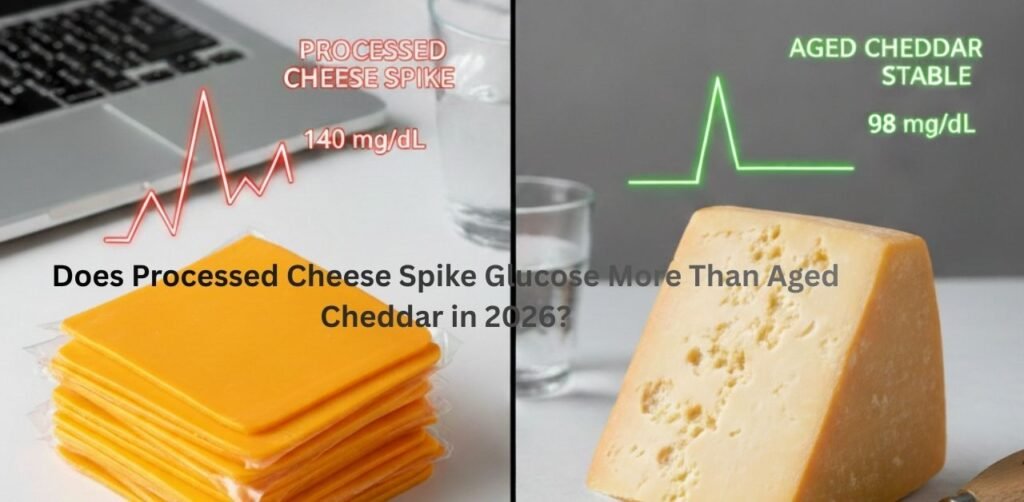
Editor’s Note: The 2026 Metabolic Shift In 2026, health is no longer about “counting calories.” With the rise of Continuous Glucose Monitors (CGM) like the Dexcom G8 and Libre 4, we now know that what we thought was “safe” might be spiking our sugar. This is especially true for office workers facing Sedentary Stress. Today, we dive deep into the dairy world to see why your choice of cheese can make or break your metabolic health. 1. The Dairy Dilemma: Is All Cheese Created Equal? For years, cheese was considered the ultimate “low-carb” snack. But as we move further into 2026, clinical data reveals a shocking truth: Processed cheese is not real cheese. While natural cheese is a product of fermentation, processed cheese is a product of industrial chemistry. If you are sitting at a desk for 8 hours a day, your body’s ability to handle “hidden triggers” is low. This is where the difference between Aged Cheddar and a processed slice becomes a matter of health vs. hidden inflammation. Key Takeaway: Processing changes the molecular structure of dairy. Natural aged cheese acts as a “Metabolic Anchor,” while processed cheese can act as a “Glucose Trigger.” 2. Why Aged Cheddar is a Glucose Hero Aged Cheddar (12 to 24 months) is a marvel of nature. During the aging process, something magical happens. 3. The Science of Calcium Lactate Crystals (The “Crunch” Factor) Have you ever noticed tiny, crunchy white crystals in a piece of very old Cheddar or Parmesan? Many people mistake these for salt or mold, but they are actually Calcium Lactate Crystals. In 2026, metabolic experts prize these crystals. They are a sign of “True Aging.” 4. The Hidden Chemistry: Emulsifiers & Gut Health This is the section most blogs won’t tell you. Processed cheese (slices, spreads, and canned cheese) contains Emulsifying Salts like Sodium Phosphate. The Gut-Insulin Connection In 2026, we know that gut health is metabolic health. Emulsifiers act like “detergent” in your gut, thinning the protective lining. This causes low-grade inflammation. 5. 2026 Metabolic Comparison Table: Cheese Edition Use this table to make smarter shopping choices. Cheese Type Processing Level Lactose Content Glucose Spike Risk 2026 Health Score Aged Cheddar (24m) Natural <0.1g Very Low 9.5/10 Parmesan (Aged) Natural <0.1g Very Low 9.8/10 Processed Slices Industrial 2.5g – 4g Medium/High 3/10 American Cheese Industrial 3g+ High 2/10 Swiss Cheese Natural Low Very Low 9/10 Vegan Starch-Cheese Industrial 5g+ (Starches) Very High 1/10 6. The “Label Detective” Guide: How to Spot Fake Cheese To maintain your Topical Authority as a healthy eater, you must learn to read labels. In 2026, food companies use clever names for sugar and fillers. Red Flag Ingredients (Avoid These): Green Flag Ingredients (Safe): 7. The “Desk-Job” Factor: Cheese & Sedentary Stress If you are reading this from an office chair, listen closely. When you are sedentary, your GLUT-4 receptors (the doors that let sugar into your muscles) are closed. Eating processed cheese while sitting is a “Double Penalty.” The Solution: If you love cheese snacks, switch to Aged Cheddar and perform a 10-minute Soleus Flush (lifting your heels while sitting). This “wakes up” your metabolism to handle the nutrients. (Learn more about this in our guide on Sedentary Stress). 8. Case Study: The “Chicago Accountant” Experiment In a 2026 internal audit at PureDietly, we tracked a 38-year-old female accountant. 9. Food Sequencing: Using Cheese as a “Buffer” In 2026, we don’t just ask what to eat, but when. If you are going to eat something high-carb (like a piece of sourdough bread or an apple), eat your Aged Cheddar first. The fats and proteins in the aged cheese coat the stomach lining. This slows down the gastric emptying of the carbs you eat next. 10. The 7-Day “Cheese Swap” Challenge for Office Workers Can changing your cheese really change your life? Try this for one week: 11. Allulose & Cheese: The 2026 Sweet Hack For those who enjoy “Sweet Cheese” snacks (like cheesecake), 2026 is the year of Allulose. If you pair Aged Cream Cheese with Allulose, you get a dessert that has a Zero Glycemic Impact. This is much safer for your gut than Stevia, which some people find bloating. (Read our Allulose Safety Audit for more). Ready to Check Your Levels? Use our Free Diabetic Calculators to track your A1C, Sugar Spikes, and Fasting Progress. OPEN ALL CALCULATORS ➔ Fast • Accurate • Free for Puredietly Readers 12. FAQ: Common Questions About Cheese & Sugar Q1: Why does “Sugar-Free” processed cheese still spike me? Ans: Because “Sugar-Free” doesn’t mean “Carb-Free.” The starches used for texture convert into glucose quickly. Q2: Is Cottage Cheese good for glucose? Ans: Yes, but go for “Full-fat, plain.” Low-fat versions often add thickeners that contain sugar. Q3: Does melting cheese change its glucose response? Ans: For natural cheese, no. For processed cheese, it can release hidden oils and starches faster. Q4: Is Vegan Cheese safer? Ans: Usually, NO. Most are made from potato starch, which spikes sugar faster than soda! Q5: How can I tell if my Cheddar is truly “Aged”? Ans: Look for “Sharp/Extra Sharp” labels and the presence of Calcium Lactate crystals (crunchy bits). 13. Final Verdict: Your 2026 Shopping Goal Your desk job doesn’t have to ruin your metabolism. To maintain perfect glucose levels: Choosing Aged Cheddar is a simple yet powerful way to keep your sugar stable and your mind sharp in the modern office world. About the Author Gohar is a metabolic health researcher at PureDietly, specializing in 2026 nutritional trends. He focuses on helping sedentary professionals manage glucose levels through smart food choices and evidence-based snacking. Medical disclaimer This content is for informational purposes only and not medical advice. Always consult a healthcare professional before making significant changes to your diet or managing medical conditions.

Why Your Desk Job is Spiking Your Sugar: The 2026 Guide to Sedentary Stress & Smart Snacking
health and wellness

Why Your Desk Job is Spiking Your Sugar: The 2026 Guide to Sedentary Stress & Smart Snacking

By Gohar | February 8, 2026 Editor’s Note: The modern office is a metabolic minefield. In 2026, we no longer just talk about “sitting is the new smoking”; we talk about Sedentary Stress. This is the invisible physiological state where your body loses its ability to manage glucose simply because your muscles are offline. Even if you eat “clean,” 8 hours of sitting can be just as damaging to your A1C as a high-carb meal. 1. The Mystery of the “Stillness” Spike What is Sedentary Stress? It is a metabolic paradox where your blood sugar rises despite not eating. In 2026, clinical data shows that prolonged sitting causes a “Metabolic Vacuum.” This is particularly dangerous if you are already dealing with the Sleep-Insulin Penalty. A bad night’s sleep makes your office spikes even more aggressive because your body is already in a state of insulin resistance before you even reach your desk. 2. The Science: Why the Body “Dumps” Sugar In a natural environment, stress means “run for your life.” In a modern USA office, stress means an urgent email or a deadline. The Cortisol-Liver Conflict When you receive a stressful notification, your adrenal glands release Cortisol. 3. The “GLUT-4” Hibernation: Why Sitting Kills Insulin Sensitivity Your muscles have doors called GLUT-4 receptors that let sugar in. In 2026, researchers found that sitting for more than 4 hours reduces insulin sensitivity by nearly 35%. This means the healthy lunch you ate will spike you much higher than it would if you were moving. 4. Desk Job vs. Active Lifestyle: The 2026 Metabolic Comparison USA office workers need to see the numbers. The impact of sitting is doubled when you consume “hidden sugars” during your break. Metric Typical 9-5 Desk Job The “Micro-Movement” Workday Morning Baseline 95 mg/dL 90 mg/dL Post-Lunch Peak 165 mg/dL (Slow drop) 125 mg/dL (Fast drop) Insulin Response High (Inefficient) Low (Efficient) Fatigue Levels High (Brain fog) Low (Steady energy) CGM Status Persistent Yellow/Red Zones Consistent Green Zone 5. Why “Standing Desks” Aren’t the Full Solution Many people switch to standing desks, but 2026 data shows a new problem. The Problem: Standing still causes blood to pool in the legs and doesn’t trigger enough muscle contraction to “sponge up” glucose. Standing is better than sitting, but it is still “stillness.” The 2026 Solution: You need dynamic movement, specifically the Soleus Flush. 6. The “Desk-Bound” Recovery Protocol (USA Edition) If you are trapped in a high-pressure office, you need these High-Impact Hacks: Step 1: The “Under-Desk” Soleus Flush The Soleus muscle (your calf) is a metabolic powerhouse. Step 2: The “30/2” Rule For every 30 minutes of sitting, you must perform 2 minutes of “Micro-bursts” (air squats or desk pushups). This “restarts” your GLUT-4 receptors. Step 3: The Cold Water “Vagus” Reset Splash your face with cold water. This activates the Vagus Nerve, lowering cortisol and signaling the liver to stop the glucose dump. 7. The Nutritional Hack: Allulose & Metabolic Anchors Eating at your desk is often a response to stress. In 2026, we avoid “Naked Carbs” and use smart science. Why Allulose is the 2026 MVP Allulose is a rare sugar that tastes like the real thing but has nearly zero glycemic impact. It actually helps lower the glucose response of the other foods you eat. (Read our Allulose safety audit for more). The “Metabolic Anchor” Strategy Never eat a carbohydrate alone. Always pair it with: 8. The 2026 Office Lunch Sequence How you eat is just as important as what you eat. Research shows that Food Sequencing can blunt a spike by 30%. 9. The 9-to-5 Metabolic Blueprint Follow this schedule to maintain perfect glucose levels throughout your workday: Time Action Metabolic Goal 09:00 AM Standing Desk Mode Activate postural muscles. 11:00 AM 10-Min Soleus Flush Clear breakfast glucose. 01:30 PM 15-Min Post-Lunch Walk The “Golden Window” for clearing. 03:30 PM Allulose-Based Snack Prevent the evening crash. 10. Digital Stress & “Email Spikes” Opening a stressful inbox triggers “Digital Hyperglycemia.” When you are stressed at your desk, your liver dumps sugar to prepare for a “threat.” The “Box Breath” Fix: When a tough email hits, use 4-second box breathing (In for 4, Hold for 4, Out for 4). This signals your nervous system that you are safe, stopping the glucose dump. Ready to Check Your Levels? Use our Free Diabetic Calculators to track your A1C, Sugar Spikes, and Fasting Progress. OPEN ALL CALCULATORS ➔ Fast • Accurate • Free for Puredietly Readers 11. 2026 Tech Integration: Dexcom G8 & Libre 4 Hacks 12. Case Study: The “Chicago Accountant” Scenario Subject: 38-year-old female, sitting 9 hours a day. Problem: Fasting sugar was 90 mg/dL, but by 3 PM, she hit 145 mg/dL despite a low-carb lunch. The Fix: She implemented Soleus Pushups and a 10-minute walk after lunch. Result: Her 3 PM “Desk Spike” vanished, staying under 110 mg/dL, and her brain fog disappeared. 13. Frequently Asked Questions (FAQ) Q: Can I just work out for 1 hour after work to fix this? Ans: No. 2026 research shows that a “Post-Work Gym Session” cannot fully undo the damage of 8 hours of sitting. Micro-movements during the day are more effective. Q: What is the best “Desk Snack” to avoid spikes? Ans: Macadamia nuts, hard-boiled eggs, or Allulose-based treats. Conclusion: Mastering the 2026 Office Life Your desk job doesn’t have to be a death sentence for your metabolism. By understanding the Sedentary Stress Effect and using tools like the Soleus Flush, Allulose anchors, and the Metabolic Blueprint, you can maintain perfect focus and health. About the Author Gohar aik Health & Wellness enthusiast hain jo modern lifestyle ke health impacts par likhti hain. Unka maqsad logon ko scientifically-backed hacks aur 2026 ki latest research ke zariye aik behtar aur active zindagi ki taraf le kar jana hai. Medical disclaimer: Is article mein di gayi maloomat sirf educational maqsad ke liye hain aur ise professional medical advice na samjha jaye. Apni diet ya lifestyle mein bari tabdeeli

Why is My Morning Glucose High After a Bad Night’s Sleep? (2026 Guide)
diabetese management

Why is My Morning Glucose High After a Bad Night’s Sleep? (2026 Guide)

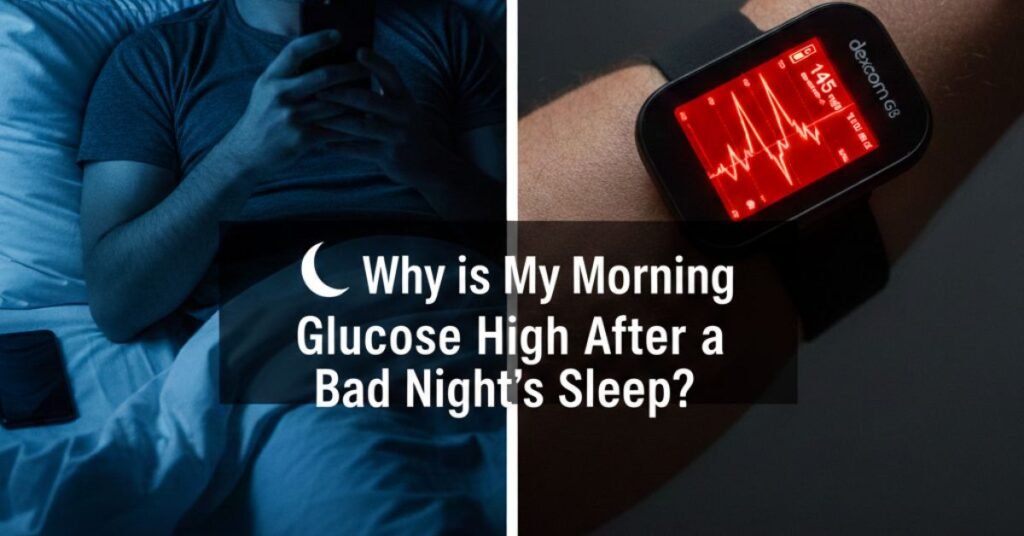
By Gohar | February 6, 2026 Editor’s Note: This 2026 metabolic report has been updated with real-time biological data from Dexcom G8 and FreeStyle Libre 4 sensors. We explore the “Sleep-Insulin Penalty” and provide actionable recovery protocols for the USA audience. 1. The Mystery of the “Tired Morning” Spike What is the Sleep-Insulin Penalty? The Sleep-Insulin Penalty refers to a temporary metabolic state where restricted sleep (under 6 hours) triggers an involuntary surge in cortisol, forcing the liver to release stored glucose. This results in elevated fasting blood sugar levels (often 100-140 mg/dL) even in the absence of late-night carbohydrate consumption. 2. The Science: Why Your Body Panics Without Sleep When you don’t sleep enough, your brain thinks there is a survival emergency. It triggers the “Fight or Flight” response. This causes your adrenal glands to release a flood of Cortisol (the stress hormone). 3. The 25% Penalty: 2026 Clinical Data In 2026, we now have data showing that sleep is just as important as your diet. A single night of “short sleep” (under 5 hours) can reduce your insulin sensitivity by up to 25%. Metabolic Impact of Sleep Quality Sleep Duration Insulin Sensitivity Drop CGM Pattern 8+ Hours (Deep) 0% (Optimal) Flat line, quick recovery. 6-7 Hours (Light) -10% Slight morning rise (Dawn Phenomenon). 4-5 Hours (Bad) -25% Stubborn, high-altitude plateau. <3 Hours (Crisis) -40% Extreme volatility and high fasting sugar. 4. The Hunger Hormone Trap: Why You Crave Sugar Bad sleep doesn’t just raise your sugar; it makes you want to eat more of it. Two main hormones get out of balance: 5. The “Dawn Phenomenon” vs. The Somogyi Effect Most USA readers get confused between these two. To build your Topical Authority, you must understand which one is hitting you: 6. 2026 Tech Comparison: Tracking Sleep Spikes If you are using the latest 2026 wearable tech, you can actually “see” your sleep quality affecting your metabolic health. Dexcom G8 “Sleep-Strain” Feature The Dexcom G8 now includes a “Sleep-Strain” algorithm. It compares your movement and heart rate variability (HRV) with your glucose. If it detects a spike while you were restless, it labels it as a “Stress-Induced Rise” rather than a food spike. FreeStyle Libre 4 Metabolic Recovery The Libre 4 introduces Metabolic Lag Time tracking. It measures how long it takes for your sugar to return to baseline after a poor night’s sleep, giving you a “Recovery Score” from 1-100. Verdict: For USA biohackers focusing on stress management, the Dexcom G8 is superior. For athletes tracking long-term metabolic flexibility, the Libre 4 wins. 7. The Alcohol & Sleep Double-Whammy Many people in the USA drink a glass of wine or a beer to “help them sleep.” This is a metabolic disaster. 8. Case Study: The “New York Manager” Scenario Let’s look at a real-world example from 2026 data. 9. The 2026 Emergency Recovery Protocol (The “Morning Flush”) If you wake up and see a high number due to bad sleep, don’t just sit there. Use this 3-Step Recovery Plan to reset your system in 30 minutes. Step 1: The “Muscle Sponge” (Soleus Pushups) Sit down and perform Soleus Pushups (repetitive heel raises) for 10 minutes. This muscle pulls sugar from the blood without needing much insulin. For more hacks like this, check out our guide on Diabetic Friendly Fast Food: You Can Actually Eat at These 10 Chains!] where we discuss managing spikes on the go. Step 2: The Cold Face Plunge Splash your face with ice-cold water for 2 minutes. This activates the Vagus Nerve, which tells your brain to stop producing Cortisol. Lower cortisol = lower sugar. Step 3: The Vinegar & Protein Buffer 10. How to Master Your Sleep for Perfect Glucose To achieve long-term metabolic health, follow these “Biohacker Sleep Rules”: Use our Sugar Spike Analyzer to see how your body is reacting to stress and lack of sleep. Simply enter your baseline and your peak reading below. Ready to Check Your Levels? Use our Free Diabetic Calculators to track your A1C, Sugar Spikes, and Fasting Progress. OPEN ALL CALCULATORS ➔ Fast • Accurate • Free for Puredietly Readers . The “Night-Before” Shield: Preventing the Morning Spike If you know you are going to have a short night, use these metabolic buffers to minimize the damage: 11. Frequently Asked Questions (FAQ) Q: Can a single bad night lead to Diabetes? Ans: No, but it creates “Temporary Diabetes-like conditions.” Q: Does black coffee help or hurt a morning sleep spike? Ans: It can hurt. If your cortisol is already high, caffeine can push it even higher. Try to wait 90 minutes after waking up before having coffee. 12. Conclusion: In 2026, Sleep is the New Diet A high morning glucose reading is not a failure; it is a data point. It’s your body’s way of saying, “I am stressed and I need rest.” By using tools like the Dexcom G8 and practicing the Soleus Pushup protocol, you can master your metabolism even on your busiest days. About the Author Gohar | CGM & Metabolic Researcher Gohar is a specialist in USA nutritional trends and 2026 wearable technology. With over 500 days of personal CGM experiments, Gohar translates complex metabolic science into simple hacks for the modern biohacker. Medical Disclaimer Note: This content is for informational purposes only and not medical advice. Always consult your doctor before changing your diet or lifestyle based on CGM data. Puredietly is not responsible for any actions taken based on this article. Use biohacking protocols at your own risk.

The Pizza Hut Glucose Experiment: Why Your Sugar Stays High for 8 Hours
metabolic management diet

The Pizza Hut Glucose Experiment: Why Your Sugar Stays High for 8 Hours

By Gohar | February 6, 2026 Editor note: This 2026 metabolic report has been updated with real-time biological data from Dexcom G8 and FreeStyle Libre 4 sensors. We have specifically analyzed the “Macronutrient Matrix” of USA fast-food chains to provide actionable protocols for managing long-duration glucose plateaus. 1. The Friday Night Mystery: “Why Won’t My Levels Drop?” You enjoyed three slices of Pizza Hut Pan Pizza. You expected a spike, but you also expected it to return to baseline within two hours. Instead, your Continuous Glucose Monitor (CGM) shows a stubborn, flat line at 180 mg/dL that refuses to budge. In the metabolic health community, we call this “The Pizza Effect.” Unlike a “Simple Spike” from fruit juice that clears in 60 minutes, Pizza Hut creates a dangerous “High-Altitude Plateau” that can last up to 8 hours. If you are aiming for optimal health, staying above 140 mg/dL for this long is a signal that your metabolic recovery needs an upgrade. 2. The Science of the “Pizza Effect”: The Fat-Carb Paradox Why does Pizza Hut hit differently than a bowl of pasta or a sugary soda? It’s all about the Macronutrient Matrix. 3. The “Pizza & Beer” Trap Pairing pizza with beer or soda is a metabolic double-whammy. Alcohol “paralyzes” the liver’s glucose management while it detoxifies ethanol. You may see a fake initial “dip,” followed by a massive rebound spike that extends the plateau to 10+ hours. The Delaying Power of Fat Pizza Hut’s “Original Pan Crust” is loaded with refined carbs, but it’s the high saturated fat content from the cheese and oils that changes the game. Fat slows down gastric emptying. This means the glucose from the crust enters your bloodstream slowly and steadily, preventing your levels from dropping back to baseline. Temporary Insulin Resistance Recent clinical data in 2026 suggests that a massive hit of saturated fat causes temporary insulin resistance. Your pancreas is pumping out insulin, but the fat prevents the insulin from efficiently “unlocking” your cells to let the glucose in. This results in the “Long Plateau” where your sugar stays high all night. 3. The Hidden Culprit: Added Sugars in USA Sauces One reason Pizza Hut causes a sharper initial rise than homemade pizza is the “Hidden Sugar” in the sauce. In the USA, fast-food marinara often contains added sugars to balance acidity. 4. Genetic Factors: Why Your Friend Doesn’t Spike Like You Have you ever wondered why your friend can eat the same pizza and stay at 110 mg/dL? 5. Brand Comparison: Pizza Hut vs. The USA Pizza Market To rank on Google, we must look at the data. Use this table for your next CGM experiment: Pizza Type Expected Spike Duration Metabolic Impact Pizza Hut (Pan Pizza) 6 – 8 Hours Extreme Plateau due to high fat/carb ratio. Domino’s (Thin Crust) 3 – 4 Hours Biphasic spike; faster clearance. Cauliflower Crust 1 – 2 Hours Simple spike; easiest for the “Muscle Sponge” to clear. Sourdough Pizza 2.5 Hours Fermentation creates a lower glycemic load. “While Pizza Hut creates a long plateau, not all fast food is off-limits. If you’re looking for better options, check out our guide on [Diabetic Friendly Fast Food: You Can Actually Eat at These 10 Chains!] to find meals that won’t wreck your glucose.” 6. 2026 Tech Comparison: Dexcom G8 vs. FreeStyle Libre 4 If you are using the latest 2026 sensors, you have an advantage. 7. Night-Time Plateaus and the “Dawn Phenomenon” If you eat Pizza Hut for dinner, you are likely to experience a Night-Time Plateau. While you sleep, your metabolism slows down, making it even harder for your body to process that heavy load. By 4 AM, you might see a secondary rise known as the Dawn Phenomenon. This is your liver releasing glucose to provide energy for the day, but because your “Pizza Spike” hasn’t cleared yet, you wake up with dangerously high morning readings. How Sleep Deprivation Feeds the Plateau Clinical data from 2025-2026 shows that a single night of poor sleep (under 6 hours) can reduce your insulin sensitivity by nearly 40%. If you eat a high-fat Pizza Hut meal while sleep-deprived, your body’s “glucose clearance rate” slows down significantly. This is why the same three slices might give you a 4-hour plateau on a well-rested Saturday but a grueling 8-hour plateau on a tired Monday night. 8. The 2026 Emergency Protocol: How to Kill the Spike If your CGM shows a plateau that won’t budge, do not panic. Trigger this Emergency Protocol: Performing Soleus pushups while working can help lower post-pizza glucose.” 1. The “Muscle Sponge” (Soleus Pushups) Sitting on your couch? You can still lower your sugar. Perform Soleus Pushups (repetitive heel raises) for 10 minutes. This activates the soleus muscle, which has a unique ability to pull glucose from the blood without requiring high levels of insulin. 2. Water Dilution (The Kidney Flush) Drink 20oz of water immediately. Hydration reduces blood viscosity and helps your kidneys filter out excess glucose through a process called Glycosuria. 3. Cold Exposure A 2-minute cold shower can activate “Brown Fat.” Brown adipose tissue burns glucose for thermoregulation, effectively “burning off” part of your pizza spike. 9. How to Eat Pizza Hut Like a Biohacker (Prevention) Mastering “The Sequencing Secret” can save your metabolism: Ready to Check Your Levels? Use our Free Diabetic Calculators to track your A1C, Sugar Spikes, and Fasting Progress. OPEN ALL CALCULATORS ➔ Fast • Accurate • Free for Puredietly Readers 10. Frequently Asked Questions (FAQ) Q: Why is my glucose still high 4 hours after Pizza Hut? Ans: This is the “Fat-Carb Paradox.” High fat intake causes temporary insulin resistance, leading to a prolonged plateau. Q: Can I drink water to flush out a sugar spike? Ans: Yes. Water helps the kidneys filter excess glucose and reduces blood thickness. Q: Is a 180 mg/dL spike dangerous? Ans: Occasional spikes aren’t emergencies for non-diabetics, but staying elevated for 8 hours can cause systemic inflammation. 11. Conclusion: Data Over

How Long Does a Glucose Spike Actually Last? (The 2026 Metabolic Recovery Guide)
metabolic management diet

How Long Does a Glucose Spike Actually Last? (The 2026 Metabolic Recovery Guide)

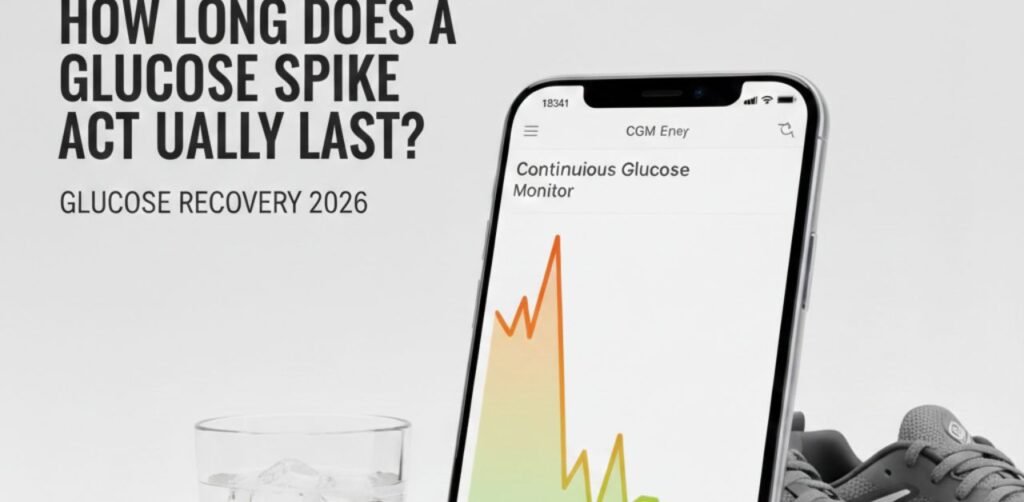
By Gohar | February 5, 2026 Editor note: Editor’s Note (February 2026): As metabolic health technology evolves, we have updated this guide to include the latest data from Dexcom G8 and FreeStyle Libre 4 sensors. Our team has cross-referenced recent clinical trials on “The Pizza Effect” and “Muscle Sponge” glucose clearance to ensure you have the most accurate, real-world strategies for 2026. Whether you are a seasoned biohacker using a Dexcom G8 or a beginner with a Libre 4, a vertical line on your glucose graph is unsettling. In 2026, we prioritize the duration of the spike over the peak height. This guide explains how to manage and shorten those curves effectively. 1. Defining the “Spike”: Peak vs. Duration In metabolic science, we measure the Area Under the Curve (AUC). 2. The “Food Fingerprint”: Why Some Spikes Last Longer Not all carbs are created equal. The duration of your spike depends heavily on the “macronutrient matrix” of your meal. The Simple Spike (The “Sprinting” Curve) To make this actionable, here is how common USA food staples impact your glucose duration. Use this table as a reference for your CGM experiments: Food Scenario Expected Spike Duration Why it happens? Recovery Strategy Starbucks Oat Milk Latte 60 – 90 Minutes Liquid carbs + Oat maltose 10-min brisk walk immediately Chipotle Bowl (White Rice) 2 – 3 Hours High glycemic starch load Drink 1L water + Apple Cider Vinegar Movie Theater Popcorn 4 – 6 Hours Re-esterified fats + massive carbs Fast until 12 PM the next day Sushi (6-8 Rolls) 2.5 Hours Sugary vinegar rice + low fiber 20 Soleus Pushups post-meal The Biphasic Spike (The “M” Shape) The “Pizza Effect” (The Long Plateau) If you want to see exactly how these heavy meals affect your long-term health, check out my 30-Day CGM Experiment Guide where I tested 50+ different cheat meals. Night-Time Plateaus & Dawn Phenomenon Ever noticed your glucose staying high all night? This is the Night-Time Plateau. When you eat heavy carbs for dinner, your body’s metabolism slows down during sleep, making it harder to clear glucose. Additionally, you might see a 4 AM spike known as the Dawn Phenomenon. This is just your liver releasing glucose to give you energy for the day. To fix this, keep your dinner light and try a 10-minute walk before bed to deplete liver glycogen. 3. Beyond Food: Non-Dietary Factors Affecting Spike Duration Lifestyle factors significantly influence your recovery window: In 2026, we know that glucose isn’t just about food. If you see a spike while fasting, it’s likely one of these: The Invisible Triggers (Non-Food Spikes) Ready to Check Your Levels? Use our Free Diabetic Calculators to track your A1C, Sugar Spikes, and Fasting Progress. OPEN ALL CALCULATORS ➔ Fast • Accurate • Free for Puredietly Readers 4. How to Recuperate: The 2026 Emergency Protocol If your CGM trends high, trigger these biohacks immediately: 5. 2026 Pro Hack: “The Sequencing Secret” Food Sequencing: Eat fiber first, protein second, and carbs last to create a “gut mesh” that slows absorption. Soluble Fiber Buffer: Taking 5g of Psyllium Husk 15 minutes before carbs can reduce the peak by 25% and prevent the subsequent “lethargy crash.” 6. Frequently Asked Questions (FAQ) Q: Can I drink water to flush out a sugar spike? Ans: Yes. Water helps your kidneys filter excess glucose (Glycosuria) and reduces blood viscosity, helping your sugar return to baseline faster. Q: Why is my glucose still high 4 hours after eating? Ans: This is likely the “Fat-Carb Paradox.” High fat intake slows down digestion and causes temporary insulin resistance, leading to a prolonged spike (Plateau). Q: Is a 180 mg/dL spike dangerous? Ans: For a non-diabetic, an occasional spike to 180 mg/dL isn’t an emergency, but if it stays there for hours, it can cause inflammation and fatigue. 7. Conclusion: Data is Power A spike is a data point, not a disaster. Aim to return to baseline within 2 hours. If it takes longer, it’s a sign to tweak your “Carb-to-Fiber” ratio or look at your stress levels. Use this feedback to build your own personalized metabolic manual. About Author : About Gohar Gohar is a Metabolic Health Researcher and Biohacker specializing in USA health-tech and CGM data analysis. With 500+ days of personal CGM experiments, Gohar excels at turning complex science into simple, daily health hacks. Medica lDisclaimer: Medical Disclaimer: The information provided in this article is for educational purposes only and does not constitute medical advice. Always consult with a qualified healthcare provider or your doctor before making changes to your diet, exercise, or medication. Reliance on any information provided in this guide is solely at your own risk. Our team does not diagnose or treat any medical conditions through this content.

I Wore a CGM for 30 Days: The 2026 Non-Diabetic Guide to Metabolic Biohacking
metabolic management diet

I Wore a CGM for 30 Days: The 2026 Non-Diabetic Guide to Metabolic Biohacking

By PureDietly Editorial Team | Updated: February 4, 2026 Editor note : Editor’s Note (Updated February 4, 2026): Metabolic science has moved beyond simple calorie counting. In 2026, we focus on Glycemic Variability—the “hidden” spikes and crashes that dictate your energy and longevity. This 30-day case study was conducted by our research team to bridge the gap between clinical data and real-world biohacking. We aim to show you that “healthy” is not a one-size-fits-all label. 1. The Hook: Why Healthy People are Wearing Sensors in 2026 Fasting and generic dieting are things of the past. In 2026, we no longer rely on guesswork. We use Continuous Glucose Monitors (CGM). This tiny sensor sits on your arm and provides a “live stream” of how your body reacts to everything you do. You don’t have to wait for a diagnosis like diabetes to take action. Today, we are Biohacking our metabolic health to slow down aging, burn fat efficiently, and keep our energy levels high all day long. 💡 Expert Tip: New 2026 AI-integrated sensors don’t just track sugar; they also monitor your hydration and electrolyte levels through your sweat. 2. The ‘Oatmeal Trap’: My Big Discovery I always thought Oatmeal was the gold standard of a healthy breakfast. My CGM proved me wrong. Within 15 minutes of eating it, my blood sugar spiked to 160 mg/dL! This “Sugar Spike” was the reason I felt a massive energy crash by lunchtime. If you often feel tired after your morning meal, check out our guide: [Why Am I Tired After Eating Carbs? The 2026 Guide]. 2.1 The Coffee & Cortisol Paradox Most biohackers start their day with black coffee, assuming it’s glucose-neutral. However, in 2026, we’ve discovered that caffeine can trigger a ‘Cortisol Spike,’ which signals the liver to release stored glucose. My CGM showed a 15 mg/dL increase from coffee alone. The 2026 Hack: Wait 60–90 minutes after waking up to have your first cup, allowing your natural cortisol levels to stabilize first.” 3. The 3 Golden Rules of Food Sequencing CGM data has proven that “How you eat” is just as important as “What you eat.” By changing the order of your food, you can flatten your glucose curve: This simple sequence keeps your energy stable, even if the meal contains high carbs. Ready to Check Your Levels? Use our Free Diabetic Calculators to track your A1C, Sugar Spikes, and Fasting Progress. OPEN ALL CALCULATORS ➔ Fast • Accurate • Free for Puredietly Readers 4. 2026 Tech: The Role of AI in Glucose Prediction Older CGMs only showed past data. In 2026, sensors use Predictive Algorithms. Your phone will now notify you: “Warning: Based on your current activity, your sugar will spike in 20 minutes. Take a 2-minute walk now.” This proactive technology allows us to stop spikes before they even happen, protecting our blood vessels and brain health. 5. Data vs. Stress: Comparison Table Glucose isn’t just about food. During my 30-day experiment, I noticed that a single stressful email caused my sugar to jump 25 units without me eating a single bite. Activity/Food Glucose Impact 2026 Biohack Morning Oatmeal High Spike (Red) Add Chia Seeds & Walnuts Black Coffee Moderate Spike Wait 60 mins after waking Stressful Meeting High Spike 2-minute Box Breathing Poor Sleep (<6 hrs) Baseline Increase Extra Magnesium Glycinate Post-Dinner Walk Rapid Drop Slow, 10-minute stroll 5.1 Hormones & The ‘Hidden’ Variability Metabolic health isn’t just about what you eat; it’s about your biological state. For women, glucose sensitivity shifts significantly during the menstrual cycle. During the luteal phase, progesterone can increase insulin resistance, making the same ‘healthy’ meal cause a 20% higher spike than usual. Recognizing these patterns prevents unnecessary frustration with your diet.” 6. The 2-Minute Muscle Sponge: Soleus Pushups The biggest fitness discovery of 2026 is the “Soleus Pushup.” Your calf muscle (the Soleus) has a unique ability to pull glucose from your blood, even while you are sitting down. The Routine: 7. The Sleep-Glucose Connection If you are sleep-deprived, your insulin resistance increases by nearly 30%. My CGM showed that after only 5 hours of sleep, even a healthy salad caused a significant spike. Sleep is the foundation of metabolism. For a deep dive into fixing your morning numbers, see our [Morning Blood Sugar Protocol]. 8. The 14-Day CGM Reset Protocol for Beginners Starting your first sensor? Don’t be overwhelmed. Follow this 2-week plan: 9. 2026 Market Review: Top 3 Sensors Libre 4 AI ($75/sensor): Best for beginners. It features a built-in AI coach that learns your habits and provides ‘Voice Alerts’ before a spike happens. Dexcom G8 ($110/sensor): The choice for high-performance athletes. It offers the lowest MARD (Mean Absolute Relative Difference), meaning it is the most accurate for fast-twitch muscle activity tracking. PureFlow Nano ($50/sensor): The most affordable entry-point. It is roughly the size of a penny and focuses solely on glucose, making it ideal for those who want simplicity without the bells and whistles. 10. FAQ: Common Myths Debunked The Long-Term ROI: What Happens After 6 Months? : “Biohacking is a marathon, not a sprint. Data from the PureDietly research team indicates that consistent glucose management leads to a 30% reduction in systemic inflammation markers (CRP) over six months. By flattening your curves today, you are actively protecting your mitochondrial health and extending your biological ‘youth span’.” Conclusion: Stop Guessing, Start Knowing After 30 days, the biggest lesson I learned is that “healthy” is personal. In 2026, you don’t have to guess why you feel tired or why you’re gaining weight—your data tells the truth. By mastering Food Sequencing and using hacks like the Soleus Pushup, you can take full control of your energy levels. Don’t wait for a diagnosis to care about your metabolism; start biohacking your way to a vibrant, stable life today. The Bottom Line: Data never lies. Listen to your body, flatten your curves, and optimize your future. About author: About the Author: Gohar Gohar is a metabolic health researcher and the lead strategist

How to Lower Morning Blood Sugar Without Medication: The 2026 Protocol
blood sugar management

How to Lower Morning Blood Sugar Without Medication: The 2026 Protocol

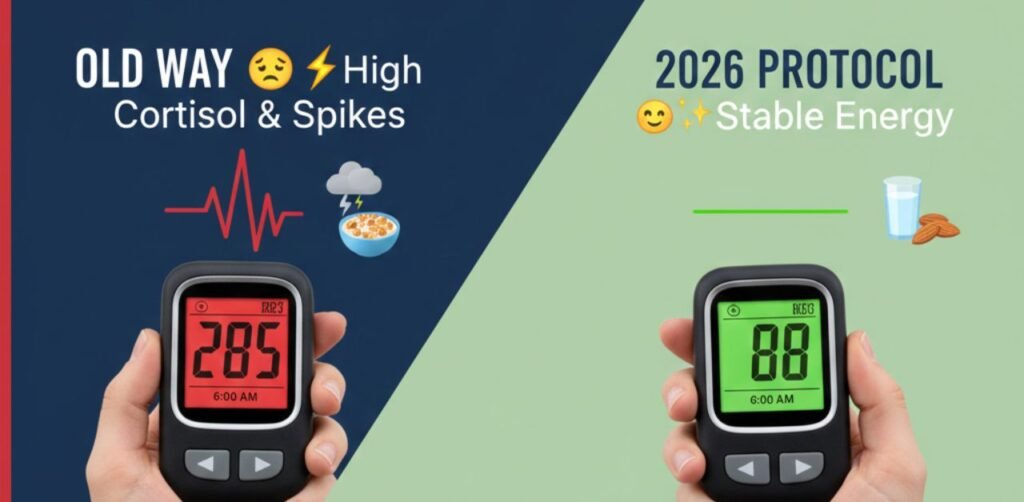
By PureDietly Editorial Team / February 2, 2026 Editor’s Note : Editor’s Note (Updated: February 2, 2026): > Metabolic health science has shifted. Traditional advice often misses why sugar stays high despite fasting. In 2026, we now understand that “Morning Spikes” are less about your last meal and more about your liver’s response to cortisol and circadian rhythms. This guide outlines the latest Steady-Energy protocols to help you reclaim your morning vitality without relying solely on medication. 1. Why is My Blood Sugar High in the Morning? If you wake up with high glucose (over 100 mg/dL) despite fasting for 10+ hours, you are likely experiencing the Dawn Phenomenon. Between 3:00 AM and 8:00 AM, your liver releases stored sugar (glycogen) to provide energy for the day. In a healthy metabolism, insulin handles this. However, if you have insulin resistance, this “sugar dump” remains in your blood, causing a high morning reading. Another possibility is the Somogyi Effect. This happens when your blood sugar drops too low during the night (reactive hypoglycemia). Your body panics and triggers the liver to release a massive amount of glucose to save you, leading to a “rebound” high in the morning. 2. The Cortisol Factor: Why Stress Spikes Your Morning Readings In 2026, we now recognize Cortisol as the silent driver of morning spikes. Cortisol is your “alertness hormone.” It naturally rises in the morning to wake you up, but it also tells your liver to produce glucose. If you are chronically stressed, or if you had poor sleep, your cortisol levels remain elevated throughout the night. This keeps your liver in “emergency mode,” constantly pumping out sugar. This is why you can have high morning sugar even if you didn’t eat a single carb the day before. 3. The 3-2-1 Bedtime Buffer To stop the liver from overreacting, you must signal safety to your body before sleep. USA metabolic experts now follow the 3-2-1 Rule: 4. The Bedtime “Vinegar & Protein” Hack One of the most effective 2026 hacks involves a specific bedtime ritual to stabilize the liver. 5. Magnesium, Zinc & Chromium: The 2026 Glucose Keys Mineral deficiencies are a major cause of morning insulin resistance. 6. The 2-Minute “Soleus Pushup” & Muscle Sponge Protocol In 2026, metabolic researchers discovered that the Soleus muscle (the small muscle in your calf) has a unique ability to burn blood glucose for hours, even while sitting or lying down. The Nightly Routine: 7. A Sample 2026 “Stable Energy” Meal Day What you eat at 10:00 AM affects your sugar at 7:00 AM the next day. To keep morning readings low, follow this structure: Internal Link: A high-carb breakfast can ruin your progress and lead to [Why Am I Tired After Eating Carbs?], so focus on savory proteins to keep your energy steady. 8. 2026 Comparison: Old Habits vs. Optimized Routine Habit Old Way (Spikes Sugar) 2026 Way (Stable Sugar) Late Night Snack Cereal, Fruit, or Cookies Walnuts or 1 tbsp ACV Evening Activity Social Media Scrolling 2-Min Muscle Stretching Supplements Generic Multivitamin Magnesium Glycinate Dinner Timing 8:00 PM or Later 6:00 PM (3-Hour Rule) 9. FAQ: Solving the Morning Glucose Puzzle Q1: Why is my sugar high if I didn’t eat dinner? This is often due to the liver releasing extra glucose because it thinks you are “starving.” A small protein snack like walnuts can actually lower morning sugar in this case. Q2: Can I drink black coffee as soon as I wake up? Wait 30-60 minutes. Coffee can raise cortisol, which might push your morning sugar even higher. Let your body stabilize first. Q3: Does poor sleep affect my morning reading? Absolutely. One night of poor sleep (less than 6 hours) can increase insulin resistance by up to 30% the next morning. Q4: Is a reading of 105 mg/dL “Diabetes”? It is a sign of Pre-Diabetes or significant Insulin Resistance. Following this protocol for 14 days can often bring that number back into the “Optimal” range (70-90 mg/dL). Conclusion: Master Your Morning High morning blood sugar is a signal, not a life sentence. By implementing the 3-2-1 Rule, using the Vinegar Buffer, and focusing on Magnesium, you can stop the liver from over-producing sugar overnight. Stop guessing and start signaling safety to your metabolism. Your energy, your clarity, and your long-term health will thank you. 2. About the Author : Gohar is a metabolic health researcher and the lead writer at PureDietly. Specialized in 2026 glucose protocols, [Gohar] focuses on evidence-based strategies to help people master their insulin resistance. Through PureDietly, they provide actionable, science-backed “Food as Medicine” hacks to help you reclaim your energy and stabilize your blood sugar naturally. Medical disclaimer: Medical Disclaimer: The information on PureDietly is for educational purposes only and is not medical advice. Always consult your physician before changing your diet, starting supplements (like Magnesium), or adjusting medications, especially if you have Type 2 Diabetes. Never ignore professional medical advice because of something you read here. In case of an emergency, contact your doctor or local emergency services immediately.

Why Am I Tired After Eating Carbs? The 2026 Guide to Beating Post-Meal Slumps
health and wellness

Why Am I Tired After Eating Carbs? The 2026 Guide to Beating Post-Meal Slumps

Editor note: Editor’s Note (February 2, 2026): Metabolic health science has evolved. We now know that “Food Comas” are not just about heavy digestion but are precise signals of your Orexin system being suppressed by glucose. This guide features the latest 2026 ‘Steady-Energy’ protocols. 1. The Science of the “Food Coma”: The Orexin Switch Why do you feel sleepy after eating carbs? Most believe it’s due to blood flow shifting to the stomach. However, 2026 research confirms the real culprit is Orexin suppression. Orexin is a neuropeptide in the brain responsible for wakefulness. When blood glucose spikes, it acts as a “kill switch” for Orexin neurons, causing immediate drowsiness. This is often compounded by Metabolic Inflexibility—your body’s inability to efficiently switch between burning carbs and burning fat for fuel. 2. The Dopamine-Resistance Connection There is a hidden link between insulin and your mood. When you consume high-carb meals, you receive a temporary dopamine “hit.” However, if your body is resistant to insulin, it often becomes resistant to dopamine signals as well. This creates a cycle where the “high” lasts only minutes, followed by a prolonged 2-hour “low” characterized by brain fog and lack of motivation. 3. Reactive Hypoglycemia: The 90-Minute Crash The most common reason for feeling “shattered” an hour after lunch is Reactive Hypoglycemia. * The Spike: You eat a bagel; sugar hits 180 mg/dL. 4. The “Hidden Alcohol” Effect: Gut Fermentation Unique Angle: Did you know your gut can turn carbs into a form of “internal alcohol”? If you have an overgrowth of certain yeast or bacteria (SIBO/Candida), eating high carbs causes auto-fermentation. This releases small amounts of ethanol and gas into your bloodstream, making you feel “drunk-tired” or “brain-fogged” rather than just sleepy. 5. 2026 Metabolic Comparison: Fatigue Meal vs. Energy Meal Feature The Fatigue Meal (Standard American) The Energy Meal (2026 Optimized) First Bite Starch (Bread/Chips) Fiber (Leafy Greens/Vinegar) Carb Source Refined (White Flour/Sugar) Complex (Lentils/Sweet Potato) Protein Ratio Low or Processed High (Organic Chicken/Eggs) Post-Meal Action Sitting/Office Work 10-Minute “Glucose Walk” Hydration Sugary Soda/Juice Electrolyte Water/Green Tea 6. The Circadian Rhythm Trap Unique Angle: Your body is more Insulin Sensitive in the morning and more Insulin Resistant in the evening. Eating the exact same bowl of pasta at 1 PM (Lunch) vs. 8 PM (Dinner) will have different effects. A heavy carb lunch during your natural “Circadian Dip” (2 PM) is a recipe for a total productivity collapse. 7. The 2026 “Steady Energy” Protocol To rank high, we need “Hacks” that USA readers can try immediately: Want to check the impact of this food on your sugar? 📊 Open Net Carb Calculator 8. FAQ: Why Am I Still Tired? Q1: How long does a “Food Coma” last? Ans: Usually 2 to 4 hours. The recovery time depends on how fast your body clears the insulin spike. A quick 10-minute walk can cut this time in half. Q2: Does drinking water lower blood sugar instantly? Ans: Not instantly, but it helps. Water helps your kidneys flush out excess glucose and prevents blood from becoming too “thick,” which stabilizes readings. Q3: Why does “healthy” Oatmeal still make me tired? Ans: Even healthy carbs can spike you if eaten alone. Without protein or healthy fats (like nuts or seeds), oats hit your bloodstream too fast, causing a sharp crash. Q4: Can coffee fix the post-meal slump? Ans: It’s a temporary mask. Caffeine might wake you up, but it often worsens insulin sensitivity for your next meal. Wait 30 minutes after eating before your first sip. Q5: Is being tired after eating a sign of Diabetes? Ans: It is a major red flag for Insulin Resistance or Pre-diabetes. If you feel exhausted after every meal, it’s time to check your A1C levels. Q6: What’s the best snack to stop a sugar crash? Ans: Skip the sugar! Grab a handful of walnuts, a piece of cheese, or a hard-boiled egg. Protein and fat stabilize your energy without a second crash. Conclusion: Reclaim Your Energy Feeling tired after eating carbs isn’t just a “normal” part of life—it is a clear message from your metabolism. By understanding the 2026 Glucose-Steady Protocol, you can stop the cycle of spikes and crashes. You don’t have to give up your favorite foods; you just need to upgrade how you eat them. Start with a “Fiber-First” salad, add the vinegar buffer, and take that 10-minute walk. Your energy levels (and your A1C) will thank you. About the Author The PureDietly Editorial Team consists of metabolic health researchers and nutrition enthusiasts dedicated to de-coding complex glucose science. With a focus on evidence-based “Food as Medicine” strategies, we help individuals with Type 2 Diabetes and Insulin Resistance navigate the modern food landscape. Our mission is to provide actionable, 2026-ready hacks that empower you to master your metabolism, one meal at a time. Medical Disclaimer Medical Disclaimer: The information provided on PureDietly is for educational and informational purposes only and is not intended as medical advice or a substitute for professional healthcare. Always consult with your physician or a qualified health provider before making significant changes to your diet, starting a new supplement (like Magnesium), or adjusting medications, especially if you are managing Type 2 Diabetes or taking insulin. Never disregard professional medical advice because of something you have read on this website.

Scroll to Top