
Editor’s Note:
At PureDietly, we believe that nutrition is not a static set of rules, but a dynamic, personal journey. This 2026 audit reviews the bean curd nutritional value through the lens of glycemic velocity and metabolic resilience to help you make informed, data-driven dietary choices. Please note that individual responses to soy can vary; always prioritize your unique Continuous Glucose Monitoring (CGM) data and personal metabolic markers when integrating new protein sources into your protocol.
At PureDietly, we believe in auditing every single food item you put on your plate. Nutrition is not just about counting calories; it is about understanding how food interacts with your biology. If you are currently managing insulin resistance or simply looking to improve your metabolic health, you have likely come across tofu, or “bean curd.”
What is the Real Bean Curd Nutritional Value?
While many people view it as a simple, bland, plant-based protein, in 2026, we categorize it as a “metabolic anchor.” This audit breaks down whether this soy-based staple is a legitimate performance fuel for your body or just another processed ingredient that might hinder your progress.
What Exactly Is Bean Curd (Tofu)?
What Exactly Is Bean Curd (Tofu)?
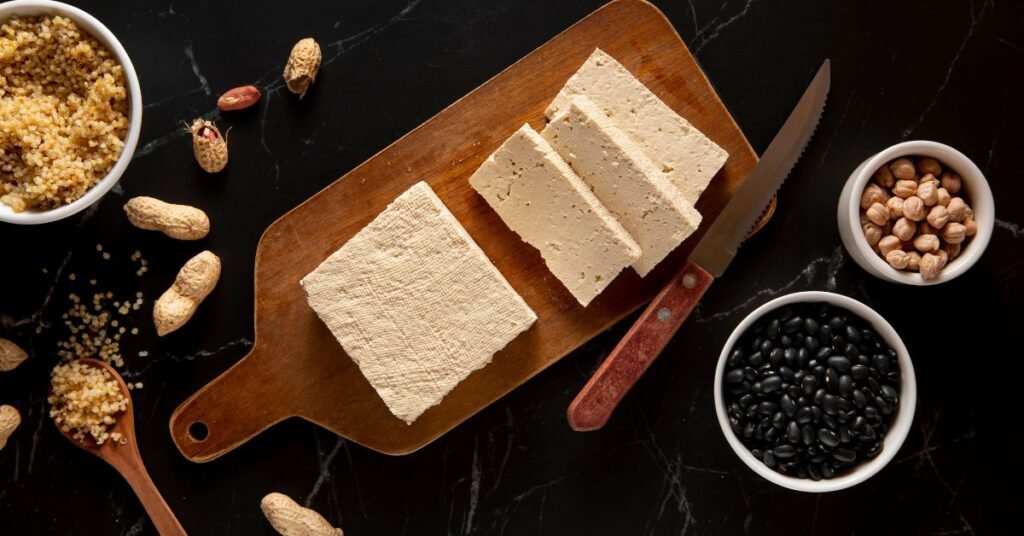
To conduct an honest audit, we must first understand the origin. Bean curd is produced by coagulating fresh soy milk and pressing the resulting curds into solid white blocks. According to nutritional science research published in food chemistry journals, depending on how it is processed and the amount of pressure applied during manufacturing, it can range in texture from silky-smooth to extra-firm.
While popular varieties like fried bean curd offer a different texture and taste profile, they often come with added fats from the frying process. Understanding how these different types fit into your unique metabolic roadmap is the first step toward achieving true metabolic autonomy. If you want to explore alternative protein structures that don’t trigger insulin spikes, check out our detailed guide on [Feta Cheese Nutritional Benefits].
The Comprehensive Bean Curd Nutritional Breakdown
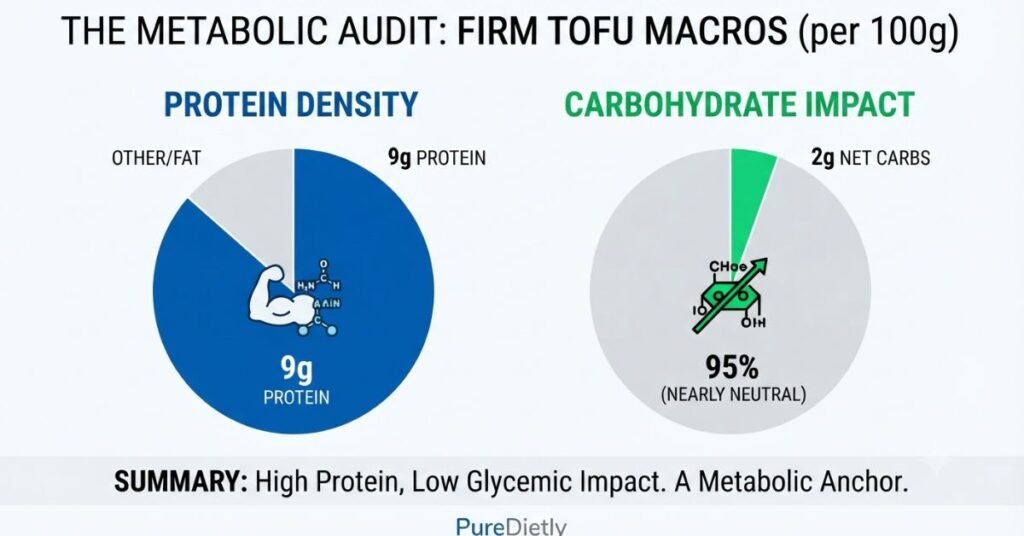
When we examine the bean curd nutritional value, we see a profile that is highly beneficial for blood sugar management. It is rare to find a food that is so versatile while remaining so metabolically neutral. Below is a detailed audit of a standard 100g serving of firm tofu.
| Nutrient | Typical Value (per 100g) | Metabolic Impact |
| Protein | 8g – 10g | Promotes high satiety and stable energy |
| Carbohydrates | 1g – 2g | Minimal to zero glucose impact |
| Fat | 4g – 5g | Essential for nutrient absorption |
| Fiber | 1g | Supports digestive regularity |
- Protein Density: Tofu is considered a complete protein, meaning it provides all the essential amino acids your body needs to function.
- Low Glycemic Load: Because it has almost zero net carbohydrates, it will not trigger a rapid glucose spike in your bloodstream.
- Micronutrients: It is rich in calcium and manganese, which are vital for maintaining bone density and overall metabolic efficiency.
Why It’s Considered a Metabolic Superfood
If you are worried about your blood sugar levels, tofu is a strategic choice. Unlike carb-heavy snacks or sugary desserts, the bean curd nutritional value supports a flat glucose curve throughout the day. Because it is high in protein and healthy fats, it effectively helps blunt the impact of other carbohydrates when eaten in the same meal.
Using Tofu as a “Glucose Anchor”
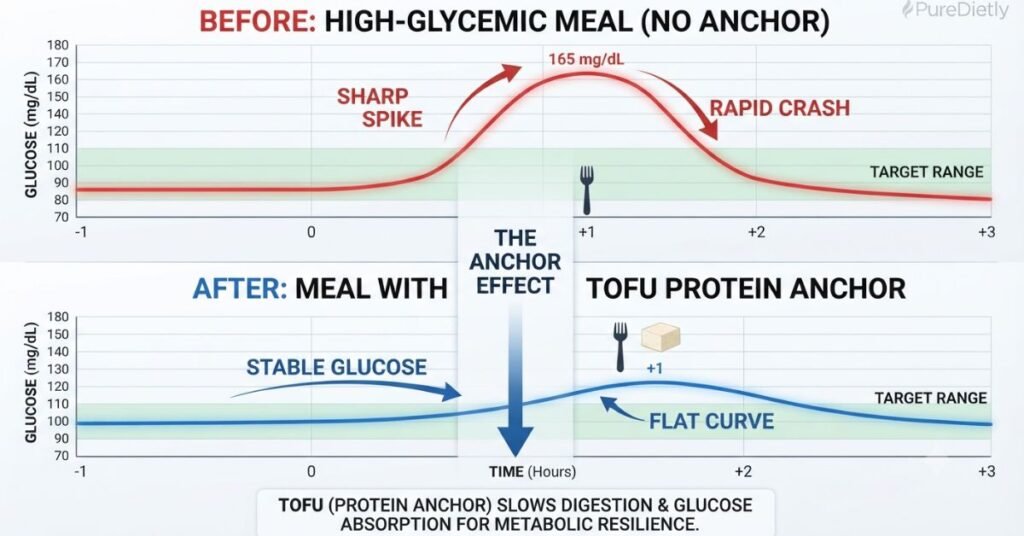
We often discuss the “Anchor Strategy” here at PureDietly. By pairing a small portion of tofu with a higher-carb food such as a small serving of berries or a piece of whole-grain sourdough you physically slow down the speed at which glucose enters your bloodstream. This prevents the “glucose roller coaster” that leads to afternoon fatigue and sugar cravings. This is exactly how you build long-term metabolic resilience.
Using Tofu as a “Glucose Anchor”
We often discuss the “Anchor Strategy” here at PureDietly. By pairing a small portion of tofu with a higher-carb food—such as a small serving of berries or a piece of whole-grain sourdough—you physically slow down the speed at which glucose enters your bloodstream. This prevents the “glucose roller coaster” that leads to afternoon fatigue and sugar cravings. For those tracking long-term trends, keeping a stable glucose curve helps optimize metrics like your A1C levels, which you can easily calculate or track using our custom tools found on our [Health Calculators] page.
Confused about food labels? Calculate your Net Carbs in seconds!
📊 Open Net Carb Calculator100% Free Tool for Gohar’s Readers
Tofu vs. Tofu Skin: What’s the Difference?
During your grocery store audits, you might also encounter tofu skin (also known as yuba), which is the protein-rich film that forms on the surface of boiling soy milk.
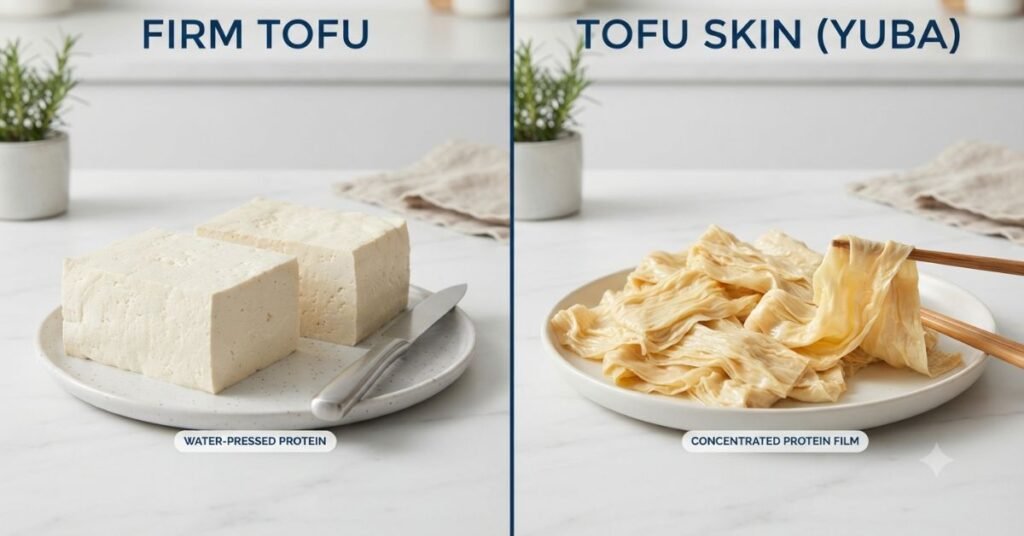
- Tofu Skin: This is often higher in protein and fat density than regular block tofu. It has a unique, chewy texture that works well in soups and stir-fries.
- Block Tofu: This is lower in calorie density, making it easier for portion control if you are tracking your energy intake strictly.
- Audit Tip: Always check the back of the label for added oils, refined sugars, or preservatives, especially if you are buying pre-marinated, smoked, or fried versions.
Are Carrots Good for Diabetics? (A Quick Comparison)
Readers often ask us how tofu compares to other “healthy” staples like carrots. While tofu is a protein powerhouse, carrots are a vegetable that can contain natural sugars. However, when you pair fiber-rich carrots with a protein-dense food like bean curd, you create a balanced meal that is much easier for your body to process without a spike. Always remember: it is not just about the food; it is about the combination.
Actionable Tips for Your Kitchen
To get the absolute most out of the bean curd nutritional value, follow these data-driven steps:
- Choose Firm or Extra Firm: These varieties hold their shape the best during cooking and have the lowest water-to-protein ratio, giving you more “bang for your buck”.
- Press Your Tofu: Always take five minutes to press out the excess water using paper towels or a tofu press. This allows the curd to absorb more flavor, meaning you won’t need to add sugary sauces to make it taste good.
- Pair Strategically: Use tofu as a base for stir-fries with non-starchy vegetables like broccoli or bell peppers to maximize your fiber intake and digestive health.
The Importance of Quality Soy
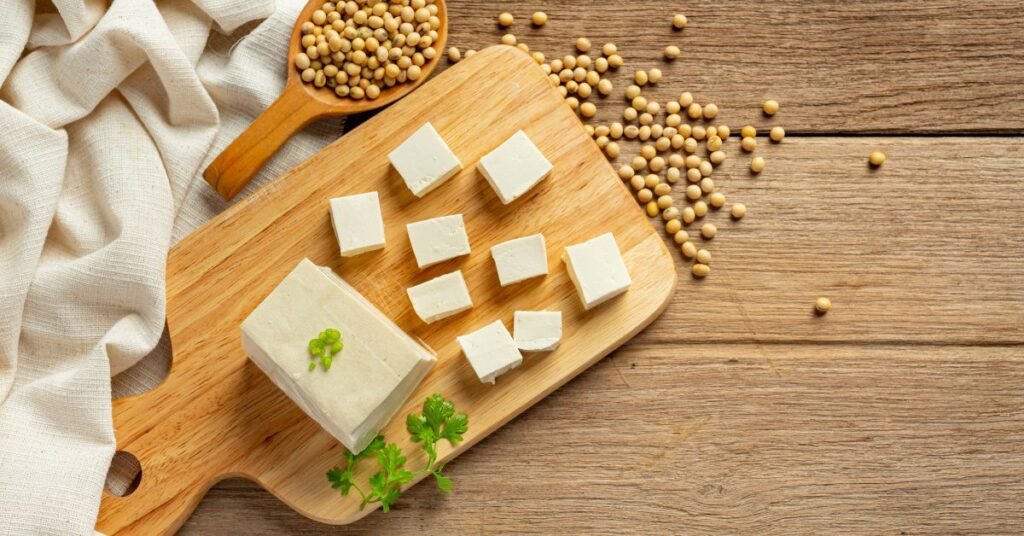
Not all bean curd is created equal. Because soy is a widely grown crop, we recommend looking for organic or non-GMO labels to ensure you are getting the highest quality nutrients. When you audit your food, you should aim for the cleanest source possible to ensure your mitochondria are fueled by quality, not just calories.
Conclusion: Adding Bean Curd to Your Audit
Bean curd is a powerhouse for anyone looking to stabilize their blood sugar and reclaim their metabolic flexibility. While it may seem like a simple ingredient, its high protein content and negligible impact on insulin levels make it a must-have staple in any metabolic resilience protocol.
By treating your meals as educational data points, you take control of your health. Before you finalize your grocery list for the week, don’t forget to check our previous deep dive on [The Mango Audit: Glycemic Index, Sugar Spikes, and Metabolic Truths] to see how fruit comparisons stack up against protein anchors in a balanced diet. Start auditing your intake today, and watch your metabolic health grow.
About the Author

Gohar Fatima is a Metabolic Health Researcher and the founder of PureDietly. Specializing in clinical nutrition and glycemic variability, she helps individuals move beyond restrictive, fear-based dieting. By using data-driven “metabolic audits,” Gohar empowers her readers to regain control of their health through evidence-based, actionable dietary strategies. Her mission is to transform how you view food from a source of stress to a tool for long-term metabolic resilience.
Medical Disclaimer:
The information on PureDietly is for educational purposes only and does not constitute medical advice, diagnosis, or treatment. Always seek the advice of your physician or qualified health provider regarding any medical condition or dietary changes.