
By Gohar Fatima | July 14, 2026

Editor’s Note:
At PureDietly, we believe nutrition is not just about counting calories; it is about auditing how food affects your biology. This 2026 audit reviews hearts of palm through the lens of glycemic velocity and metabolic resilience. Please prioritize your unique CGM data when choosing pantry staples.
When you are on a journey toward metabolic autonomy, finding the right “anchor” foods is essential. Many people struggle to find low-carb, nutrient-dense options that don’t feel like a sacrifice. Hearts of palm often emerge as a top contender for those managing metabolic health. While they are popular in upscale salads, many people are unaware of their specific impact on glucose levels. In this 2026 metabolic audit, we break down the data to see if this unique vegetable is truly the metabolic asset it claims to be.
What Exactly Are Hearts of Palm?
Harvested from the inner core of certain palm trees, these mild-tasting vegetables are a staple in gourmet and health-conscious kitchens. They are essentially a “hidden” nutrient source, often overlooked because of their unique, crunchy texture. Because they grow in the protected core of the tree, they are shielded from many environmental pollutants, making them a clean, sustainable plant-based food choice. Furthermore, unlike processed vegetables that lose nutrients during long-distance transit, hearts of palm are typically processed and canned quickly, preserving their structural integrity and mineral profile.
Metabolic Audit: Nutritional Breakdown
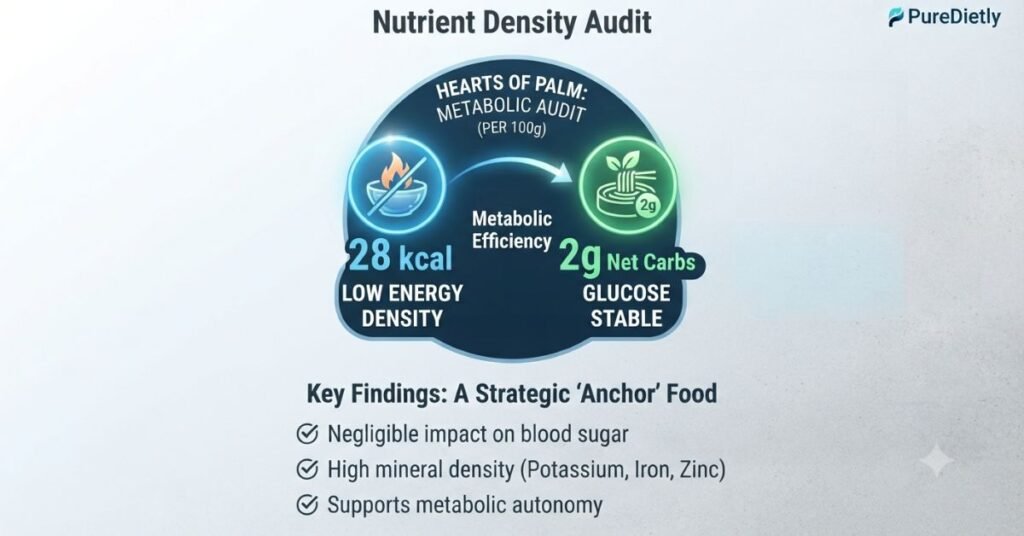
To understand the biological cost and benefit, we must look at the data per 100g serving. When we audit our pantry, we look for foods that provide high mineral density with a low glycemic impact.
| Nutrient | Typical Value | Metabolic Impact |
| Calories | ~28 kcal | Very low energy density |
| Protein | ~2.5g | Moderate plant-based source |
| Net Carbs | ~2g | Excellent for glucose stability |
| Fiber | ~2g | Aids in blunting glucose spikes |
| Potassium | ~180mg | Supports electrolyte balance |
Key Metabolic Observations:
- Low Glycemic Load: With negligible net carbs, this vegetable is unlikely to trigger a blood sugar spike, making it an ideal “filler” food for those on a ketogenic or low-carb protocol.
- Micronutrient Density: They are packed with potassium, iron, and zinc. These minerals are vital for supporting your mitochondria and overall metabolic resilience.
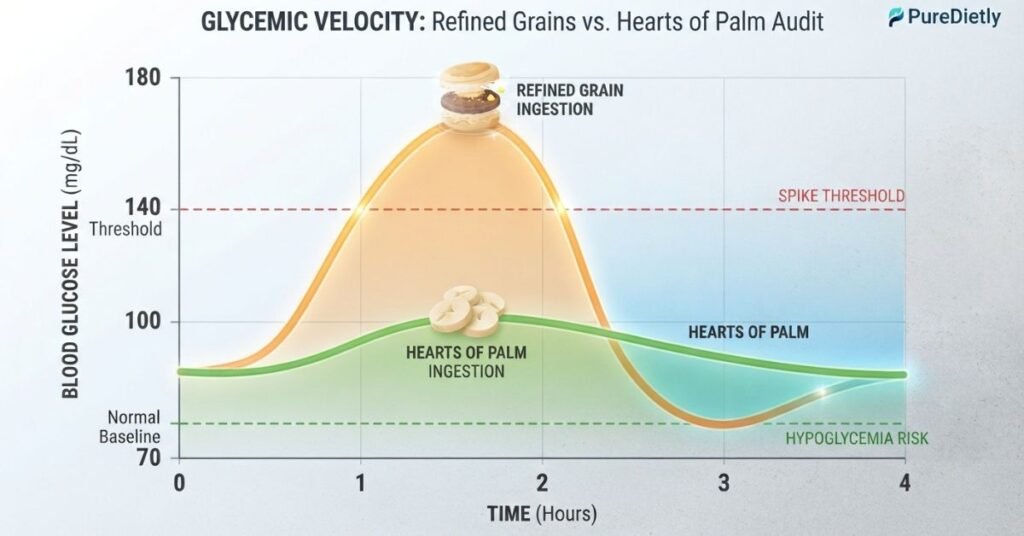
- Insulin Management: Because they are digested slowly, they act as a stable “base” for your meals, preventing the typical “glucose roller coaster” seen with processed grains.
- Mineral Synergy: The presence of magnesium and potassium helps in neutralizing metabolic waste, which is a key component of our [Metabolic Audit Framework].
The Metabolic Benefits of Hearts of Palm
For those focusing on metabolic autonomy, hearts of palm provide significant advantages beyond just being “low carb.”
1. Weight Management and Satiety
Their low calorie density allows you to increase meal volume without increasing your insulin load. When you feel physically full, you are less likely to experience the cravings that often lead to snacking on high-glycemic foods. Additionally, the crunch factor provides a psychological sense of satisfaction that soft, processed foods often lack.
2. Gut Health and Insulin Sensitivity
The fiber content acts as a prebiotic. By feeding your beneficial gut bacteria, you indirectly support the hormonal pathways that regulate insulin sensitivity. A healthy gut microbiome is a non-negotiable pillar of metabolic health. Research indicates that a diverse gut flora, supported by plant fibers, can help modulate systemic inflammation.
3. Glucose Stability
Unlike refined grains which cause rapid spikes hearts of palm offer a steady supply of energy. By stabilizing your blood sugar, you remain in a fat-burning state for longer periods, which is the definition of metabolic flexibility. If you are struggling with afternoon energy crashes, incorporating this vegetable into your lunch can provide a consistent glucose release.
How to Use Them as a “Protein Anchor”
On the PureDietly protocol, we prioritize protein anchors. If you want to maximize the impact of your meal, here is how to audit your meal preparation:

- Salad Base: Use them instead of croutons to add a satisfying crunch without refined flour or seed oils.
- Pasta Alternative: Many individuals use heart of palm “noodles” to replace high-carb wheat pasta. When paired with a fatty protein like salmon or grass-fed beef, you create a perfect metabolic meal. This is a primary strategy we discussed in our [Previous Audit: Healthy Protein Anchors].
- Simple Pairings: Always pair with a high-quality protein to maximize satiety and ensure your cells have the amino acids they need to function efficiently. For example, a heart of palm salad topped with grilled chicken or hard-boiled eggs creates a nutrient-complete meal that minimizes insulin demand.
Damage Control: What to Watch Out For
While hearts of palm are metabolically sound, you must remain a vigilant auditor.
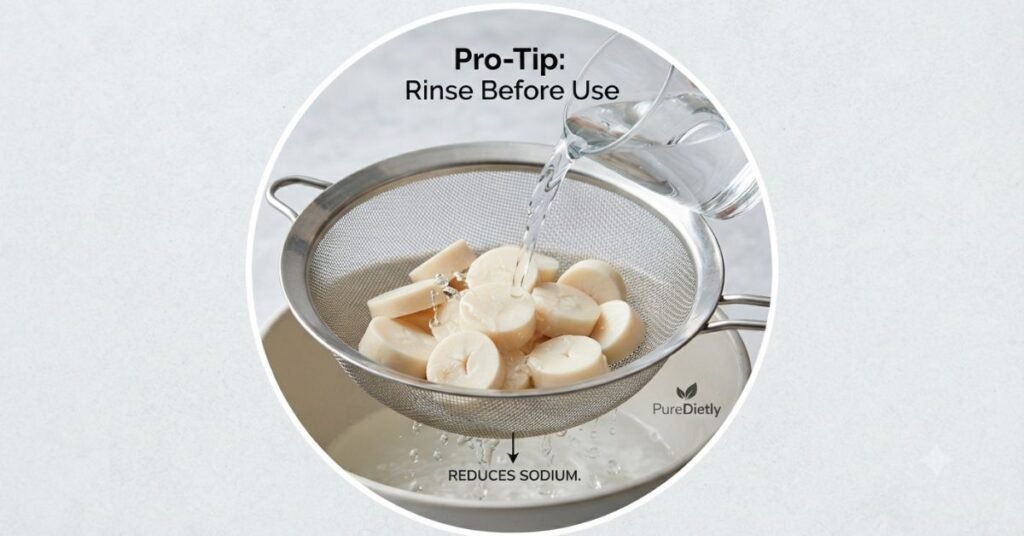
- Sodium Content: Always check the label for added sodium or citric acid in canned versions. If you are salt-sensitive, rinse them thoroughly under cold water before consumption. This simple step can reduce the sodium load by up to 30%.
- Quality Assurance: Opt for brands that focus on transparent sourcing to avoid unnecessary preservatives that can irritate a sensitive gut.
- Environmental Impact: Always ensure you are buying from brands that utilize sustainable harvesting methods, as the preservation of palm forests is essential for long-term ecological health.
Conclusion: Data-Driven Choices
Integrating hearts of palm into your diet is a smart move for long-term metabolic health. They offer a unique combination of low carb content and high mineral density, making them a perfect addition to your metabolic audit toolkit. By moving away from fear-based dieting and focusing on data-driven, nutrient-dense ingredients, you move closer to biological autonomy.
Remember, metabolic health is a continuous process of auditing. Every ingredient you choose is a data point. If you are curious about how to further optimize your pantry, read our previous audit on [Protein Anchors] to see how you can pair these vegetables with the right proteins to keep your glucose levels stable throughout the day. By consistently auditing your food, you transform your relationship with nutrition from one of restriction to one of empowerment.
Add Seaweed Salad to your daily carb limit in 30 seconds!
Frequently Asked Questions (FAQs)
Q: Are hearts of palm considered a high-fiber food?
A: While they contain a moderate amount of fiber, they are best categorized as a low-glycemic, nutrient-dense vegetable that supports stable blood sugar.
Q: Can I eat hearts of palm if I am strictly monitoring my insulin?
A: Yes. Because they have very low net carbs, they have a minimal impact on insulin secretion, making them an excellent choice for metabolic health.
Q: Do they taste like other vegetables?
A: They have a mild, slightly tangy, and nutty flavor, similar to artichoke hearts, making them very versatile for different cuisines.
Q: Is there any risk to eating them daily?
A: They are generally very safe. The only minor concern is the sodium content in canned varieties, so rinsing them is always a good practice.
About the Author:
About the Author: Gohar Fatima is a Metabolic Health Researcher and the founder of PureDietly. Specializing in clinical nutrition and glycemic variability, she helps individuals move beyond restrictive, fear-based dieting. By using data-driven “metabolic audits,” Gohar empowers her readers to regain control of their health through evidence-based, actionable dietary strategies.
Medical Disclaimer:
Medical Disclaimer: The information on PureDietly is for educational purposes only and does not constitute medical advice, diagnosis, or treatment. Always seek the advice of your physician or qualified health provider regarding any medical condition or dietary changes.